The Best Exotic Marigold Hotel is an enjoyable retirement comedy with a cast worth spending time with. The predictability is manageable; the tendency to make India serve the visitors’ personal growth is harder to excuse.
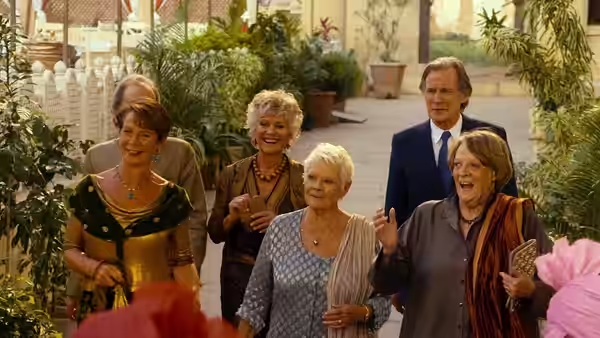
John Madden’s The Best Exotic Marigold Hotel is good company, provided a gentle ensemble comedy is what the evening requires. Its British retirees relocate to Jaipur with the possibility that life may still have something to offer them, and the film is determined to prove it. That reassurance comes with some predictable writing, but the cast makes the disappointments and tentative hopes worth attending to. We can see where much of it is going without losing interest in the people getting there.
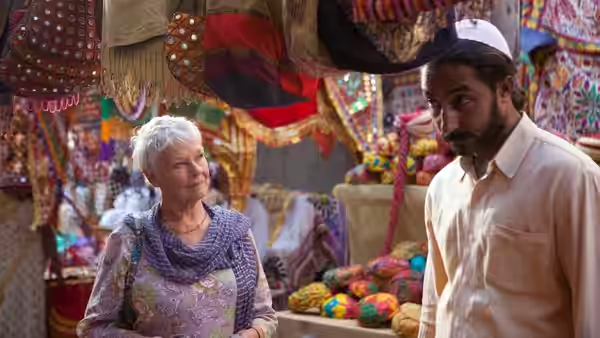
Judi Dench gives Evelyn Greenslade enough uncertainty to make the optimism bearable. The pleasure in her scenes with Bill Nighy’s Douglas Ainslie lies in the performers’ responsiveness: neither seems to be waiting merely to deliver the next pleasant line. Their connection supplies a reason to care about these people before the screenplay begins distributing lessons. Ol Parker, adapting a novel by Deborah Moggach, is well served by actors who suggest complicated lives within such tidily assigned stories.
Tom Wilkinson gives the film its strongest reason to take the sadness seriously. We were moved by the regret he gives Graham Dashwood, because it feels like something the man has carried for years and still finds difficult to discuss. There is patience in the performance, and no hurry to make the character agreeable. The writing tends to press towards reassurance, so this willingness to let unhappiness linger matters.
Maggie Smith is funny as Muriel Donnelly, but the decision to keep using her racism for laughs is a problem. Her delivery can make an ugly sentiment amusing before there has been time to consider who is expected to absorb it. That leaves the film relying on our affection for the performer to excuse what her character says. A comedy about older people learning to change needs more care here, especially when so much of the local world receives less attention than the visitors’ feelings.
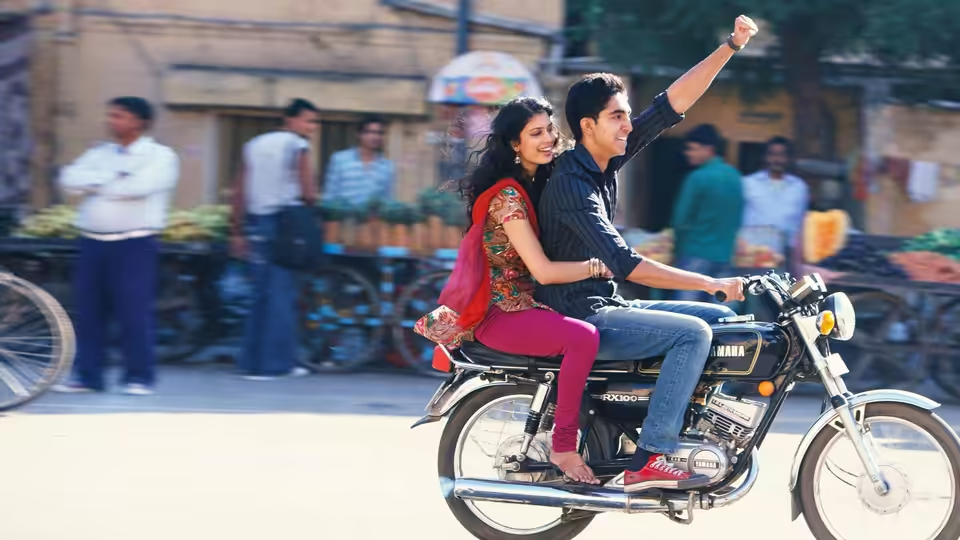
Ben Davis gives the images a welcoming warmth, which suits the film’s wish to make relocation seem possible without denying its difficulties. Alan MacDonald’s production design contributes to the same polished welcome, though the result can feel too arranged for the visitors’ benefit. Jaipur is inviting, but we get less sense of its inhabitants having lives beyond the pensioners’ experiences. That limitation matters more than the familiar plotting: the place ought to hold our interest without needing to improve somebody from Britain.
Chris Gill’s editing keeps the ensemble legible, although at 124 minutes the film gives its modest surprises more room than they need. The separate stories sometimes feel as though they are taking turns, each waiting for the others to catch up. Thomas Newman’s music supports the prevailing reassurance; it maintains the mood, but can feel unnecessary when the script already makes its intentions plain. A little less encouragement would have left more space for the actors’ quieter work.
Retirement comedy does not need to be merciless to be useful, and John Madden is right to leave room for pleasure. Older characters are allowed hope and desire here without every feeling becoming a joke about their age. The film could trust that ordinary humanity more and its lessons a little less. Choose it for the actors, especially if a forgiving evening sounds preferable to a demanding one.