Peter Greenaway’s crime drama rewards a taste for theatrical excess, though its cruelty becomes exhausting. Michael Gambon is horribly funny, and the elaborate craft gives a simple adultery story enough force to survive some heavy-handed writing.
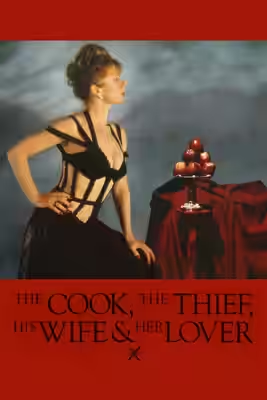
Peter Greenaway’s The Cook, the Thief, His Wife & Her Lover is worth the discomfort for anyone with an appetite for theatrical excess. The adultery story is simple, and its treatment deliberately excessive, making cruelty difficult to ignore even when the images invite admiration. It rewards a willingness to spend time with people whose company becomes increasingly unpleasant. Its humour offers little relief, since it so often belongs to the person causing the pain.
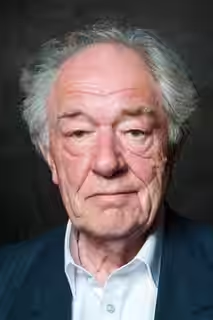
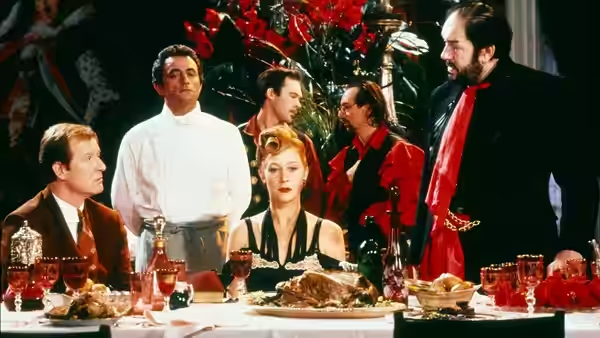
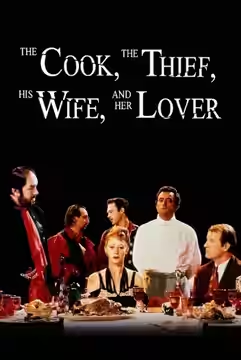
Michael Gambon gives Albert Spica a greed for attention that makes even the comedy unpleasant. He plays wickedness with such relish that we can feel ourselves being encouraged to enjoy it, and that is where the performance becomes disturbing. We laughed at his bullying and were uneasy about it almost at once; the pleasure he takes in imposing himself makes the laughter feel like encouragement. The size of the performance is justified by the way it crowds out everyone else, although spending this long in its company is hard work.
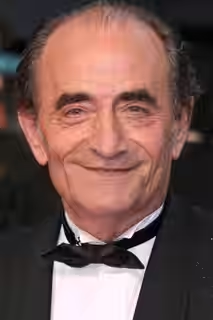
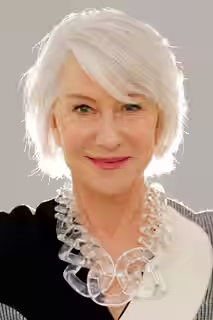
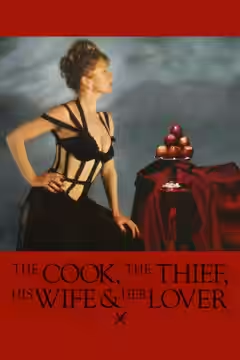
Helen Mirren’s Georgina Spica is essential because her presence gives the adultery some human weight. With Alan Howard as Michael, the film allows quieter acting to compete with the bullying, and we wanted more room for that competition. Richard Bohringer’s Richard Boarst also benefits from restraint amid so much excess. The weakness is Peter Greenaway’s writing: the lovers are less fully imagined than the man whose behaviour bears down on them, and their relationship sometimes feels too slight for the importance placed on it.
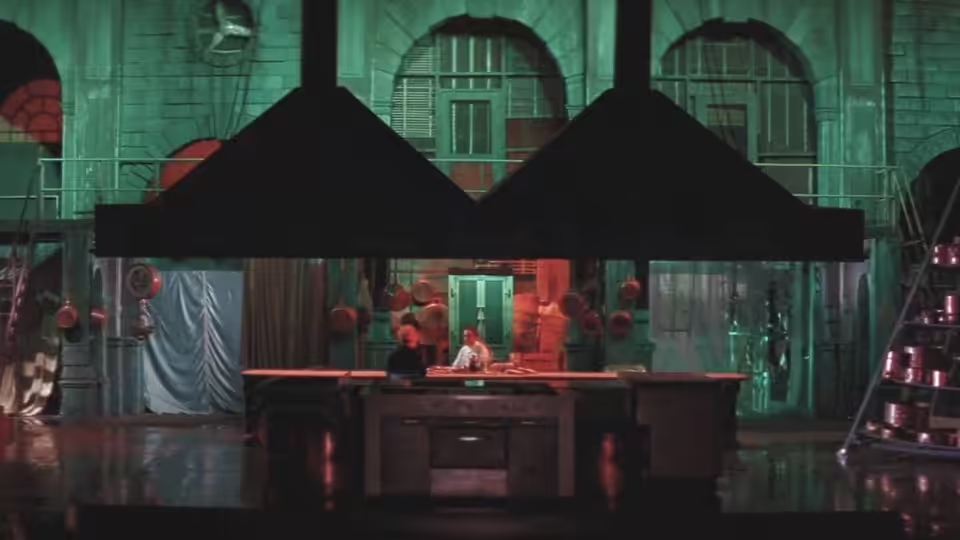
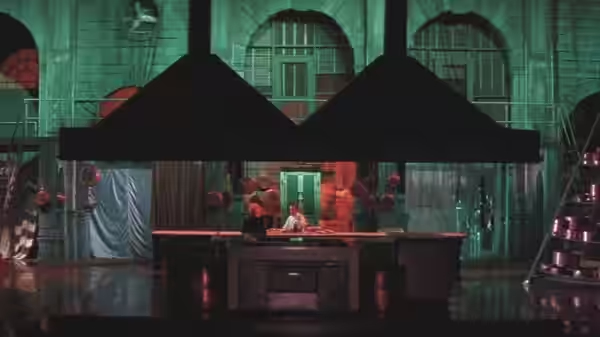
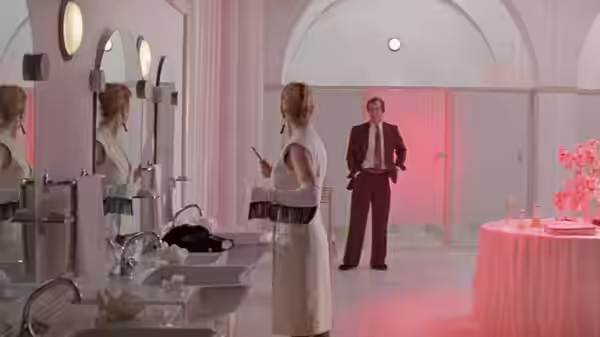
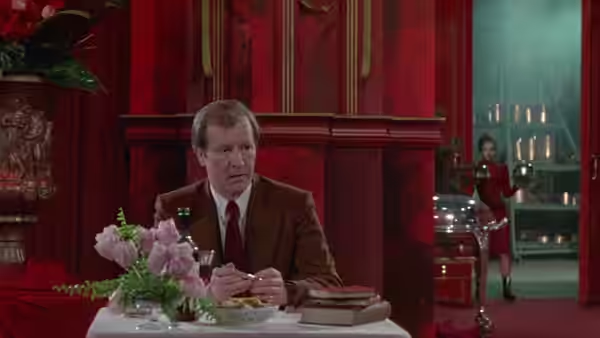
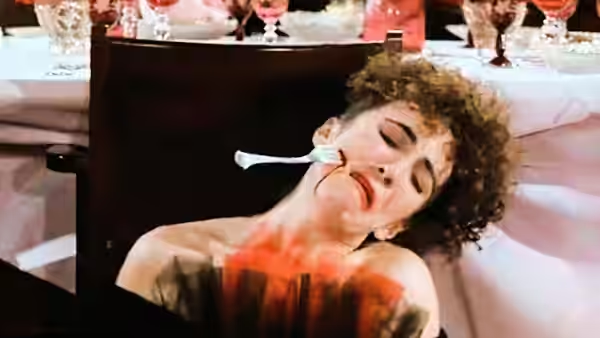
Sacha Vierny’s cinematography makes the elaborate surroundings hard to stop looking at, complicating our wish to turn away from the violence. Production designers Ben van Os and Jan Roelfs give the film a richness that feels oppressive, with sets so insistently elaborate that they compete with the performers for attention. Jean-Paul Gaultier’s costumes add to that sense of people dressed for display, making vanity visible before anyone needs to explain it. The precision is impressive, even when we find ourselves studying the clothes instead of attending to the person wearing them.
Michael Nyman’s music helps sustain the operatic scale, giving the brutality a solemnity that the grotesque humour keeps disturbing. That combination is unnerving, and the music contributes substantially to the film’s emotional force. John Wilson’s editing is less consistently persuasive: the excess needs time to register, but repetition gradually reduces its effect. There are passages where we have understood the ugliness and are simply being asked to endure more of it.
As crime drama, this offers few of the pleasures of a puzzle or a neatly managed scheme. Peter Greenaway keeps presenting appalling behaviour with such care that enjoying the film becomes uncomfortable, even before we consider the violence. Most critics are less persuaded than we are by the excess, finding that it overwhelms the achievements of the cast and collaborators. We think they give too little weight to Michael Gambon’s humour, which keeps making us laugh at behaviour we know we should find repellent.
The 18 certificate deserves attention here, as does the prospect of 124 minutes spent with deliberate cruelty. The elaborate presentation will offer no comfort to anyone put off by grotesque violence. Even an appetite for abrasive drama may be tested by how long the bullying continues. Choose it for an evening when being unsettled is part of the plan.