Ridley Scott’s survival drama has warmth and some rewarding aerial photography, but its thin characters cannot sustain the leisurely pace. The Dog Stars is too uneven to recommend beyond those already drawn to quiet post-apocalyptic tales.
Ridley Scott’s The Dog Stars is a survival film with a welcome interest in people being kind to one another, and too little curiosity about who those people are. It is worth taking that kindness seriously. Adapted by Mark L. Smith from Peter Heller’s novel, it tries to find room for companionship after the end of the world, rather than treating every encounter as another excuse for violence. The trouble is that its calmer stretches need characters who can sustain them.
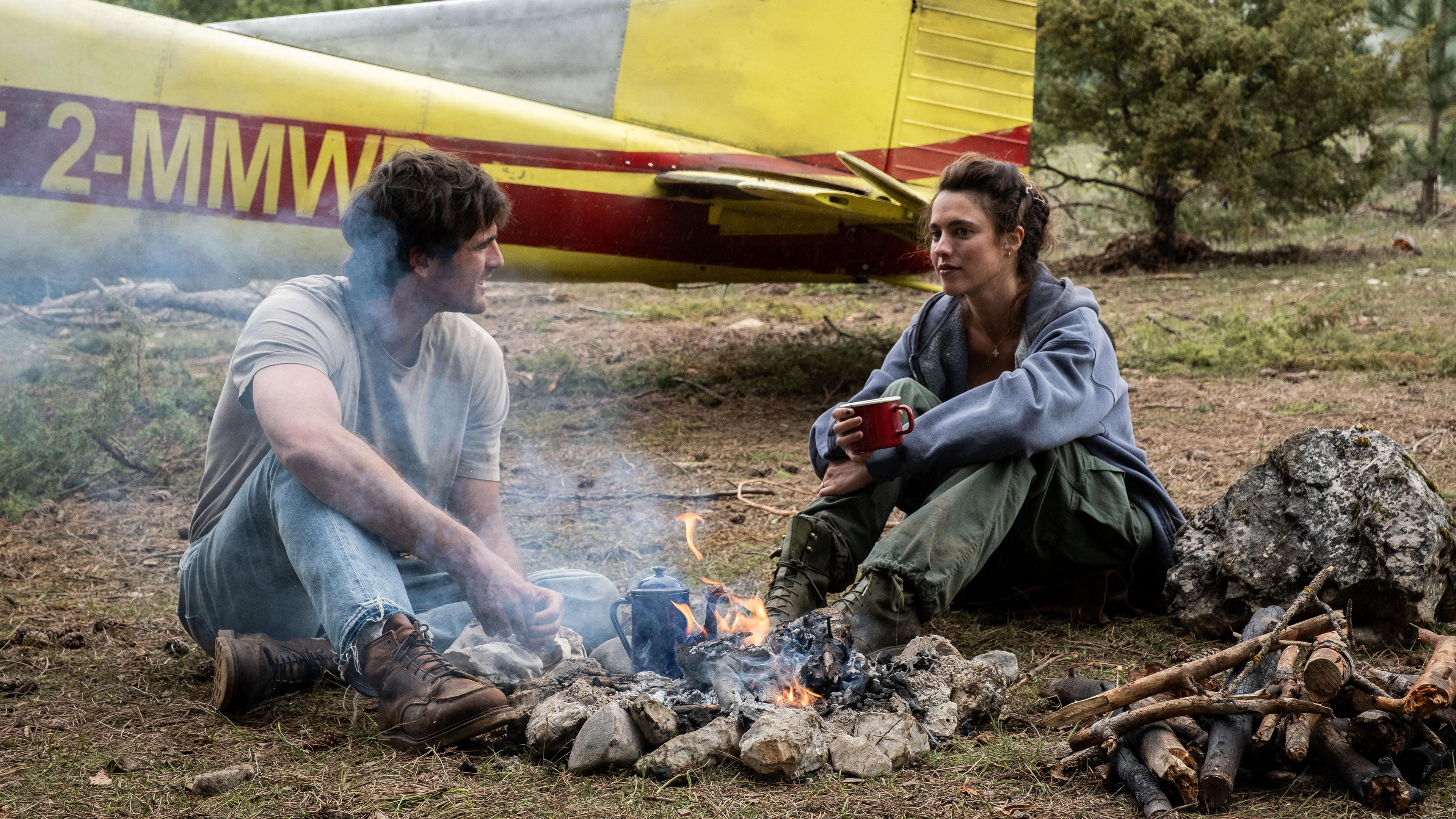
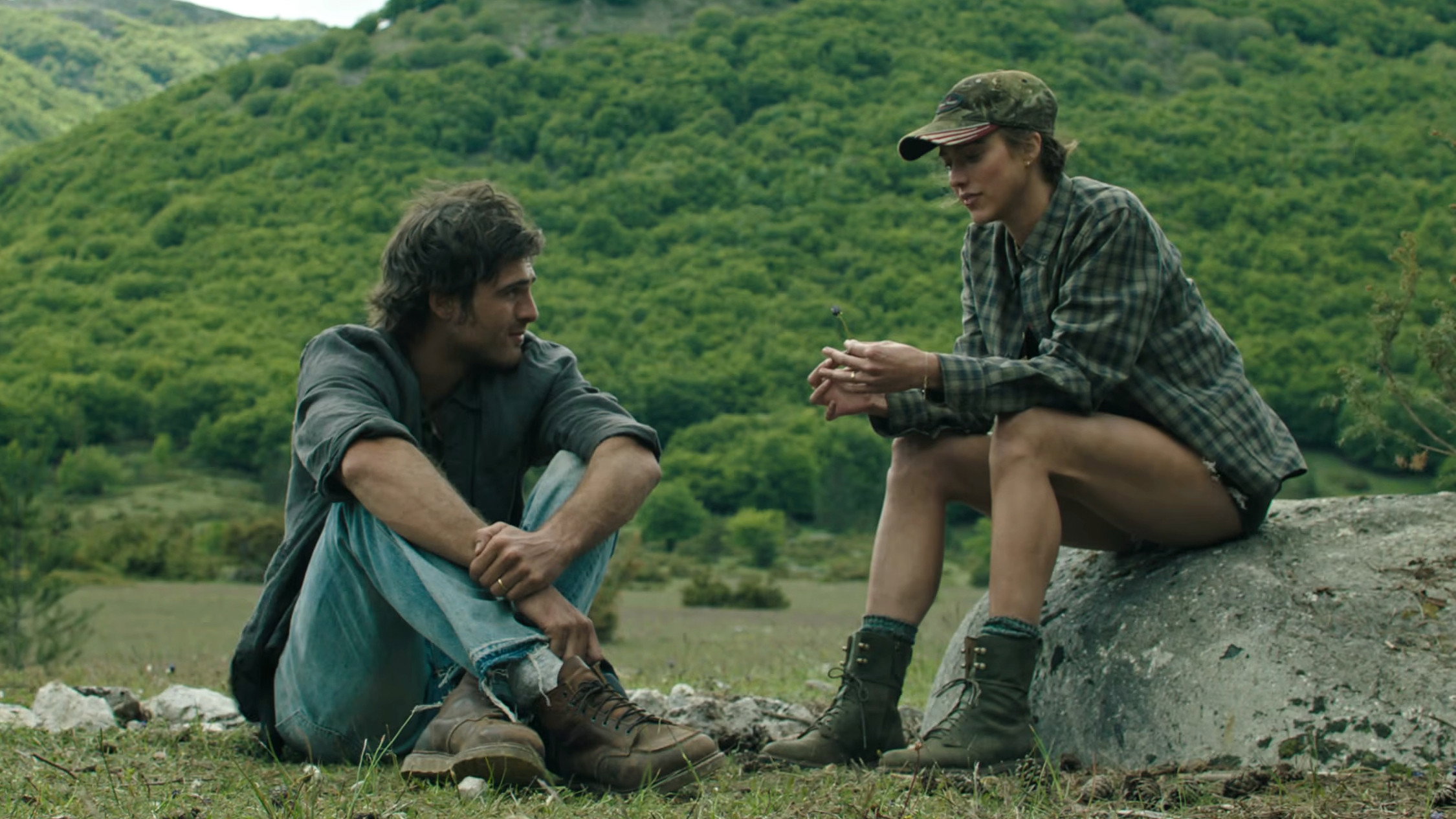
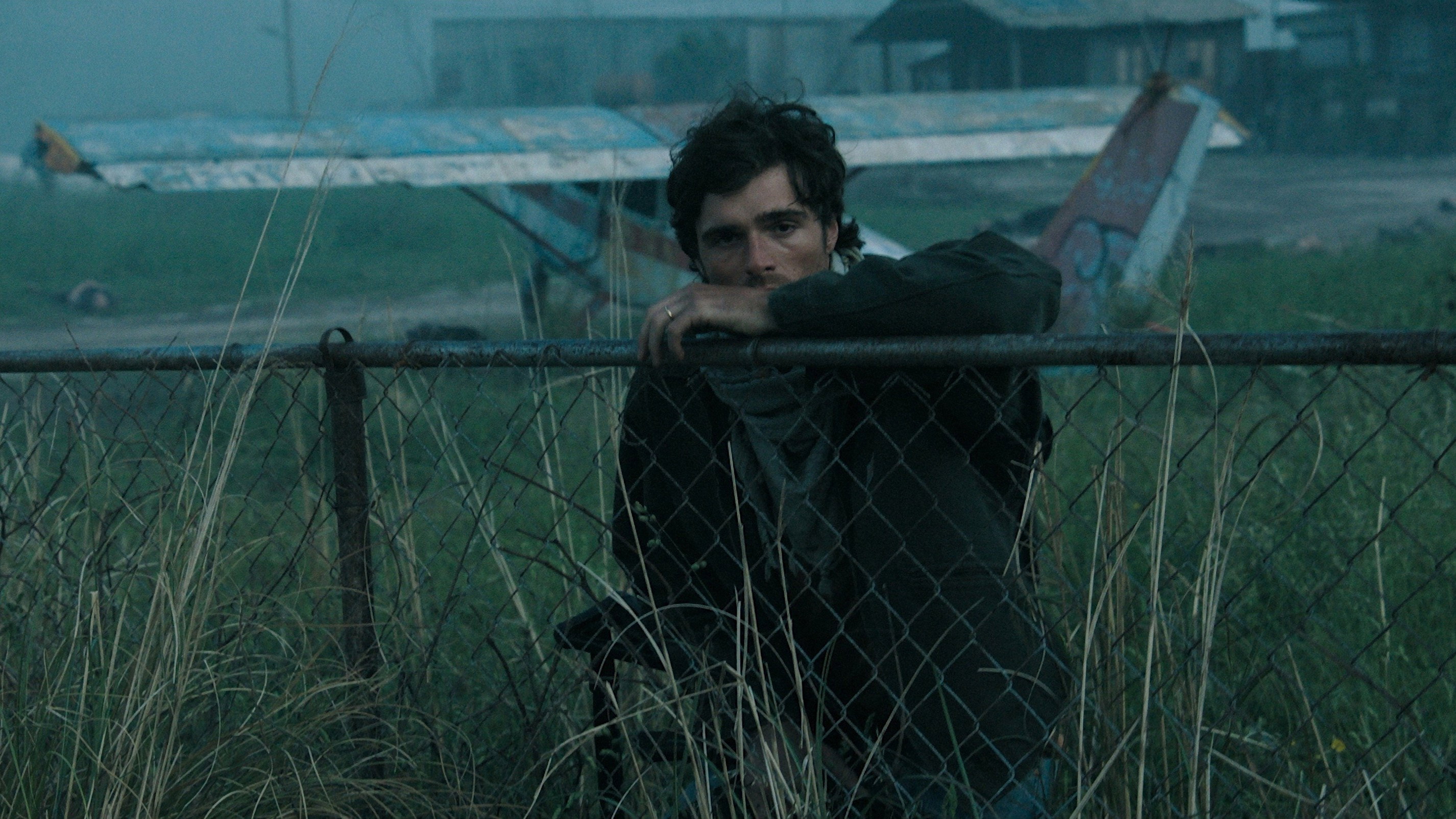
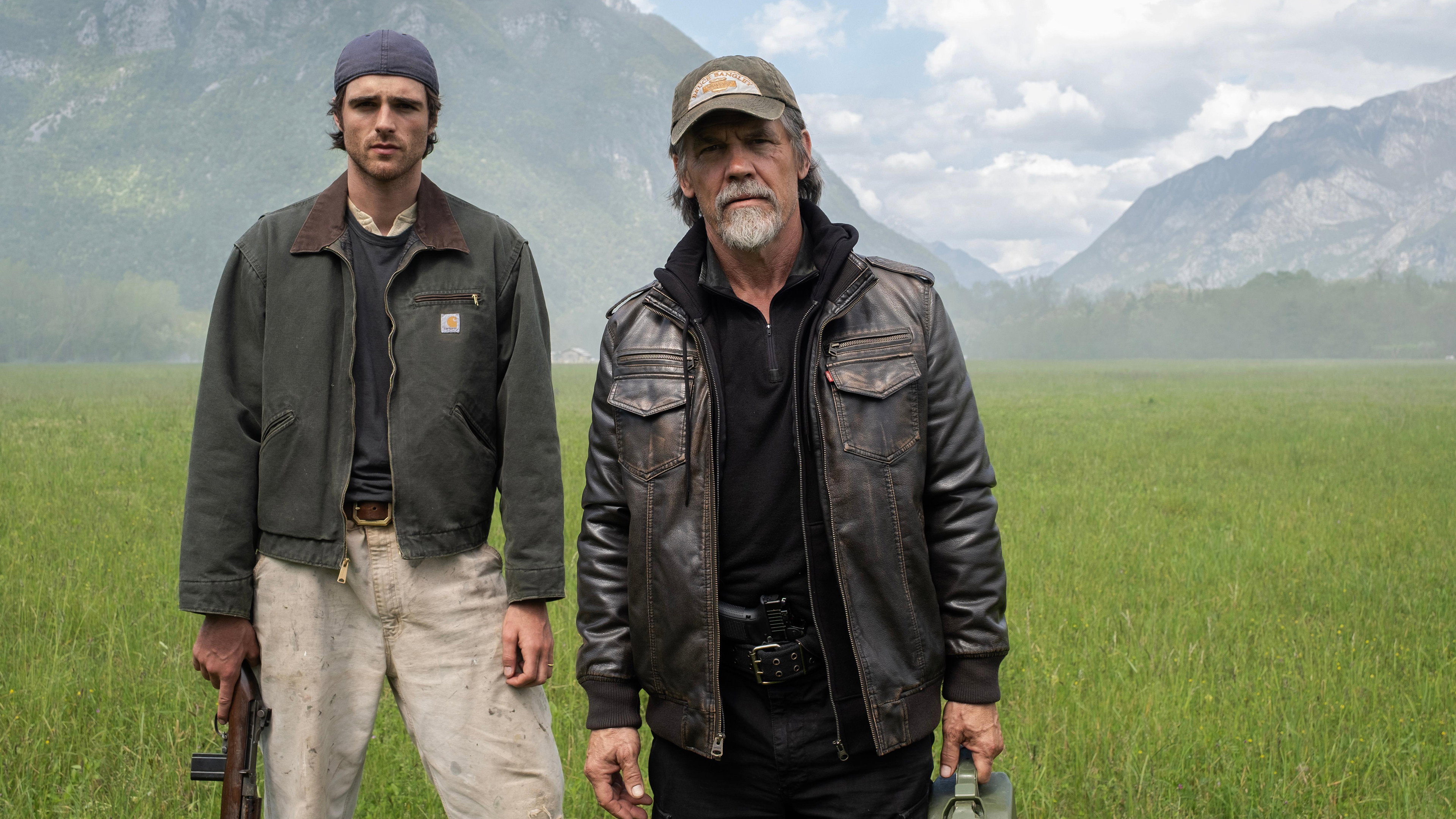
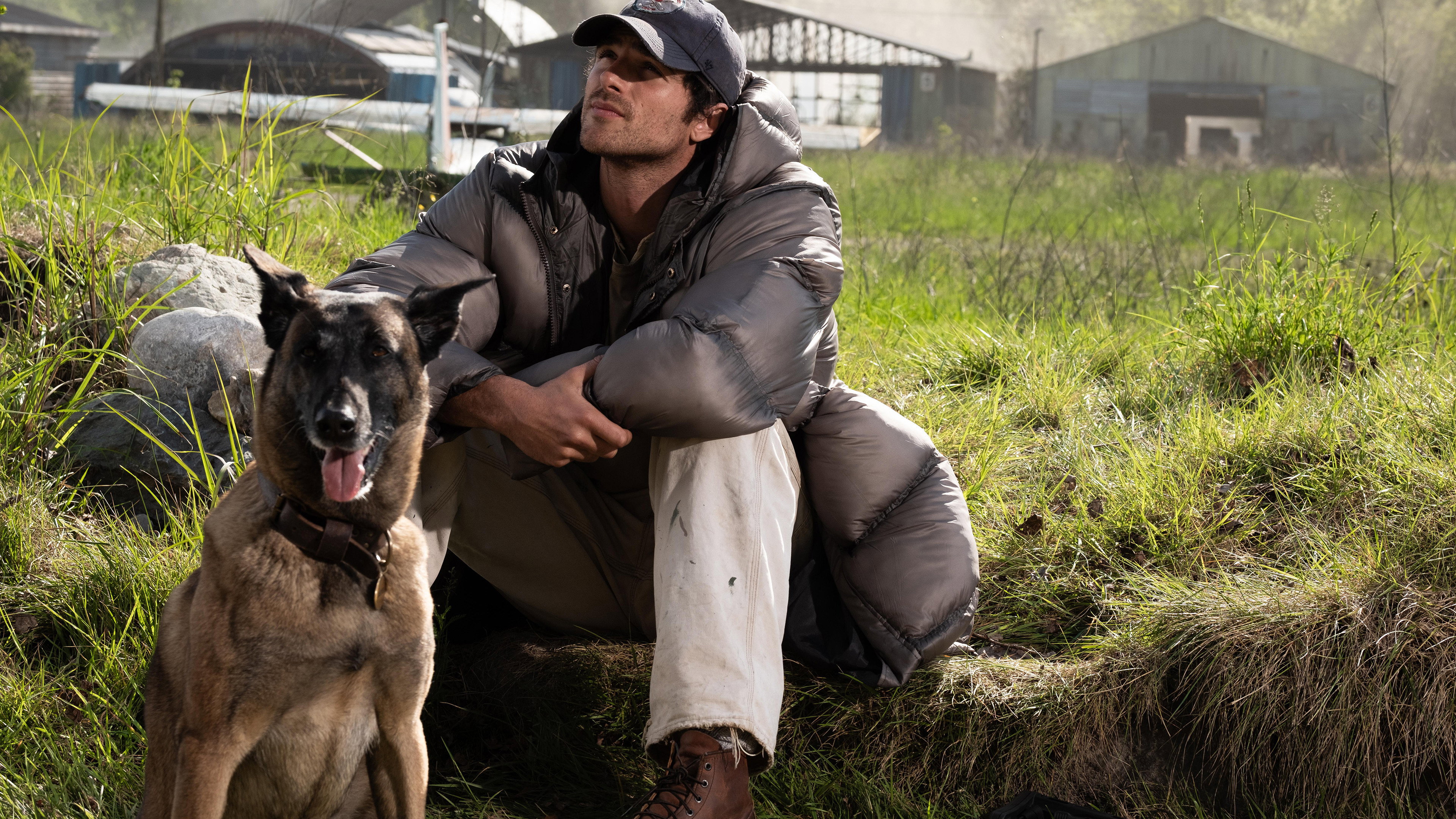
Jacob Elordi plays Hig with a subdued manner that suits a film reluctant to hurry. The difficulty is that his restraint becomes hard to distinguish from a lack of things to play. Josh Brolin’s Bangley offers a more forceful presence, and the contrast gives their shared passages some life. Margaret Qualley, as Cima, and Guy Pearce, as Pops, help make the company agreeable. Yet Smith’s screenplay gives this group too little individual character to make prolonged attention feel rewarding.
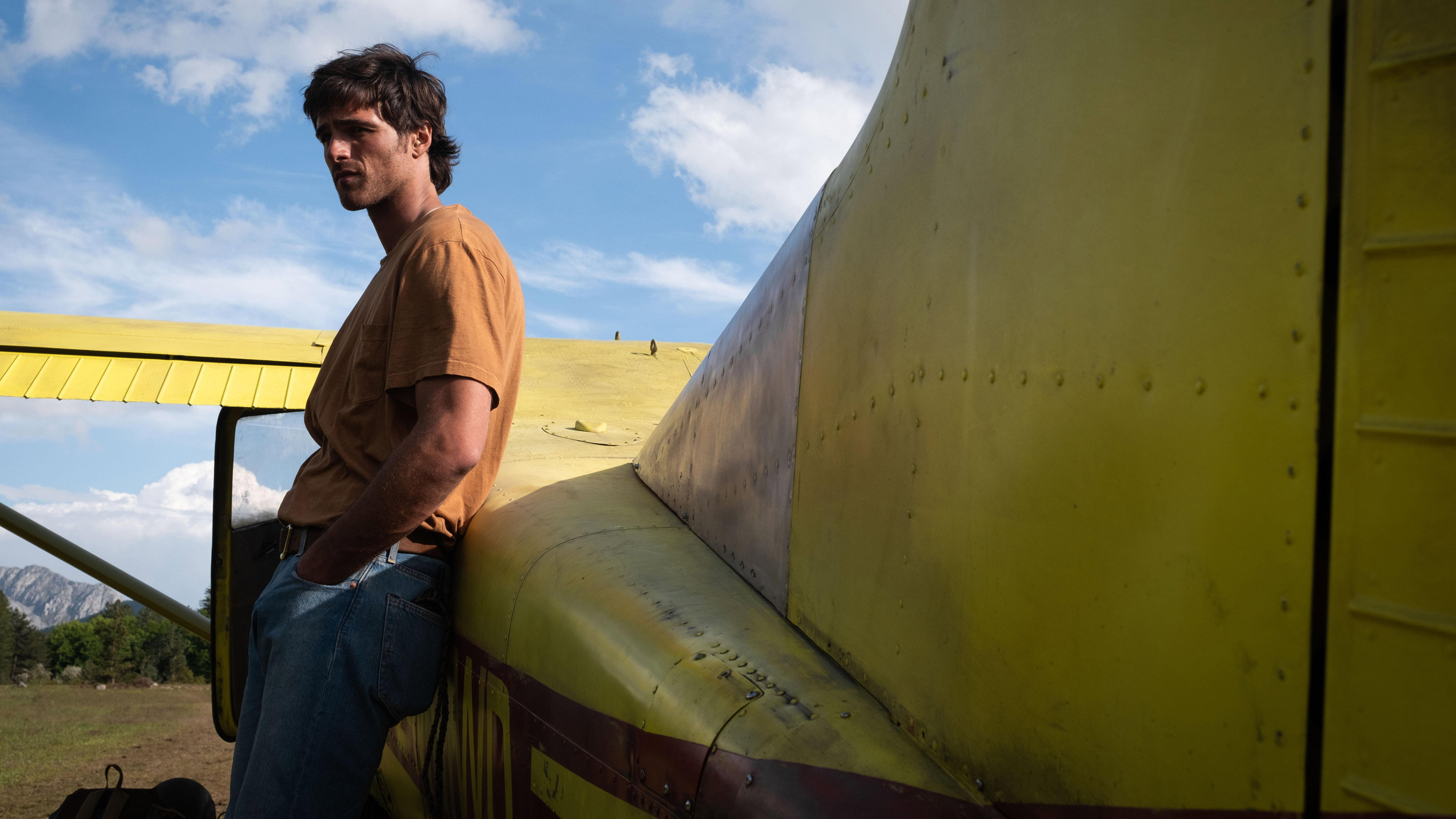
Erik Messerschmidt’s cinematography is more persuasive, particularly when the film takes to the air. The flights allow us to look at the landscape without constantly searching it for the next threat, and that calm is a pleasure. Chris Seagers’s production design helps make the abandoned surroundings feel like somewhere people might still live. The film has a credible interest in the practical business of carrying on. Its attention to daily survival gives the hopeful tone some substance, even when the writing struggles to make the people distinctive.
Editors Claire Simpson and Sam Restivo struggle to give these unhurried scenes a shape that holds our attention. Too often the pace slackens without allowing a relationship to deepen, and the bursts of bloody action interrupt rather than relieve the drift. Harry Gregson-Williams’s score cannot supply the tension missing from the scenes themselves. We grew restless during the stretches of day-to-day survival, because spending longer with Hig did not make us care more about him.
Scott struggles with the shifts in tone, too. Allison Janney’s Darlene is played broadly enough to jar against the tentative companionship elsewhere. The problem is not that a survival story must remain solemn; some levity would be welcome. It is that the change feels imposed, and Smith’s convenient plotting adds to the sense that the people will behave however the next passage requires.
The film sits most comfortably with the quieter end of survival fiction, where finding tolerable company can matter as much as avoiding a threat. That is a worthwhile place for Scott to work, and the hopeful tone keeps the familiar setting from becoming oppressive. More violence would do little to address the trouble. Smith needed to give the relationships enough substance to make these uneventful stretches worth our attention.
At 119 minutes, The Dog Stars has time to make these survivors matter, but spends too much of it depending on our goodwill towards them. There is enough warmth and enough pleasure in the flying to make its shortcomings disappointing. For a tense evening, choose something else.