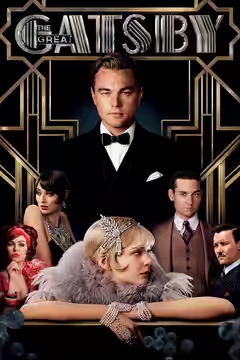
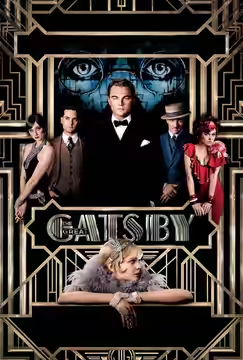
Baz Luhrmann’s lavish adaptation has a persuasive Gatsby in Leonardo DiCaprio and parties worth attending. Intrusive narration and a drawn-out romance make it a qualified recommendation for those who enjoy their drama heavily decorated.
Baz Luhrmann’s The Great Gatsby has enough pleasure in it to justify an evening, provided lavish screen romance is already a temptation. This adaptation of F. Scott Fitzgerald’s novel wants the parties to be seductive enough that we understand the attraction before questioning the waste. That is a sensible way into the material, and for a while the sheer busyness is enjoyable. The trouble begins when the film keeps insisting on feelings the actors are already capable of conveying.
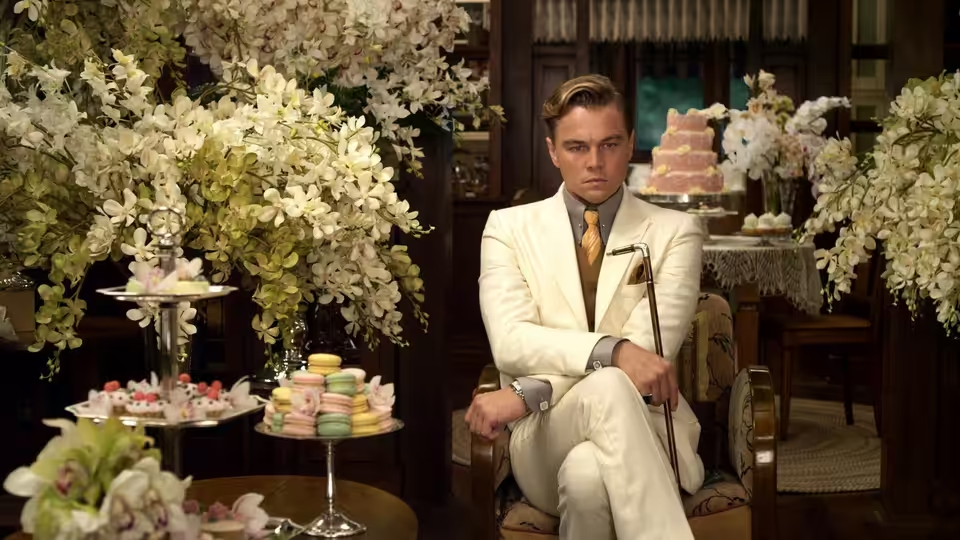
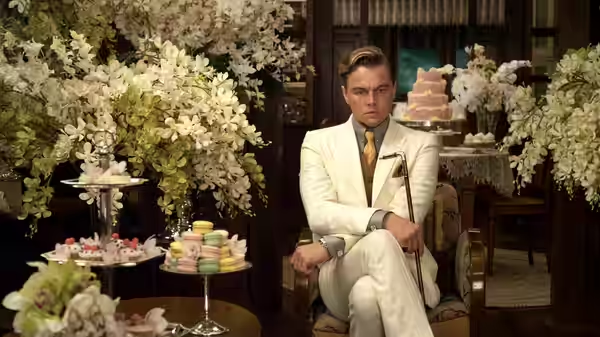
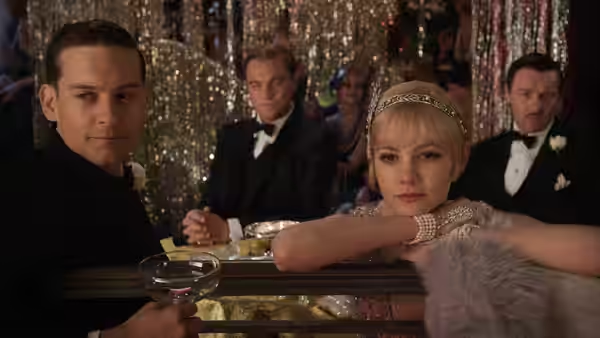
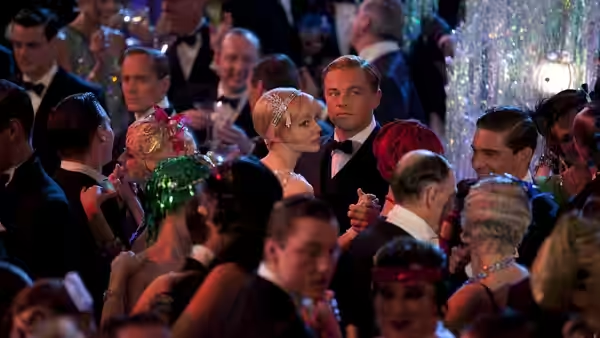
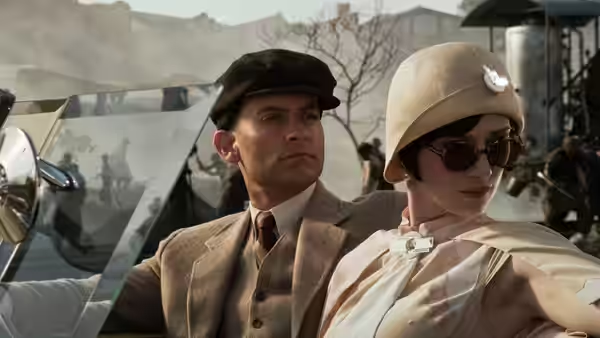
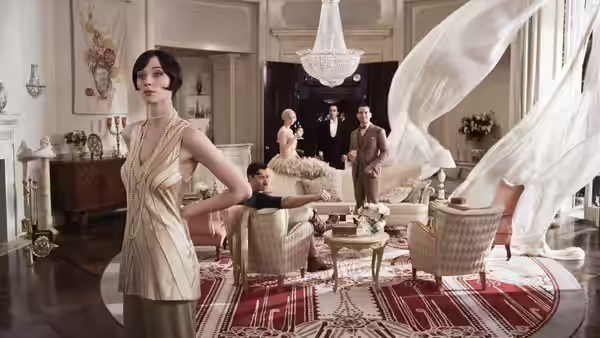
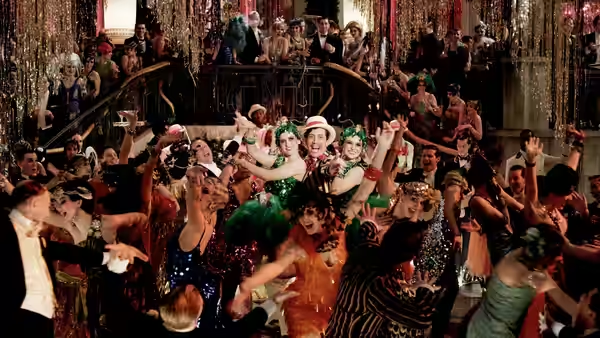
Catherine Martin’s production and costume design does much of the persuading. The lavish party settings and elaborate clothes make the extravagance appealing, which matters: a film about the attractions of wealth ought to let us feel some temptation. Simon Duggan’s photography gives the display a polished brightness, although the emphasis on spectacle can leave the people competing for attention. We enjoyed the parties more than we expected, because the clothes, music and crowded celebrations make this company look like fun.
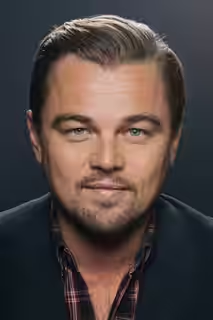
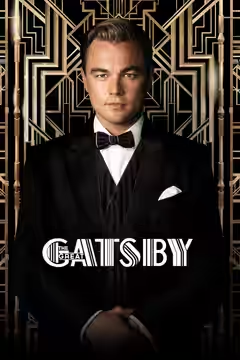
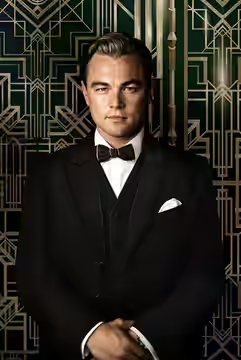
Leonardo DiCaprio gives Jay Gatsby something more interesting than grandeur. His charm has a delicacy that makes the character’s romantic need credible, even when the film around him is being strenuous. We can believe in the effort required to remain so captivating, and in the strain of needing somebody else to respond. The performance gives us a reason to keep watching Gatsby even when the surrounding spectacle becomes tiresome.
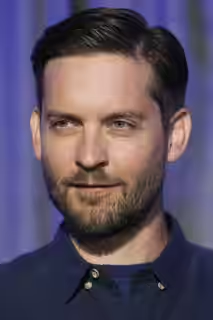
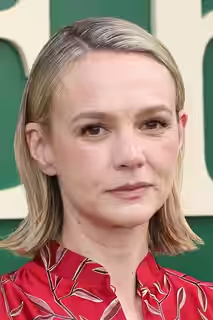
Carey Mulligan’s Daisy Buchanan is less persuasive, though the drawn-out treatment of the romance does her few favours. She has to carry a great deal of the film’s promised feeling, and the character never becomes as compelling as Gatsby’s interest in her demands. Tobey Maguire’s Nick Carraway has the opposite problem: the narration gives him too much explaining to do. The screenplay by Baz Luhrmann and Craig Pearce repeatedly interrupts our chance to judge these people for ourselves.
Jonathan Redmond, Jason Ballantine and Matt Villa keep the spectacle busy, but their editing cannot disguise how often the story returns to the same emotional ground. At 143 minutes, the romance has room to develop and instead begins to drag. Craig Armstrong’s score lends it warmth, while the soundtrack’s contemporary music helps the parties avoid the air of a polite historical re-creation. Both approaches can work; the musical insistence becomes wearing when scenes need less encouragement and more room for the performances.
For a literary adaptation, the film spends surprisingly little time questioning the wealth on display. Its treatment of romance pushes questions about privilege into the background, despite all the attention paid to what money buys. We do not need the director to disapprove of every party guest, but we do need to understand more about how these people justify their behaviour. Too often, the film settles for telling us how intensely Gatsby feels.
For anyone drawn to lavish screen romance, there is enough here to justify the patience it asks for. Those less interested in such display should take the 143-minute running time seriously. Watch it for Leonardo DiCaprio, and be prepared to wait while the film admires the furnishings.