Film review

The Help

2011 · Directed by Tate Taylor · 2h 26m · MPA PG-13

In a sentenceViola Davis could have saved everyone half an hour by being left to talk

Drama

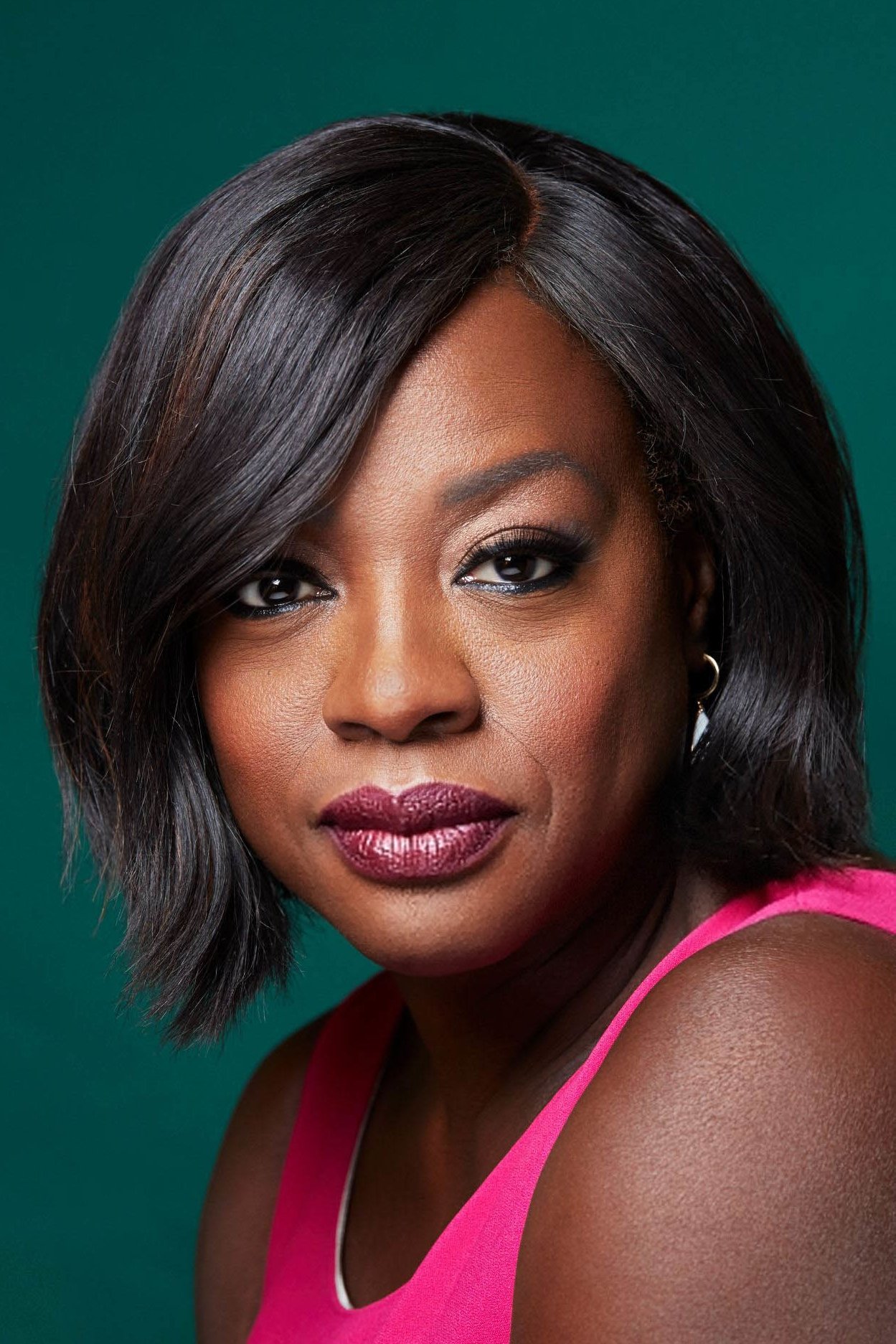
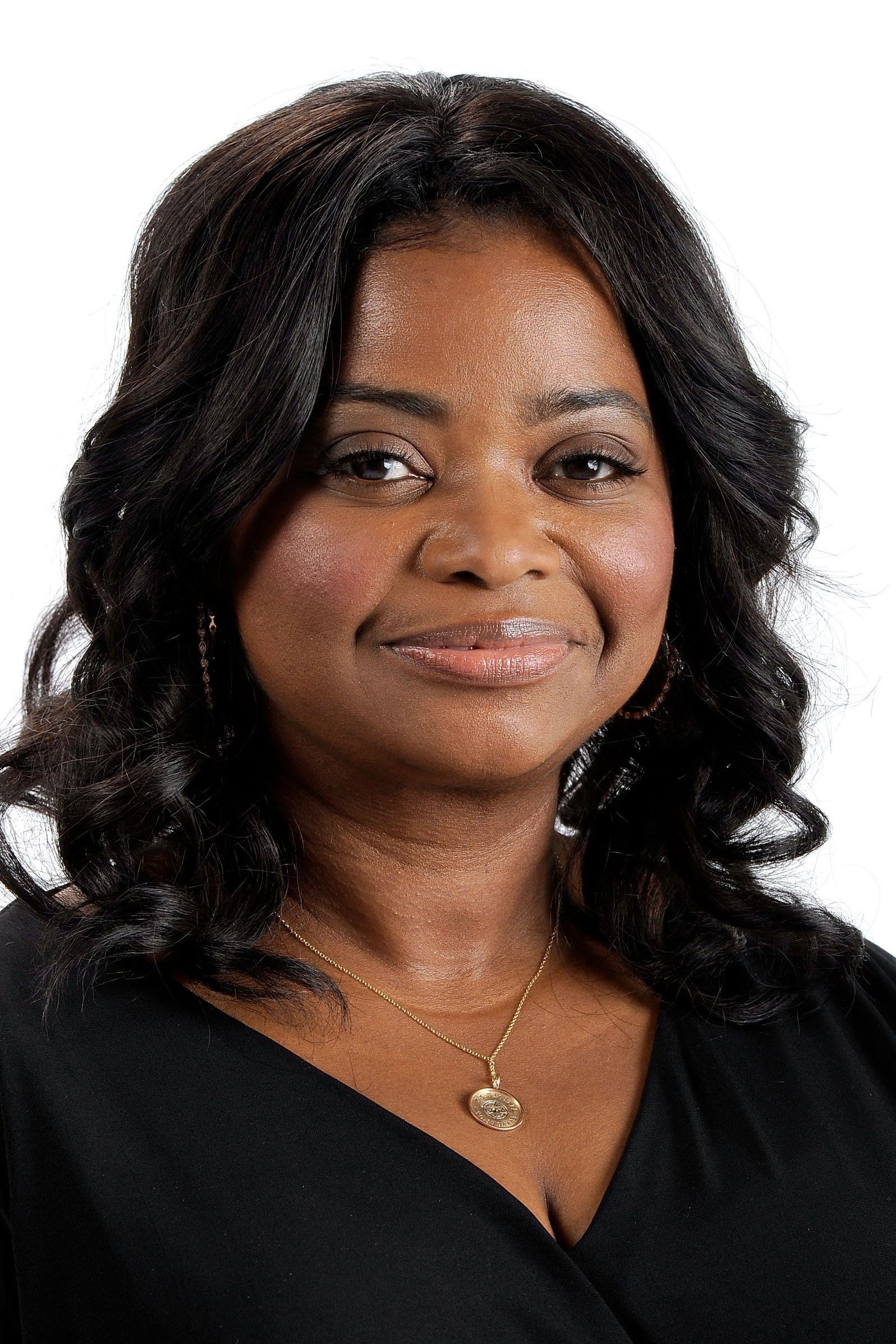
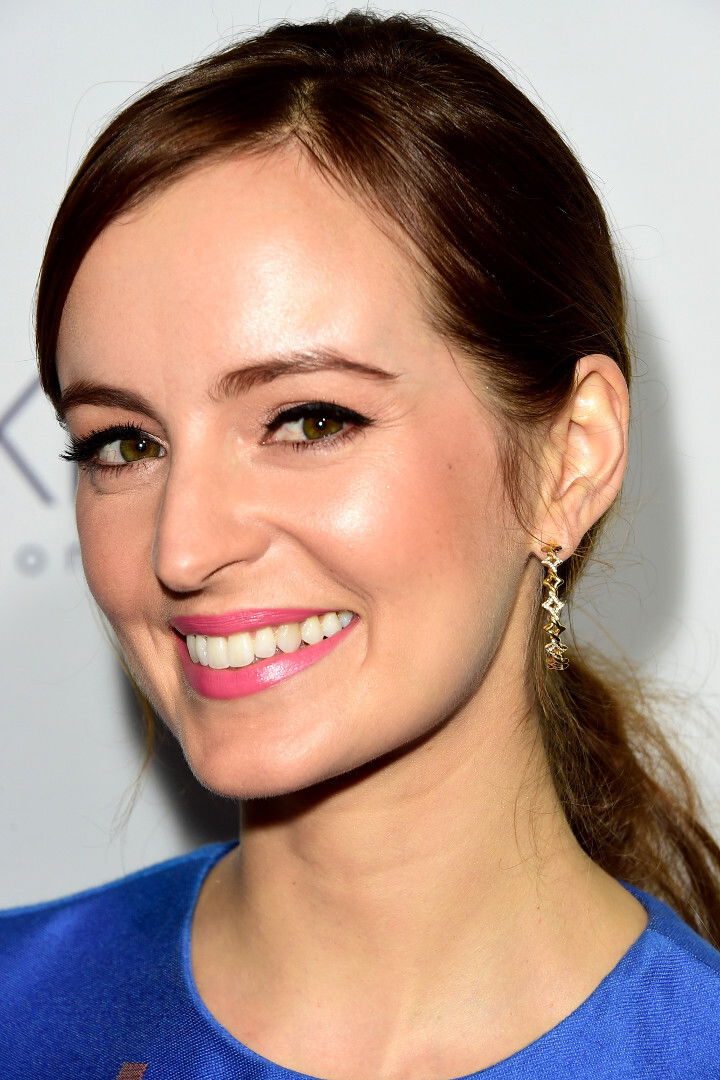
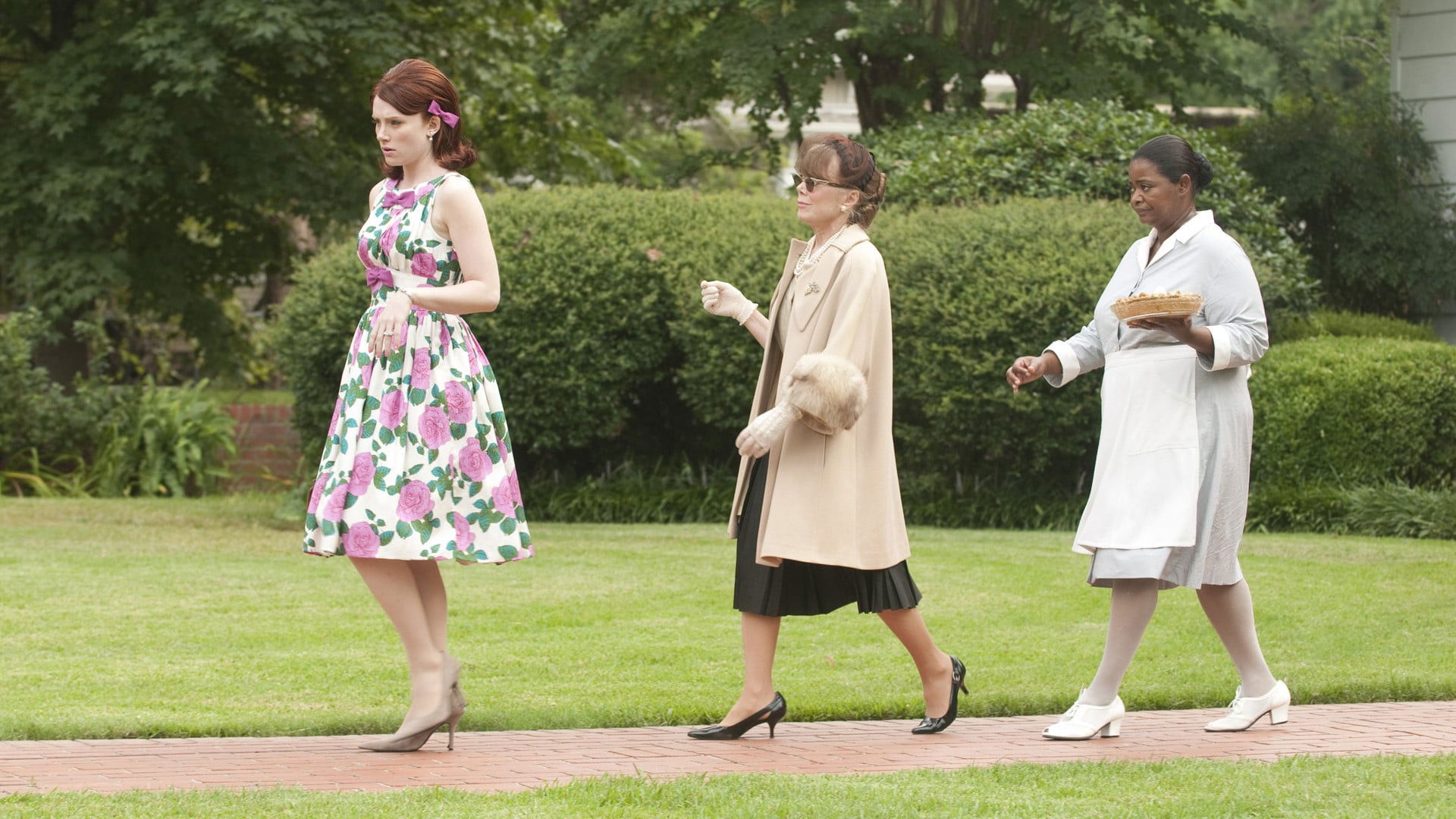
In 1960s Mississippi, black maids work for white families under segregation. Skeeter Phelan (Emma Stone) wants to gather their experiences into a book. Aibileen Clark (Viola Davis) and Minny Jackson (Octavia Spencer) face the question of how much to tell a white woman about the people who employ them. Their conversations test the trust between women whose lives are separated by race and social position. Tate Taylor adapts Kathryn Stockett’s novel, with Bryce Dallas Howard as Hilly Holbrook and Jessica Chastain as Celia Foote.

Plays from YouTube when you press play; nothing loads from them until then.

Fi1m review

Viola Davis and Octavia Spencer make The Help moving enough to merit an evening. Tate Taylor’s drama is less convincing about segregation, giving its white heroine too much credit and its audience too much comfort.

The Help works well enough as a sentimental ensemble drama to make its evasions frustrating. Tate Taylor, adapting Kathryn Stockett’s novel, wants a broad audience to listen to black domestic workers describing their lives in 1960s Mississippi. He gets that audience through humour, friendship and actors who can hold a scene without raising their voices. But his account of segregation is so anxious to offer comfort that the cruelty begins to seem easier to put right than it should.

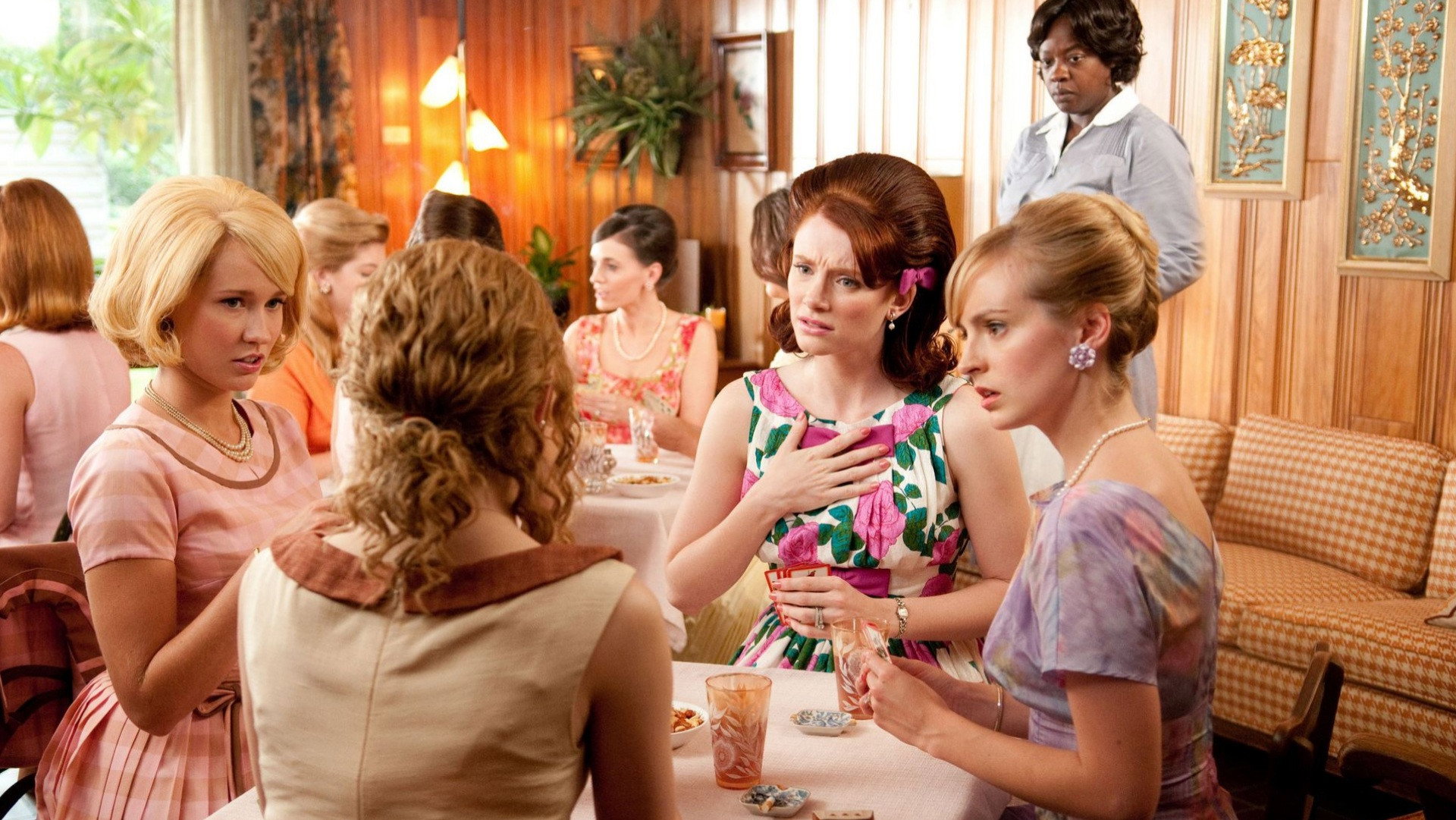
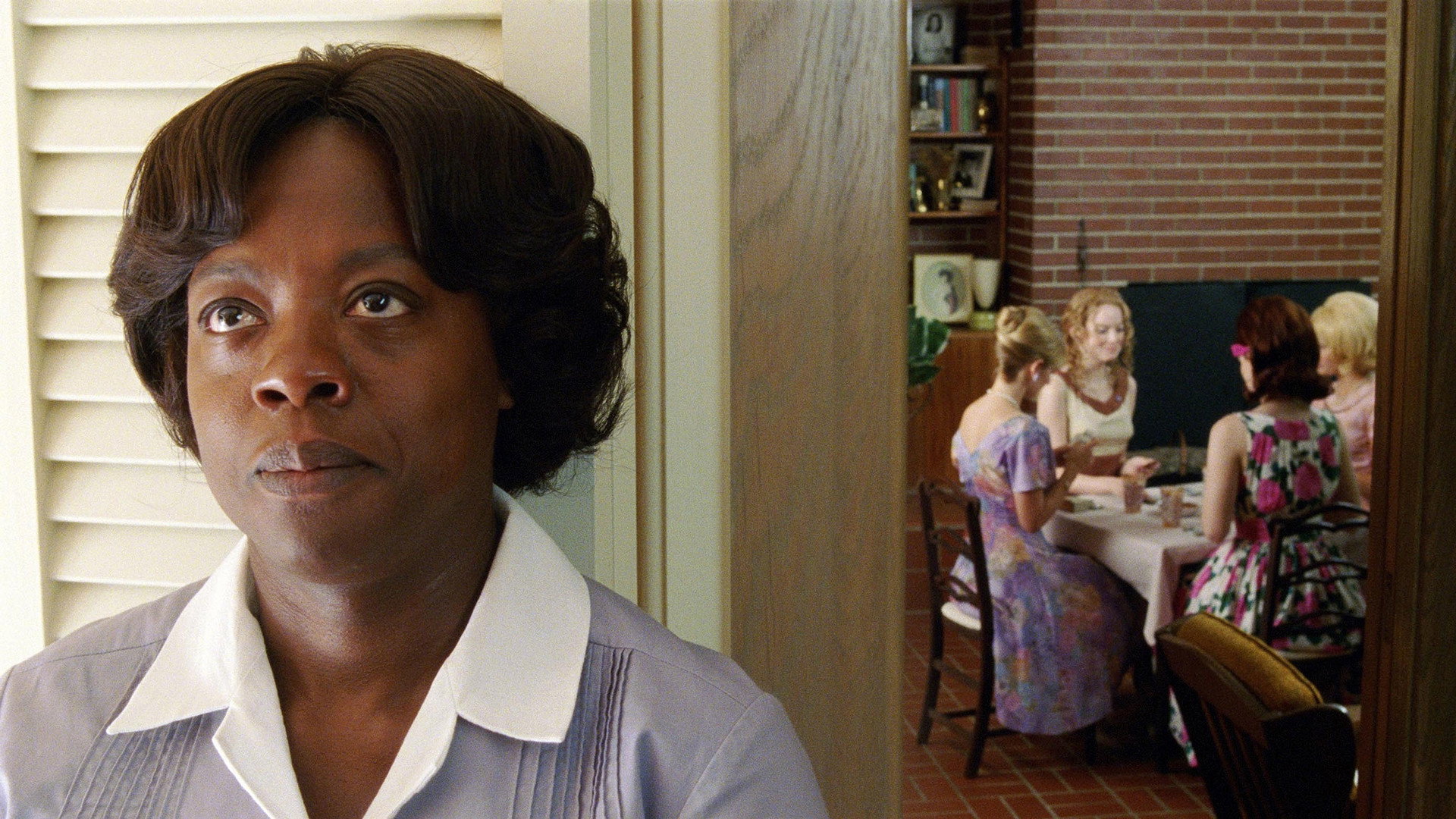
Emma Stone plays Skeeter Phelan, the white woman who helps turn the maids’ experiences into a book. Stone makes her interest in their stories easy to believe, and the growing trust between Skeeter and Viola Davis’s Aibileen Clark gives the film something more substantial than speeches about decency. Yet Taylor presents Skeeter so approvingly that there is little room to question her position. We spend too much time being assured of her goodness when the women talking to her have more to tell us.

Davis is the reason that imbalance does not sink the film. When Aibileen recounts her experience, the quietness of Davis’s delivery makes us attend to how much she chooses to say and how difficult saying it is. We were moved by those passages because she makes the act of trusting a listener feel risky. Taylor gives her room to do this, and for a while the film stops trying quite so hard to assure us that decent people will make everything better.

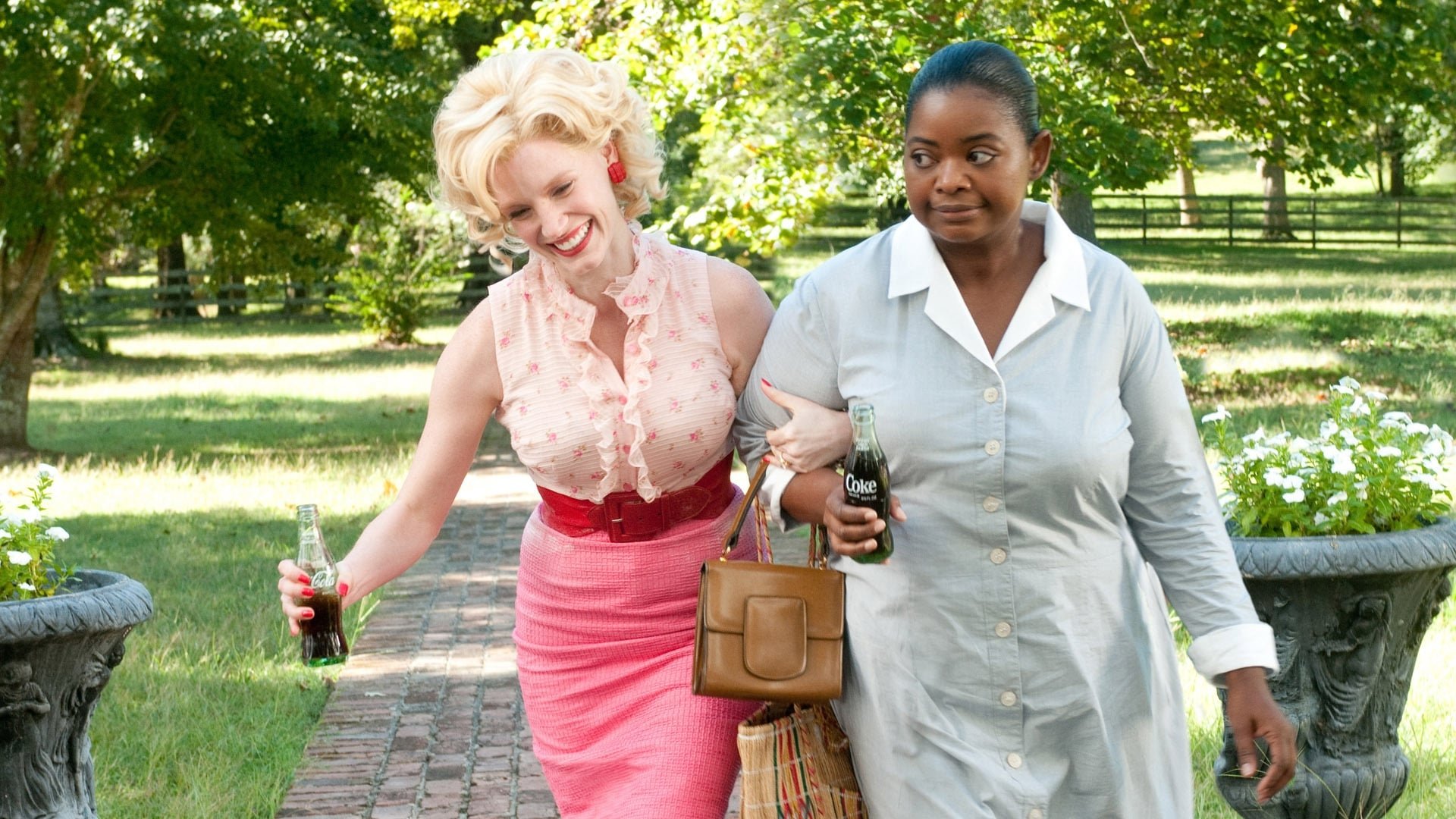
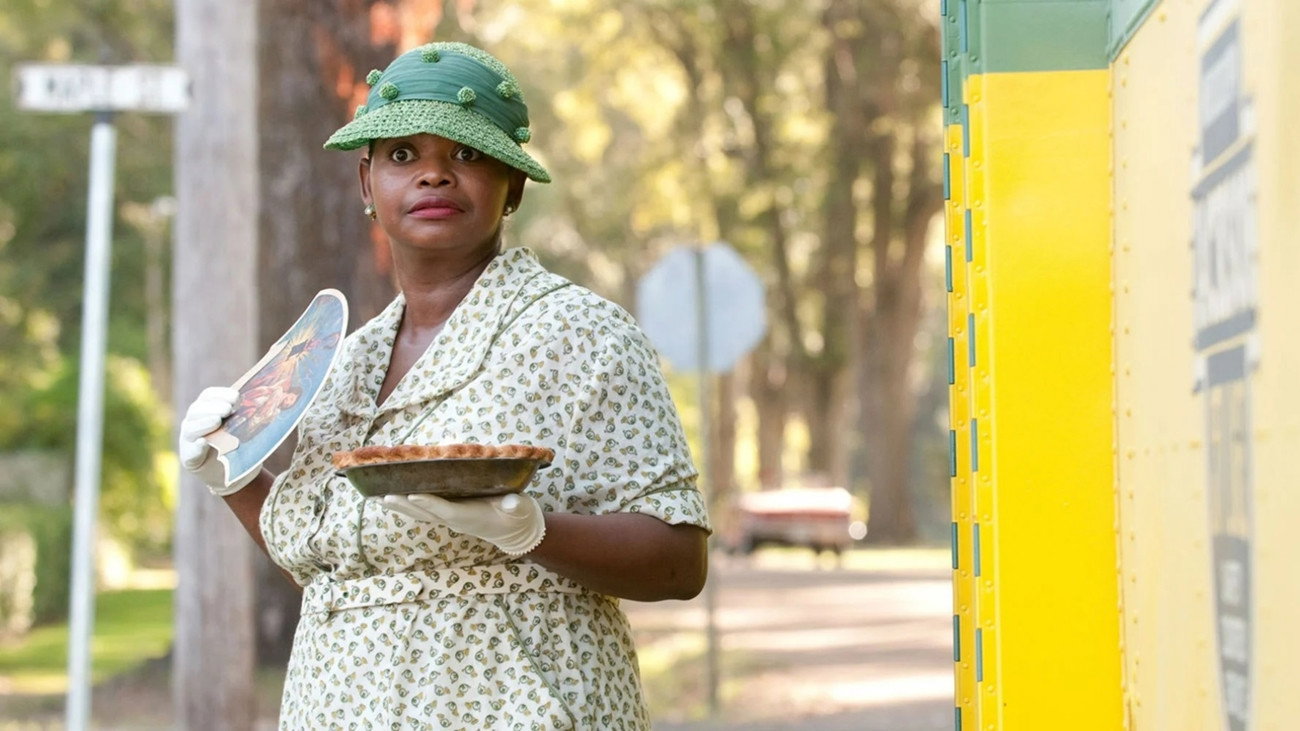
Octavia Spencer gives Minny Jackson the comic force the film needs, with timing sharp enough to prevent the humour from becoming merely cosy. Her presence makes the changes between comedy and hurt feel less laboured. Jessica Chastain brings welcome vulnerability to Celia Foote, finding some private feeling in another broadly written part. Bryce Dallas Howard has less room as Hilly Holbrook, whose emphatic characterisation is too easy to read; Taylor leaves us little to discover about her.

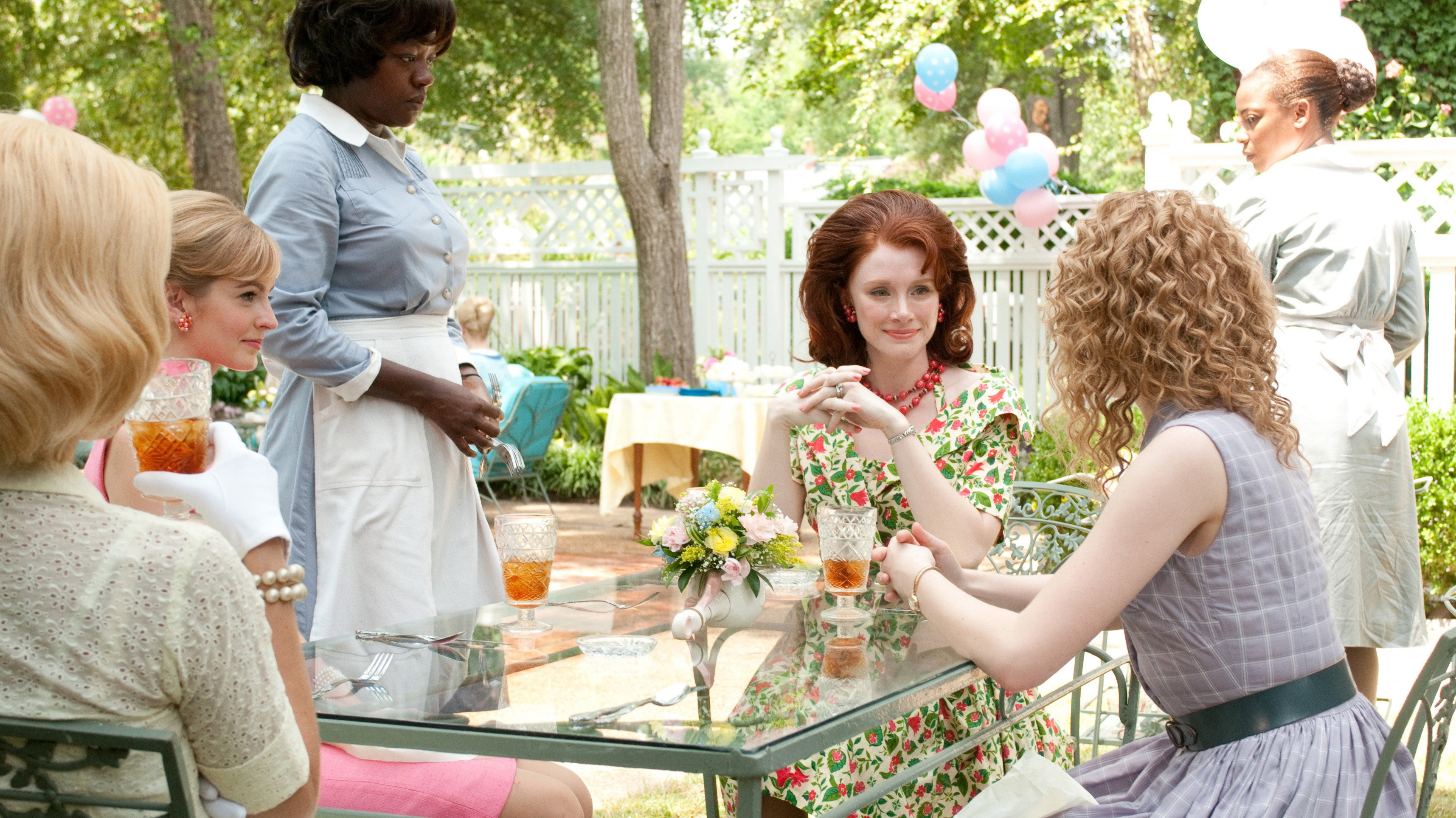
Stephen Goldblatt’s glossy photography favours close-ups, a sensible choice when Davis can hold the attention with so little apparent effort. The polished finish is less helpful to a film already inclined to soften its setting. Mark Ricker’s production design supplies the period detail efficiently, but its neatness adds to the sense that this is a past made comfortable to visit. The actors are often more successful at making us uneasy than anything that surrounds them.

At 146 minutes, it also gives its incidental stories more space than they earn. Hughes Winborne’s editing keeps individual exchanges clear, but the accumulation of subplots weakens the urgency of the women’s undertaking. Thomas Newman’s score reinforces the invitation to feel for them, sometimes too insistently; Davis has usually got us there before the music needs to intervene. A firmer cut and less musical encouragement would have trusted the cast more.

The film follows a familiar course for a popular historical drama, using friendships to make a large injustice easier to understand. That can work, and the warmth between the women explains much of its appeal. Here, however, Taylor seems too satisfied with the discovery that individuals can be kind, and too ready to let that kindness reassure us about everything else. See it for Davis and Spencer, with the caveat that its comforting account of history needs more questioning than the film supplies.

Critical consensus AI synthesised

65
Positive
8
Mixed
4
Negative
2

Most critics respond warmly to The Help, with praise clustering around the cast rather than its treatment of history. Viola Davis is the clearest point of agreement: even sceptical reviews find that her performance gives the drama weight, while Octavia Spencer draws frequent praise for her warmth and comic timing. Emma Stone also has admirers, and the favourable reviews credit the ensemble with making a sentimental story moving and funny.

The spread is wide, however, with disagreement over how much the performances compensate for the film’s softened account of racism. Some critics accept the gloss as part of an effective popular drama; others find the storytelling cosy, predictable or too eager to reassure. Slant Magazine objects specifically to making the white protagonist the hero of the maids’ story, while The Independent finds that the premise produces too little tension and resolves its difficulties too easily.

Time Out
25 October 2011 · ★★★★ · Cath Clarke
80

The critic is sold on this brazen Oscar-baiter about black maids publishing a memoir in 1960s Mississippi, despite some sentimentality and historical gloss. The heartfelt, hilarious film is elevated by a dream-team cast topped by Viola Davis.

Read the full review →
Total Film
31 October 2011 · Jane Crowther
80*

The film turns potentially mushy material into something genuinely stirring thanks to its talented cast and director. Standout performances from Viola Davis, Octavia Spencer and Emma Stone, plus strong comic timing and likeability, make it a ladies'-night crowd-pleaser.

Read the full review →
Empire
17 October 2011 · Anna Smith
75*

A well-made, stirring drama with terrific performances that mostly works despite occasional patronising moments. It benefits from a quality cast, moving story, fizzy dialogue and strong period detail.

Read the full review →
Vulture
10 August 2011
70*

The film is too soft and glossy with TV-style close-ups but delivers a thorough emotional workout that plays like effective soap opera. It belongs to Viola Davis, whose tough and beautifully judged performance gives the movie a spine.

Read the full review →
Evening Standard
28 November 2013
55*

Strong central performances, especially from Viola Davis and Octavia Spencer, make the film watchable despite its flaws. The story offers only a partial, overly cosy and white-savior view of segregation and race relations in 1960s Mississippi.

Read the full review →
The Hollywood Reporter
7 August 2011 · Kirk Honeycutt
55*

The film is a self-conscious and self-congratulatory portrait of the Jim Crow South that idealizes its white heroine and relies on facile characters. It succeeds through two magnificent, award-worthy performances by Viola Davis and Octavia Spencer.

Read the full review →

Cast

Stills

Awards

Academy Awards, 2012

Nominated
Best Actress
Nominated
Best Picture
Won
Best Supporting Actress

If you liked this, try…

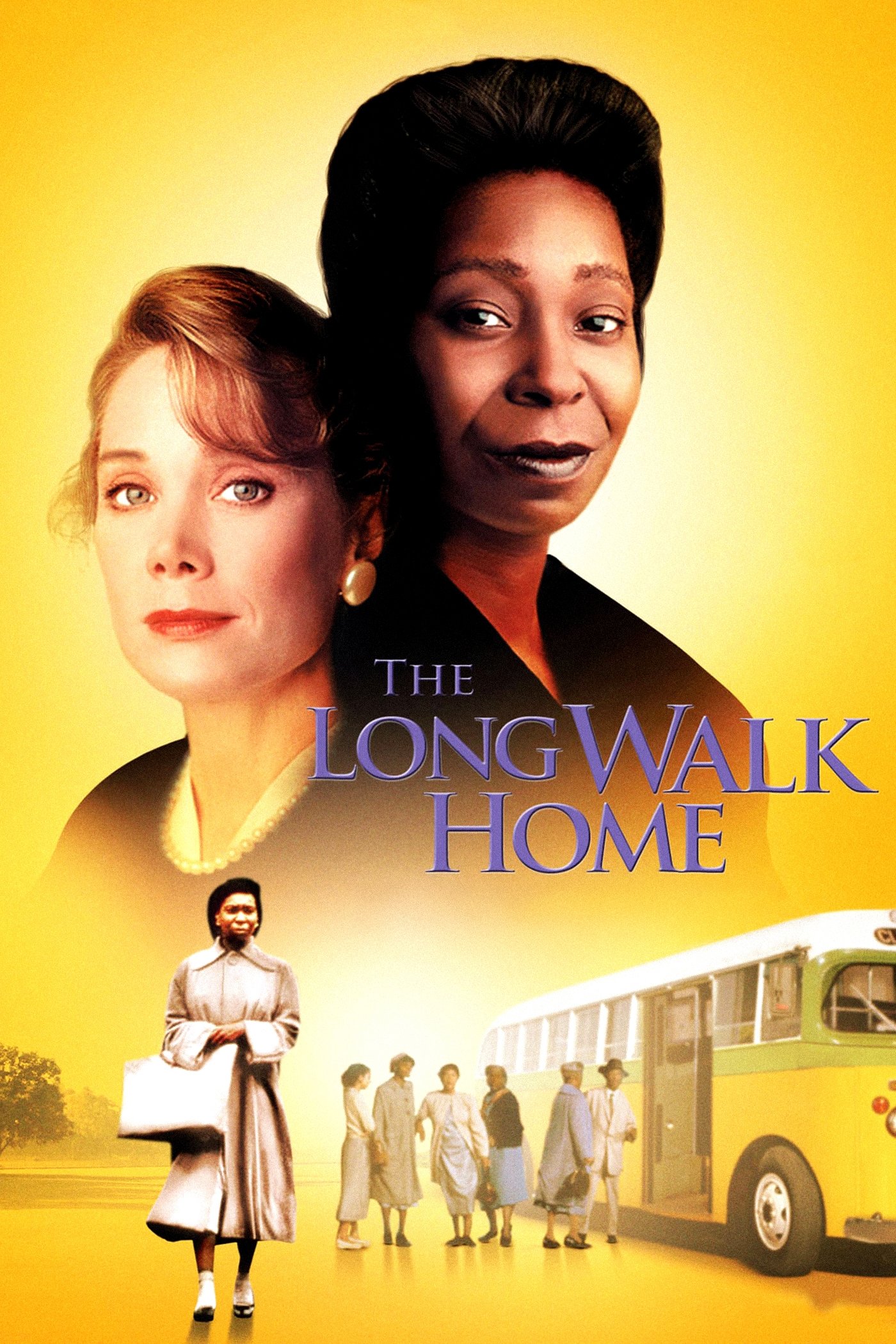
The Long Walk Home poster

The Long Walk Home

1990 · Another domestic worker’s story, with more attention to the cost of solidarity.

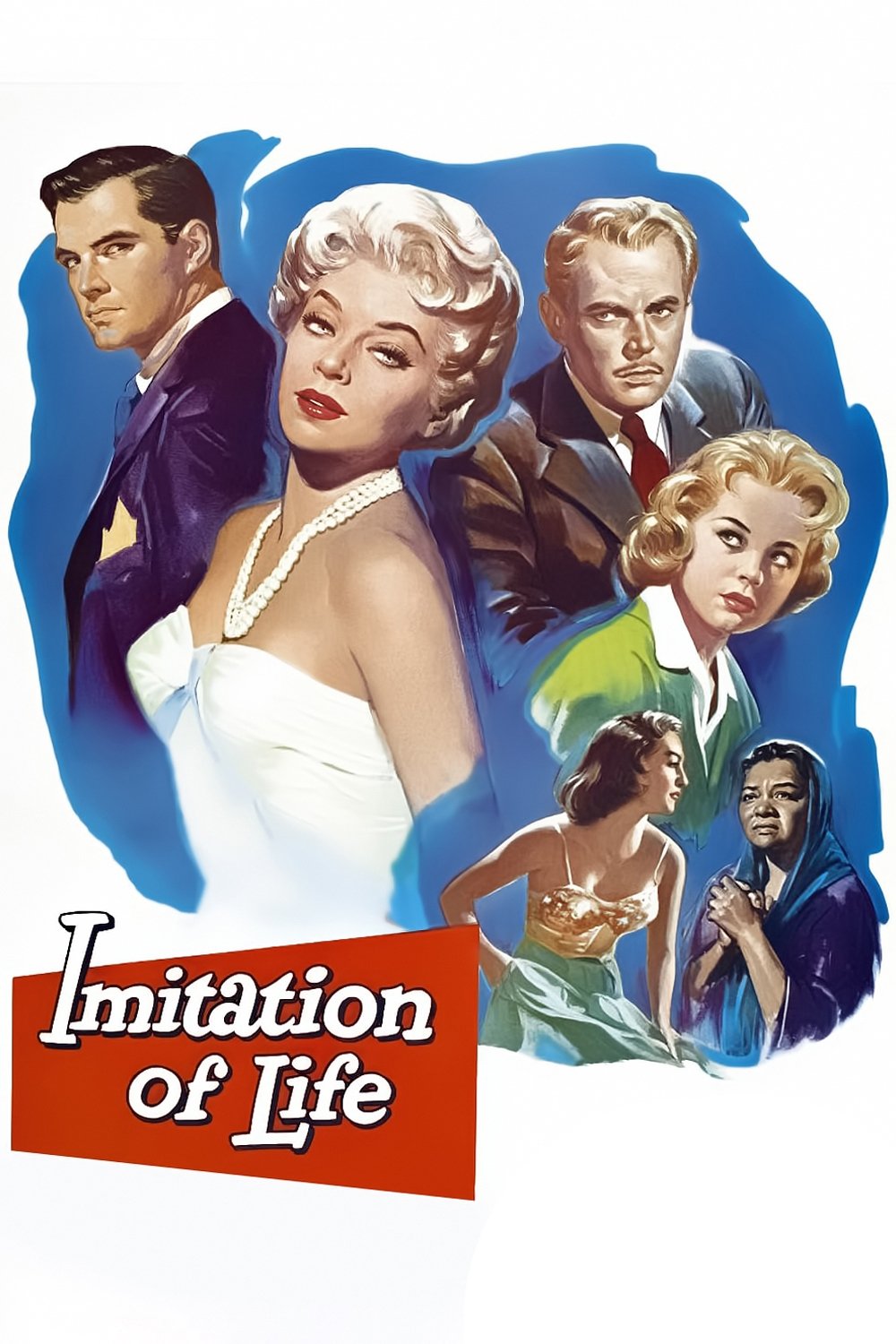
Imitation of Life poster

Imitation of Life

1959 · Race, domestic labour and friendship, with melodrama that allows far less comfort.

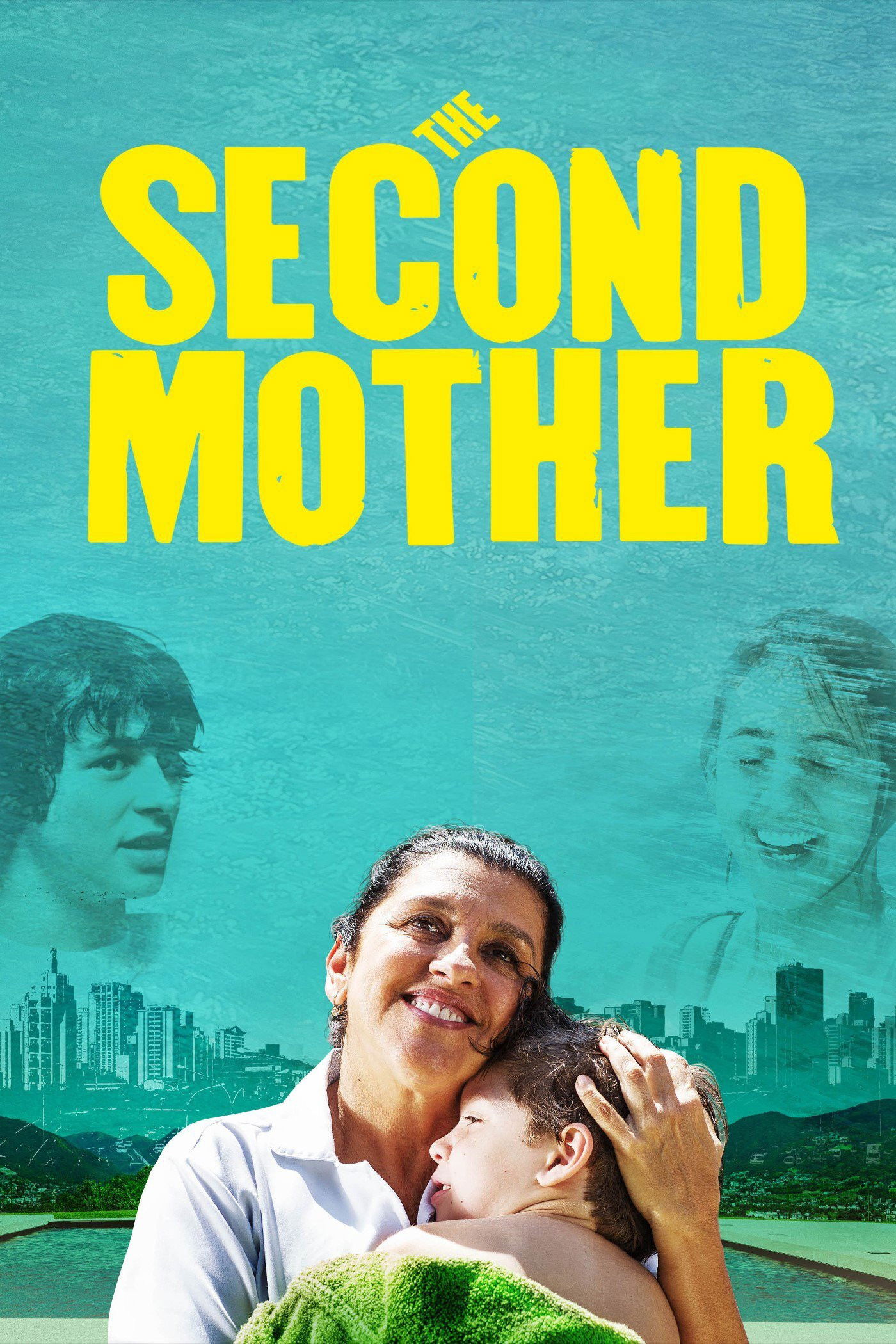
The Second Mother poster

The Second Mother

2015 · A household’s class arrangements become harder to ignore when a daughter visits.

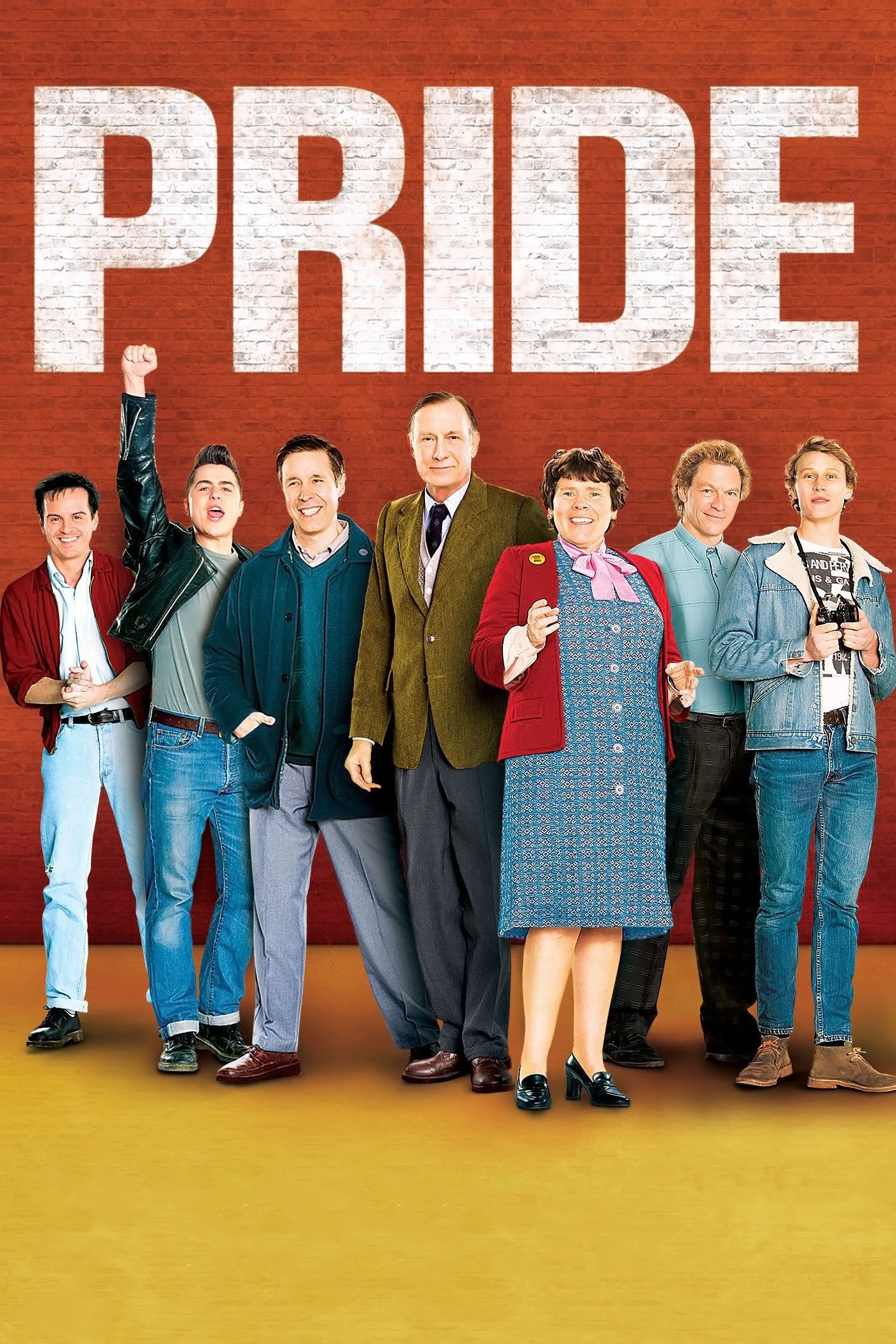
Pride poster

Pride

2014 · For warmth and ensemble comedy that give collective action its proper importance.

Roma poster

Roma

2018 · Domestic work receives patient attention, without making the employer the obvious hero.