Film review

The Hunt for Red October

1990 · Directed by John McTiernan · 2h 15m · MPA PG-13

In a sentenceSean Connery makes a roomful of men waiting for an answer seem a reasonable use of an evening

ActionThriller

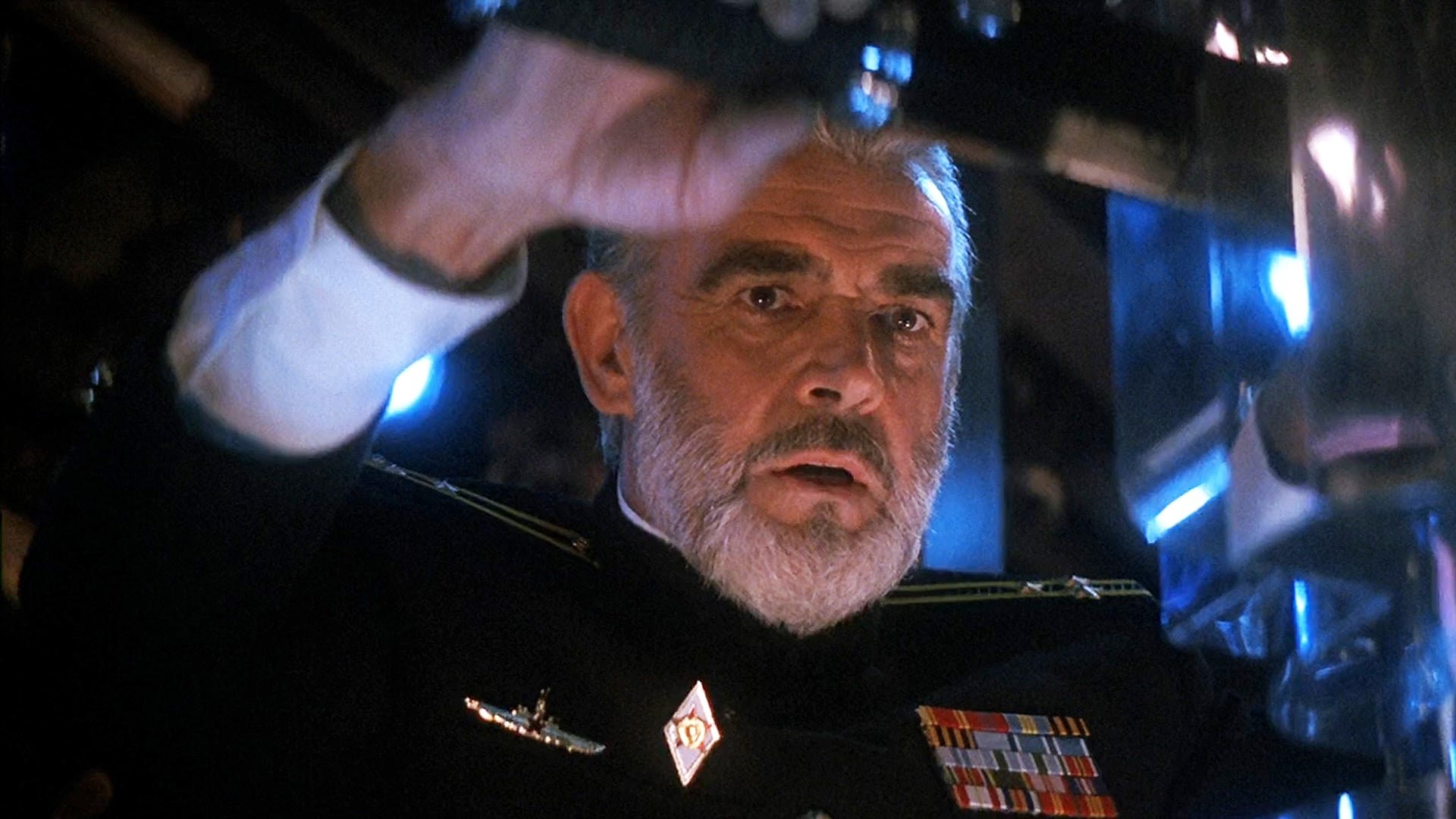
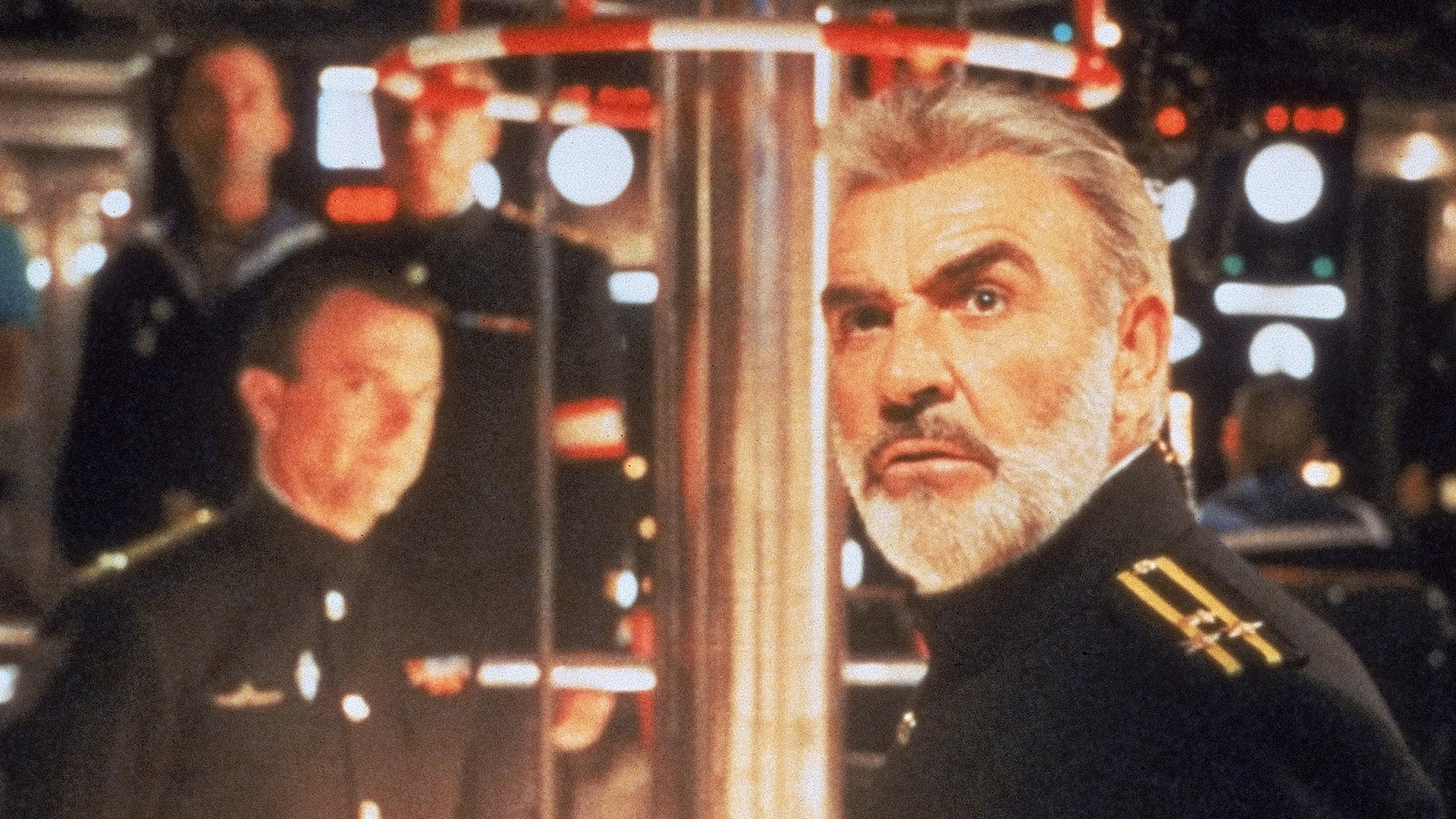
During the Cold War, a Soviet submarine capable of travelling silently heads towards the United States under the command of Marko Ramius (Sean Connery). Its course raises the threat of nuclear confrontation, with the captain’s intentions central to the response. Jack Ryan (Alec Baldwin) becomes involved in the effort to work out what Ramius is doing. The question is how to respond before a mistaken judgement makes matters worse. Scott Glenn plays Bart Mancuso of the USS Dallas, with Sam Neill as Vasily Borodin and James Earl Jones as James Greer.

Plays from YouTube when you press play; nothing loads from them until then.

Fi1m review

John McTiernan’s submarine thriller is tense, patient and worth the attention it asks for. Sean Connery leads a fine cast through the tactical puzzles, with some overlong explanations and thinly written characters getting in the way.

The Hunt for Red October is an excellent submarine thriller, confident enough to let its men think before they act. The Cold War makes a wrong answer potentially catastrophic, and John McTiernan gets considerable suspense from the effort to avoid one. The explanations run long in places, but at 135 minutes it rarely feels as though it is killing time. Its patience gives us a chance to weigh the choices along with the people making them.

Larry Ferguson and Donald E. Stewart, adapting Tom Clancy’s novel, have a useful central problem: how much can anyone safely infer from the behaviour of Marko Ramius? Sean Connery plays the Soviet captain with enough authority to make that question worth pursuing. Alec Baldwin’s Jack Ryan has to hold our attention alongside him, and Baldwin is good at making thought seem like work. He gives an underwritten part an alertness that keeps the discussions from becoming a succession of men reciting information.

Connery is the main reason to settle in. He makes command seem habitual: the authority is there before he has finished speaking, so the film need not keep demonstrating it. Scott Glenn gives Bart Mancuso a useful firmness, while Sam Neill makes Vasily Borodin’s warmth seem unforced. We were properly tense during the discussions of how to respond to Ramius, because Baldwin makes the act of thinking through an answer look urgent.

Jan de Bont’s cinematography keeps attention on faces amid the equipment, so we can watch the men assessing what they hear. Terence Marsh’s production design makes that machinery feel like familiar working equipment, which helps us accept the crew’s confidence around it. John Wright and Dennis Virkler cut between the conversations without breaking the patient rhythm, allowing a decision in one place to put pressure on the next. We can stay with the problem instead of continually trying to reorient ourselves.

Basil Poledouris’s score lends the proceedings a gravity that generally feels earned, and helps sustain the sense that something larger than one vessel is at stake. The writing is less secure when it asks us to care about the men beyond their immediate duties. Ferguson and Stewart can be blunt about supplying a personal detail, as though a pause in the tactical discussion automatically amounts to a glimpse of a life. The cast does what it can, but some of those passages feel dutiful.

The other reservation is the quantity of explanation. McTiernan usually finds a reason for us to listen, but there are exchanges whose dramatic purpose is exhausted before the talking stops. A firmer cut to those passages would have helped, especially when another explanation delays a choice we already understand. These are local irritations, though, and the film generally handles its complicated business with a clarity that makes the next decision worth waiting for.

Within the submarine thriller, restricted movement ought to be an advantage, and McTiernan treats it as one. He can build suspense from uncertainty about another man’s judgement without immediately sending everyone into motion. Those expecting a succession of chases may find the pace forbidding. Give it an evening when nobody is likely to talk over the quiet parts.
Critical consensus AI synthesised

70
Positive
5
Mixed
2
Negative
0

Most critics find The Hunt for Red October a satisfying submarine thriller, with praise centred on Sean Connery’s commanding performance and McTiernan’s control of tension. The favourable reviews value the emphasis on tense conversations, tactical decisions and a battle of wits, with technology serving the story rather than overwhelming it. Supporting performances and effects also draw approval, though Connery receives the most consistent attention.

The reservations concern pacing, exposition and characterisation, and the spread runs from firm enthusiasm to qualified disappointment. Some critics find the attempts at emotional depth perfunctory, while others regard the ensemble as enough to compensate for thinly written roles. The New York Times questions the film’s logic and politics and finds its entertainment intermittent. Empire is the clearest dissenter, criticising the accents, language choices and sluggish first 90 minutes, although it credits the later action, underwater effects and stunts.

Radio Times
★★★★ · John Ferguson
80

This submarine drama introduces Jack Ryan, with Alec Baldwin playing second fiddle to Sean Connery's charismatic Soviet commander who defects toward the US. McTiernan's direction keeps the tension high throughout, aided by a strong supporting cast.

Read the full review →
Slant Magazine
29 May 2003 · Nick Schager
80*

The critic finds the film a thrilling edge-of-your-seat trifle that has withstood the test of time. McTiernan orchestrates taut set pieces effectively while the central performances, especially Connery's, anchor the Cold War submarine story.

Read the full review →
Time Out
10 September 2012 · TCh
70*

The silent submarine creates nuclear tension as its captain heads for the US, evoking classic thrillers like Fail Safe. McTiernan handles the complex plot well and links technology to character, making for an exciting battle of wits, though attempts at deeper character work feel perfunctory or corny.

Read the full review →
The New York Times
2 March 1990 · Vincent Canby
60*

The film is most peculiar in terms of logic and politics but has entertaining moments as an elegy for the Cold War. It is fun in fits and starts but also lazy, with Connery lending it respectability and elan despite short rations for the rest of the cast.

Read the full review →
Empire
1 January 2000 · Angie Errigo
45*

The film is undermined by weak handling of accents and language, over-exposition, and a sluggish first 90 minutes that squander its promising premise. It finally delivers in the final stretch with strong air-sea action, underwater effects and stunts.

Read the full review →
Los Angeles Times
2 March 1990 · Sheila Benson

The underwater thriller has an amiable smartness, with filmmakers favoring story over excessive technology for a satisfying result. Connery leads compellingly and the production is clean and effective, with strong support from the cast and camera work.

Read the full review →

Cast

Stills

Awards

Academy Awards, 1991

Nominated
Best Film Editing
Nominated
Best Sound
Won
Best Sound Editing

If you liked this, try…

Fail Safe poster

Fail Safe

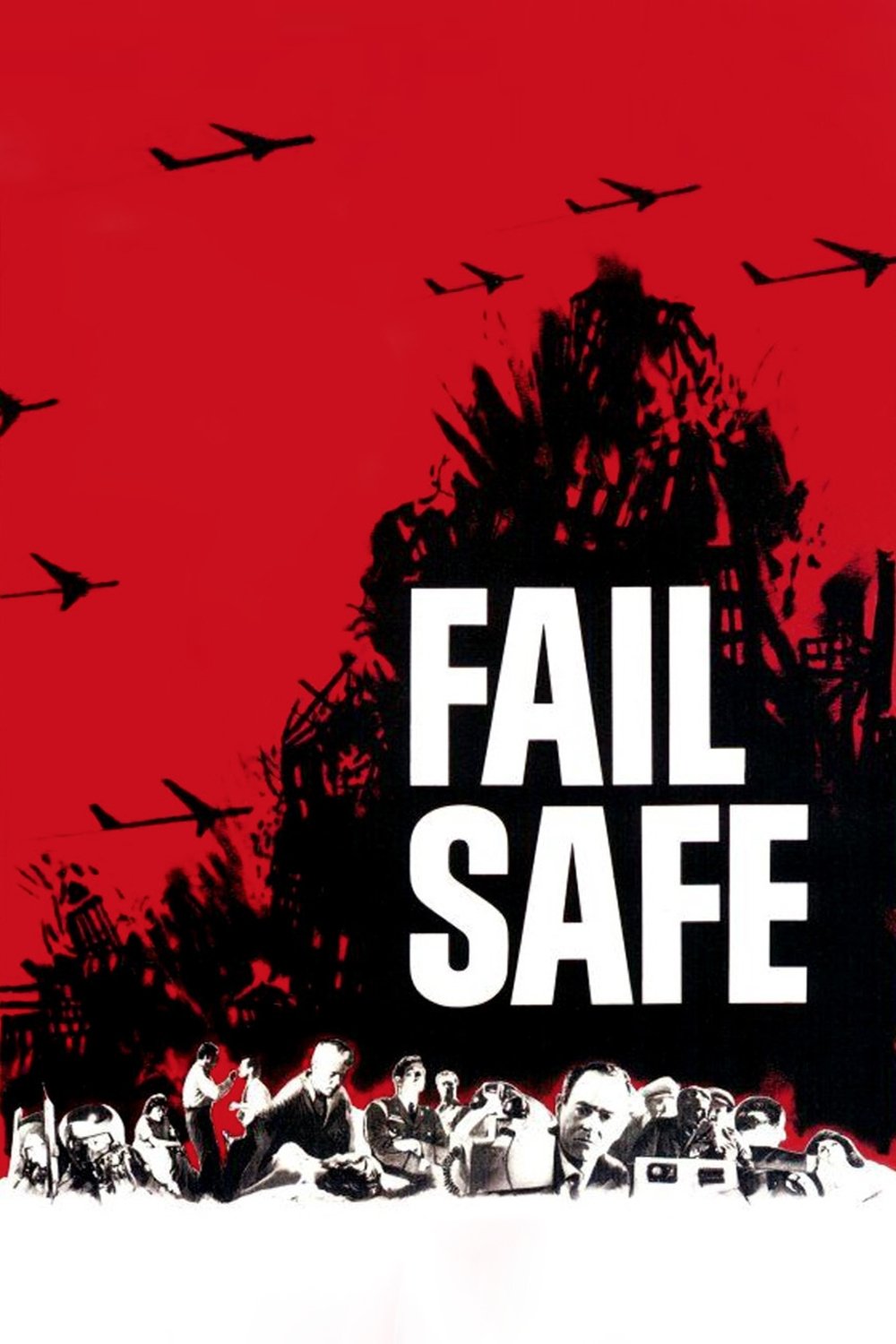
1964 · Another tense exercise in judgement, with nuclear danger sharpening every conversation.

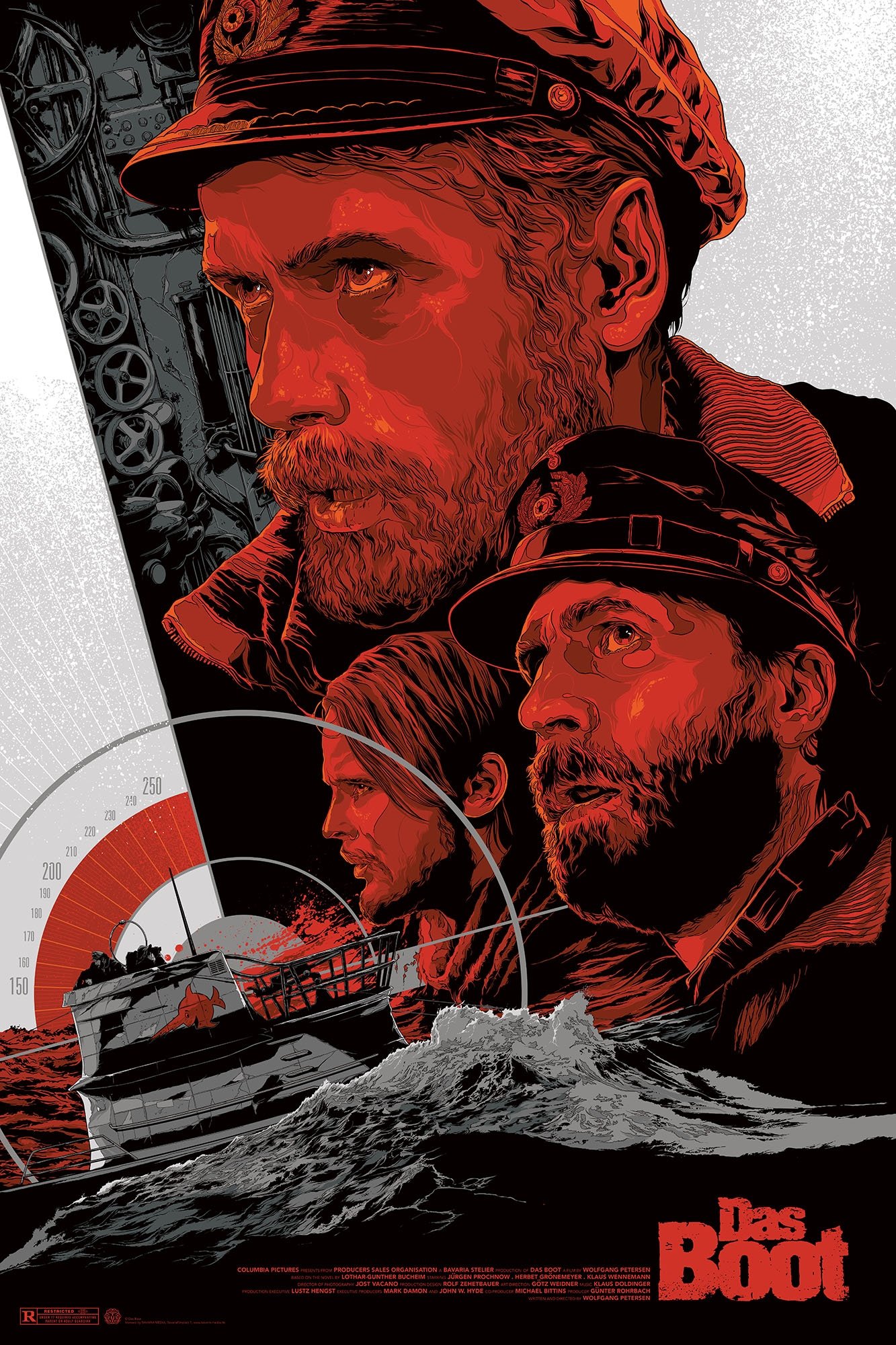
Das Boot poster

Das Boot

1981 · For submarine tension with less reassurance and a harder sense of confinement.

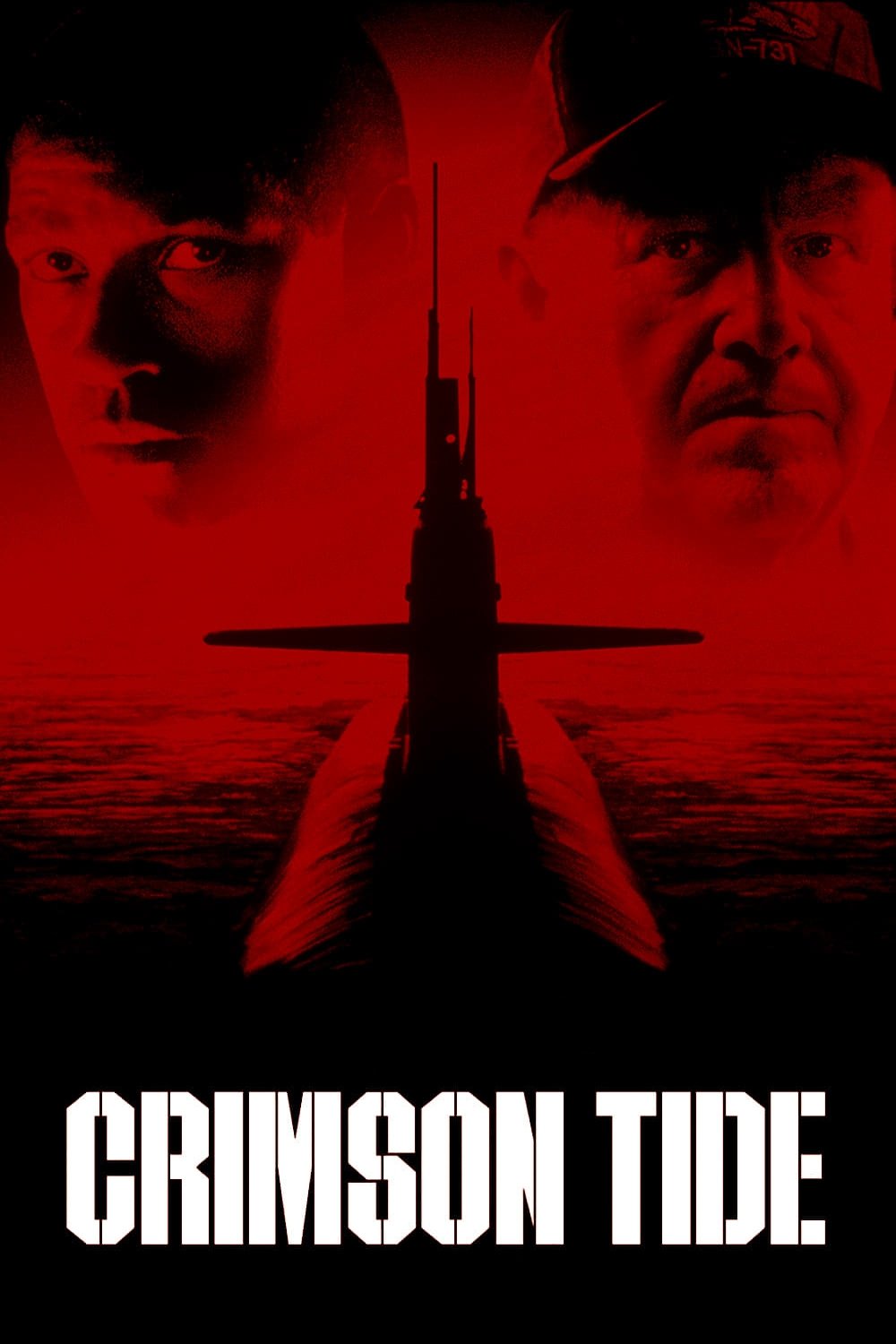
Crimson Tide poster

Crimson Tide

1995 · Two commanding performances make a submarine’s chain of command dangerously personal.

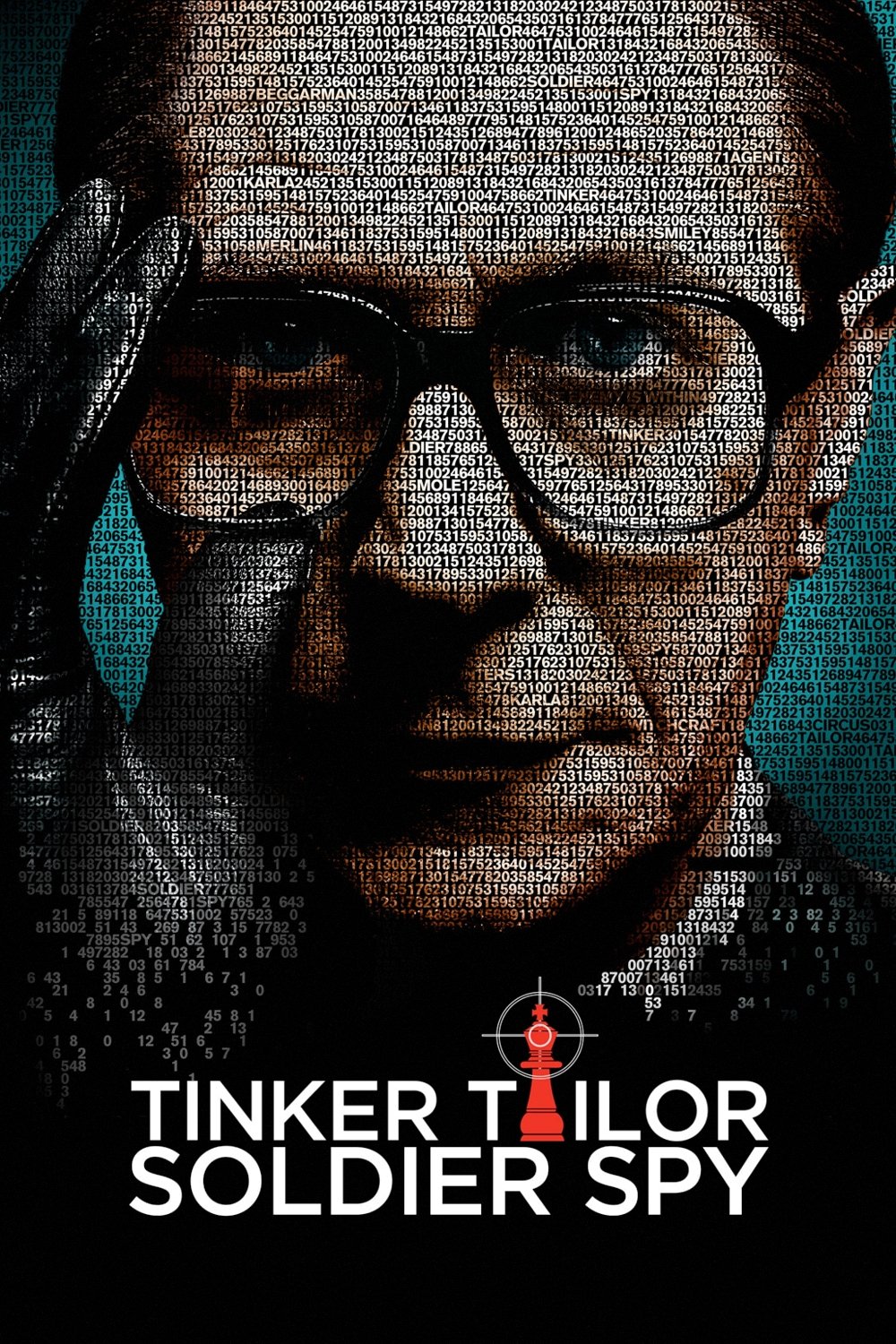
Tinker Tailor Soldier Spy poster

Tinker Tailor Soldier Spy

2011 · Another patient thriller that makes listening closely feel like necessary work.

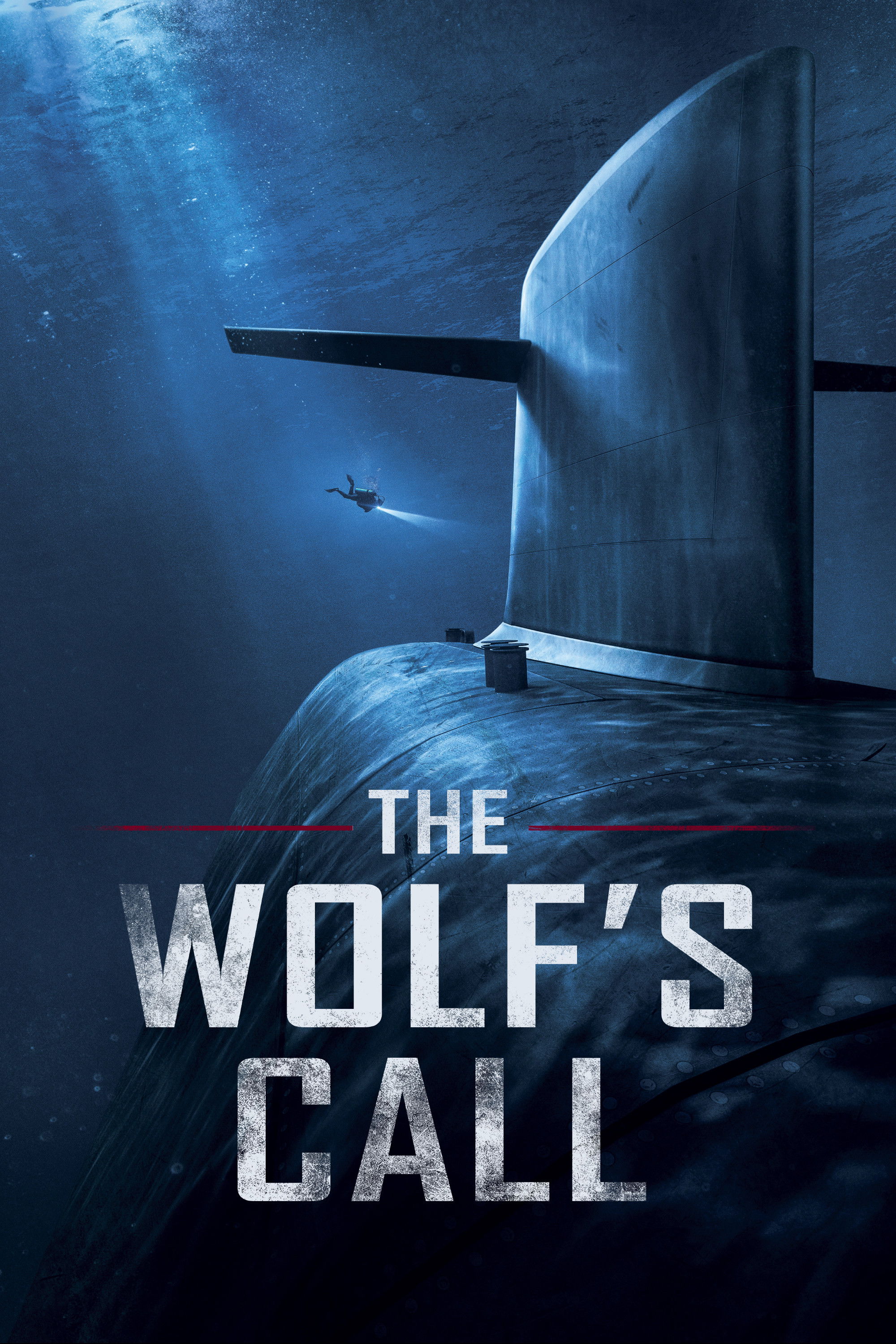
The Wolf's Call poster

The Wolf's Call

2019 · A French submarine thriller that puts unusual pressure on the act of listening.