Film review

The Man Who Fell to Earth

1976 · Directed by Nicolas Roeg · 2h 19m · MPA R

In a sentenceDavid Bowie visits Earth, and we feel faintly obliged to apologise for the place

Science FictionDramaFantasy

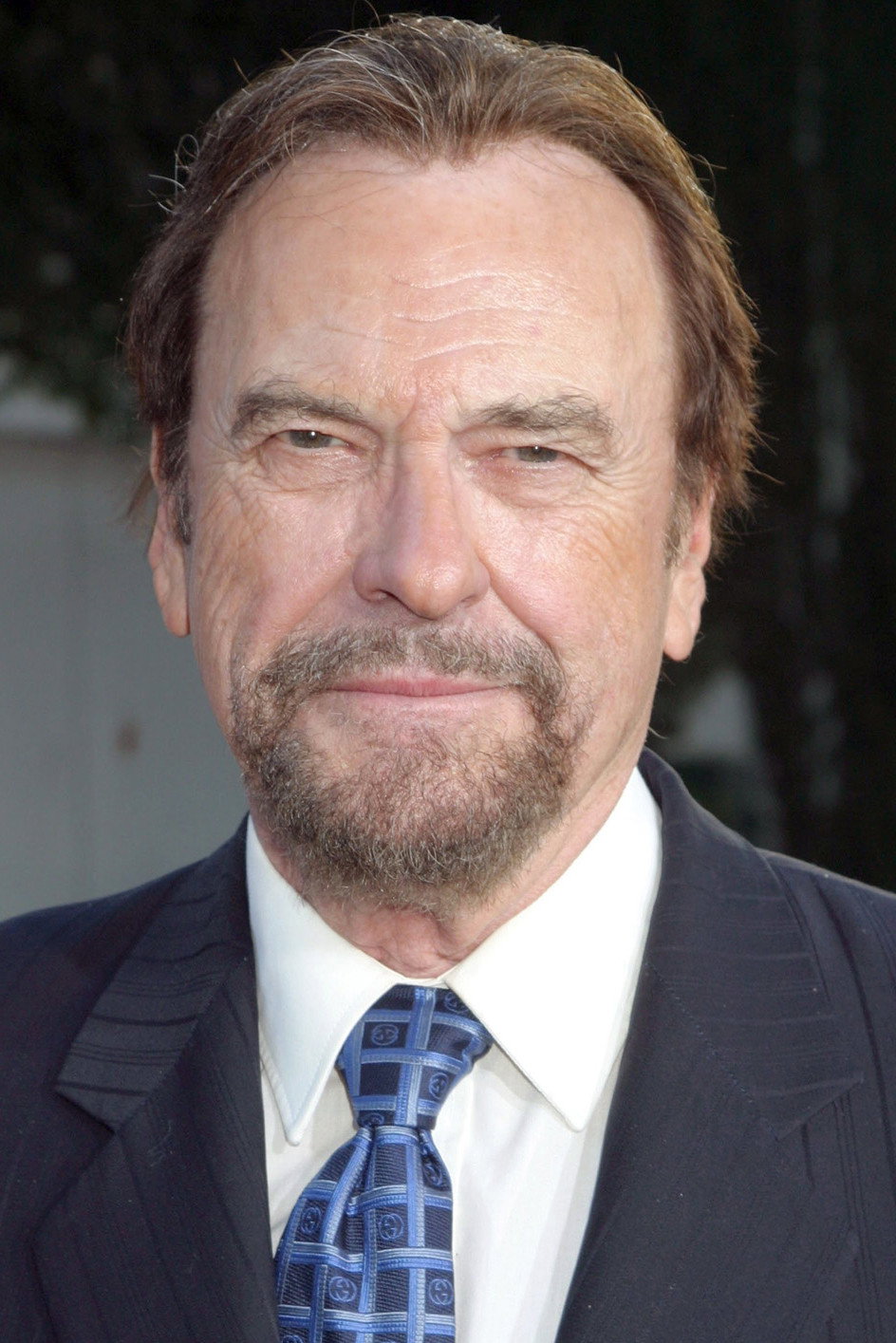
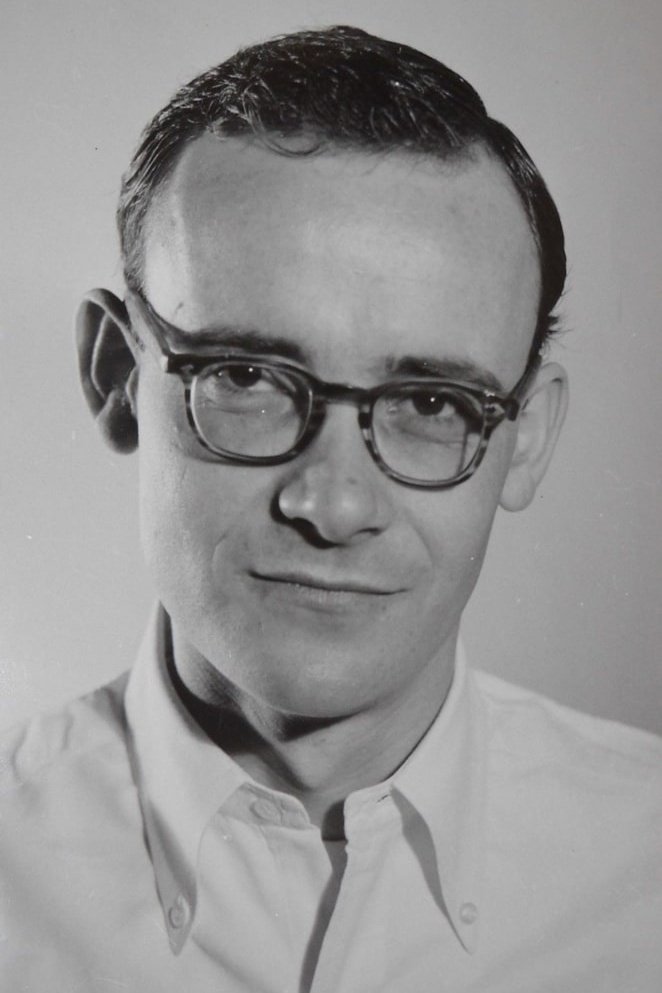
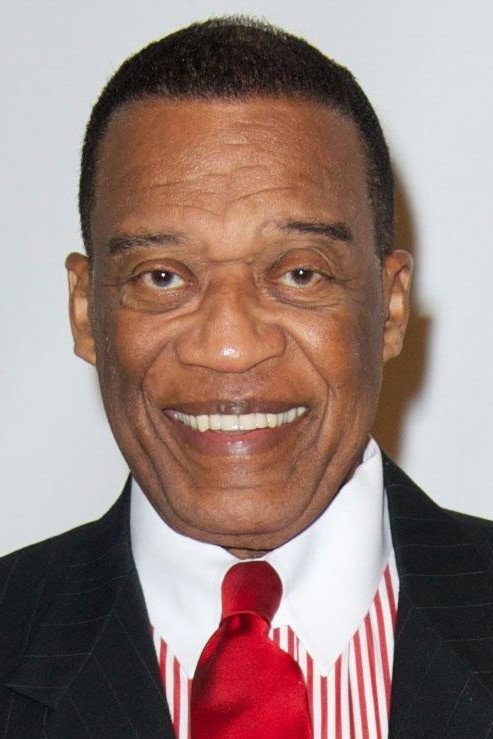
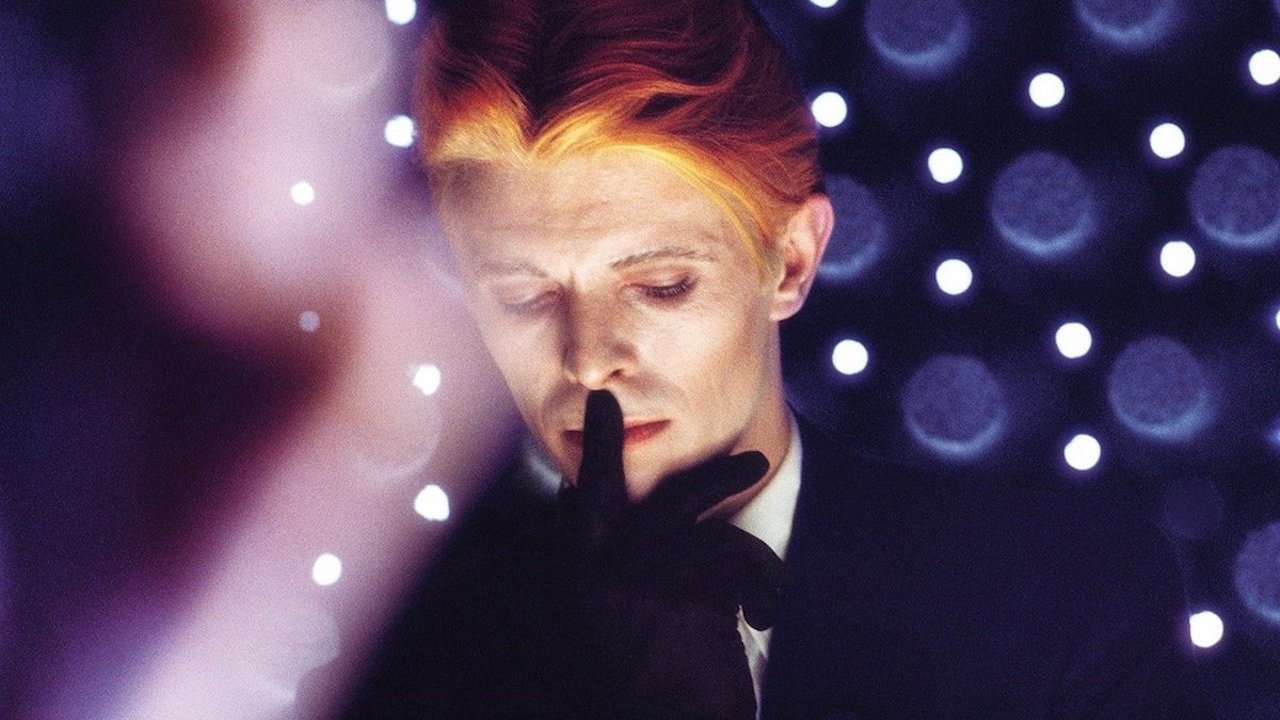
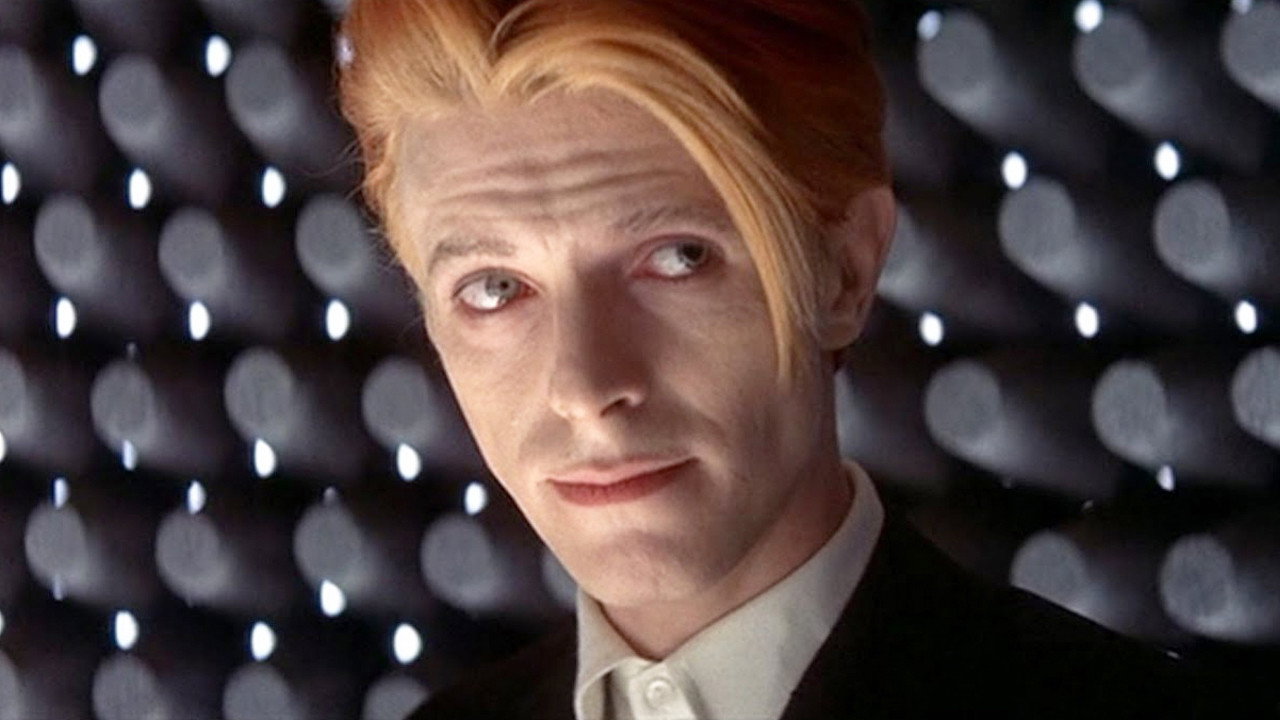
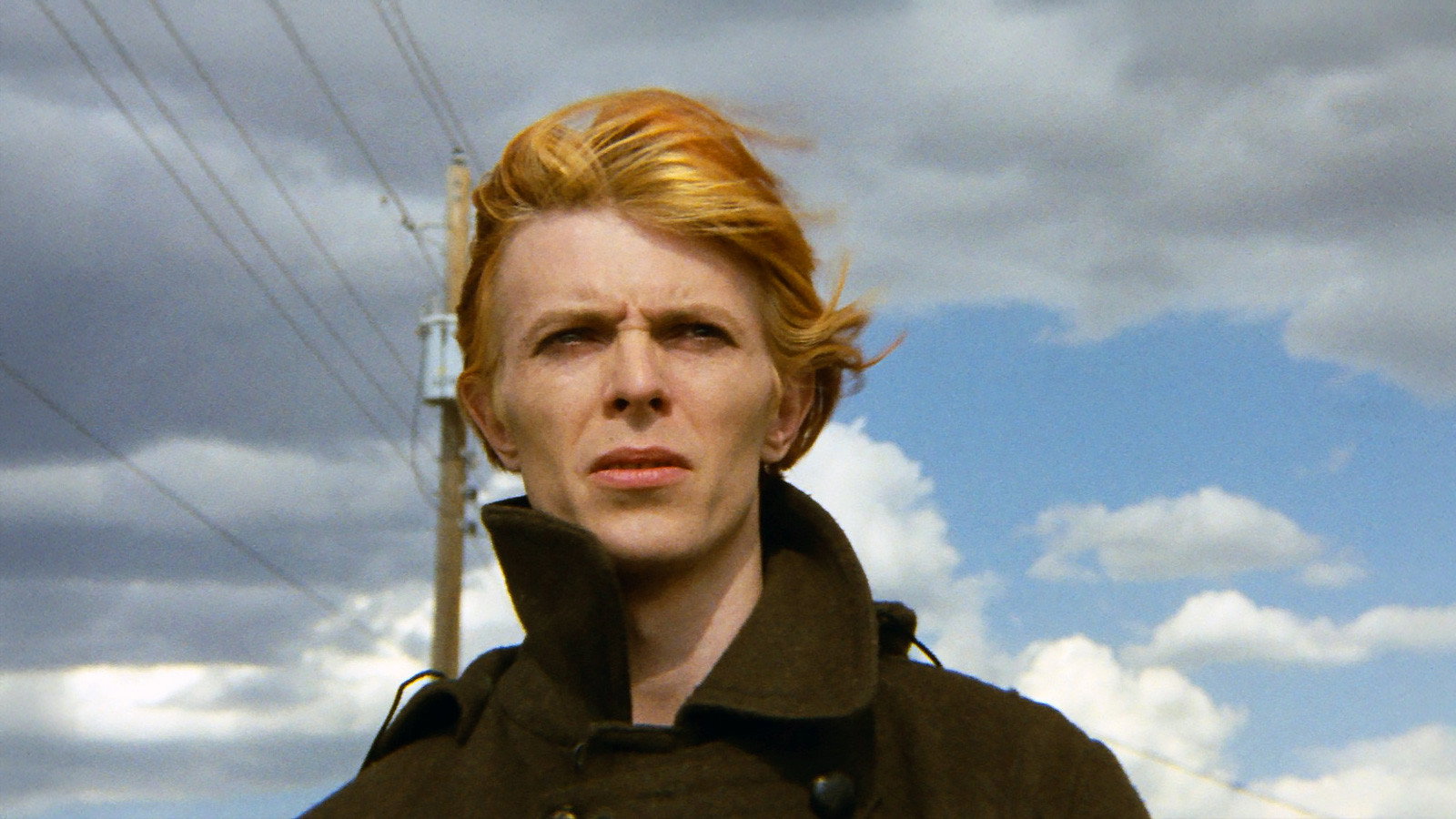
An alien visitor, Thomas Jerome Newton (David Bowie), arrives on Earth and begins building a technology empire. Around him are Mary-Lou (Candy Clark), Nathan Bryce (Rip Torn) and Oliver Farnsworth (Buck Henry), inhabitants of a planet whose habits are unfamiliar to him. Newton enters a world of commerce in which his abilities offer a way forward, while human desires and distractions threaten to draw him away from his purpose. Desert landscapes frame his arrival among people who can offer company without necessarily understanding the stranger in their midst.

Plays from YouTube when you press play; nothing loads from them until then.

Fi1m review

Nicolas Roeg’s alien visitor finds a planet full of temptations and little comfort. David Bowie’s gentle performance makes this strange, disjointed science fiction moving, though the wandering second half asks for more patience than it always earns.

Nicolas Roeg’s The Man Who Fell to Earth is absorbing, often moving science fiction, provided we accept that it will sometimes leave us waiting for the story to catch up. Its alien visitor, Thomas Jerome Newton, sets about building a technology empire on Earth. David Bowie makes that predicament worth watching even when the film becomes needlessly obscure. The director is interested in how our habits look to someone who has never learnt them. He makes a persuasive case that they would look rather unhealthy.

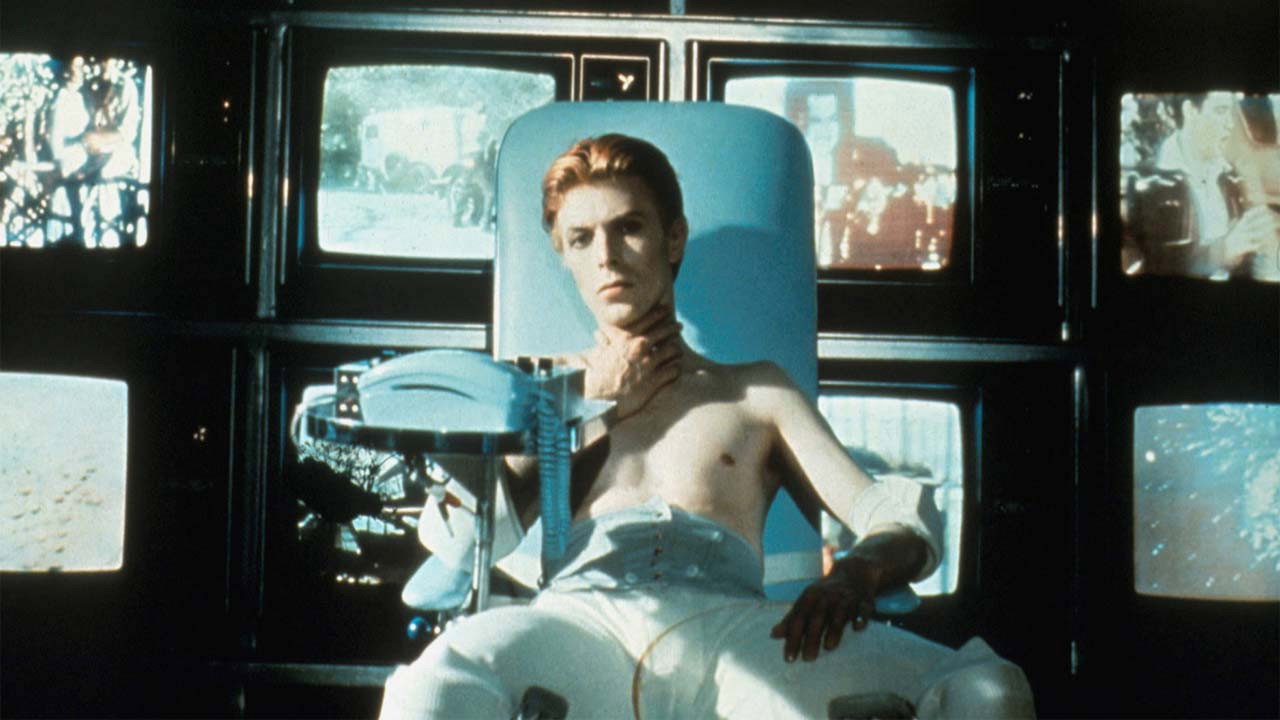
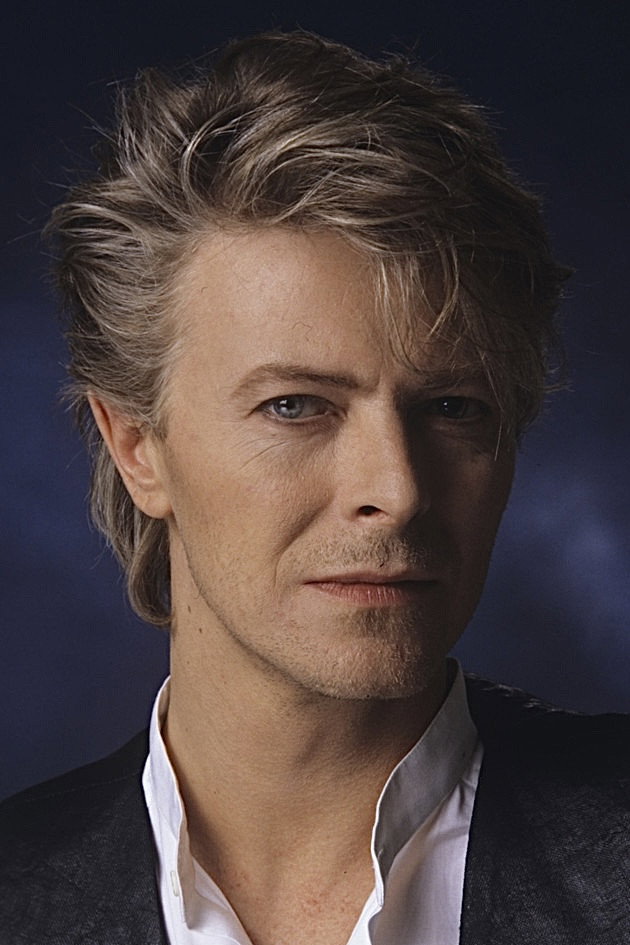
The casting could have encouraged a performance built entirely around being unusual. Instead, David Bowie gives Newton a gentleness that keeps the strangeness from becoming a pose. We were surprised by how protective we felt of him. His reserve seems so easily mistaken for indifference, and his vulnerability makes the surrounding human appetites feel threatening. Candy Clark, as Mary-Lou, supplies a welcome warmth; her contribution matters in a film that can otherwise keep people at an uncomfortable distance.

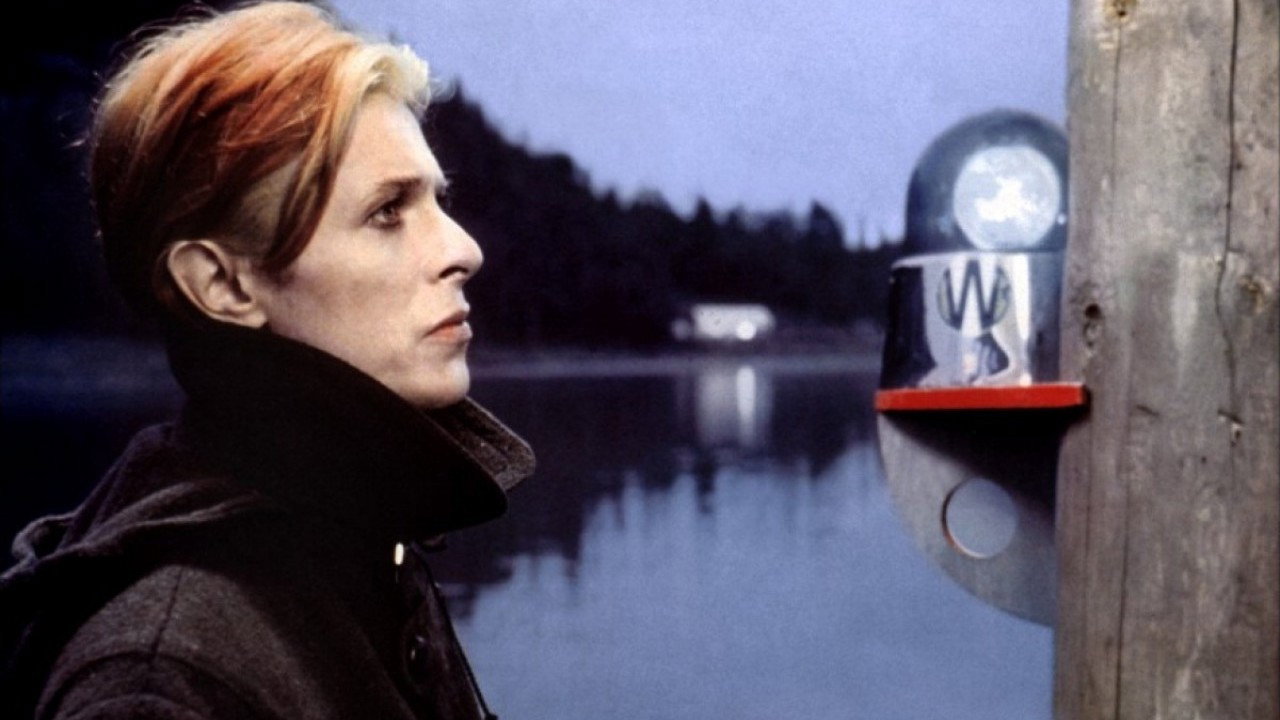
Anthony B. Richmond’s cinematography is especially effective in the desert landscapes, which make this supposedly familiar planet seem difficult to inhabit. The open space looks inhospitable, and the film needs no elaborate explanation to make us believe that Newton is far from home. Brian Eatwell’s production design also helps make the world of commerce feel uninviting, despite everything it promises. The surroundings are worth looking at, but the film never makes us eager to live in them.

Graeme Clifford’s editing leaves gaps where a more conventional film would insert an explanation or a clear transition. The effect is disorientating, and it suits a protagonist for whom ordinary experience cannot be taken for granted. The music credited to John Phillips and Stomu Yamash’ta contributes to that unsettled feeling. Together with the disruptive sound, it prevents the pictures from becoming a comfortable sequence of attractive oddities. At its strongest, the film makes us feel how much effort it takes Newton simply to be here.

The second half does wander, and there are stretches where the uncertainty stops being interesting. Paul Mayersberg’s screenplay, adapted from Walter Tevis’s novel, gives the film plenty to consider about loneliness and materialism, but these scenes add little to what we have already understood. At 139 minutes, that repetition is a substantial demand on our patience. Several scenes could lose some time without making the character or his predicament any less strange.

An alien who builds a technology empire has found something humans will readily understand. Nicolas Roeg uses that business success to make human dealings look suspicious, without turning Newton into a blameless judge of our behaviour. The visitor is susceptible to the distractions around him, and the performance allows us to understand their appeal. Science fiction often invites us to imagine what superior abilities might solve. Here they seem of little use against ordinary loneliness.

See it when there is time to let a scene remain puzzling without immediately reaching for an explanation. The second half asks for more patience than it always earns. Anyone expecting a brisk account of an alien’s business plan should make other arrangements.
Critical consensus AI synthesised

80
Positive
19
Mixed
1
Negative
0

Most critics respond warmly to Nicolas Roeg’s disorientating science fiction, with praise clustering around David Bowie’s casting and performance. The reviews repeatedly find vulnerability beneath his unearthly presence, giving the film’s treatment of exile and alienation an emotional centre. Roeg’s surreal imagery, landscapes and elliptical editing also draw broad admiration, particularly for making Earth seem unfamiliar and allowing mood and feeling to carry scenes that resist straightforward explanation.

The reservations concern narrative coherence, pacing and how much emotional connection survives the fragmentation. Several favourable reviews acknowledge wandering stretches, unfocused scenes or imperfections, but regard these as tolerable costs of the film’s ambition. The spread runs from enthusiasm to one mixed assessment: Collider finds the storytelling incoherent and the adaptation poor, while still praising Bowie and the visuals. Polygon offers a narrower dissent within an otherwise positive response, finding the film sad without being particularly moving.

Little White Lies
9 September 2016 · 4/5/5 · David Jenkins
100

The review hails the 4K restoration of Roeg's masterpiece, with Bowie astonishing as the alien visitor building a tech empire. It singles out the film's elliptical editing, pessimistic yet hopeful vision of a volatile world, and status as one of the director's most unique achievements.

Read the full review →
The Times
9 September 2016 · ★★★★★ · Kate Muir
100

David Bowie is back in cinemas as the alienated alien in the re-release of Nicolas Roeg’s surreal film. The critic singles out Bowie’s beyond-cool performance as stealing the show in a smorgasbord of strangeness.

Read the full review →
The Guardian
8 September 2016 · Peter Bradshaw
85*

Nicolas Roeg’s 1976 sci-fi about an alien visitor played by David Bowie is rereleased and looks more exotic and fascinating than ever. The critic singles out Bowie’s sui generis central performance for its unselfconscious gentleness and vulnerability.

Read the full review →
Empire
23 January 2007 · Kim Newman
80*

The film is a demanding, disorientating yet beguilingly beautiful work that buries its plot but rewards repeated viewings with its suggestion that Earth is the strangest planet. Roeg's direction captures striking landscapes and the alien lead's unsettling presence amid earthly distractions.

Read the full review →
The New Yorker
20 June 2011 · Anthony Lane
80*

The critic finds the film retains its cool, confounding strangeness as a sci-fi dedicated to how freakish Earth would seem to a visitor. It singles out the piercing tristesse of the final scene and Roeg's pessimistic vision of abandoning the hero to his fate.

Read the full review →
The New York Times
29 May 1976 · Vincent Canby
80*

The review calls the film beautiful science fiction that is mainly about exile and being an alien on Earth. It singles out David Bowie's inspired, extraordinary performance as the space visitor for praise.

Read the full review →

Cast

Stills

Awards

Hugo Awards, 1977

Nominated
Best Dramatic Presentation

If you liked this, try…

Solaris poster

Solaris

1972 · Patient science fiction in which distance from home makes human attachments harder to escape.

The Brother from Another Planet poster

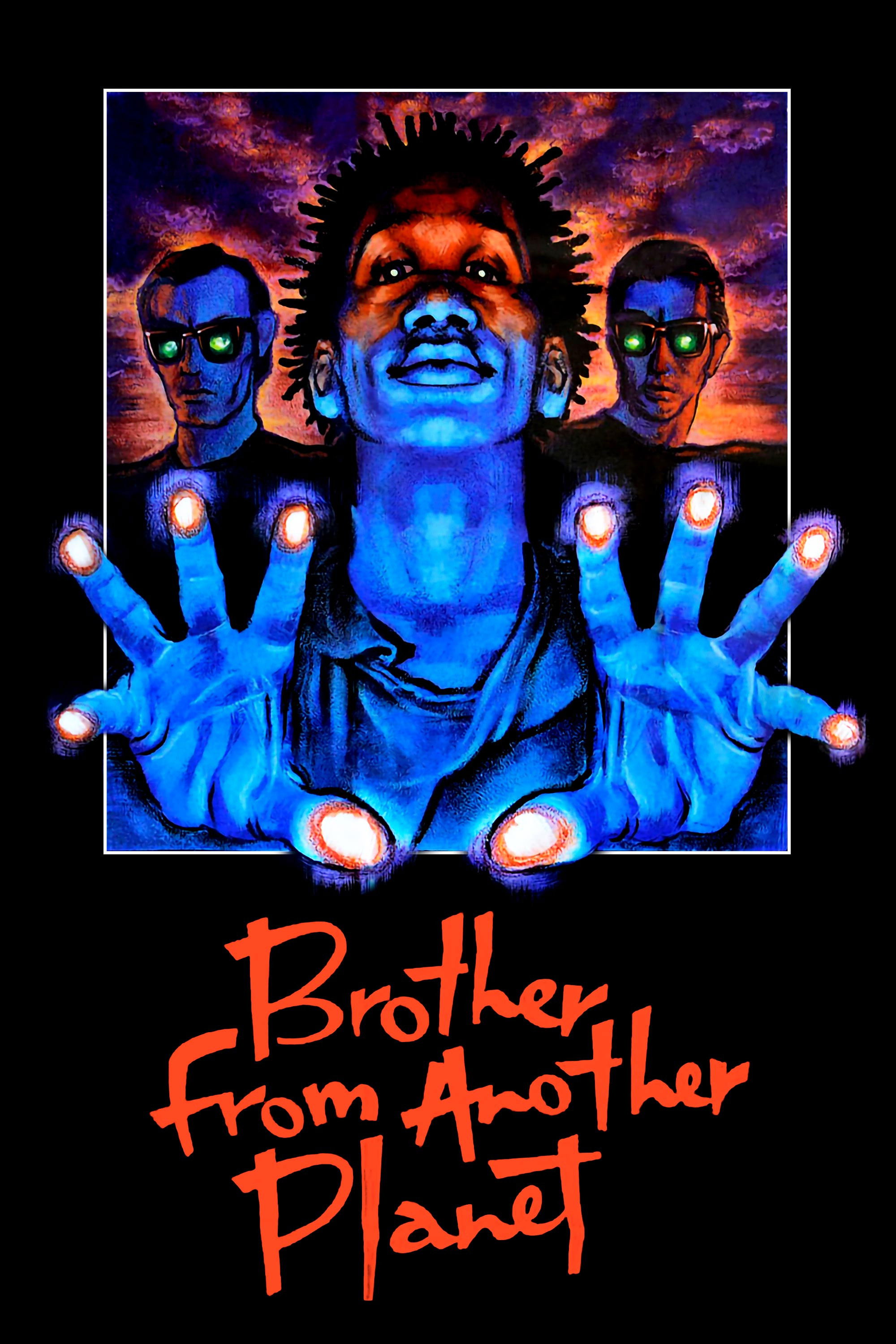
The Brother from Another Planet

1984 · A gentler alien arrival, with everyday city life supplying the strangeness.

Under the Skin poster

Under the Skin

2013 · An outsider’s view of human behaviour, with discomfort built into the images.

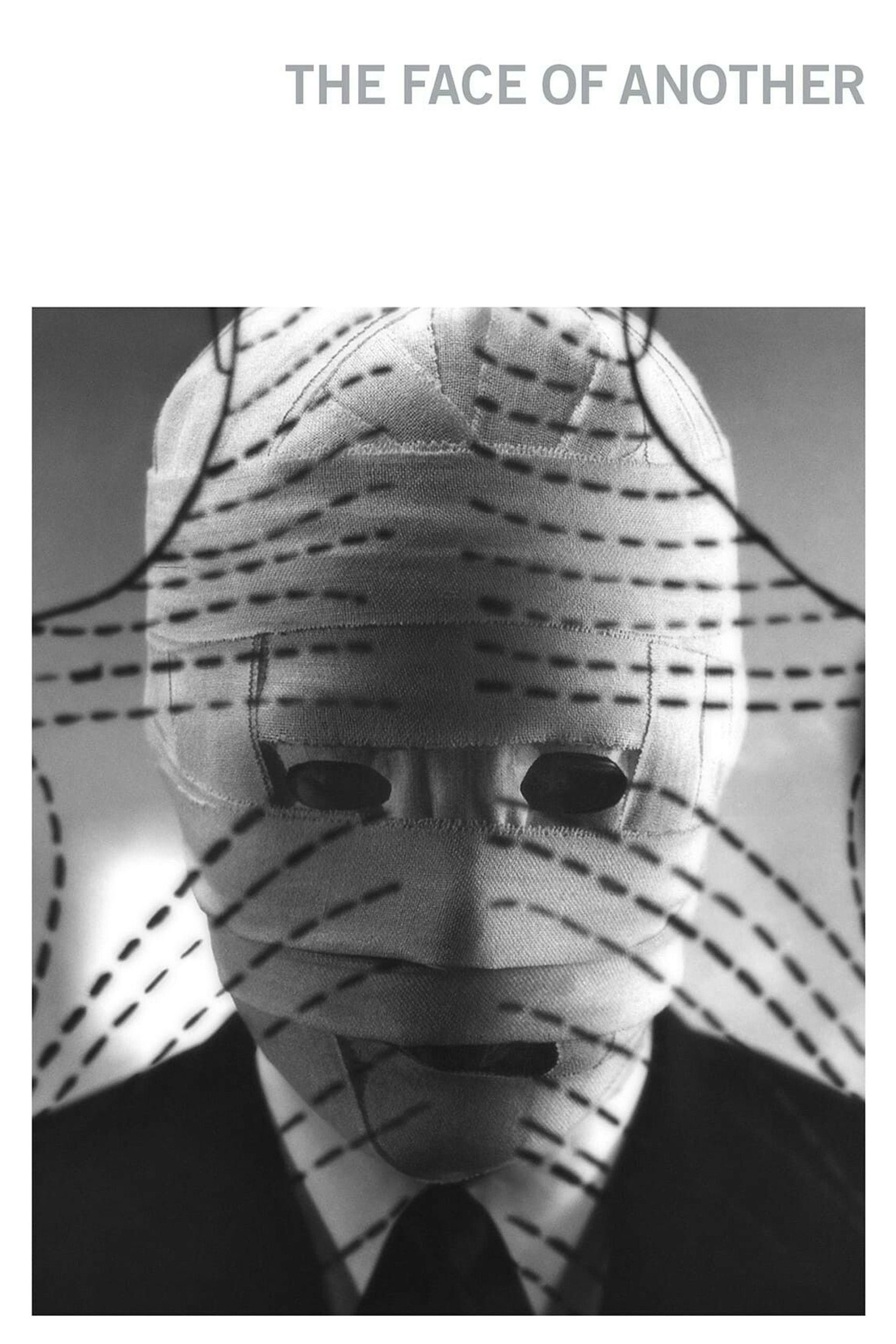
The Face of Another poster

The Face of Another

1966 · A changed face turns ordinary encounters into troubling questions about identity.

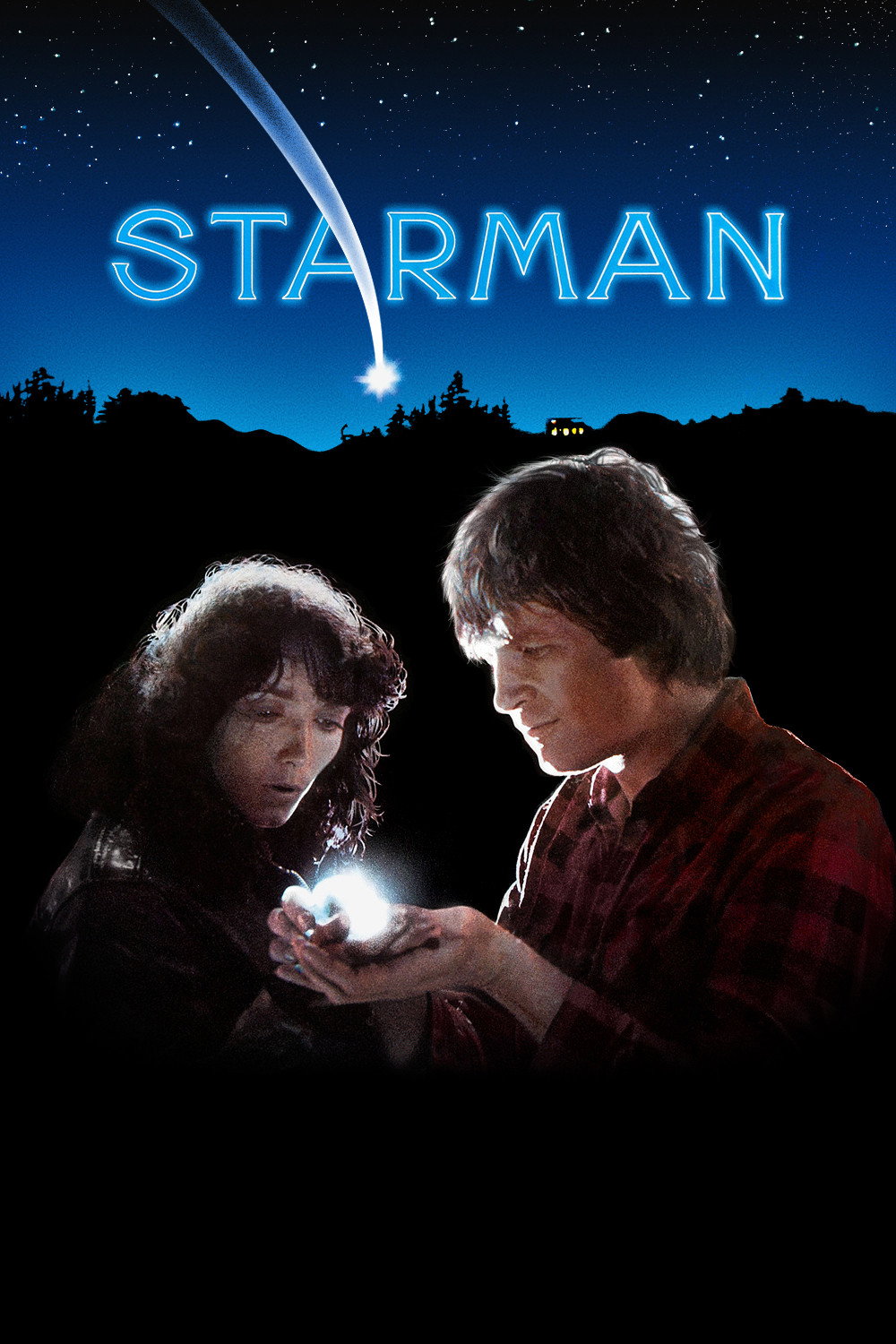
Starman poster

Starman

1984 · For a warmer alien encounter, with affection given room beside the unease.