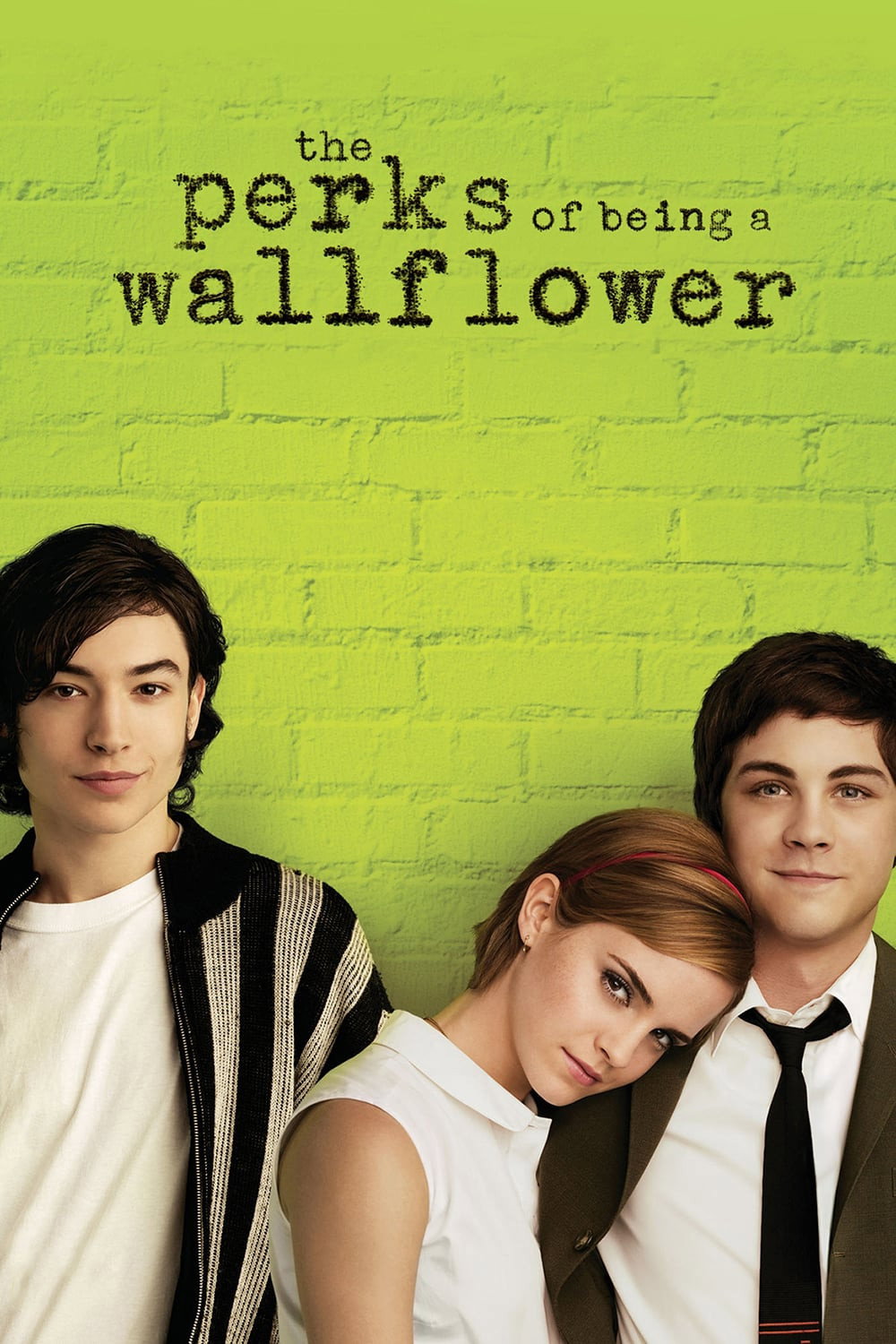
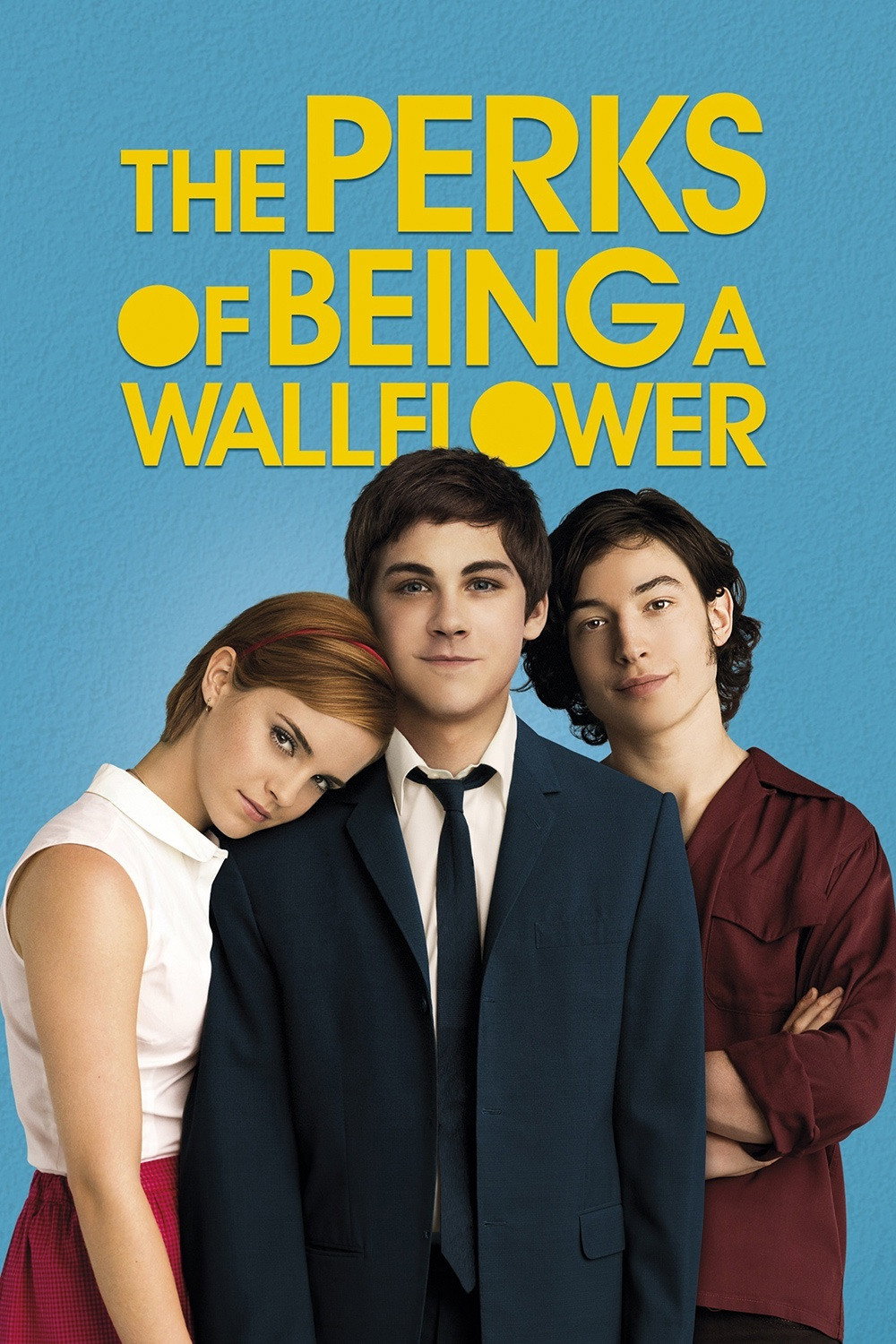
Stephen Chbosky directs his own novel with more feeling than polish. Three young leads, Ezra Miller above all, make it worth an evening; a crowded script and a hurried last act stop it being more than that.
Stephen Chbosky published The Perks of Being a Wallflower as a novel in 1999 and adapts and directs it himself, an arrangement that usually means nobody could tell him no. It has gone better than that. The film is sincere, kind to its characters and well acted by its three young leads, and it is clumsy in the ways first films are clumsy: too many subjects, a voice-over that tells us what the faces have already said, and a last twenty minutes that rush the hardest material. We liked it, joins and all.
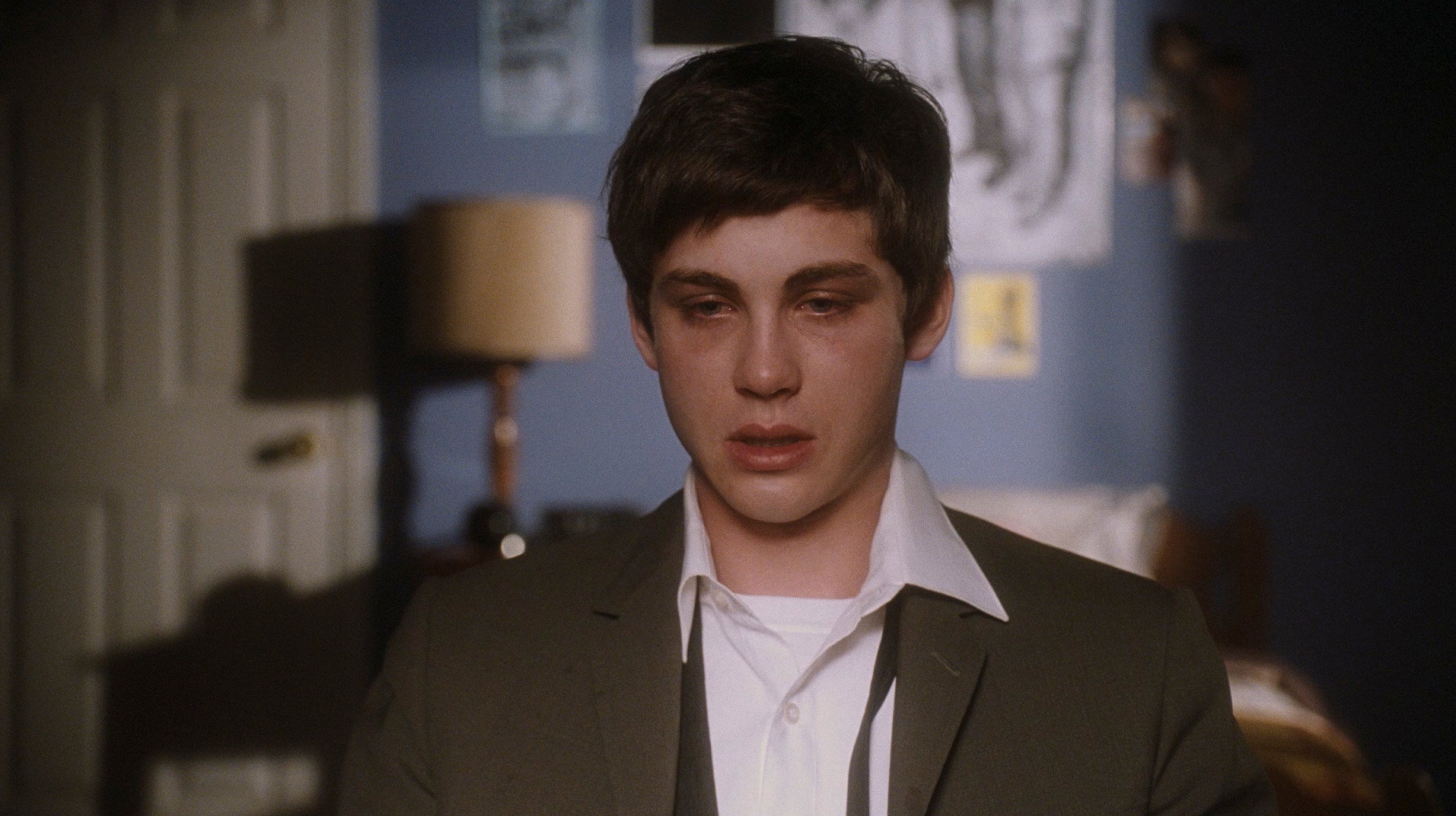
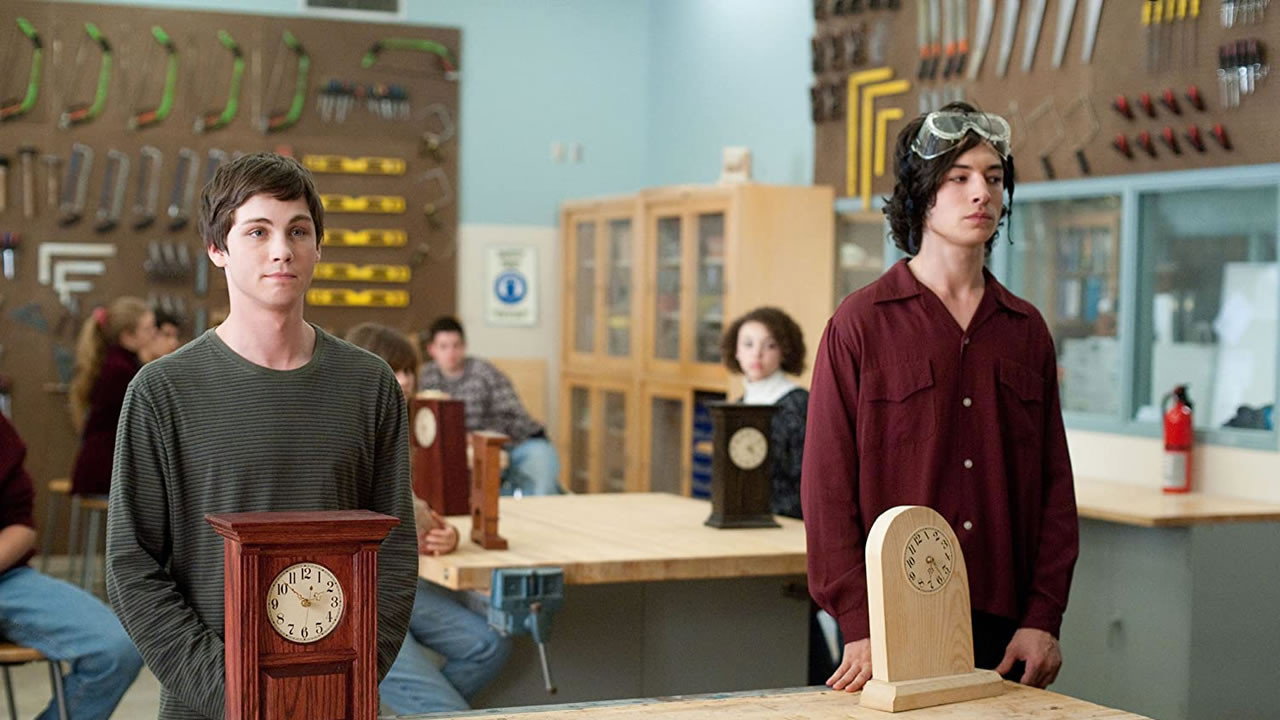
Charlie (Logan Lerman) starts high school in a Pittsburgh suburb in the early 1990s, counting the days until he can leave. His best friend killed himself the year before; his aunt Helen (Melanie Lynskey) is dead too. In shop class there is Patrick (Ezra Miller), a senior who answers back and gets nicknamed Nothing for it. Charlie sits next to him at a football game, meets his stepsister Sam (Emma Watson), and within a week has friends, a party and a homecoming dance. Lerman plays him with his shoulders up and his eyes down and lets both come down a fraction at a time.
Miller is the reason to see it. Patrick is the loud one, and Miller puts a nervousness under the performance that shows only when nobody at the table is looking at him. His scenes with Johnny Simmons’s Brad, a footballer, are the most carefully written in the film. Watson has the harder job, because Sam is the girl the boy adores and the script gives her more adjectives than lines; she is better than the part. Mae Whitman’s Mary Elizabeth, the Buddhist punk who runs the Friday-night Rocky Horror show and decides Charlie is her boyfriend, is funny and slightly frightening, which is right.
Andrew Dunn shoots it warm: brown autumn light in the corridors, lamps rather than ceiling lights in the bedrooms. Inbal Weinberg keeps Charlie’s room nearly bare, a bed and a desk and the paperbacks his English teacher Mr. Anderson (Paul Rudd) hands him, and covers every wall of Sam and Patrick’s house in posters and snapshots. Michael Brook’s score is quiet guitar that stays out of the way of the songs.
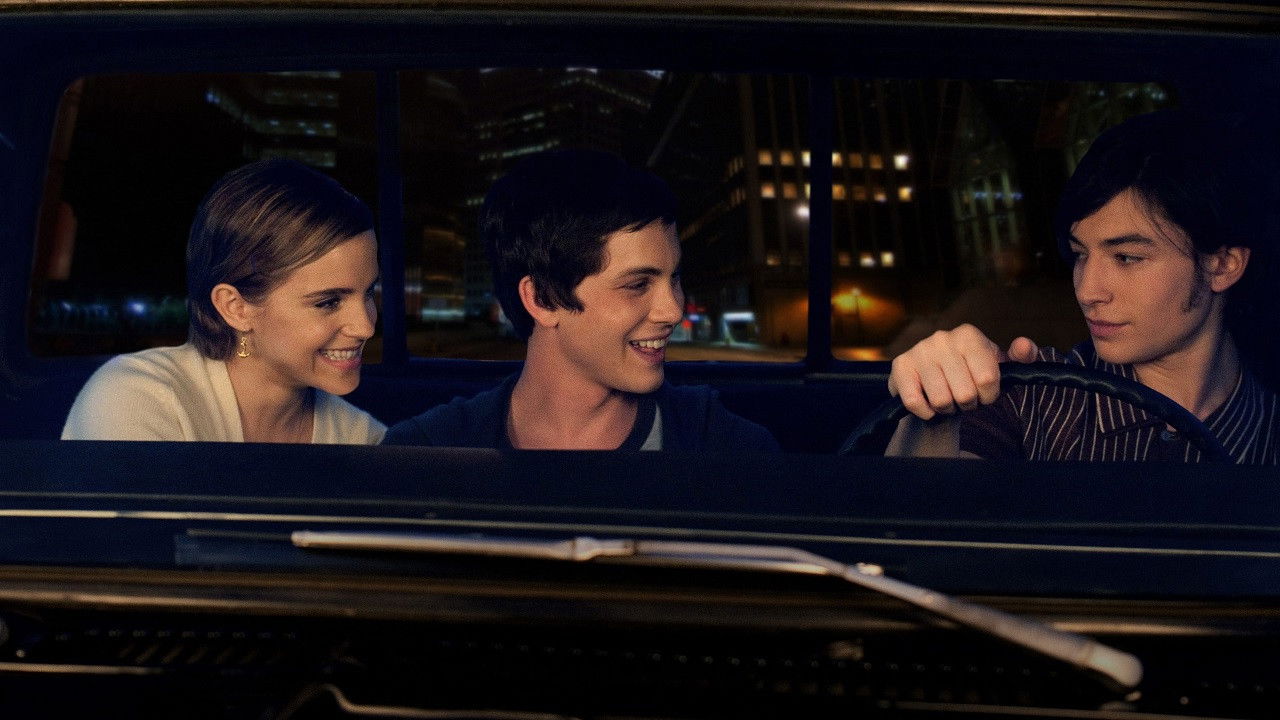
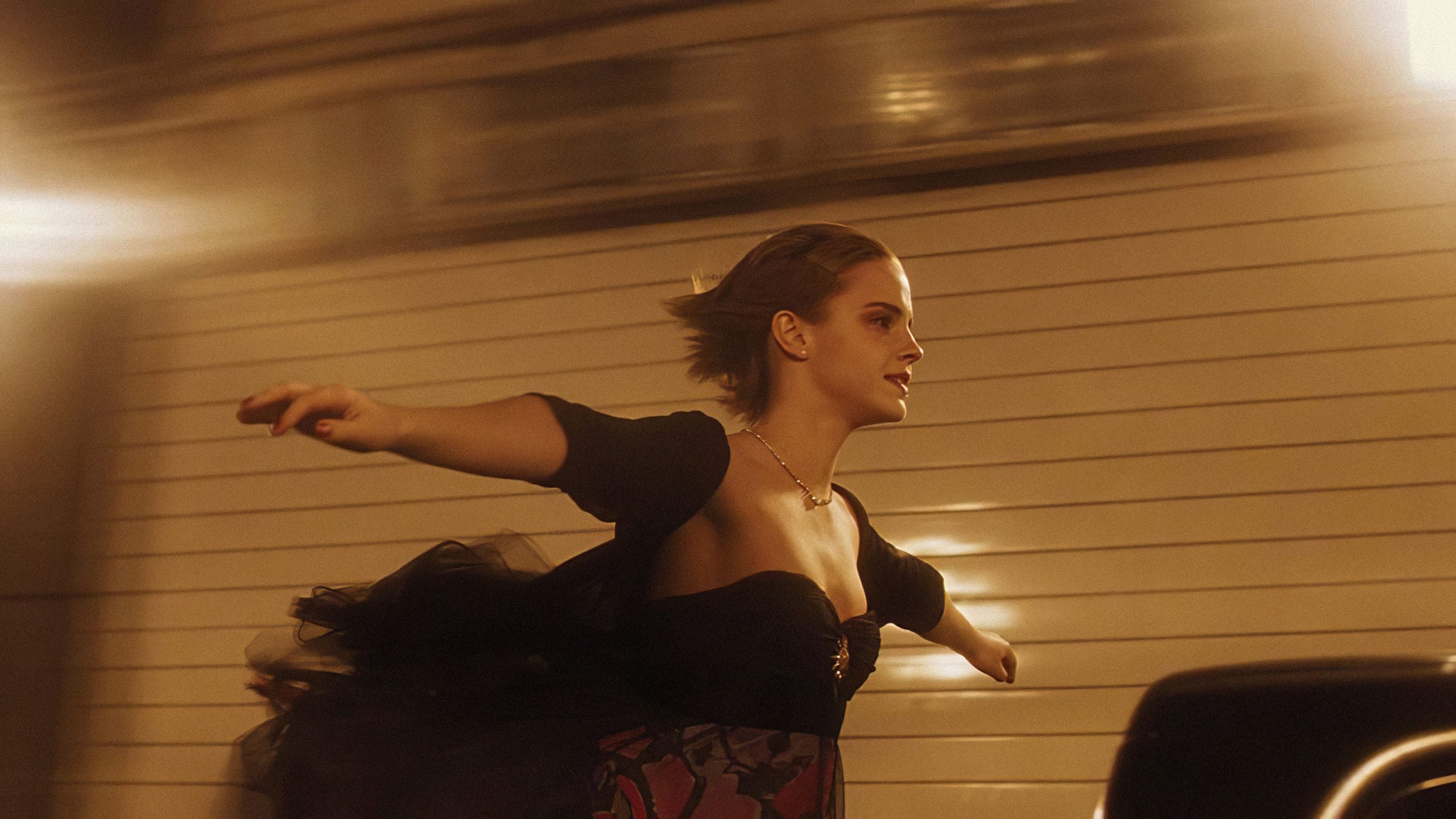
The tunnel is the scene everyone remembers. Patrick drives, Charlie sits in the middle, and Sam climbs into the back of the pickup and stands as they go in with the radio up. Mary Jo Markey cuts between Lerman’s face in the passenger seat and Watson with her arms out and the orange lights going past, and Brook lets the song do the rest. We were got at, plainly and completely. We then spent the remaining hour wondering how three teenagers this devoted to their record collections had failed to recognise David Bowie’s “Heroes”.
The trouble is quantity. Chbosky’s book gave Charlie a year and everything in it, and the film keeps nearly all of it in 103 minutes: a dead aunt, a dead friend, a sister (Nina Dobrev) whose boyfriend hits her, a first kiss, a first drug, a secret romance, and the letters to a stranger holding the pieces together. The letters, read by Lerman in a soft, careful voice, keep stepping in to explain feelings the actors have already shown us. And when the darkest of these things arrives, late, Markey cuts it as though the film has a train to catch, and it is over before we have caught up. We felt hurried.
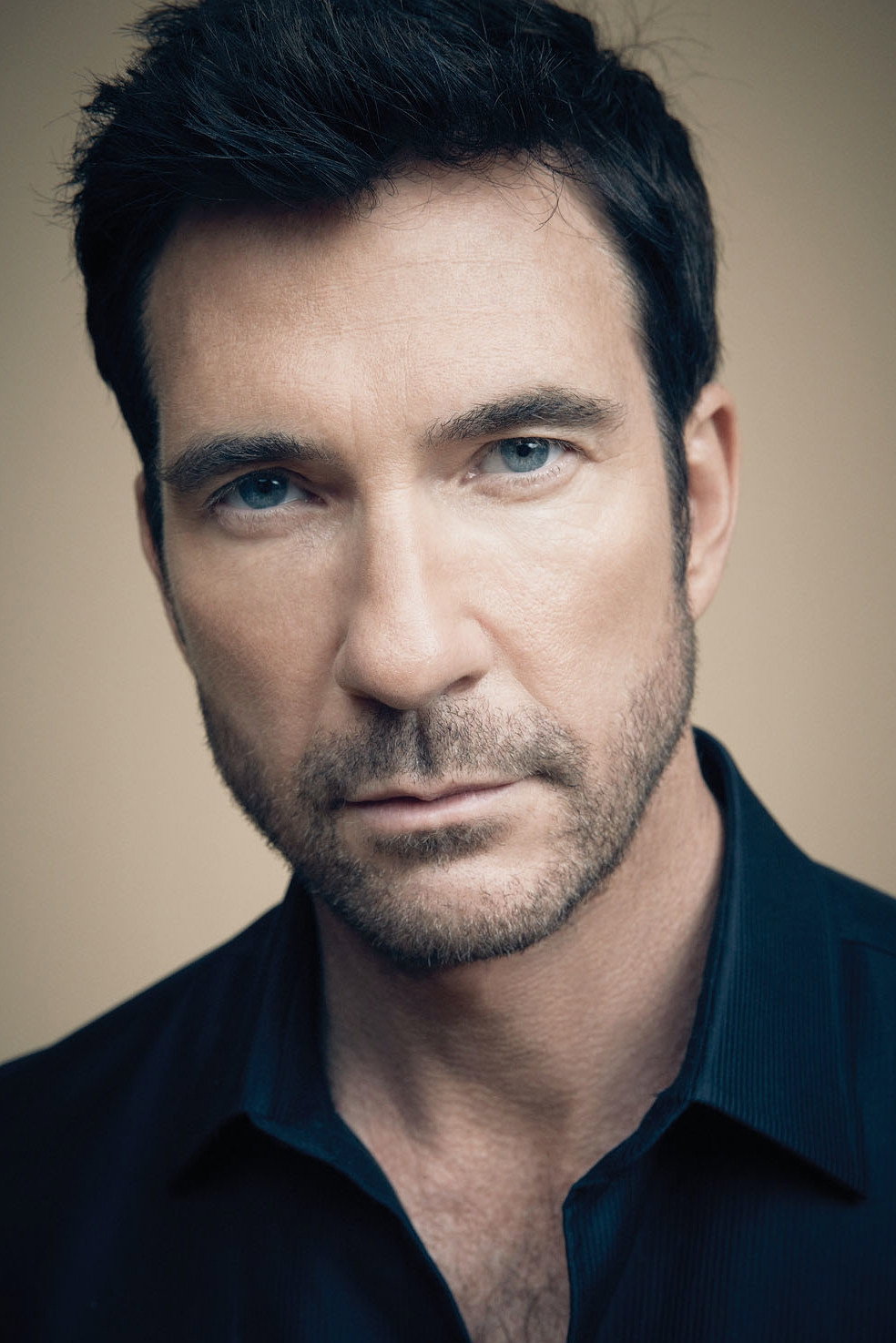
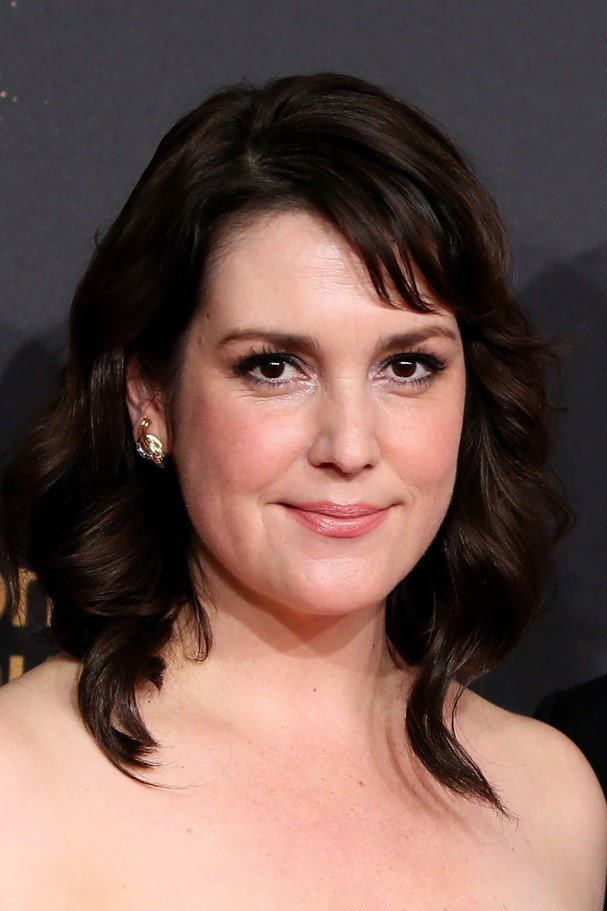
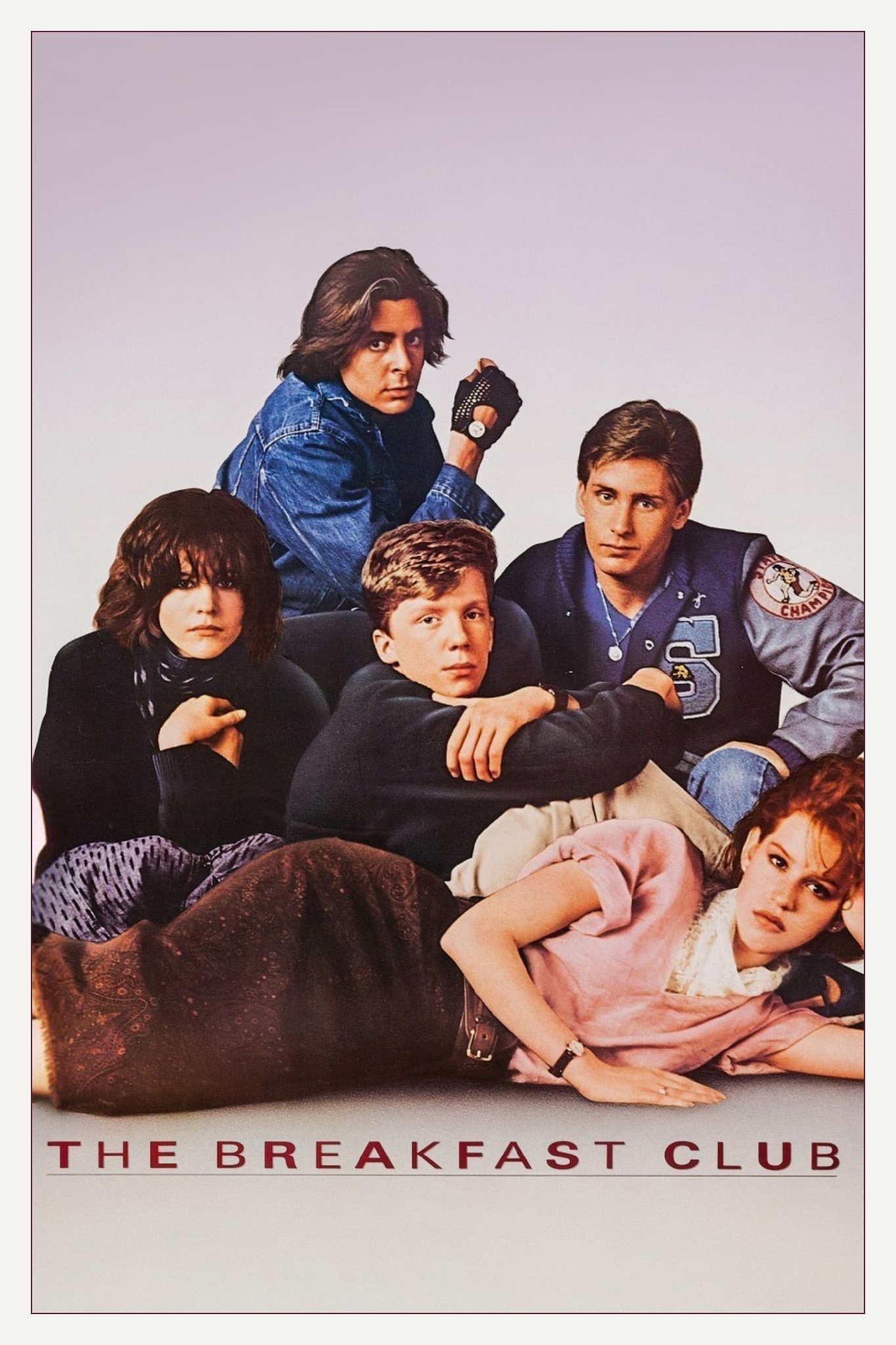
Rudd says almost nothing and it is the right amount; Kate Walsh and Dylan McDermott play the parents as decent people who do not see what is in front of them. John Hughes made this film several times in the 1980s with the sadness taken out; Chbosky has put it back and lost some of the jokes doing so.
That is a fair trade for the audience the film is for, who are fifteen and will not notice the joins. For the rest of us it is a warm, honest, overstuffed evening, best watched at home with someone who once made a mixtape.