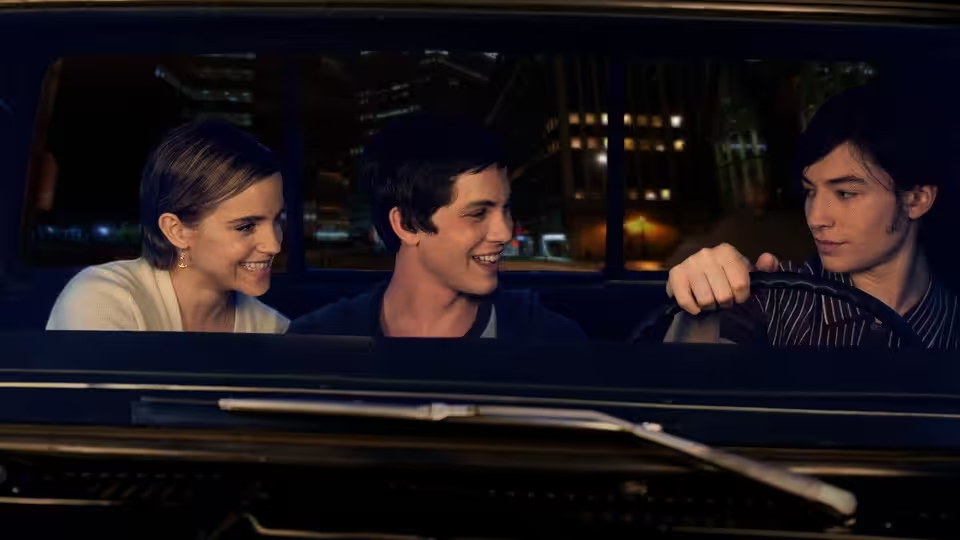
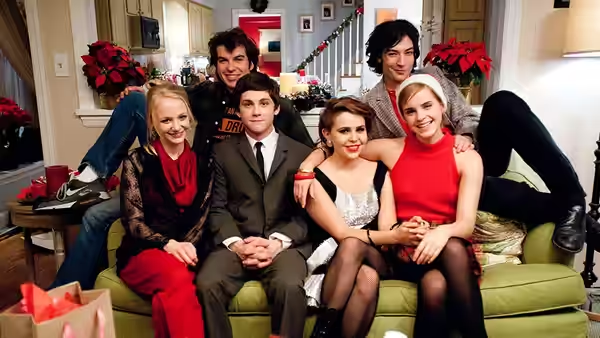
Logan Lerman, Emma Watson and Ezra Miller make this familiar high-school drama worth an evening. Its sympathy is persuasive, though Stephen Chbosky sometimes crowds the story with more pain than he gives himself time to explore.
The Perks of Being a Wallflower is a good high-school drama whose young actors make a familiar story feel worth telling again. Stephen Chbosky, writing and directing, takes the business of finding friends seriously, even when his script seems to be consulting a checklist of adolescent troubles. He gives these feelings the space they occupy in a teenager’s life. That can be a great deal of space. The film is at its most convincing when it allows friendship to be enjoyable without immediately explaining why it matters.
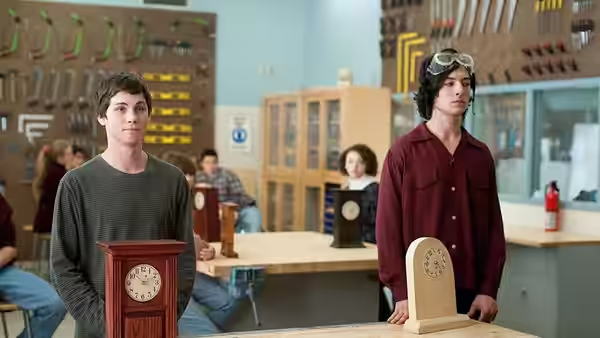
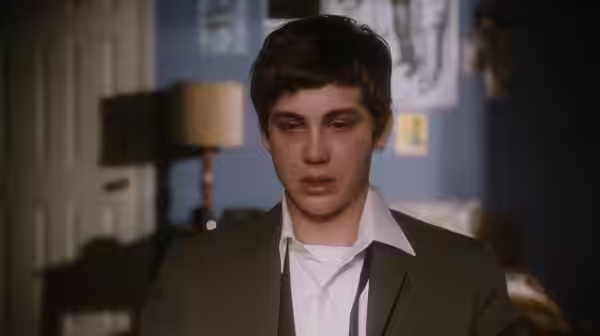
Charlie is a first-year high-school pupil whose introduction to Sam and Patrick gives him a chance to belong. Logan Lerman makes his vulnerability convincing through the effort that seems to go into simply joining in. There is a strain in his reserve, as though conversation requires work the others cannot see. We were moved by the friendship offered to him, because his relief at being included feels so uncertain. The performance keeps the boy’s troubles present without making every conversation an announcement of them.
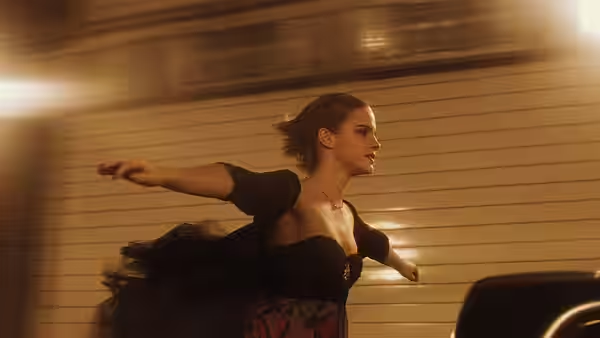
Ezra Miller gives Patrick a comic confidence that also seems to take work to maintain. The jokes could easily leave him performing the same useful service in every scene; instead, his company has an unpredictability that helps the friendship feel lived in. Emma Watson’s Sam completes a trio whose pleasure in one another is the film’s strongest reason to keep watching. Even when the writing sounds prepared, the three actors make affection seem spontaneous.
Andrew Dunn’s cinematography gives the early-1990s setting a nostalgic warmth that occasionally feels too comfortable for Charlie’s distress. It suits the pleasure of finding friends, though the images can soften the discomfort the actors are working to sustain. Inbal Weinberg’s production design is less insistent about the period, helping it feel like somewhere these characters can live. That unobtrusive approach is welcome whenever the writing begins to press a point too hard.
Mary Jo Markey’s editing keeps the episodic story moving, but the heavier material needs more breathing space than it gets. As one teenage concern follows another, the accumulation can make distress feel like a requirement of the school year. Michael Brook’s score is comparatively restrained; it is the prominent songs that sometimes tell us too insistently how to feel. The record collection is carefully chosen, but there are occasions when musical taste has to do work that belongs to the writing. The performances seldom need that assistance.
As coming-of-age dramas go, this is a conventional one, with voice-over, conspicuous musical taste and more trouble than one story can comfortably accommodate. Its sincerity survives because the cast gives the friendships humour and friction, and because Stephen Chbosky does not treat being young as a condition to be mocked. There are passages where a little less explanation would help us feel more. Anyone impatient with teenage earnestness should approach with caution. If this is your kind of school story, make time for the three people at its centre.