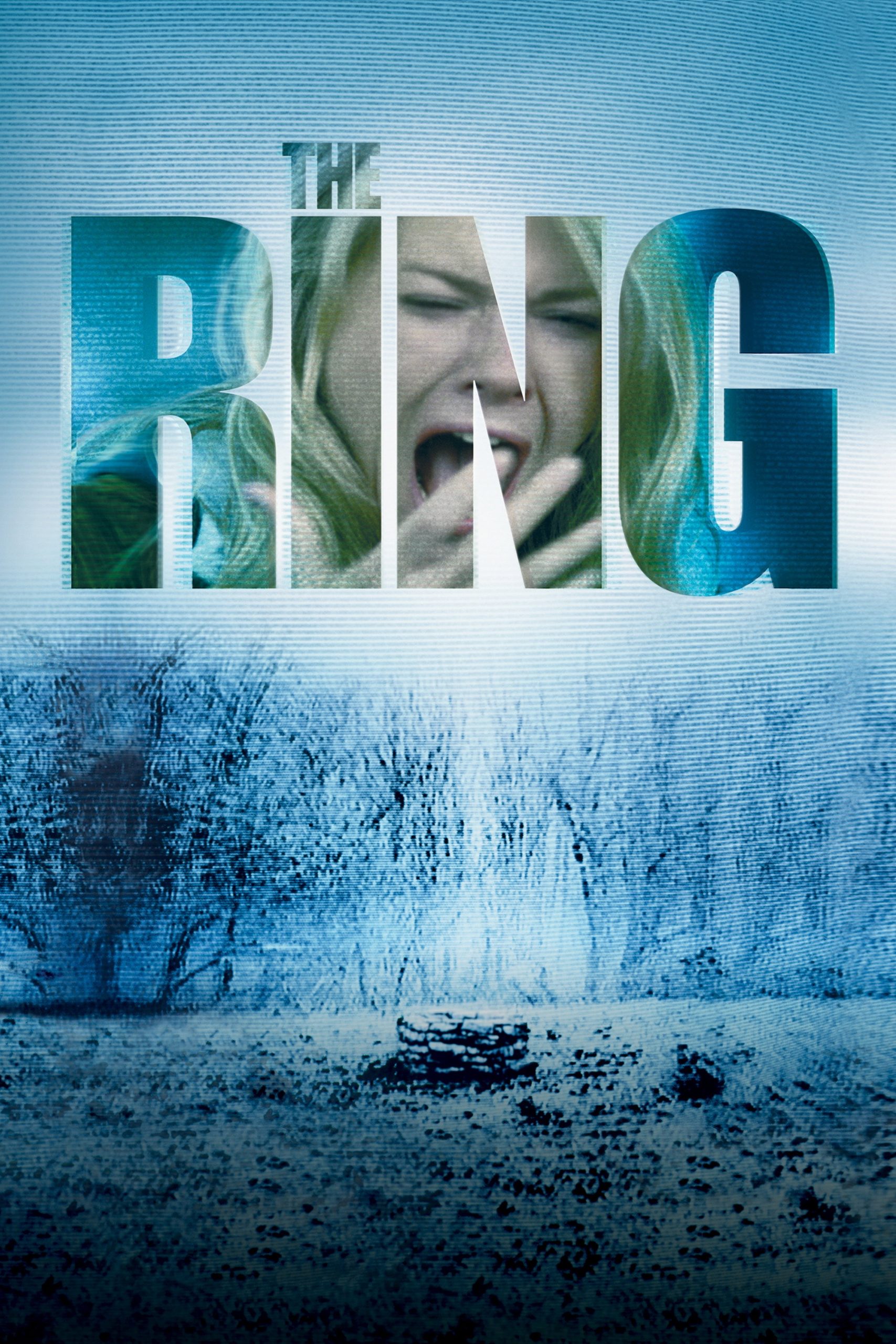
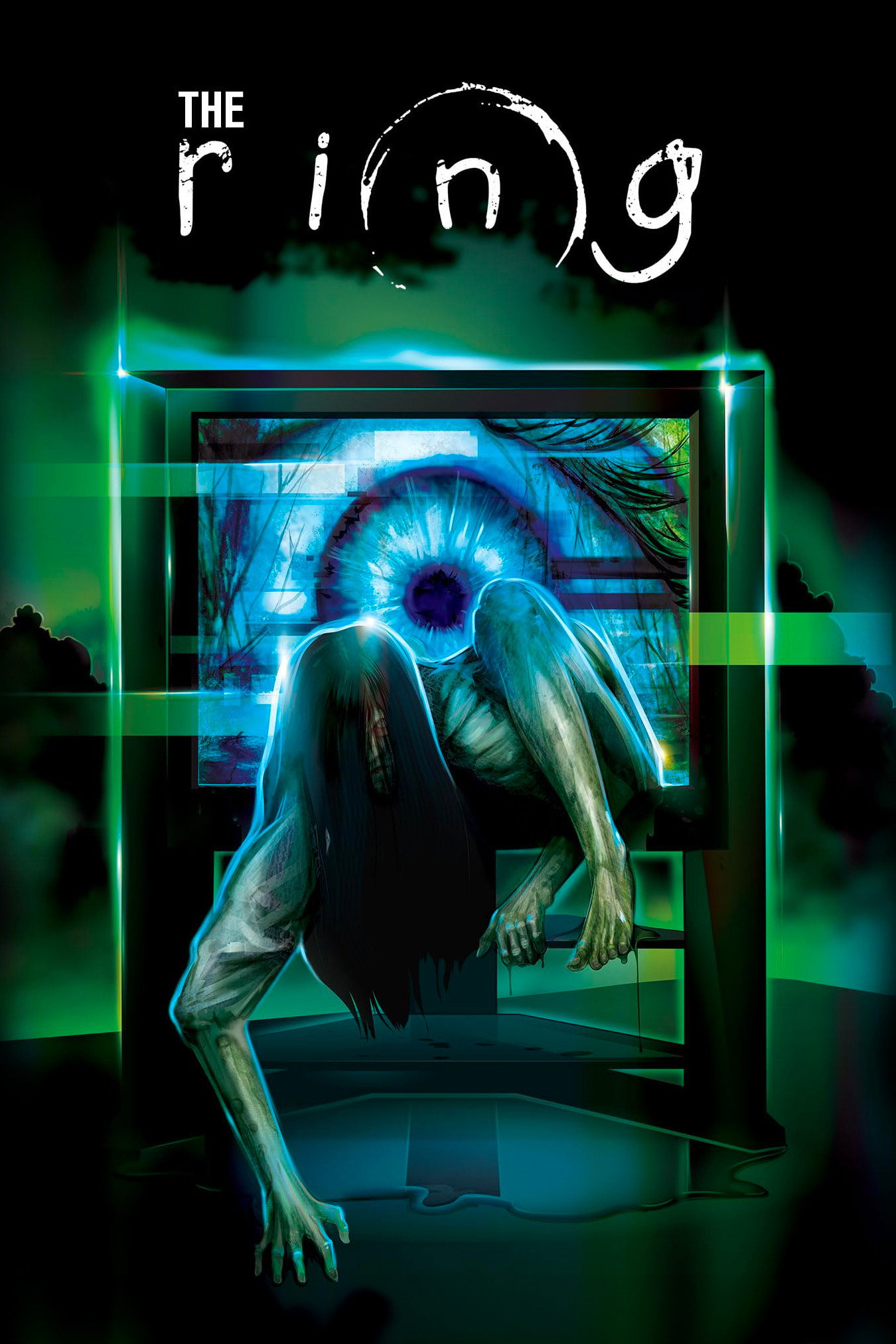
Gore Verbinski’s remake of the Japanese hit is handsomely made and, for about an hour, properly frightening. Then the script starts explaining, and the fear drains out of it a scene at a time. Still worth a dark room and a wet evening.
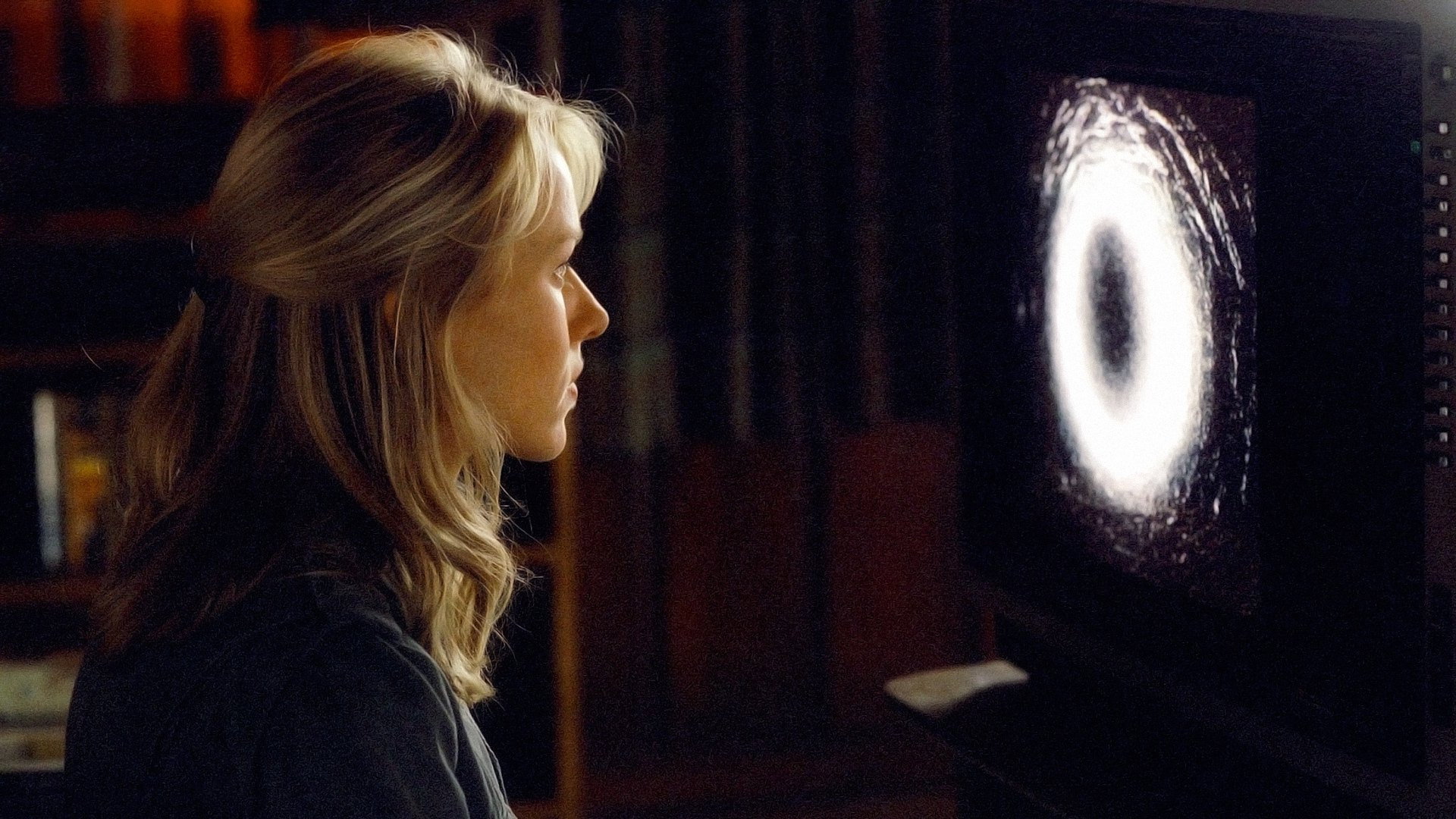
Gore Verbinski’s remake of Hideo Nakata’s Ringu (1998) keeps the idea whole and moves it to an American city where it never stops raining. A videotape passes from hand to hand. Whoever watches it gets a phone call, a whispered “seven days”, and a week to live. Rachel Keller (Naomi Watts), a newspaper reporter whose niece is one of the dead, tracks the tape to a cabin, watches it, and the phone rings. That is the film, and it is a good one for about an hour. After that the script decides we need to know everything, and each answer takes a little of the fear away with it.
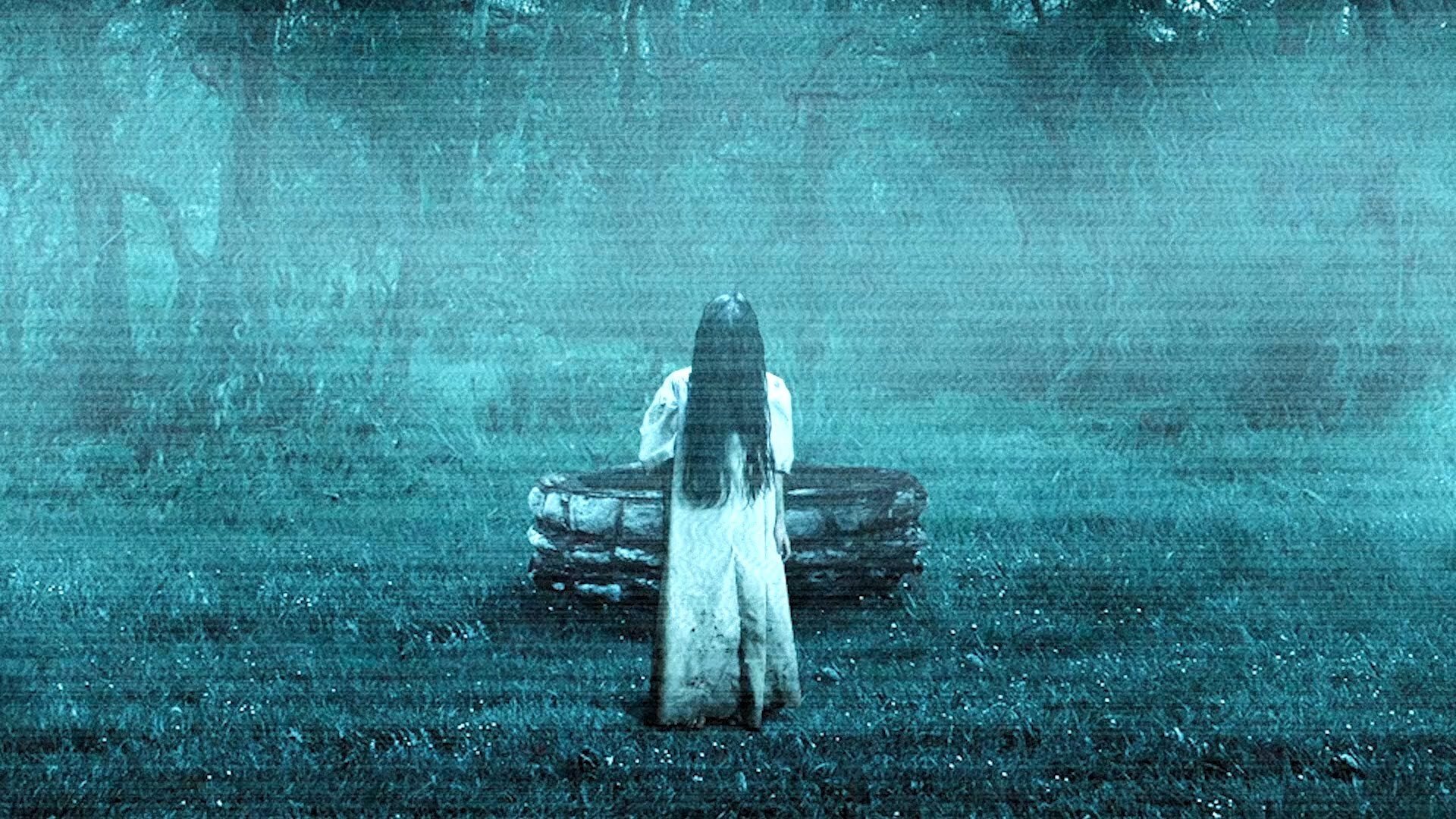
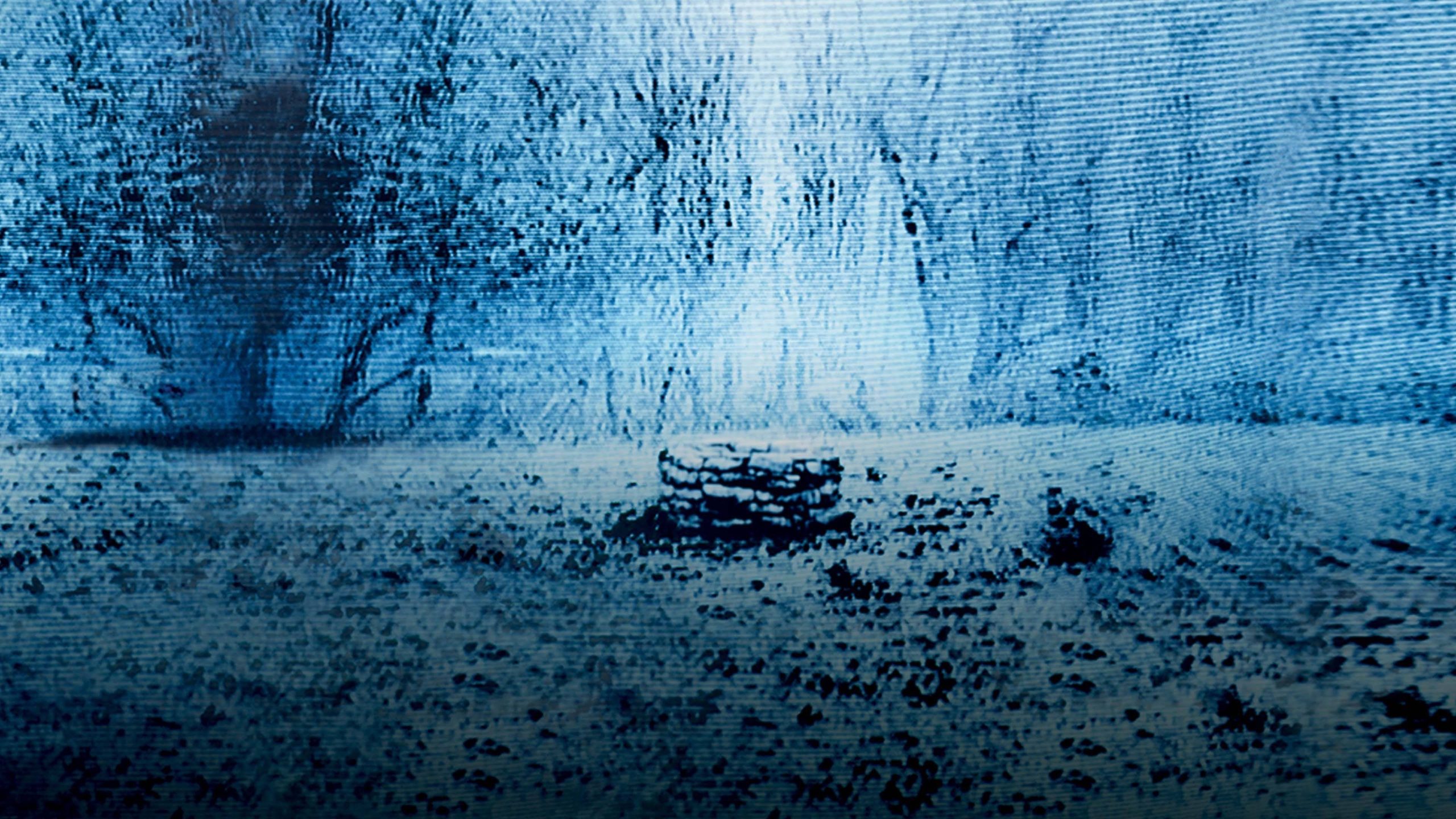
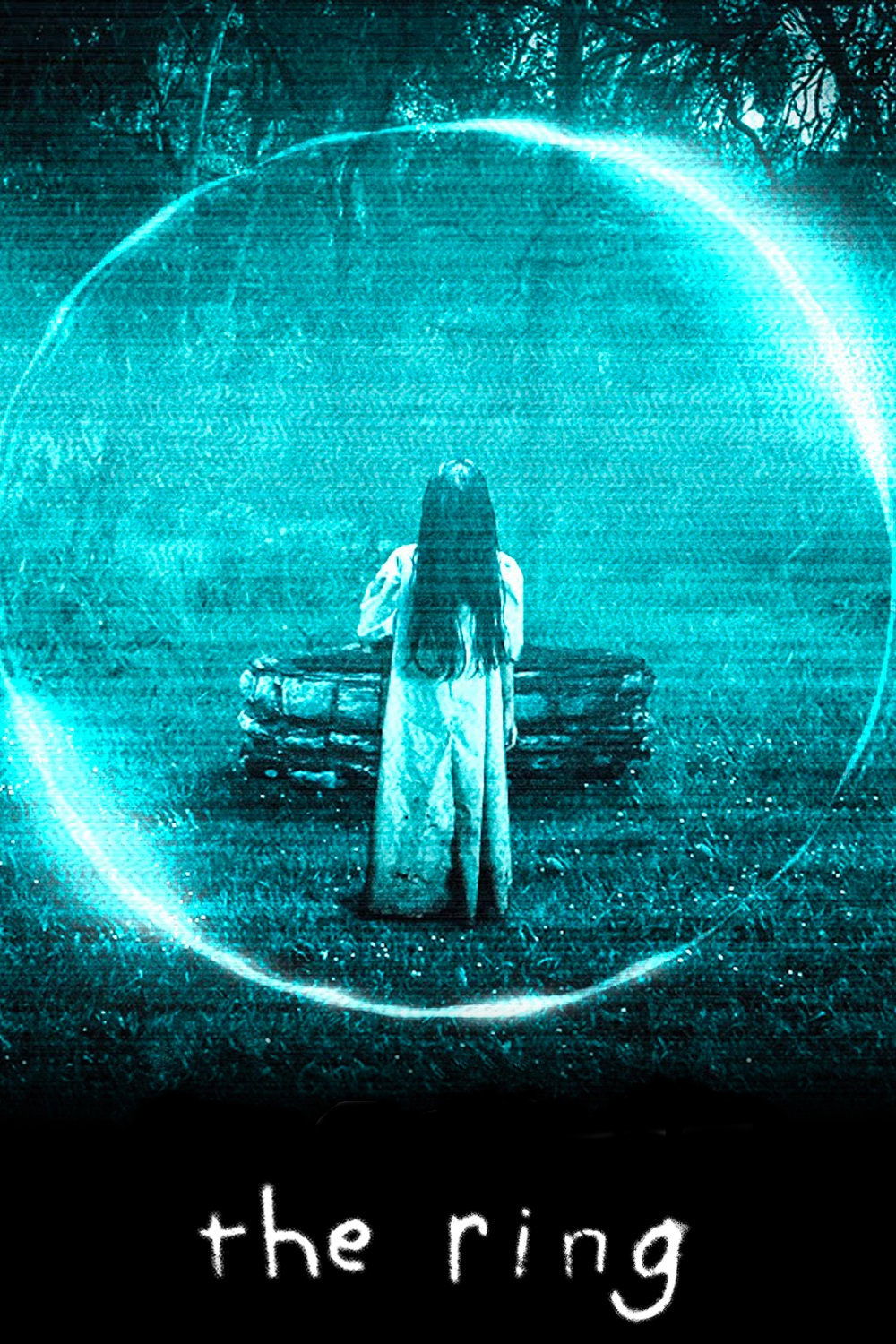
The tape is the best thing in it. Craig Wood cuts it as a run of hard, silent images: a woman combing her hair in a mirror, a ladder against a wall, a chair alone in a field, a fly, a well with a lid sliding across it. It lasts about a minute. We watched it with our shoulders up, and when it stopped and Rachel’s phone rang we jumped. Nothing later in the film frightened us as much, and we think the reason is that the tape does not explain itself. It shows things in the wrong order and leaves the rest to us.
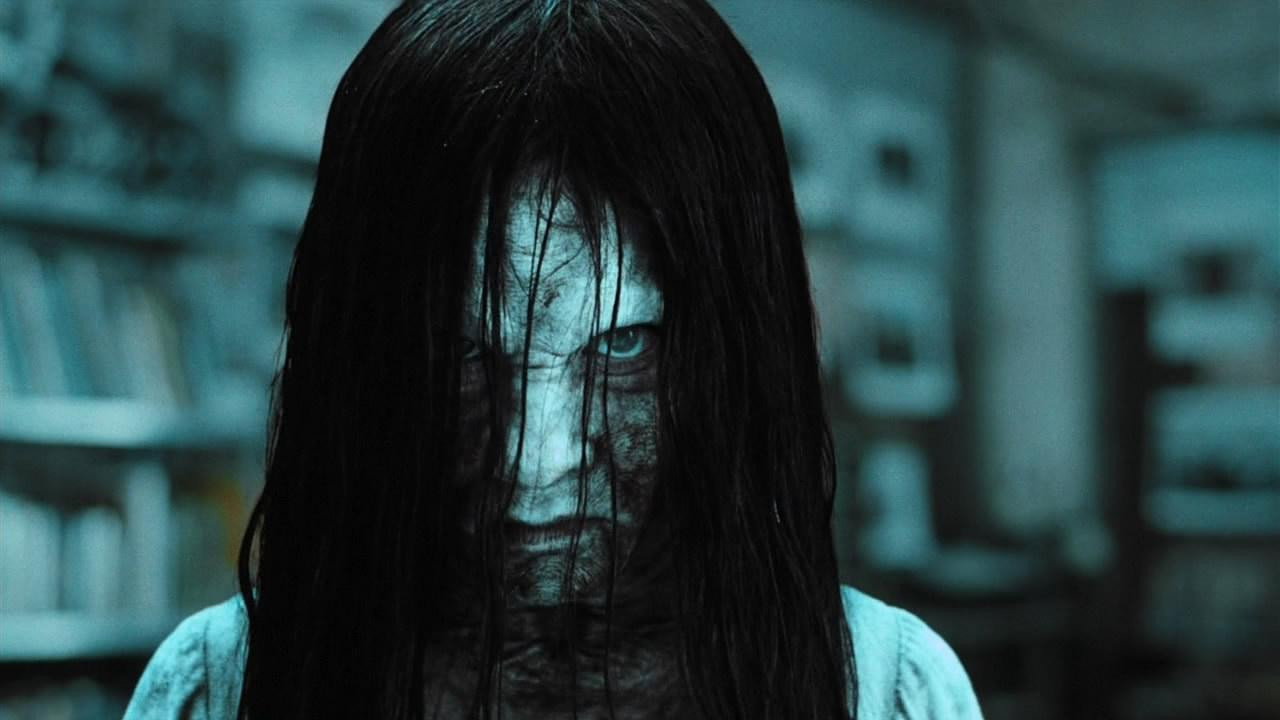
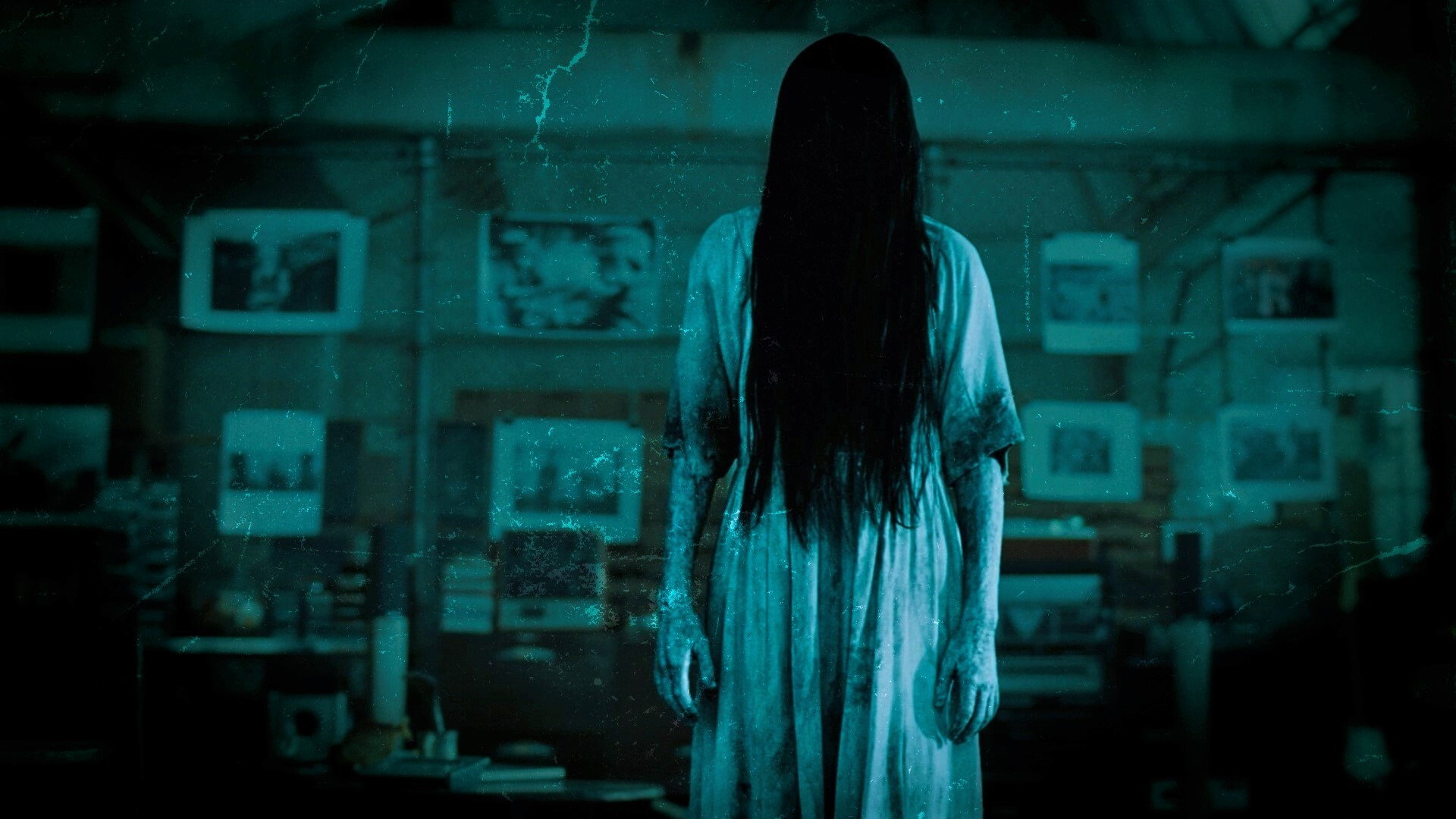
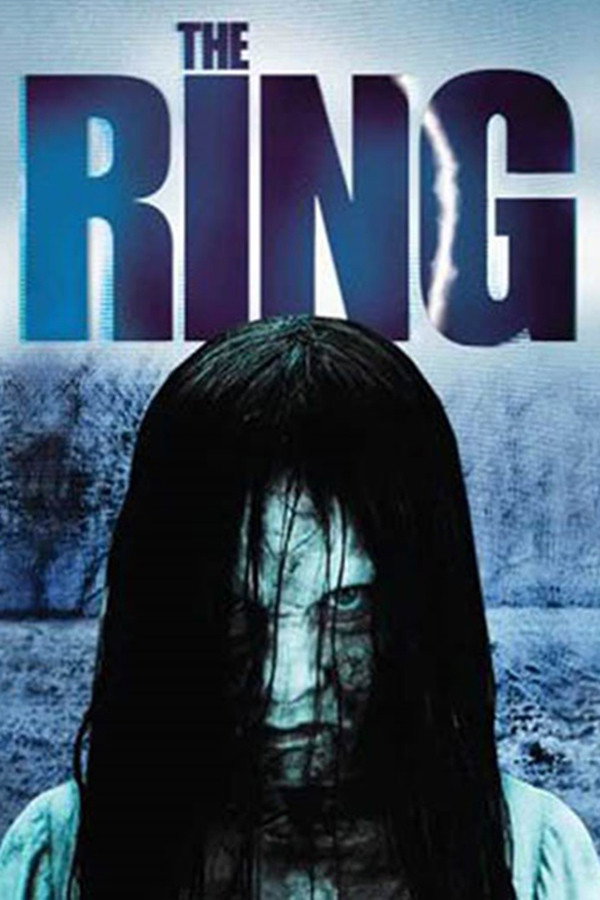
Bojan Bazelli shoots the city in greens and greys, rain on every window, with the only warm light coming from television screens. Tom Duffield’s cabin is knotty pine, a television on a stand and a drawer of unlabelled tapes; Rachel’s flat is small and cluttered and papered with a boy’s drawings. Julie Weiss keeps Watts in dark wool with wet hair for most of the running time and puts Samara Morgan (Daveigh Chase) in a white nightdress with her hair over her face, which is the image most people carry out of the cinema. Hans Zimmer runs a small circling theme, like a music box, under the quiet stretches, and it works. At the shocks he brings the strings in at full weight, and the shocks would have been better without them.
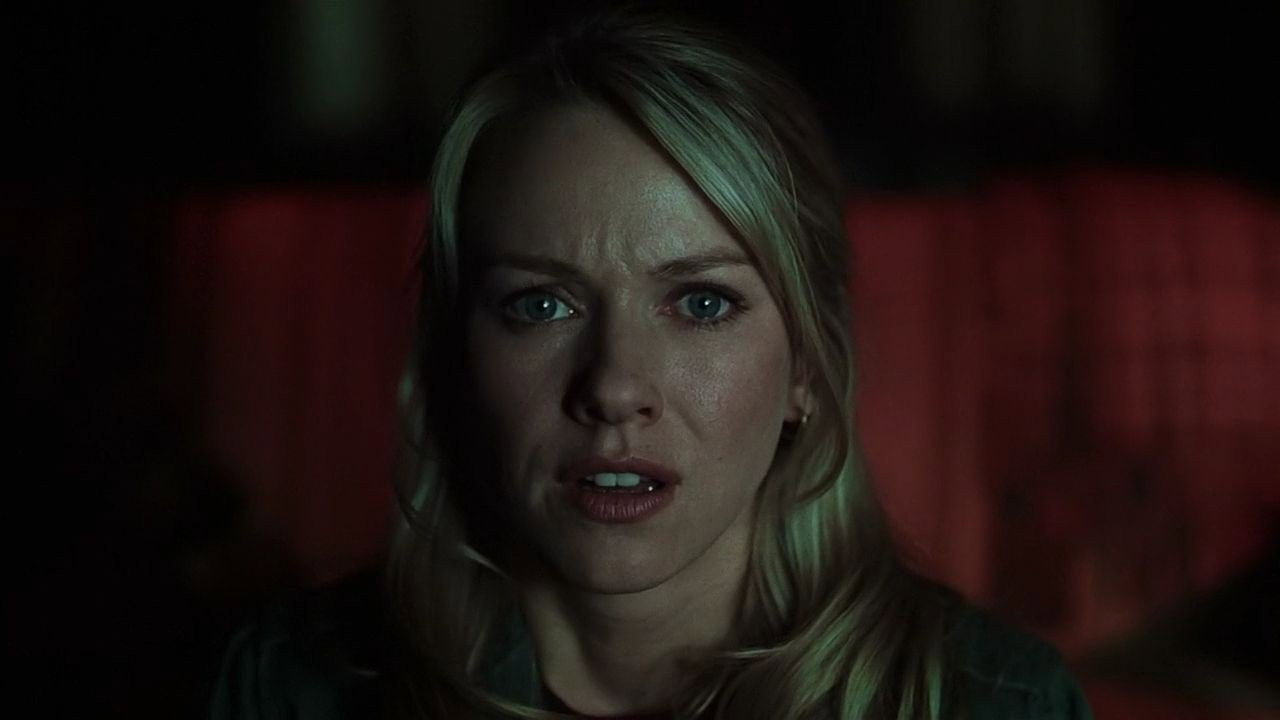
Watts plays Rachel as a woman who was already tired before the curse arrived, a working single mother who forgets to collect her son and is not forgiven for it. David Dorfman’s Aidan calls her Rachel, not Mum, and looks at her the way a doctor looks at a patient; he is the film’s second most unsettling effect and he barely raises his voice. We were more moved than we expected by the early scene in which his teacher (Sandra Thigpen) hands Rachel a pile of his drawings and Watts looks at them and understands, before we do, that she has been looking after the wrong thing. Martin Henderson’s Noah has an easy charm, a job the plot needs and a failing the plot needs, and little else; he is mostly there to be shown things.
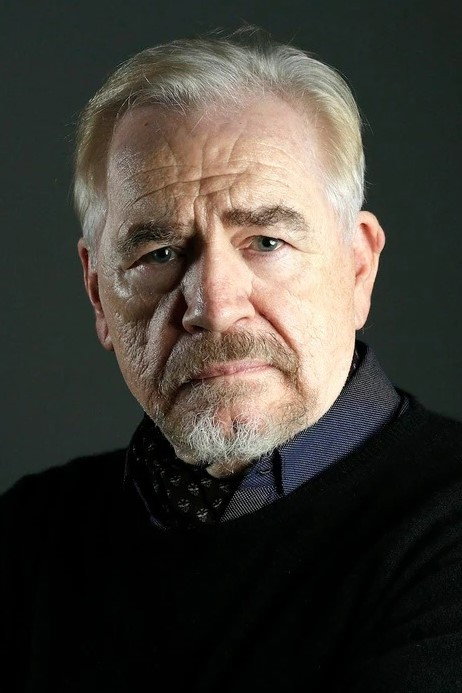
The second half is where the trouble is. The screenplay, credited to Ehren Kruger and Hiroshi Takahashi from Kōji Suzuki’s novel, sends Rachel looking for who made the tape, and the film turns into an investigation: newspaper archives, a doctor (Jane Alexander) who remembers too much, a horse farm on an island, a family history laid out in flashback and old film reels. It is all done carefully, and it is all a mistake. Verbinski also adds computer-generated flourishes, and they look like effects where the tape looked like something a stranger left behind. Brian Cox turns up late as Richard Morgan and gives the film its one scene of properly acted grief.
Nakata trusted his tape and left most of the rest in the dark. Verbinski’s version is better acted, better lit and longer, and it cannot leave a question standing. The first hour is a good ghost story; the second is a competent mystery with a ghost in it, which is a different and lesser thing.
It is a 15 and runs 115 minutes. Watch it with the lights off and the phone in another room. If you still own a videotape without a label, this is not the night to find out what is on it.