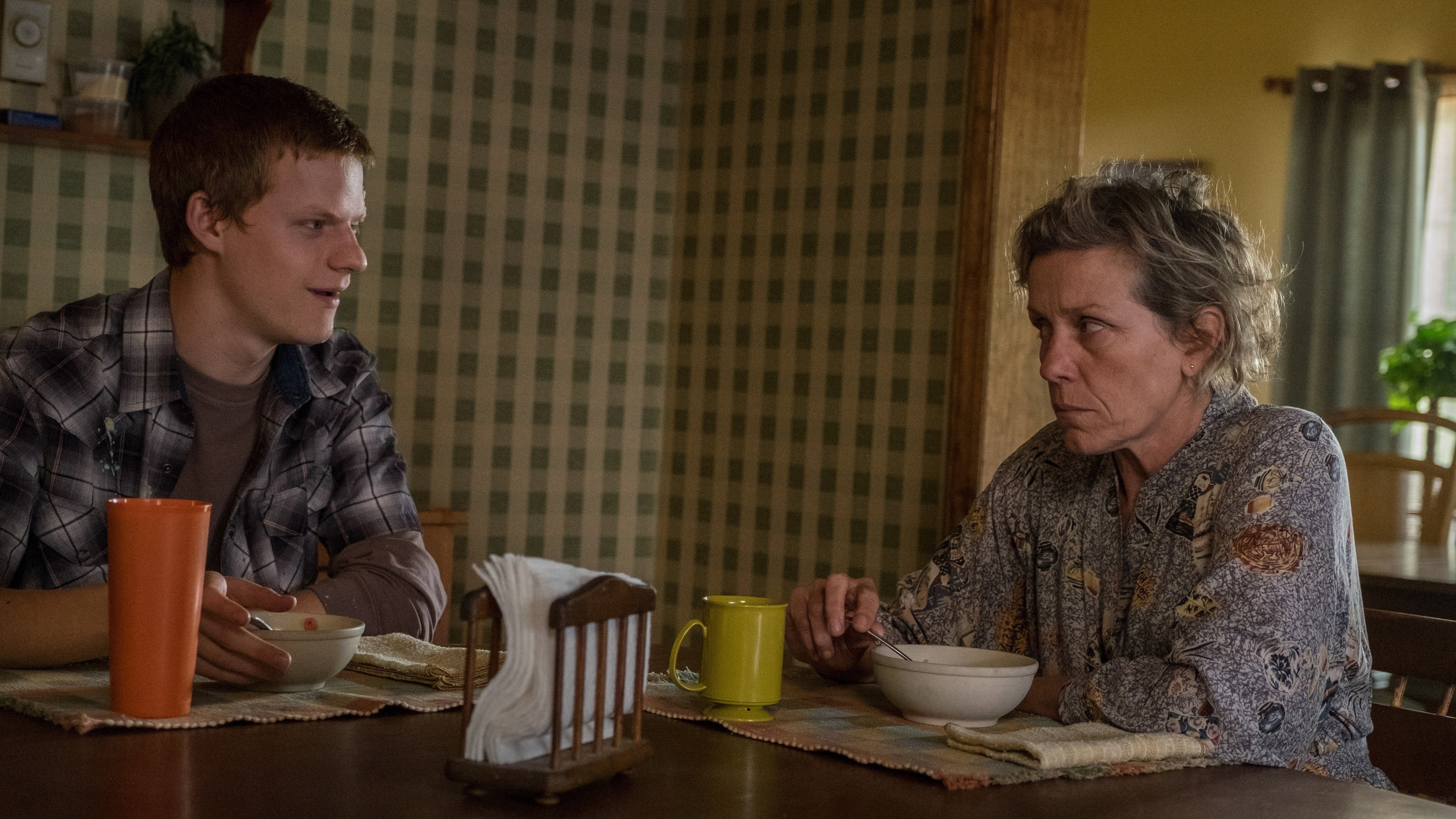
Frances McDormand makes Martin McDonagh’s uneven black comedy worth seeing. The dialogue is sharp and the cast persuasive, but the script sometimes hurries us towards sympathy its characters have not earned.
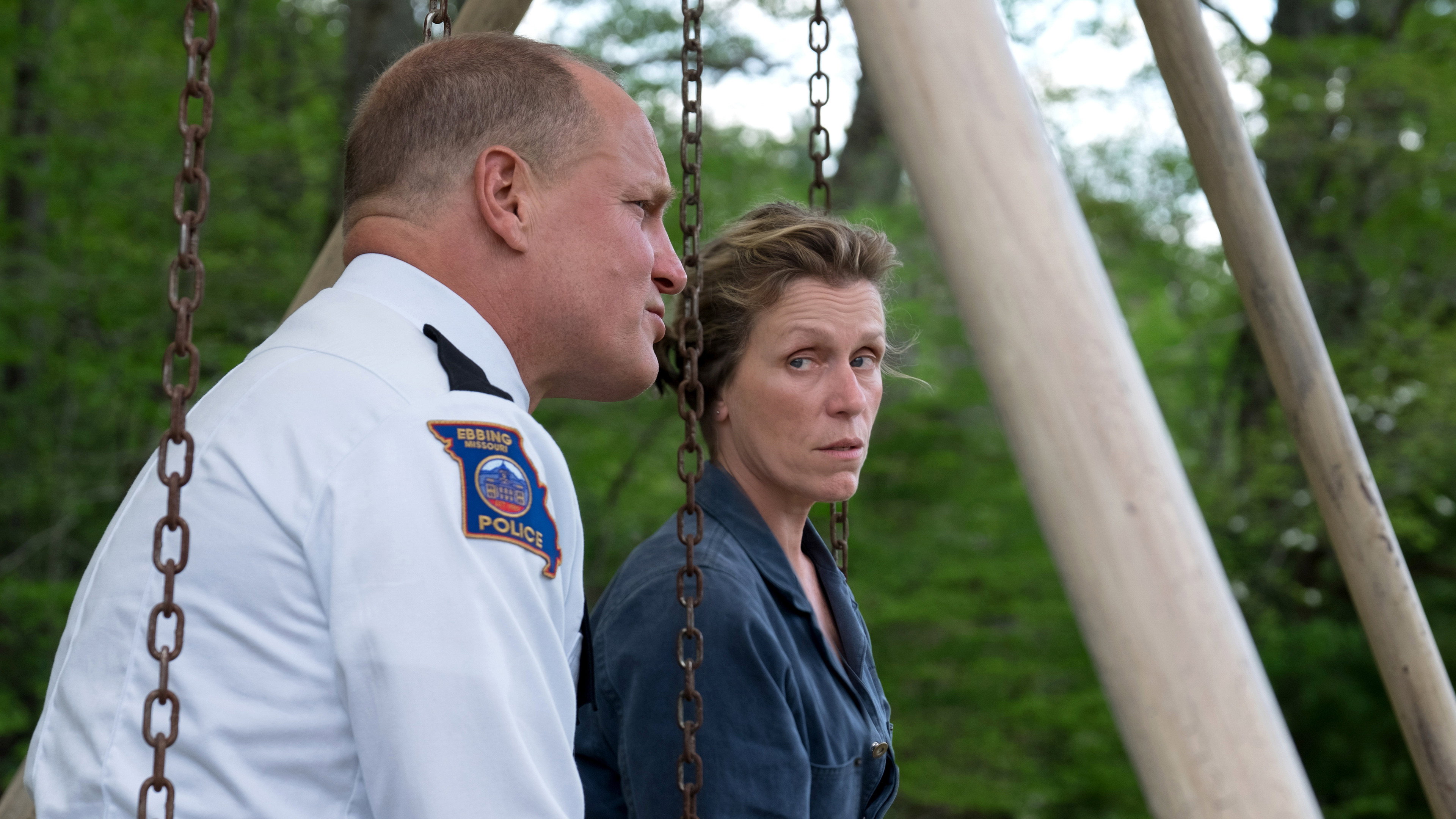
Three Billboards Outside Ebbing, Missouri is a good black comedy with a serious weakness: Martin McDonagh sometimes mistakes a change of mood for a deeper understanding of a person. Frances McDormand makes it worth the trouble. Her Mildred is a grieving mother confronting police inaction, and the film understands how satisfying it can be to watch someone refuse to be reasonable. McDonagh also wants us to notice the damage she can do while demanding justice.
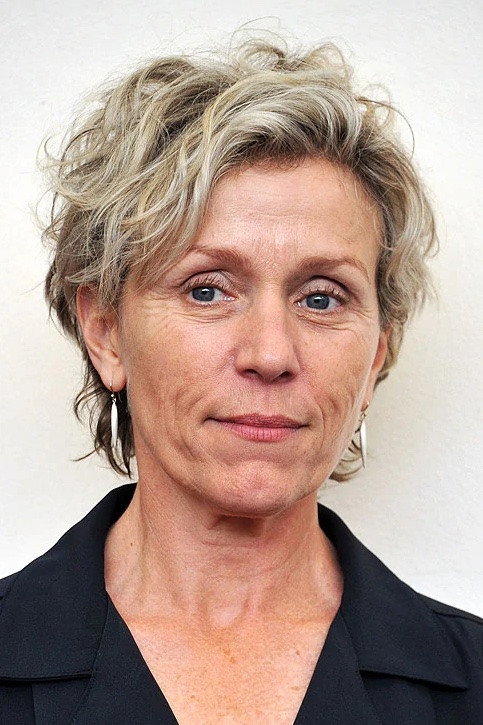
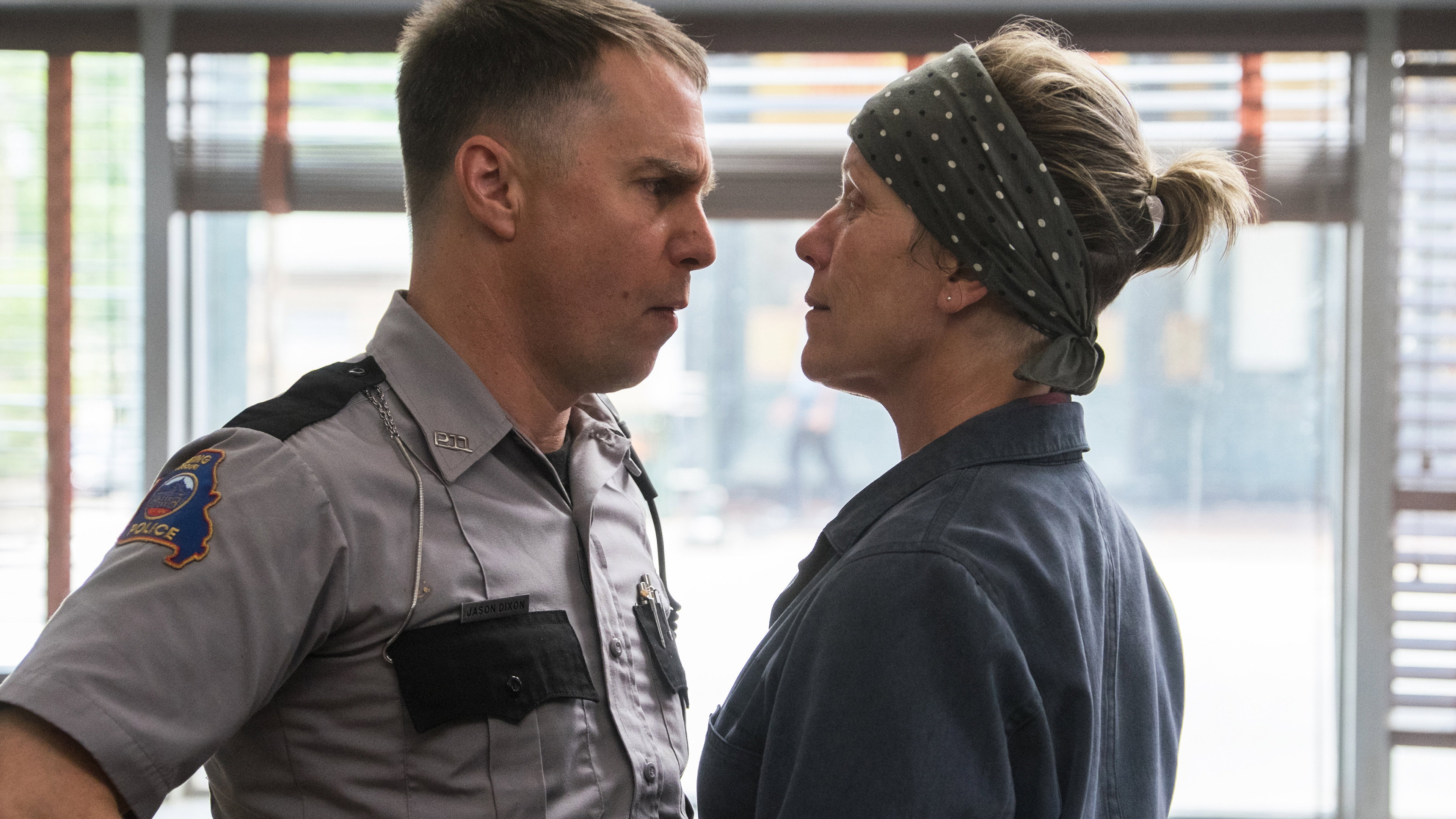
McDormand gives Mildred’s anger a practical, weary quality, as though being furious is a task she has to get through. She does not keep stopping to ask for our sympathy, and the comedy benefits from that lack of invitation. We were moved by the exhaustion she leaves underneath Mildred’s anger. Even when Mildred has the sharper line, McDormand makes her seem no better off for having said it; the grief remains visible after the pleasure of the insult has passed.
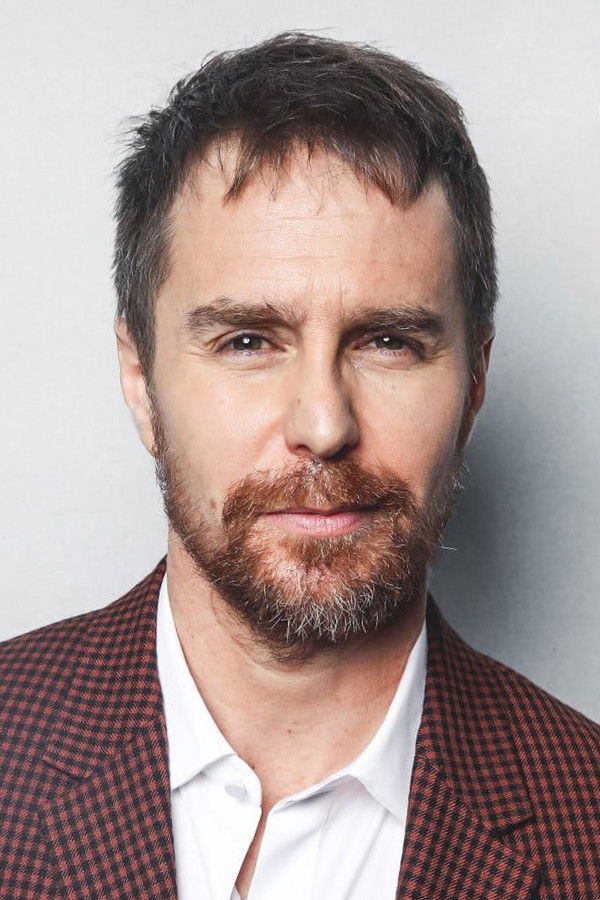
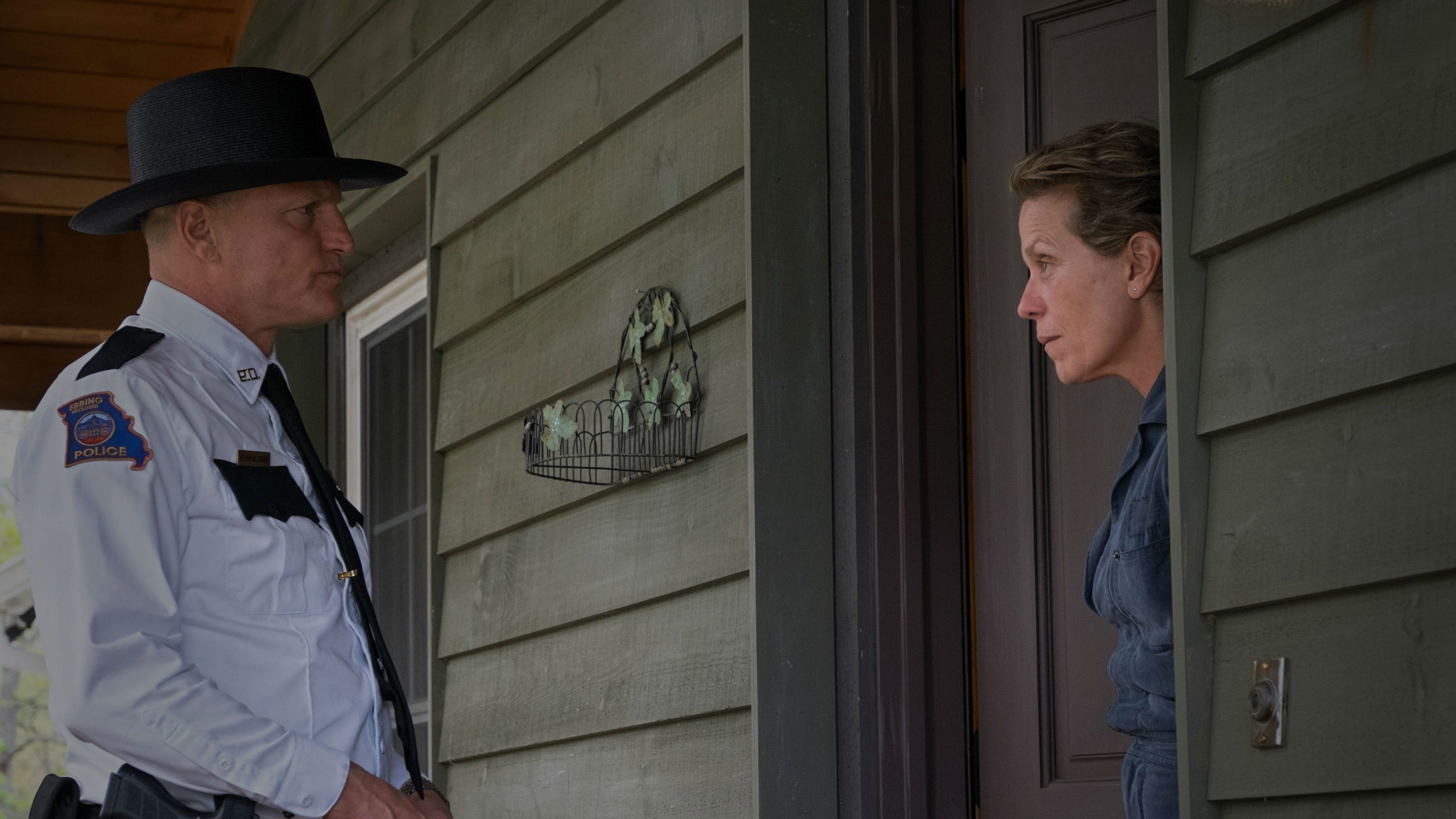
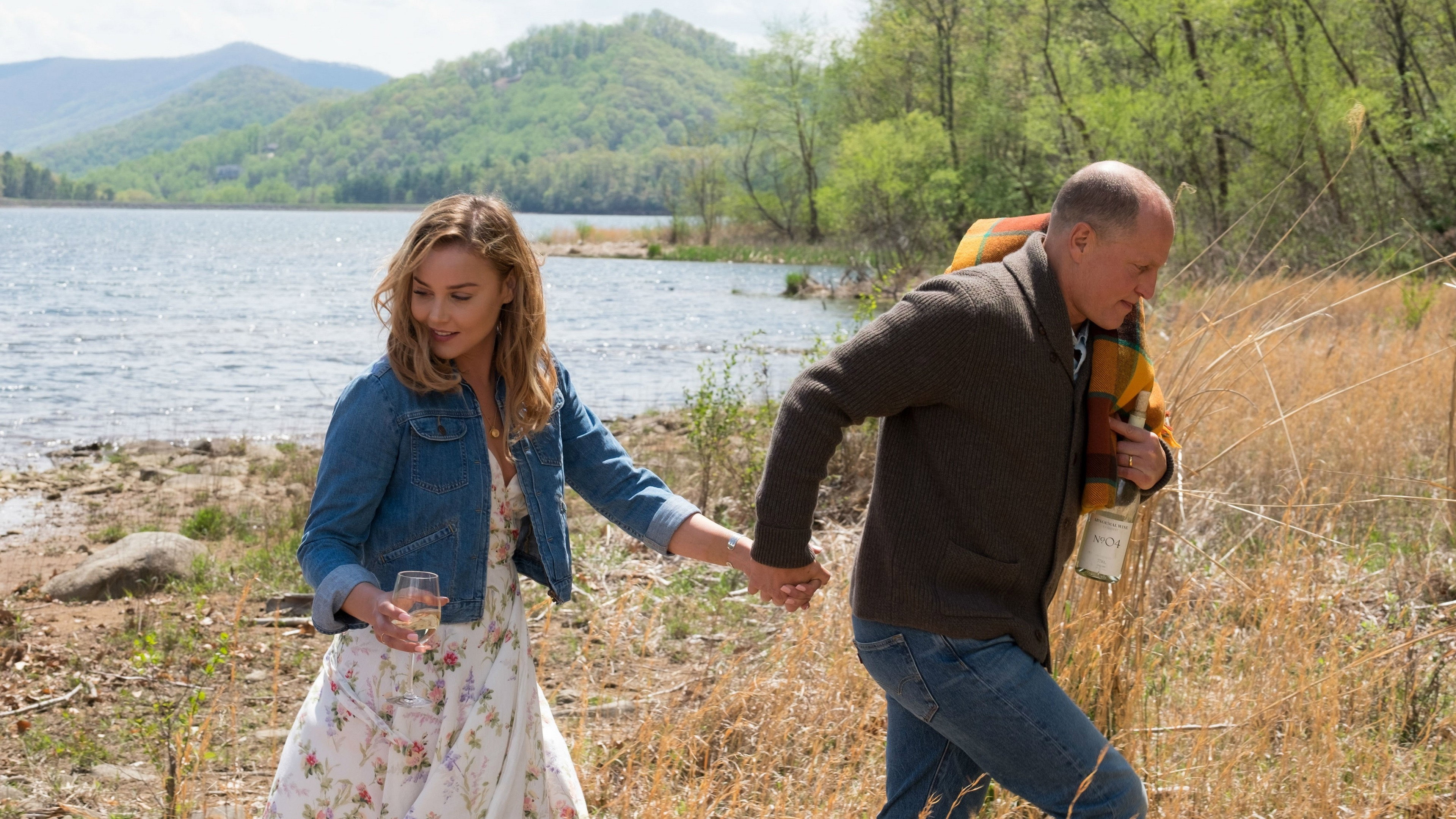
Woody Harrelson, as Willoughby, supplies a welcome ease in a film where almost everyone seems prepared to take offence. Sam Rockwell’s Dixon is a more difficult proposition, and Rockwell gives his ugliness an uncomfortable comic energy that keeps us wary of enjoying him. The trouble lies in how much McDonagh asks our feelings about these people to change, and how quickly. The actors make individual exchanges believable, but they cannot always make the writing’s sudden changes convincing.
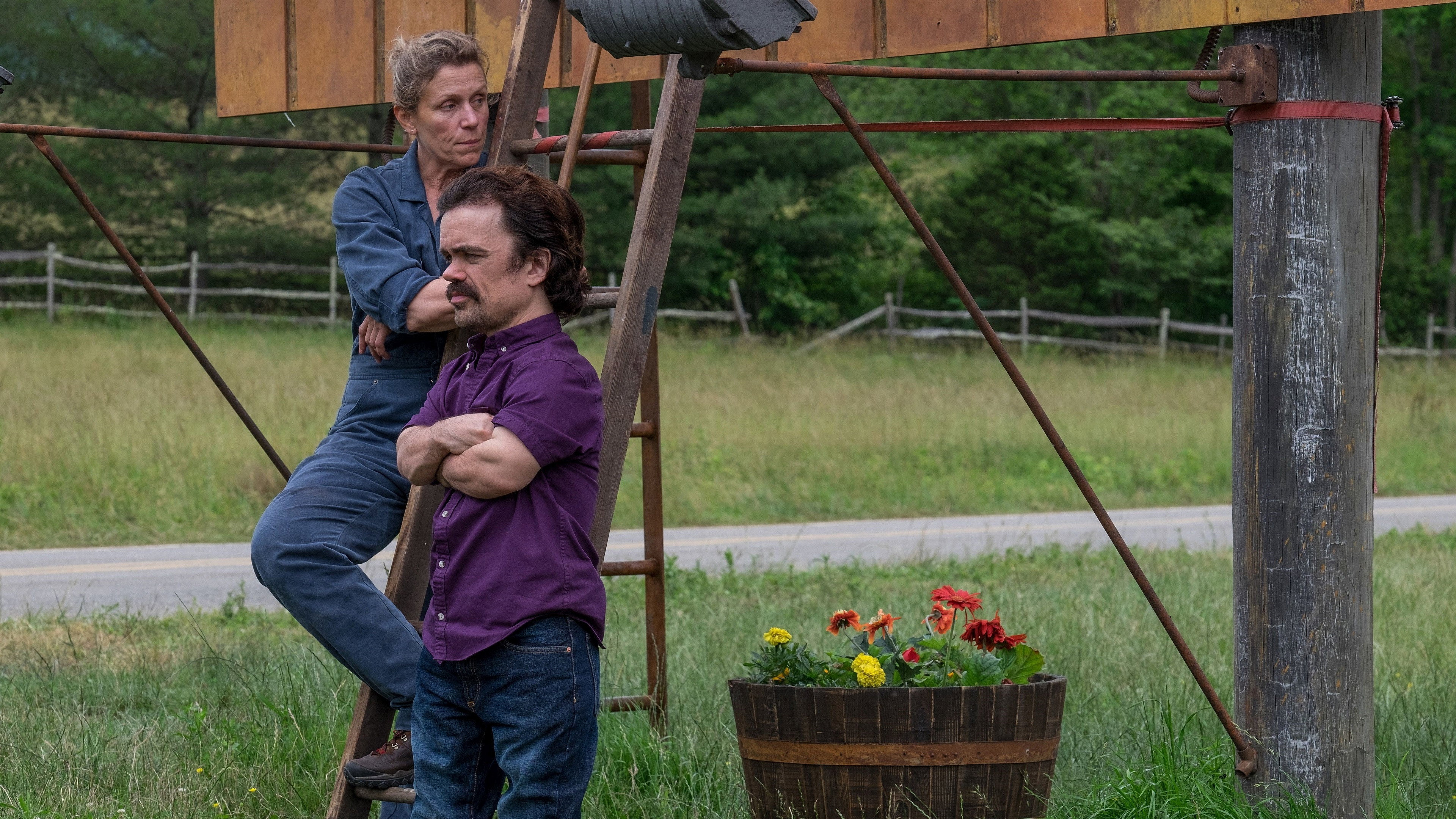
Ben Davis’s cinematography keeps attention on the performers, which suits a film so dependent on the precise delivery of a line. We are less persuaded by its sense of place: Ebbing seldom feels as particular as Mildred does. Inbal Weinberg’s production design gives the small-town setting a useful ordinariness, but the people can seem to have been assembled chiefly to provoke one another. The settings make their confrontations credible; McDonagh’s insistence on giving so many exchanges a punchline sometimes undoes that work.
Jon Gregory’s editing is particularly good at judging how long a nasty joke can hang before the next exchange needs to begin. That timing keeps the film entertaining even when the writing becomes strained. Carter Burwell’s music gives the grief room to register without competing with the verbal aggression. We occasionally wanted less help from the score, particularly when McDormand’s face had already made the sadness clear.
The larger reservation is about McDonagh’s generosity towards his characters. We welcome his reluctance to divide them into decent people and monsters, but the script can push us towards understanding someone before it has made that understanding plausible. Too often, a single exchange is expected to revise an impression the film has spent much longer establishing. Most critics are more persuaded by the mixture of cruelty and compassion; we found the sudden turns harder to accept.
At 115 minutes, this remains a brisk, abrasive evening, and its strongest scenes have the awkwardness of people who cannot take back what they have said. The crime-drama premise brings those people into conflict, so anyone expecting a neatly worked investigation should adjust expectations. There is enough wit and acting skill to make the unevenness worth tolerating. See it with someone willing to disagree about Mildred on the way home.