Sydney Pollack’s CIA thriller is tense, lucid and sustained by Robert Redford’s watchful intelligence. The romance is harder to believe than the conspiracy, but the pursuit gives us ample reason to stay with it.
Three Days of the Condor is an absorbing thriller with a romance it never quite makes convincing. Sydney Pollack understands the basic requirement of a conspiracy story: we need to feel uncertain without becoming indifferent to what happens next. The CIA’s business can be difficult to untangle, but the danger to Joseph Turner remains clear. The pleasure is in watching someone think his way through a threat, with no guarantee that thinking will be enough.
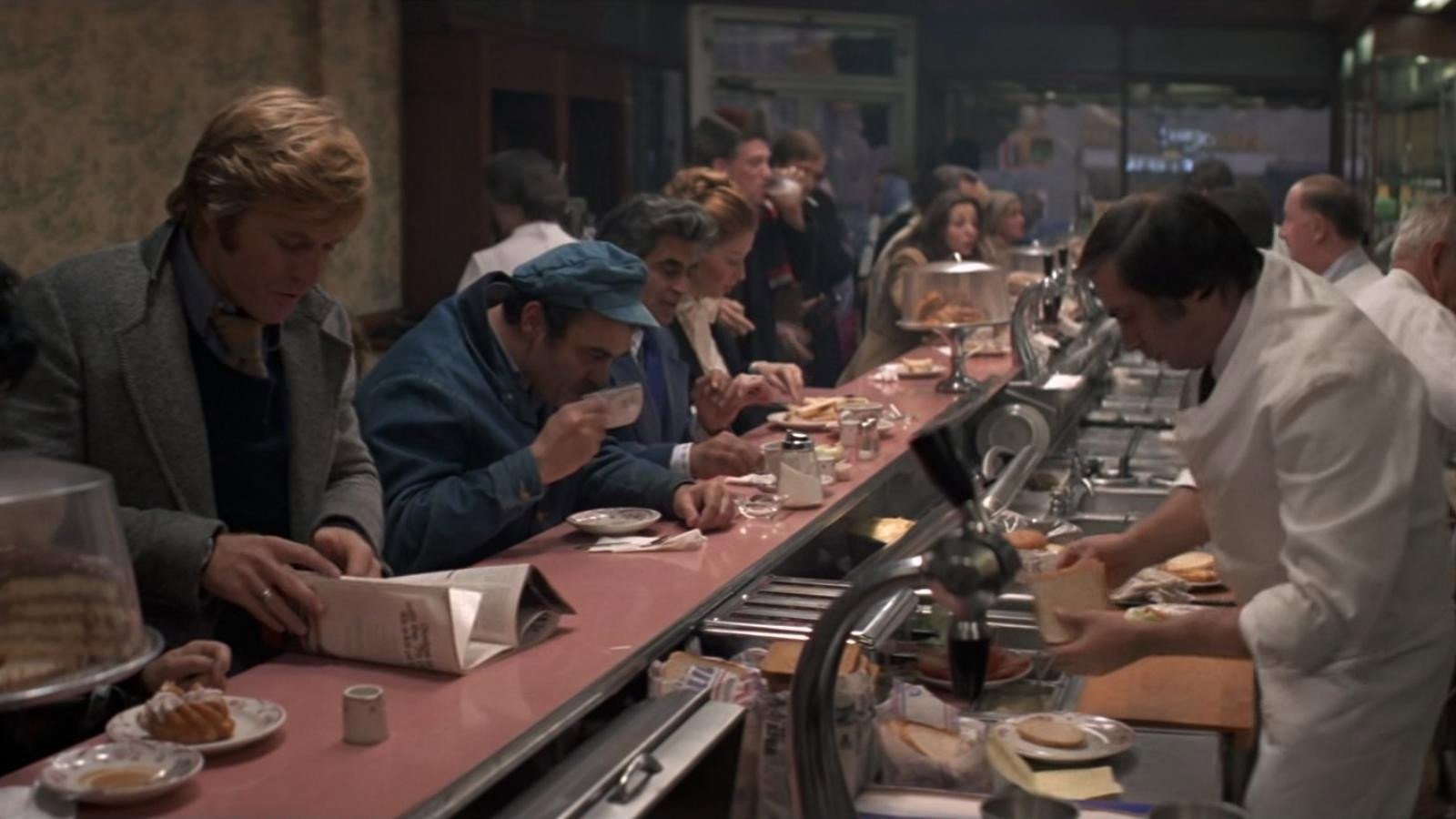
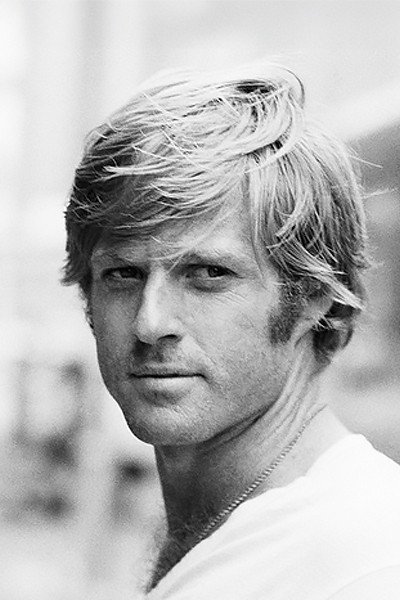
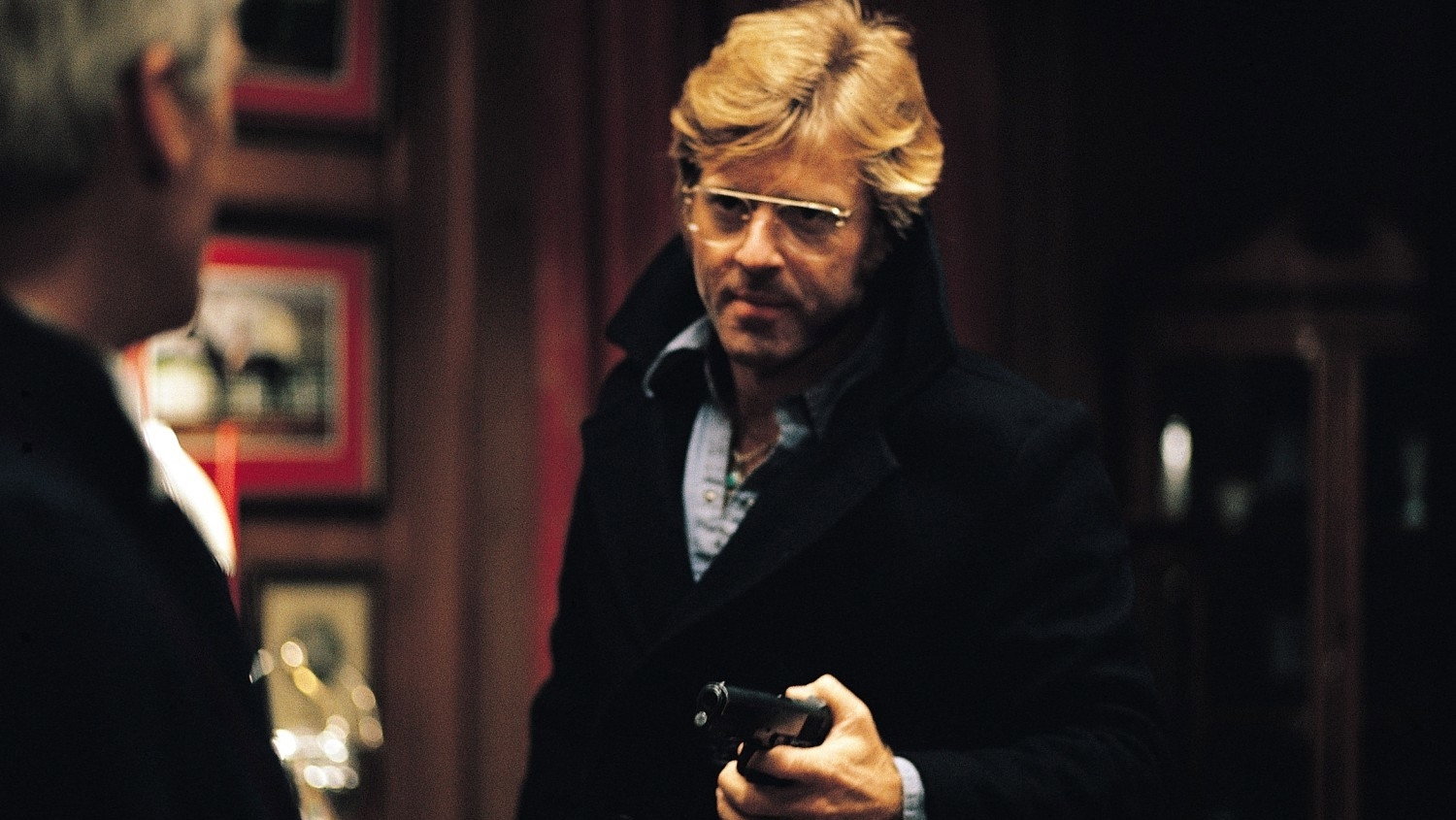
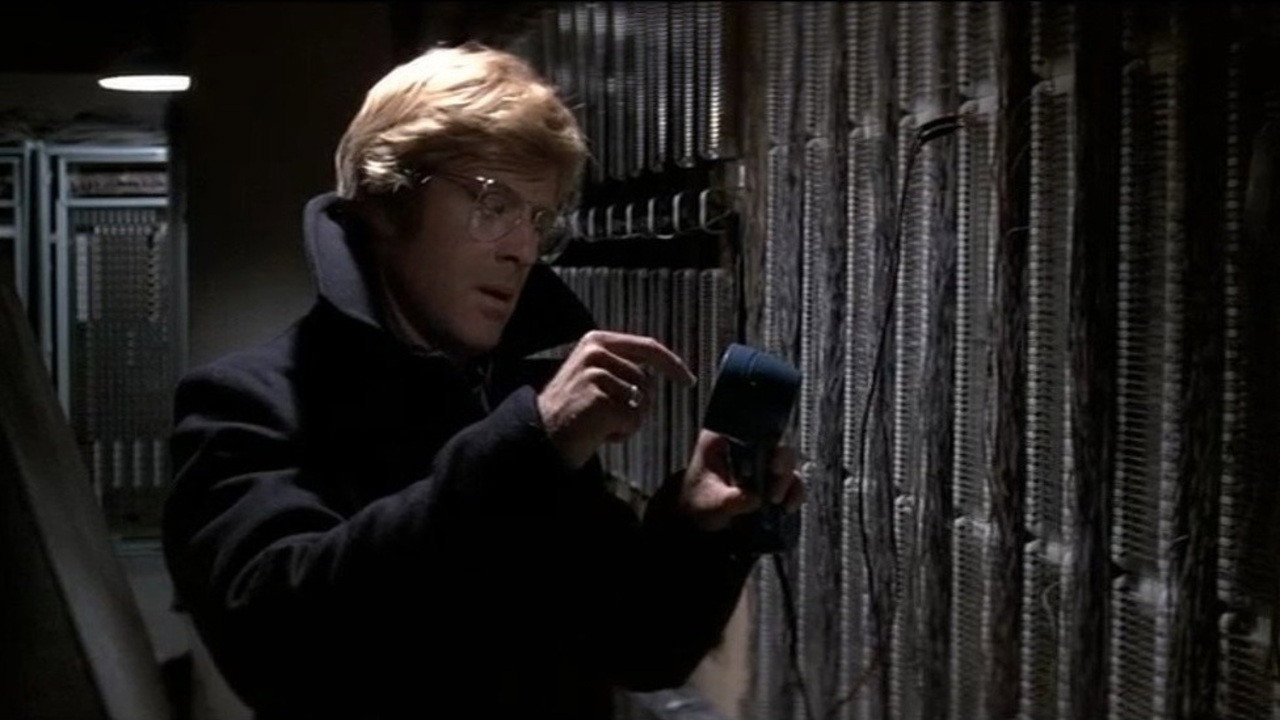
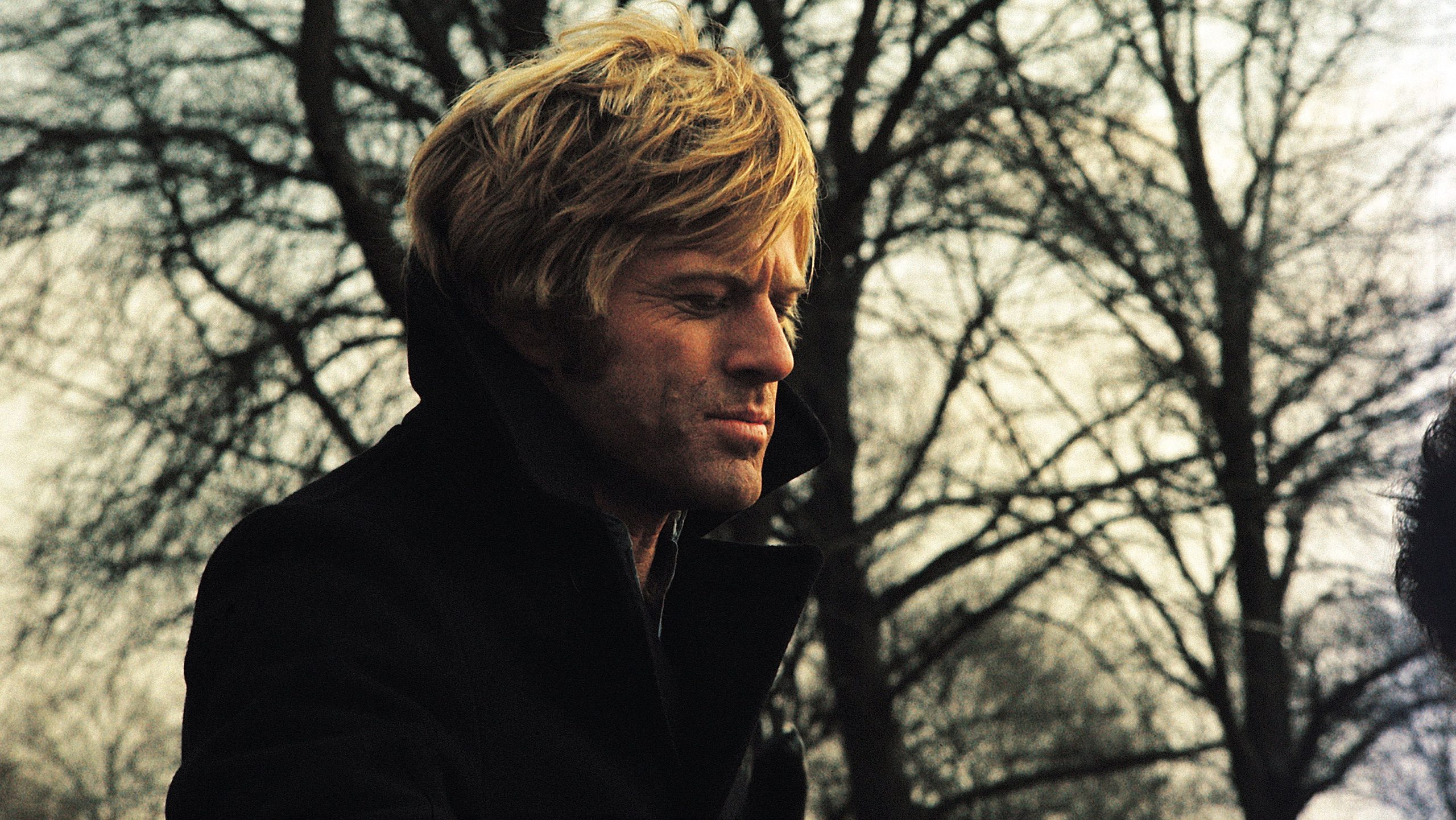
Robert Redford gives Joseph Turner the alertness this sort of film needs: we can see him consider a possibility before he acts on it. We were more anxious watching him work things out than during the chases, because the pauses allow us to worry that he has misunderstood the danger. His attractiveness inevitably offers some reassurance, but the performance never makes intelligence seem sufficient protection. He makes being quick-minded look like a practical means of staying alive, and the film is most involving when it lets us watch that process.
Owen Roizman’s cinematography makes the everyday surroundings worth examining, so looking for danger becomes part of watching the film. There is enough polish to remind us that this is a star vehicle, and occasionally that polish softens the unease. Stephen B. Grimes’s production design helps by keeping those surroundings ordinary, making the threat feel uncomfortably close to places where people conduct their daily business. Sydney Pollack can build suspense without having to make every setting look threatening before anyone enters it.
Don Guidice’s editing keeps the pursuit moving without making Joseph Turner’s attempts to reason his way through it feel like interruptions. The rhythm allows a chance to think, then supplies a reason to move. Dave Grusin’s music provides momentum, though the quieter stretches are more unsettling than the overt encouragement to feel suspense. Sydney Pollack also makes effective use of sounds within otherwise ordinary surroundings, encouraging us to listen for trouble as well as look for it. Across 117 minutes, the suspense rarely needs forcing.
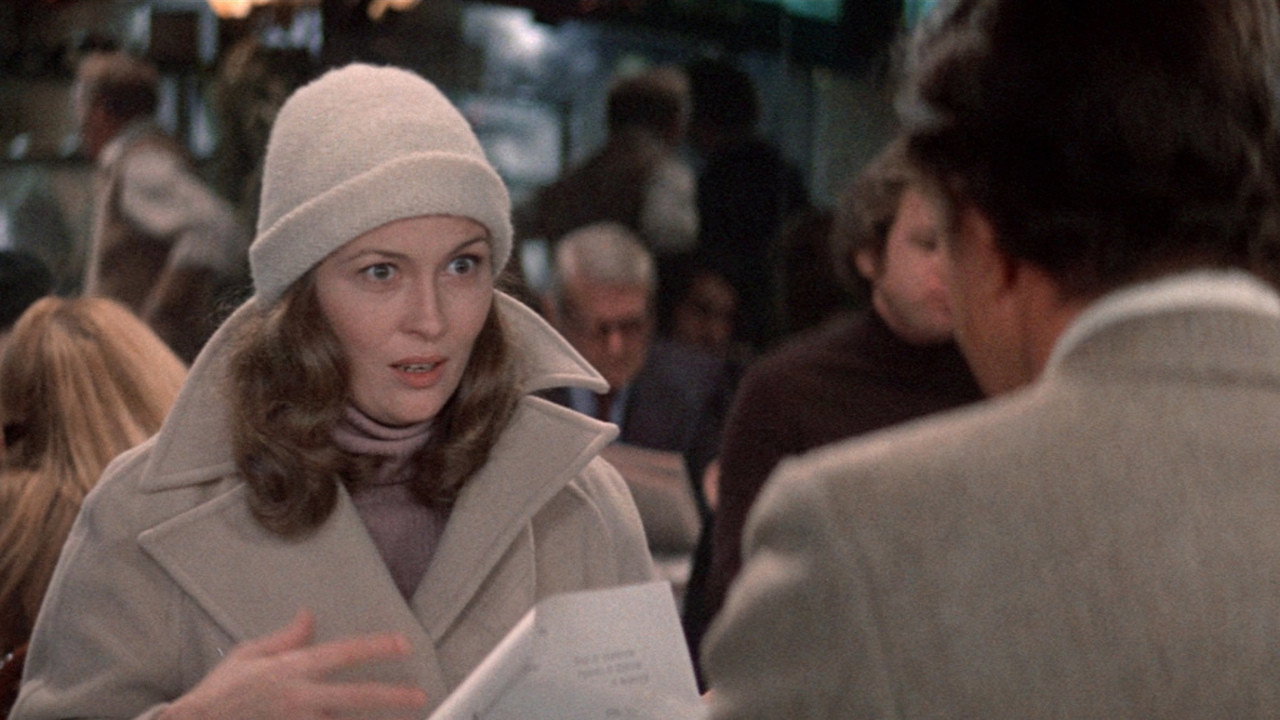
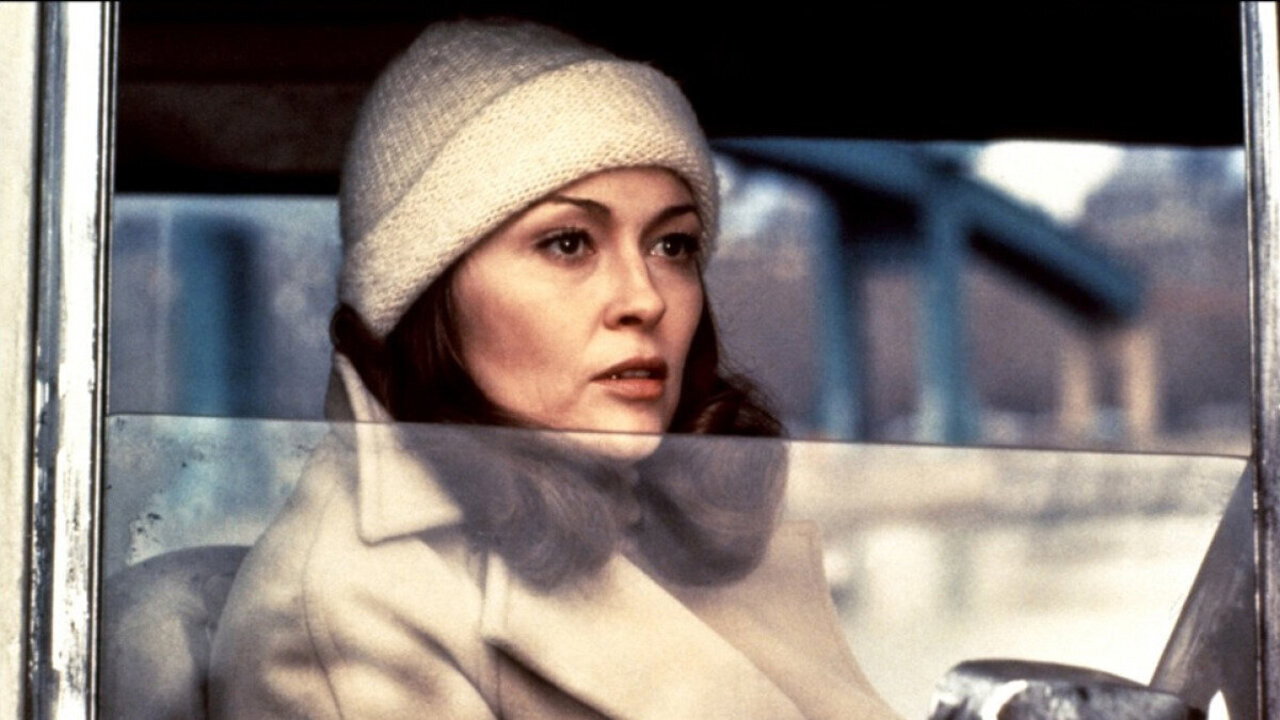
Faye Dunaway gives Kathy Hale enough presence to resist becoming merely someone for the leading man to talk to. The romance nevertheless develops too conveniently for a film that otherwise puts such weight on suspicion. David Rayfiel and Lorenzo Semple Jr. hurry the changes of feeling, asking the attraction to do work the writing has not done. The actors have chemistry, but the suspense loses pressure while we wait for the relationship to feel earned.
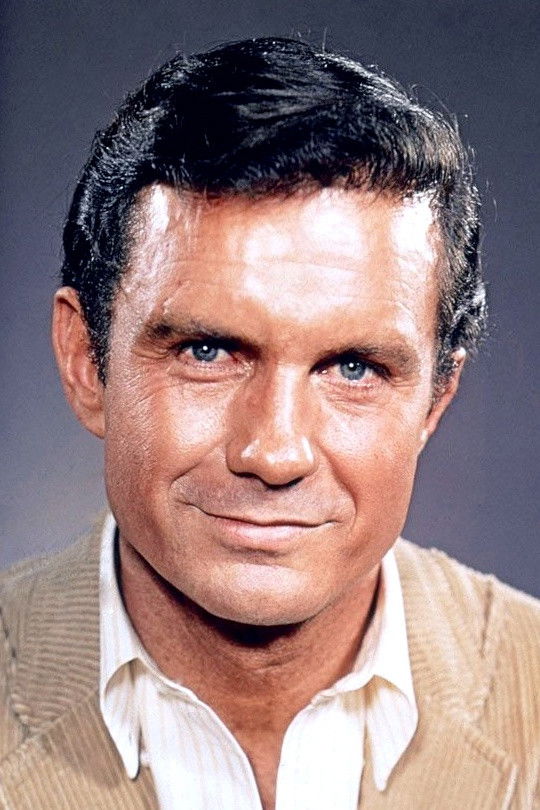
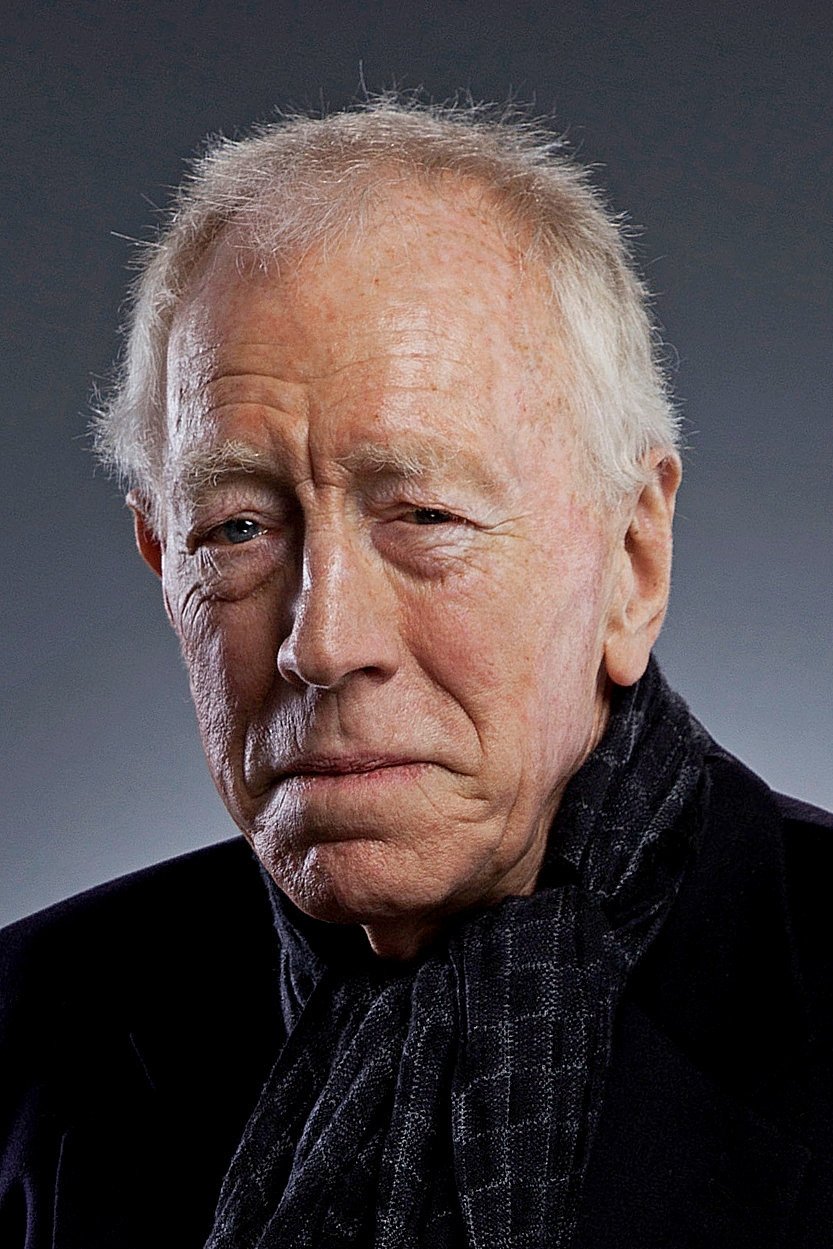
G. Joubert is played with little emphasis and a composure that makes the danger harder to dismiss, providing a useful check on the glamour elsewhere. Sydney Pollack is good at making the CIA feel capable of treating a person’s survival as an administrative complication. The political explanation is less satisfying: the film supplies sufficient cause for distrust without examining it as searchingly as its serious manner sometimes promises. Within the conspiracy thriller, its particular strength is making the business of staying alive involving even when the larger picture remains cloudy. Choose it for the suspense; leave time afterwards to argue about the romance.