Joaquin Phoenix and Reese Witherspoon make James Mangold’s Johnny Cash drama worth an evening. Their singing and convincing courtship carry a biography that too often explains a complicated man in the usual ways.
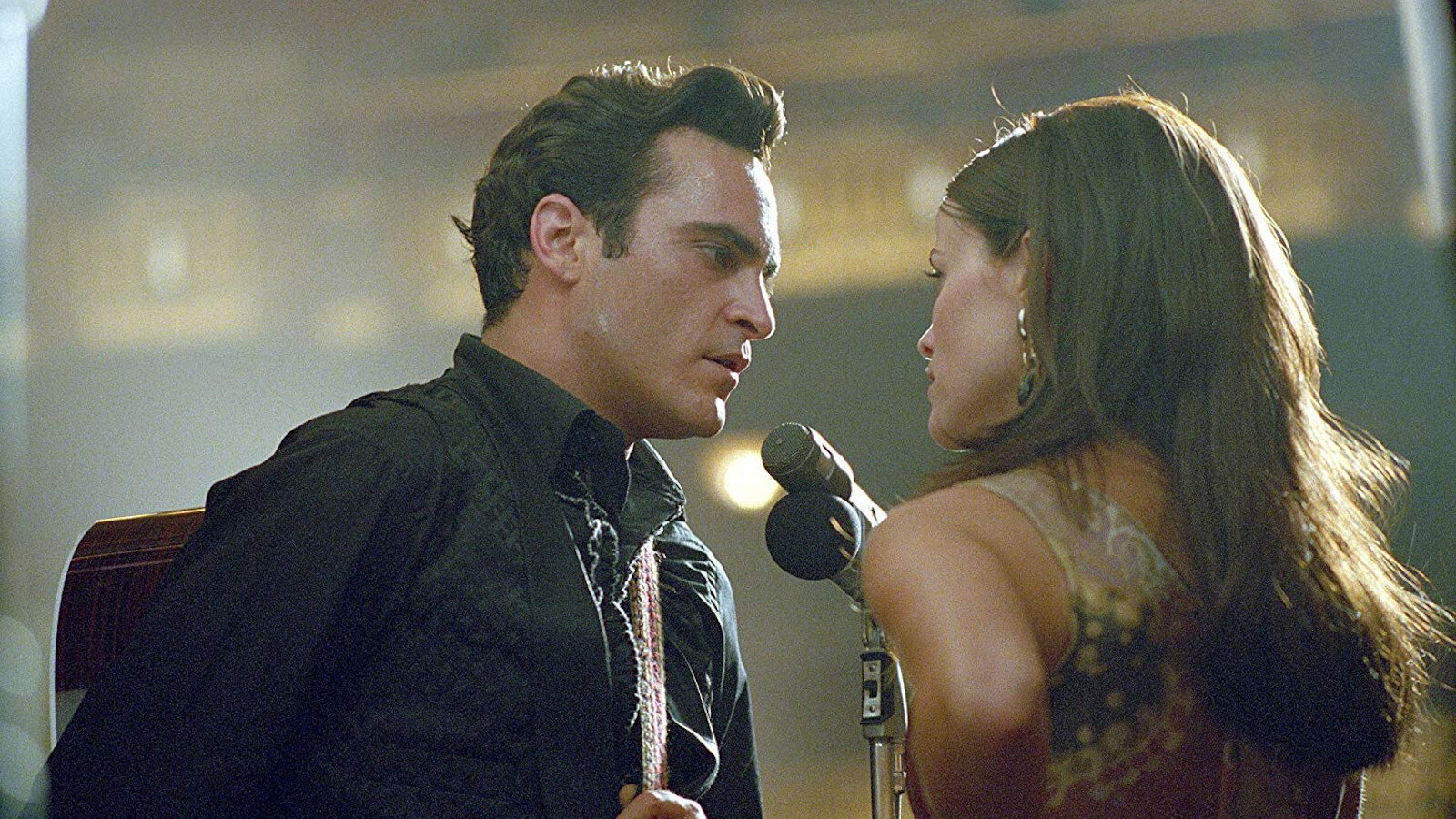
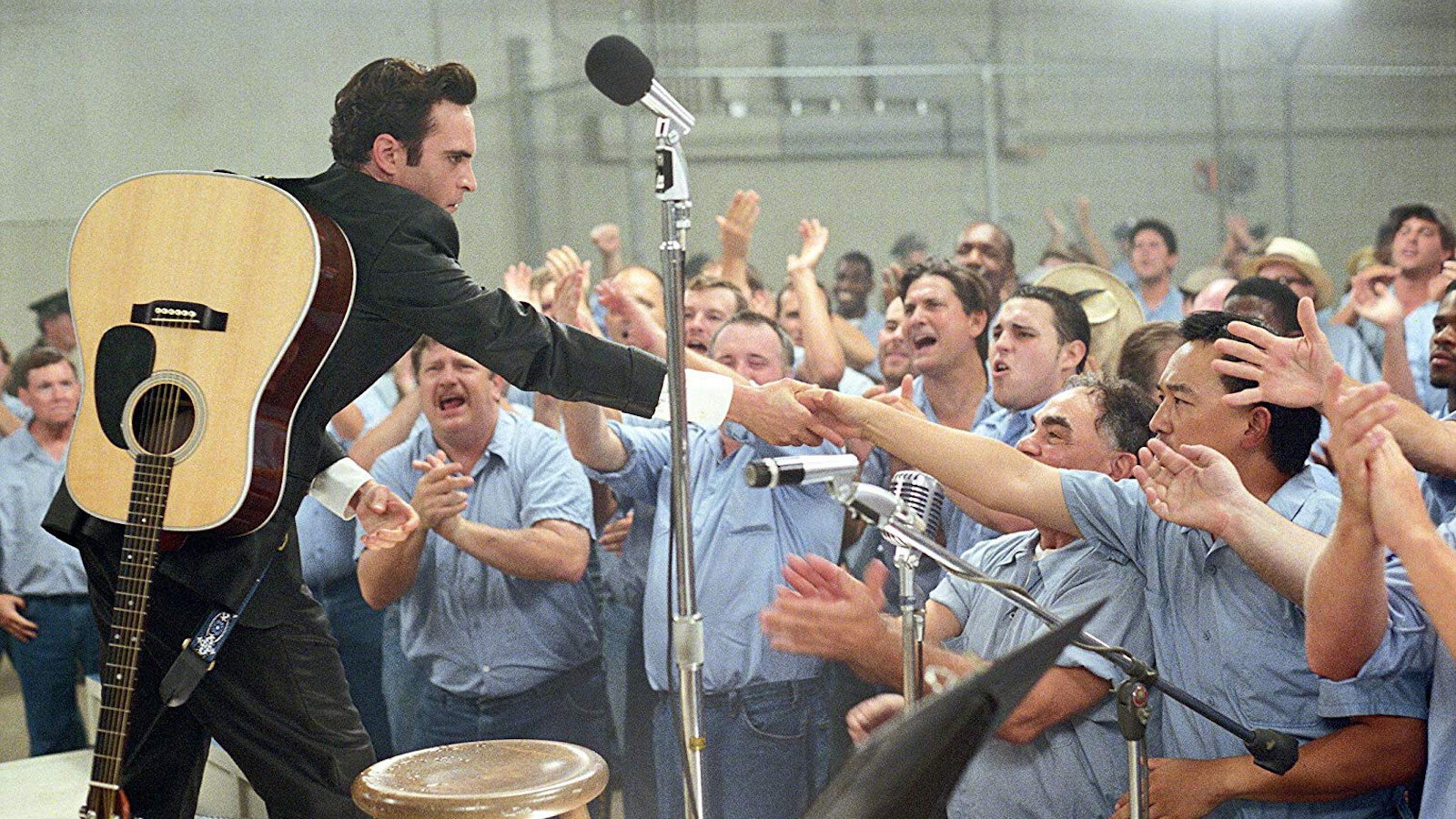
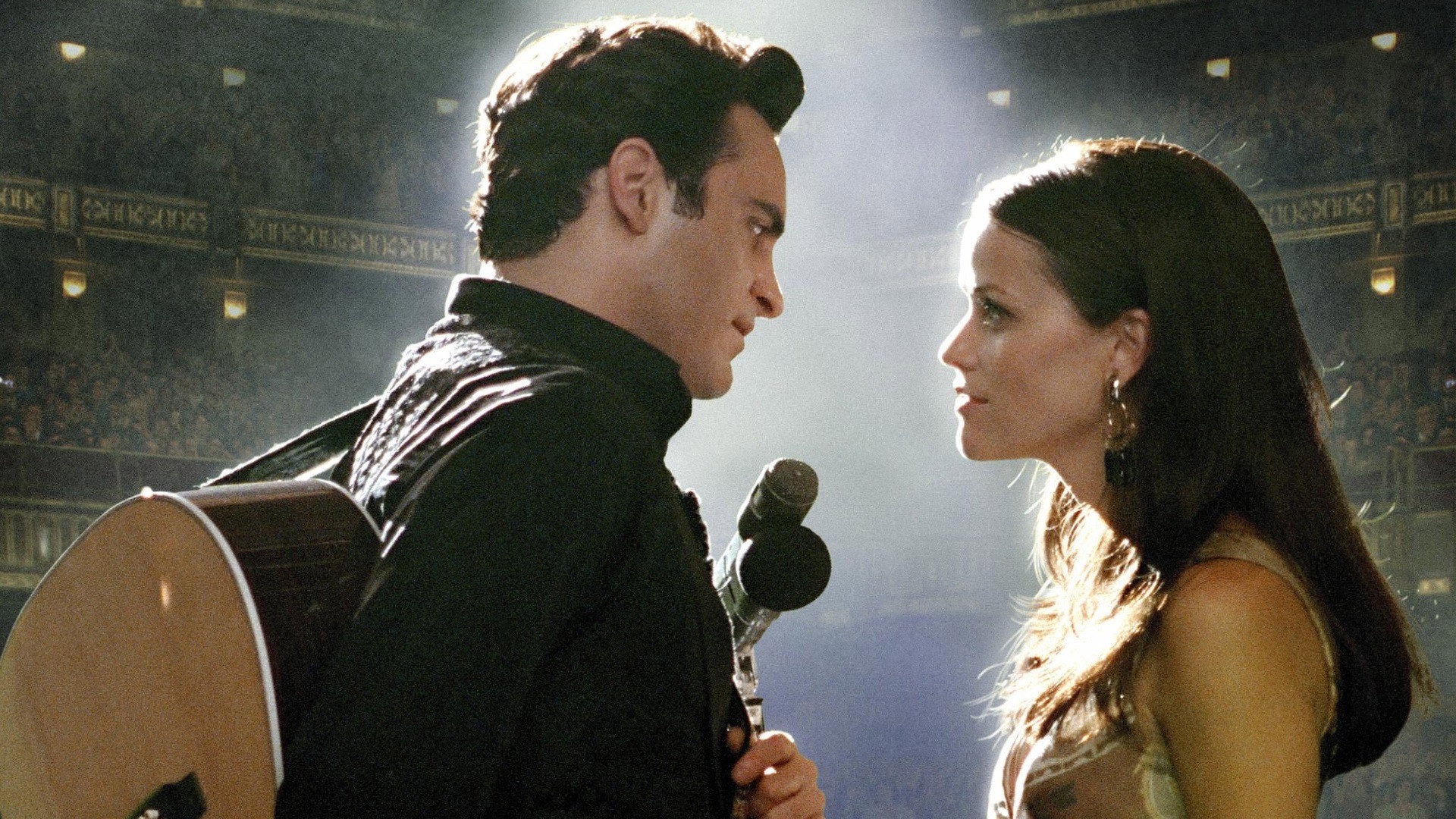
Walk the Line is worth seeing for Joaquin Phoenix and Reese Witherspoon, especially when they sing. James Mangold makes an involving musical romance, although his account of Johnny Cash’s troubles follows a route familiar to anyone who has sat through a few musician biographies. The early rock ‘n’ roll package tours give him a useful setting: work and attraction can happen in the same place, without the film having to stop for a speech about either. These passages have an ease that the more dutiful biographical stretches lack.
Phoenix makes Cash’s singing sound like something he needs to do, and that urgency matters more than the closeness of the imitation. There is strain in the performance, but it suits a man whose abilities do not make him easy company. He does not ask us to like Cash every time he opens his mouth. That is useful in a script by Mangold and Gill Dennis which can be too quick to account for difficult behaviour.
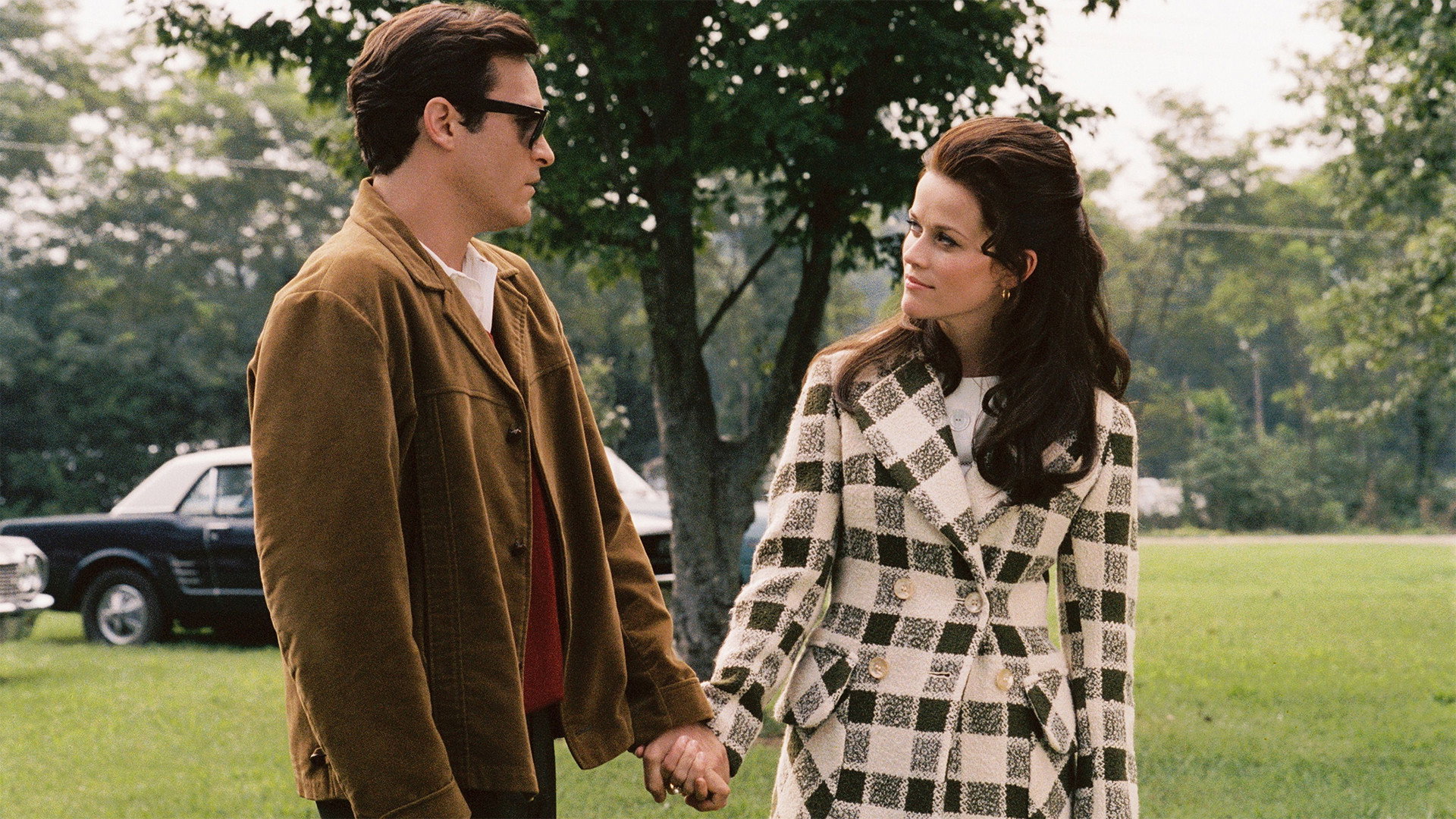
Witherspoon is the stronger reason to stay with the romance, because she gives June Carter enough intelligence to make the attraction seem costly. She can respond to Phoenix without making every exchange feel arranged around his distress. We smiled whenever she sang. Her brisk enjoyment makes June seem happy to be doing her own work, and gives her something to do beyond responding to Cash. The chemistry is convincing because both actors remain interesting separately, with the musical performances giving us time to appreciate each of them.
Phedon Papamichael’s cinematography gives the performances a warm, polished look. It is inviting, although the finish can make the harder passages feel too comfortable. David J. Bomba’s production design works best around the package tours, giving the performers a convincing working environment without demanding attention for itself. Together, their work helps make performing seem an attractive way to spend a life, which is useful when the script spends so much time on the damage surrounding it.
T Bone Burnett’s music work provides the film’s most reliable pleasure, with the actors’ own singing keeping the songs connected to the performances we are watching. The music feels worth pursuing, which matters if we are to understand why Cash keeps pursuing it through his personal difficulties. Michael McCusker’s editing lets the film settle into a succession of episodes between the songs, and the pace becomes uneven. At 136 minutes, a tighter selection of those episodes would have helped.
The screenplay is much less curious about how Cash’s particular music comes out of all this. Mangold and Dennis spend so much effort making the romance work that other people can feel like interruptions. Ginnifer Goodwin’s Vivian Cash gets too little room, an imbalance that is particularly noticeable in a film already running long. The familiar biographical pattern offers ready explanations for Cash’s behaviour, and the writers accept too many of them without looking further.
Among music biographies, this earns its place through a courtship we believe in and performances with enough life to survive the conventional writing. Mangold gives his actors time to make the attraction convincing, and that is where the film’s length pays off. Choose it for an evening when the songs matter more than a searching account of the singer.