Barry Sonnenfeld’s gadget-heavy western gives Will Smith and Kevin Kline little comic rhythm and too few good lines. Bo Welch’s inventive production design provides something to admire, but this is a poor use of capable people.
Barry Sonnenfeld’s Wild Wild West is a poor comedy with some enjoyable machinery. Putting science-fiction gadgets into a western gives it plenty to play with, and we can see the appeal of inventions that nobody expects us to take seriously. The trouble is getting people to be funny around them. Here the job falls to Will Smith and Kevin Kline.
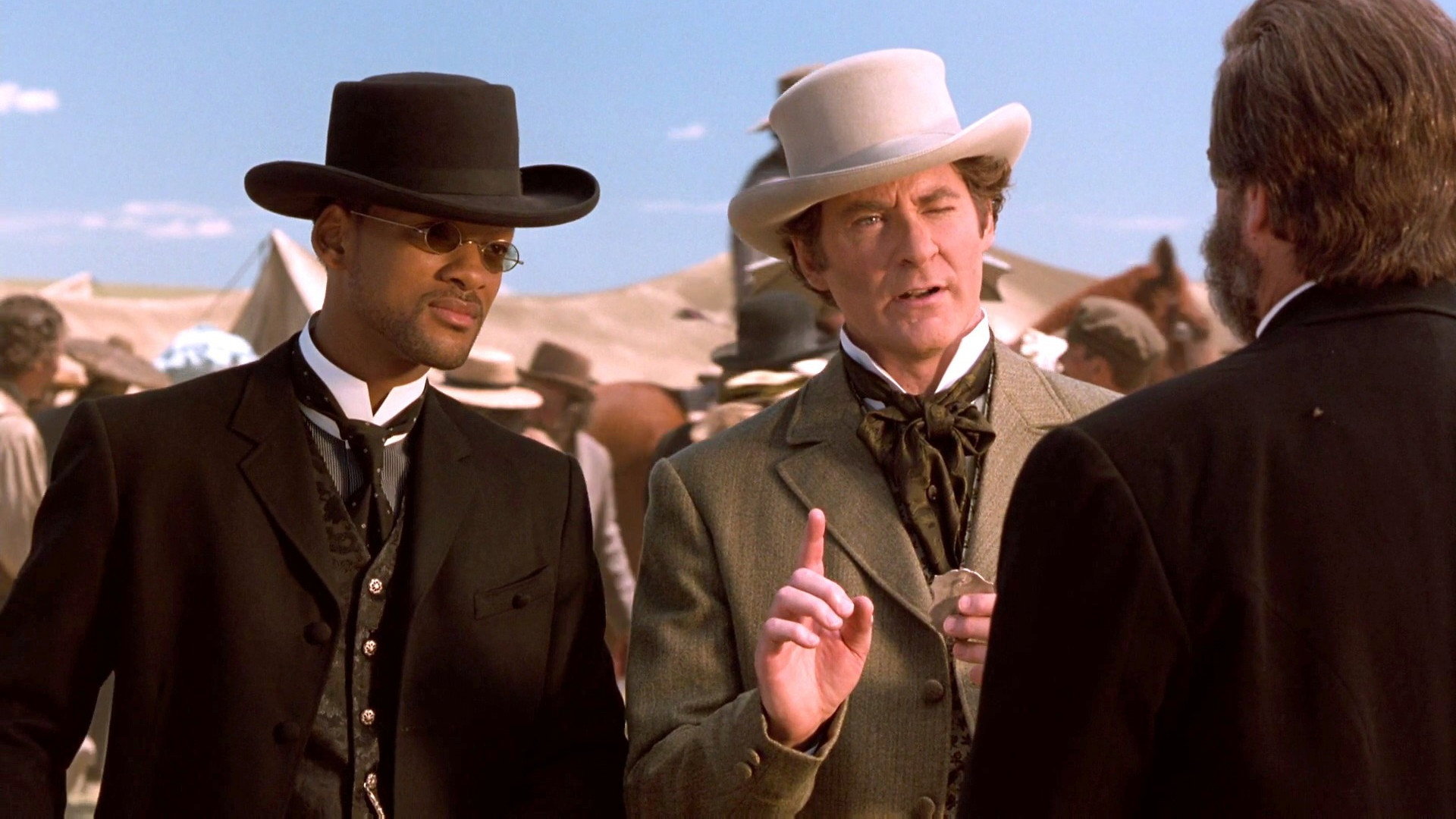
Will Smith plays Capt. James West, with Kevin Kline as U.S. Marshal Artemus Gordon, and both seem equipped for a lighter, quicker film. Will Smith retains enough charm to make individual moments bearable, but the performances never settle into an enjoyable rhythm together. We were bored by their exchanges: the one-liners are weak, and the partnership gives us little reason to wait for the next one. Much of the comedy depends on putting these two men together.
The screenplay is credited to S.S. Wilson, Peter S. Seaman, Jeffrey Price and Brent Maddock, with a story by Jim Thomas and John Thomas. That is no explanation of what went wrong, but it does make the shortage of usable jokes harder to accept. The smut is particularly wearying because it asks for a laugh before doing anything funny. Jim Miller’s editing cannot create an easy conversational pace from material that keeps struggling to reach a punchline.
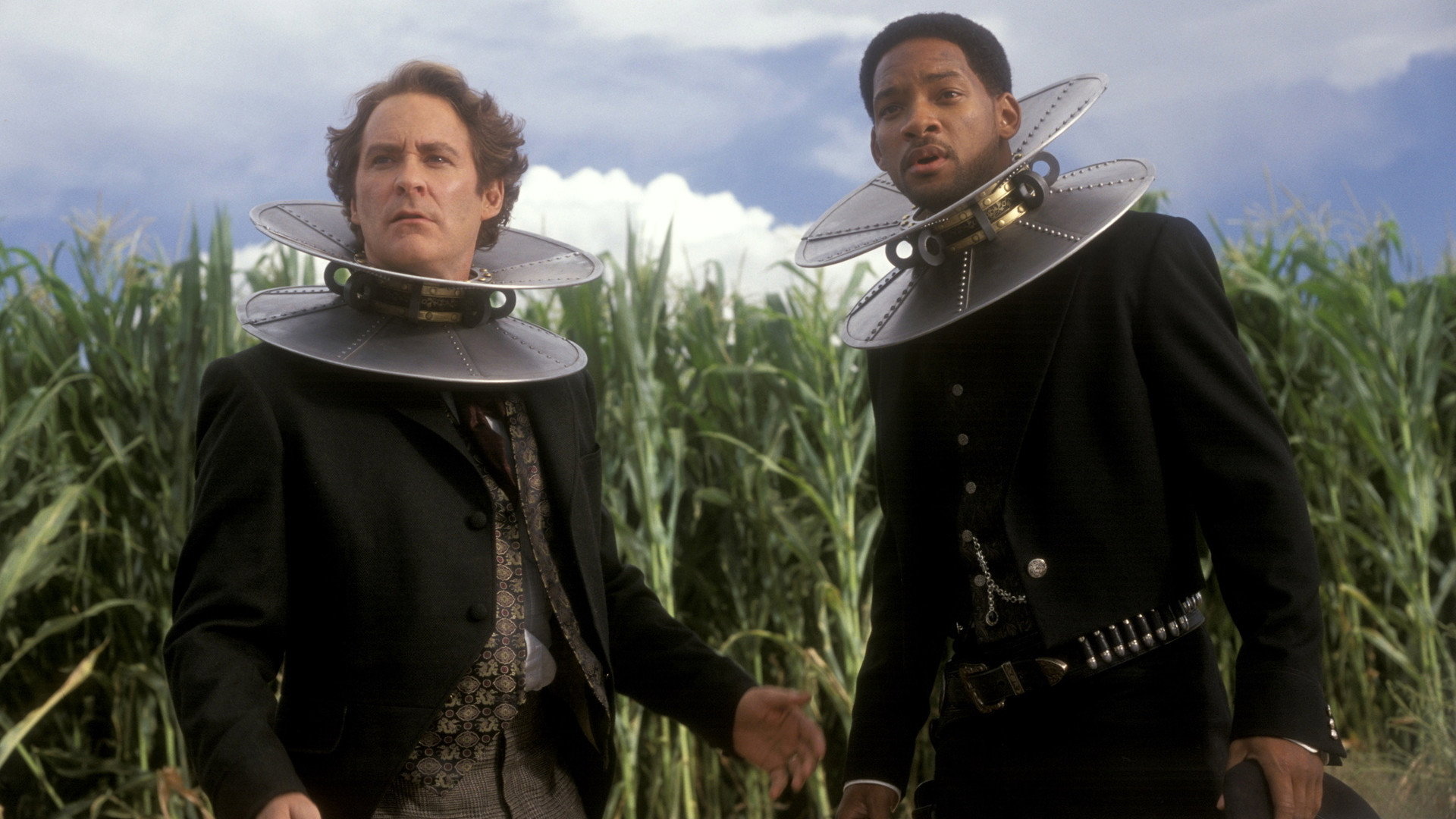
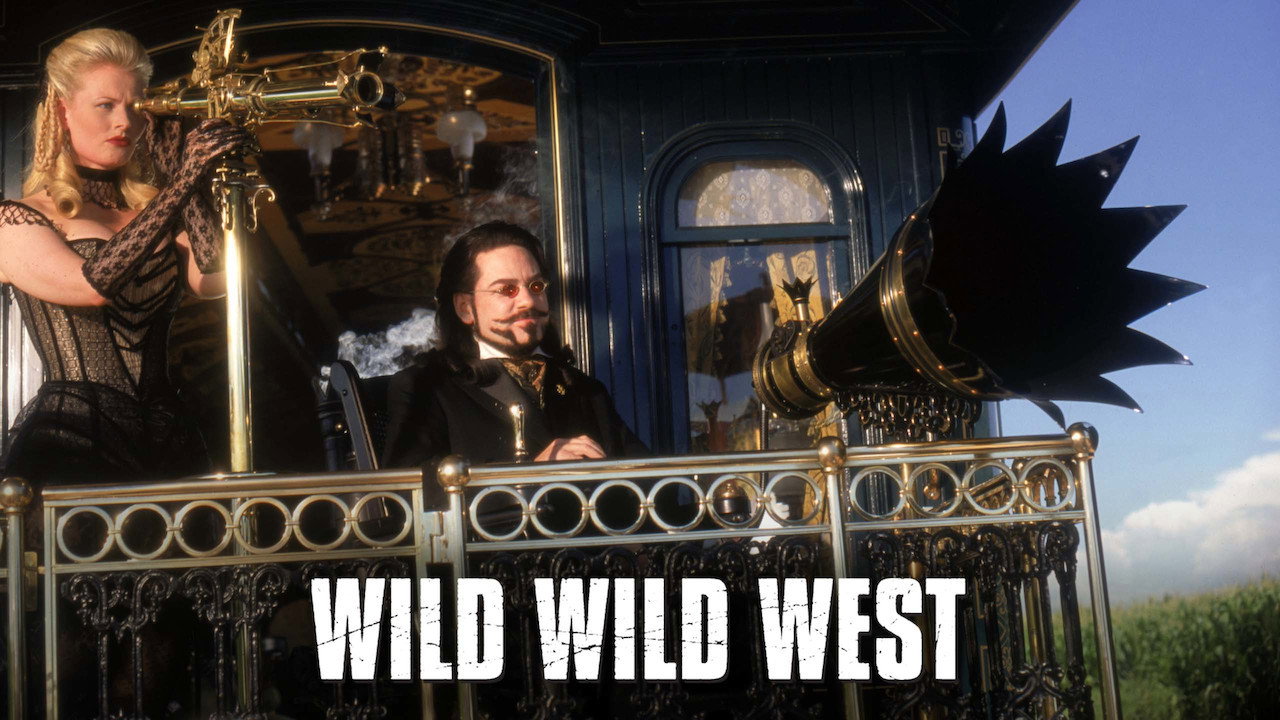
Bo Welch’s production design is the strongest reason to keep watching. The gadgets are elaborate and peculiar, and the film is worth an occasional pause simply to inspect them. Michael Ballhaus’s cinematography gives the machinery a handsome finish, making it possible to enjoy looking at a scene that otherwise holds little interest. The problem comes when displaying another device takes priority over giving the actors something worth doing, which happens often enough to wear down our appreciation of the work.
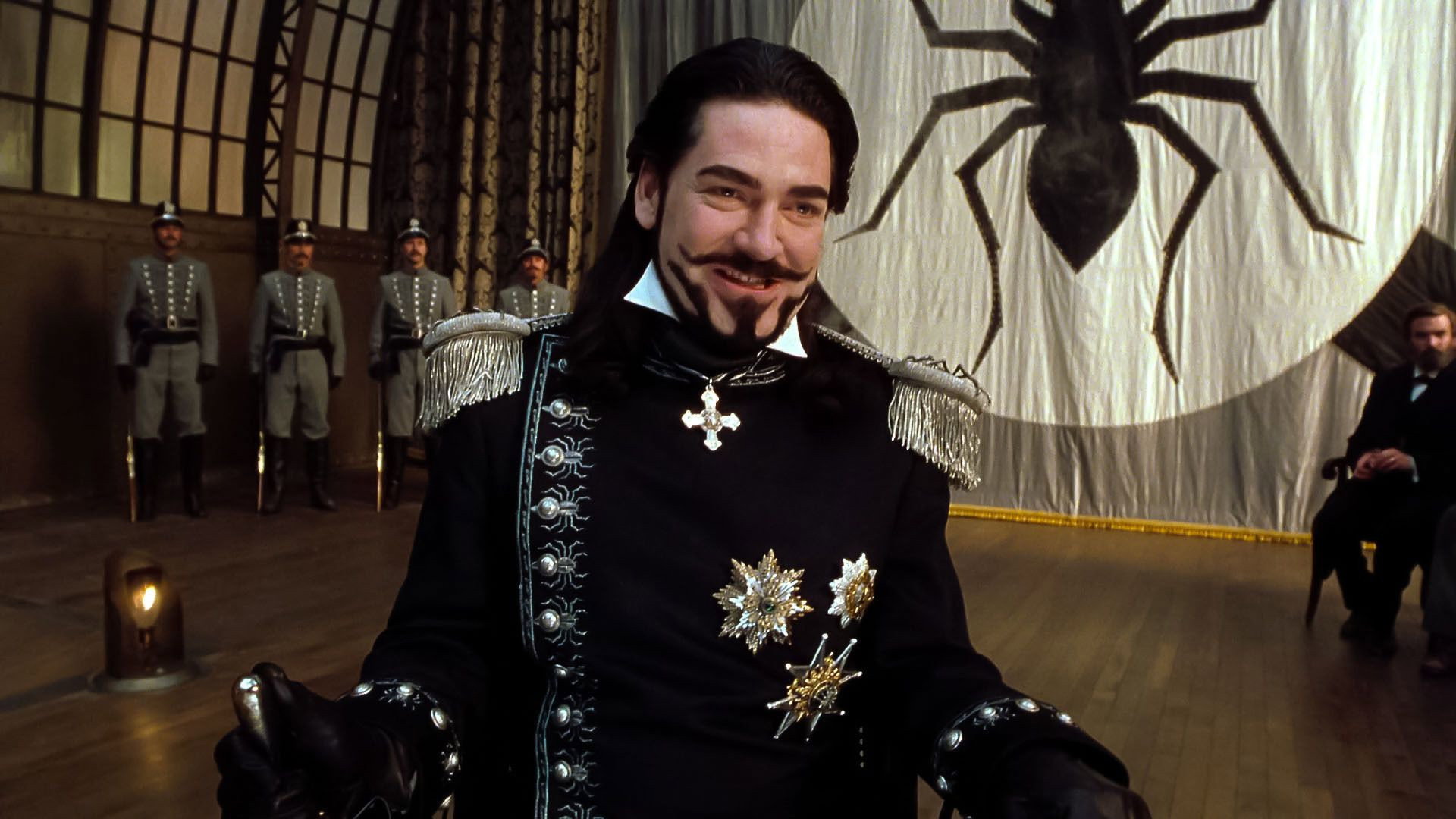
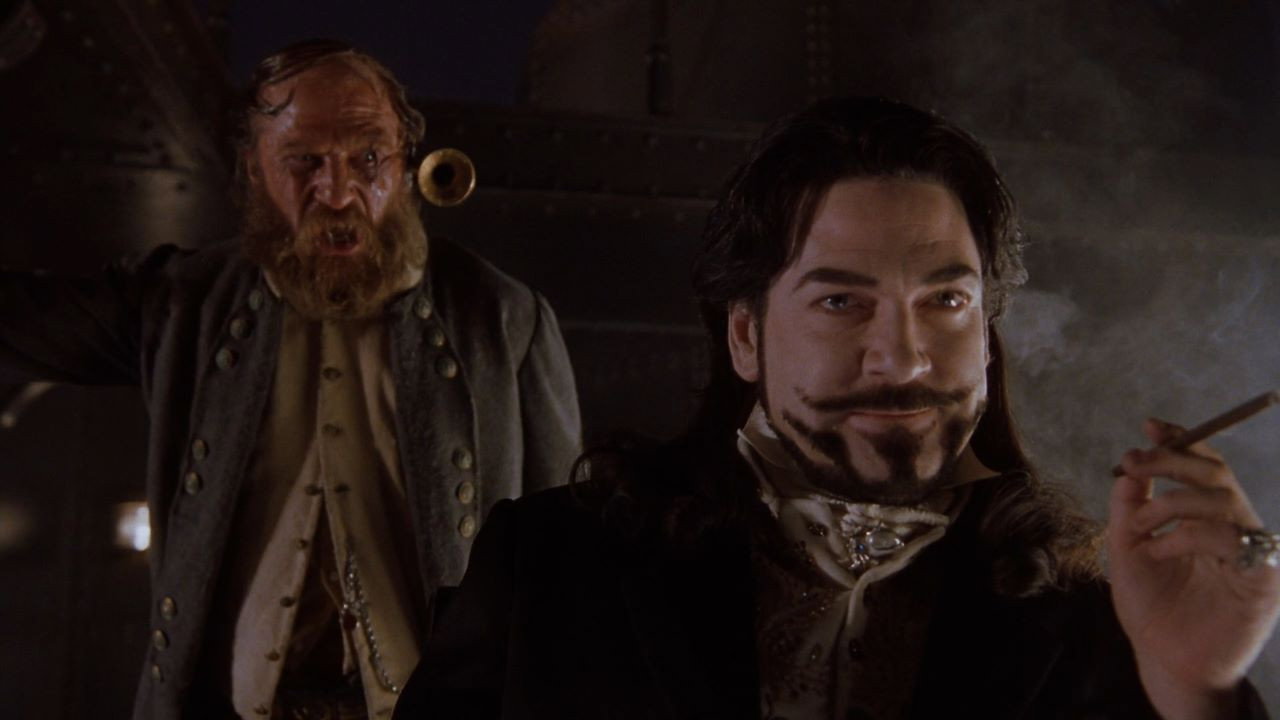
Kenneth Branagh has a better time as Dr. Arliss Loveless, offering a broad villainous performance that at least belongs in this extravagant setting. His excess occasionally supplies the silliness that the central partnership lacks. Elmer Bernstein’s score gives the action a welcome sense of occasion, though it cannot make a cumbersome sequence feel nimble. As the effects take over, the music becomes another element urging us to enjoy something that has not earned the enthusiasm.
Against the basic demands of a buddy comedy, the failure is simple: spending time with the pair should be part of the pleasure. Barry Sonnenfeld managed that in Men in Black, which makes the strained company here especially disappointing. There is nothing inherently unworkable about the mixture of genres, nor any need for the gadgets to obey sensible rules. What we need is some pleasure in watching West and Gordon deal with each other, and the film keeps giving us another invention instead.
At 106 minutes, this ought to be a manageable diversion, yet the extended climax makes it feel longer. Most critics have little patience with it, and we share their frustration, while allowing some credit for the ingenuity of the design. A fondness for elaborate mechanical nonsense might sustain interest, but we would not recommend it for the comedy or the company. If the gadgets are enough, be prepared to wait through the jokes.