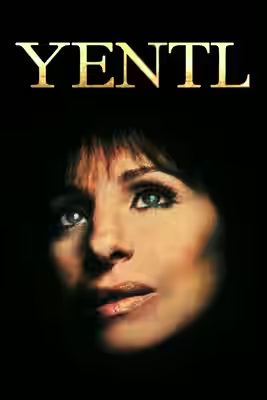
Barbra Streisand makes Yentl’s hunger for learning matter, helped by Mandy Patinkin and Amy Irving. The period setting convinces, but awkward musical interruptions make this a qualified recommendation for patient romantics.
Barbra Streisand gives Yentl a clear, worthwhile concern: a woman wants to study, and a society organised around men tells her that she cannot. The film takes that desire seriously, without treating education as an unpromising subject for a musical. We wish the musical part served it more consistently. This is an affecting but uneven film, worth considering for the performances and the period setting, though its songs too often slow a drama that needs little additional explanation.
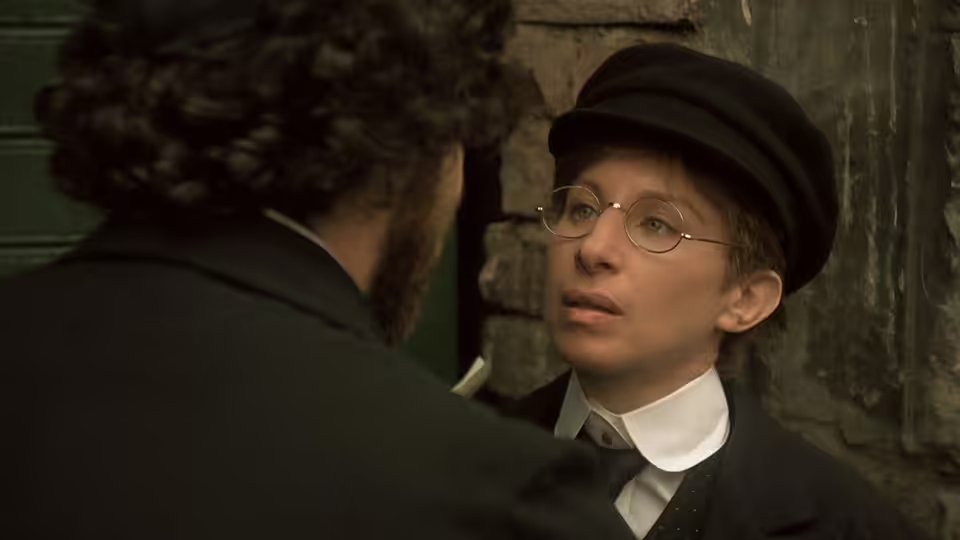
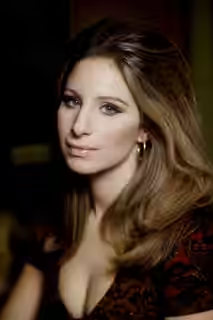
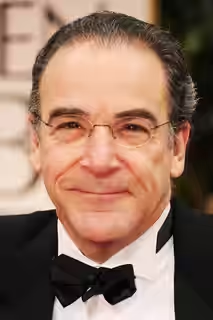
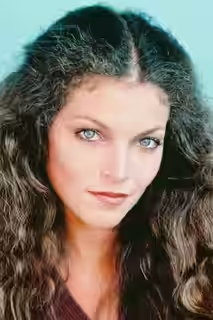
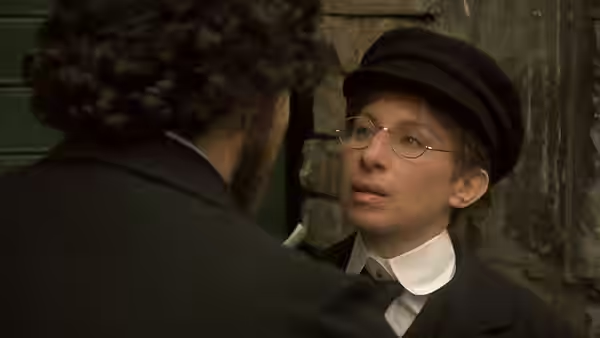
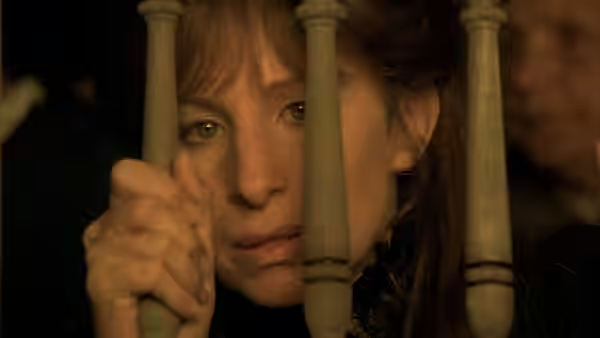
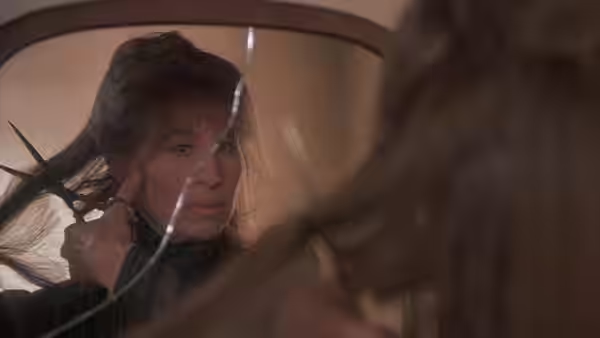
Streisand is persuasive as Yentl because she makes the desire to learn feel urgent, even when the film risks explaining it too carefully. Mandy Patinkin brings an answering warmth to Avigdor, allowing their shared scenes some ease. We were moved by the affection between them; Yentl’s need to be understood becomes clear without further explanation. Amy Irving is warmly sympathetic as Hadass, and helps keep the romantic drama from feeling like a diversion from the serious business of education. These are people whose feelings merit the attention the film gives them.
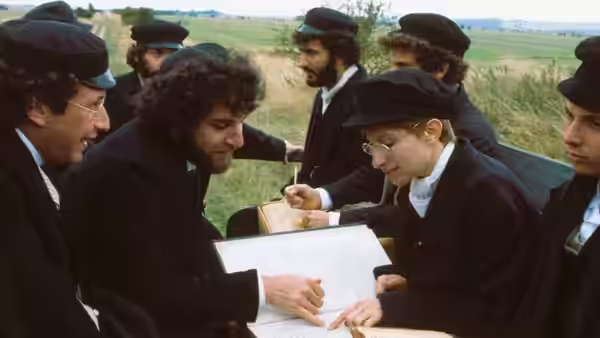
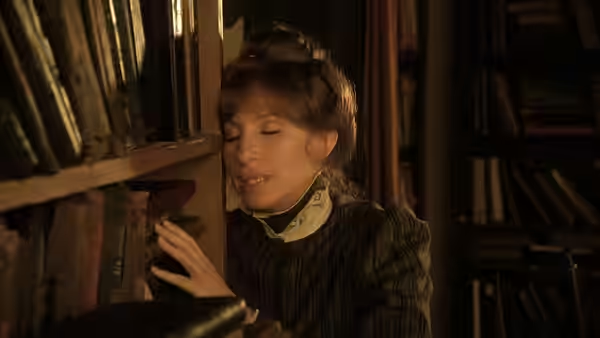
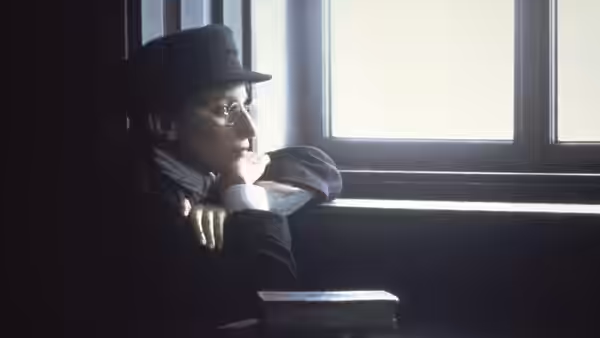
David Watkin’s cinematography gives the period setting much of its appeal. The surroundings have enough conviction to help us believe in a society that considers its arrangements permanent, however unreasonable they look to us. Production designers Leslie Tomkins and Roy Walker contribute to that impression of an established, settled world, making Yentl’s dissatisfaction easier to understand. The care taken over the setting also gives the actors somewhere credible to belong, and remains a pleasure when the storytelling becomes less assured.
Michel Legrand’s music presents the central difficulty. The songs have feeling, but they too often insist on an emotion the performances have already made clear. A musical can afford to suspend a conversation when the song takes it somewhere; here we are sometimes impatient to get back to the people talking. Terry Rawlings’s editing does not consistently make those changes of pace feel natural, leaving the drama to recover its momentum. There is good songwriting here, but appreciating a song is not always enough to make us welcome its arrival.
The screenplay, by Barbra Streisand and Jack Rosenthal, is clearest when it stays with Yentl’s desire to learn. That is a strong enough reason to follow her, and the romantic material benefits from actors capable of conveying affection without making it seem trivial. What is missing is enough variation in how the film asks us to respond: the prevailing earnestness gradually makes scenes feel less distinct. At 132 minutes, it has room to let feelings develop, yet too often seems anxious to ensure that we have understood them.
The musical offers opportunities to make a character’s longing felt without explaining it, and Yentl takes too few of them. Streisand’s directing is attentive to her actors, but less sure about when the music can do their work for them. The sincerity remains persuasive, even when the repetition becomes tiring. Give it an evening if the hunger for education and the warmth of these performances appeal; bring some patience for the songs.