Ben Stiller and Owen Wilson make male-model vanity funny enough to carry Zoolander through its flimsy conspiracy plot. The fashion satire is obvious, but the performances earn an evening for anyone partial to determined stupidity.
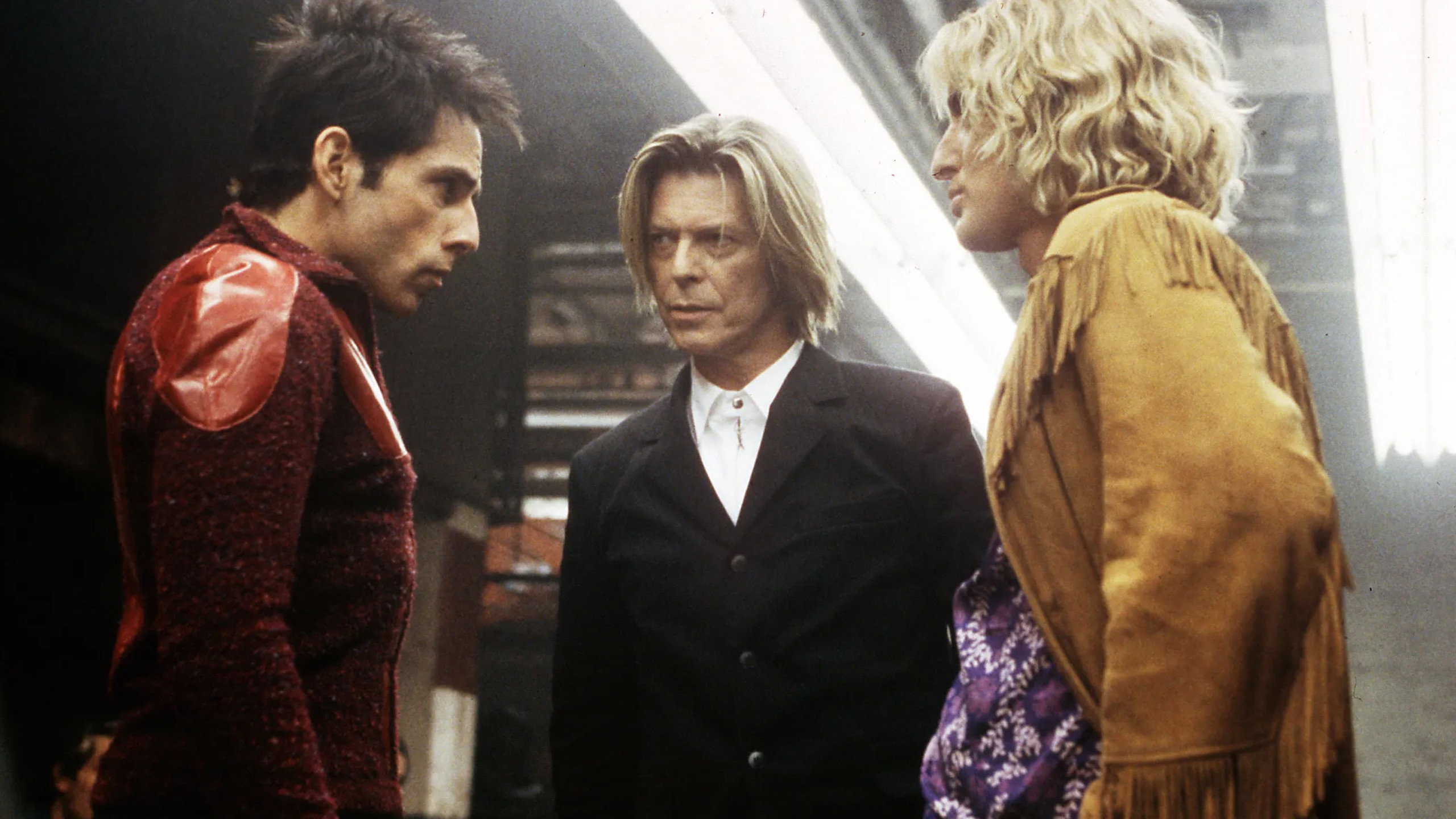
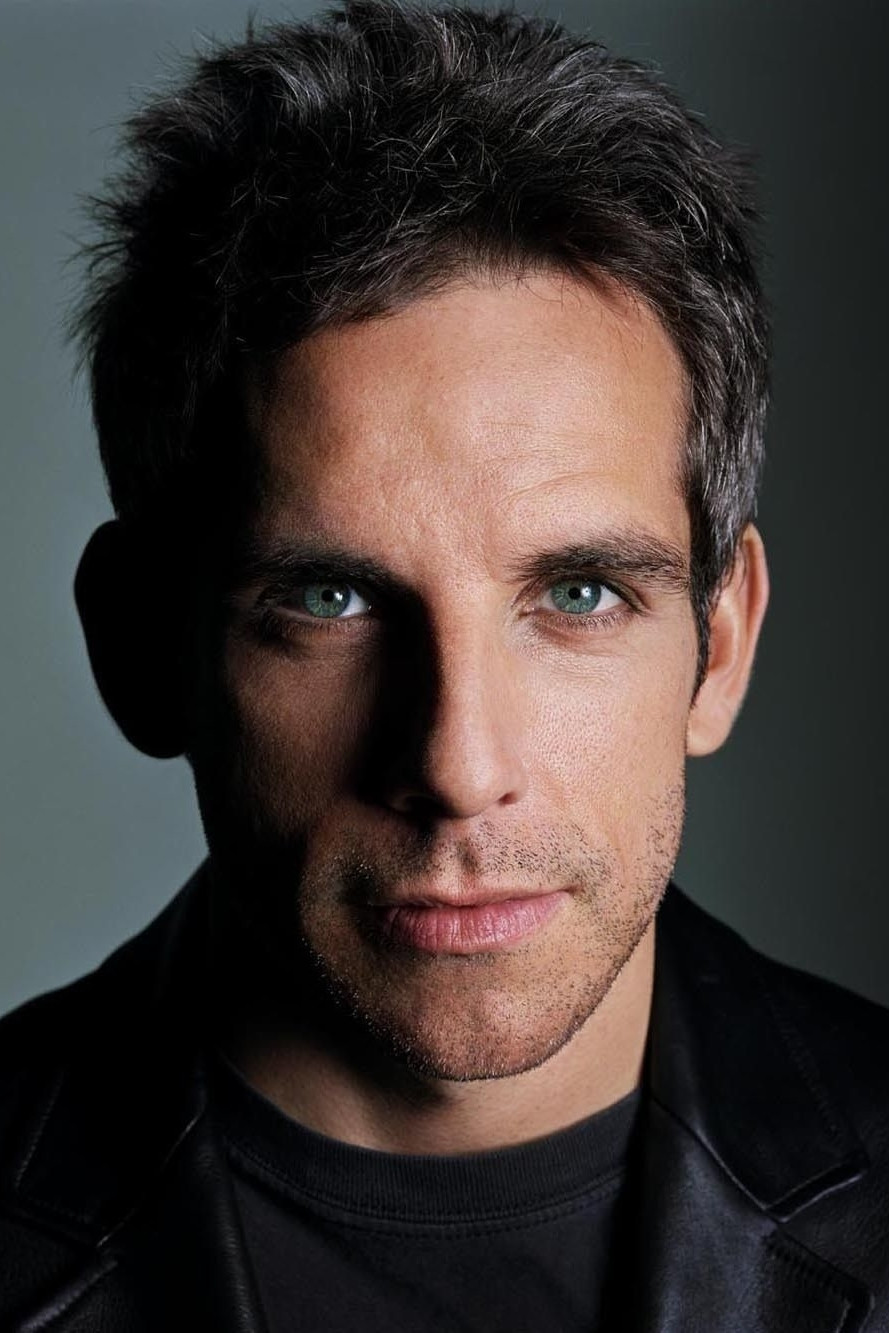
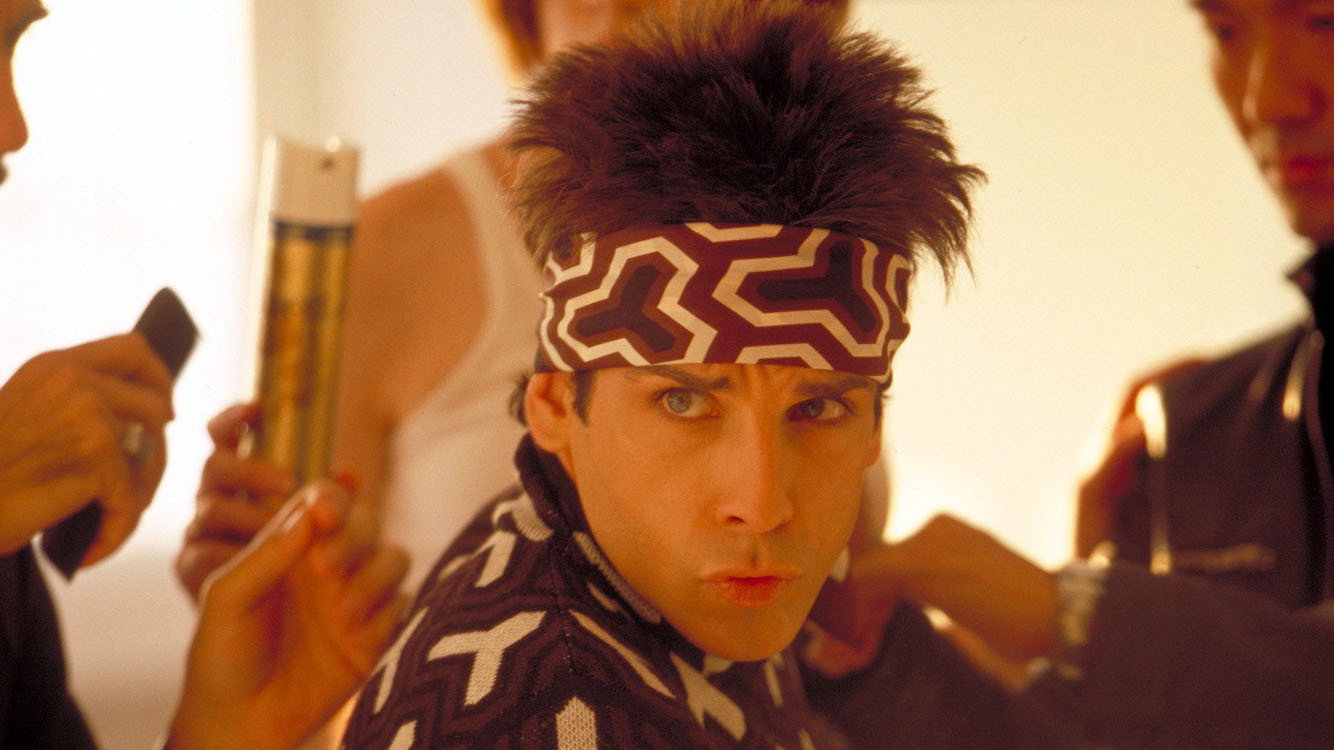
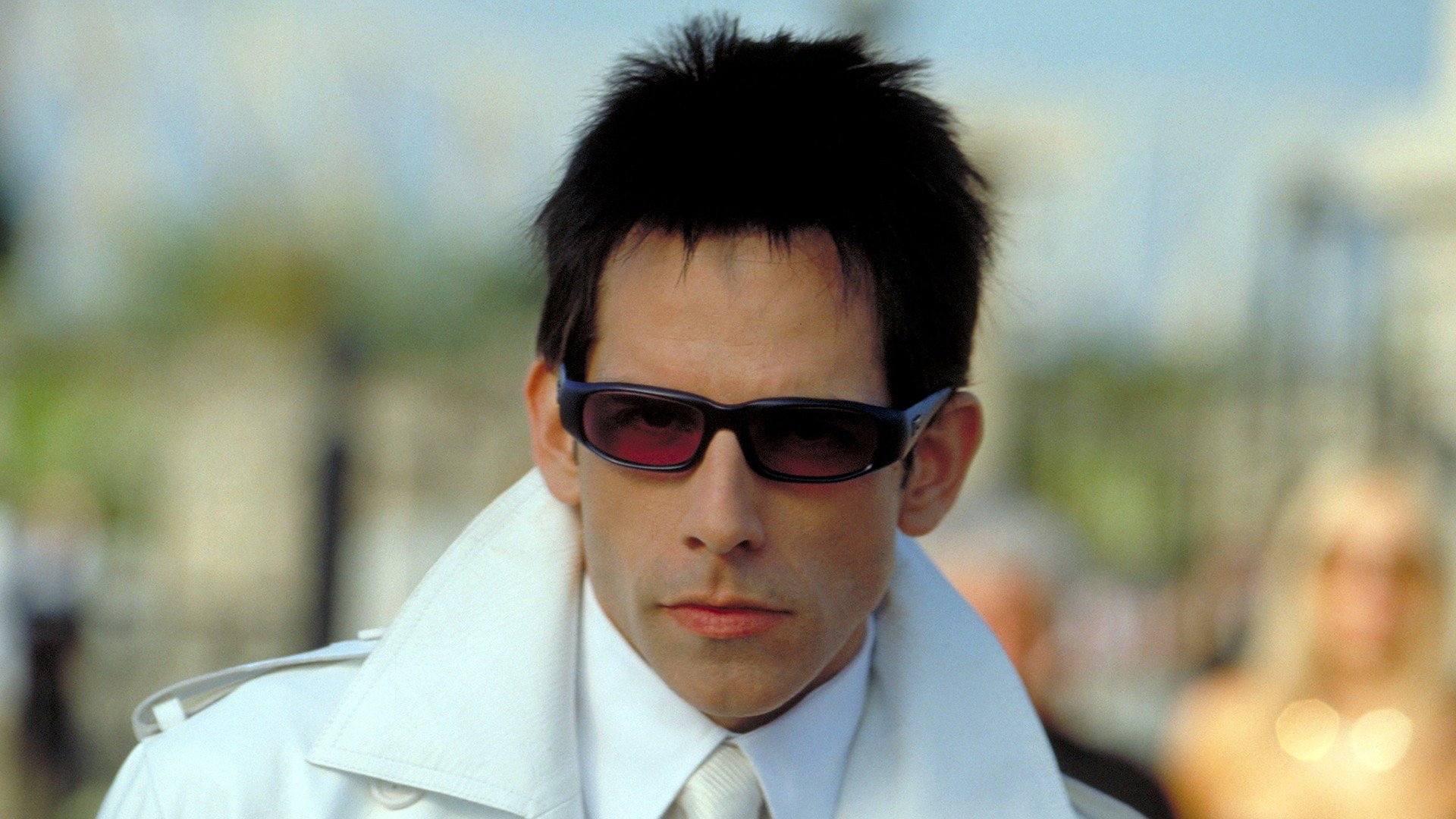
Zoolander is funny enough to forgive its rather feeble conspiracy plot. Ben Stiller directs and plays Derek Zoolander, a male model whose work seems to require strenuous concentration on almost nothing. The rivalry with Owen Wilson’s Hansel gives him something suitably small to worry about: another man might be getting more attention. That is enough to sustain a good deal of the comedy, although the screenplay keeps looking for more elaborate ways to occupy him.
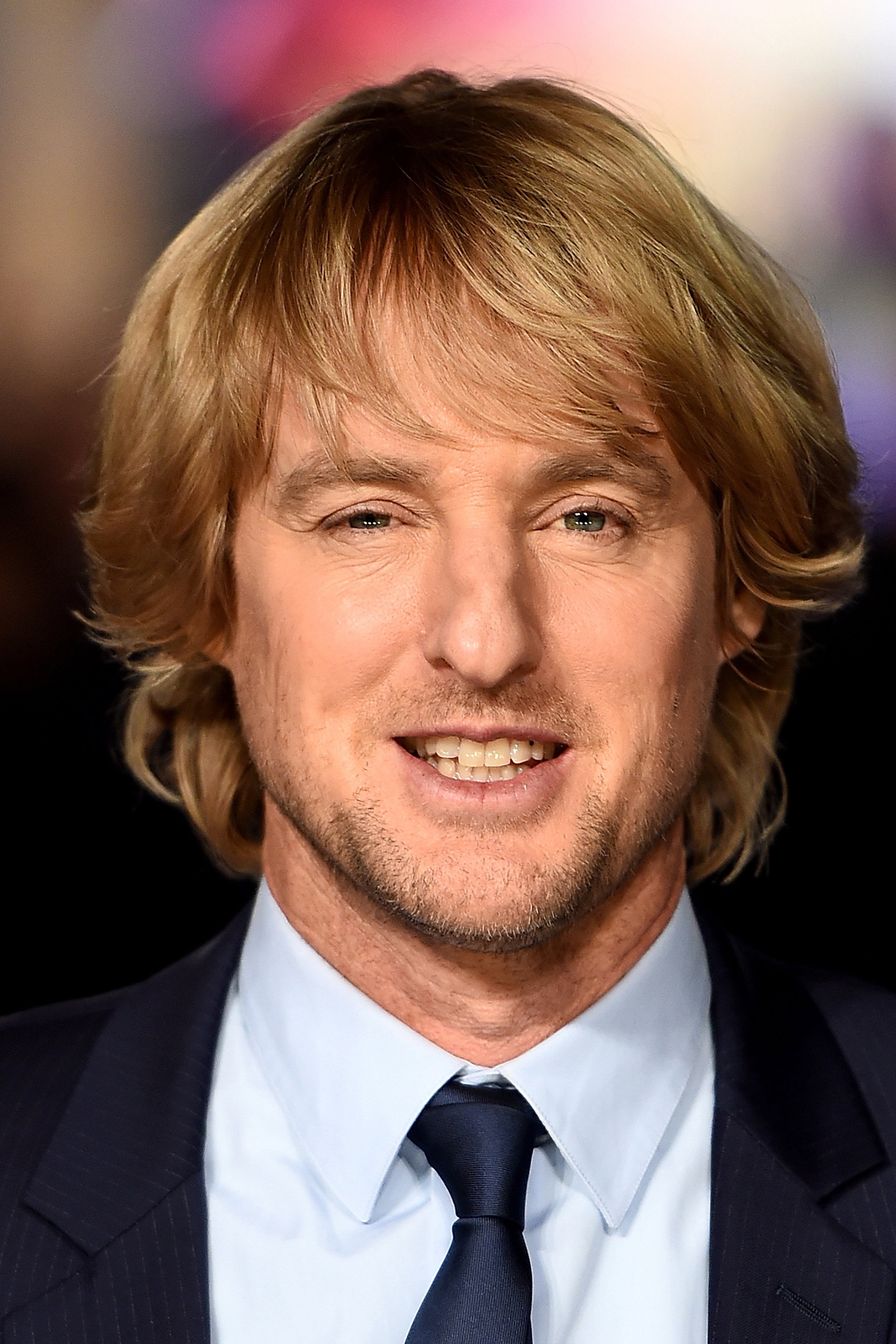
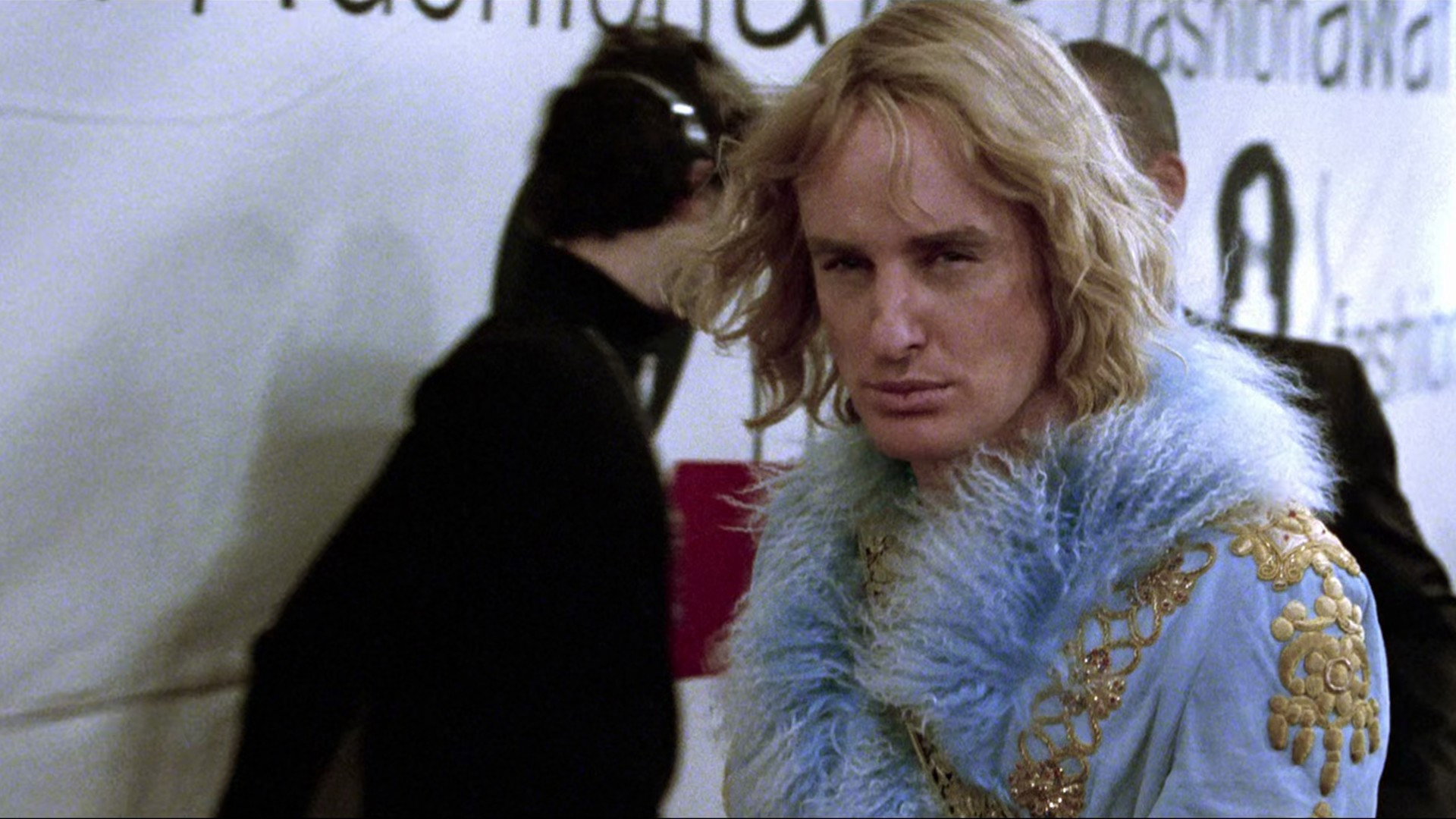
Stiller’s Derek puts such concentration into appearing desirable that the concentration becomes the joke. Owen Wilson’s Hansel is a useful irritant because he seems to expend so little effort, and their rivalry is funnier than anything the film has to say about the industry employing them. We laughed at how hard Derek works at posing, with Hansel’s casual manner making all that effort look even sillier. Neither performance needs us to believe that the fashion world is quite as foolish as this.
The screenplay, by Stiller, Drake Sather and John Hamburg, has less control over what happens around that pairing. Its political assassination plot asks for an interest in events that the characters have not earned, and the explanation is seldom as amusing as the behaviour. There is nothing wrong with giving foolish people an adventure, but this one too often feels like an obligation between jokes. The fashion satire is also easy going: vanity is the target, and the film finds it without much searching.
Barry Peterson’s cinematography is most effective when it takes the posing seriously, allowing the actors to make themselves ridiculous. Robin Standefer’s production design helps the fashion setting feel sufficiently extravagant for these people to belong in it. David C. Robinson’s colourful costumes are a source of jokes in their own right. The clothes help here: the dialogue need not keep explaining how far these people will go to be looked at.
Greg Hayden’s editing handles the individual jokes more successfully than the detours into conspiracy, where the film begins to feel stretched. Even at 89 minutes, there are passages when the next laugh seems a long way off. David Arnold’s music lends the action-comedy passages some useful energy, without making the intrigue more involving. The difficulty is in the writing: it gives the rivalry less room than its comic potential deserves.
The consensus is much colder than our verdict, judging the fashion jokes obvious and Stiller’s stupidity tiresome. We think that underestimates how well Stiller and Wilson play off each other, although the complaint about repetition is fair. As satire, the film has little to tell us about people who sell an image for a living. As broad farce, it earns its place through the seriousness with which its performers approach such negligible concerns.
This belongs to the kind of comedy that depends on enjoying a ridiculous person long before the story gives anyone a reason to care about him. Stiller can be wearing, and viewers left cold by his posing are unlikely to find compensation in the espionage. Choose it for an evening when two vain men competing for attention sound like good company.