An American remake that had no obvious reason to exist and turns out to have a reason to be watched. Witwer, Rath and Huntington make the house-share believable; the seasons run long, and the first few episodes creak before they settle.
Toby Whithouse’s British series about a vampire, a werewolf and a ghost sharing a house arrived in 2008 with six episodes and not much money, and it did not obviously need translating. This version moves the arrangement to Boston, keeps the shape and stretches a season to thirteen episodes of 43 minutes. It is better than it had any right to be. It is also slow to become itself, and anyone judging it by the first two hours would be forgiven for stopping there.
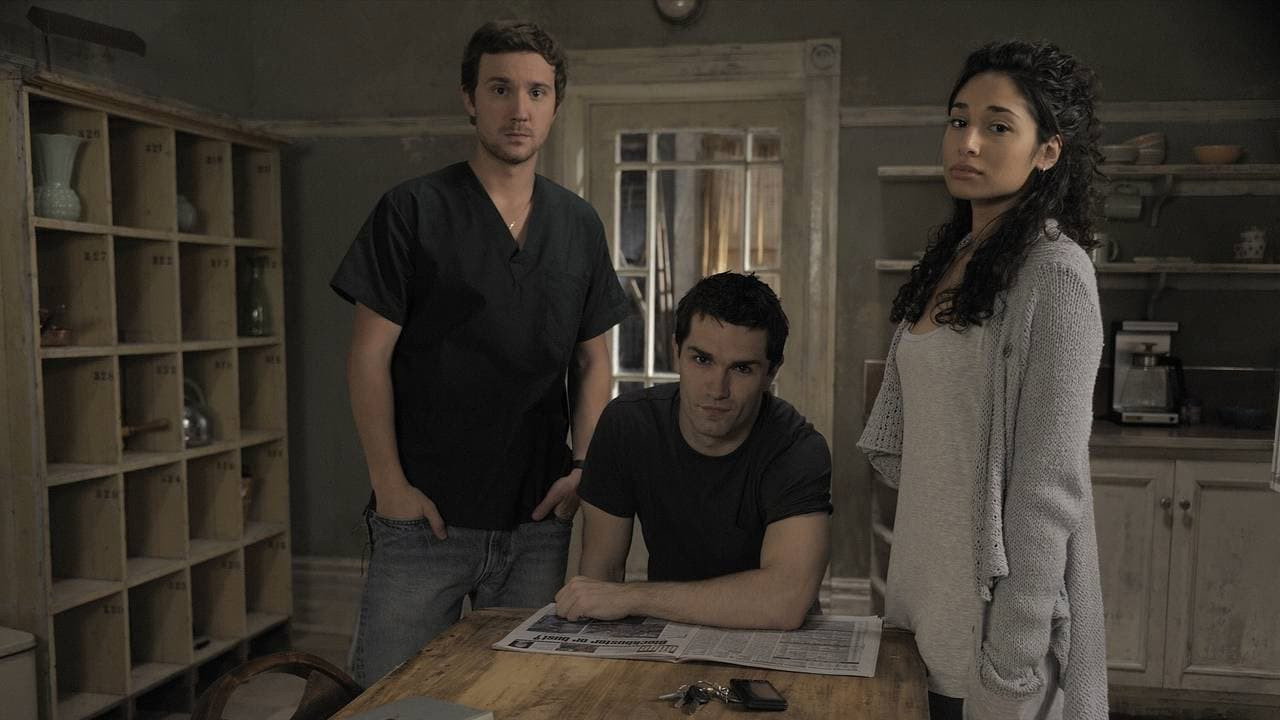
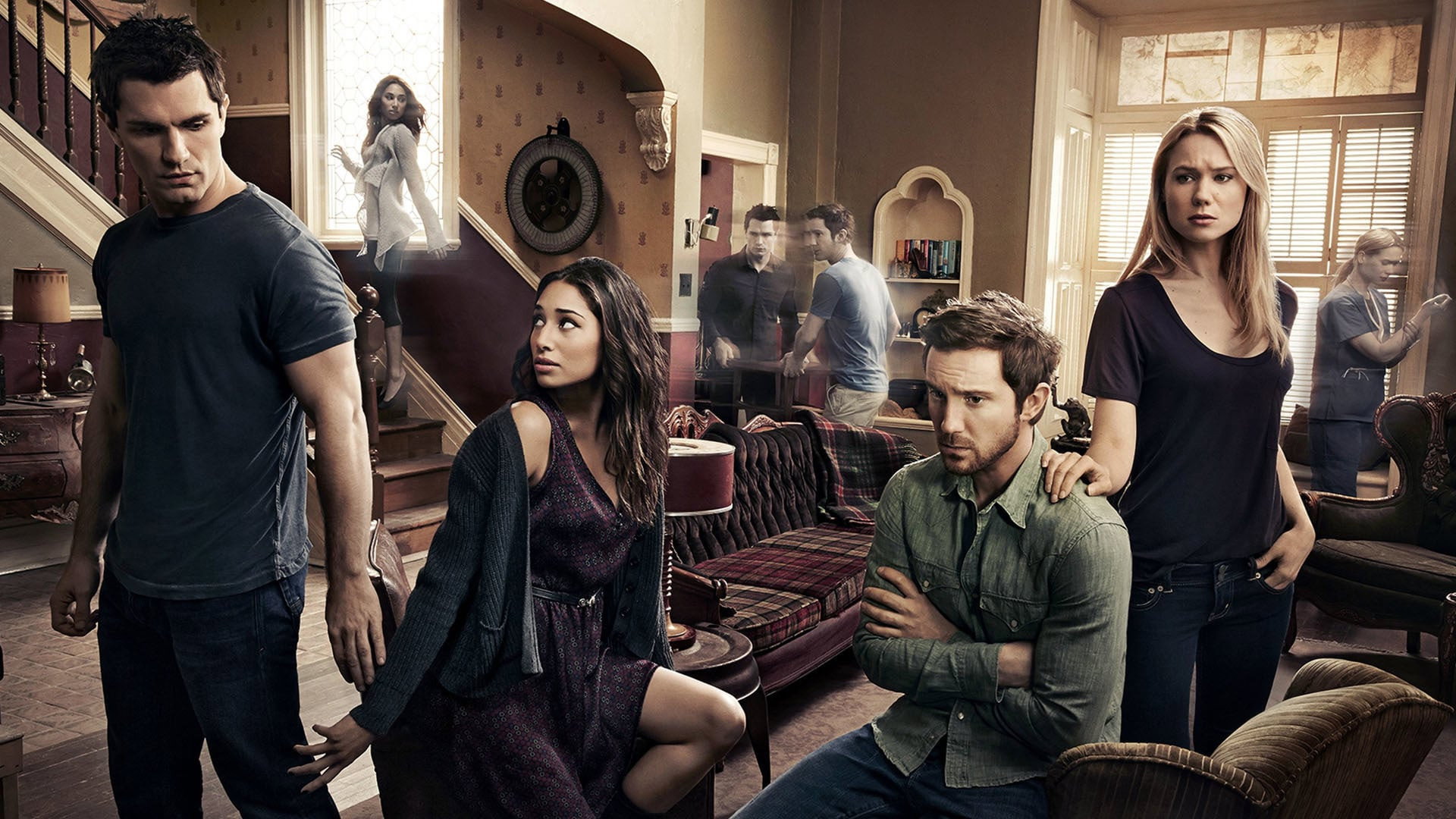
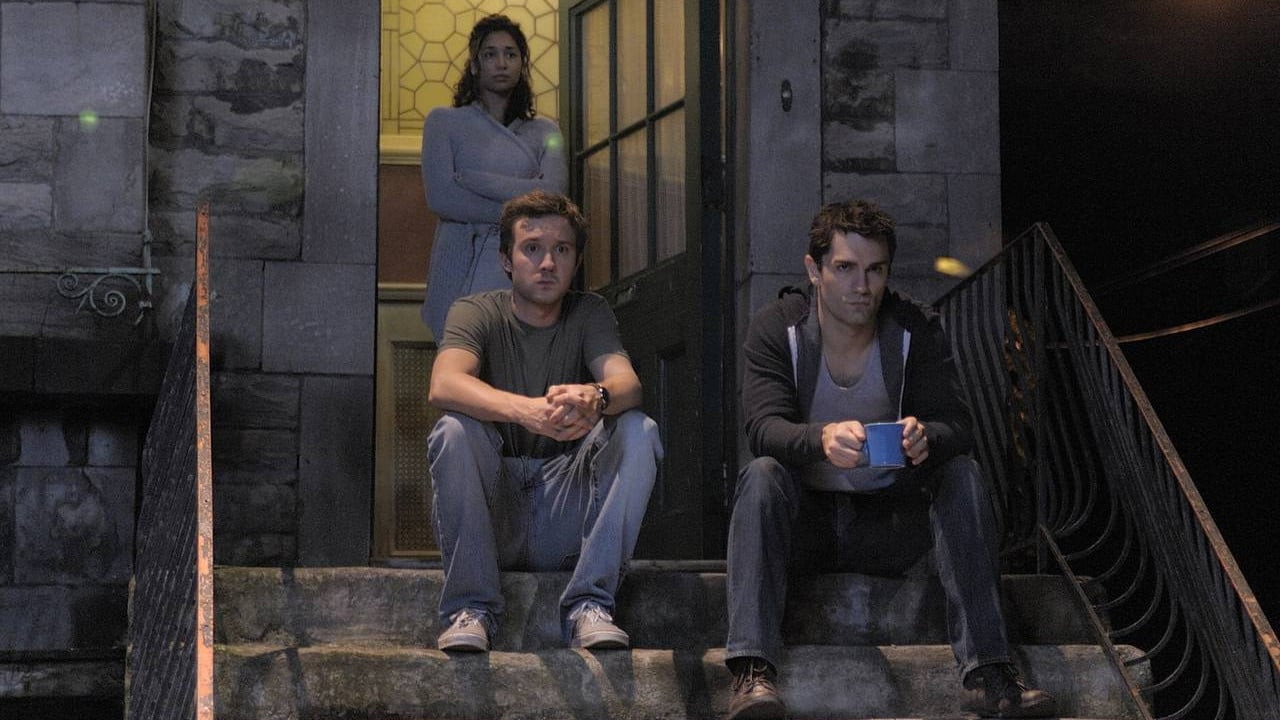
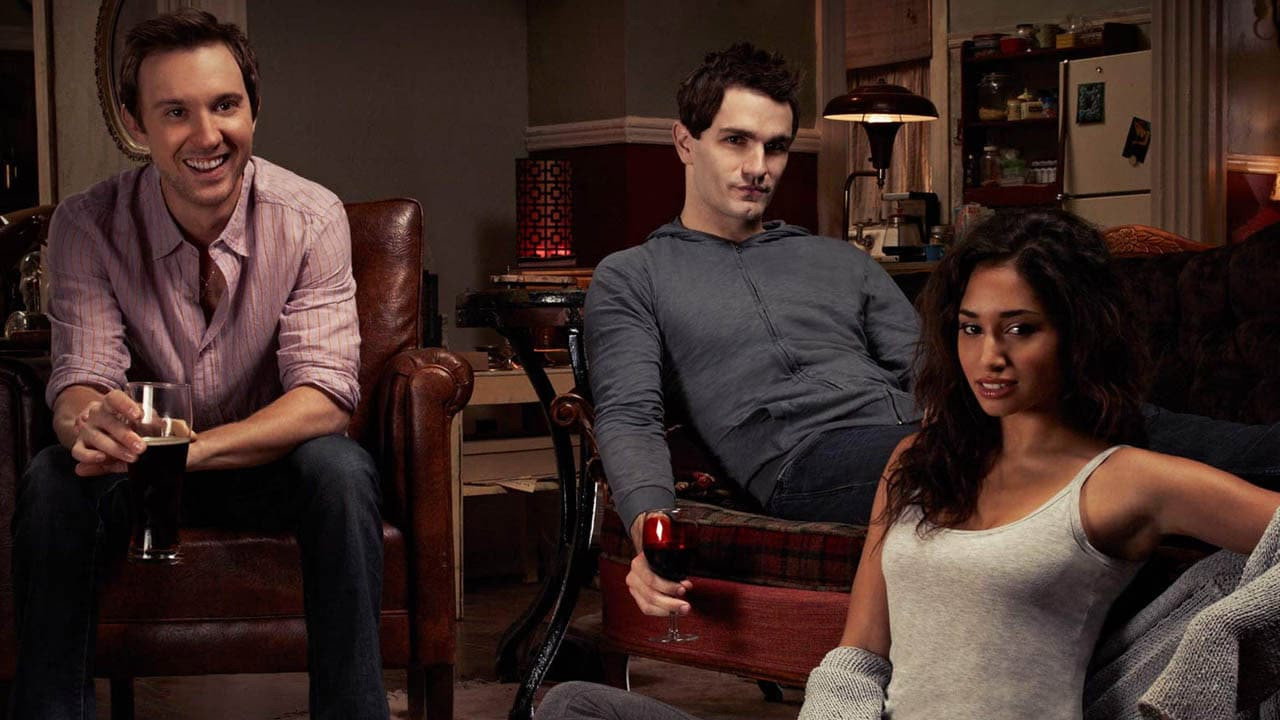
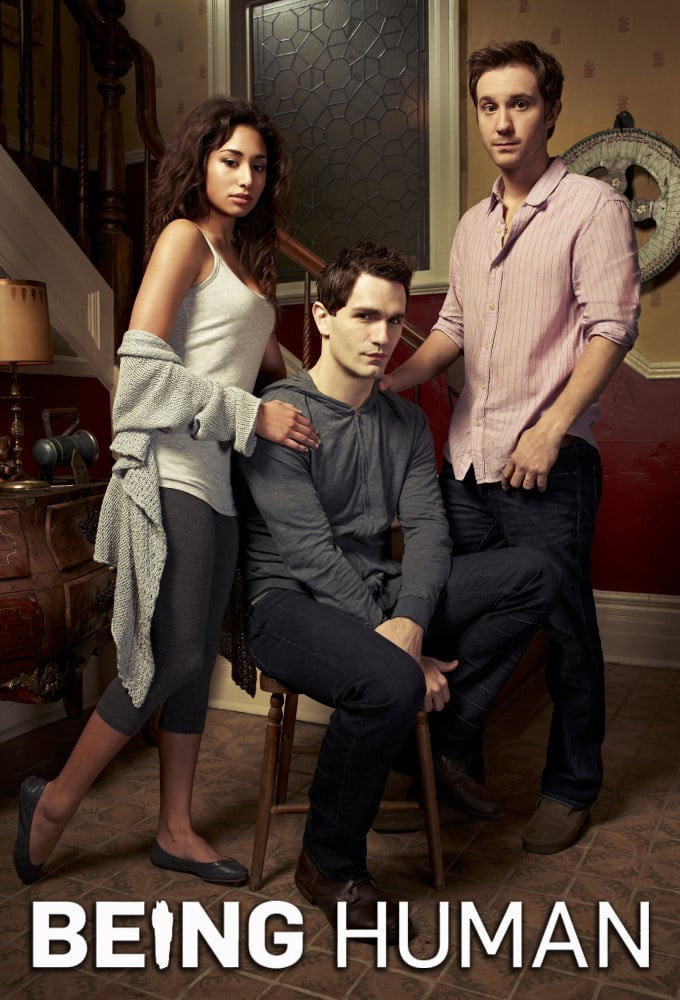
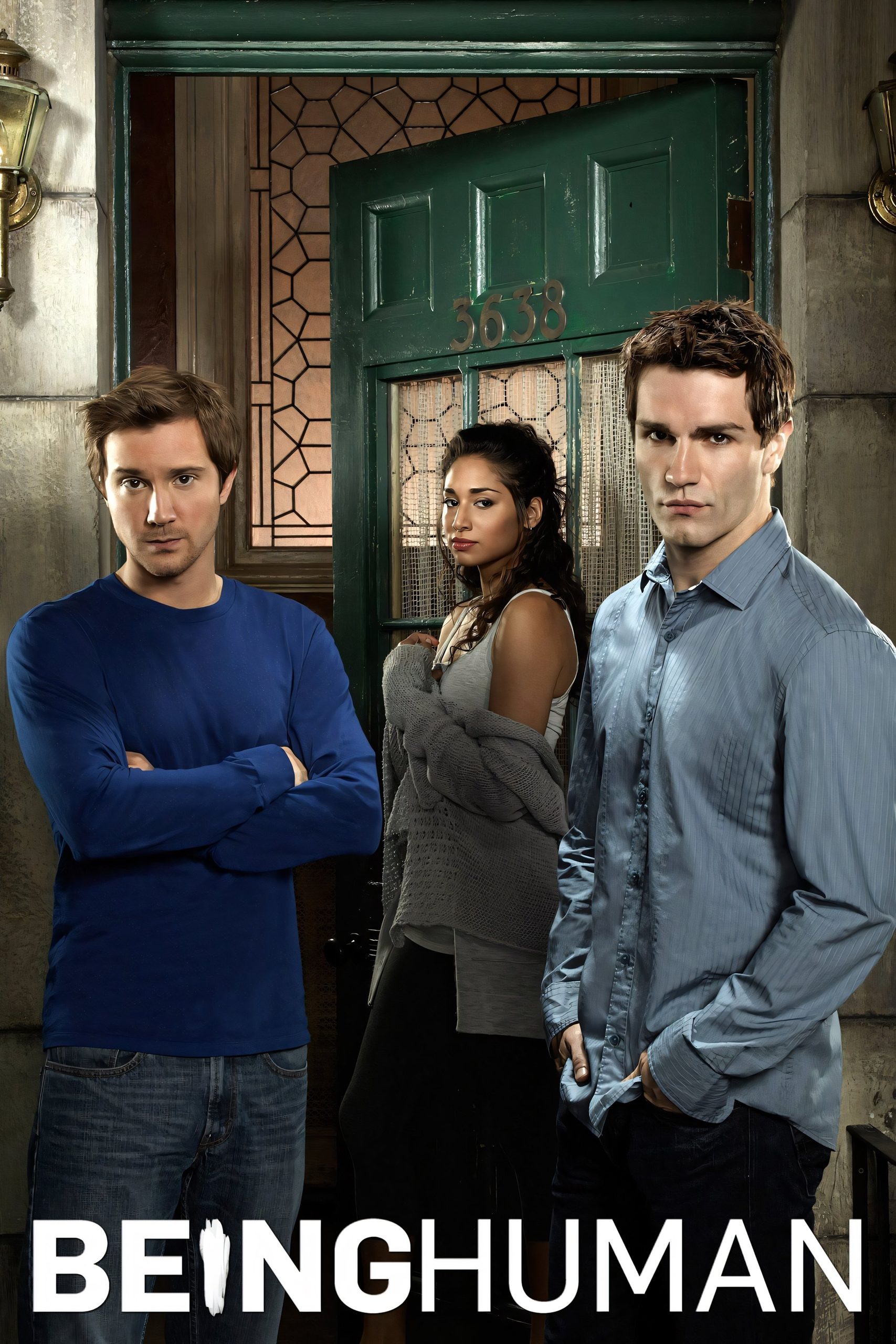
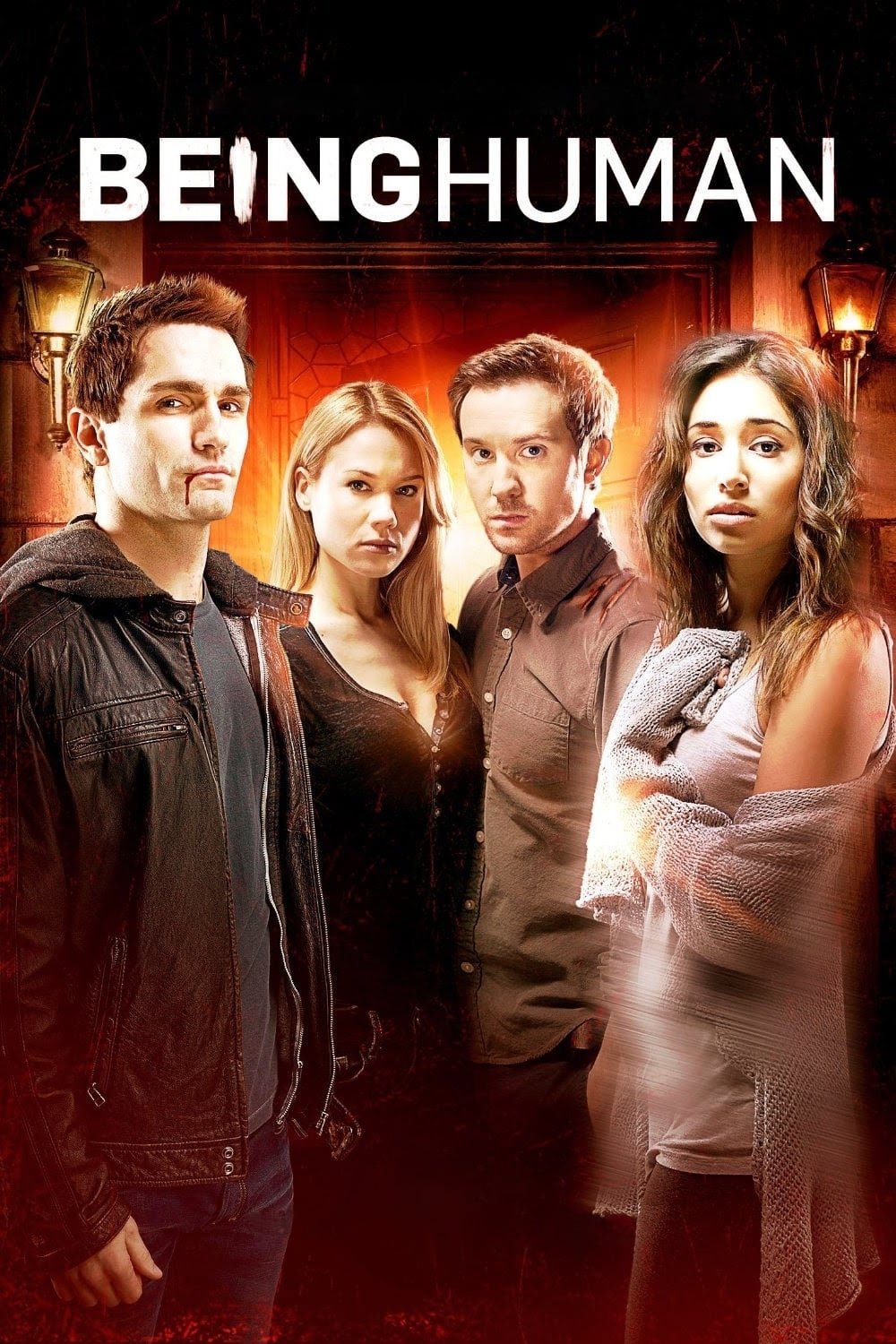
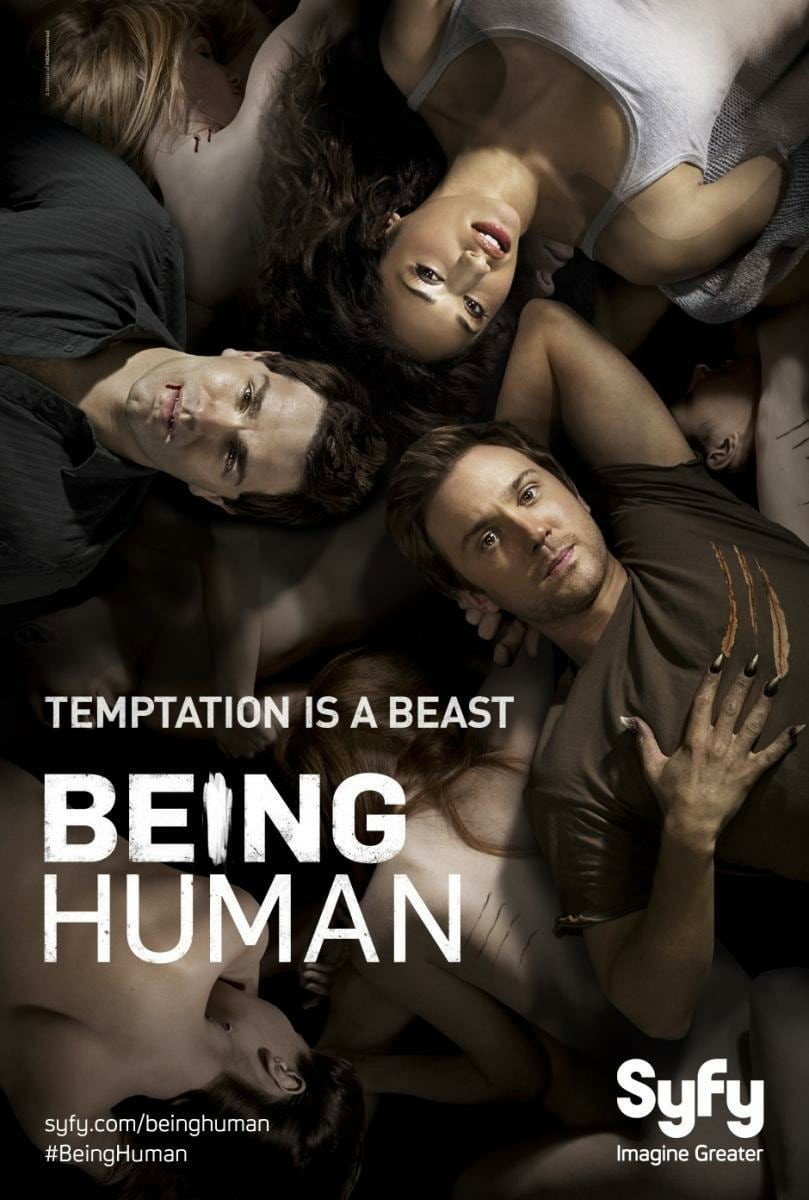
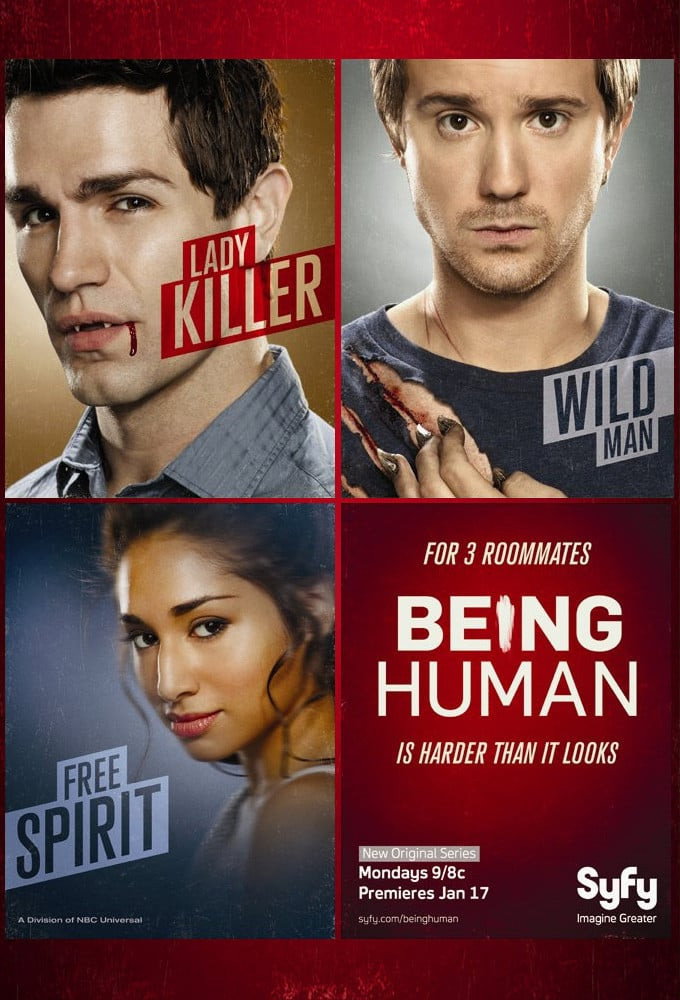
The premise still works. Aidan Waite (Sam Witwer), a vampire trying not to feed, and Josh Levison (Sam Huntington), a werewolf who has run from his family, work at a Boston hospital and rent a house together in the hope that a front door and a kettle will keep them ordinary. The house comes with Sally Malik (Meaghan Rath), who died in it, cannot leave it, and has just discovered that the two men can see her. Three people, one lease, and a rule that nobody is allowed to be what they are indoors.
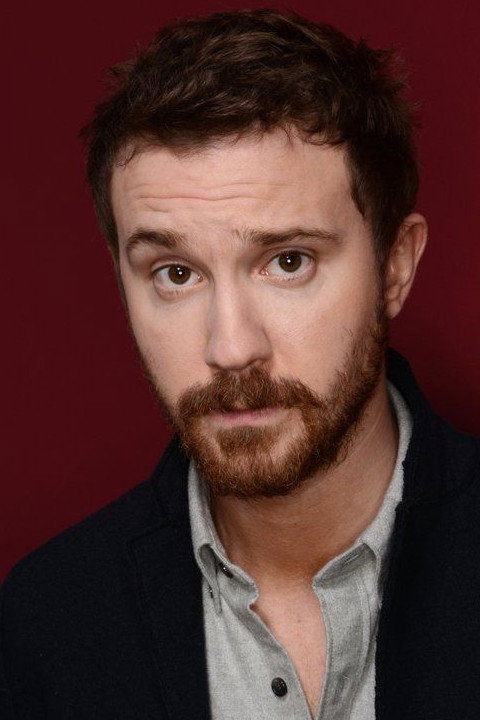
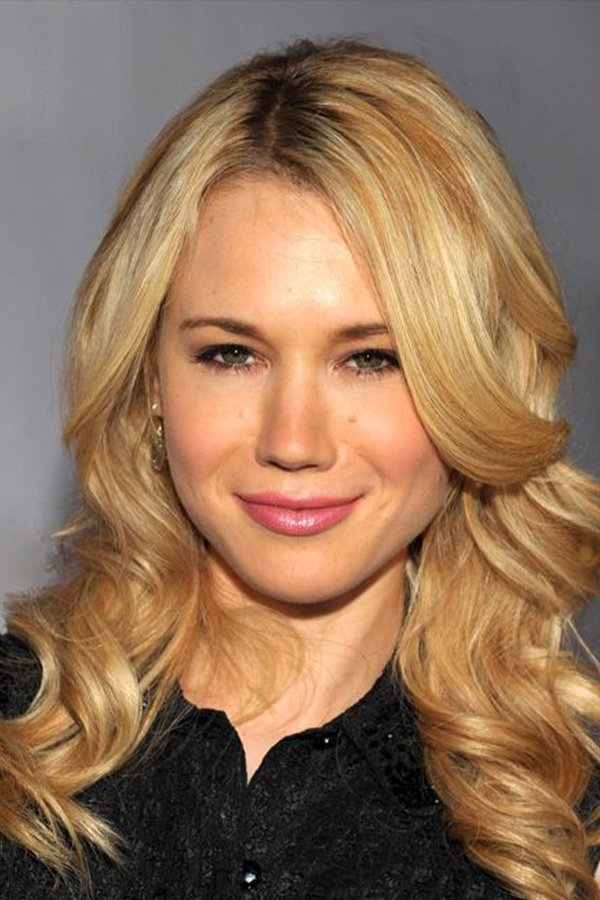
Witwer is the surprise. He plays Aidan with his shoulders down and his voice low, a man who has done terrible things for a long time and has decided that the least he can do is be tired about it. Huntington is louder and it takes a while to stop minding; by the middle of the first season the nervous chatter reads as fear rather than sitcom, and his scenes with Nora Sergeant (Kristen Hager), the nurse he cannot bring himself to ask out, are the warmest thing in the run. Rath has the hardest job, since Sally cannot touch anything or go anywhere, and she does it by standing still in doorways and looking at the life she is not having.
The craft is modest and mostly honest about it. The hospital is lit flat and pale, corridors and strip light and nothing hidden, and the house is the opposite, brown and cluttered and always a little dark, so that coming home reads as coming home. The werewolf change is done the old way, behind a locked door, with a lot of breaking sounds and not much shown, and on this money that is the right choice. There is a habit of putting a mournful indie song under the last two minutes of an episode to tell us how to feel about it, and by the sixth or seventh time we could hear it coming.
Here is the moment that got us. In the first episode Sally watches from the stairs while the man she was going to marry, who now owns the house, shows her two new flatmates round it and never once looks up. Rath plays it without a line, and we found it sadder than a ghost in a rented house had any business being. The series is at its best whenever it remembers that being unable to leave is worse than being dead.
The seasons are long and they feel it. Thirteen episodes is a lot of room, and the writers, among them Jeremy Carver and Anna Fricke, fill it with a vampire power struggle that takes over the back half of the first year and is less interesting than the kitchen. Seven directors share the episodes and the result is a house style rather than a voice; nothing is badly done, and nothing is done in a way you would recognise from one episode to the next. The British version had the advantage of being over before it could repeat itself. This one repeats itself, and then, to its credit, notices and moves on.
Against the original it is a different animal: less funny, more patient, better resourced and more inclined to explain. We missed the jokes. It ran four seasons of thirteen from 17 January 2011, which is longer than the premise strictly deserves and about right for the people in it.
Give it three episodes. If Witwer’s tiredness and Rath’s stillness have not got to you by then, they will not, and the werewolf will not change your mind. If they have, you have forty-nine more, and the house gets more crowded before it gets any easier.