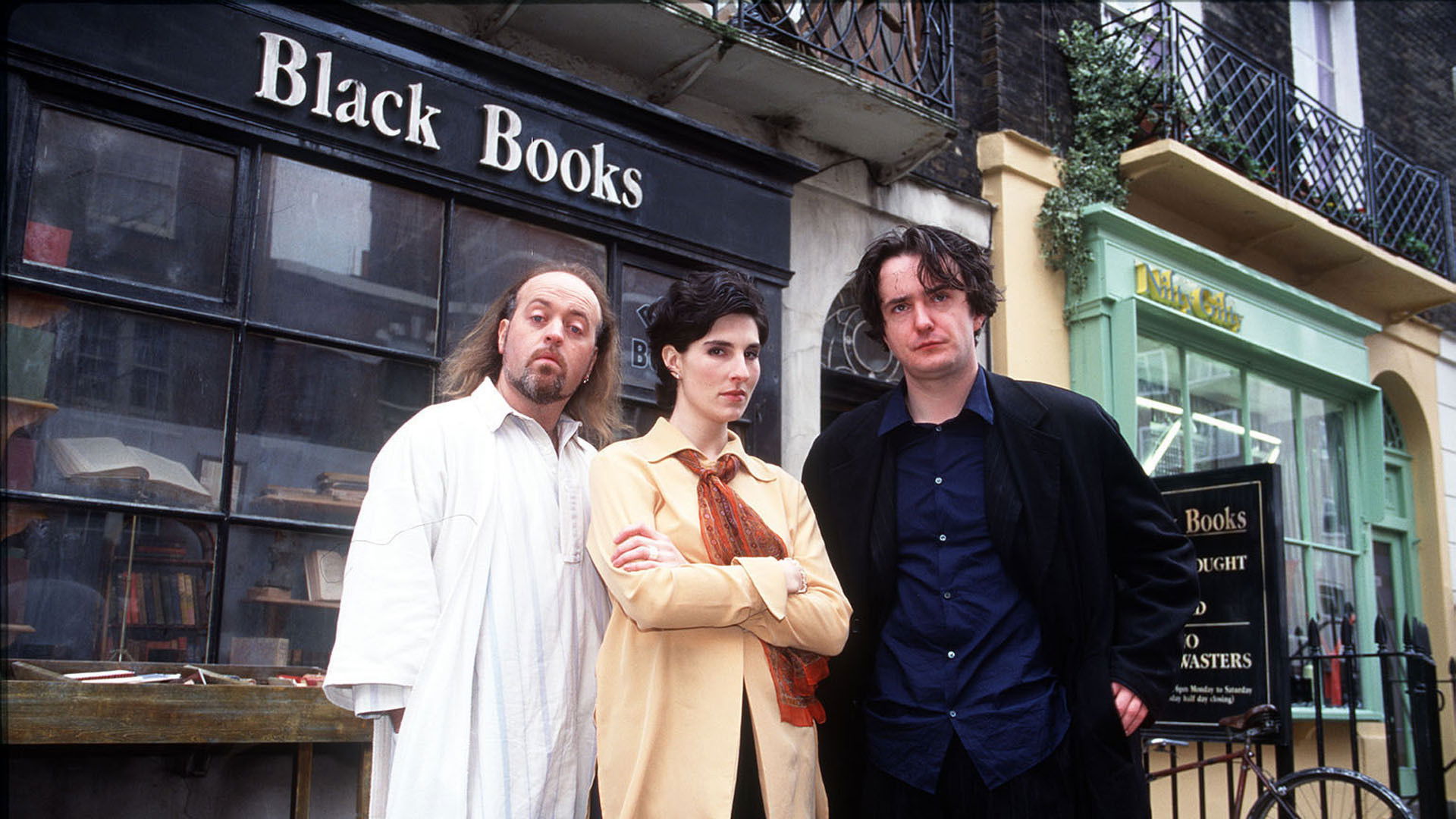
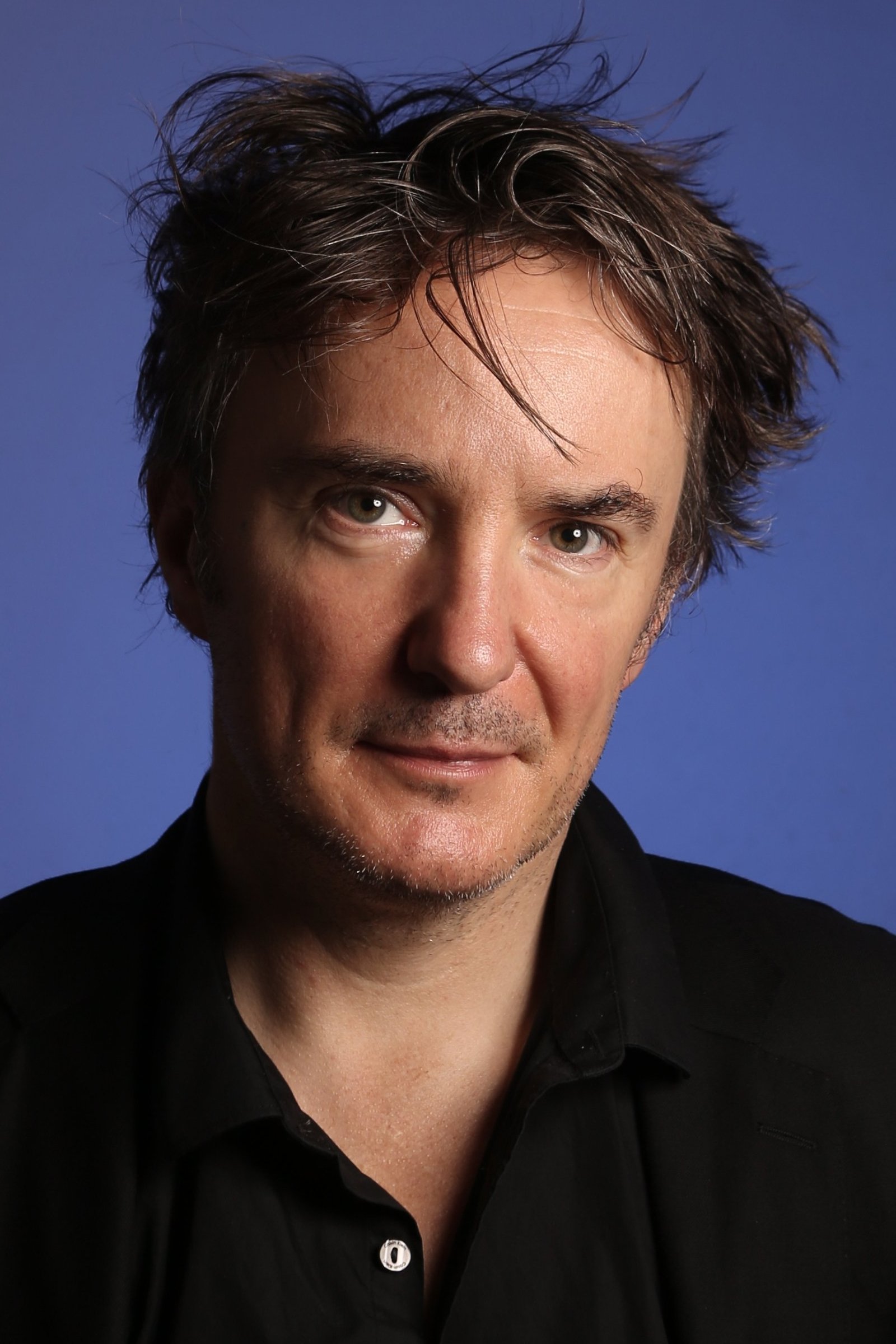
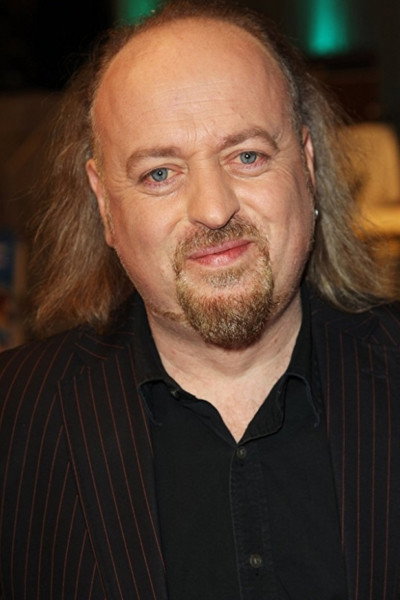
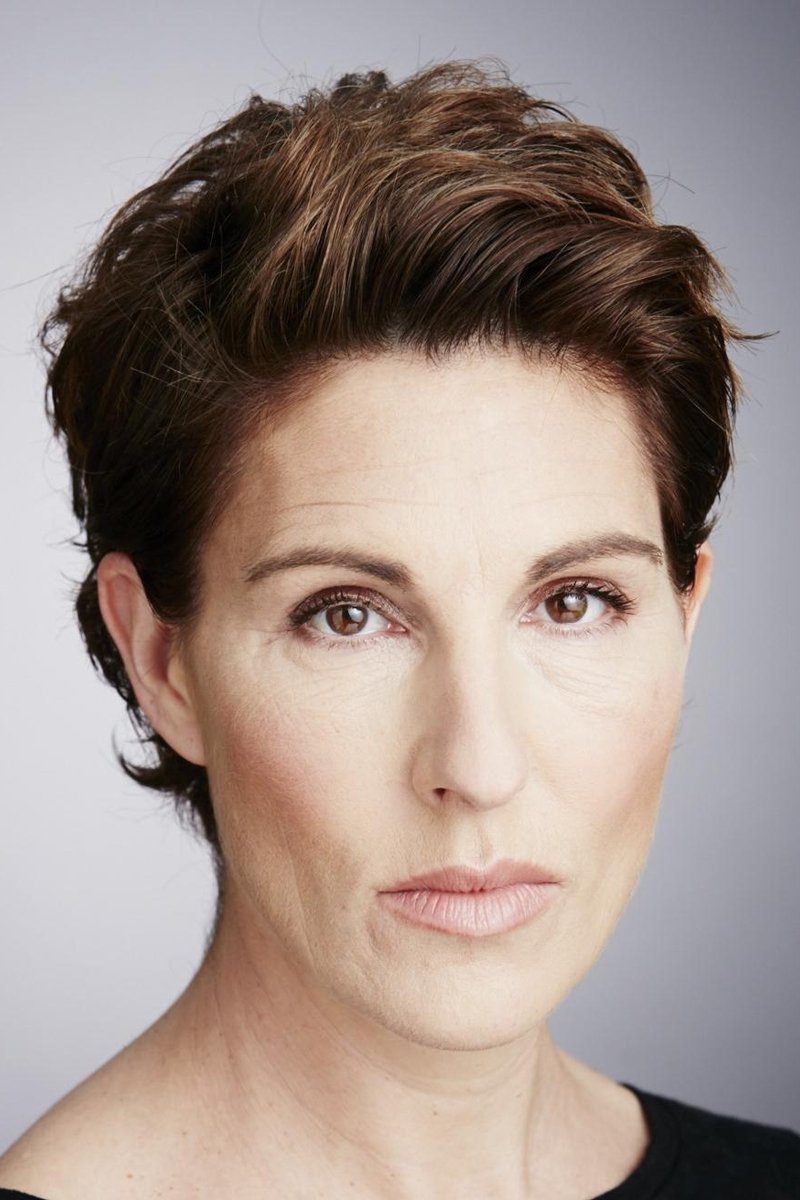
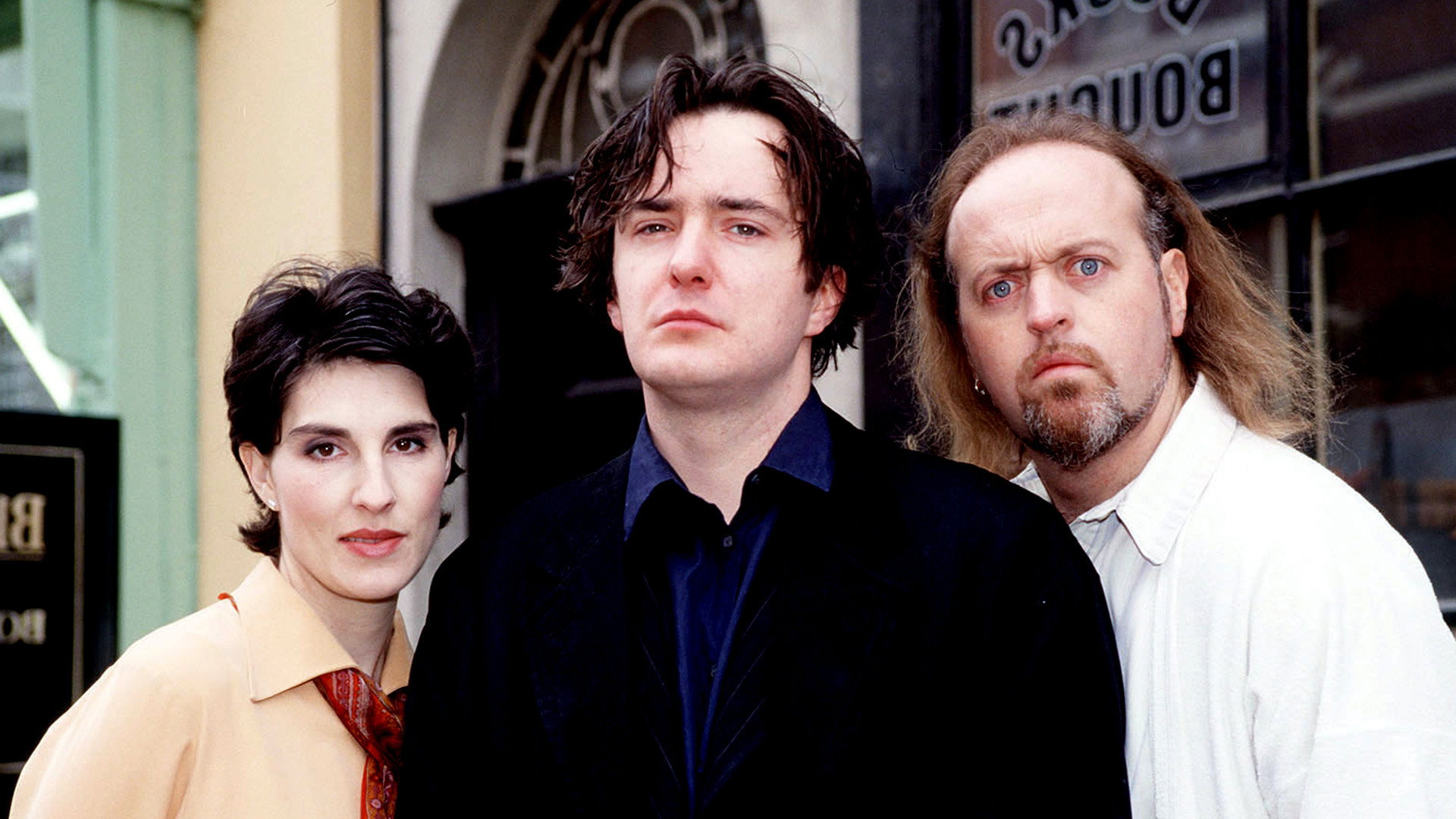
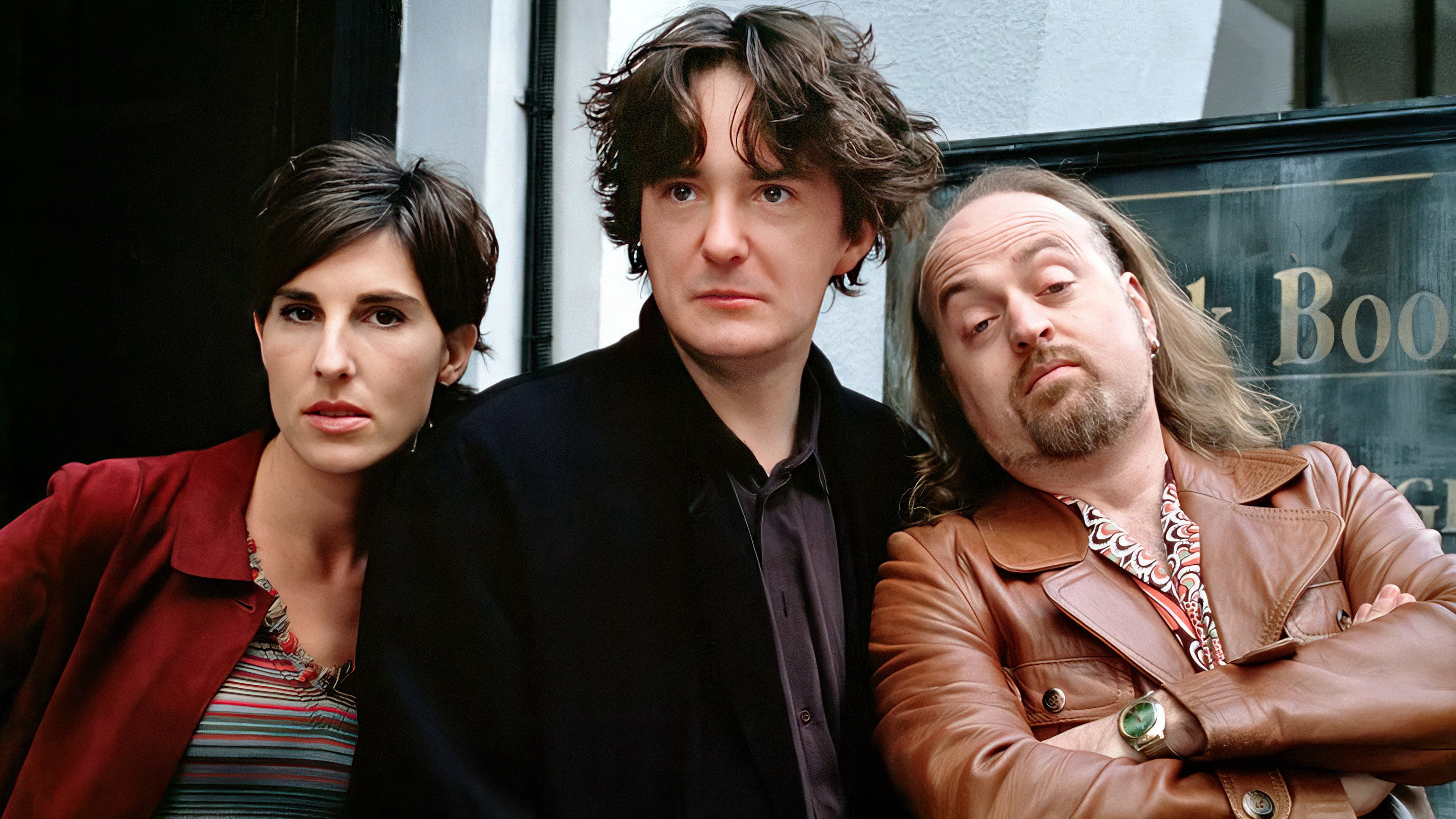
Dylan Moran, Bill Bailey and Tamsin Greig make Black Books worth revisiting for the sight gags as much as the insults. The surreal comedy can become wearing, but its short episodes and precisely judged performances make that a manageable complaint.
Black Books is a comedy we recommend warmly, with a small warning about watching too much at once. Created by Dylan Moran and Graham Linehan, it gives sharp lines and foolish situations equally serious attention. The temptation with this sort of programme is to remember only the insults, then mistake a collection of quotable lines for the whole achievement. The sight gags matter just as much, especially in the second series, where the physical comedy is often more rewarding than the verbal punishment.
Moran plays Bernard, Bailey plays Manny and Greig plays Fran, and the three performances are the chief reason the exaggeration remains enjoyable. Moran has the right delivery for a cutting line: we hear the thought behind it, without an actor signalling where the laugh belongs. Bailey is just as valuable when the joke does not need another sentence. We laughed hardest at the visual comedy, because his timing gives us a moment to register the foolishness before anything else demands our attention.
Greig is easy to undervalue beside those two, and that would be a mistake. She keeps an exchange interesting while the others are talking, and Fran benefits from that attention. Her precision is particularly welcome when the writing heads towards the surreal and the performances need to make the situation worth following. Moran and Linehan share the writing credits with Andy Riley, Kevin Cecil and Arthur Mathews, and there is enough variety in the jokes to keep us from simply waiting for another insult.
The visual craft deserves some credit for that variety. Cinematographers John Rosenberg and Andy Hollis keep the comic business readable; we are not left searching the image for the reason to laugh. Dennis De Groot’s production design gives the physical jokes somewhere convincing to happen, even when the behaviour has stopped being convincing. Editors Nick Ames and Paul Machliss judge the different demands of a spoken line and a visual gag well, allowing the latter enough time to register. Jonathan Whitehead’s music is a good fit for the silliness, without becoming the main attraction.
The reservation is that the appetite for exaggeration can make the comedy feel relentless. Moran’s delivery is funny enough that we occasionally catch ourselves waiting for it instead of attending to the exchange already in progress. Linehan, Martin Dennis and Nick Wood share the directing credits, and the broadness sometimes needs firmer handling. When a situation has little to offer beyond how far it can be pushed, a fresh conversation would be more welcome than another escalation. The actors cannot make every extension of a joke necessary.
The 25-minute episode length is well judged, and the three series contain six episodes apiece. Among sitcoms, this is one to choose for comic invention rather than the pleasure of recognising reasonable behaviour. There is room for verbal sharpness and physical foolishness without making either carry an entire evening, which is how we would keep it. Try an episode or two, and stop before the insults begin to sound like a reasonable way of speaking to people.