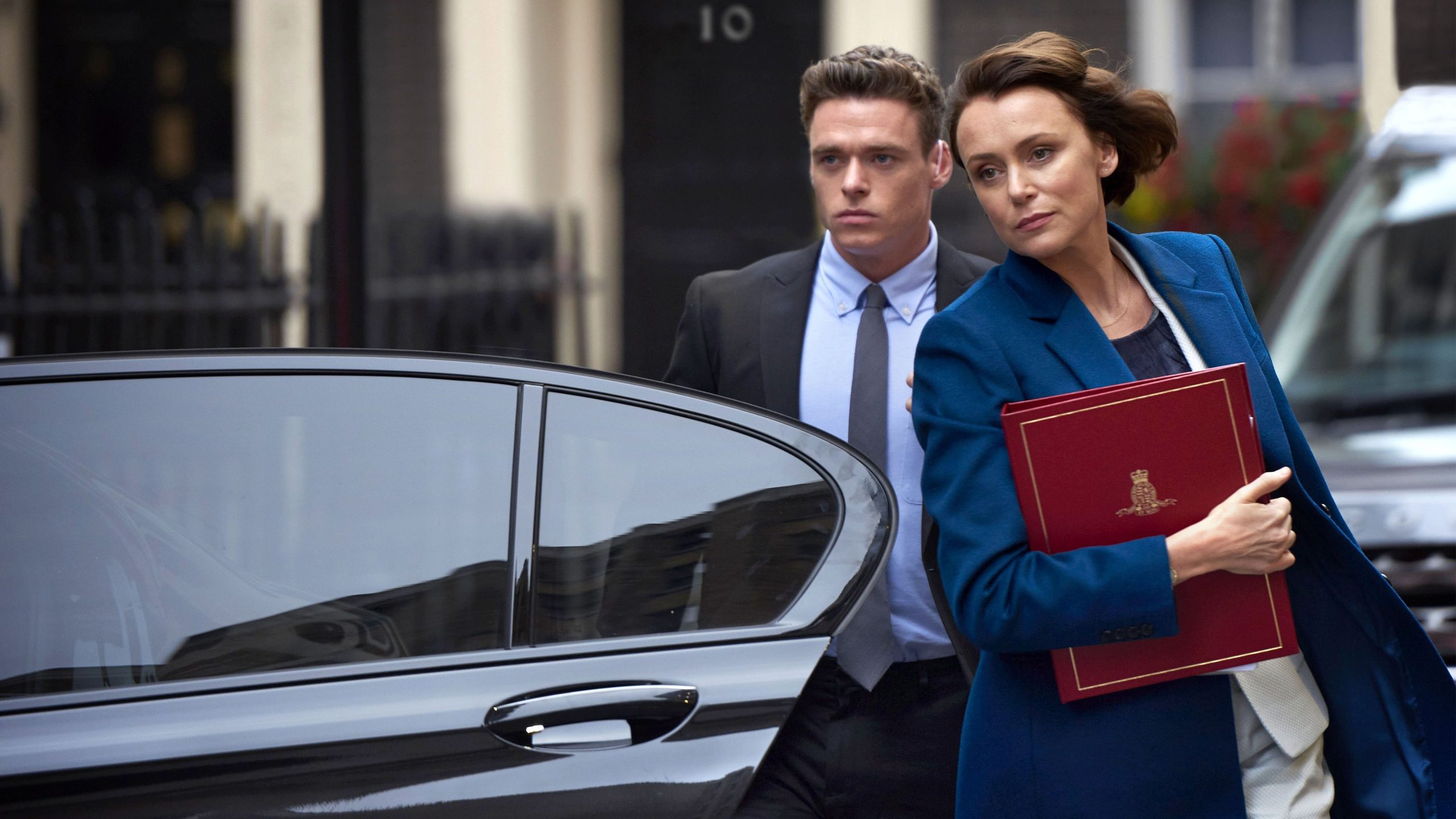
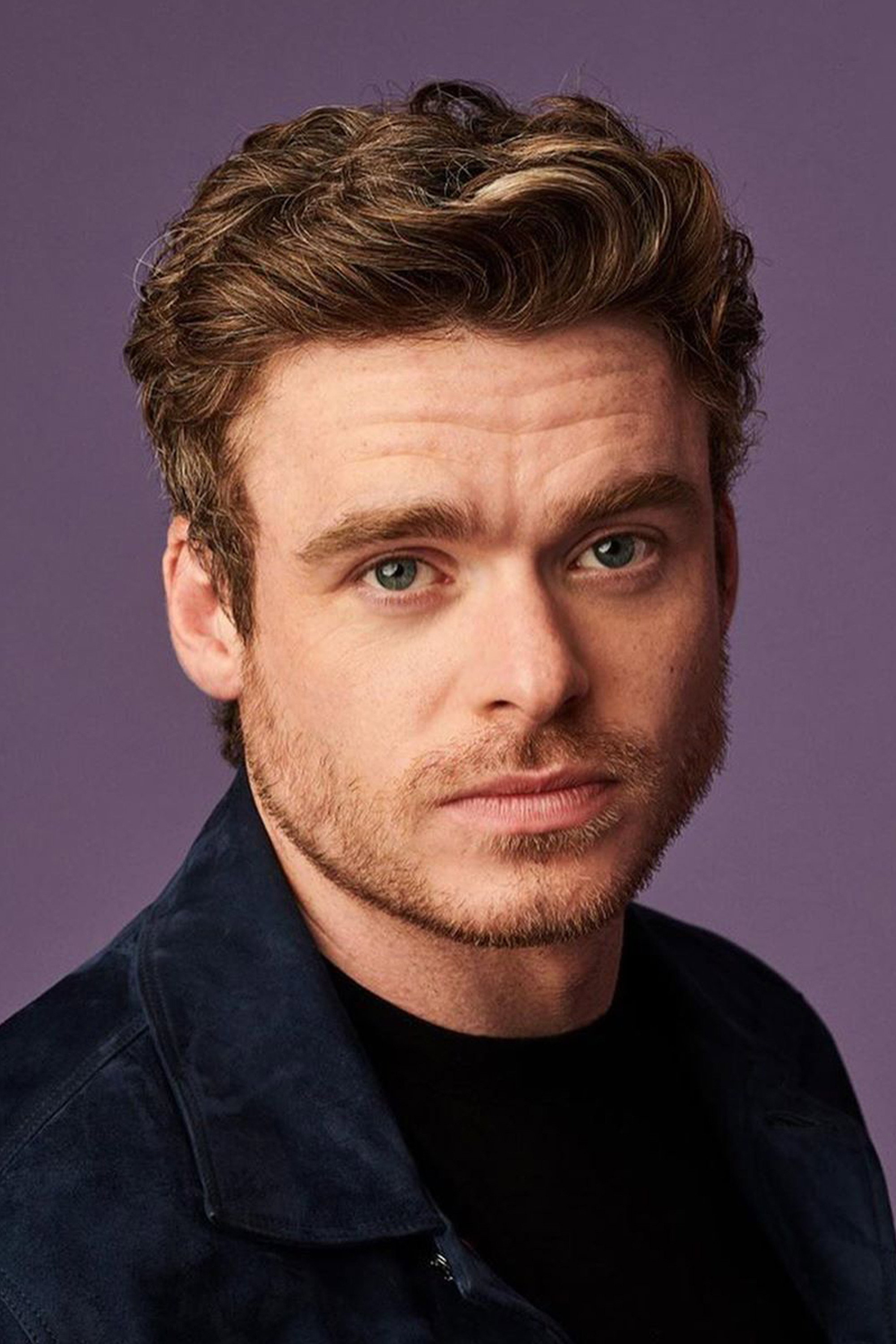
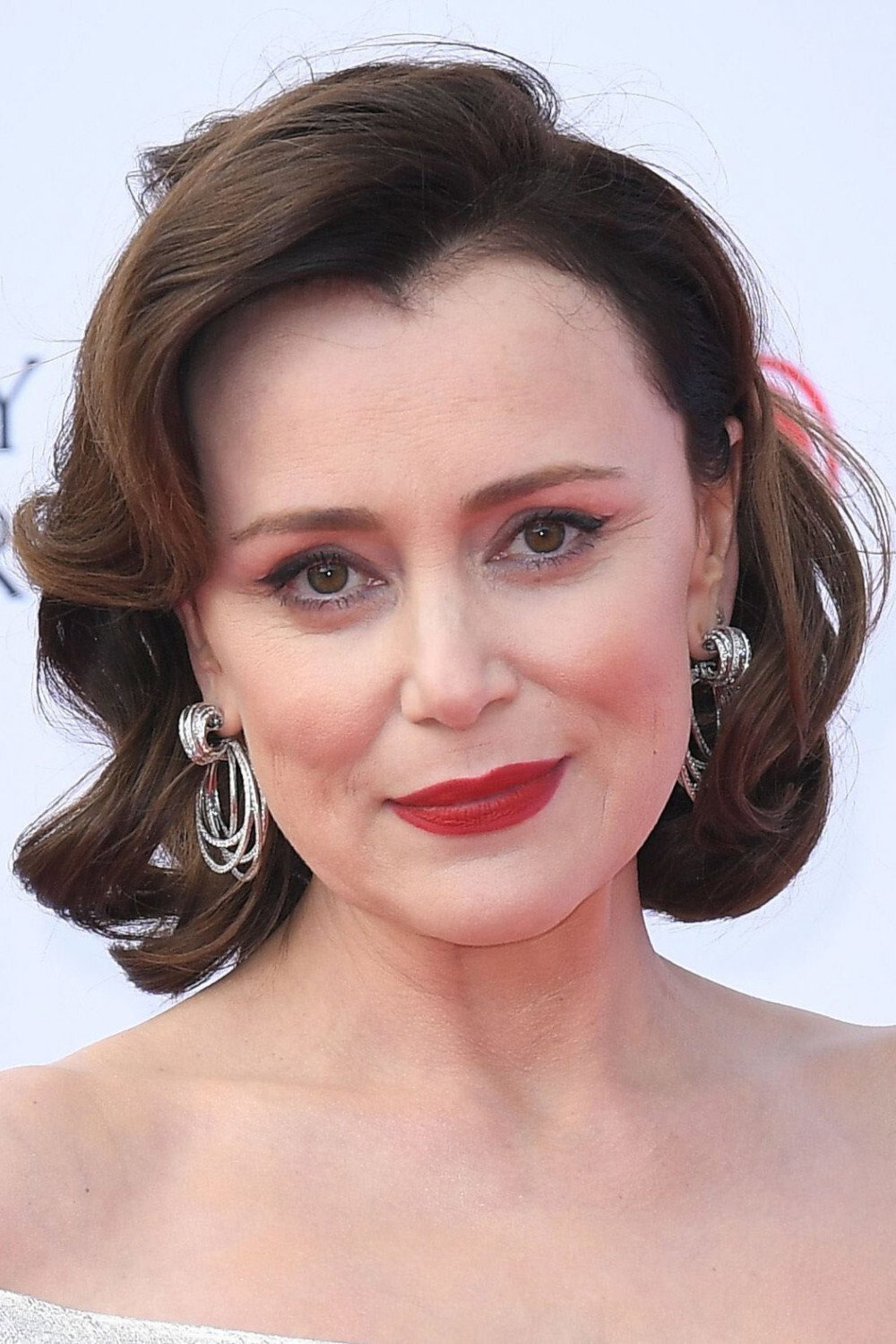
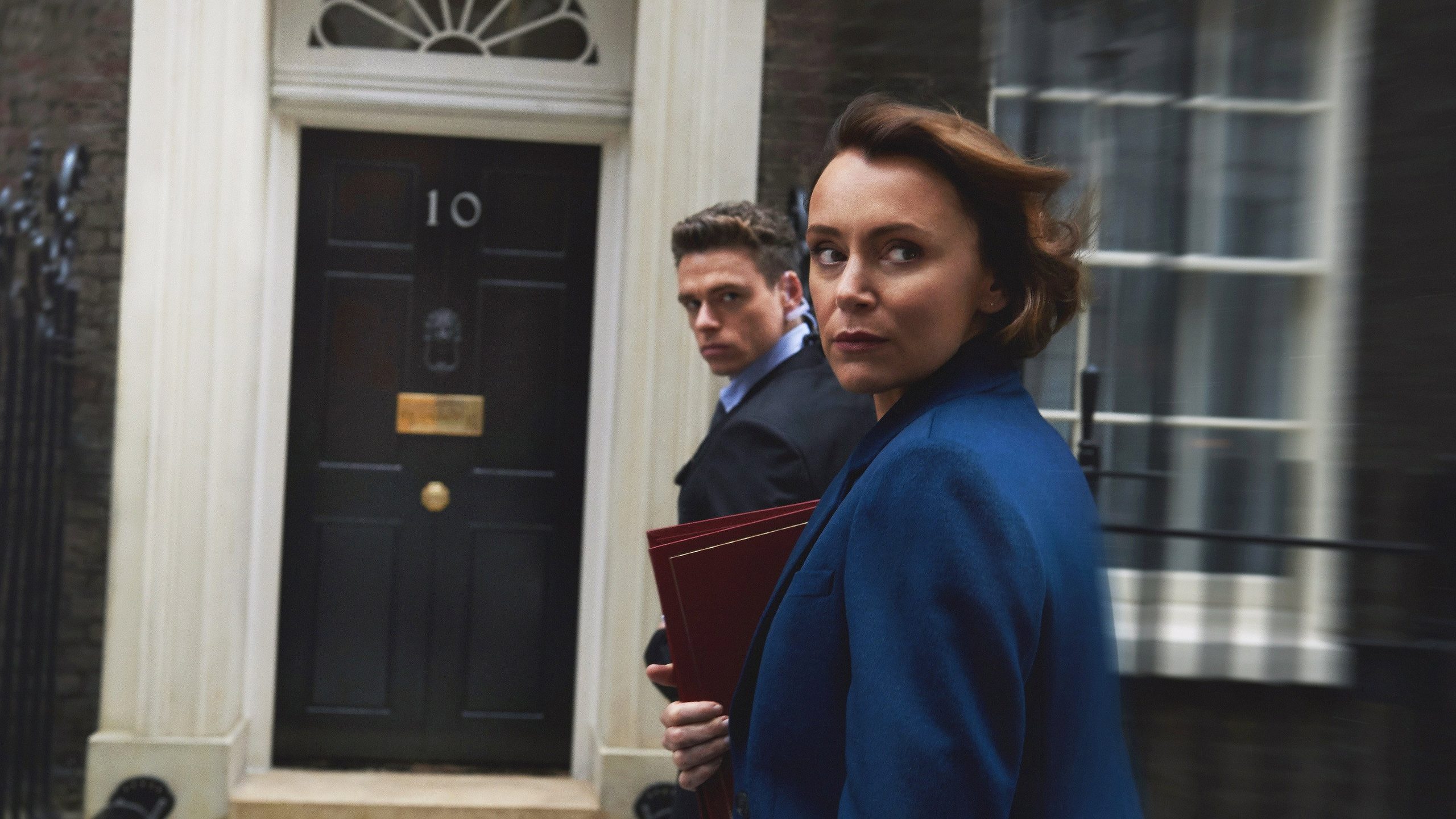
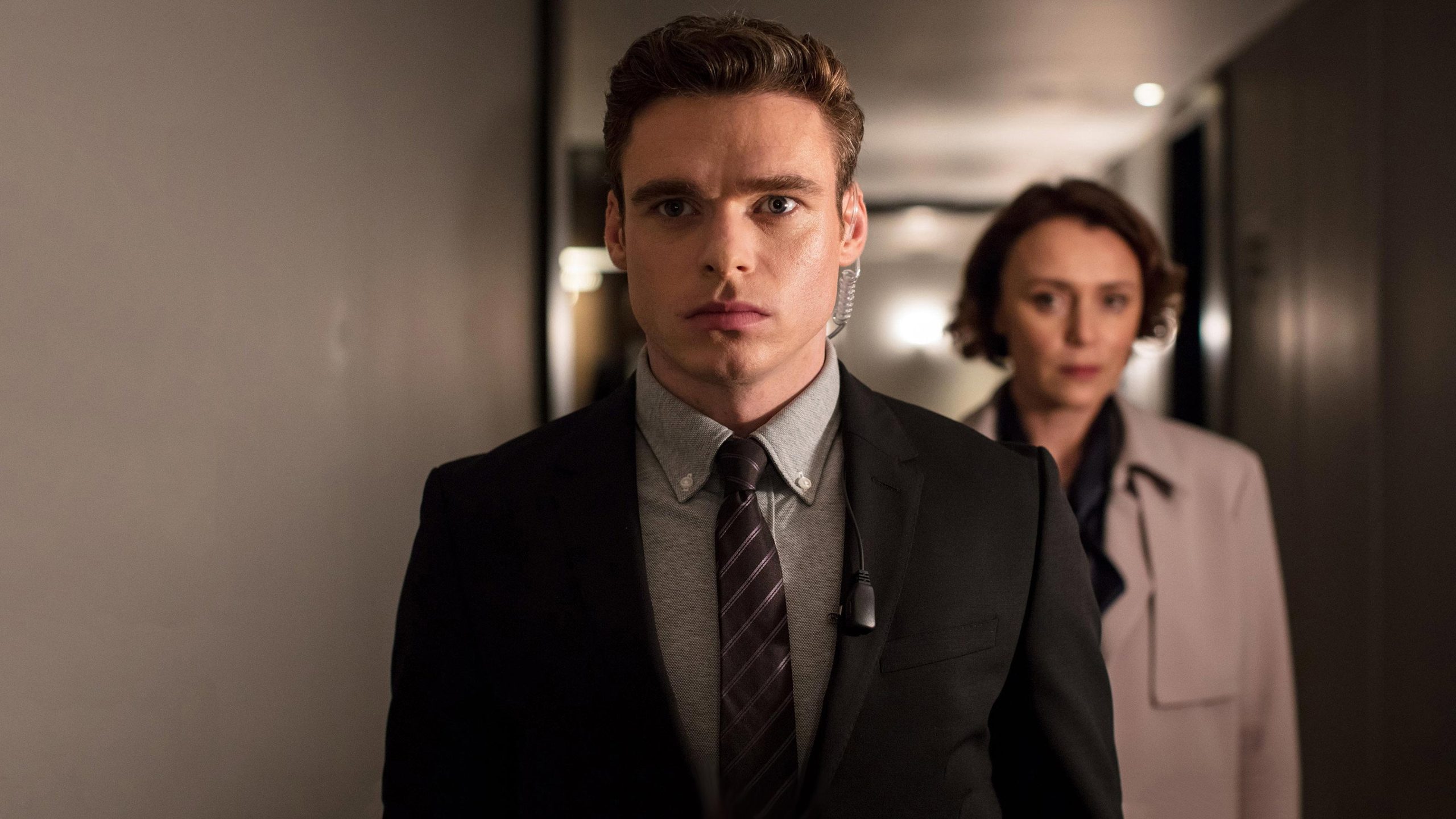
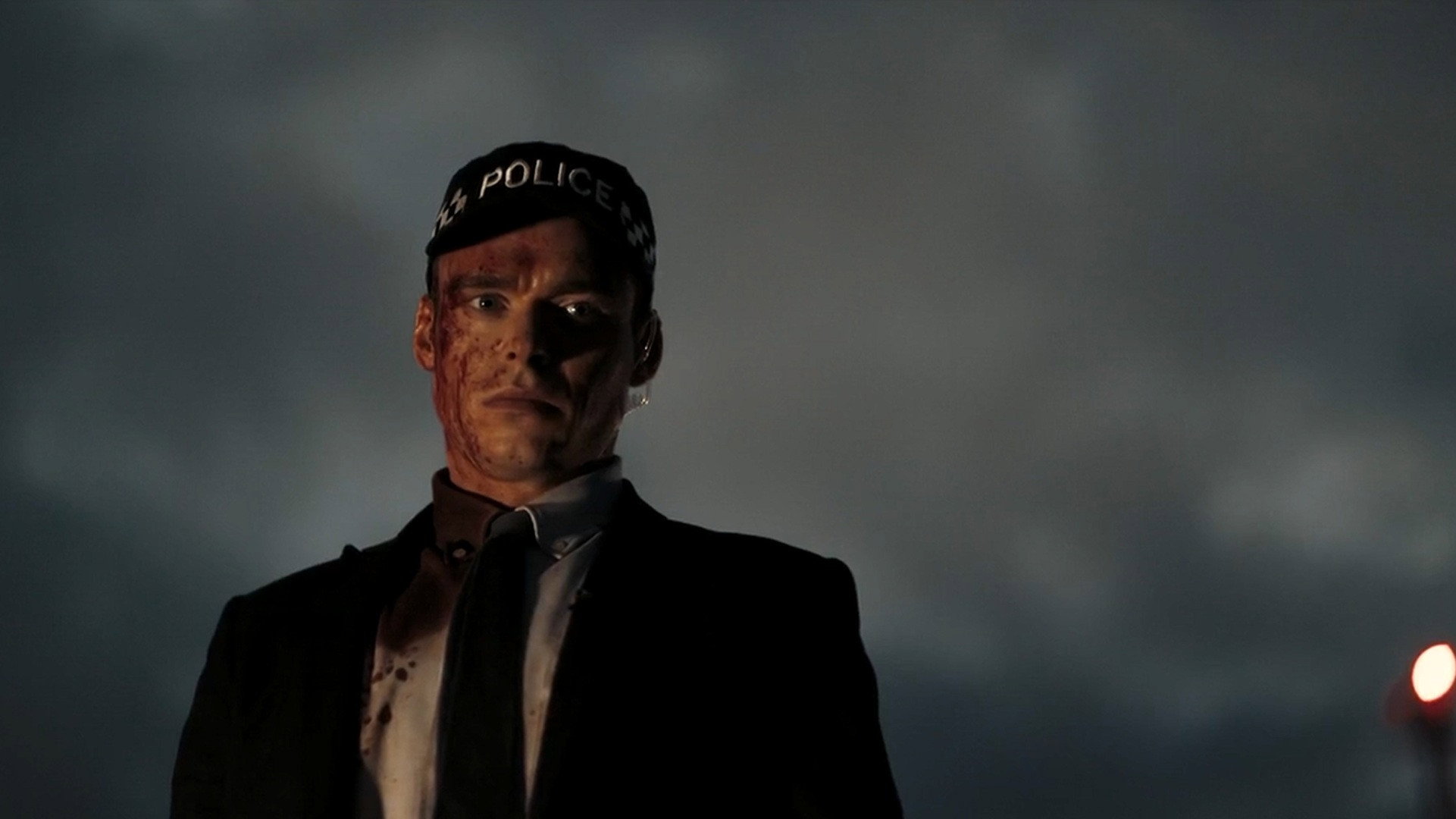
Richard Madden and Keeley Hawes make Bodyguard worth the strain it puts on the nerves. Jed Mercurio keeps the suspense tight, though the accumulating complications and thin politics ask for more indulgence than they deserve.
Bodyguard is good enough at creating alarm to keep us watching even when its explanations become doubtful. We recommend it to thriller viewers prepared to forgive some strained plotting. Across six episodes, creator and writer Jed Mercurio keeps personal distress close to public danger, giving the conspiracy consequences we can care about. The trouble comes when the accumulation of suspicions starts to obscure what anyone believes. By then, Richard Madden and Keeley Hawes have given us good reasons to stay.
The opening establishes how effective this can be, allowing the threat to occupy time instead of dispatching it in a quick burst of action. We were properly anxious watching it. Having to wait for the next move, without any assurance that anyone has control, makes the danger uncomfortable. Across the series, directors John Strickland and Thomas Vincent sustain that uncertainty, and the measured pacing gives the actors room to register the effort of holding themselves together.
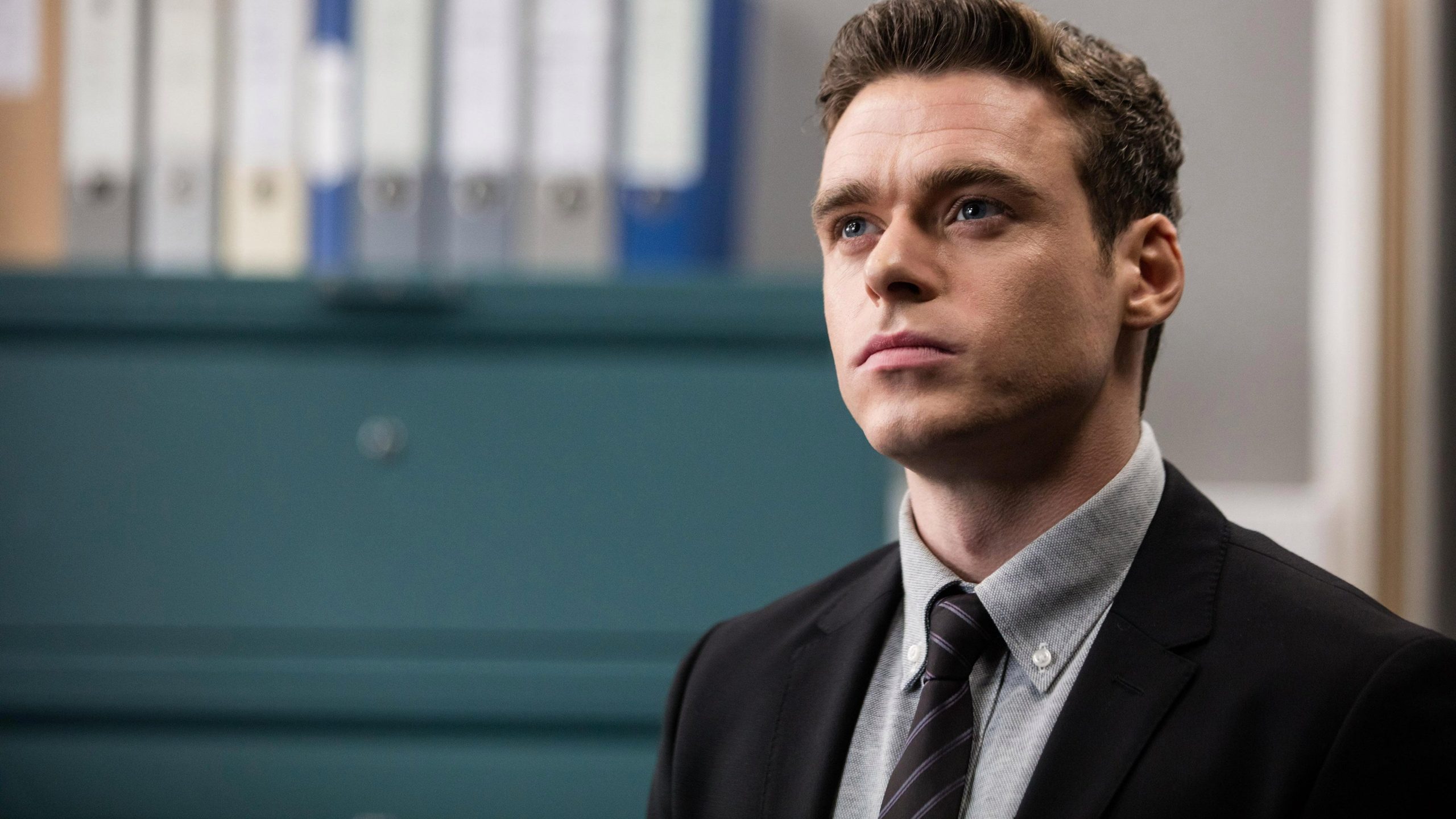
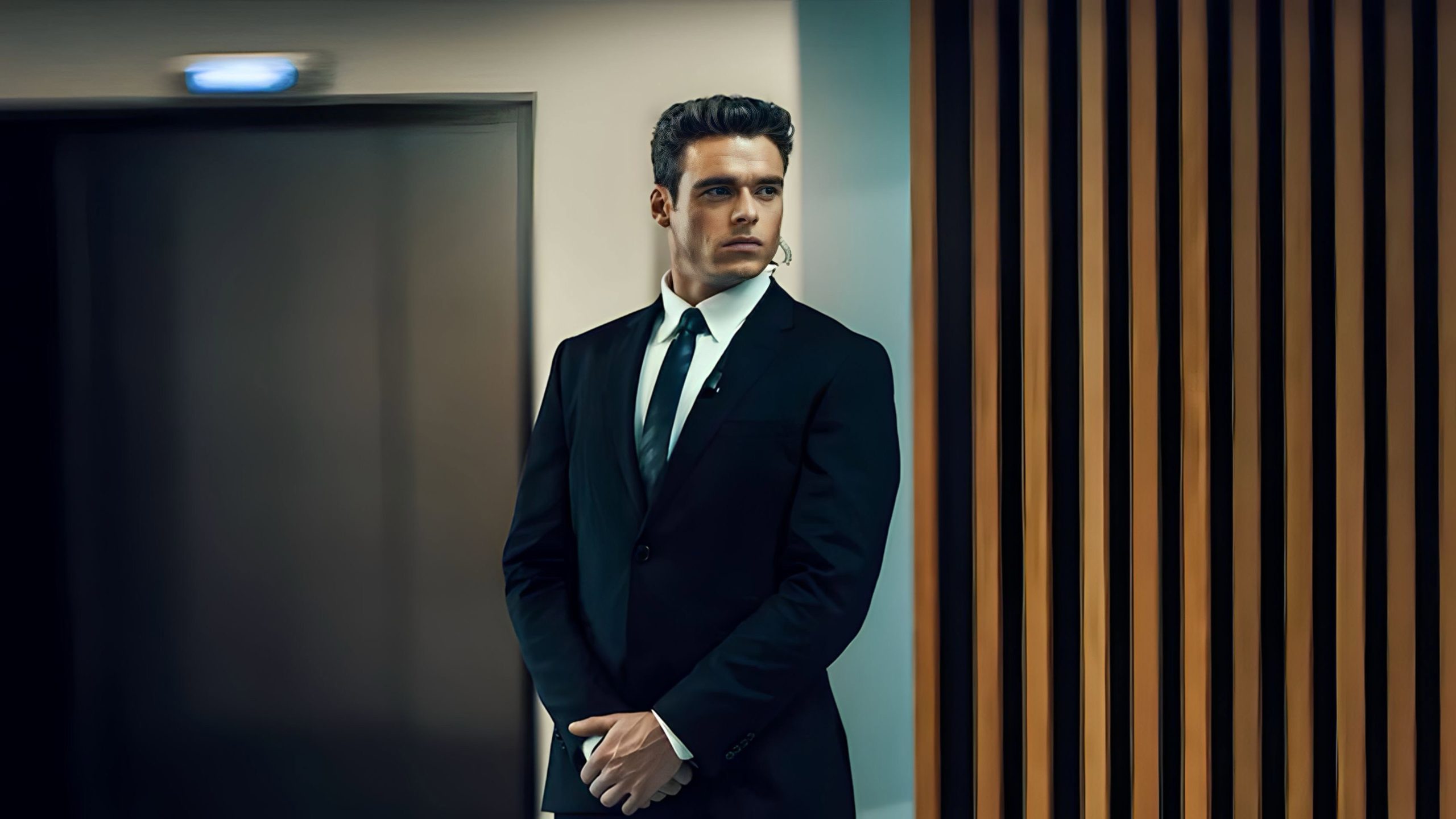
Richard Madden makes David Budd’s distress difficult to watch without turning every scene into a demonstration of suffering. The performance holds our attention through stretches when the plotting is already asking for a generous suspension of disbelief. Keeley Hawes gives Julia Montague enough force to prevent the drama becoming an extended inspection of its leading man. Together, they make shifts in trust feel consequential even when the surrounding intrigue is familiar. Their performances provide a reason to care about the next complication, beyond wanting to have guessed correctly.
John Lee’s cinematography helps by watching closely and keeping the surroundings recognisable. The London locations give the danger a credible setting, and Jamie Lapsley’s production design contributes to that plausible appearance. The editing is most effective when it preserves the feeling of events unfolding at their own uncomfortable speed. Music by Ruth Barrett and Ruskin Williamson supports the tension, though the patient camerawork does more to unsettle us. The series is particularly effective when it gives us time to look and worry before anything happens.
The problem is the number of complications Jed Mercurio asks the story to carry. Suspicion initially encourages close attention; later, almost any explanation seems liable to require another explanation. The twists do not become more convincing simply because the actors take them seriously. There are clumsy passages, too, when the writing loses the efficiency that makes the opening so persuasive. None of this removes the suspense, but it weakens our interest in the answers.
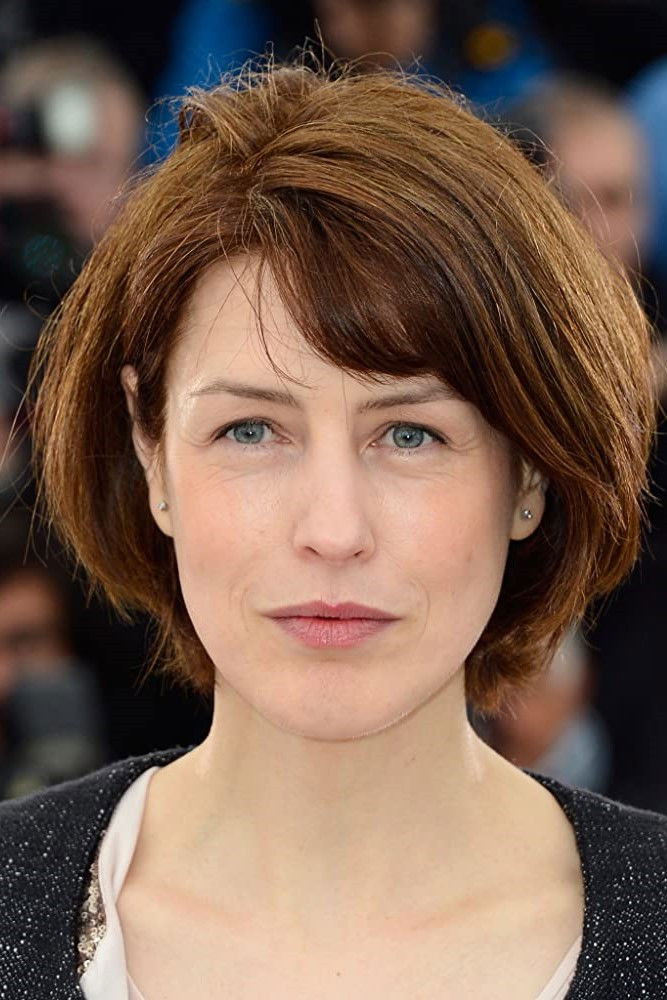
As a political thriller, it also grows too satisfied with the discovery that powerful people may be untrustworthy. That is a workable starting point, but six episodes should allow more discrimination between motives. Some of the women receive less attention than the force of the performances deserves, with Keeley Hawes making the unevenness especially noticeable. Implausibility itself need not be fatal to a thriller, provided the people remain convincing. Here the widening conspiracy sometimes makes them harder to understand.
The early patience is what we kept wishing the later plotting would recover. Still, the tension survives those lapses, helped considerably by performances that never treat danger as routine. There is enough here to reward an appetite for political intrigue, provided that appetite can survive a few dubious explanations. Watch when there is time for another episode; stopping may require more resolve than expected.