Series review

Dying for Sex

2025 · Directed by Shannon Murphy, Chris Teague · Series · 18

In a sentenceAll that sexual exploration, and we came away wanting to ring our best friend

DramaComedy

Molly Kochan (Michelle Williams) has terminal cancer and begins a search for sexual pleasure as she faces the prospect of dying. Her close friend Nikki Boyer (Jenny Slate) shares a central place in a story that follows Molly’s erotic discoveries alongside the relationship between the two women. Across eight episodes, the comedy-drama approaches illness through questions about desire, intimacy and the importance of friendship when time is limited. The cast also includes Jay Duplass as Steve, Rob Delaney as Neighbor Guy and Sissy Spacek as Gail.

Plays from YouTube when you press play; nothing loads from them until then.

Fi1m review

Michelle Williams and Jenny Slate make Dying for Sex a funny, tender comedy-drama worth watching. The writing is sometimes too pleased with its frankness, but Molly and Nikki’s friendship gives the terminal-illness story its emotional weight.

Dying for Sex is a warm, frank comedy-drama worth watching, although some of its characters deserve more attention. Molly Kochan has terminal cancer and wants to explore sexual pleasure, a premise writers Kim Rosenstock and Elizabeth Meriwether approach with welcome curiosity. They allow her to want something beyond comfort, reconciliation or the chance to reassure everyone around her. Occasionally the series seems rather pleased with its own openness, but Michelle Williams gives Molly enough weight to keep that from becoming the whole point.

Williams makes Molly’s sexual curiosity feel like a recognisable human appetite, even with illness complicating our response to it. The comedy does not require her to become an endlessly game heroine whom we must applaud for every new experience. Kink gets a welcome degree of playfulness, and sex is permitted to be funny without the people seeking it automatically becoming the joke. That matters in a story where the protagonist could easily be reduced to a diagnosis or a lesson in making the most of things.

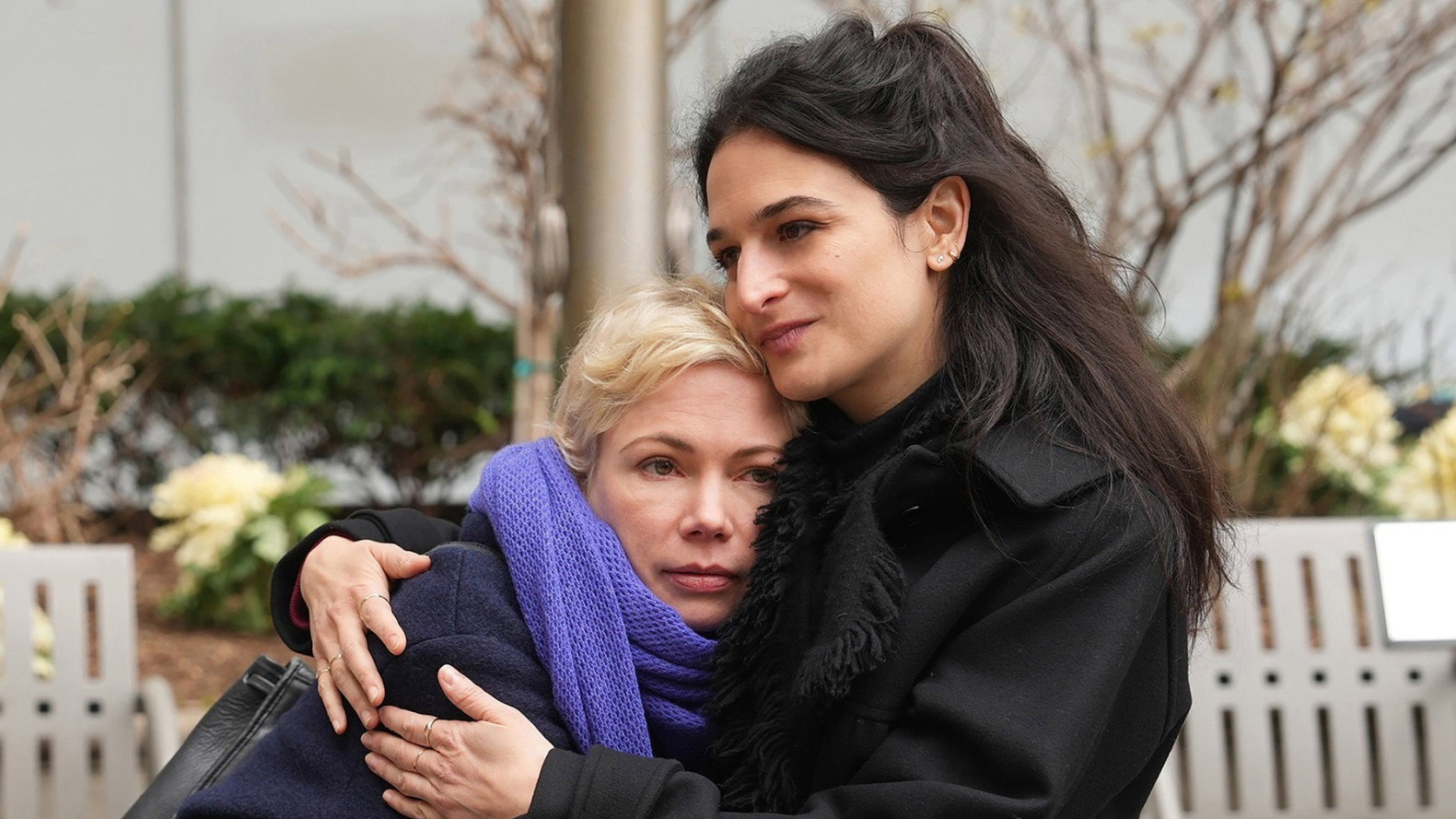
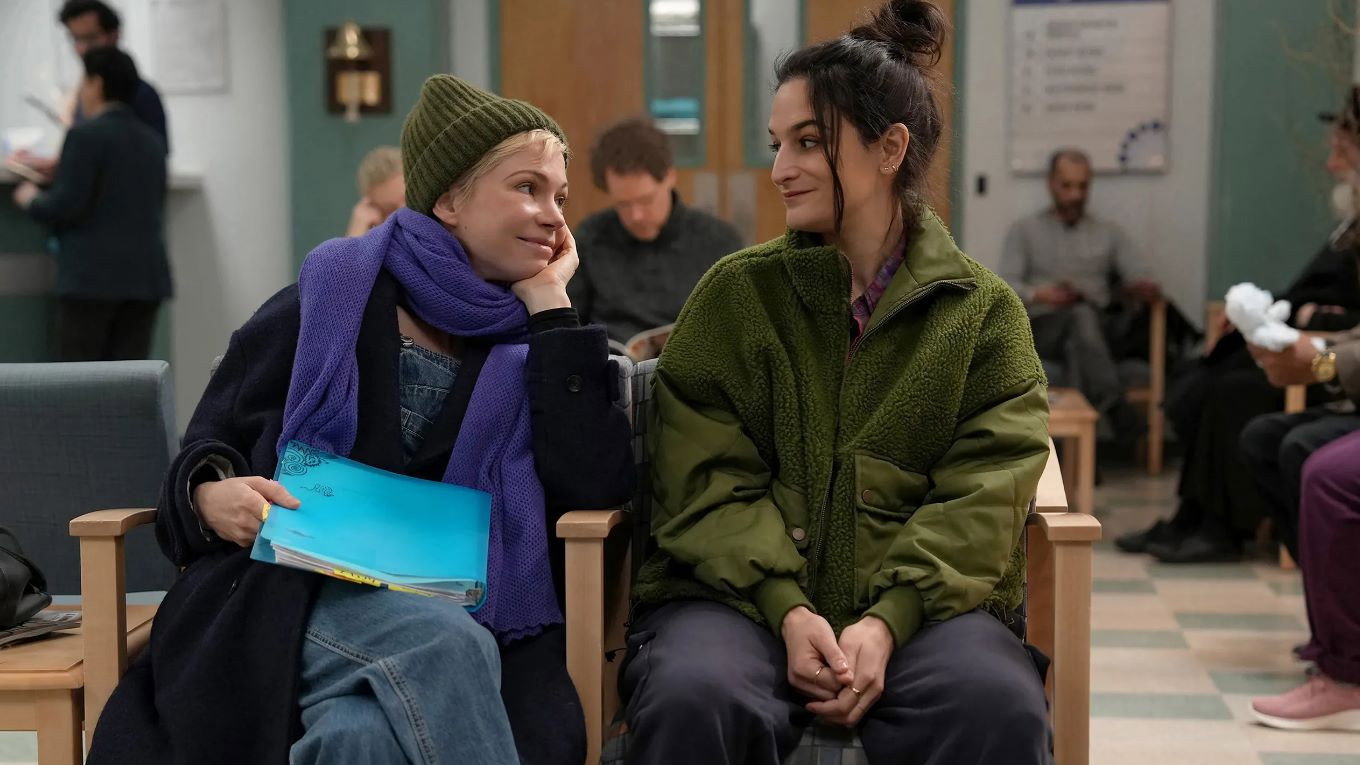
Jenny Slate’s Nikki Boyer gives the series another person worth caring about, and the ease between the two actors is its chief pleasure. Their friendship carries enough feeling to compete with Molly’s sexual discoveries for our attention, and the series lets it do so. We were moved by the tenderness in Molly and Nikki’s scenes together, because Williams and Slate make their closeness convincing without asking us to admire it. We do not spend those scenes waiting for the sex story to resume.

Directors Shannon Murphy and Chris Teague are strongest when they trust that relationship to hold our attention. Daniel Vecchione’s cinematography serves the intimacy of the performances, keeping the emphasis where it belongs. Michael Bricker’s production design is similarly unobtrusive; the surroundings do not compete with Molly and Nikki for attention. Neither contribution calls for much admiration on its own, but their restraint helps the scenes between Williams and Slate feel comfortable rather than insistently significant.

Editors Jon Philpot, Laura Weinberg, Jon Higgins and Steve Welch have to move between erotic comedy and the knowledge of terminal illness without making either feel like an interruption. For the most part, the changes of tone are easy to follow and give the friendship room to develop. Ariel Marx’s music is most effective in the gentler passages, though the actors remain the reason those passages affect us. The story has eight episodes in which to accommodate its competing interests.

A little more attention to Molly outside her sexual exploration would have made the writing stronger. There are stretches where curiosity about what she might try next takes precedence over curiosity about the rest of her life. Williams compensates for some of that, but the less developed supporting characters cannot all be rescued by performance. The occasional flippant moment also feels like an attempt to hurry us past an uncomfortable feeling before it has been properly considered.

A comedy about terminal illness has to let us laugh without suggesting that laughter has made the illness manageable. Here the approach mostly makes sense: Molly remains capable of curiosity and pleasure, and those things deserve attention without becoming evidence of exceptional courage. Anyone seeking a rounded account of her life may find the emphasis restrictive. We recommend it for Williams and Slate, provided the bluntness about sex is part of the appeal.


Critical consensus AI synthesised

75
Positive
7
Mixed
2
Negative
0

Most critics respond warmly to Dying for Sex, praising its frank treatment of female pleasure and its willingness to find comedy amid terminal illness. The performances draw consistent approval, particularly Michelle Williams and Jenny Slate’s chemistry, while Molly and Nikki’s friendship supplies much of the emotional weight. Praise also centres on the handling of sexual discovery and kink, with several reviews finding warmth and humour where a more conventional cancer drama might settle for solemnity.

The reservations concern how fully the series develops the life surrounding that sexual quest. The Telegraph finds the tone too flippant at times, though it values the tender friendship scenes. The Hollywood Reporter offers the strongest dissent, finding the characters underdeveloped and the treatment of Molly emotionally incurious. The spread is fairly wide rather than unanimous: most reviews credit the balance of comedy and grief, while the less persuaded find that emotional depth wanting.

The Guardian
4 April 2025
90*

The series upends expectations for on-screen sex with its feminist focus on a woman's quest for pleasure amid terminal illness. It singles out the deepening friendship between Molly and Nikki for particular praise as it expands the idea of a soulmate.

Read the full review →
Variety
4 April 2025 · Alison Herman
90*

It is a superb, defiantly joyful and lewdly hilarious work that honors the real-life story's rejection of typical terminal-illness narratives through candid exploration of sex, friendship and mortality, buoyed by strong performances.

Read the full review →
The Independent
4 April 2025
85*

Williams excels in this wise, warm and raunchy comedy that finds new life near death. It singles out the intimate portrayal of Molly's interior life and the gentle comedy for making the series soothing and universal.

Read the full review →
The AV Club
27 March 2025 · B · Tim Lowery
77

The critic praises the show's ability to balance comedy and tragedy in a story about a woman with terminal cancer embarking on sexual exploration, highlighting its buoyant tone, strong performances especially from Michelle Williams and Jenny Slate, and emotional depth without being dismal.

Read the full review →
The Times
4 April 2025 · Janice Turner
70*

The series daringly defies cancer drama clichés by focusing on a woman's sexual quest. It questions whether the story would be celebrated if the protagonist were male.

Read the full review →
The Telegraph
4 April 2025 · ★★★ · Anita Singh
60

The drama feels too flippant at times despite strong performances. It singles out the tender friendship scenes between Molly and Nikki as the most moving elements.

Read the full review →

Cast

Stills

If you liked this, try…

Good Luck to You, Leo Grande poster

Good Luck to You, Leo Grande

2022 · Another frank account of a woman learning to ask for sexual pleasure.

Gloria poster

Gloria

2013 · A woman’s appetite for company and pleasure receives patient, unsentimental attention.

Harold and Maude poster

Harold and Maude

1971 · Sexual discovery and mortality meet in a comedy with little respect for propriety.

The Farewell poster

The Farewell

2019 · Illness and family obligation produce awkward comedy without making the sadness smaller.

Please Like Me poster

Please Like Me

2013 · Sex, friendship and mental illness share space without requiring a solemn introduction.