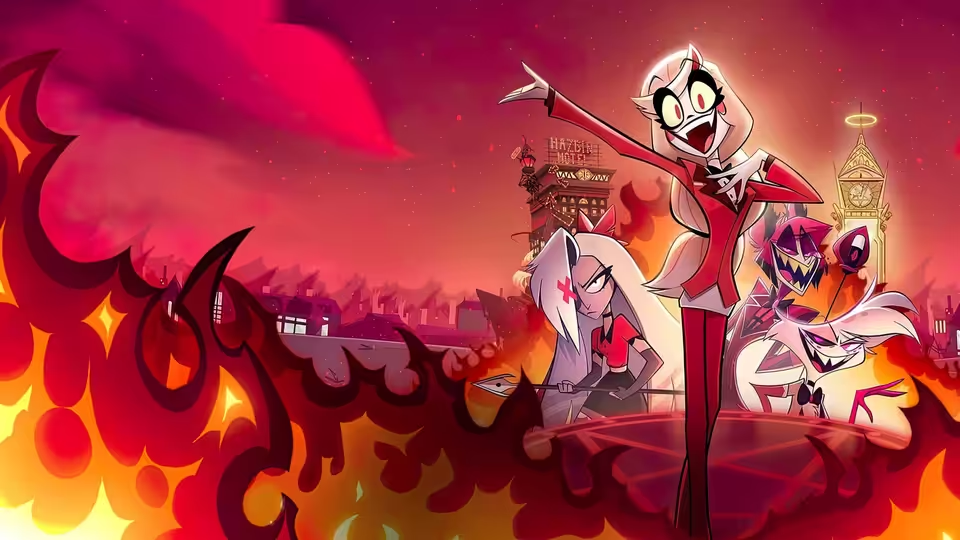
We recommend Vivienne Medrano’s adult animated musical for its songs and voice cast. The storytelling is harder work: Hell has plenty going on, and too little of it gets explained clearly.
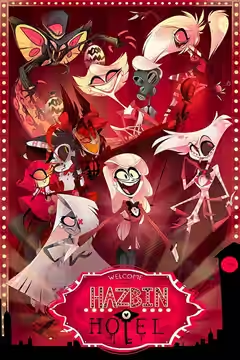
Hazbin Hotel works best when it sings, and we recommend it to anyone who likes their animation loud, rude and musical. Creator and director Vivienne Medrano puts an earnest concern for people inside a setting that seems determined to advertise its bad behaviour. That combination gives the series something worth pursuing, even when the jokes make a great deal of fuss about being for adults. The trouble is that the storytelling keeps hurrying past matters the audience needs time to understand.
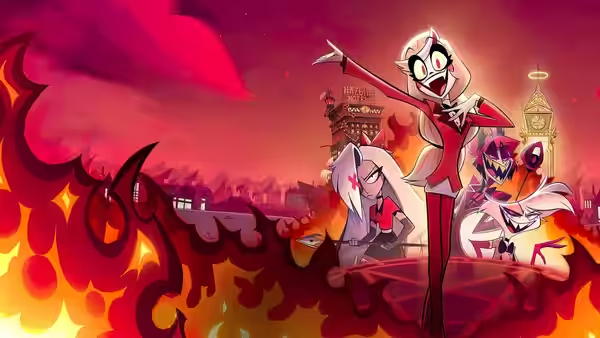
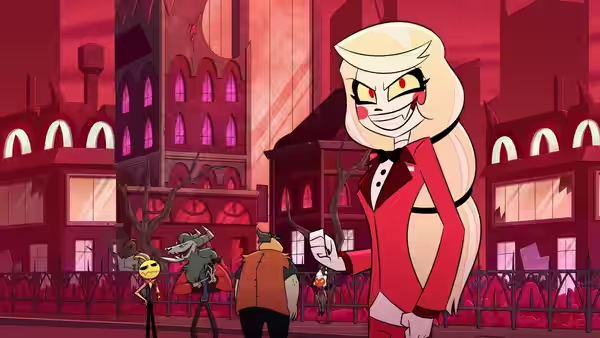
The animation has enough personality to hold attention before a character opens their mouth. Vivienne Medrano’s Hell is busy and emphatically stylised, which suits the broad performances, although a distinctive look cannot explain how a fictional world operates. We can enjoy an image and still wonder why somebody is doing something. Too often, the series treats another burst of activity as sufficient reason to move on, leaving its rules and motivations less clear than they need to be.
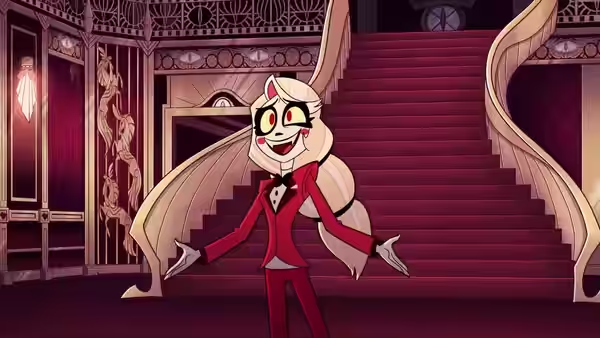
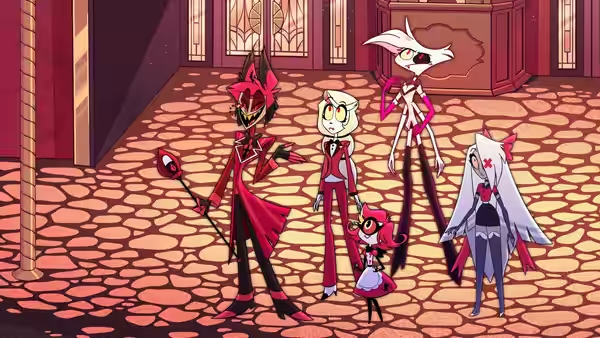
The voices give us a firmer reason to stay: Erika Henningsen as Charlie Morningstar, Stephanie Beatriz as Vaggie and Blake Roman as Angel Dust give the ensemble considerable assurance. The singing allows the show to be sincere without becoming coy about its rude material. We were won over by the feeling in those performances, particularly because the surrounding humour had led us to expect another joke. The musical passages give us time to care about characters whom the dialogue can seem impatient to get through.
Evan Alderete, Brian Sadler and Gooseworx have music credits, and the range of musical styles helps keep the numbers from becoming interchangeable. The songs earn their prominence: they supply pleasure and a sense of occasion that the hurried storytelling cannot always manage. There is a useful lesson here for adult animation, which can become wearying when provocation is its only source of energy. Hazbin Hotel is more engaging when it lets its cast sing than when it insists on reminding us how outrageous it is.
Andrew Thompson and Scott Henry are credited with editing, and lack of momentum is scarcely the problem. The first season has eight episodes, but the amount of mythology and character business makes that space feel cramped. Episodes can leave us struggling to understand a motivation before the next development demands attention, which makes the thin characterisation particularly frustrating beside such capable voices. A brisk pace is welcome in a comedy; here, we sometimes wanted another scene before the story moved on.
The writing also settles for a more conventional view of goodness than the setting initially suggests. Putting familiar moral lessons in Hell can be funny, but the contrast needs sharper jokes and more curiosity than the series consistently supplies. The wholesome streak is appealing, and we would not ask Vivienne Medrano to replace it with automatic cruelty. We would ask for fewer competing demands on our attention, so that the serious feelings have room to develop outside the songs.
For anyone tired of adult animation that treats sincerity as an embarrassment, there is something welcome here. The series does not need to become respectable, quiet or tasteful to improve; it needs to give its characters more space between the big numbers. We would gladly trade some bustle for that. Try it for the singing, provided a messy story is a price worth paying.