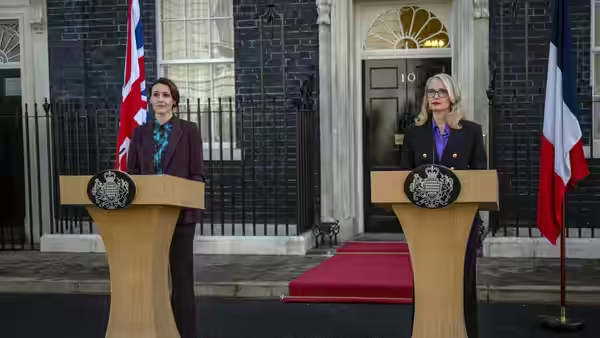
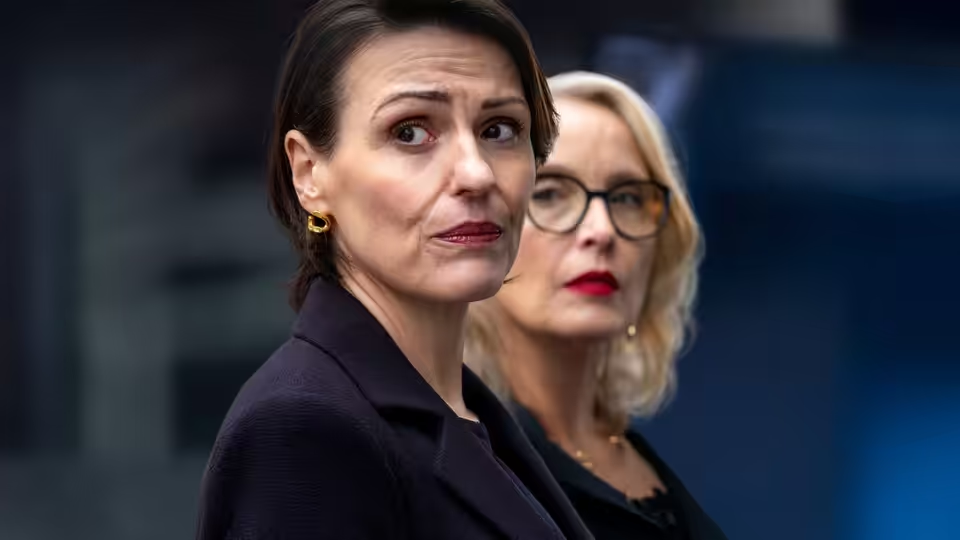
Abigail Dalton (Suranne Jones) and Vivienne Toussaint (Julie Delpy) standing outdoors together
Series review

Hostage

2025 · Created by Matt Charman · Series · KAVI K16

In a sentenceSuranne Jones and Julie Delpy could probably run a country, provided nobody made them follow this script

A drug shortage and a kidnapping put political leaders under pressure in Hostage, a five-episode drama about power and misogyny. Suranne Jones plays Abigail Dalton and Julie Delpy plays Vivienne Toussaint, women facing crises that test their authority and complicate their dealings with one another. Ashley Thomas plays Dr Alex Anderson, alongside Corey Mylchreest as Matheo Lewis and Isobel Akuwudike as Sylvie Anderson. The cast also includes Lucian Msamati as Kofi Adomako, Martin McCann as John Shagan and Hiftu Quasem as Ayesha.

Plays from YouTube when you press play; nothing loads from them until then.

Fi1m review

Suranne Jones and Julie Delpy keep Hostage watchable through political crises that rarely withstand scrutiny. Across five brisk episodes, it offers enough tension for thriller devotees, but little reason to take its politics seriously.

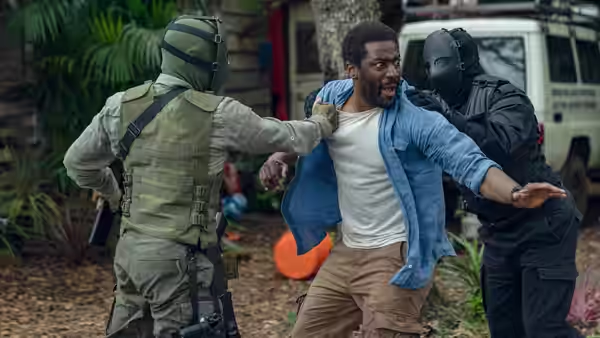
Hostage is a watchable political thriller whose two leads deserve a more convincing script. Matt Charman sets a drug shortage and a kidnapping among the crises facing political leaders, giving the drama ample reason to hurry. Across five episodes, it asks how women exercise power under pressure and amid misogyny, although it rarely stays with a decision long enough to examine it. The pace helps, particularly when the alternative would be another opportunity to question the plot.

Suranne Jones, as Abigail Dalton, and Julie Delpy, as Vivienne Toussaint, provide most of the reason to continue. Their partnership gives the series a centre that the succession of crises cannot supply on its own. We were gripped by the kidnapping more than we expected to be, because the leads make the pressure feel serious even when the plotting is doubtful. Their conviction keeps our attention on the people affected, and for a while that is enough.

Charman is less persuasive when those people have to exist beyond the immediate emergency. The writing invokes power and misogyny, but offers too little detail about how either shapes the leaders’ choices. A shortage of medicines ought to produce difficult questions about priorities and responsibility; here, its chief value is that it gives the thriller another urgent problem. We need a firmer sense of what these women believe before their decisions can carry the importance the series assigns them.

Directors Isabelle Sieb and Amy Neil keep events moving, with little temptation to linger over the weaknesses. Editors Ben Drury and Jesse Parker maintain the brisk pace, and the five-episode length is a sensible fit for this material. There is little of the waiting that can drain a television thriller, and the series benefits from getting on with its emergencies. The compactness is welcome even when the speed conceals a weak connection between events.

Catherine Derry’s cinematography is unobtrusive, which suits a drama carried so heavily by its performers. Arwel Jones’s production design is less helpful: this political world feels too generic to tell us much about the people working in it. Jeff Russo’s music adds urgency without giving the crises much additional weight. The supporting craft is competent, but it is the casting that makes the programme worth considering.

A political thriller need not offer a civics lesson, and the melodrama is not itself the problem. There is pleasure in watching capable actors commit to an implausible emergency without apologising for it, something this cast understands. But even a cheerfully unlikely thriller needs characters whose behaviour we can follow and decisions that have convincing consequences. Charman’s writing provides too few of those, so the excitement becomes harder to sustain once we stop granting it the benefit of the doubt.

There is still enough entertainment here for viewers who enjoy a political thriller and can forgive some loose plotting. We would recommend it chiefly for Jones and Delpy, with a firm warning that its interest in government is limited. Choose it for the company, and resist the temptation to pause and discuss whether any of this makes sense.

Critical consensus AI synthesised

58
Positive
5
Mixed
3
Negative
3

Most critics agree on the performances and on little else. The reviews split almost evenly on the series itself, but nearly every one of them, warm or cold, praises Suranne Jones and Julie Delpy, and several find something refreshing in a political thriller built around two women in charge. The admirers call it fast, twisty and topical: a five-episode thriller that gets on with it and does not outstay its welcome.

The reservations cluster on the plot. Even the warmer reviews concede the storyline is far-fetched and the tone drifts towards soap; the cooler ones say the contrivances sink it. The Telegraph finds it overstuffed with too many crises, and The Times argues the soap-opera tropes undermine the suspense. The Hollywood Reporter dismisses it as generic and thinks the leads deserve better material. The spread is wide, from Collider’s enthusiasm to that dismissal, with a cluster in the middle calling it pleasant and forgettable: watched in a weekend, then not thought about again.

The Guardian
21 August 2025
80*

The critic praises the series as a rollicking, propulsive and compulsive yarn that gives strong parts to two women of a certain age and feels refreshing in its portrayal of female leaders. They single out the globetrotting fun, strong performances especially from Suranne Jones, and the intelligent handling of political and moral questions.

Read the full review →
Evening Standard
20 August 2025
75*

The critic calls it a sharp, twisty and engrossingly topical thriller with pace and strong performances from Jones and Delpy. They single out the powerhouse main performances and the compelling mirroring of contemporary politics for praise while noting occasional pulp excesses.

Read the full review →
Empire
21 August 2025 · David Opie
70*

The critic finds the series a lean, entertaining but shallow and vacuous political thriller that avoids Netflix bloat. Jones and Delpy's performances and the propulsive pace are singled out for praise amid the silliness.

Read the full review →
Variety
21 August 2025 · Aramide Tinubu
70*

The critic calls it a fast-paced, jaw-dropping thriller with strong turns from Jones and Delpy that explores power and misogyny, but notes its soapy quality and far-fetched plot points. Overall, it is deemed worth the ride.

Read the full review →
Radio Times
21 August 2025 · ★★★
60

The series is a pleasant enough thriller with fine performances and some surprises that fits the binge-watch model perfectly. It is ultimately forgettable and does not take any big swings or linger after viewing.

Read the full review →
The AV Club
20 August 2025 · C- · Brian Tallerico
50

The series is a shallow political thriller that feels like a lighter version of The Diplomat and will likely be forgotten quickly. It centers on world leaders facing crises including a drug shortage and a kidnapping but lacks depth or satisfying payoff.

Read the full review →

Straight answers AI written, from our review

Is Hostage worth watching?
Hostage is worth watching for viewers who enjoy a political thriller and can forgive loose plotting, and we scored it 64. Suranne Jones and Julie Delpy make the kidnapping and the drug shortage feel serious even when the script does not withstand scrutiny. Come for the two leads rather than for anything it has to say about government.
How long is Hostage, and what is it rated?
Hostage is rated K16 by the KAVI in Finland. It is a drama and war & politics series.
Where can I watch Hostage in Finland?
Hostage is streaming on Netflix in Finland. Availability is checked daily; the links above go straight to each service.
How violent or frightening is Hostage, and is it suitable for children?
Hostage carries a UK 15 certificate, so it is not intended for children and is best kept to older teenagers and adults. The tension comes from a kidnapping and a political emergency rather than from anything the review singles out as graphic. The squeamish should be fine; younger viewers are not the audience.
How does Hostage compare to Borgen?
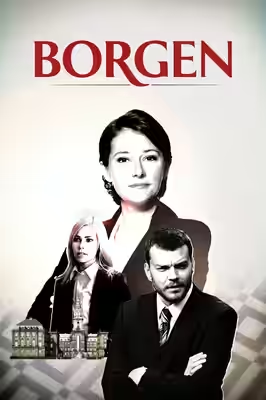
Hostage is the faster and shallower of the two, a five-episode thriller that hurries past the decisions Borgen takes time to weigh. The Danish series shows political choices costing their makers something, and is the more intelligent and better written programme, though it is tidy to a fault. Choose Hostage for a brisk evening with Jones and Delpy, and Borgen if you want the politics to matter.
What should I watch after Hostage?
After Hostage, try Borgen (2010, Fi1m 84): For political decisions that cost their makers something, with time to show why. Then State of Play (2003, Fi1m 88): Another British thriller driven by a capable cast, with firmer political foundations.

Cast

If you liked this, try…

  1. Borgen (2010, Fi1m 84)For political decisions that cost their makers something, with time to show why.

  2. State of Play (2003, Fi1m 88)Another British thriller driven by a capable cast, with firmer political foundations.

  3. The Bureau (2015) · not reviewed yetFrench intelligence work gives professional loyalties and private attachments room to become difficult.

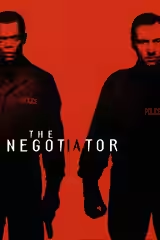
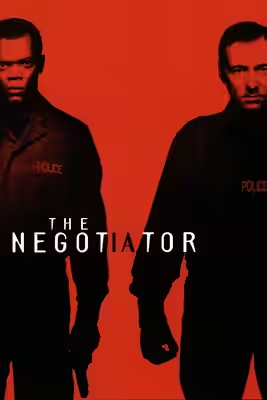
  4. The Negotiator (1998) · not reviewed yetA hostage thriller whose actors make the pressure worth accepting the contrivances.

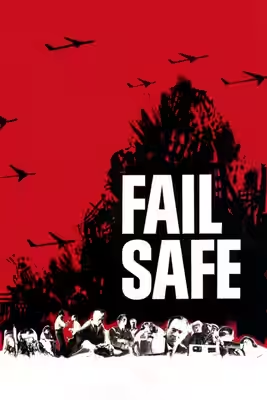
  5. Fail Safe (1964) · not reviewed yetFor leaders facing catastrophe in a thriller that takes their decisions seriously.

Free account

Know what to watch tonight

Two lists that know where things are streaming, collections you can share, your own score beside ours, and Discover that remembers what you have seen.

  • Want to see, sorted by what is streaming now
  • Seen, with your score out of ten
  • No adverts, ever