Mo Amer’s comedy about a Palestinian refugee in Houston is funny, warm and frank about the strain of waiting to belong. Its loose storytelling occasionally drifts, but the family is worth staying with.
Mo is funny, affecting television, and its untidy storytelling is a forgivable fault. Mo Amer plays Mo Najjar, a Palestinian refugee in Houston trying to earn a living while his immigration status remains unresolved. Amer is also among the writers, alongside Ramy Youssef, Sophia Lear and Luvh Rakhe. Our recommendation rests on the first series, whose eight episodes make the time spent with this family matter even when the plot is going nowhere.
Amer’s appeal matters because so much of the programme depends on wanting to spend time with Mo between developments in his case. His humour grows out of the effort of getting through a day, carrying the frustration of someone who cannot make the important decisions himself. He is persuasive company, and the jokes rarely feel imposed on the difficulties he faces. That gives the series room to attend to work and family without constantly manufacturing another comic predicament.
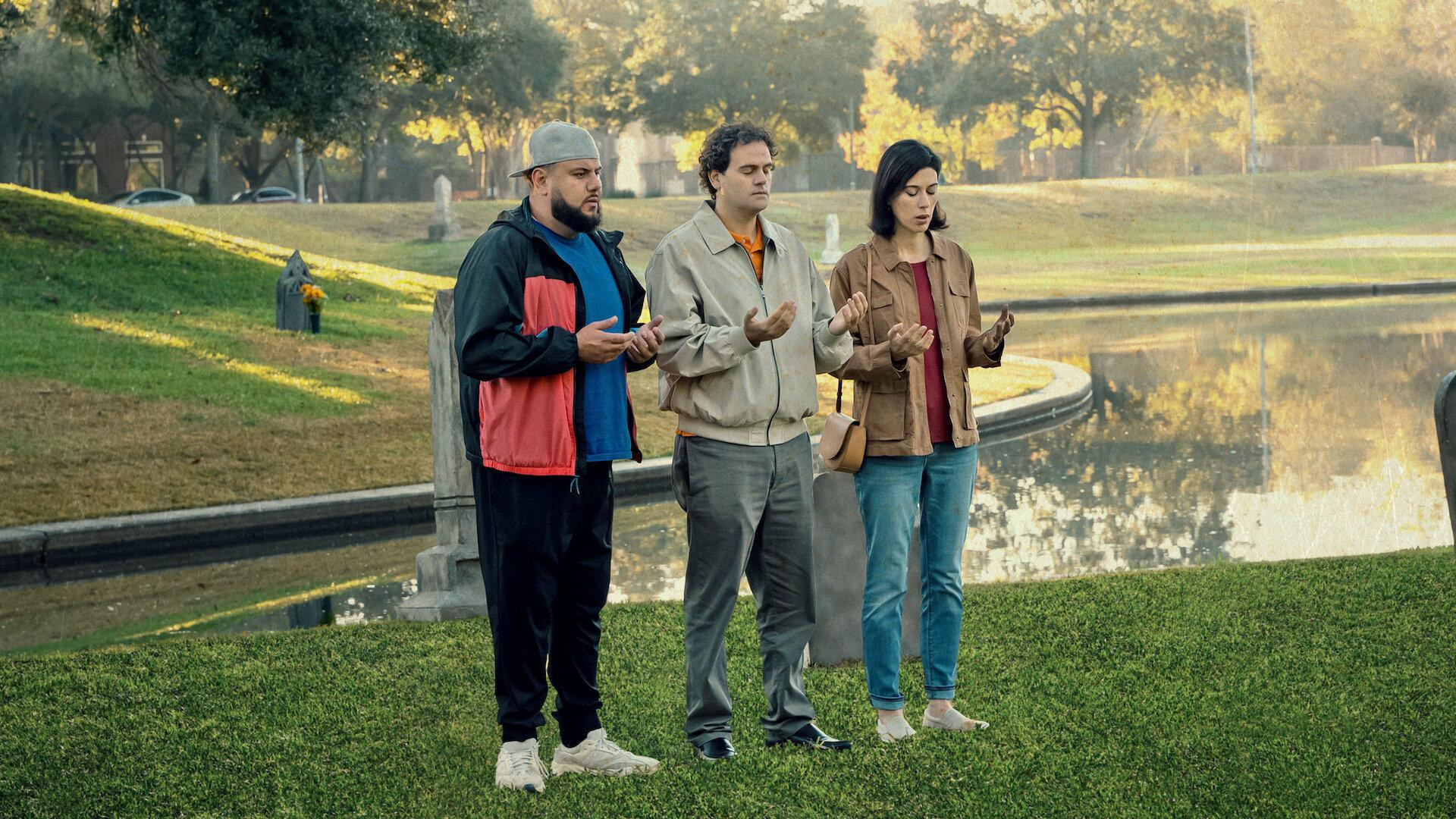
The family material is what makes that time worthwhile. Farah Bsieso plays Yusra Najjar and Omar Elba plays Sameer Najjar, and the ensemble has the ease that lets a conversation matter without everyone seeming to deliver a point. We found the family’s uncertainty upsetting, because their need to earn a living cannot wait for a decision on their right to stay. The grief and trauma behind their present circumstances are given room without making suffering their only subject.
Solvan Naim’s direction allows the first series a relaxed pace across its locations and flashbacks. That freedom suits a comedy interested in the people Mo encounters and the different communities around him in Houston. It also means the changes between everyday humour and painful family history need not feel like a formal pause for seriousness. The flashbacks help explain why these lives carry more pressure than their present-day routines might suggest.
Karriem Riggins’s music suits that easy movement between humour and sadness, without insisting that each change should announce itself. Carmen Navis’s production design keeps the everyday settings believable as places where people have work to do and families to look after. Their contributions help Houston feel like a place where Mo already has a life, however uncertain his permission to continue it. The series spends enough time in these surroundings for them to become familiar.
The loose plotting is also the main reservation. Amer and his fellow writers sometimes let agreeable company substitute for a strong reason to move from one scene to the next, and the first series can feel stalled. We occasionally wanted a firmer sense of where an episode was going, even if Mo himself could not know what came next. The humour usually keeps it watchable, but some stretches ask his charisma to do work the writing should have done.
The family-comedy form serves Mo well because it lets cultural differences emerge through people we have had time to get to know. Its Palestinian characters belong to a wider Houston community, and the series is confident enough to allow unfamiliar details to remain part of ordinary conversation. There is no need to arrive with an understanding of asylum law to recognise the strain of an unresolved application. Allow for some slow stretches; this is a family worth spending eight episodes with.