Series review

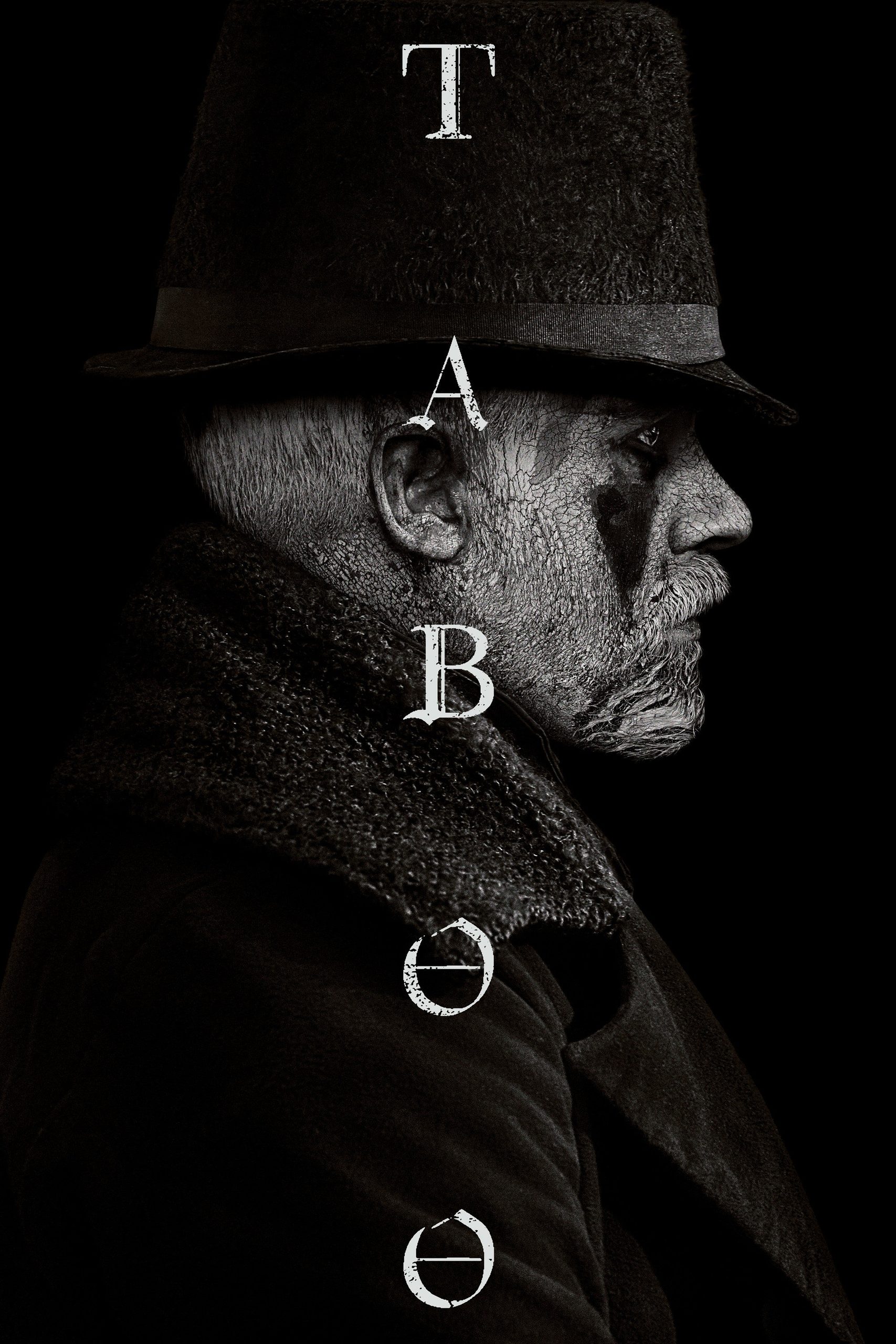
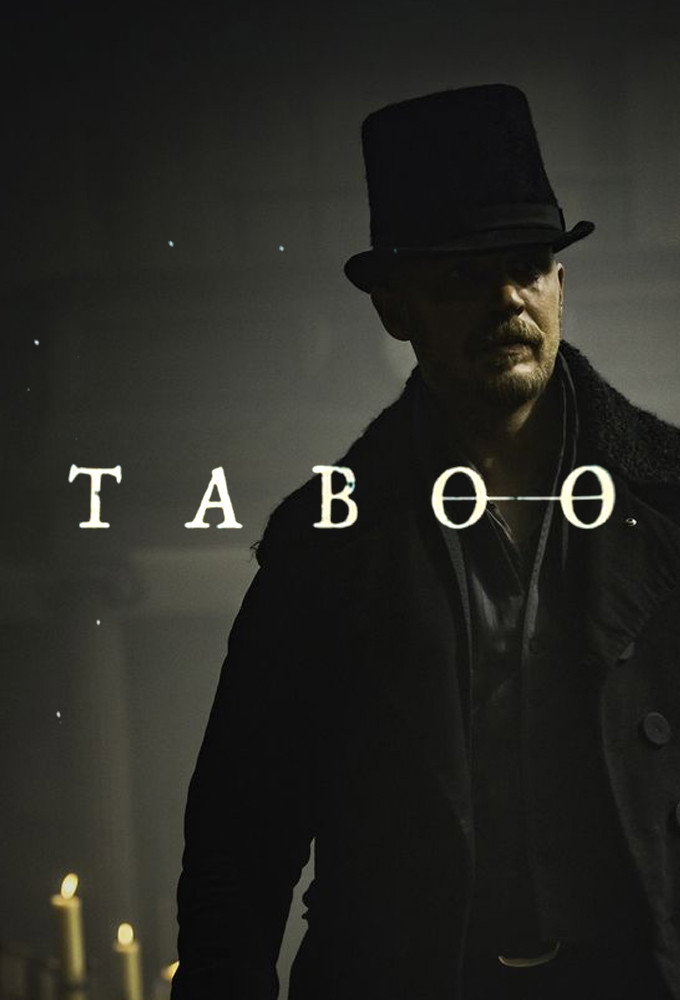
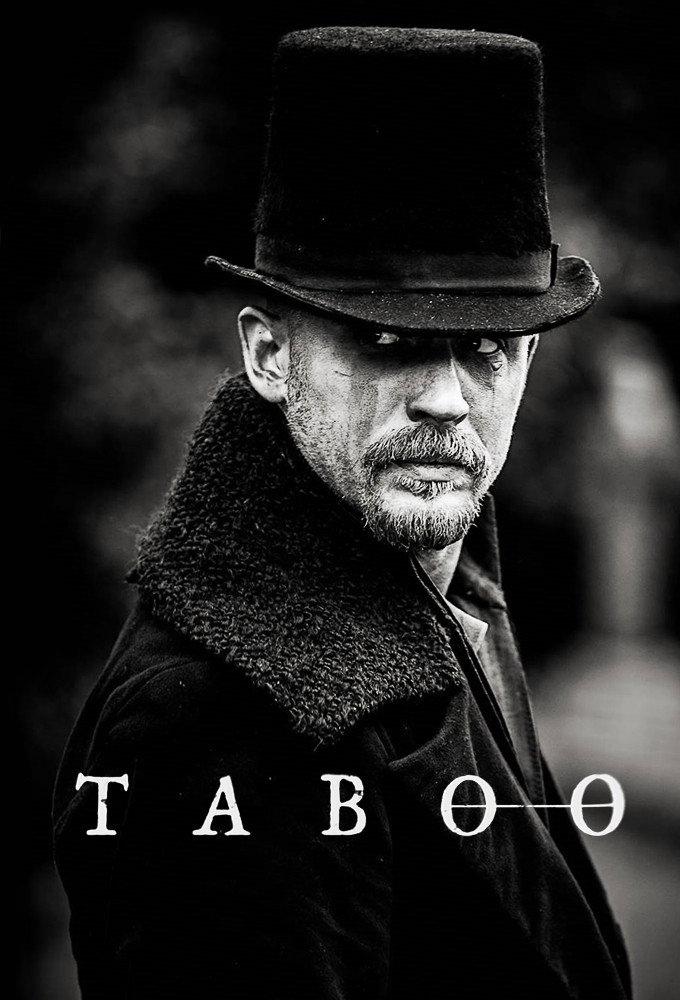
Taboo

2017 · Created by Steven Knight, Chips Hardy, Tom Hardy · Series · MPA TV-MA

In a sentenceTom Hardy can make a pause threatening, but eight episodes contain rather a lot of pauses

DramaMystery

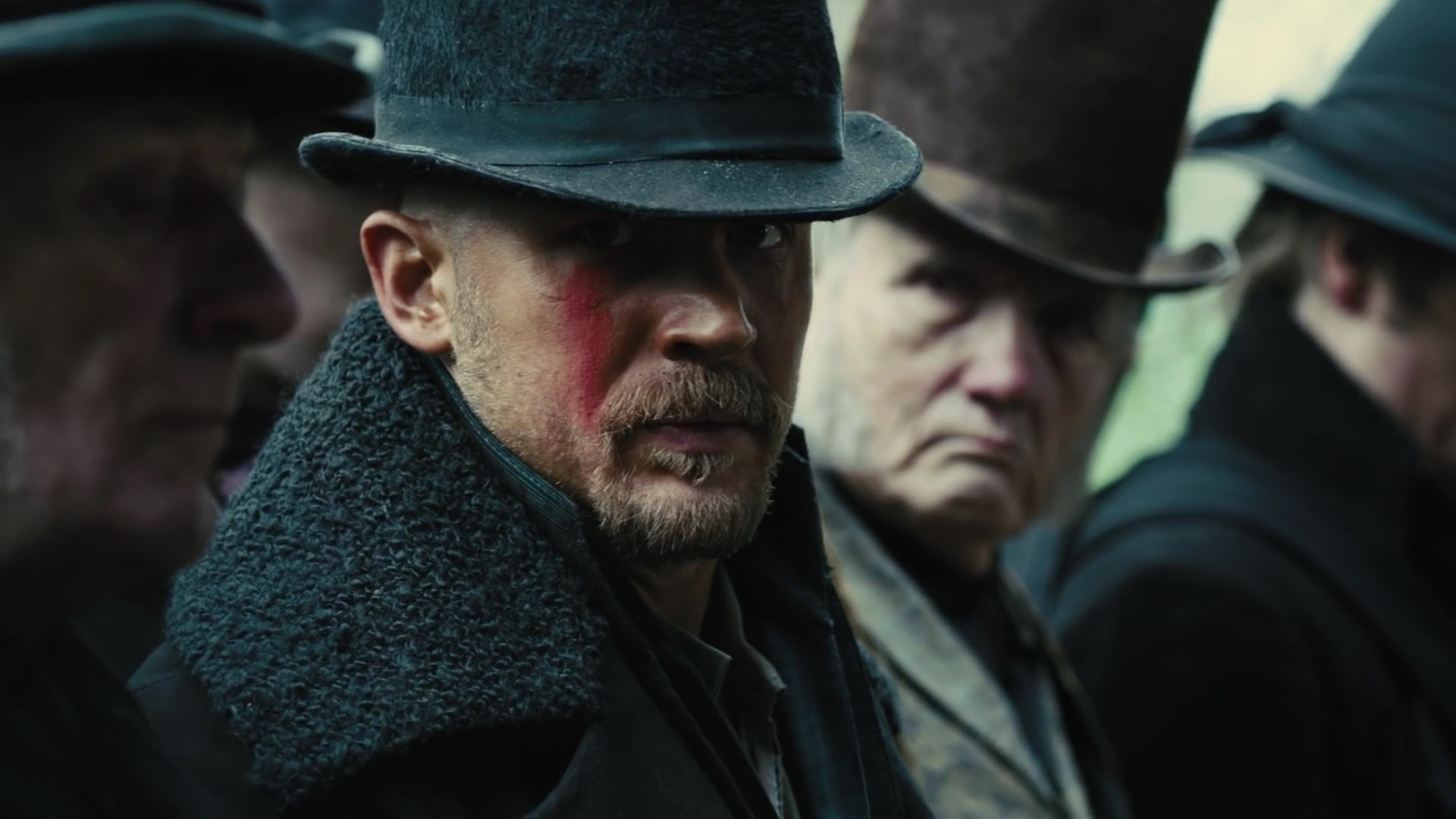
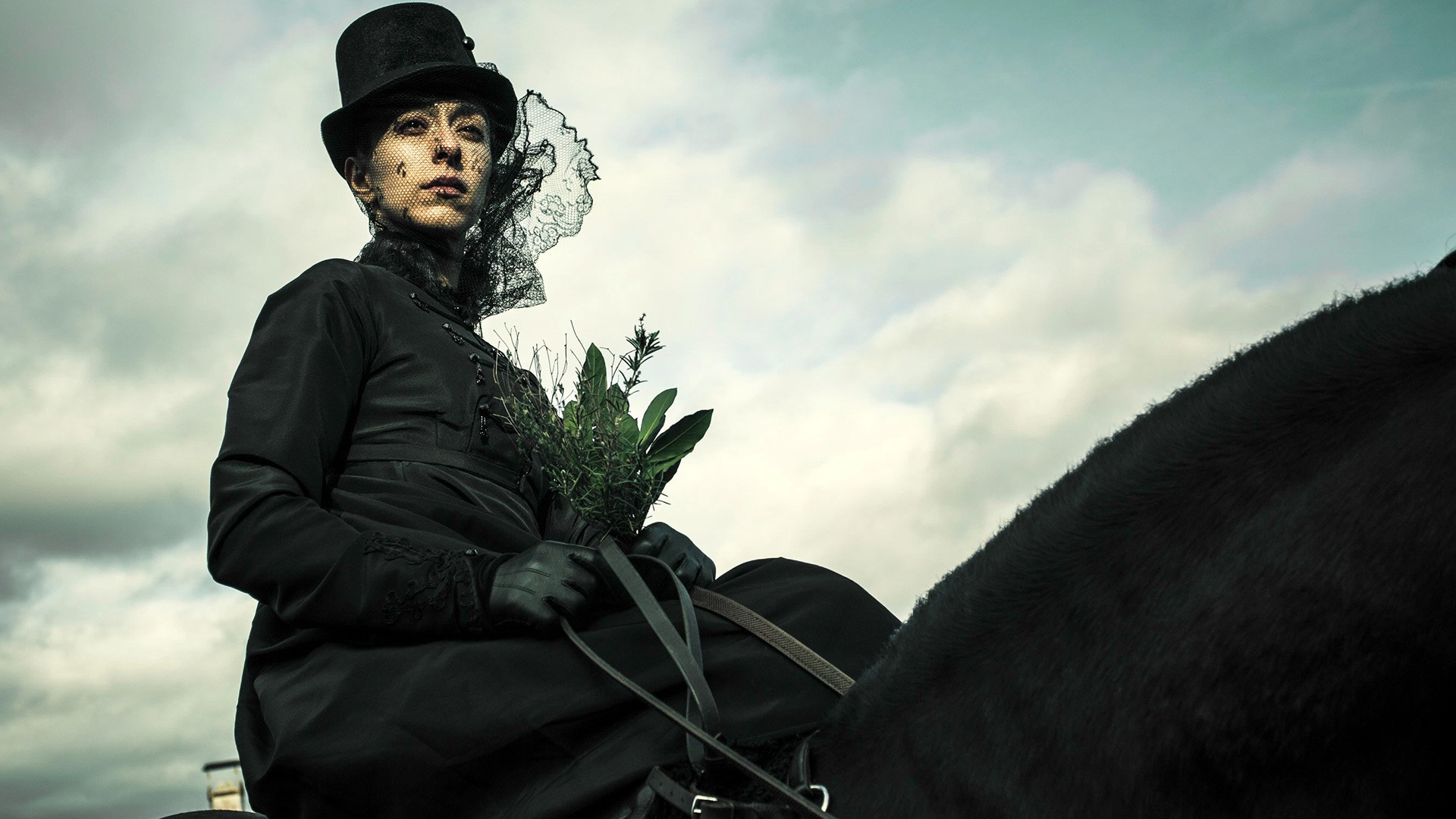
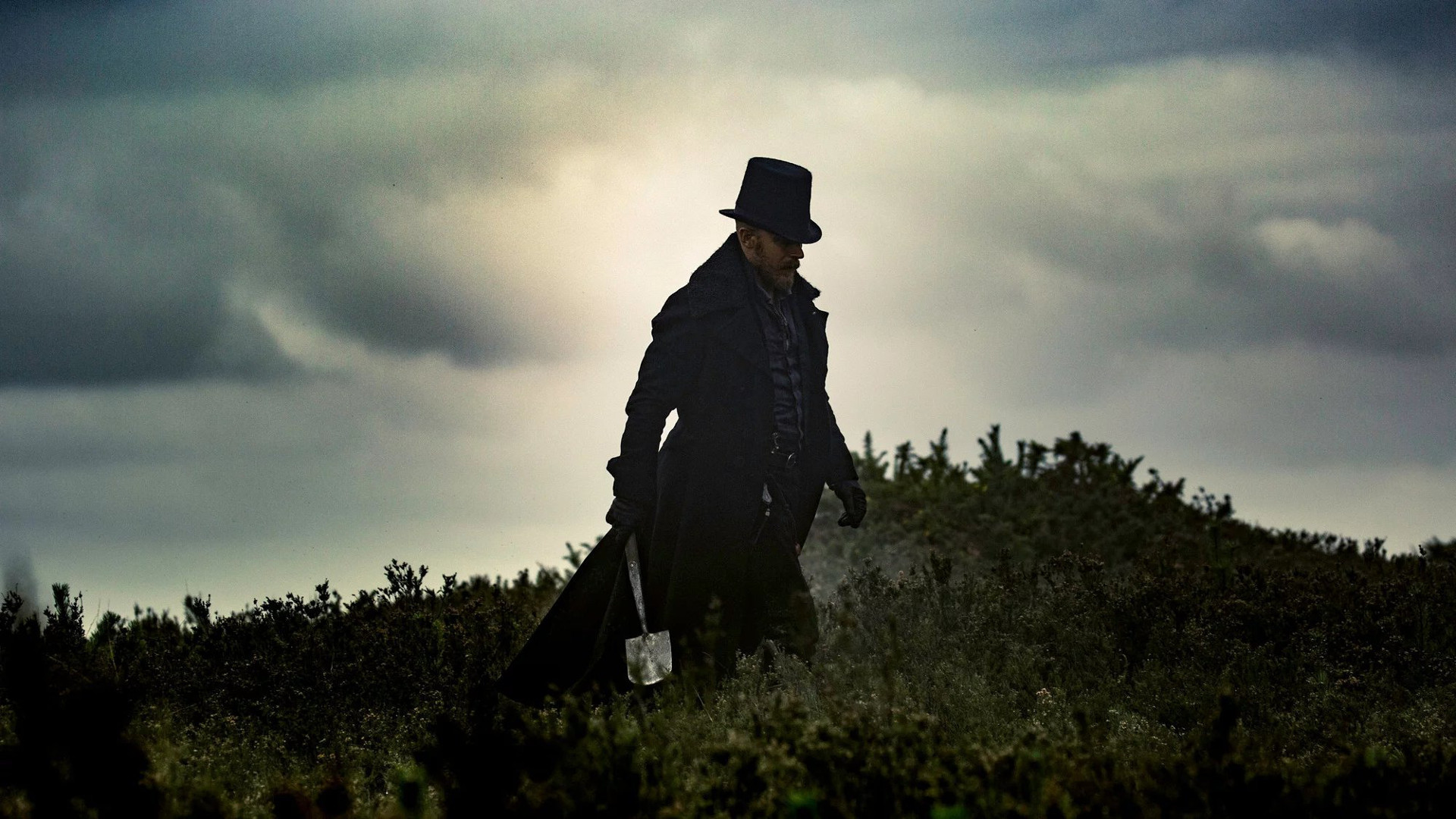
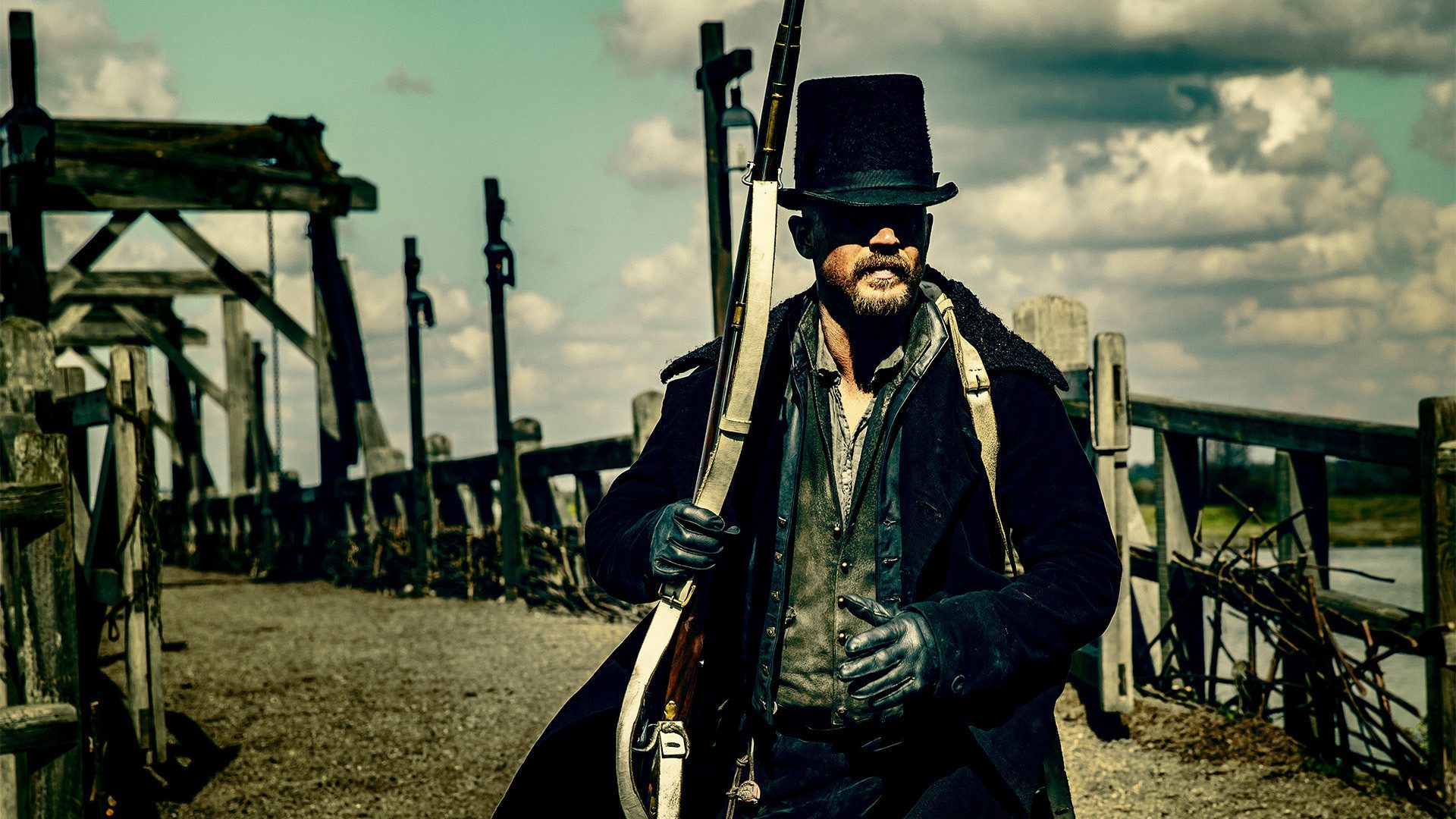
In early-1800s London, James Keziah Delaney (Tom Hardy) schemes against powerful interests over a valuable piece of land. He pursues revenge, keeping his intentions difficult to read. Around him are Stuart Strange (Jonathan Pryce), Zilpha Geary (Oona Castilla Chaplin) and Brace (David Hayman). The opening establishes a dispute in which private motives meet imperial power, while questions about James Keziah Delaney accumulate. Suggestions of the mystical accompany his campaign, and the people dealing with him must contend with what they do not know about him.

Plays from YouTube when you press play; nothing loads from them until then.

Fi1m review

Tom Hardy holds this grimy period mystery together through sheer menace. The setting rewards attention, but thin characters and too much secrecy make Taboo a qualified choice for anyone drawn to slow, theatrical revenge stories.

Taboo gives us an imposing central performance and a convincingly unpleasant period setting, then makes us wait too long for the people and the plot to develop. Created by Steven Knight, Chips Hardy and Tom Hardy, it follows James Keziah Delaney through a struggle over valuable land in early-1800s London. Revenge and imperial power give the series plenty to work with. Across eight episodes, however, the habit of concealing motives begins to feel like a way of postponing the story.

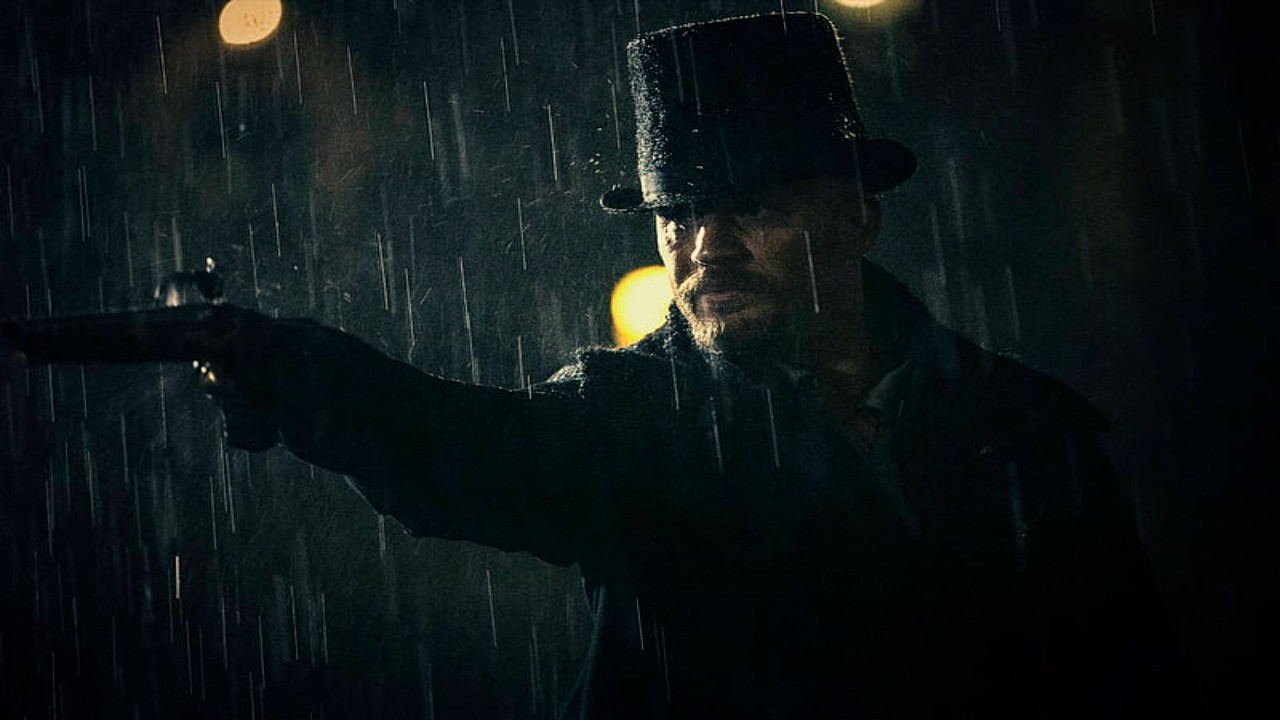
Tom Hardy is the reason to persist. His James Keziah Delaney has a tightly contained aggression that makes stillness interesting, and the theatrical weight of the performance suits this murky revenge story. We felt a small thrill at the suggestion that he might lose his temper; he gives the slow exchanges a danger the plotting cannot always supply. Yet the series comes to depend on that threat so heavily that it starts to repeat itself.

Jonathan Pryce gives Stuart Strange enough authority to suggest a drama that could afford to look away from its lead. But the writing credited to Steven Knight, Chips Hardy and Ben Hervey too often uses other characters to reinforce the same mystery. Zilpha Geary (Oona Castilla Chaplin) and Brace (David Hayman) need more room as people with concerns that matter in their own right. Concealing motives creates suspense for a while; it also makes it harder to care what anyone stands to lose.

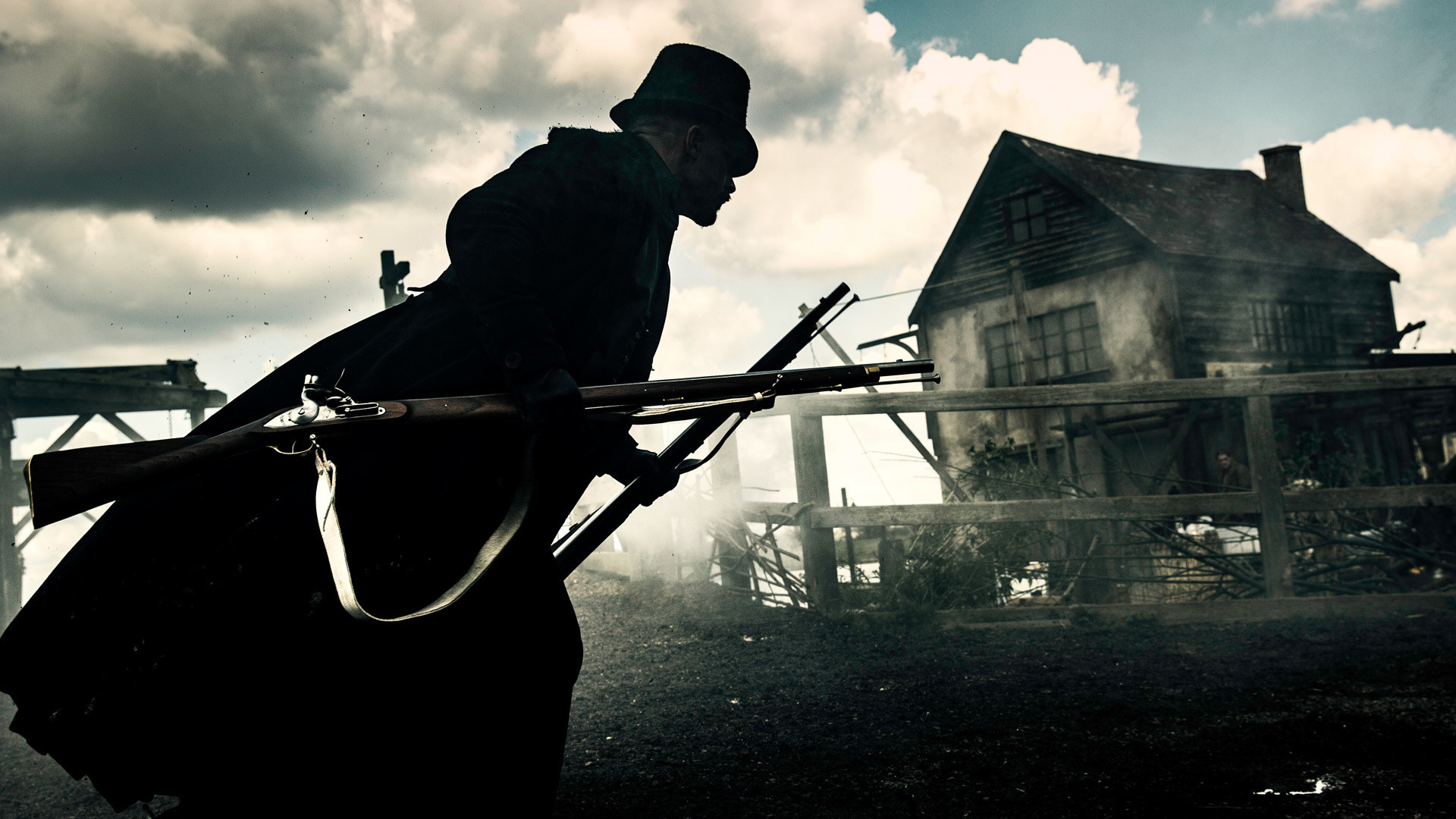
Directors Kristoffer Nyholm and Anders Engström establish the period setting with more conviction than the scripts establish the people. Sonja Klaus’s production design makes London’s mud and grime difficult to ignore, with a level of detail that rewards looking past the actors. Mark Patten’s cinematography favours deep shadows, so that looking closely becomes part of the experience. It is effective at sustaining unease, although the restricted light can make scenes feel alike when their emotional temperature is already much the same.

The score by composer Max Richter is useful company in these stretches, sustaining unease when the drama itself has settled into another wait. It also contributes to a seriousness that the programme seldom relaxes. There is little variation in the pace: a scene can establish its threat and then carry on underlining it. We grew impatient with the repeated hints of secrets, because they delayed the answers without making the questions more interesting.

As a revenge drama, Taboo is entitled to keep some of its central man’s plans to itself. The trouble comes when that secrecy spreads to the series’ treatment of empire and Africa, where ominous suggestion is a poor substitute for thinking clearly. The mystical elements add strangeness, but make an already vague history harder to grasp. A story about power needs a firmer sense of the people being used by it, especially when so much attention goes to the man doing the threatening.

There is enough conviction here to keep the gloom from becoming merely tiresome, and the willingness to risk absurdity gives the programme some personality. The performance at its centre gives the slower passages something to watch. Eight episodes nevertheless ask for more patience than the writing consistently repays. Try it for Tom Hardy if slow, theatrical menace is enough to keep an evening occupied.
Critical consensus AI synthesised

57
Positive
4
Mixed
4
Negative
2

The consensus on Taboo is mixed, with praise clustering around Tom Hardy’s commanding, theatrical performance and the grime of its period setting. Most critics find something compelling in Hardy’s James Delaney, even when the story tests their patience. The detailed production design and Kristoffer Nyholm’s atmospheric direction also earn broad approval. For the more enthusiastic reviews, the strangeness and brooding intensity help make a slow revenge tale absorbing.

The divide is over how much those strengths compensate for thin characterisation, prolonged secrecy and sluggish pacing. Reactions range widely: Digital Spy finds the series absorbing despite its excesses, while Variety sees heavy-handed gloom with too little substance. Its treatment of history divides critics too. Den of Geek praises an unflinching examination of racism, whereas Variety objects to the vague handling of race and Africa. The central reservation is that Taboo spends too long cultivating mystery without developing enough beneath it.

IndieWire
6 January 2017 · Ben Travers
70*

The series is a vicious and uber-masculine period drama centered on Tom Hardy's commanding, powder-keg performance as the enigmatic James Delaney. It highlights Hardy's magnetic presence and the show's intense, macho energy.

Read the full review →
The AV Club
10 January 2017 · C+ · Esther Zuckerman
63

Taboo struggles with thinly drawn characters and an over-reliance on teasing secrets rather than developing them, making the limited series feel frustrating despite its intriguing premise. The visuals and historical elements stand out as strengths under director Kristoffer Nyholm.

Read the full review →
Vulture
10 January 2017 · Matt Zoller Seitz
60*

Taboo is a vivid but pokey miniseries whose hypnotic atmosphere and weirdness make it more enjoyable to ponder than to watch. It singles out the fanatically detailed production design and Tom Hardy's intense, theatrical lead performance for praise.

Read the full review →
The Hollywood Reporter
6 January 2017
50*

The review notes that the dark, brooding series has enough intrigue to sustain interest thanks largely to Hardy, while observing it is not particularly action-oriented or sexy in its early episodes. It highlights the mixed results of the mystical elements and Hardy's compelling presence as strengths amid slower pacing.

Read the full review →
The Guardian
16 January 2017 · Lucy Mangan
30*

The BBC’s new historical drama is seductive and atmospheric, if completely baffling. Tom Hardy brings extra swagger to Regency London as the menacing James Delaney, though the plot and dialogue can feel portentous and stiflingly male.

Read the full review →
Variety
5 January 2017 · Sonia Saraiya
30*

The critic finds the series ponderous and heavy-handed, wasting its talented cast on excessive chiaroscuro, angst, and self-important grit without substance or a unifying vision. It singles out the thin material, vague handling of race and Africa, and over-the-top brooding as major flaws despite strong production values.

Read the full review →

Cast

If you liked this, try…

The North Water poster

The North Water

2021 · A period drama where isolation and physical menace make every encounter uneasy

The Proposition poster

The Proposition

2005 · A harsh frontier revenge story with more direct moral stakes

Dead Man poster84

Dead Man

1995 · A stranger’s journey through violence, with room for strangeness and dry humour

Aguirre, the Wrath of God poster91

Aguirre, the Wrath of God

1972 · Imperial ambition turns feverish, with a lead performance that makes obsession frightening

Le Samouraï poster

Le Samouraï

1967 · For another taciturn protagonist whose stillness keeps us watching the smallest movements