Ted Griffin’s one-season series looks like a lark about two skint men in a pickup and turns out to be a proper noir about debt, drink and what a beach town lets a rich man get away with. Thirteen episodes, and very few of them are wasted.
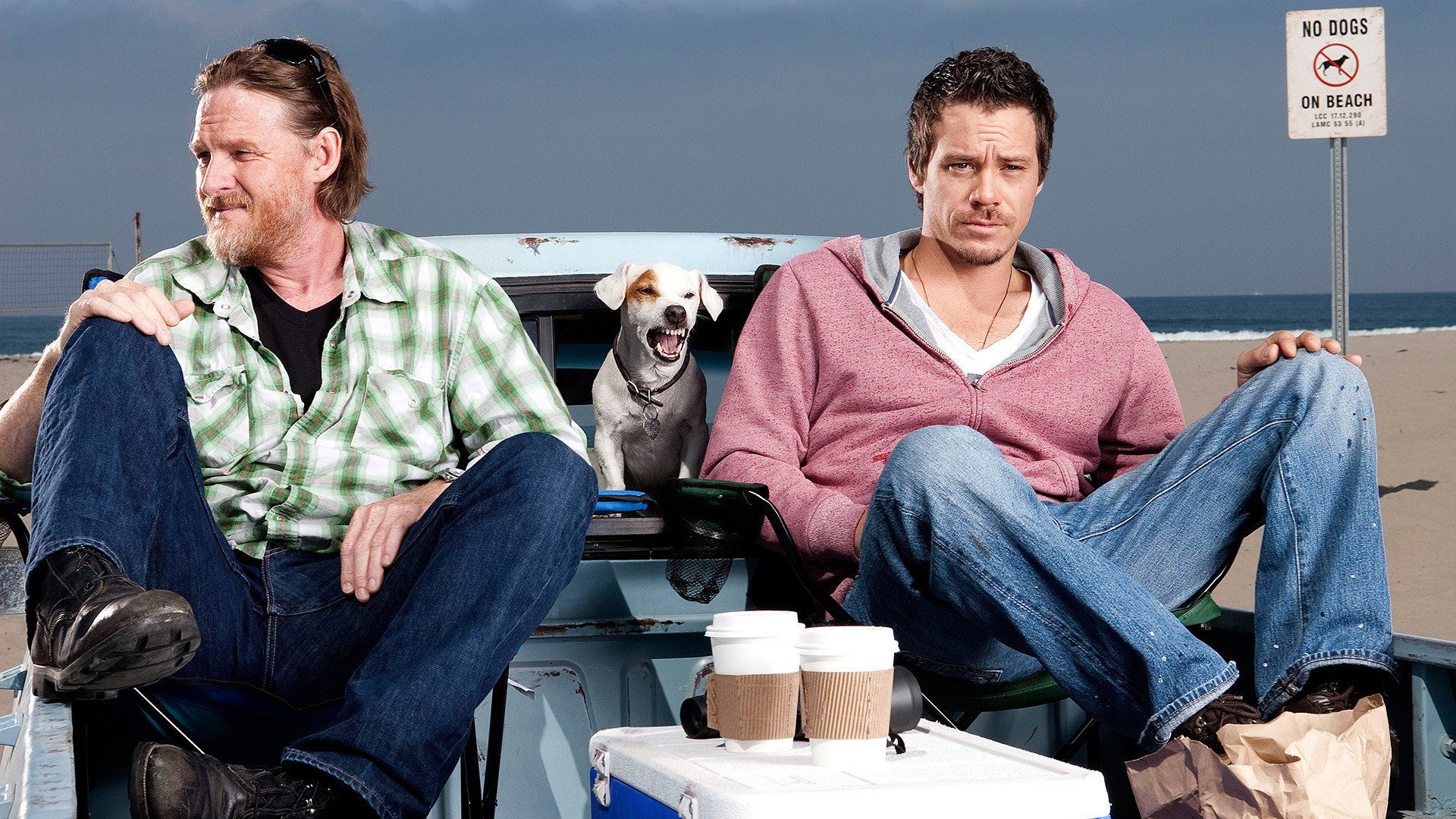
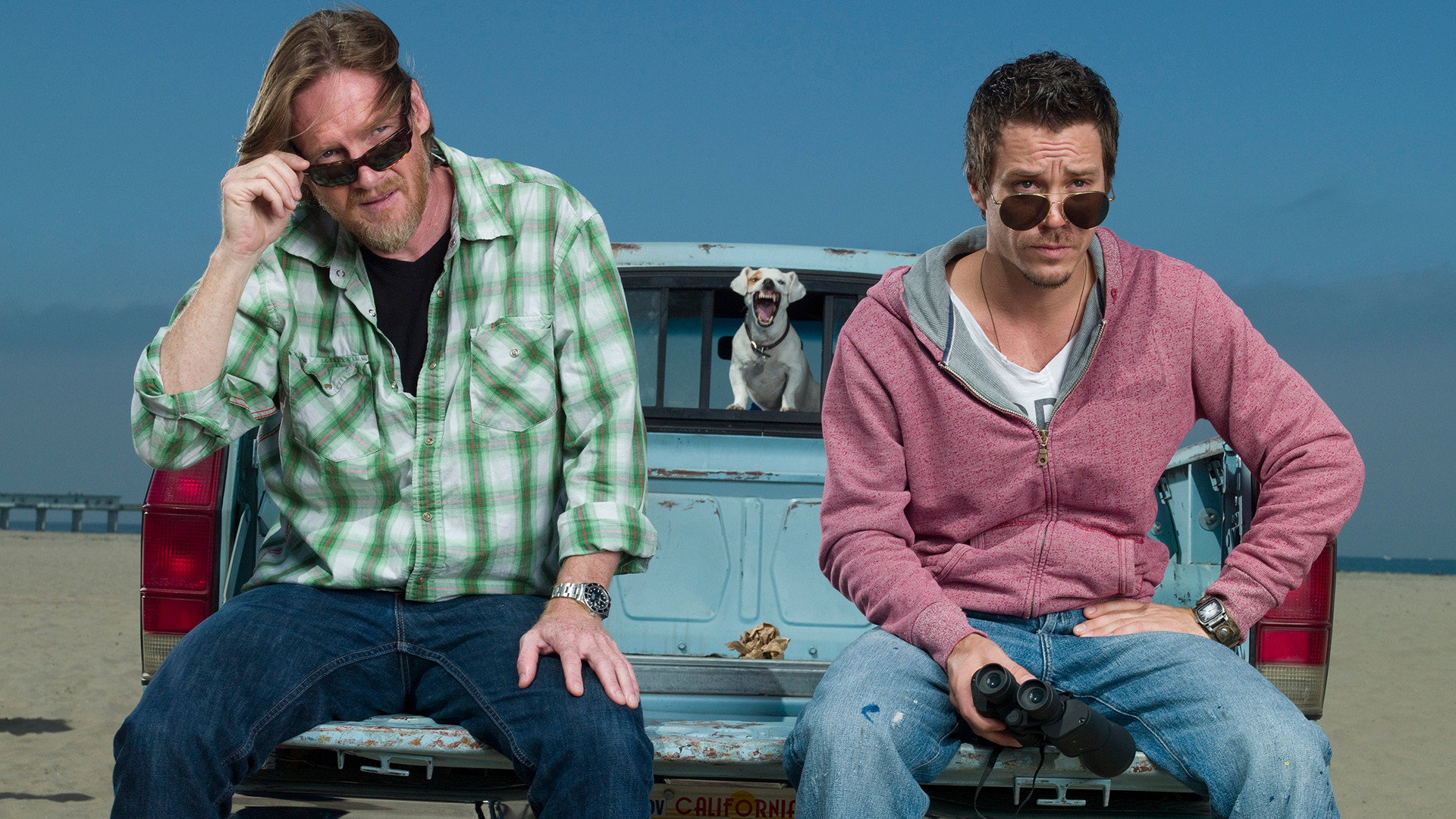
Ted Griffin has made a private-eye series in which the private eyes have no licence, no office and no money. Hank Dolworth (Donal Logue) and Britt Pollack (Michael Raymond-James) take the jobs nobody else wants, in a beach town where everyone knows Hank and nobody quite trusts him, and they are paid, when they are paid, in cash and favours. For the first episode or two this looks like a pleasant hour about two men bickering in a truck. It is a good deal better than that, and the tagline, they’ll solve anything for the right price, is the show quietly making fun of itself.
The whole thing rests on Logue and Raymond-James, and it can take the weight. Logue plays Hank as a man who has read the end of his own story and is not in a hurry to get there: slow, dry, watchful, quick with a lie and slower with the truth. Raymond-James gives Britt a boy’s eagerness that keeps curdling into something more worried, and he is the one who wants the business to be real. They interrogate as a double act, one asking the question and the other already answering it, and the banter is written so that it sounds unrehearsed and tells you something about the case every time. We laughed a lot in the first hour, mostly at the two of them talking over each other, and then a scene of Hank alone at a kitchen table stopped the laugh dead. That is the show’s method, and it repeats it without ever quite letting us see it coming.
It is shot flat and bright, in the sort of noon light that shows the dirt on everything. Bungalows, chain-link, a pier, a bar that opens early, a truck that would not pass an inspection. There is no attempt to make any of it handsome, and the effect is that when a rich man’s house does appear it looks like a foreign country. The theme is a jaunty thing with guitar and whistling that promises a caper each week. By episode six we were slightly tired of it; by episode ten we understood it was a joke at Hank’s expense, and rather a sad one.
Tim Minear produces, and the writing room, which includes Shawn Ryan, Angela Kang, Leslye Headland and Phoef Sutton, keeps the two halves of the show in balance. Each week there is a small case, and running underneath is the larger business from the pilot, which grows in ways we will not describe. Clark Johnson, John Dahl, Adam Arkin and Rian Johnson are among the directors, and the series has the sense to let them shoot people talking in rooms rather than reaching for a set piece it cannot afford.
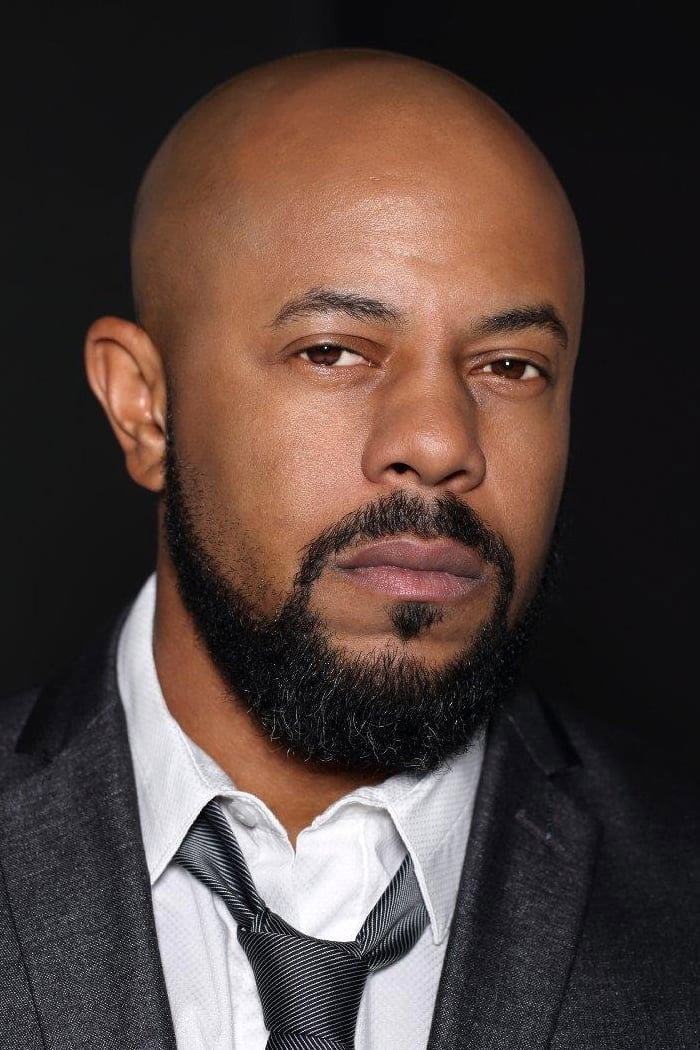
The supporting cast is written with more care than the format usually allows. Laura Allen’s Katie is a proper person with her own wants, not a girlfriend waiting at home, and Kimberly Quinn plays Gretchen as a woman who still likes Hank and has quite reasonably decided that is not enough. Jamie Denbo’s Maggie Lefferts gets some of the best lines. Rockmond Dunbar’s Gustafson watches Hank the way you watch a friend you have already given up on twice.
It has faults. Two or three of the middle episodes are thin, cases that exist to fill the hour while the larger story waits, and the man behind the conspiracy is a familiar sort of villain in a familiar sort of suit. The budget shows, and not always to the show’s advantage. And there is one season of thirteen episodes and no more, so a story built to keep going has to make do with the ending it was given.
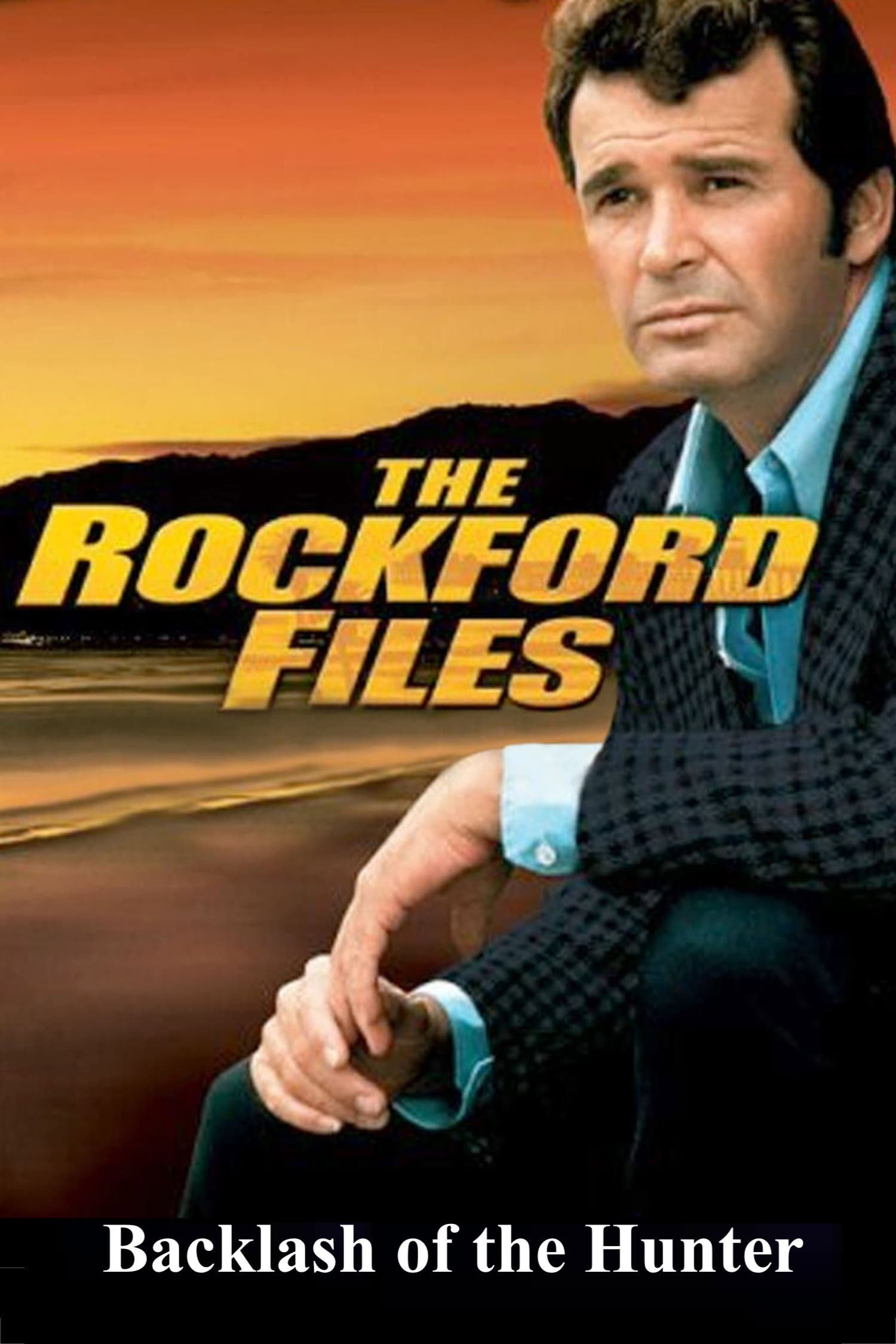
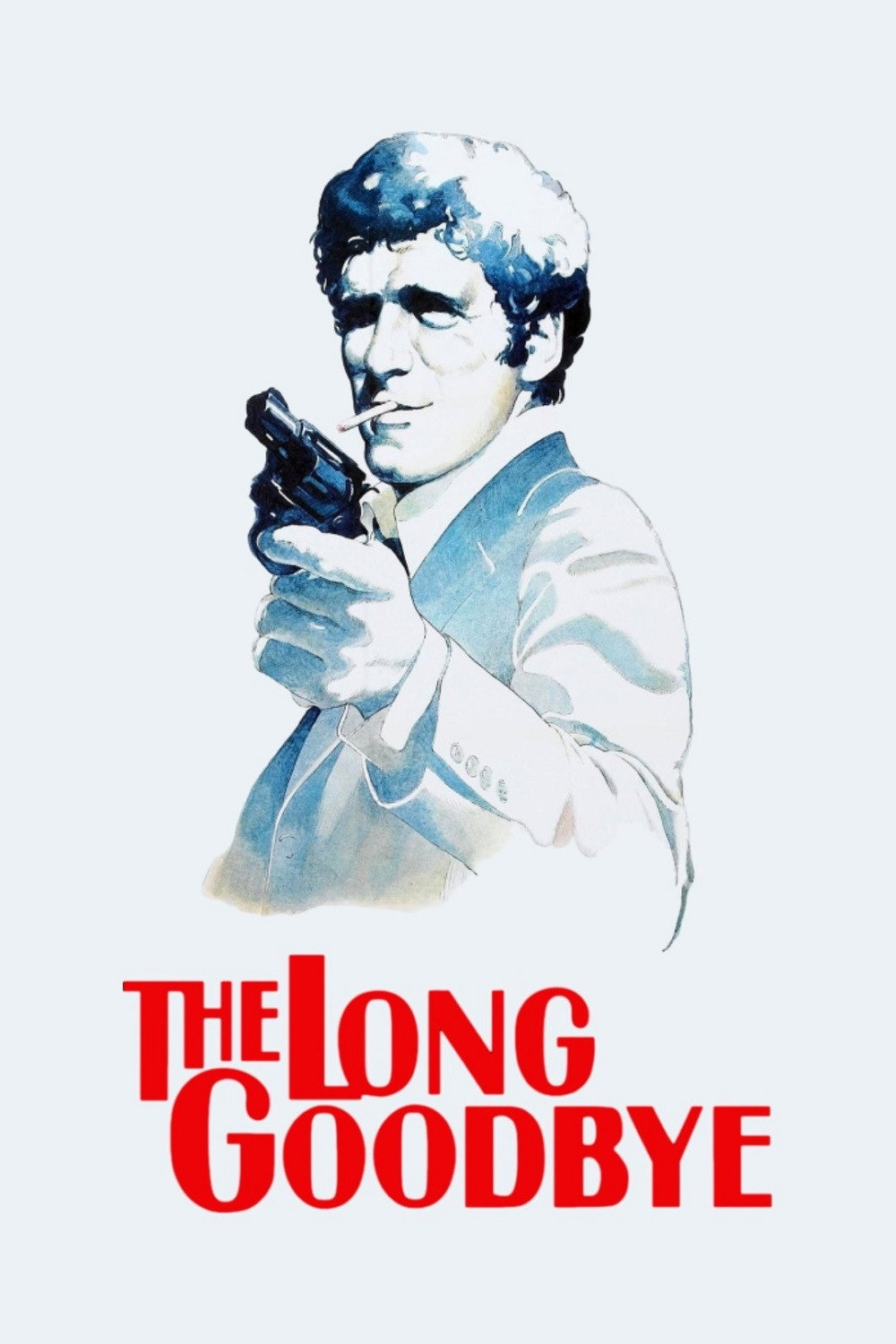
Against the standard of the down-at-heel detective, The Rockford Files (1974) and Altman’s The Long Goodbye (1973), it holds up well: the same broke, decent men, the same suspicion that the rich are the real criminals and the police mostly agree. By the last two episodes we were properly anxious for two people who spend a good part of the series being irritating, and we had not expected to be. Give it three episodes. If the truck and the whistling have not won you by then, it is not for you, and if they have, you will be sorry there is only the one season.