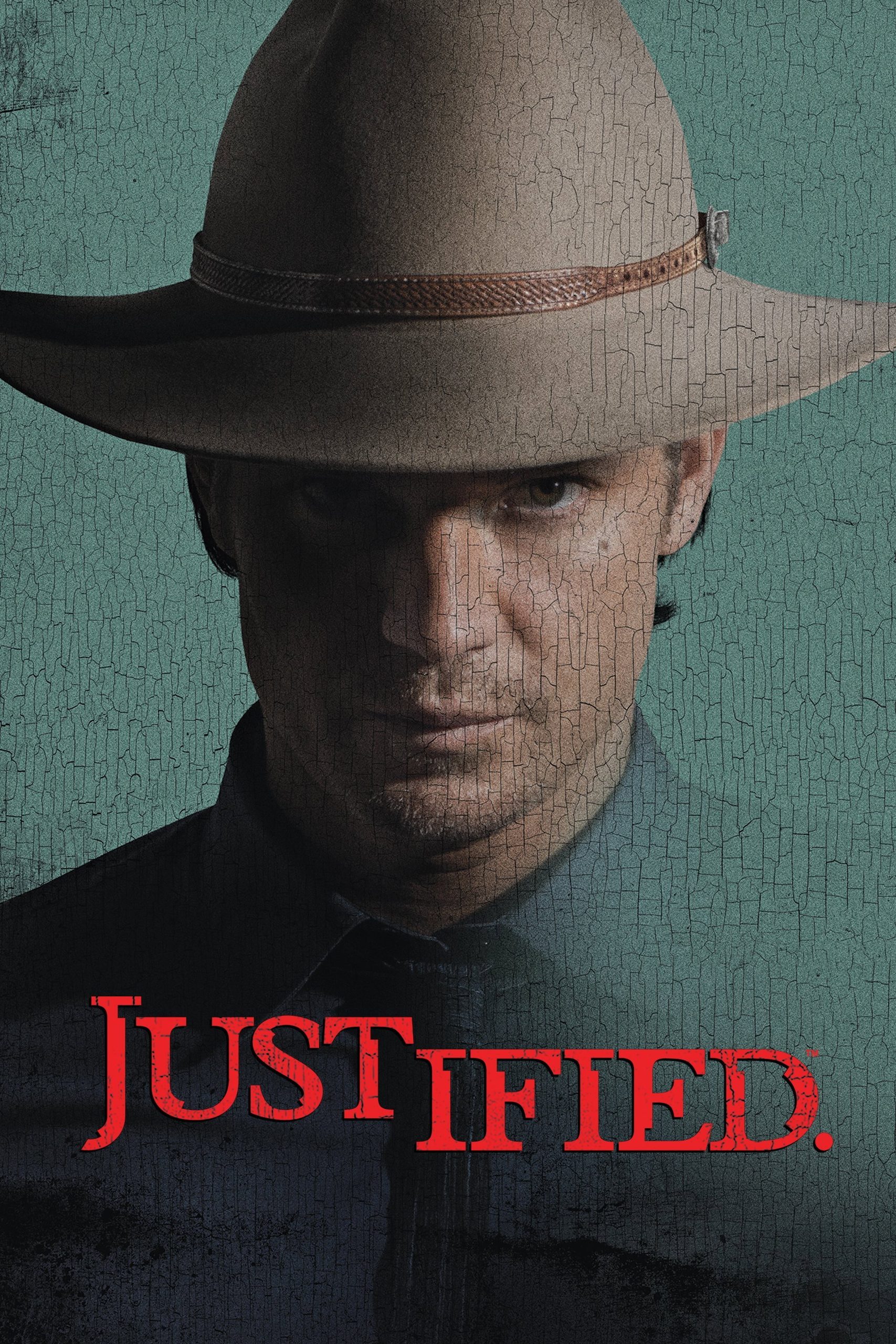
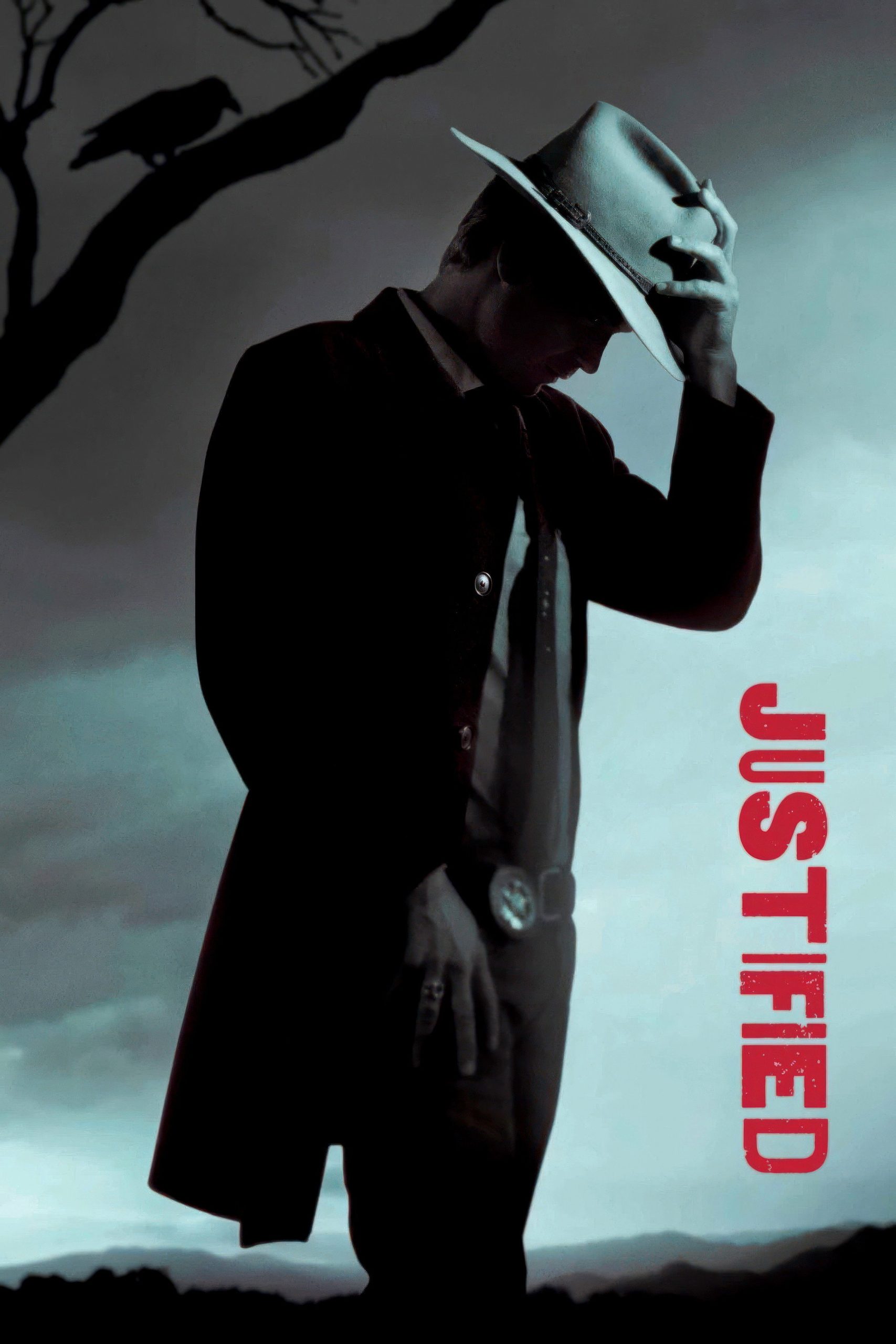
Graham Yost’s adaptation of Elmore Leonard is the rare long series we would recommend in full: Olyphant and Goggins circling each other for six years, in dialogue nobody else on television was writing. Two seasons drift, and the women wait too long for their turn.
Raylan Givens (Timothy Olyphant) opens Justified by giving a man twenty-four hours to leave Miami and shooting him across a lunch table when he does not. The Marshals Service moves him to Lexington, Kentucky, an hour from Harlan County, where he grew up and does not want to be. Graham Yost built the series from an Elmore Leonard story, Fire in the Hole, and kept the thing that makes Leonard Leonard: everybody talks before they shoot, and most of them talk better than they shoot. It ran six seasons of thirteen episodes, 2010 to 2015.
It is excellent, one of the few long American series we would tell someone to watch through. The reason is Boyd Crowder (Walton Goggins). Boyd dug coal beside Raylan as young men, and in the pilot he is running a gang from a camp in the woods and blowing up churches with a rocket launcher. The pilot treats him as a villain of the week; he is billed second for a reason. Goggins plays him as a preacher, a bank robber and a philosopher, with a vocabulary out of the King James Bible and a smile that stops below the eyes, and for six years the show is about whether these two men will end up across a table with guns out.
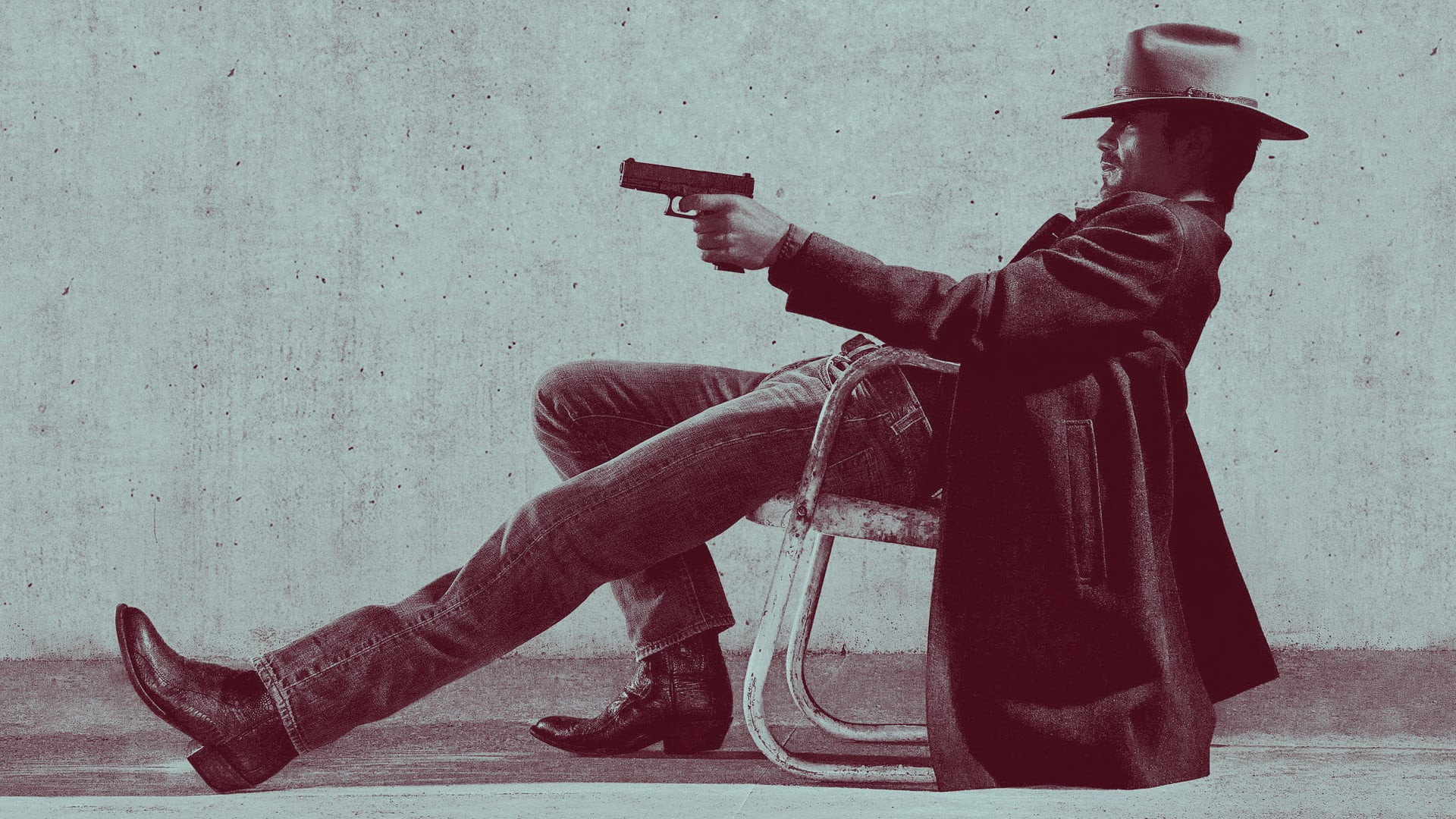
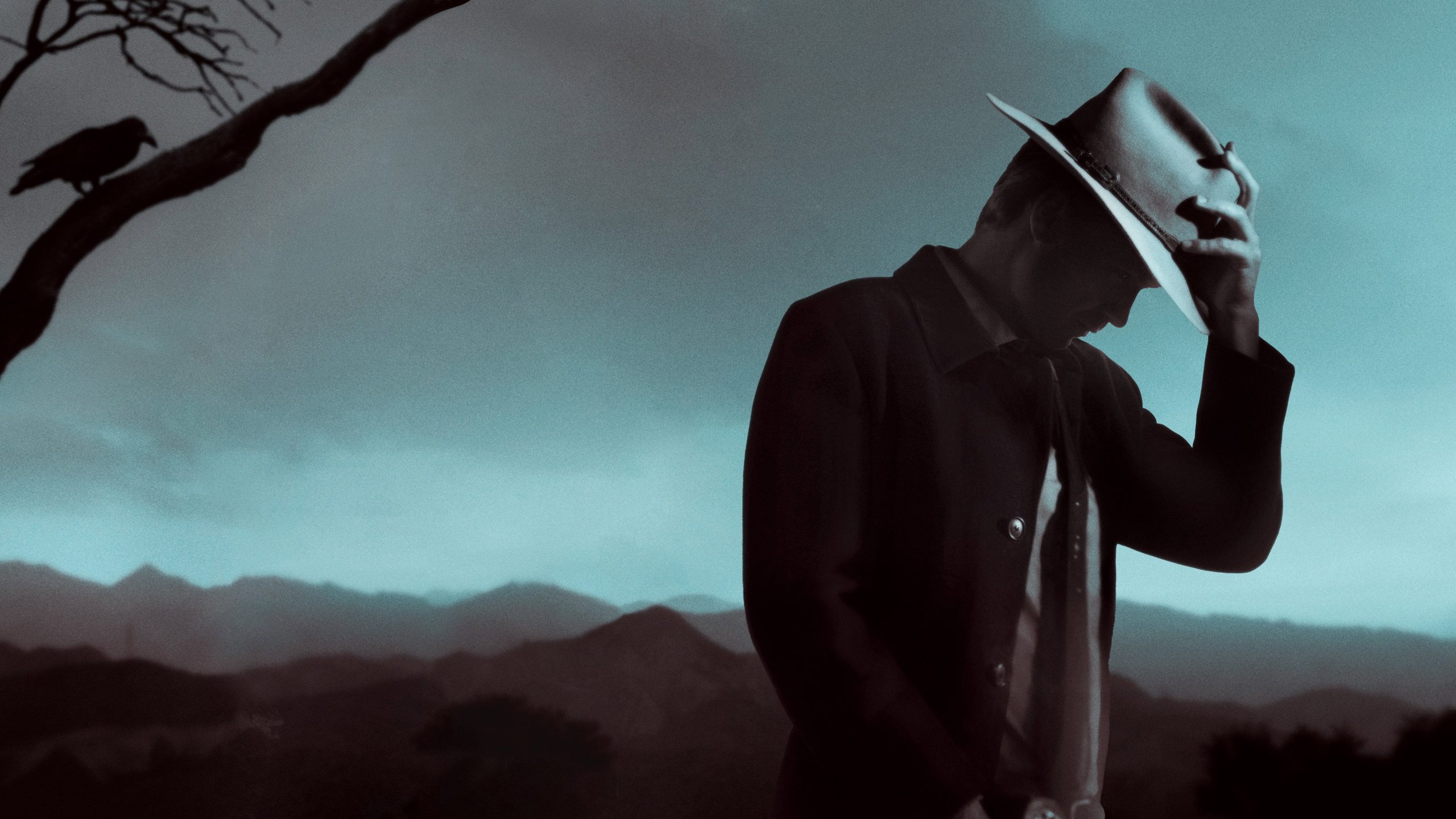
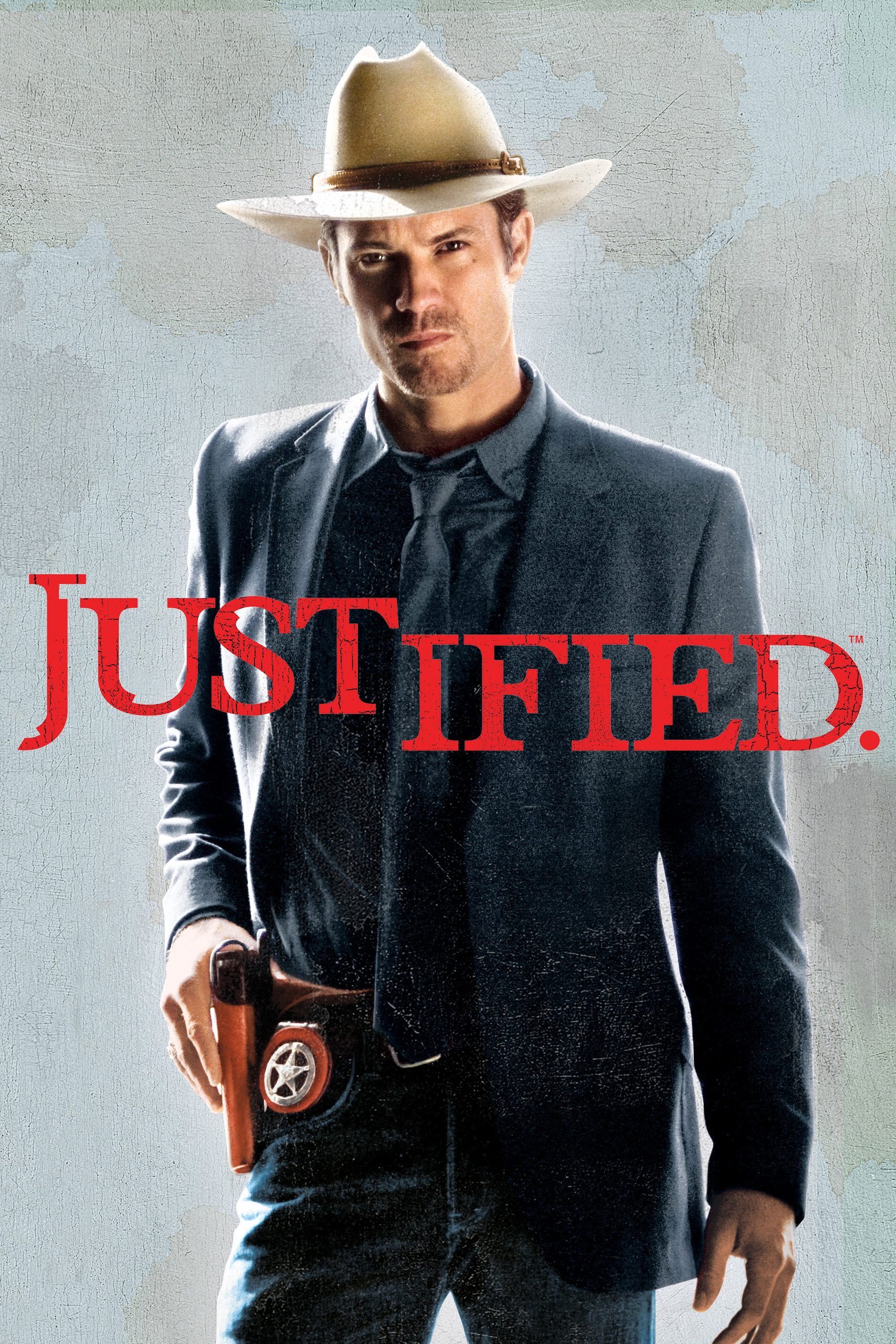
Olyphant is quieter. Raylan is a Leonard hero: fast, polite and slightly ashamed of enjoying how fast he is. Olyphant plays him under a hat, voice down and hands still, and lets the other actors do the moving. His chief Art Mullen (Nick Searcy) points out every few episodes that Raylan shoots more people than any marshal in the district, and he does. Jacob Pitts and Erica Tazel, as deputies Tim Gutterson and Rachel Brooks, get a fraction of the lines their faces deserve. Natalie Zea’s Winona, the ex-wife, and Raymond J. Barry’s Arlo, a crook of a father, keep Raylan’s home life as untidy as his job.
The second season is the one we would put in front of a sceptic. Margo Martindale plays Mags Bennett, who runs the marijuana and moonshine in the hills behind a general store, with Jeremy Davies as her son Dickie, limping, grinning, never trusted. We have not been as frightened by anyone in a cardigan. Martindale offers a guest a jar of her apple pie moonshine early on, and the way she watches him drink told us who ran Harlan, and it was not the man with the badge. Neal McDonough’s Robert Quarles, the Detroit gangster of the third season, is louder and less frightening; the show is strongest when its villains were born in the county. Jere Burns’s Wynn Duffy, a small-time fixer with a caravan and remarkable eyebrows, outlasts most of them.
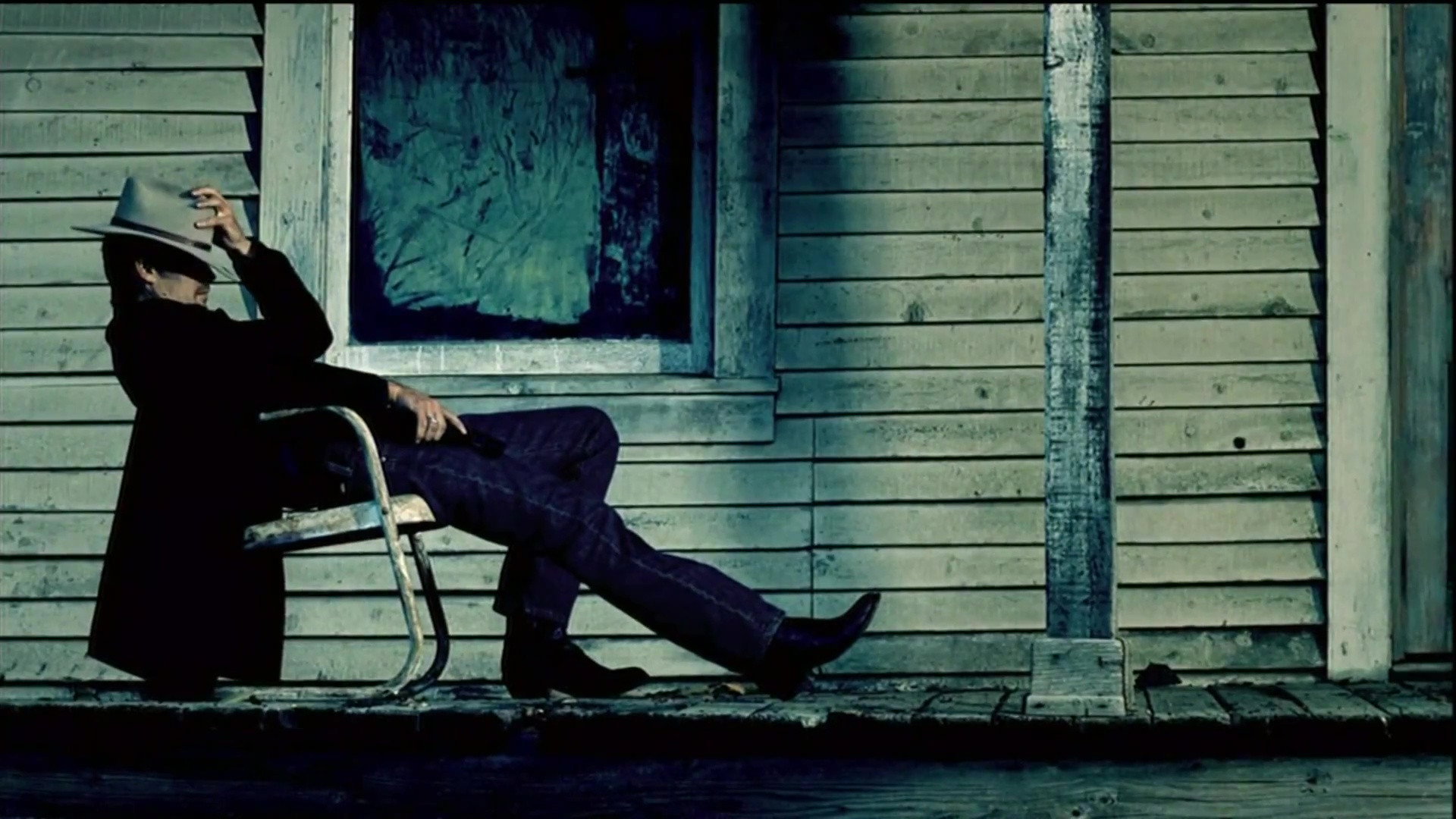
Seventeen directors share the six years, among them Michael Dinner, John Dahl and Dean Parisot, and the look hardly moves between them: flat Kentucky daylight, wooden porches, a hollow with one road in and out. Keith Henderson’s cutting leaves conversations alone; a scene across a kitchen table is allowed to run until somebody stands up. Steve Porcaro’s score keeps low and keeps out, so the talk carries.
Now the caveat. The third and fifth seasons drift. The writers run short of ways to keep Raylan and Boyd apart and start shipping in gangsters from elsewhere, and the first season’s weekly fugitive plots are forgotten by the credits. Ava Crowder (Joelle Carter) gets more to do as the series goes, and Carter is good when it comes, but for long stretches she is a prize the two men circle rather than a person. Seventy-eight hours is a lot, and perhaps a dozen are filler.
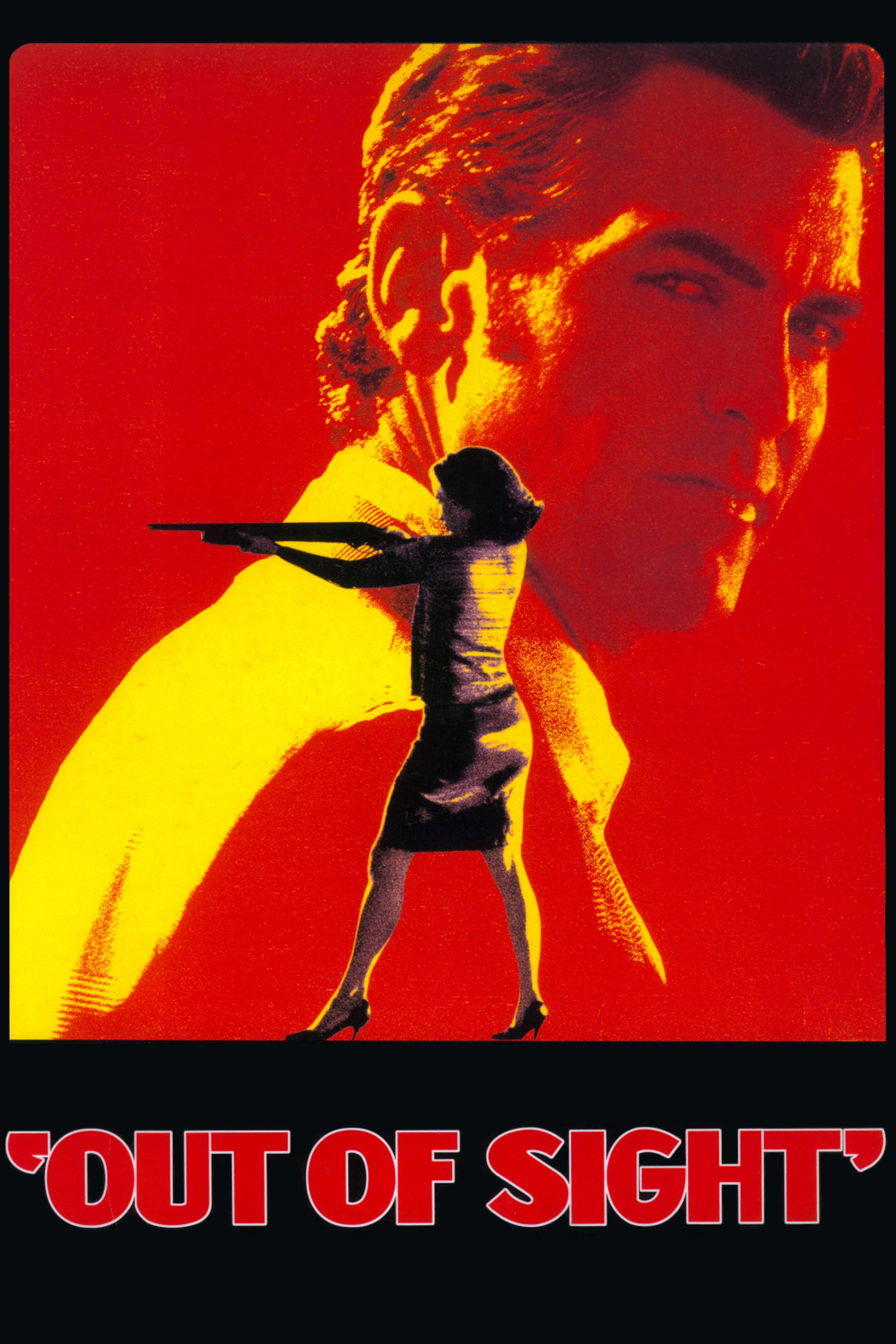
Leonard has been well served on screen, in Out of Sight and Jackie Brown, and this stands with them; it is the longest anyone has stayed in his company. Start with the first ten minutes. If the pause before Raylan draws does nothing for you, this is not your programme. If it does, you have seventy-eight episodes and will want to ration them. The 15 certificate is fair: people are shot, often, and nearly always after a conversation.