Abi Morgan’s 1950s BBC newsroom is well dressed, well acted and about half the drama it wants to be. Ben Whishaw and Romola Garai carry it; the spy plot they keep tripping over does not deserve them.
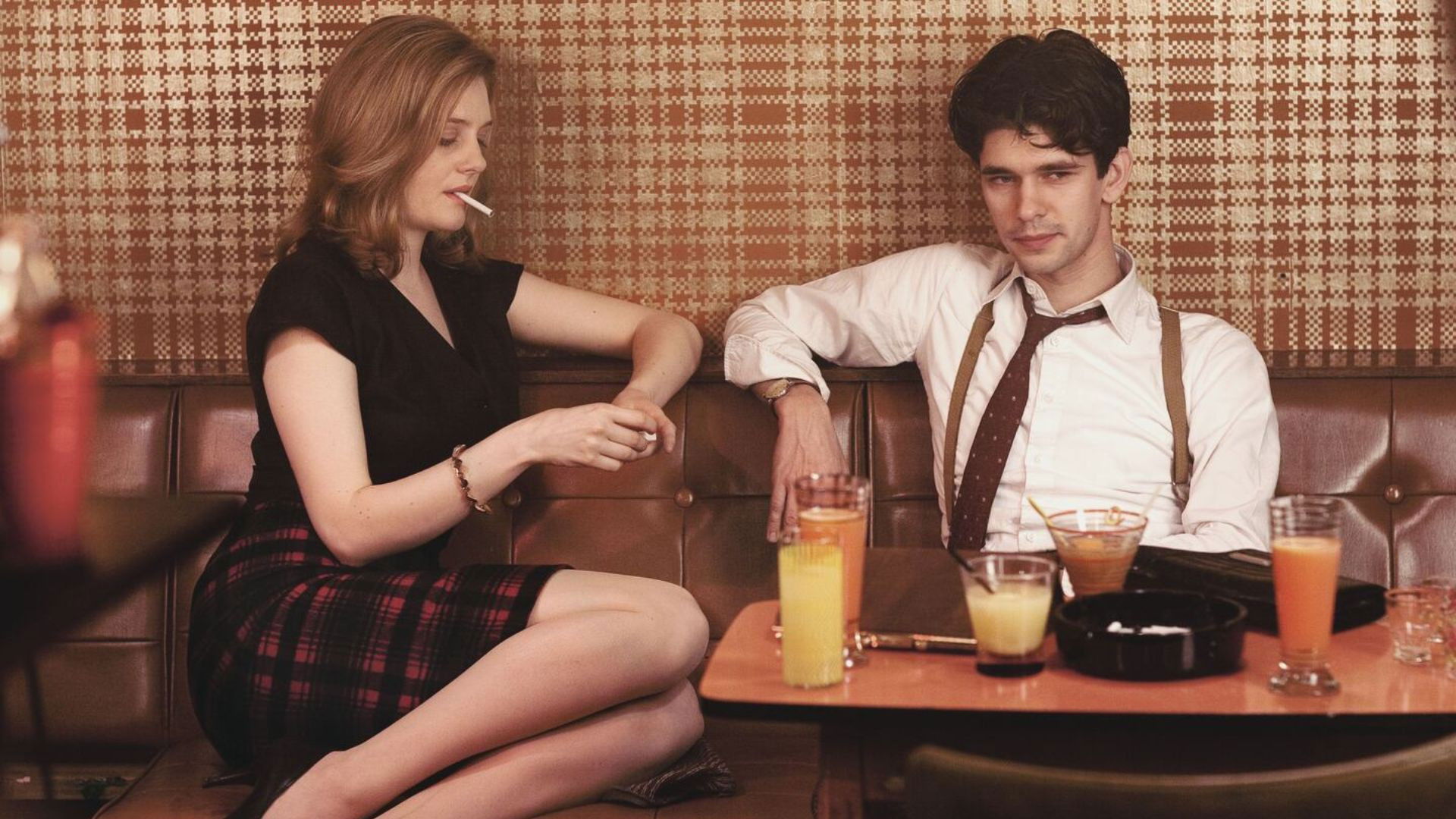
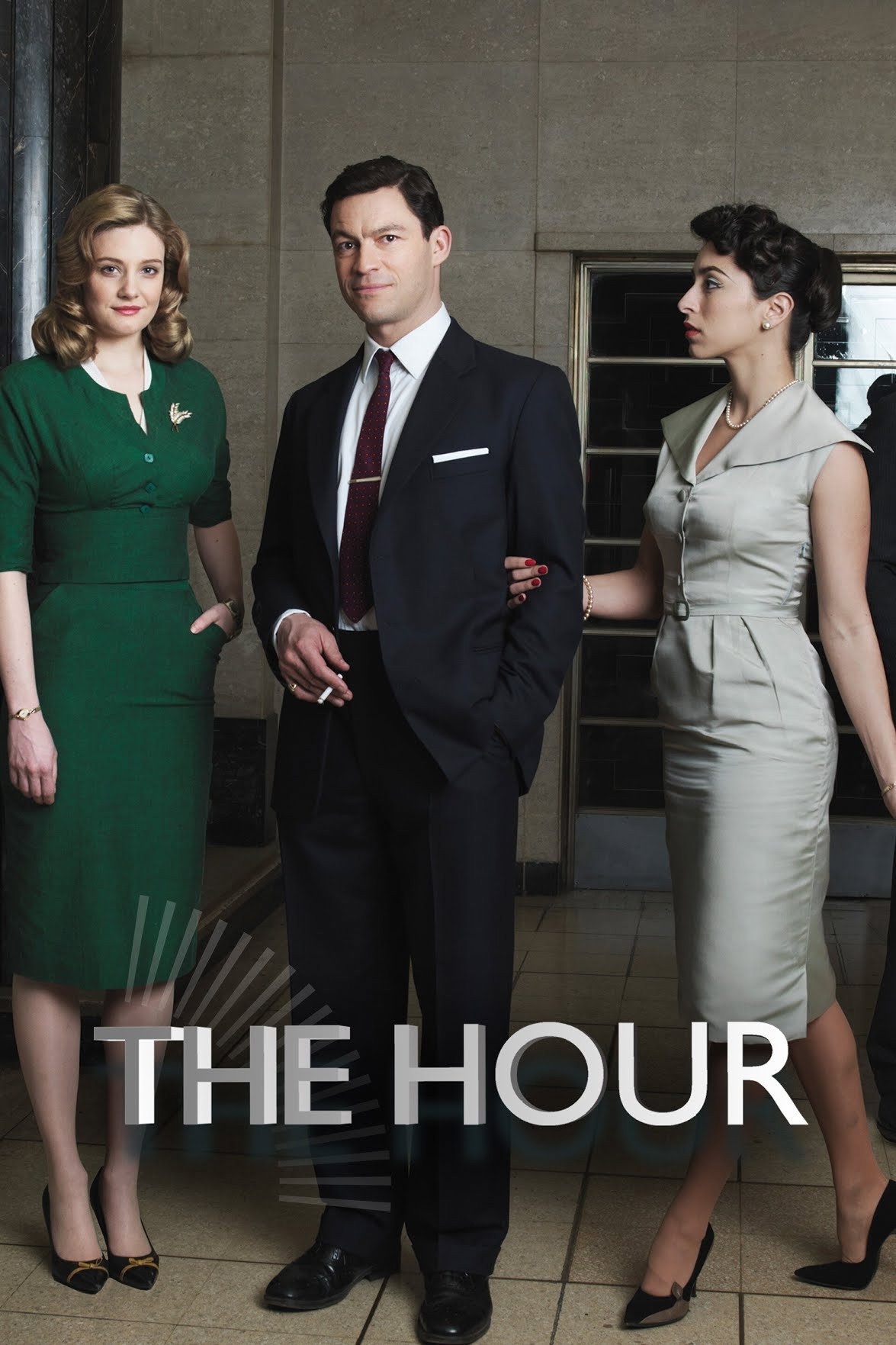
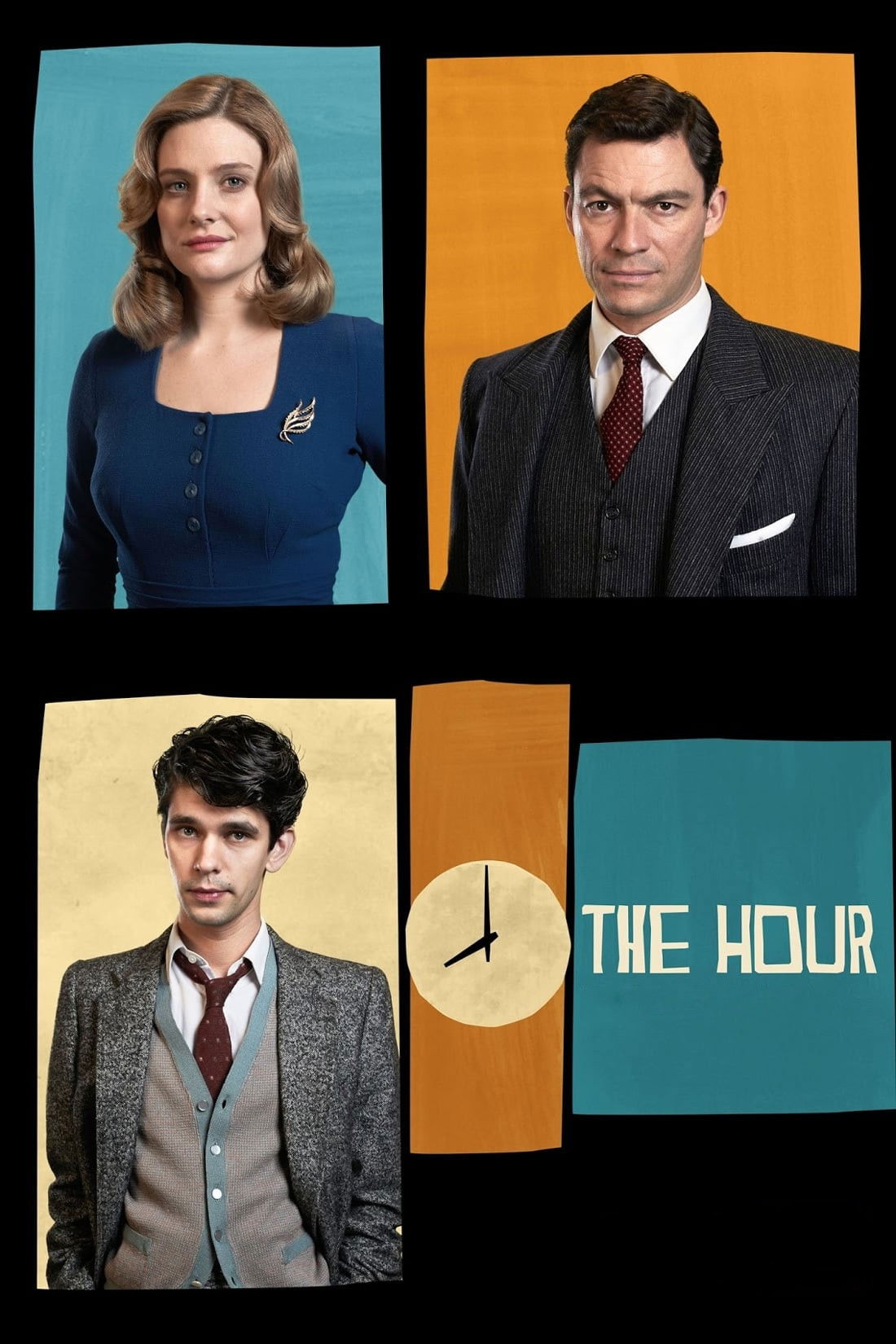
Abi Morgan’s series arrives in the BBC of 1956, in the weeks when Britain is about to go to war over the Suez Canal, and hands three people a new weekly current affairs programme called The Hour. Freddie Lyon (Ben Whishaw) is the reporter who thinks he should be running it. Bel Rowley (Romola Garai), his closest friend, is the producer who actually is. Hector Madden (Dominic West) is the presenter who has been given the chair for his jaw and his connections. Around them Morgan wraps a newsroom drama, a love triangle and a spy thriller, and she is good at two of the three.
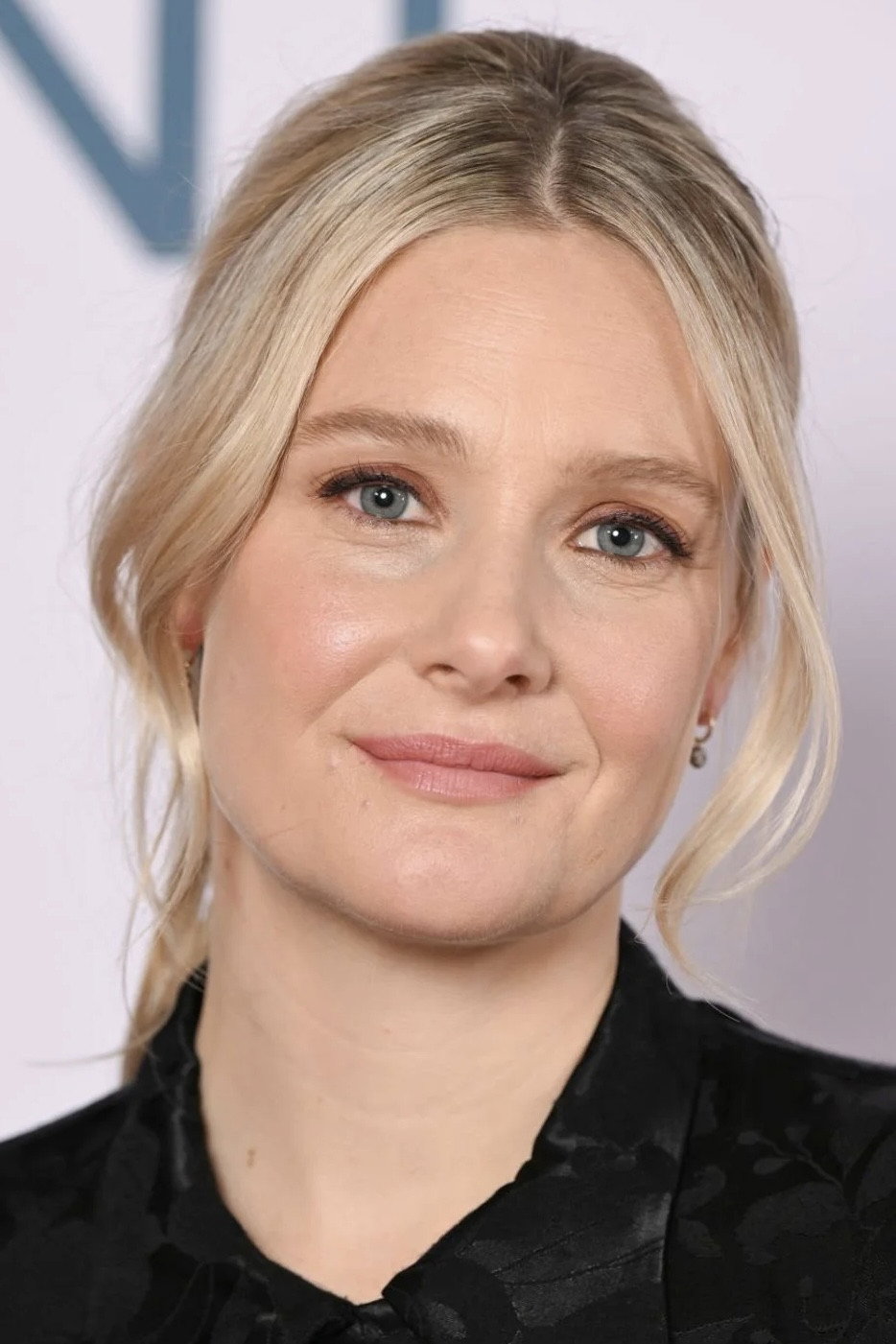
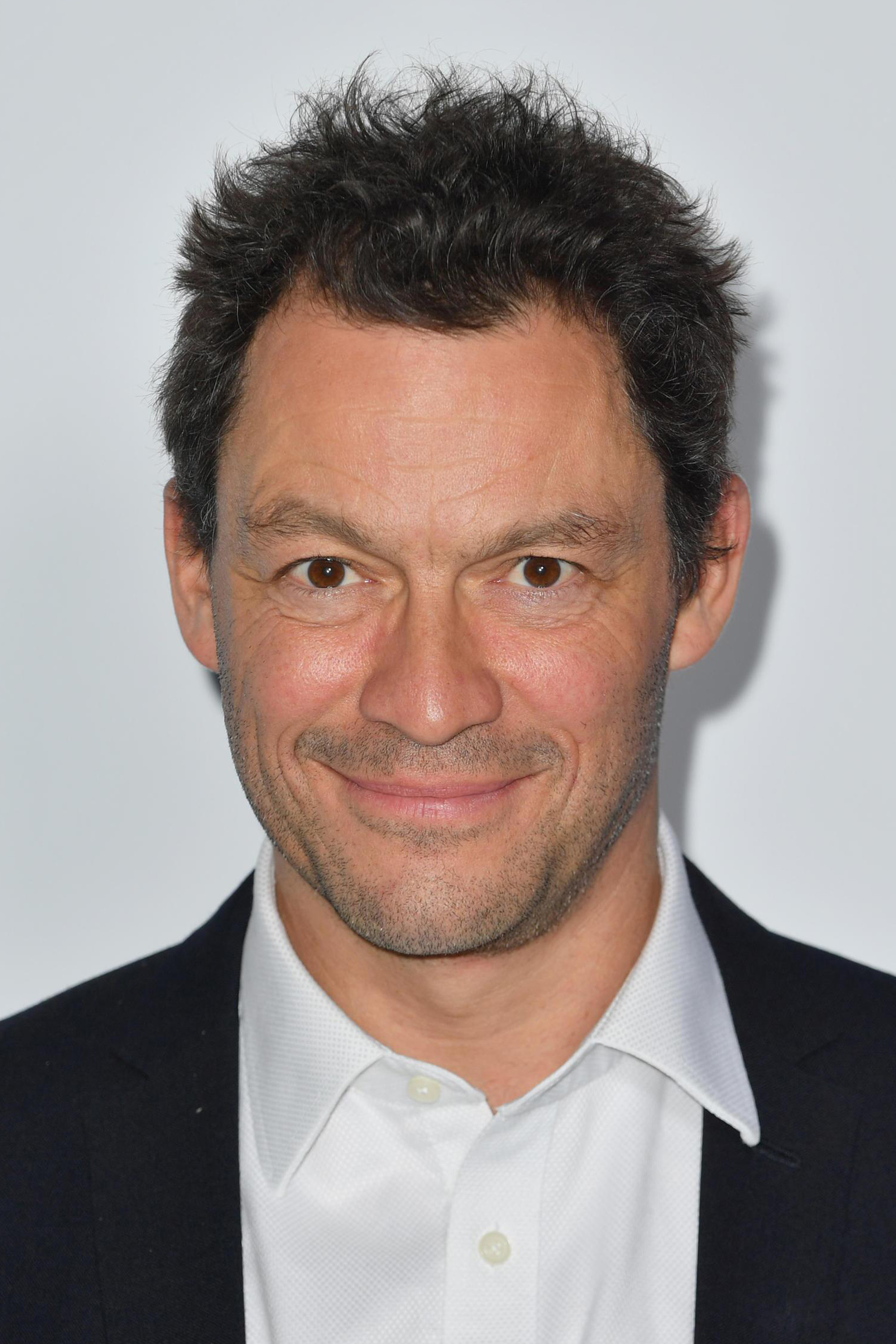
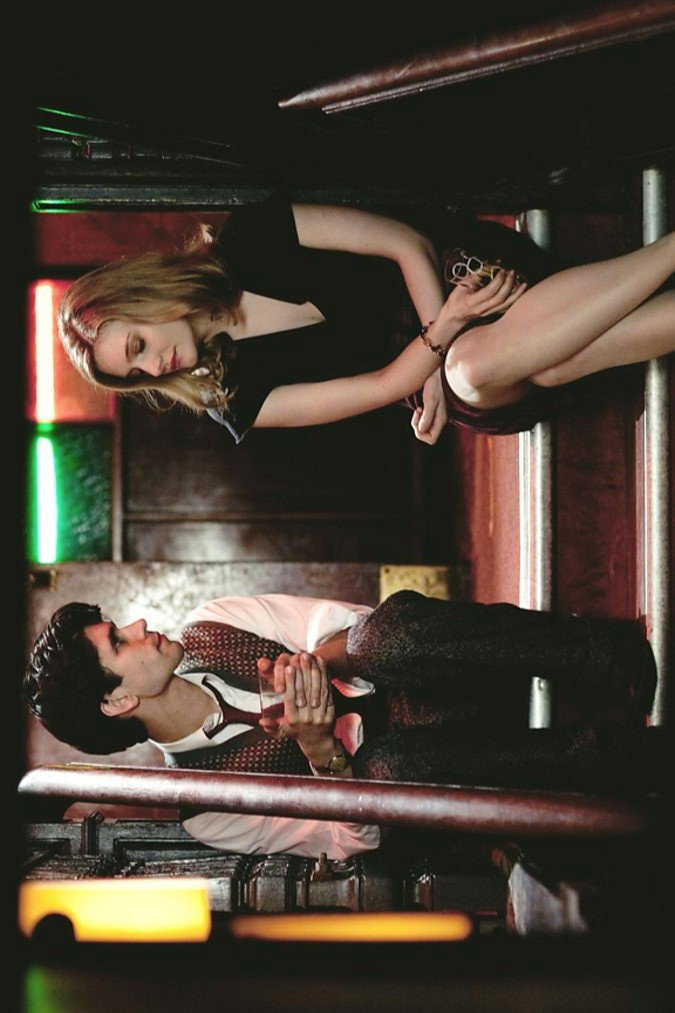
Whishaw is the reason to start. His Freddie talks too fast, ties his tie badly and cannot pass a superior without correcting him, and Whishaw plays the arrogance as hunger rather than pose, so that we forgave him about a second before the people on screen did. West plays Hector as a man who knows exactly how he looks in a suit and is beginning to suspect it is all he has. Garai has the harder job and does it beautifully: a woman running a room of men who each assume she is there to take the minutes, and who has learned to win by letting them think so for a while. Her scenes with Whishaw have the ease of two people who have been finishing each other’s sentences since school.
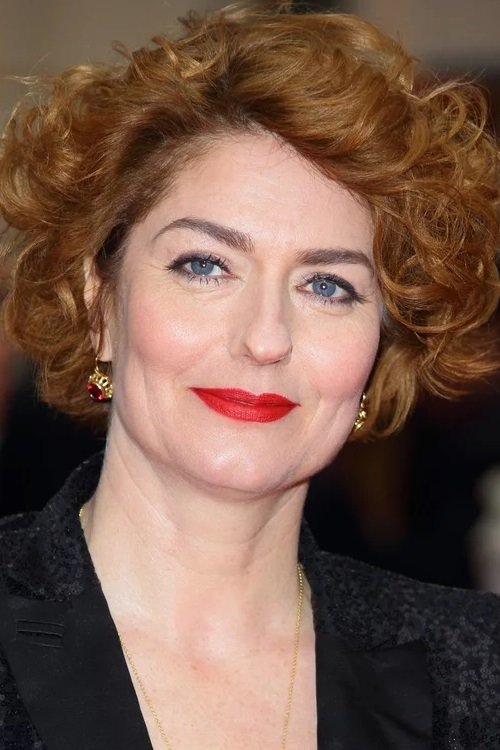
The bench behind them is deep. Anna Chancellor’s Lix Storm runs the foreign desk with a whisky and a cigarette and gets the best line in most episodes. Anton Lesser, as the head of news Clarence Fendley, does more with a raised eyebrow than the script manages with a page. Julian Rhind-Tutt’s Angus McCain, the government’s man, drifts in and out of the building in a good coat, all smiles and small threats, and the newsroom feels colder each time he leaves it. Oona Castilla Chaplin, as Hector’s wife Marnie, is given a hostess’s smile and a great deal to hide behind it.
It is handsomely done. The newsroom is typewriters, telephones and cigarette haze; the studio floor is a cramped, hot room with cameras the size of wardrobes and a red light everyone watches. The live broadcasts are the best sequences in the run. There is a countdown, a running order that has just fallen apart, a presenter reading a script he has not seen, and we found ourselves sitting forward, tense, over a programme we knew perfectly well would go out on time. That happens every time the series goes back to the studio, and it is the strongest argument for staying with it.
Morgan has a habit of handing Freddie speeches about the duty of journalism that sound written in 2011 and read aloud in 1956; he is not wrong, he is just not talking like anyone else in the building. And then there are the spies. A death that may not be an accident, a coded message, a frightened girl, a quiet man called Thomas Kish (Burn Gorman) who appears in corridors: it is all competently laid out and none of it grips. The thread keeps pulling the camera away from the newsroom and into a dim room where somebody says something cryptic, and by the fourth episode we were bored with it, and then irritated, because the newsroom it kept leaving was so plainly alive.
The second run, first shown in November 2012, is the better one. Peter Capaldi arrives as Randall Brown, a new head of news with a tidy desk and a way of standing too close, and the series seems to relax once it has him, spending more time on the programme and less on the shadows. It ends after twelve episodes, six a series.
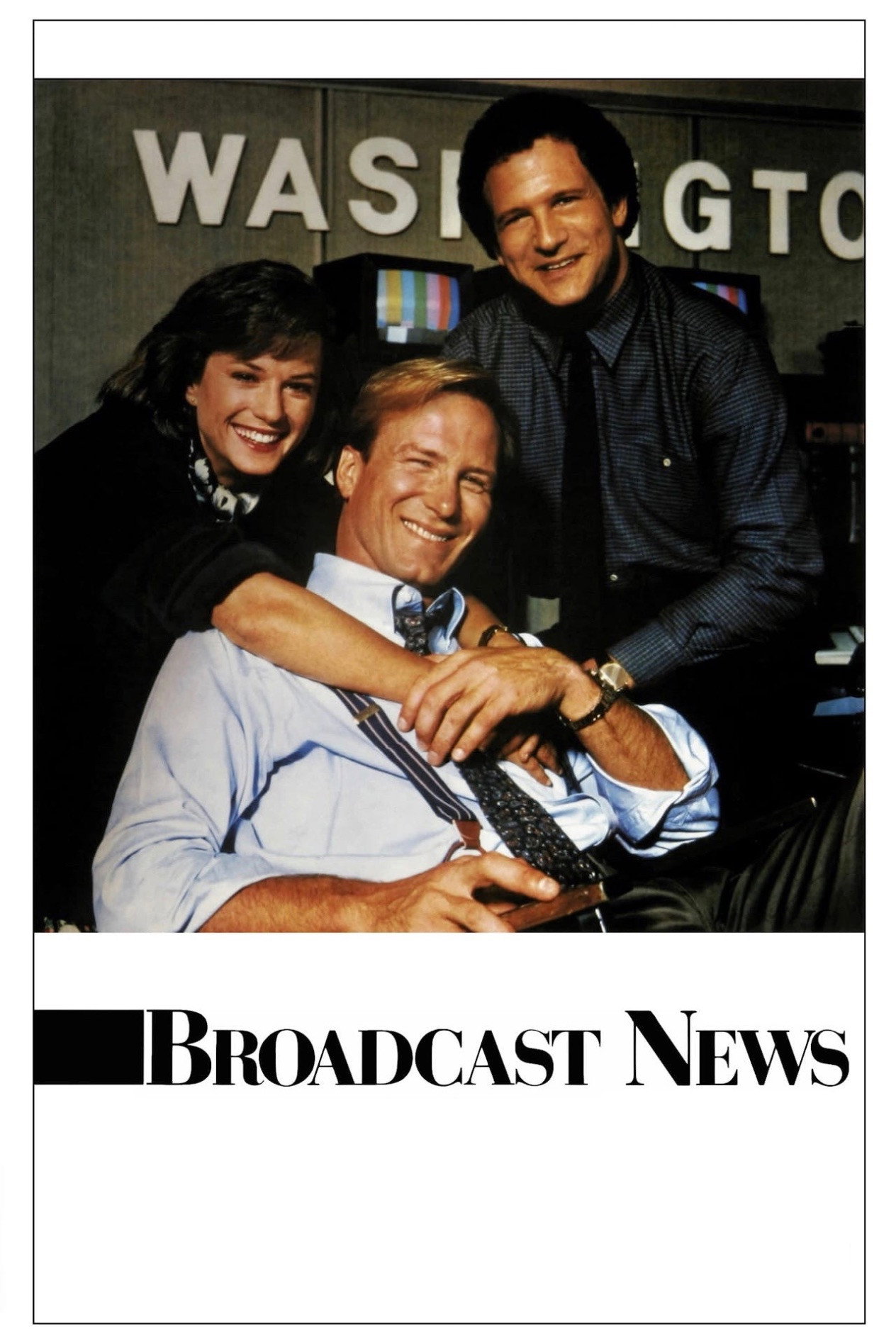
Set against Broadcast News or Mad Men, which it is clearly thinking about, it is smaller and more earnest and does not have their nerve. Set against most British period television it is quick, well cast and unafraid of politics. Watch it for Whishaw and Garai, who are worth an evening on their own; give the spies three episodes to make their case and then stop waiting for them. Each episode runs an hour and carries a 15.