Ten hours of two ships frozen into the Arctic, and the most frightening period television we have sat through in a long while. The creature is the least of it; the cold, the dark and the men do the work. It goes slack in the middle.
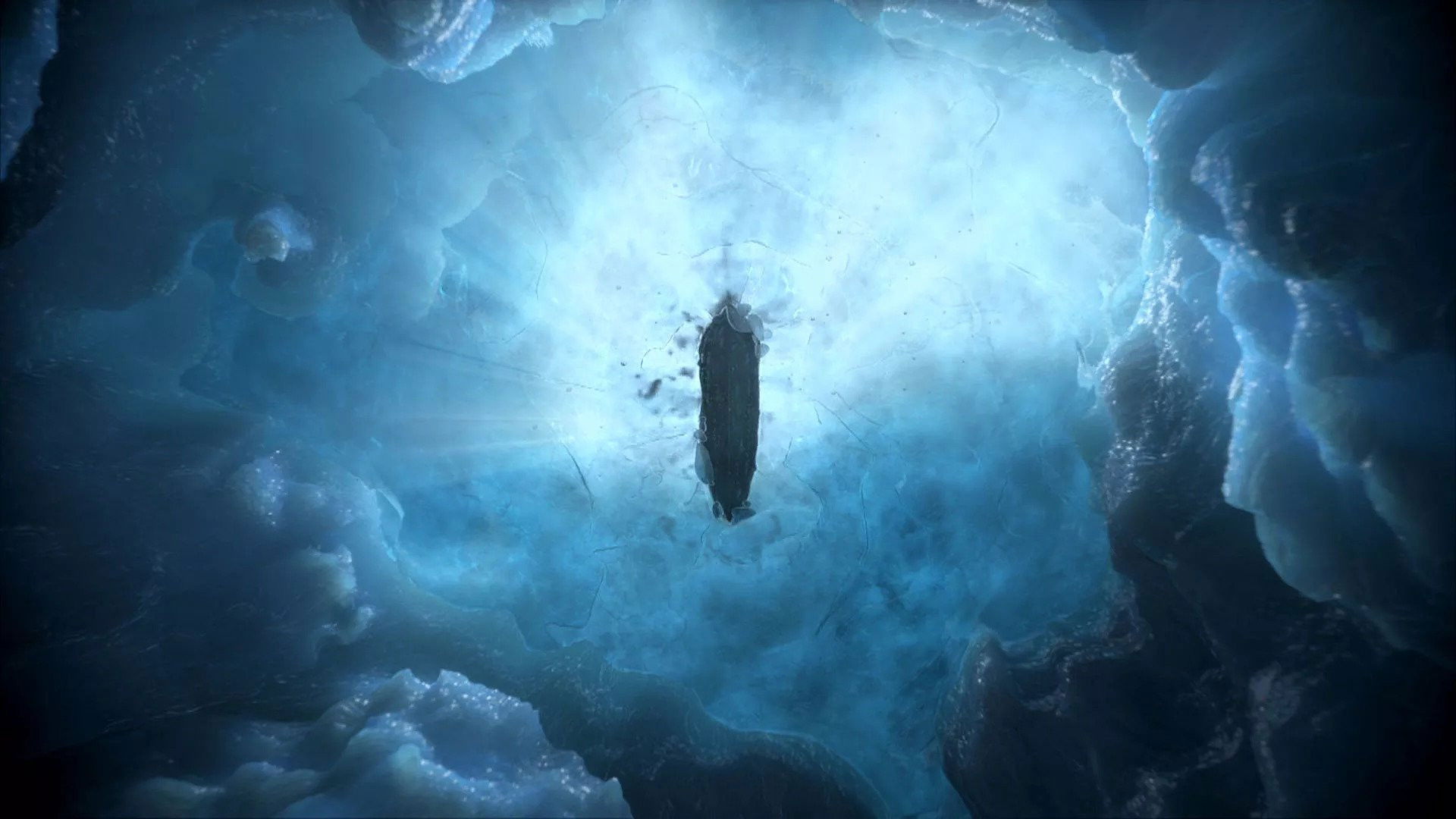
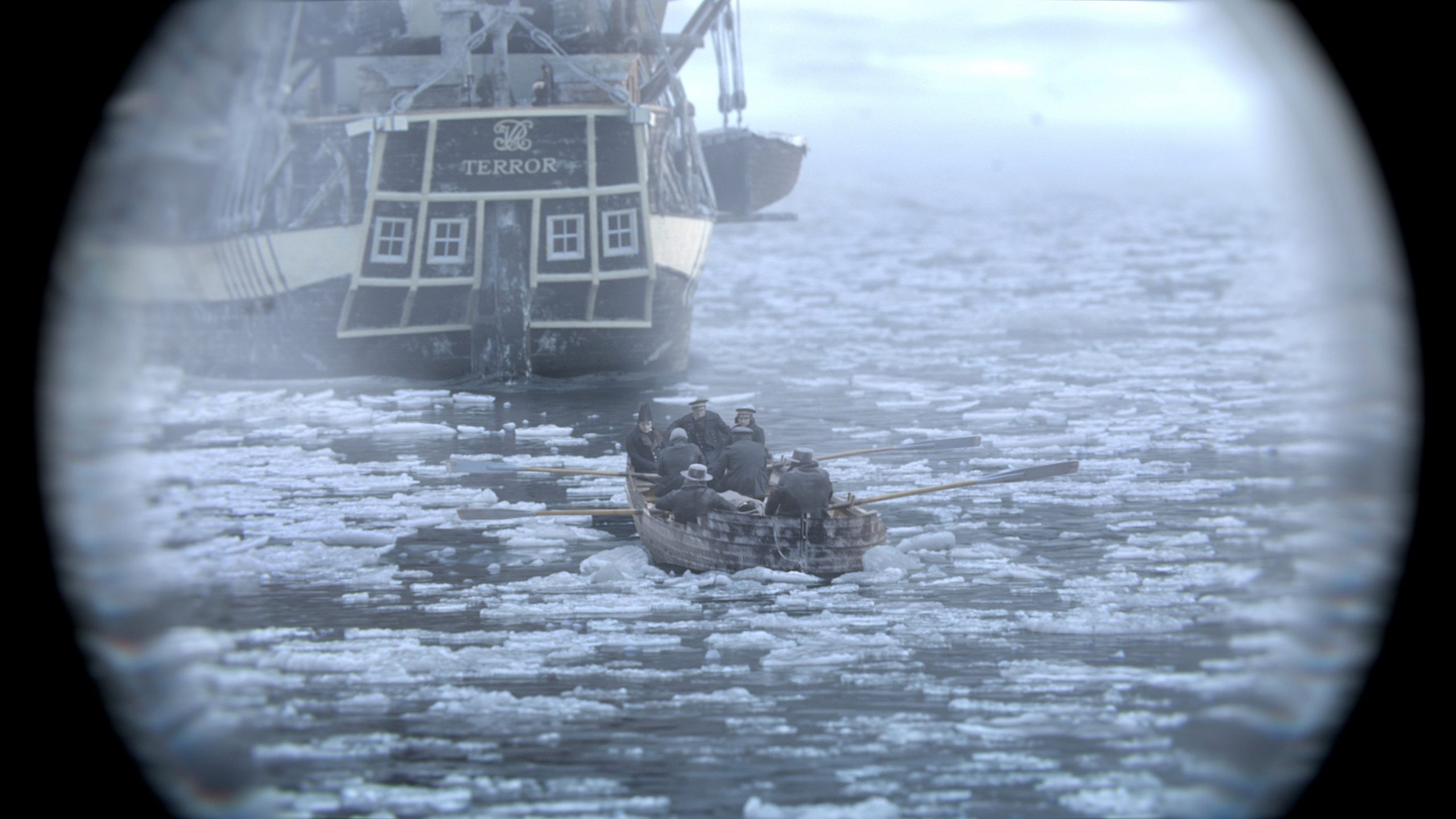
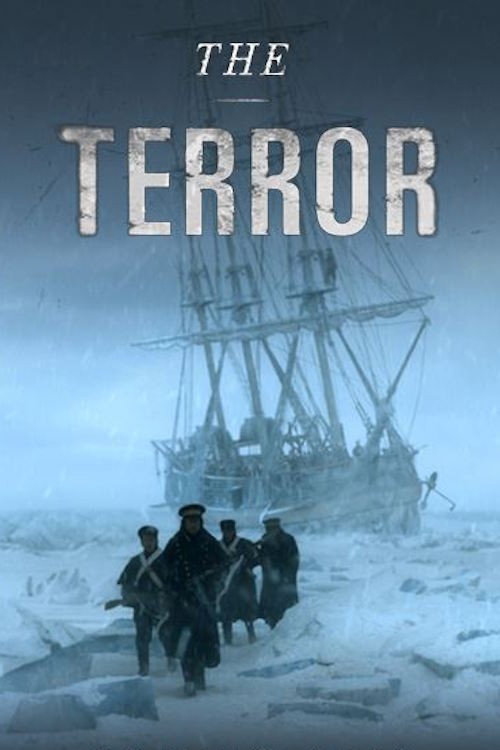
In 1845 two Royal Navy ships, Erebus and Terror, sailed for the Arctic to find the Northwest Passage, and neither came back. That is a matter of record, and the series tells you as much in its first minutes, with a naval officer asking an Inuit man what happened. David Kajganich’s adaptation of Dan Simmons’s novel fills the gap between what is known and what is not, and it fills it with a creature. The surprise is how little the creature matters. This is a series about cold, rank and tinned food, and it is very good at all three.
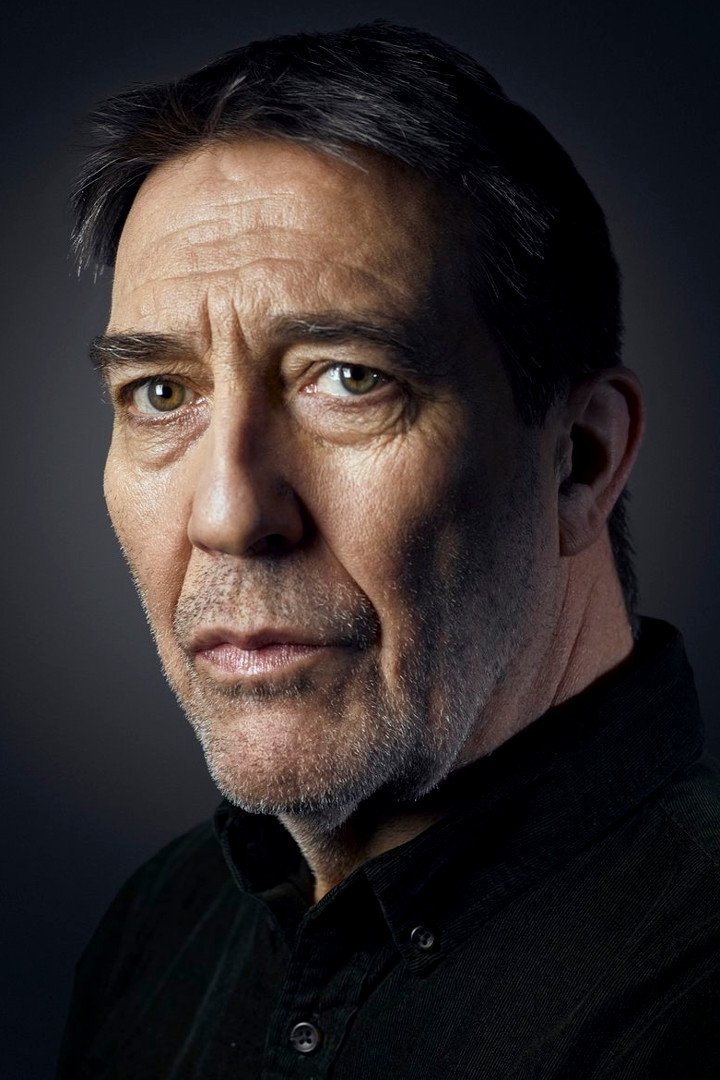
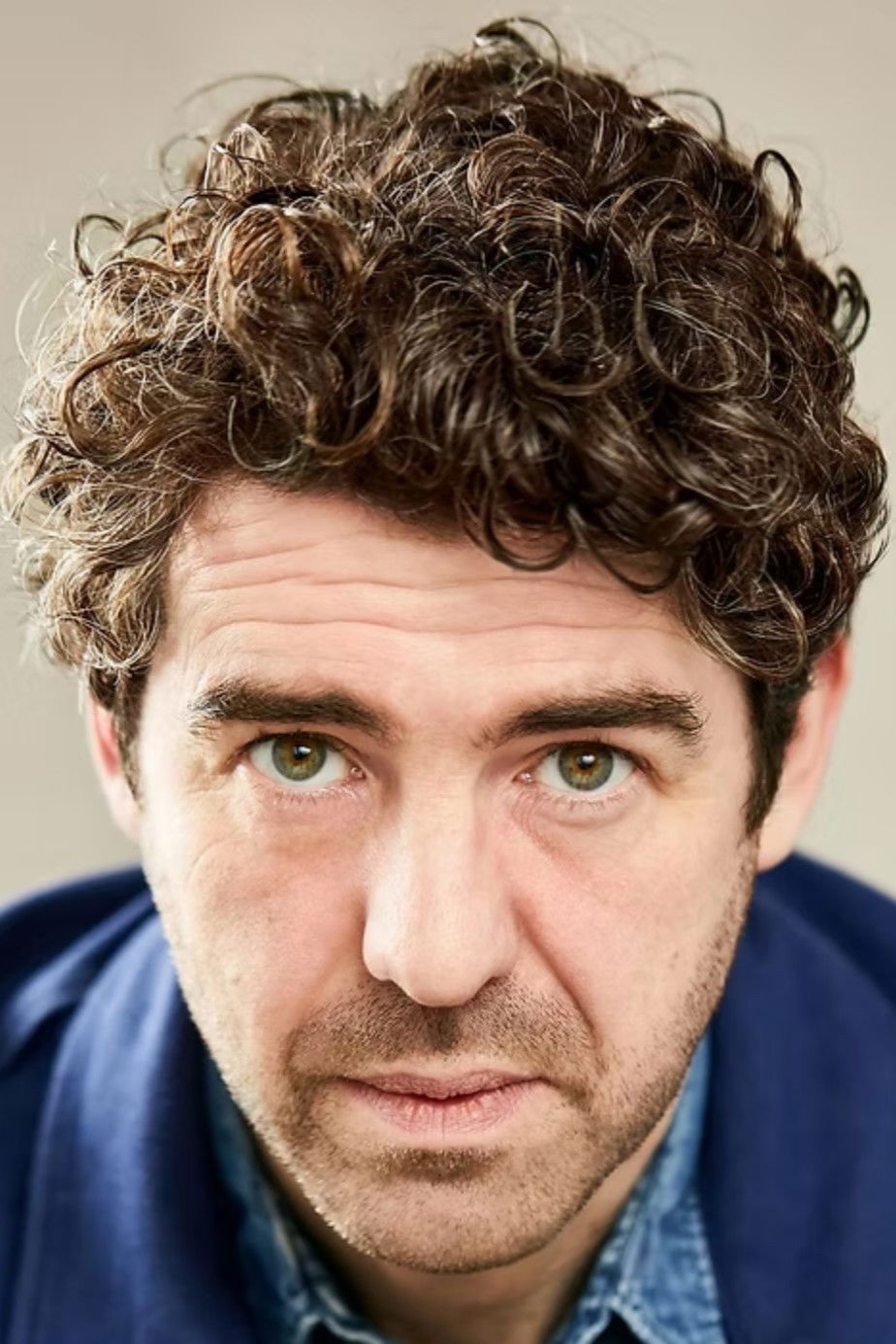
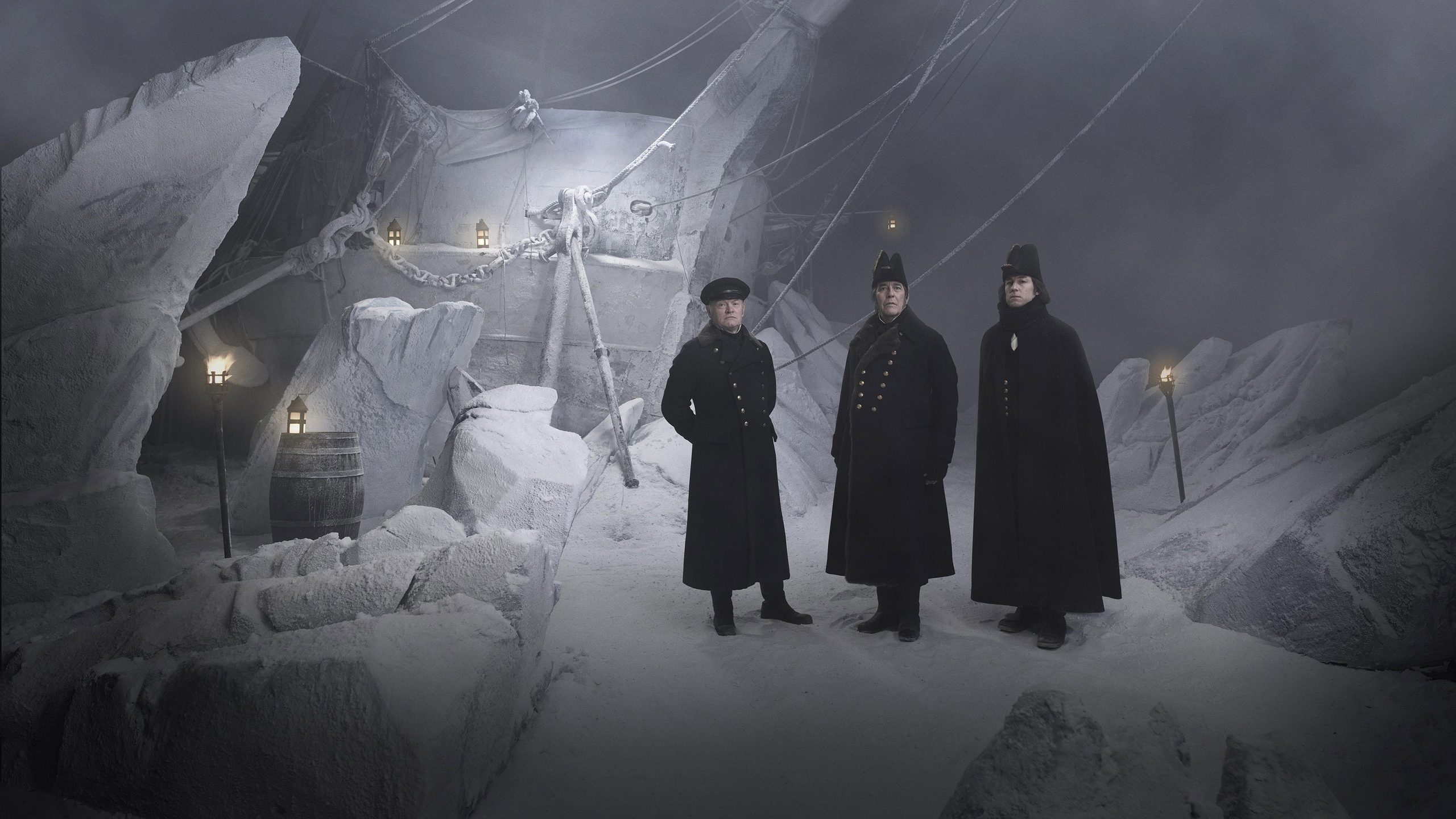
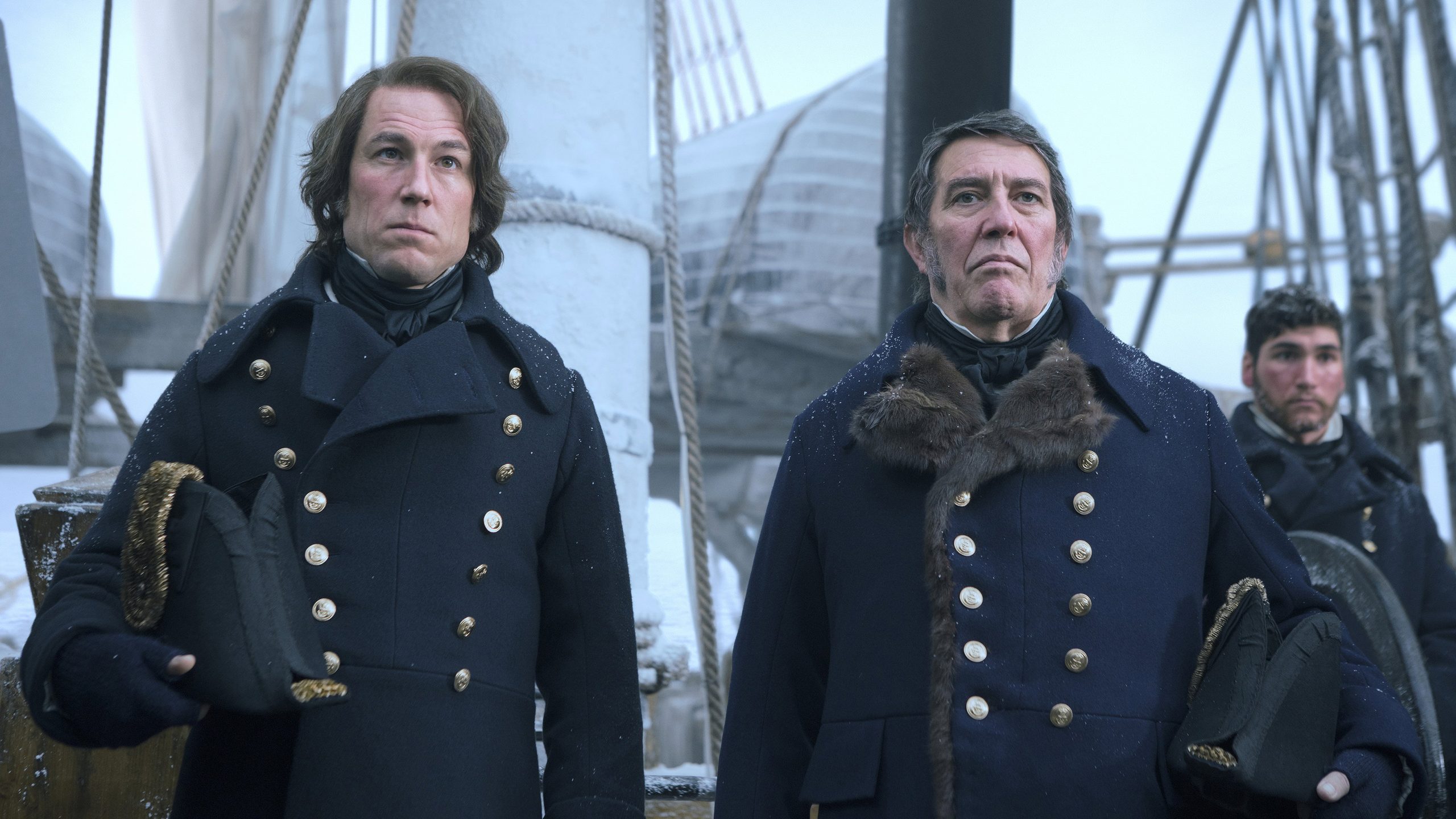
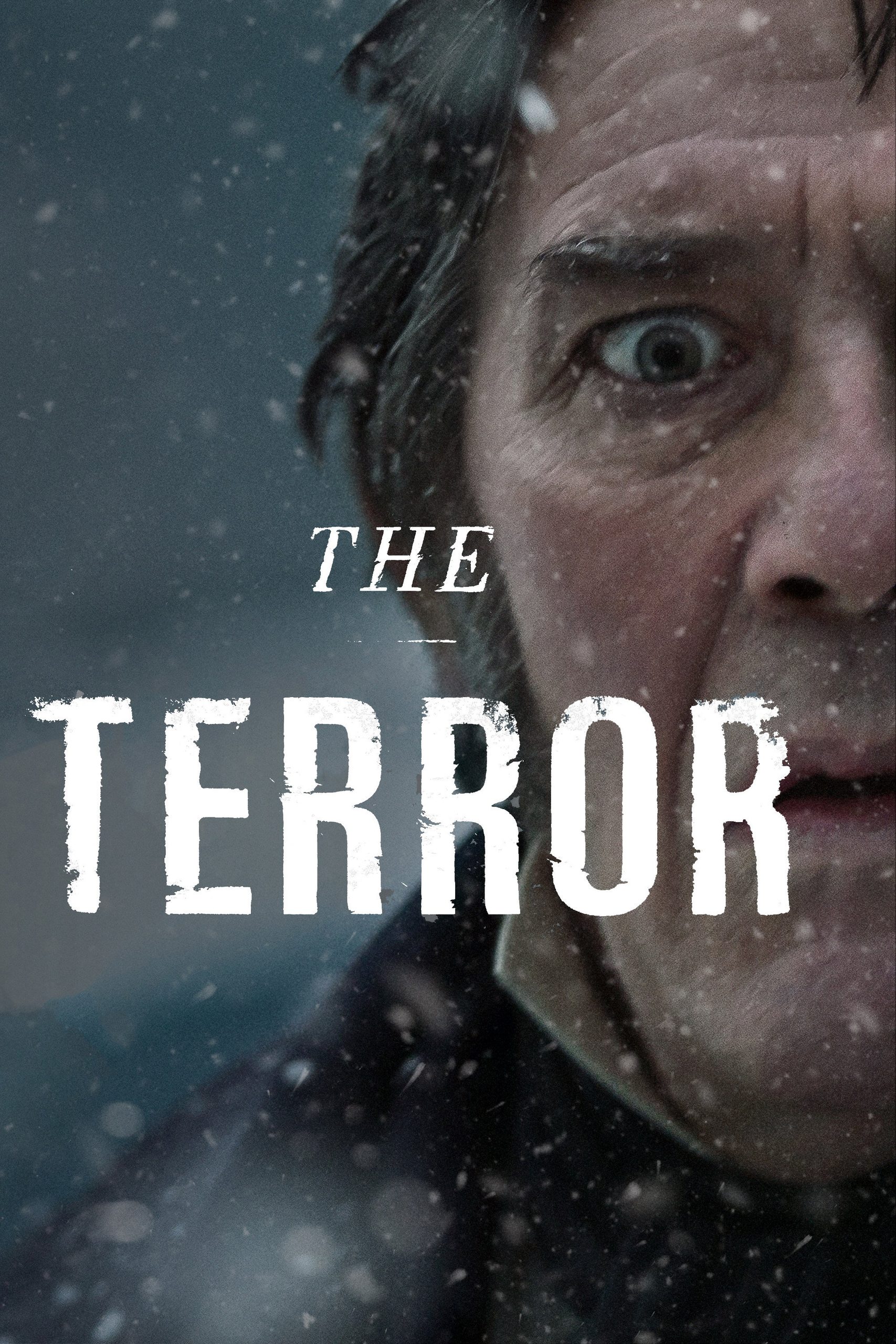
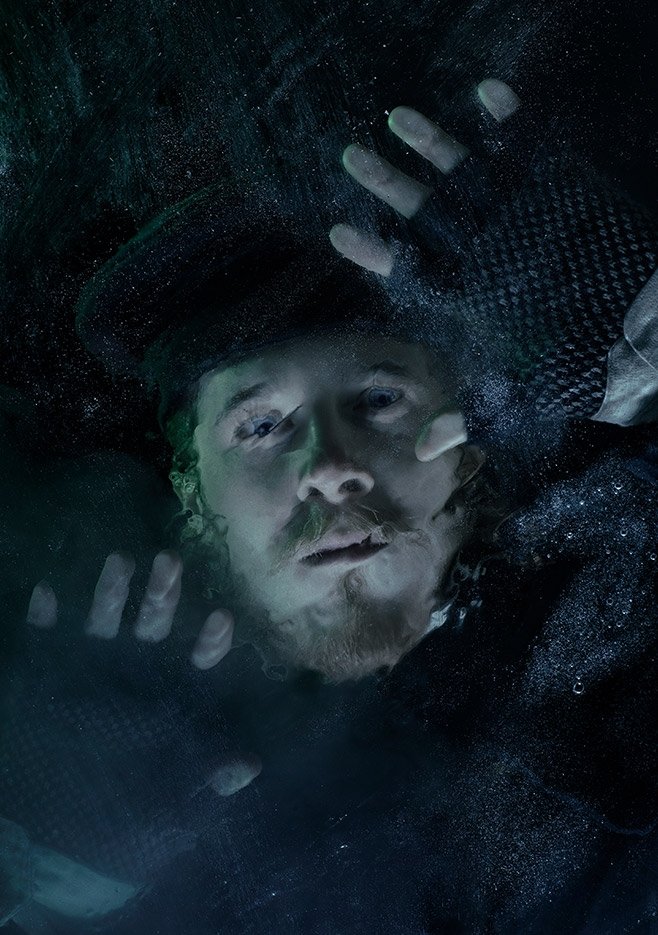
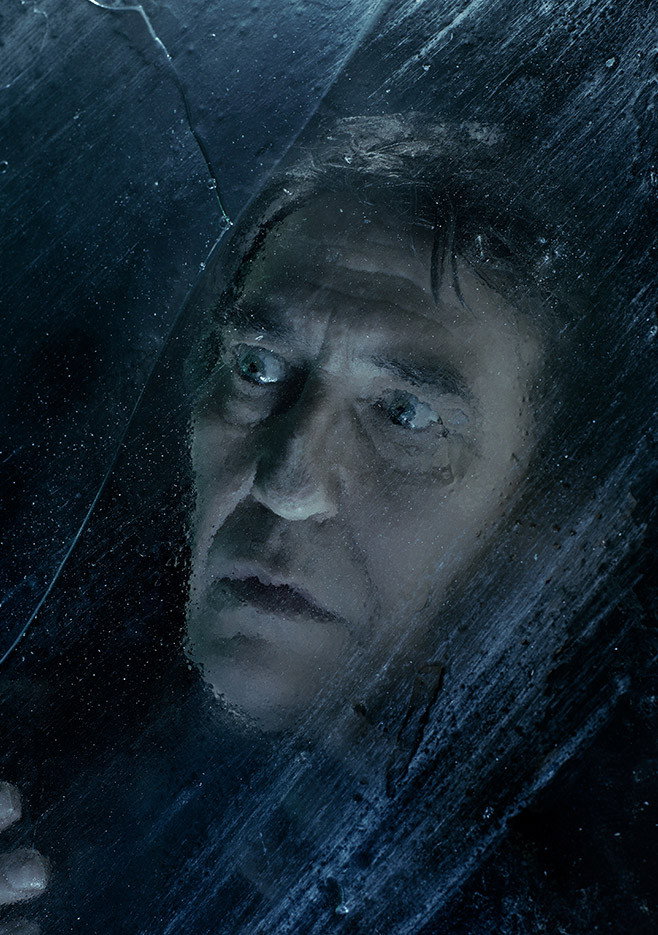
The first three episodes set the ships in the ice and the men against each other. Ciarán Hinds plays Sir John Franklin as a kind, pious man who has never once been in a room where he was not the most important person, and does not know how dangerous that has made him. Jared Harris’s Francis Crozier, captain of Terror and Franklin’s second, is the man who says so, and is punished for it with polite silence. Tobias Menzies, as James Fitzjames, keeps the officers’ dinners going with anecdotes he has told before. By the time a hunting party shoots an Inuit man on the ice and his daughter, Silna (Nive Nielsen), is brought aboard, the expedition has already begun to fail without any help from the supernatural.
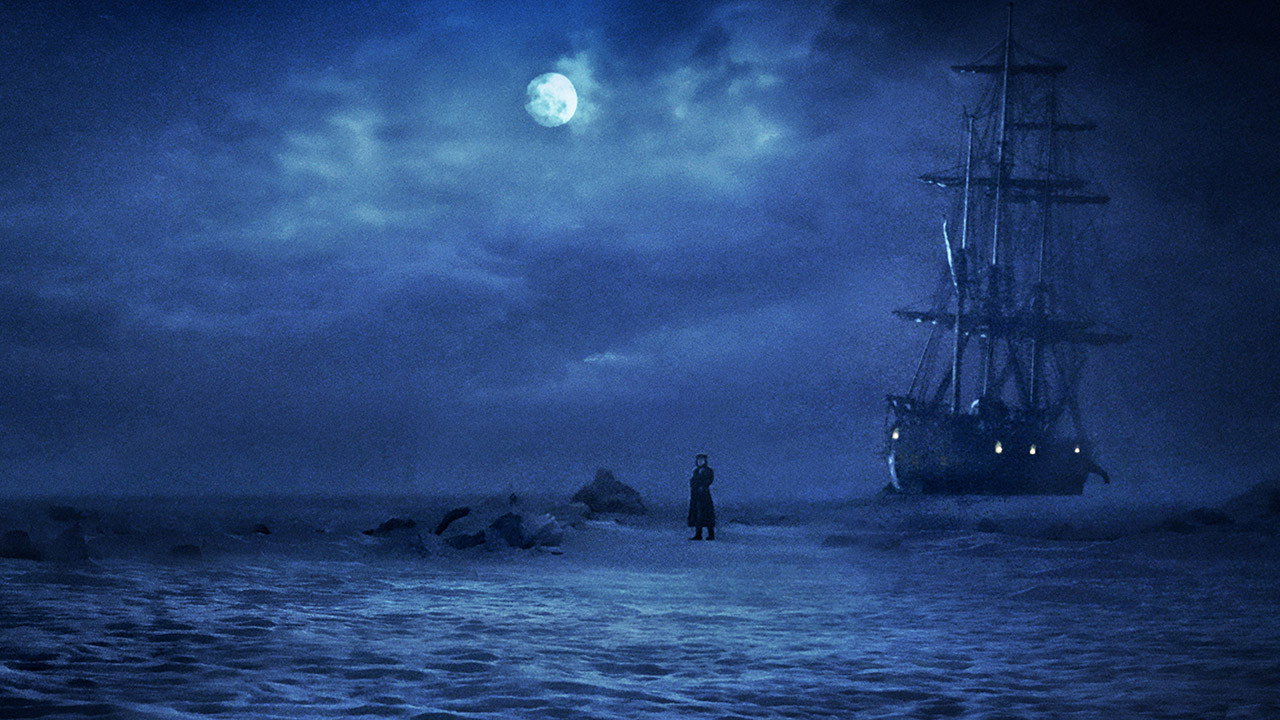
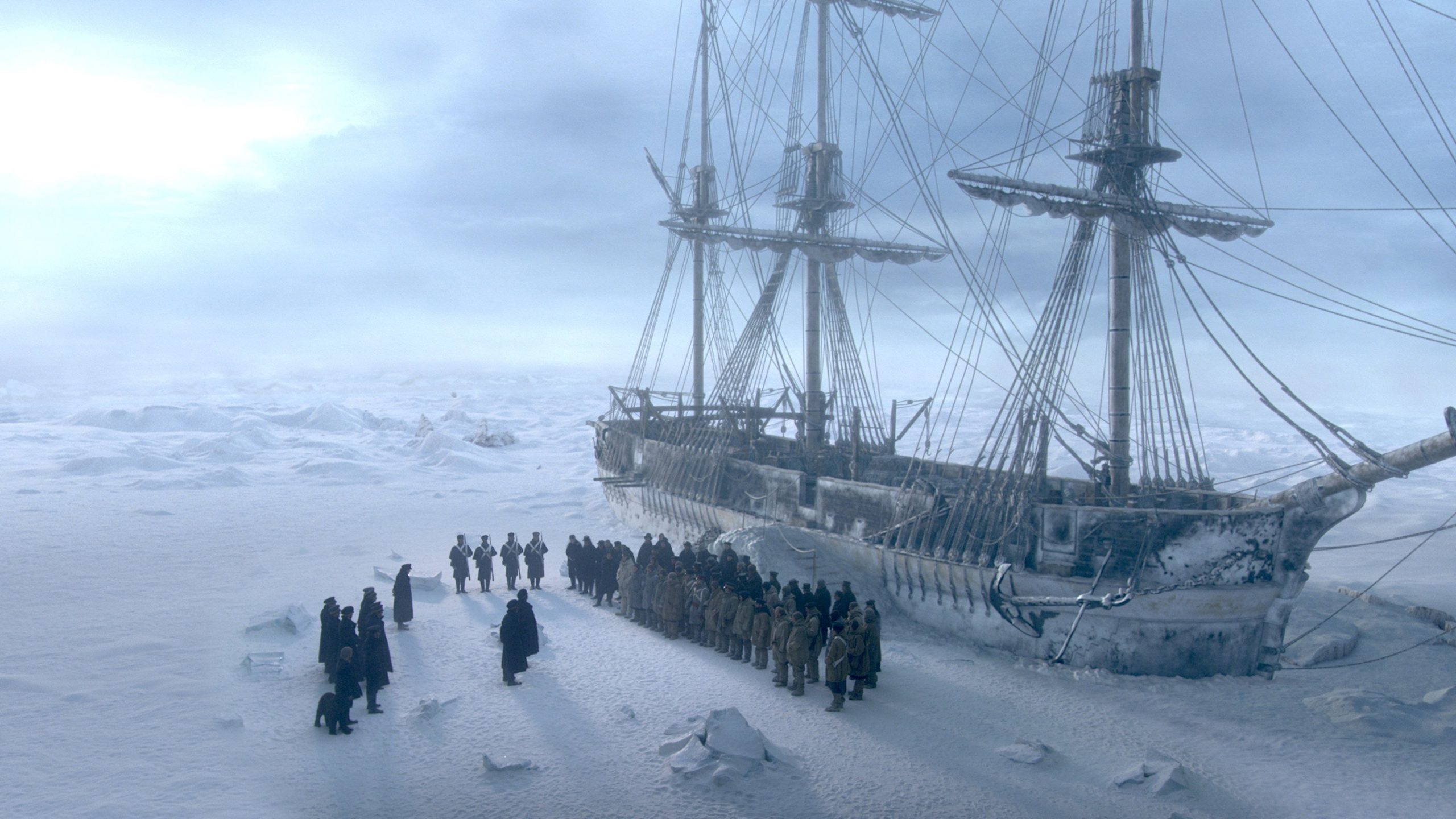
It is made with unusual care. Above decks there is no horizon; sky and ice are the same dirty white and the masts are the only vertical lines for a hundred miles. Below, the ceilings are so low that the camera keeps the beams in frame and the officers stoop, and the light comes from lanterns that show breath before they show faces. The sound is the best thing in it. The ice groans through the hull like something alive, the timbers answer, and the score scrapes and hums rather than swells. The directors, Edward Berger and Tim Mielants among them, hold shots still and let men stand in the cold until we feel it.
The moment that got us came in the first episode and had nothing to do with anything on the ice. A young seaman dies in the sick bay of something no one can name, and Paul Ready’s Goodsir attends him with a tenderness the officers upstairs, at dinner, know nothing about. It moved us more than we were ready for, because nobody raised their voice and nobody was allowed to. We were frightened later, properly frightened, and it was almost never by what appeared; it was by a hatch left open, a lamp going out, a man walking away from the ship alone.
Harris carries the series. His Crozier is a man who has been right too often, drinks about it, and has stopped expecting anyone to listen. Hinds is warm enough that Franklin’s blindness hurts. Adam Nagaitis, as Hickey, gives us a small man who notices everything and says little, and the series is wise enough to let him be interesting before it tells us what he is. Ready is the one you will worry about.
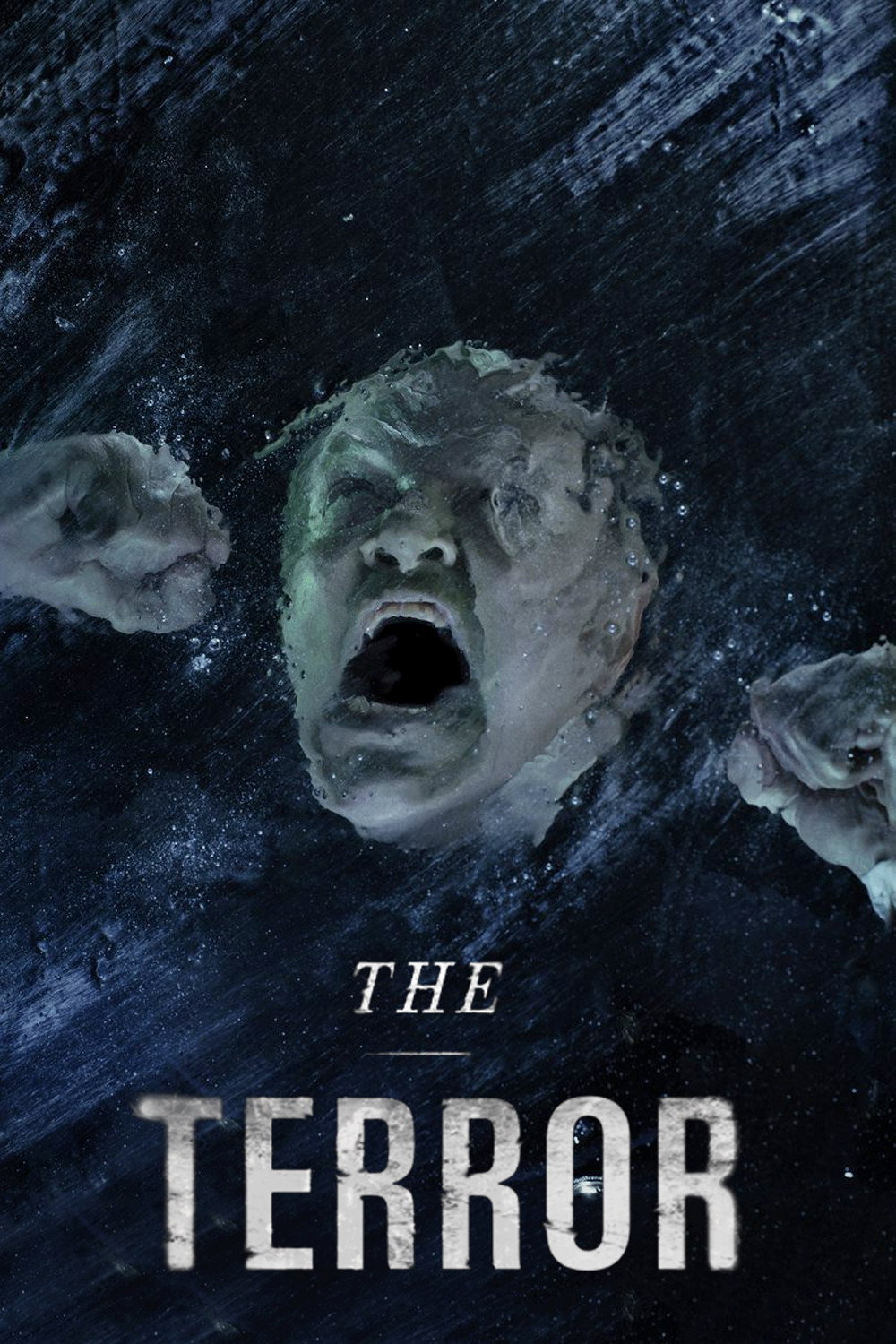
It is too long. The middle episodes, roughly four to six, have the men do the same things in the same rooms, and the tension leaks out through repetition rather than release. When the creature is finally shown at length it is a computer-drawn thing that convinces far less than the ice does, and we found ourselves wishing it would stay in the fog. Silna is given less inner life than the sailors, and the Inuit remain, for most of ten hours, something the English look at. Most critics have made the first complaint; fewer have made the third.
The second season, Infamy (2019), is a different story with a different cast, led by Derek Mio as Chester Nakayama. It shares a title and a taste for slow dread and not much else, and it is best judged as a separate programme. Everything above is about the first ten episodes.
Certificate 18, 44 minutes an episode, and not one of them warm. Watch it in winter with the heating on, and do not eat anything out of a tin while you do.