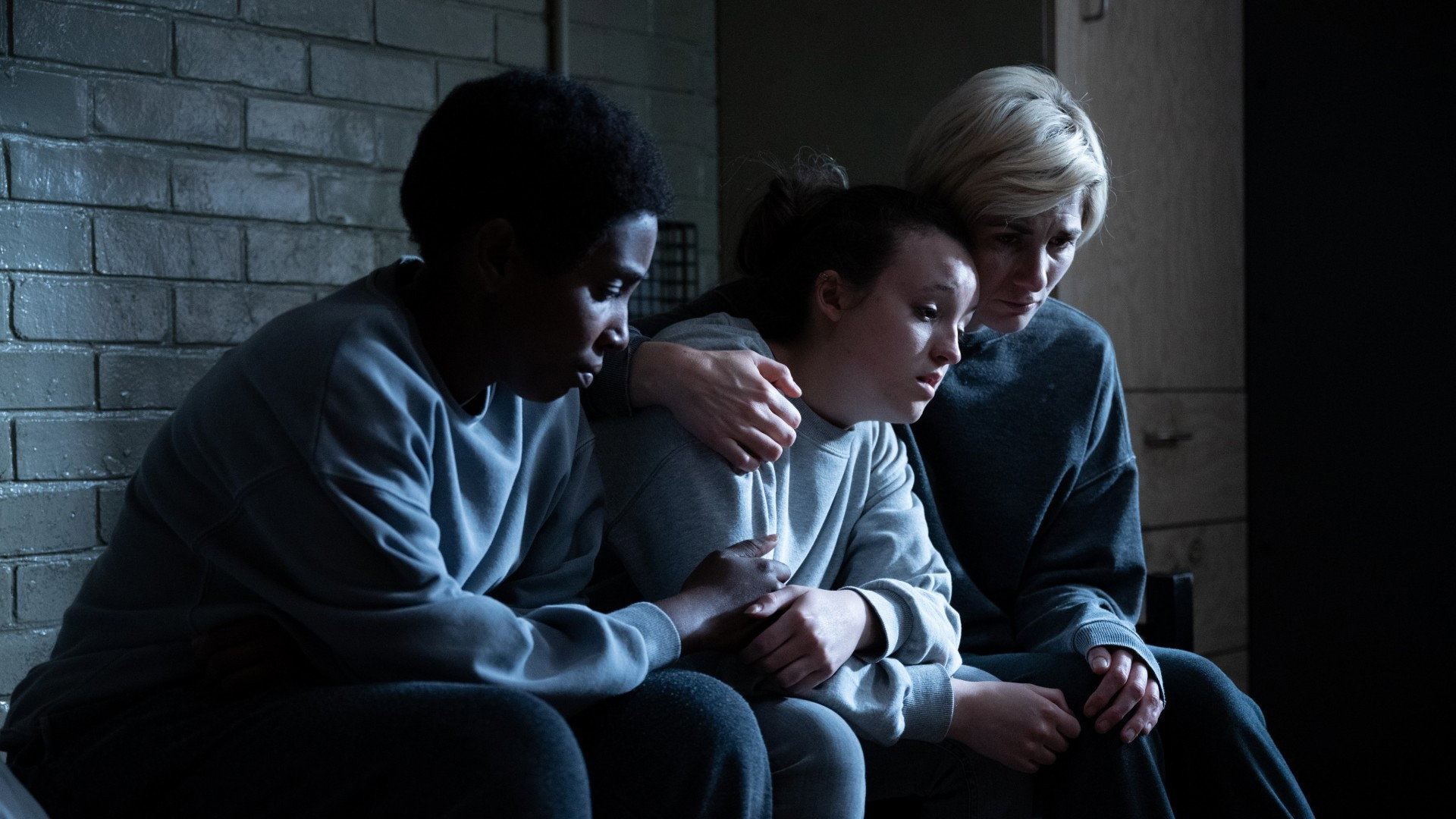
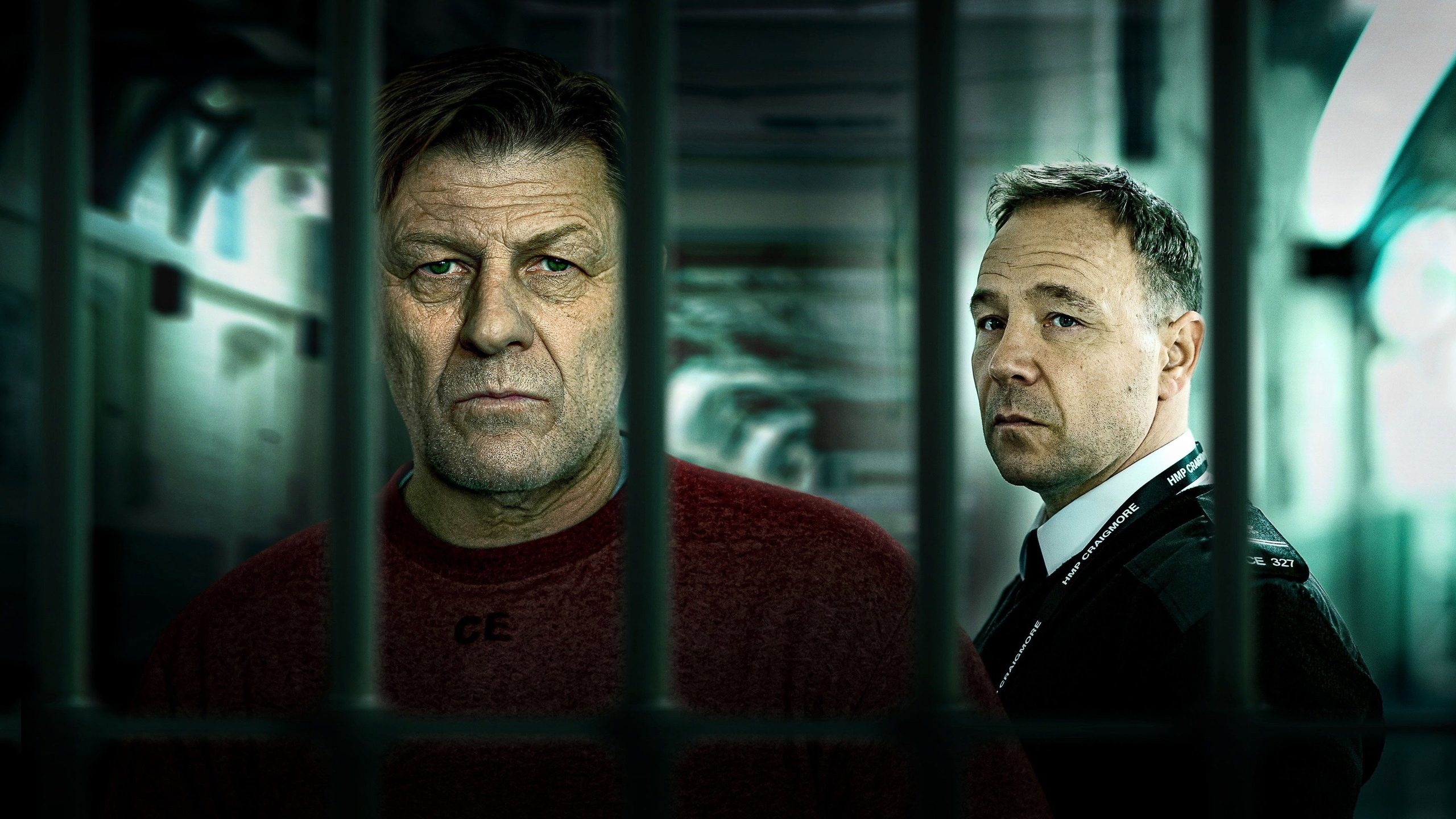
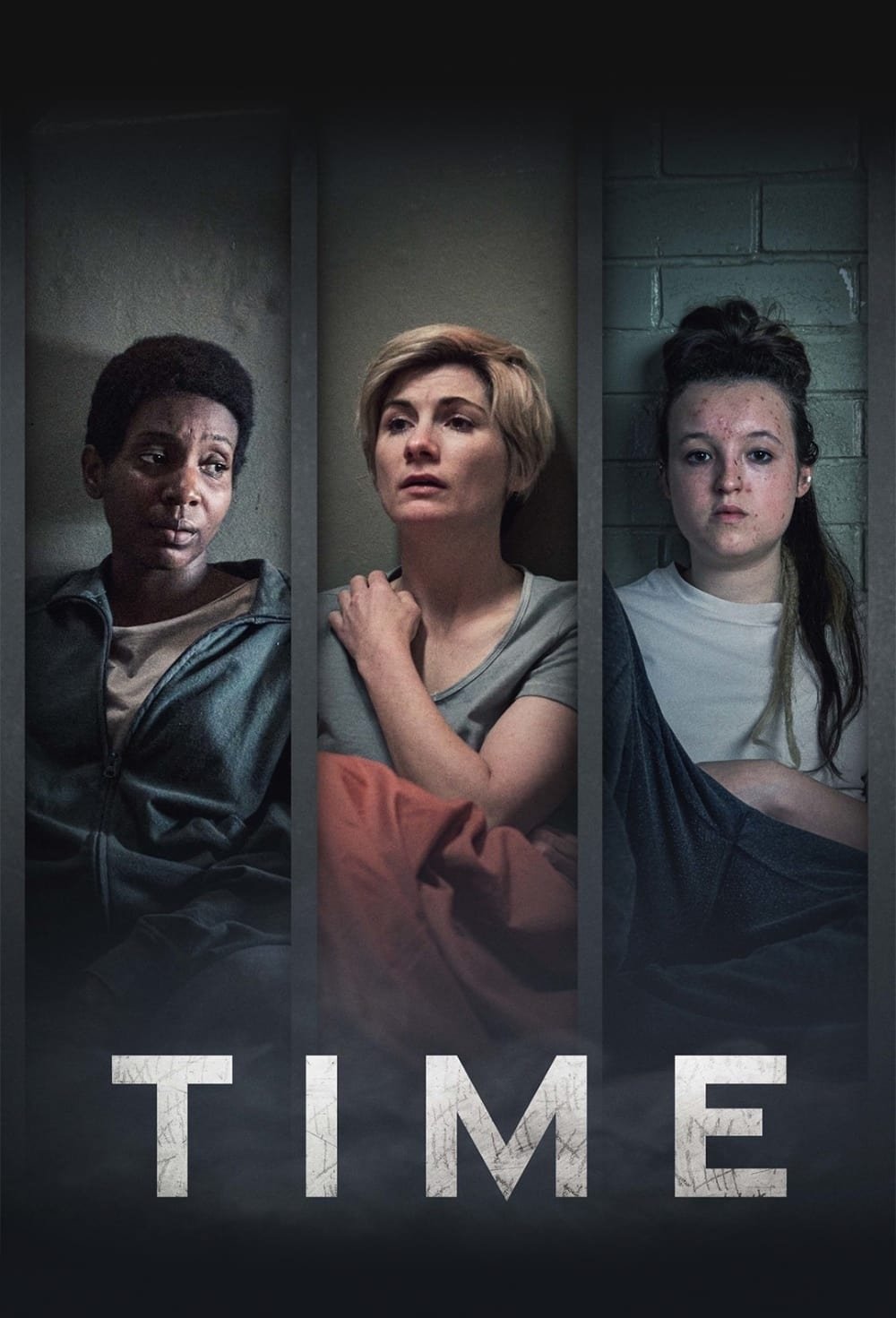
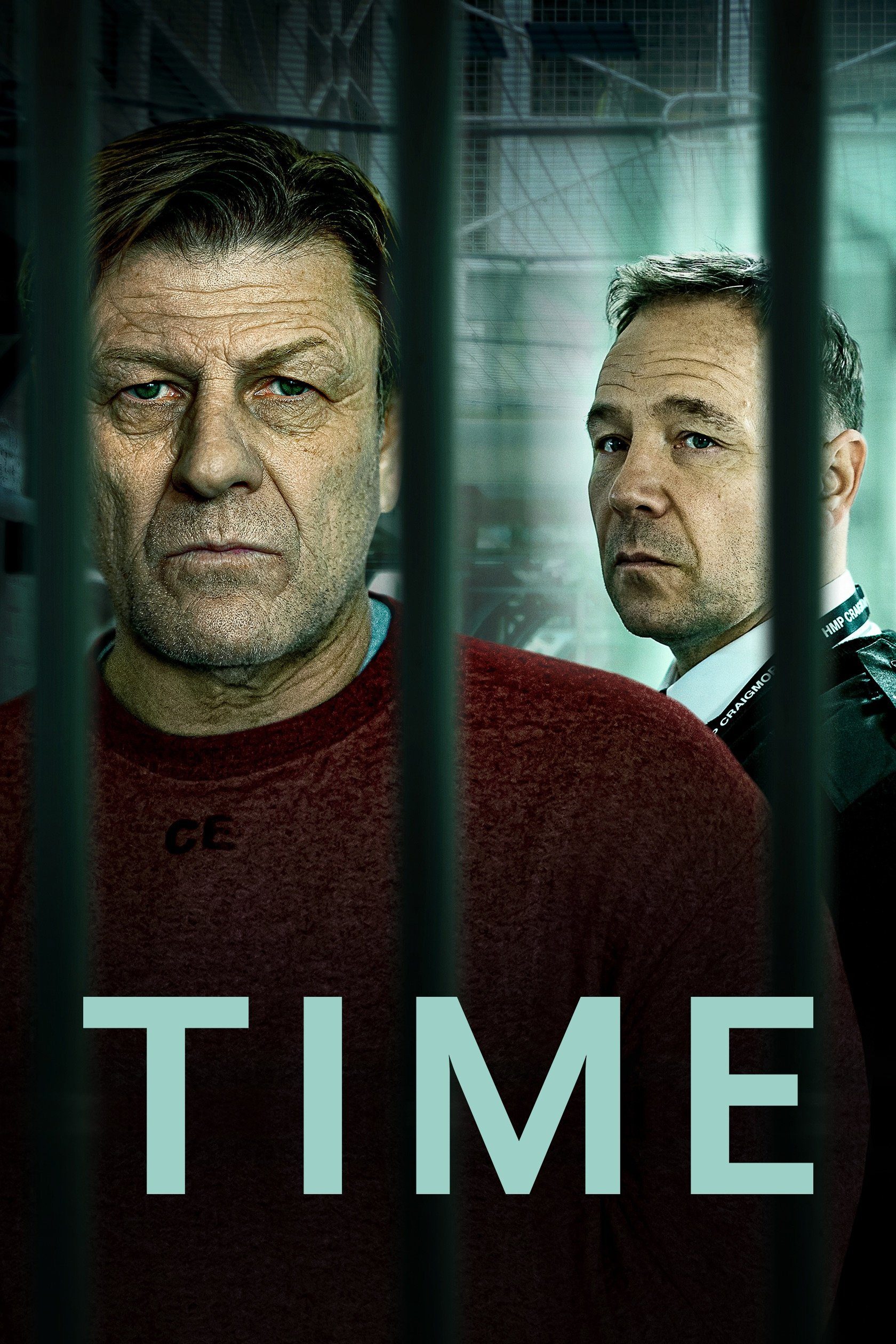
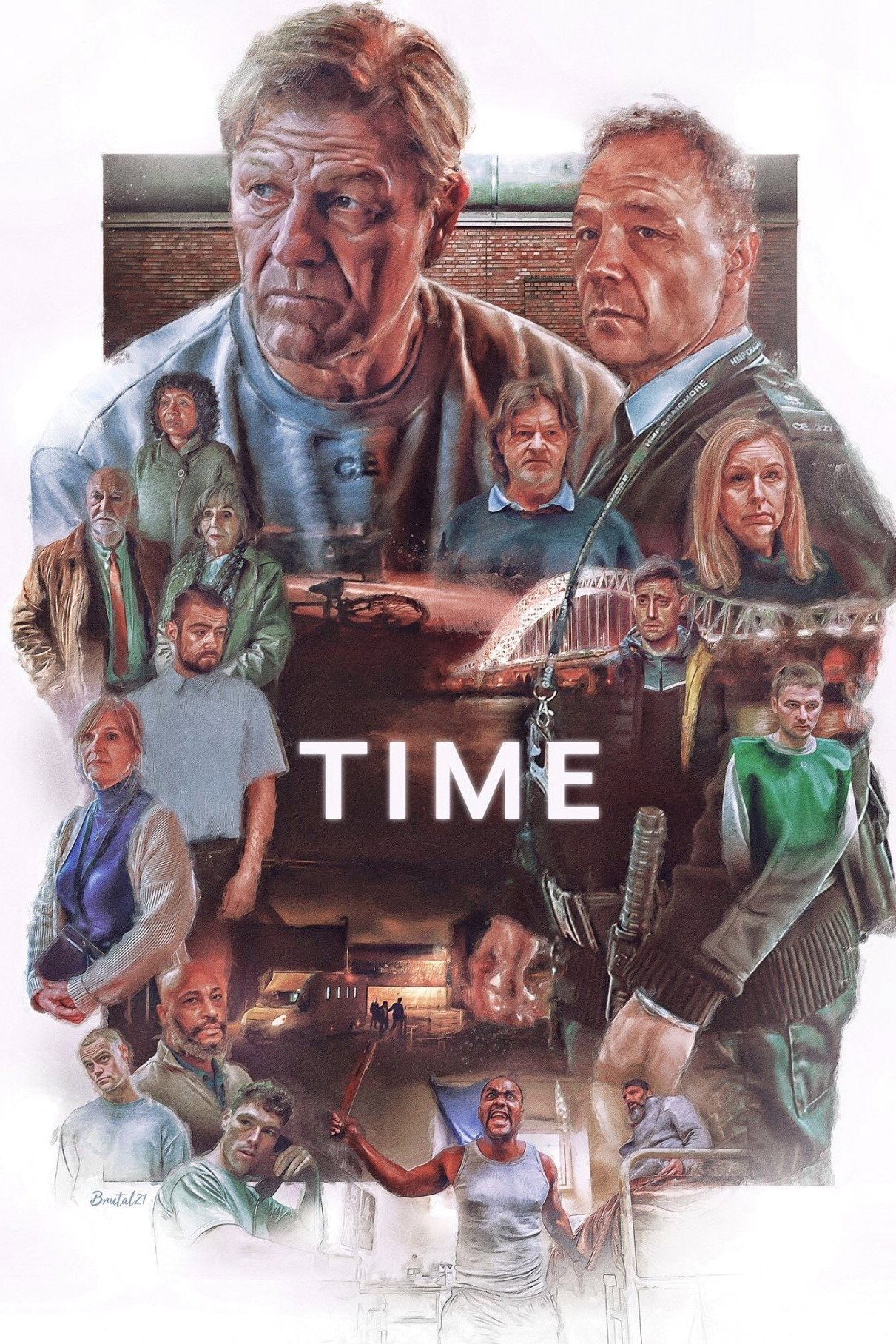
Sean Bean and Stephen Graham make Jimmy McGovern’s prison drama painfully convincing. We recommend it for their performances and its attention to everyday indignity, with a warning that the unbroken grimness can become wearing.
Time is hard to watch for sound reasons, and we recommend it despite a grimness that occasionally becomes too uniform. Created by Jimmy McGovern, the drama approaches prison through a vulnerable inmate and a compromised officer, asking what punishment does to each of them. The opening series has three episodes, enough space to make the pressure felt without treating incarceration as an endless source of incident. Sean Bean and Stephen Graham are the principal reason it holds our attention.
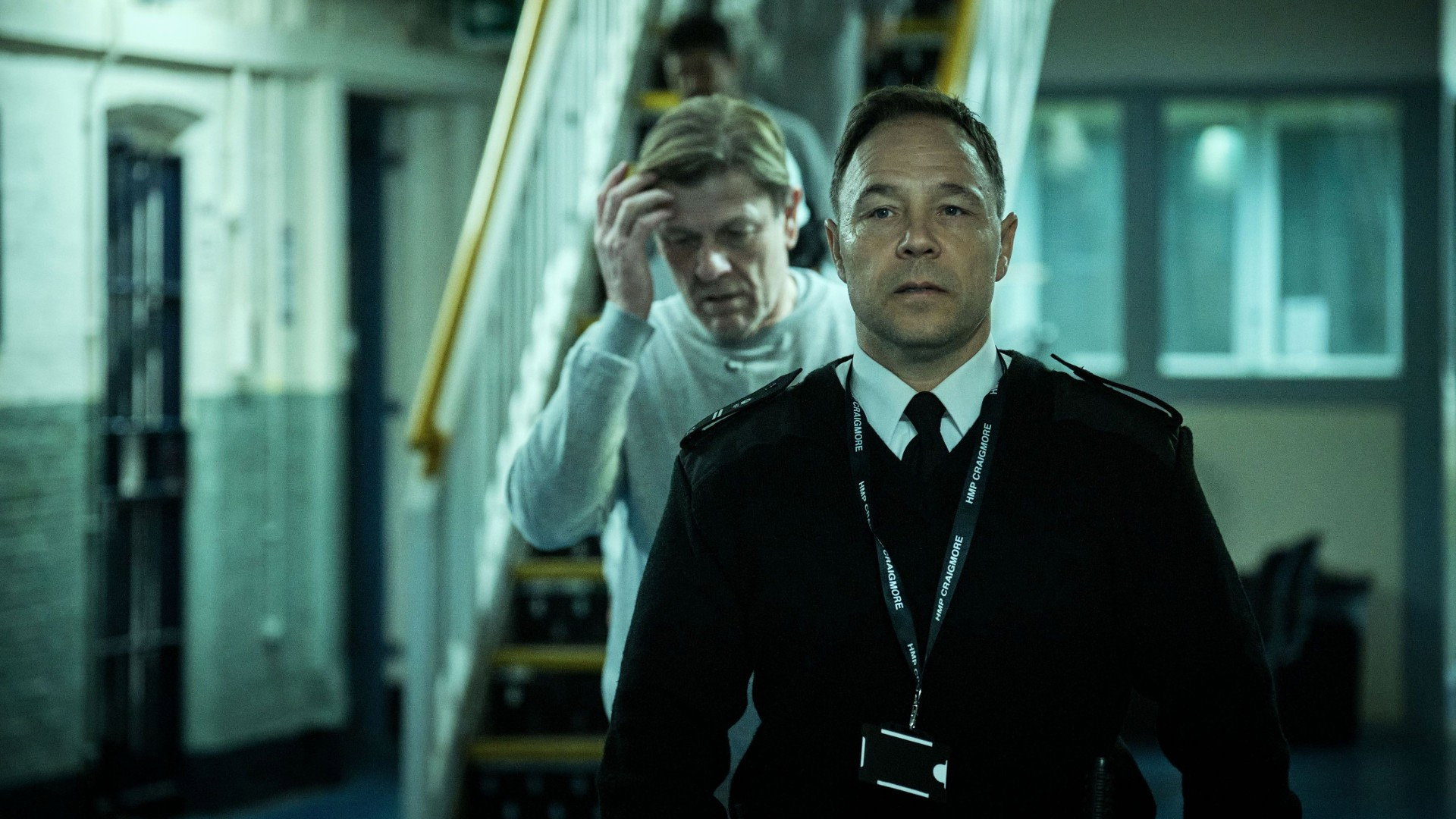
Sean Bean plays Mark Cobden, and his vulnerability is the most persuasive thing in the programme. A drama can ask us to pity a prisoner so insistently that we stop seeing a person; this performance keeps his distress from becoming merely a lesson for the audience. We were upset by the small indignities of his imprisonment, because the effort of enduring them feels so considerable. There is no need for an elaborate speech about what prison does to a person when the central performance makes it this plain.
Stephen Graham’s Eric McNally makes the officer’s predicament equally compelling. His performance gives the difficulty of doing the job properly enough force that concern for the man does not feel like an excuse for the institution. We can understand the pressures on an officer without forgetting the power he has over an inmate. Lewis Arnold’s direction pays close attention to the leads, letting their performances carry the tension rather than treating the prison itself as sufficient reason for us to be afraid.
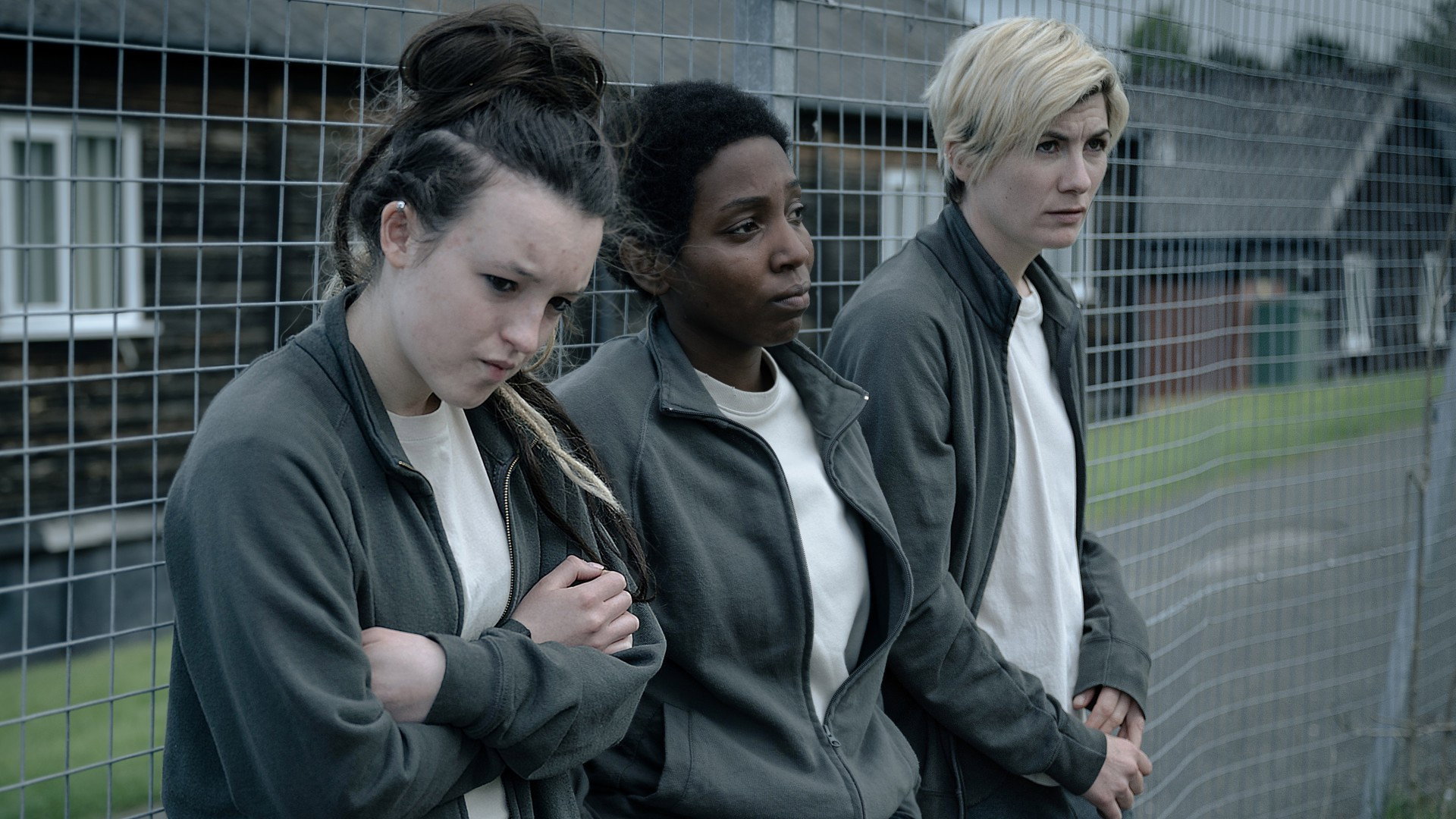
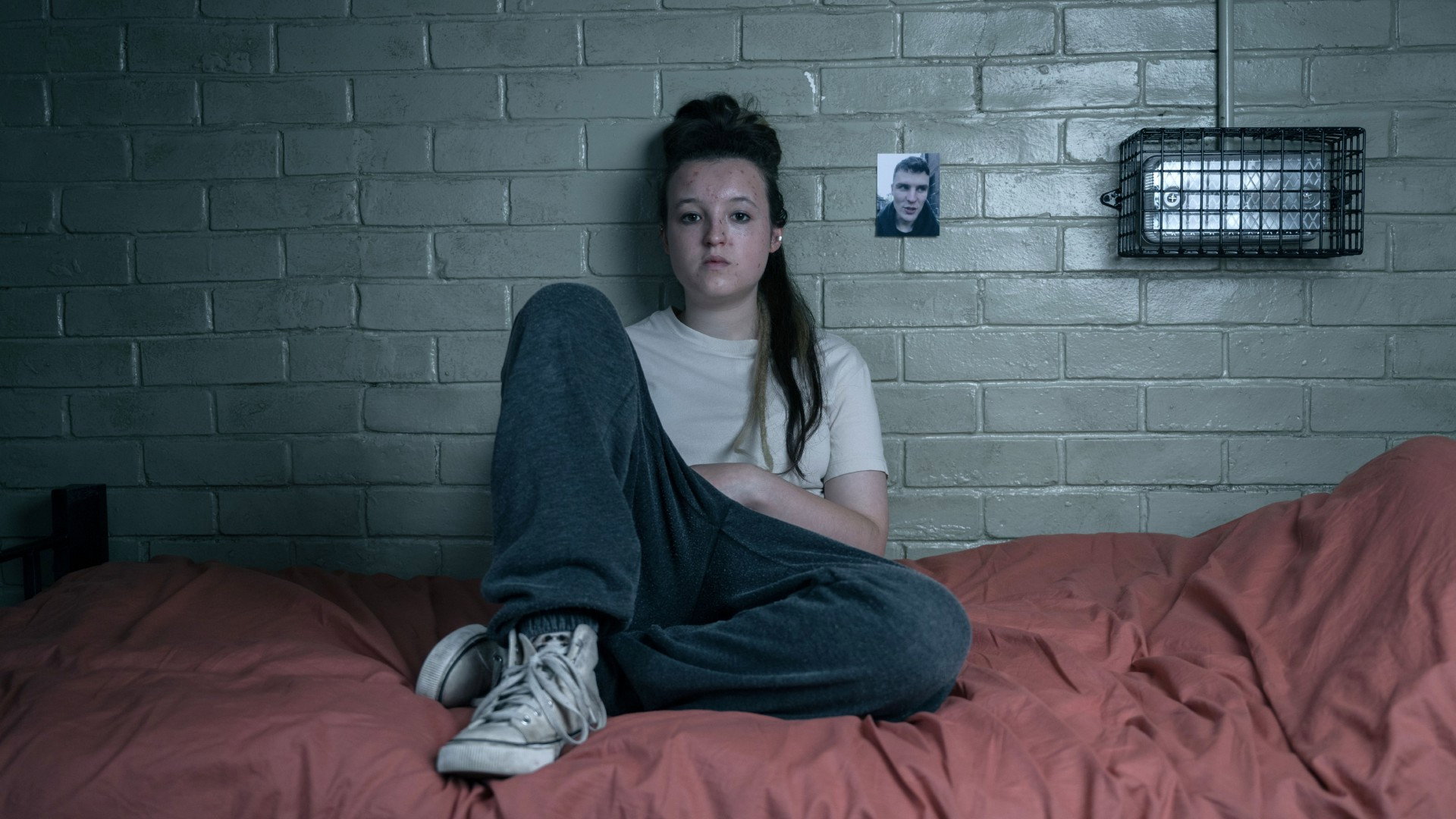
The series credits Paul Morris, Mark Wolf and Owen McPolin with cinematography, and Anna Higginson with production design. The prison setting is convincingly dispiriting, and the visual treatment does not make its ugliness feel like an attraction. The ordinary quality of the place matters: the surroundings have to remain credible around performances this exposed. On that measure, the work succeeds, keeping our attention on the people who must endure the conditions.
Sacha Szwarc’s editing sustains the tension, but it also leaves little breathing room between the demands made on us. Sarah Warne’s music fits the sober tone; it does not make the experience easier. The accumulated distress risks making the individual dilemmas feel too similar. A quieter emotional passage would help the harsher ones register more distinctly, and Jimmy McGovern’s writing sometimes pushes harder than the performances need it to.
As a prison drama, Time is most valuable when it makes us consider an officer’s difficulties alongside an inmate’s without pretending their positions are equal. That is a difficult balance, and Jimmy McGovern’s writing usually maintains it. There is care here for people whom a harsher or lazier programme might reduce to their worst decisions. Sean Bean and Stephen Graham make that care worth the discomfort. Give it an evening when nobody is expecting light conversation afterwards.