Ronan Bennett’s East London crime drama is sharply acted and persuasive about the ambitions that keep the drugs trade supplied with people. We recommend it, though its persistent gloom sometimes makes the characters’ choices feel decided in advance.
Top Boy is a forceful, well-acted crime drama, and we recommend it with a warning about the gloom. Creator and writer Ronan Bennett takes the wish to get ahead seriously, even when the work is dealing drugs. The fictional East London estate contains people with ambitions of their own, capable of making choices as well as being pushed into them. The writing takes those ambitions seriously enough for us to understand why the business attracts people who have reason to fear it.
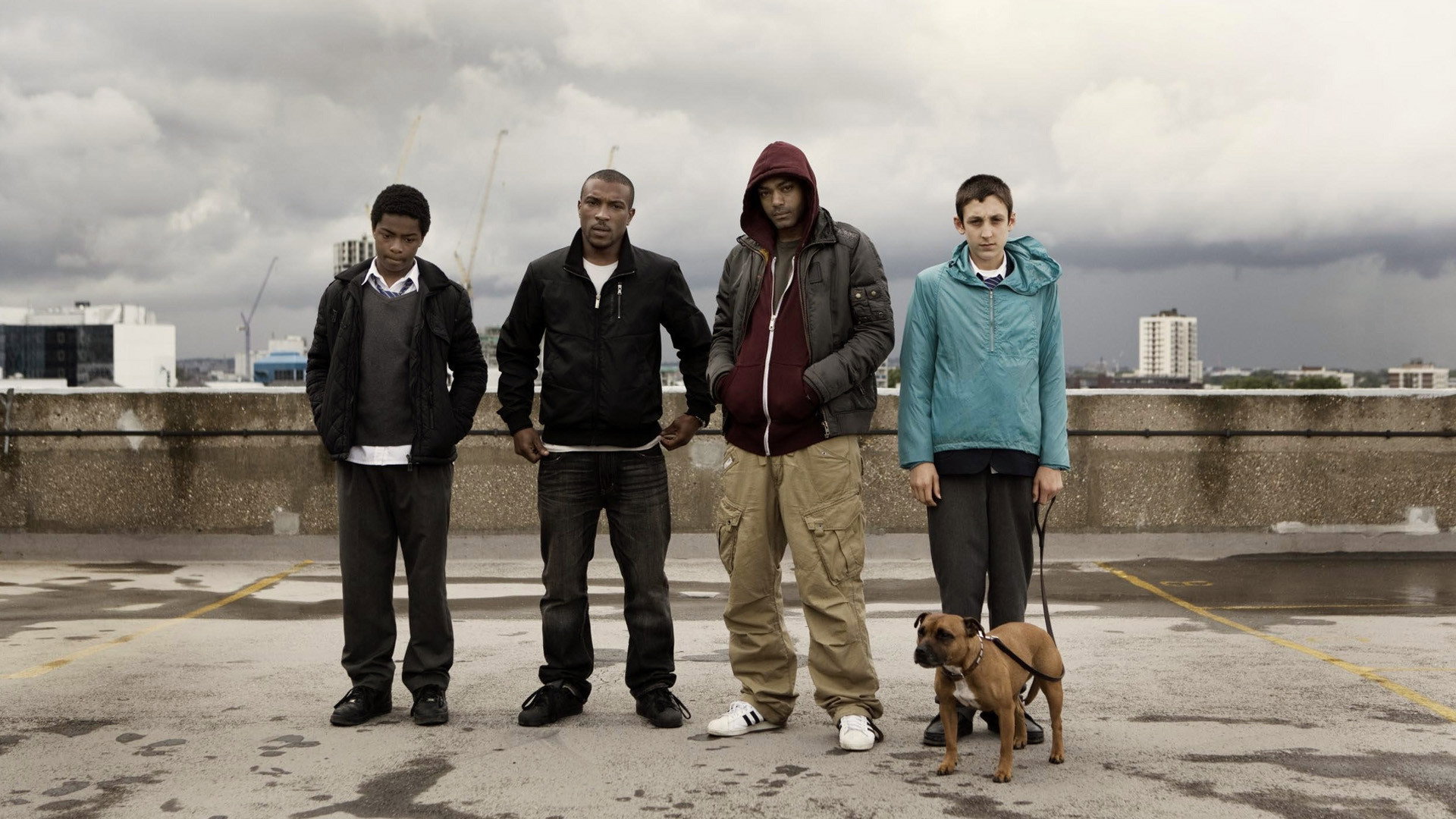
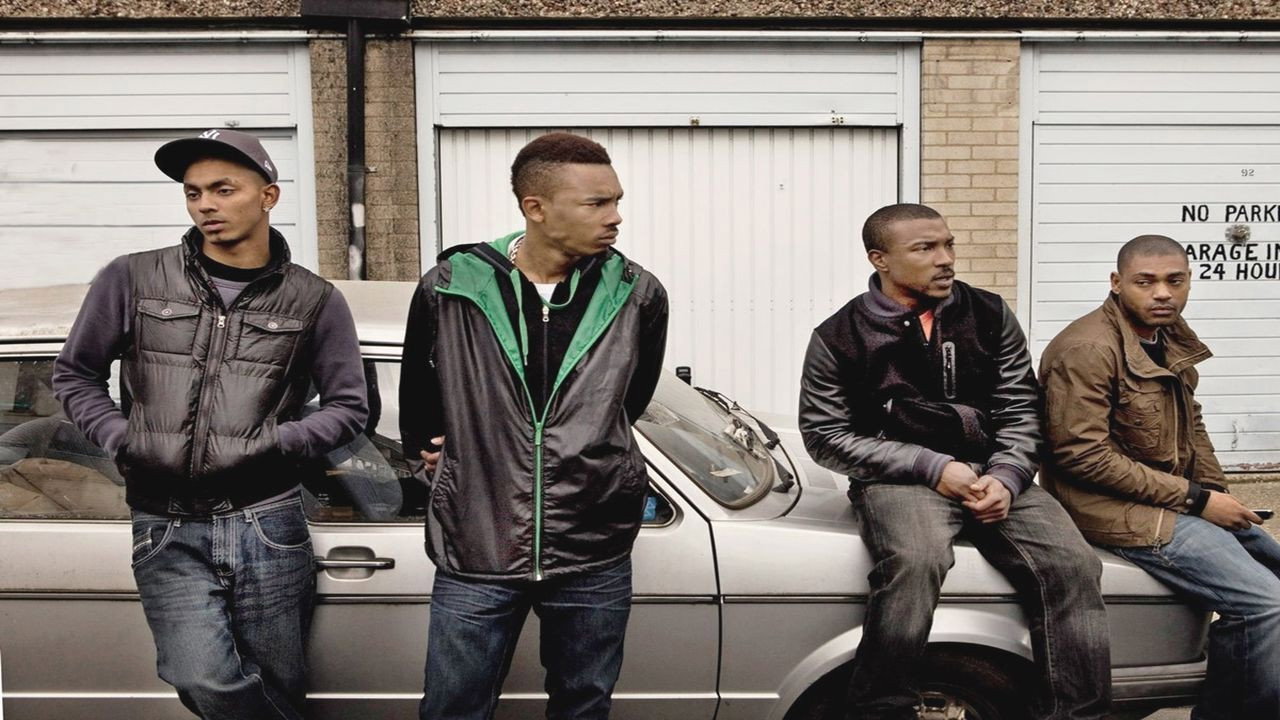
Ashley Walters, as Dushane, and Kano, as Sully, make the street talk sound like something they have no reason to explain to outsiders. Neither performance keeps asking us to notice how dangerous its character might be. There is confidence in that, and it makes us listen more closely than a louder performance would. Letitia Wright, as Chantelle, fits the same unforced approach, helping the ensemble feel like people who occupy the same neighbourhood and know how to speak to one another.
The writing is sharpest about recruitment: a drugs business needs people to keep it going. Its attention to the younger characters shows how that happens without turning each one into a cautionary example. We felt a creeping sadness at how ordinary their entry into that business seemed. The young cast’s casual manner did it; the danger is disturbing precisely because the performances make this work seem familiar. We understand the appeal of getting ahead, which makes the recruitment more troubling to watch.
The direction by Yann Demange and Jonathan van Tulleken is naturalistic, but allows the actors to be expressive. Cinematographers Christopher Ross and Tat Radcliffe support that approach, keeping the setting from overwhelming the people within it. The estate feels inhabited, and the images give the performances room without making their restraint seem uneventful. This matters in a drama where the street talk carries so much: the direction encourages us to listen, rather than waiting impatiently for somebody to make a threat explicit.
Editors Matthew Tabern and Chris Wyatt give the drama a tightness that suits its concentration on the drugs business. There is little sense of waiting through explanations before the people become interesting. Brian Eno’s score lends poise to material that could easily encourage a more insistent accompaniment. Its contribution matters because the acting is so restrained: the music can deepen the sadness without asking the cast to play it harder. For much of the drama, that is enough.
The limitation is that sometimes the programme presses its bleakness too firmly. We do not need a promise of happiness, but we do need to believe that a person’s next choice could matter. When the gloom becomes too insistent, the characters’ ambitions start to feel futile before they have had a chance to act on them. The crime-drama expectation that things will go badly begins to do work the writing should be doing, weakening the attention to individual decisions that makes the series worthwhile.
The two seasons have four episodes apiece, a compact commitment for a crime series. There is no need to demand a whole city’s worth of institutions from a programme with this much interest in how one business finds its workers. Its close attention to recruitment gives the younger performers something substantial to play. Choose an evening when we can bear to be saddened.