Justin Theroux’s Liddy is the best comic turn in a series full of them, and Lena Headey is quietly heartbreaking at the kitchen table. But five episodes is a long time to watch two men fail at the same job.
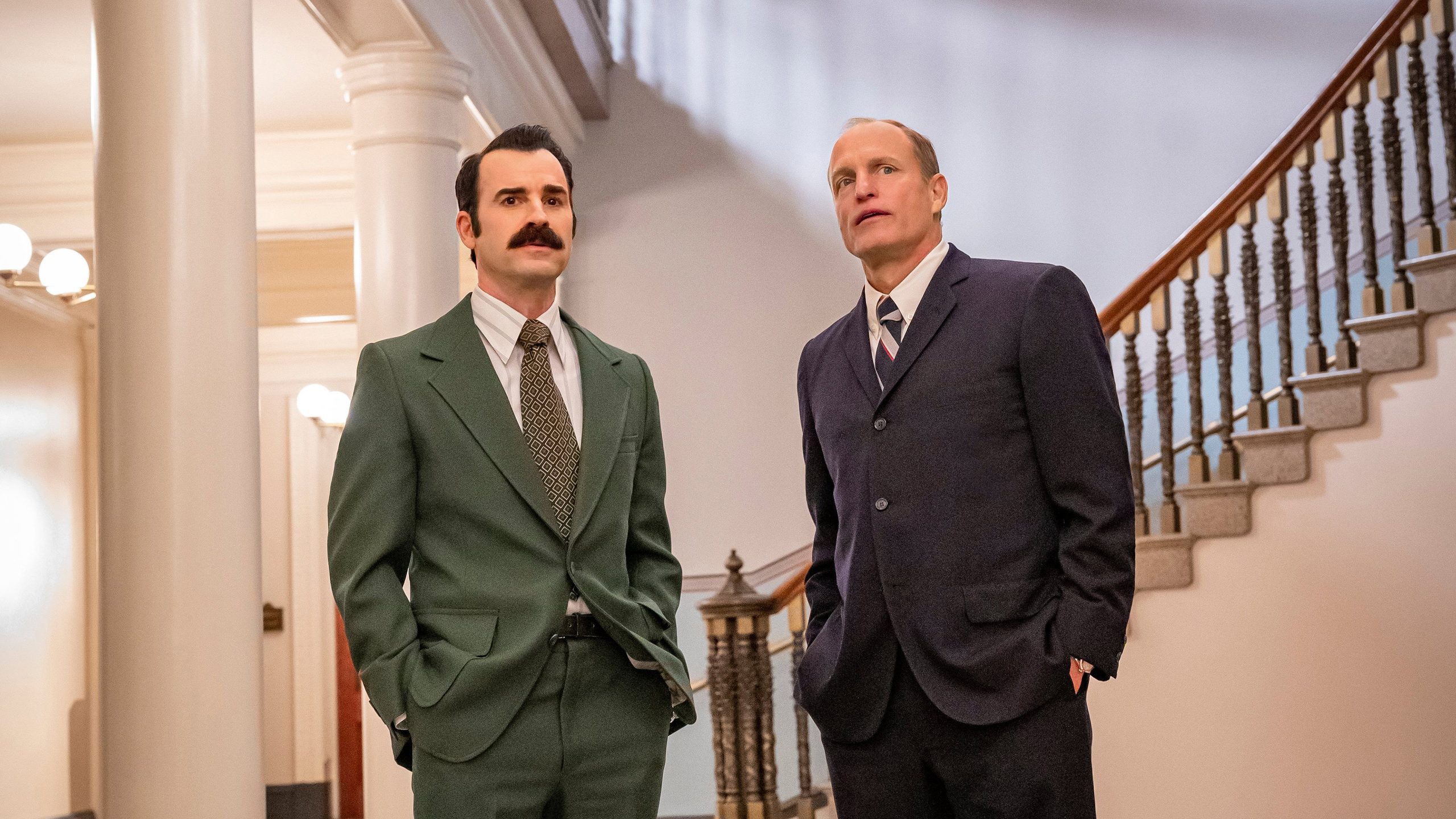
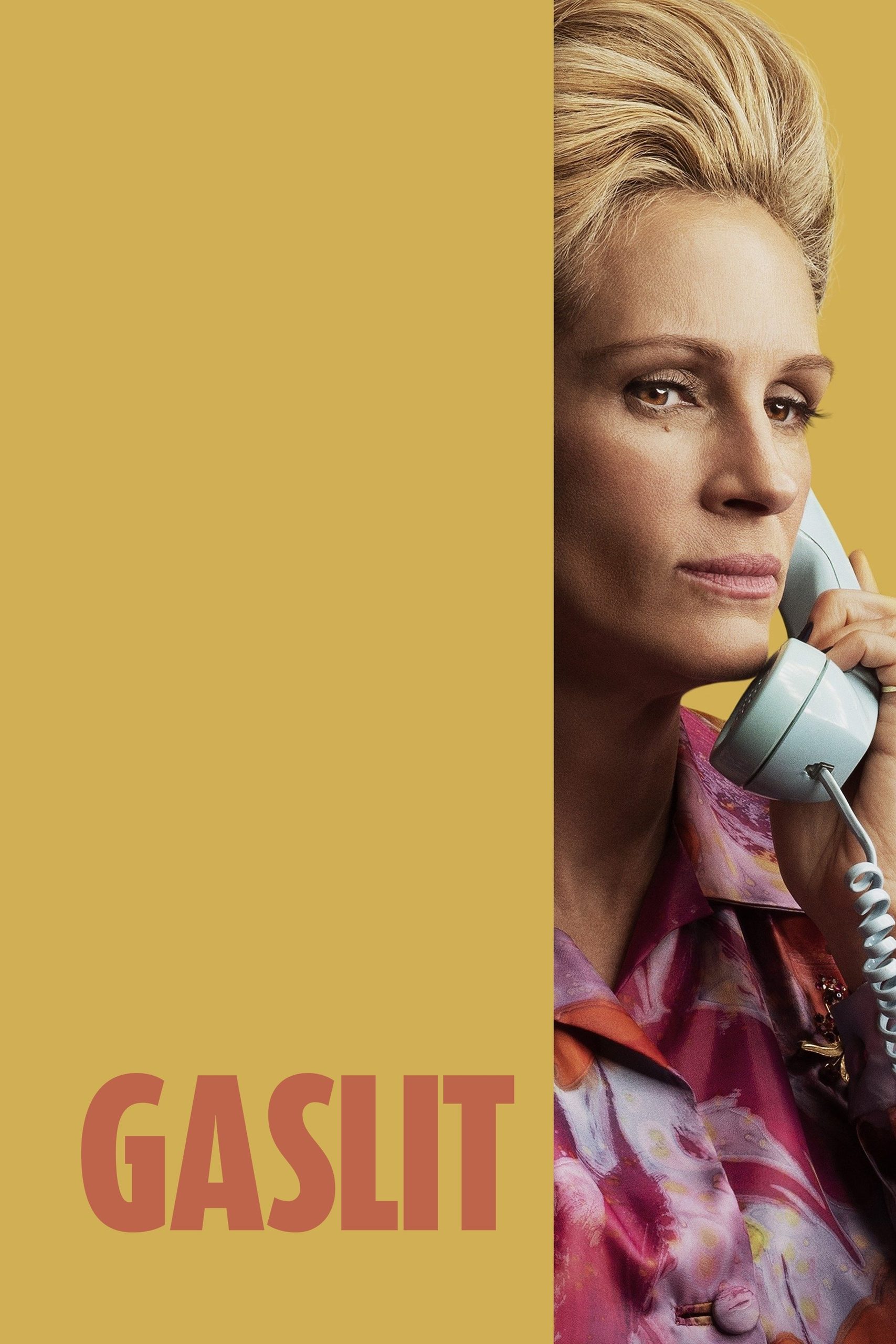
The Watergate story has usually been told from the newsroom end, with reporters in car parks. Peter Huyck and Alex Gregory, who created and wrote this five-part series, and David Mandel, who directs, go round to the other side of the door and stay with the men who broke in. E. Howard Hunt (Woody Harrelson), formerly of the CIA, and G. Gordon Liddy (Justin Theroux), formerly of the FBI, are hired by the Nixon White House to stop leaks and end up trying to burgle the Democratic National Committee. That is a good pitch for about two episodes. Stretched to five it becomes a long sketch, then a sad and rather good final hour the earlier ones have not prepared us for.
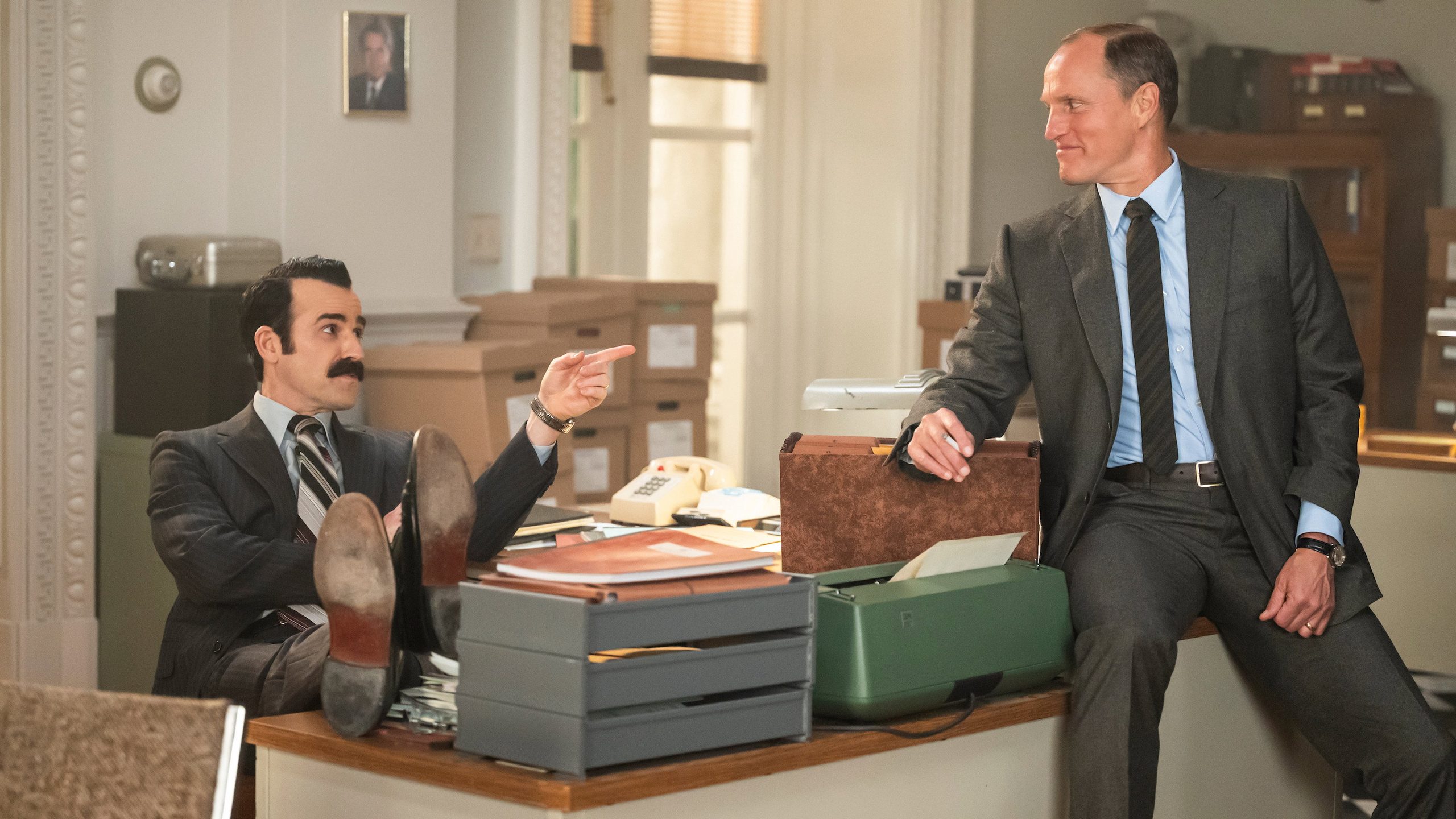
Theroux is the reason to watch. His Liddy speaks as if addressing a parade ground, treats every setback as a test of character he is passing, and puts Hitler speeches on the record player to set the mood. At a dinner party he holds his palm over a candle to prove a point nobody has asked him to prove, and we laughed out loud, at the gesture and at Theroux’s face, which registers the pain and refuses to admit it. Harrelson’s Hunt is the other kind of fool, the wounded professional who is sure he is the competent one, and Harrelson plays him a notch louder than the joke needs. Together they are funny. Apart, the series sags.
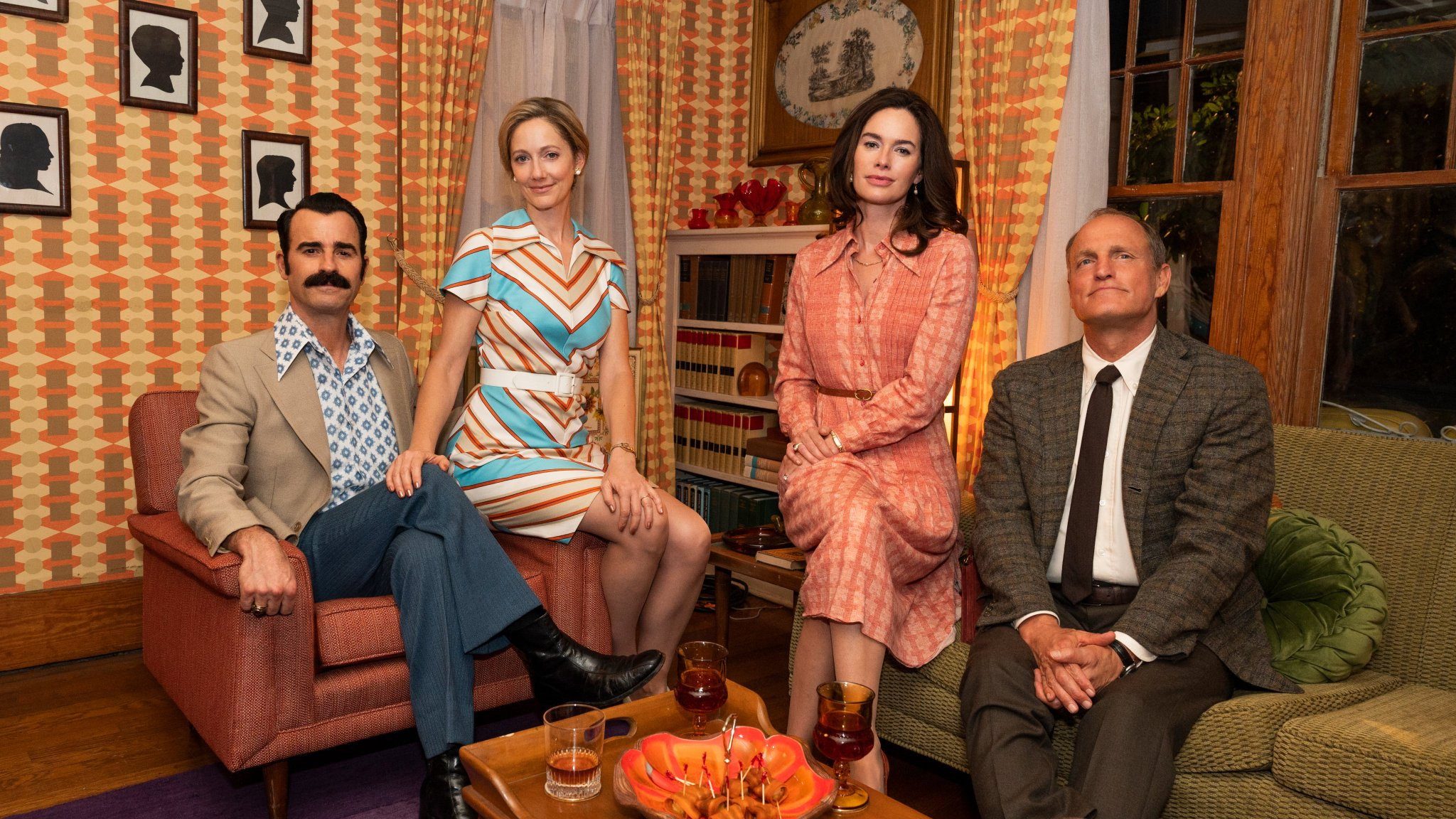
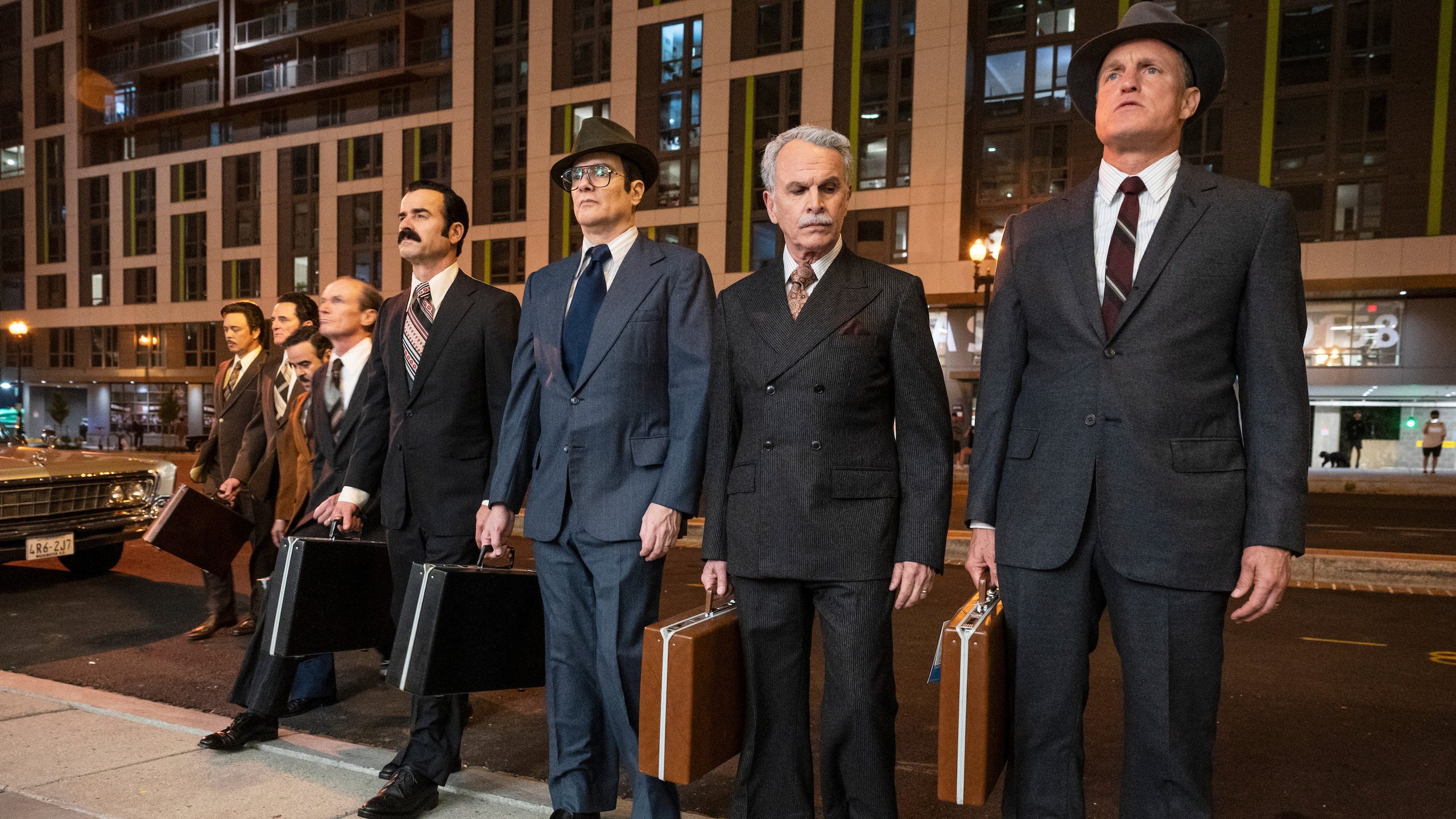
It looks right. Steven Meizler shoots Washington in tobacco browns and mustards, the offices panelled in dark wood and the suburbs lit like a colour supplement, and Anastasia White fills the Hunt house with the wallpaper and lamps of people who bought them once and stopped looking. Leah Katznelson dresses Liddy like a man who irons his socks and Hunt like a man who has stopped noticing his clothes. Jeff Cardoni’s score keeps up a jaunty caper pulse under the planning scenes, telling us to enjoy the bungling. Five editors are credited across five episodes, and the rhythm changes with them; some hours move and some sit.
The trouble is repetition. Farce needs escalation, and what this has is recurrence: a plan, a botch, a regrouping in a hotel room, another plan. The Beverly Hills job goes wrong in the first episode, and the famous one, when it arrives, goes wrong in the same ways for the same reasons. In the third hour we were bored, and then cross about it, because the real events are ridiculous enough without the series nudging us in the ribs every time somebody drops a torch.
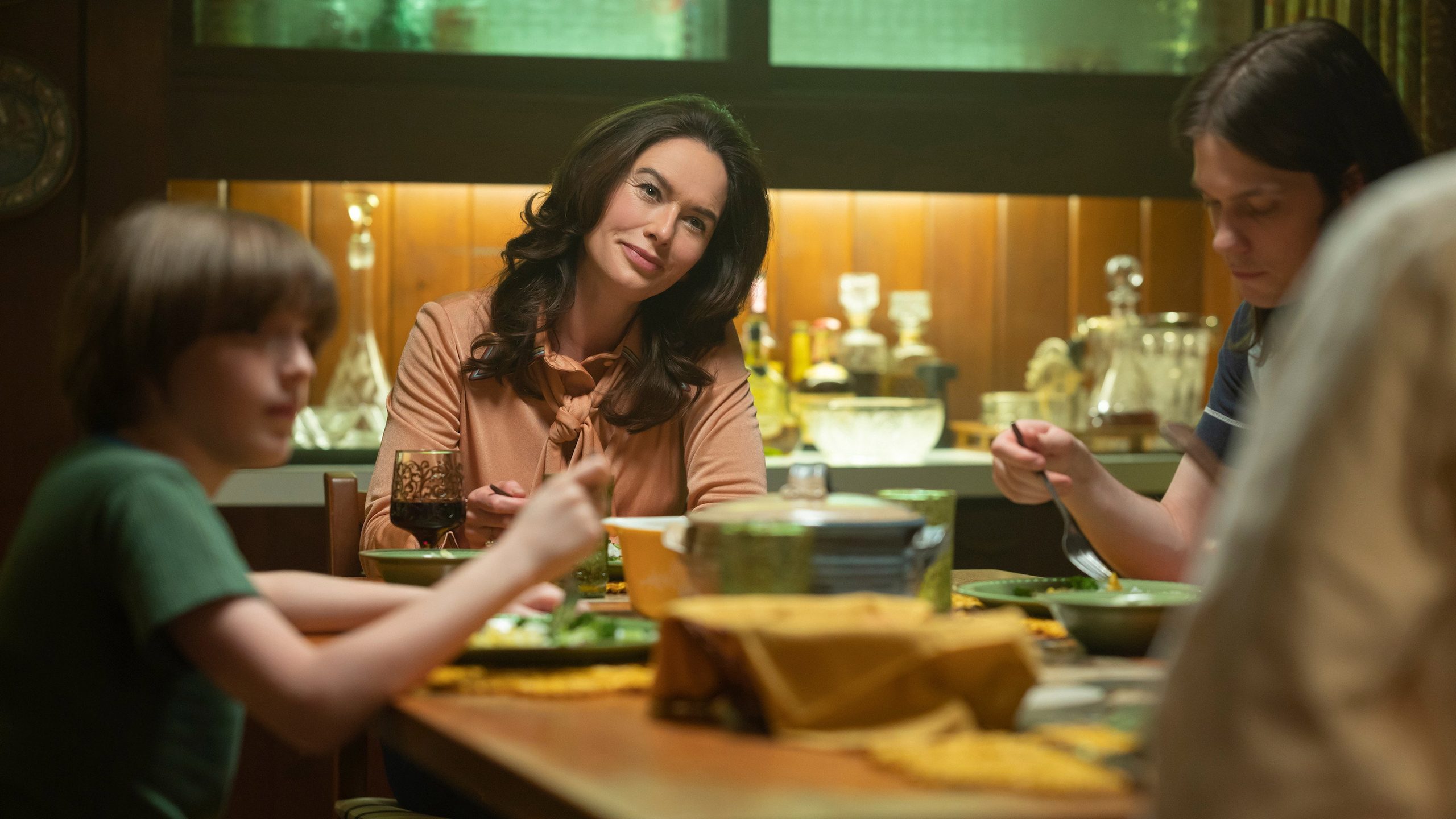
The better material is at home. Headey’s Dorothy is the only adult in the story, a woman who can see the whole board and has married a man who cannot see the next square, and she does it with a stillness that shames the shouting around her. A scene at a kitchen table in the fourth episode moved us more than anything in the previous three, and we will not describe it. Judy Greer’s Fran Liddy is given less and makes it count. Domhnall Gleeson’s John Dean is under-used. Tony Plana and Yul Vazquez, as the Cuban veterans who keep being asked to risk their necks for other men’s grudges, carry a quiet anger the writing does not do enough with.
Mandel, Huyck and Gregory all worked on Veep, and it shows in the insults, which are good, and in the shape, which is not. Veep was cruel in half-hour bursts and left before the joke tired. Here the hours are long, the buffoonery has to be sustained across them, and when the fifth episode turns serious it does so as if the previous four had been someone else’s show. Most critics have landed in the same uneasy middle, and for once we think they are right.
If you already know the story, the pleasure is in the details and the two performances it gets exactly right. If you do not, this is a strange place to learn it. Either way, watch the first and last episodes with care, and forgive yourself for wandering off during the ones in between.