John Krasinski makes a frightening family thriller from a rule anyone can understand: stay quiet or be hunted. The performances make the danger matter, though the script sometimes needs the family’s decisions to serve the next scare.
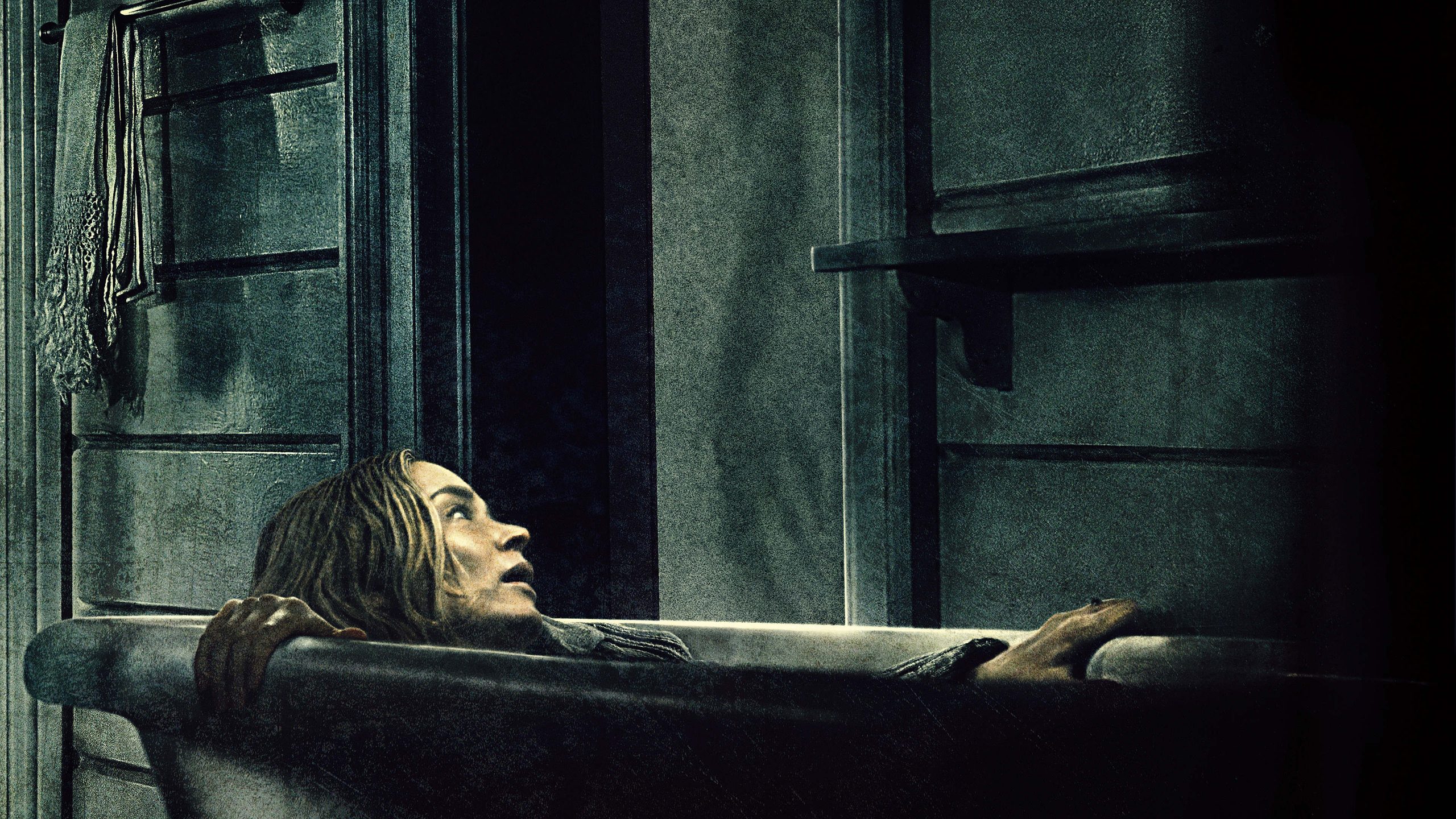
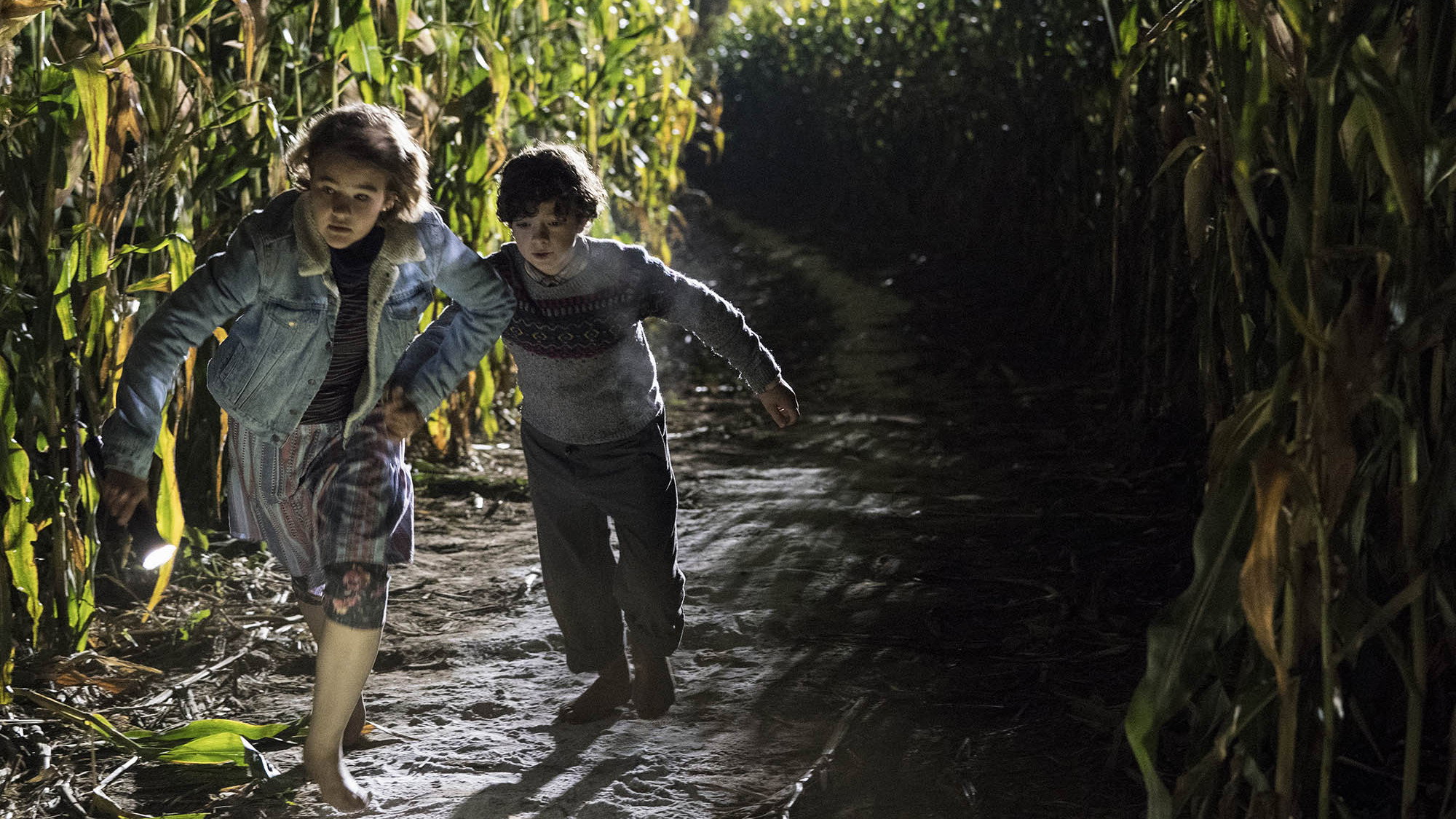
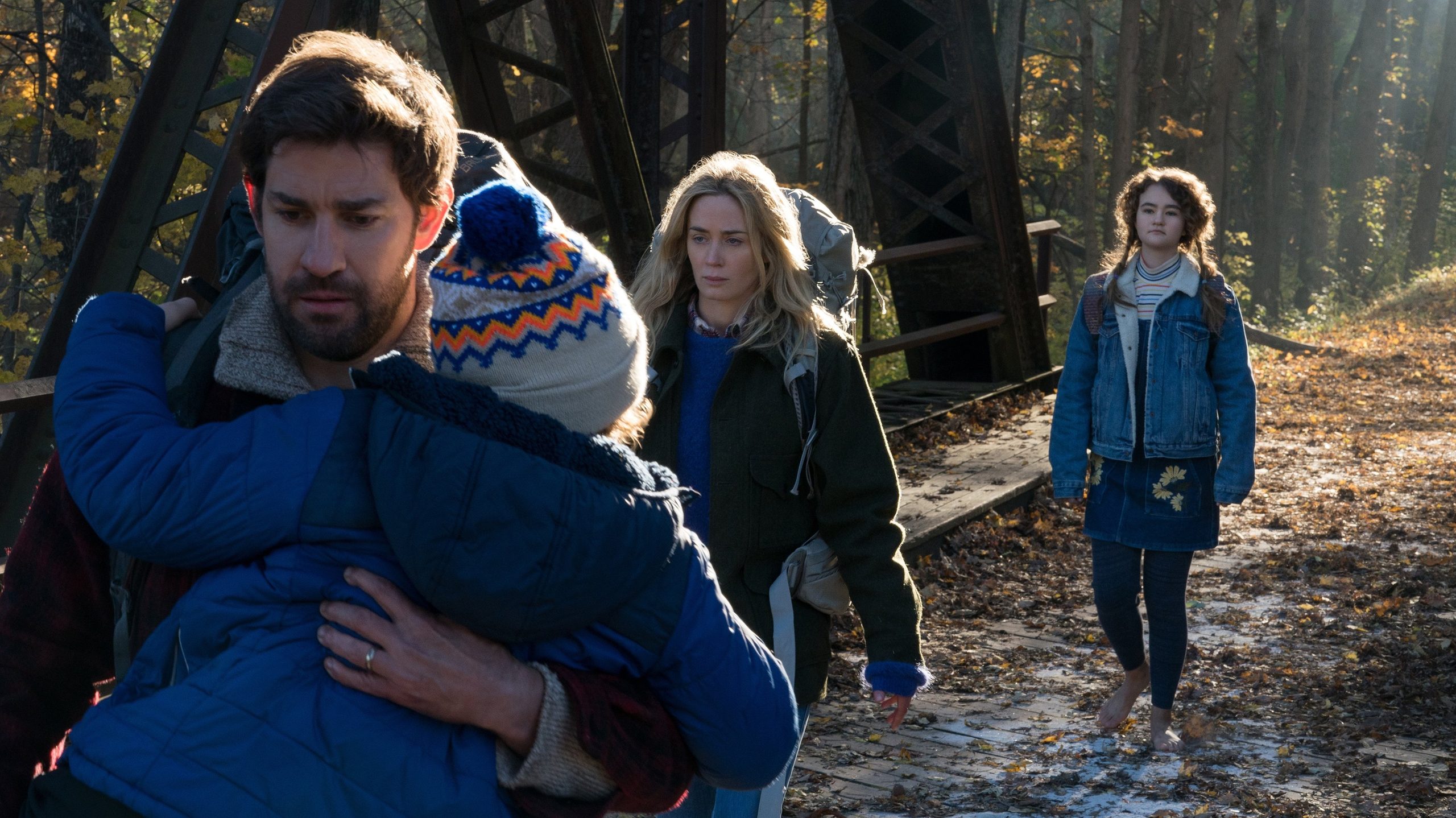
A Quiet Place is a frightening, carefully made creature film which understands how much suspense can come from giving people one simple rule. The Abbott family must avoid making sounds that will bring predators towards them, so survival requires constant care. Director John Krasinski keeps the attention on that small group, allowing us to learn the danger through their efforts to live with it. At 91 minutes, the film has little patience for explanations that would let us relax.
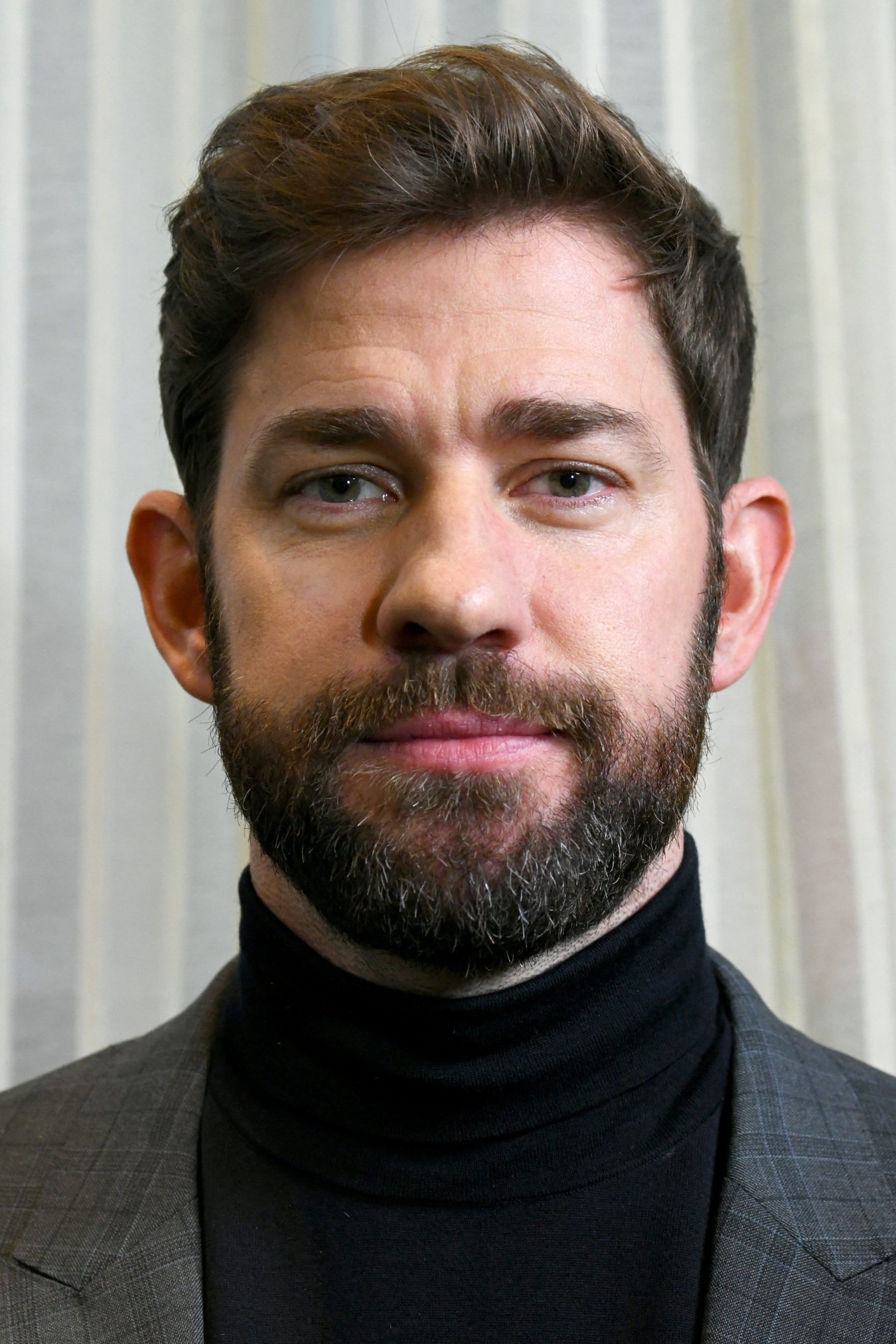
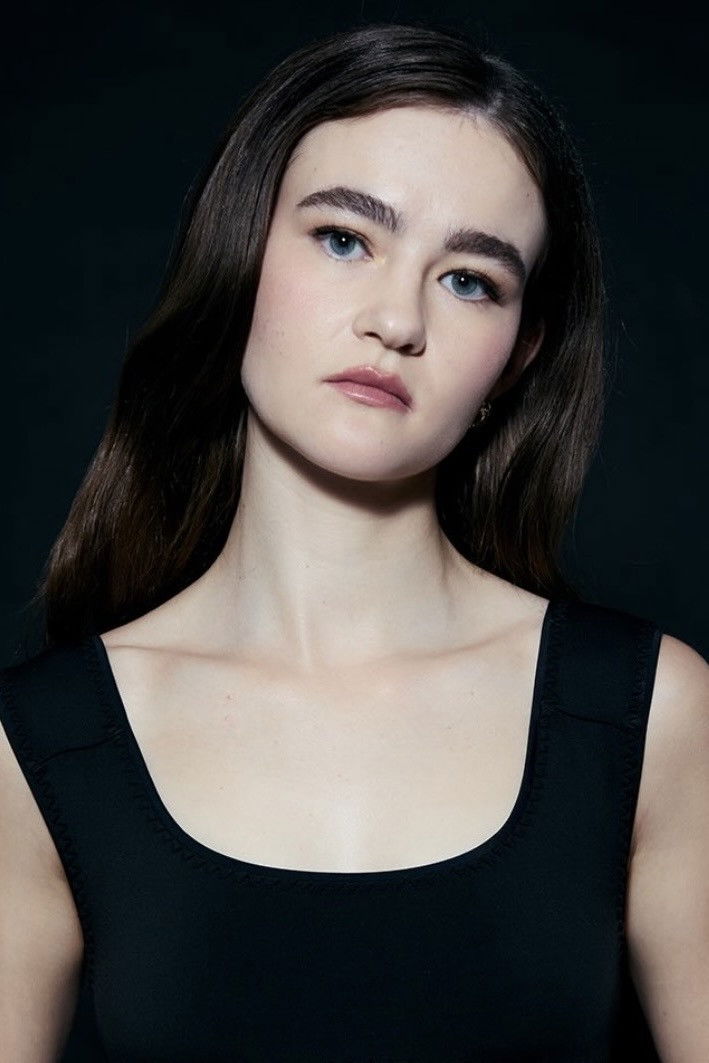
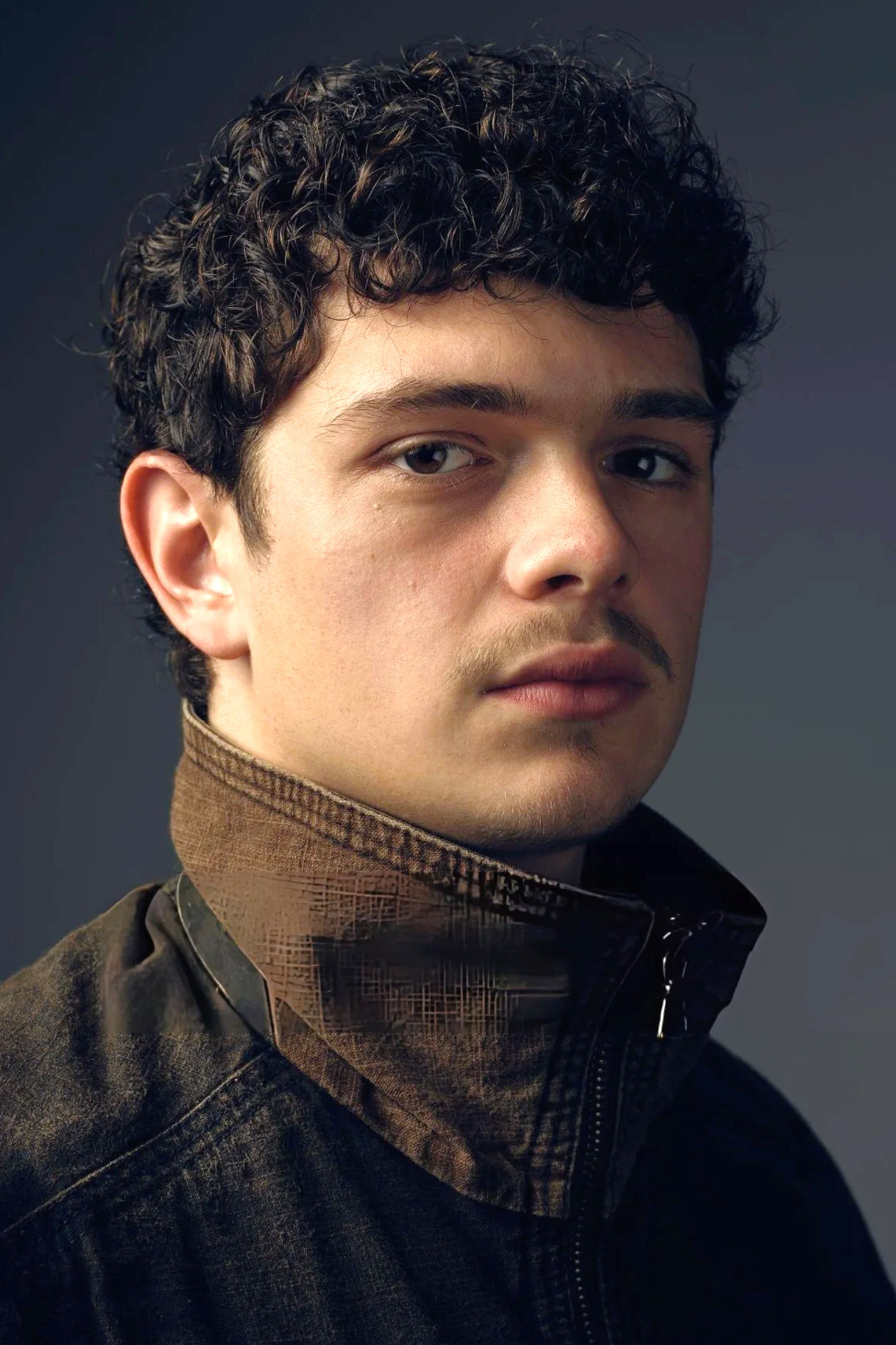
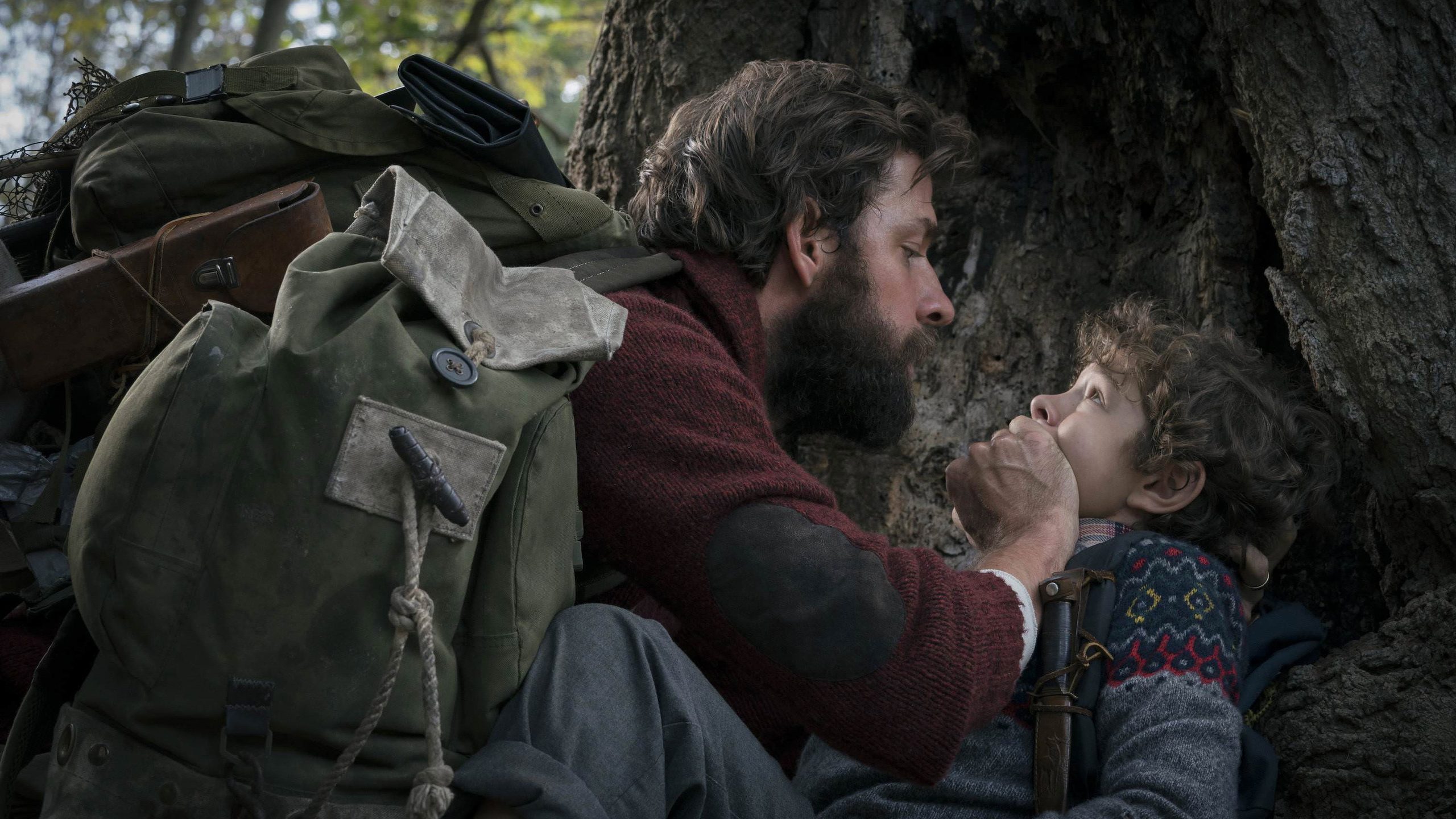
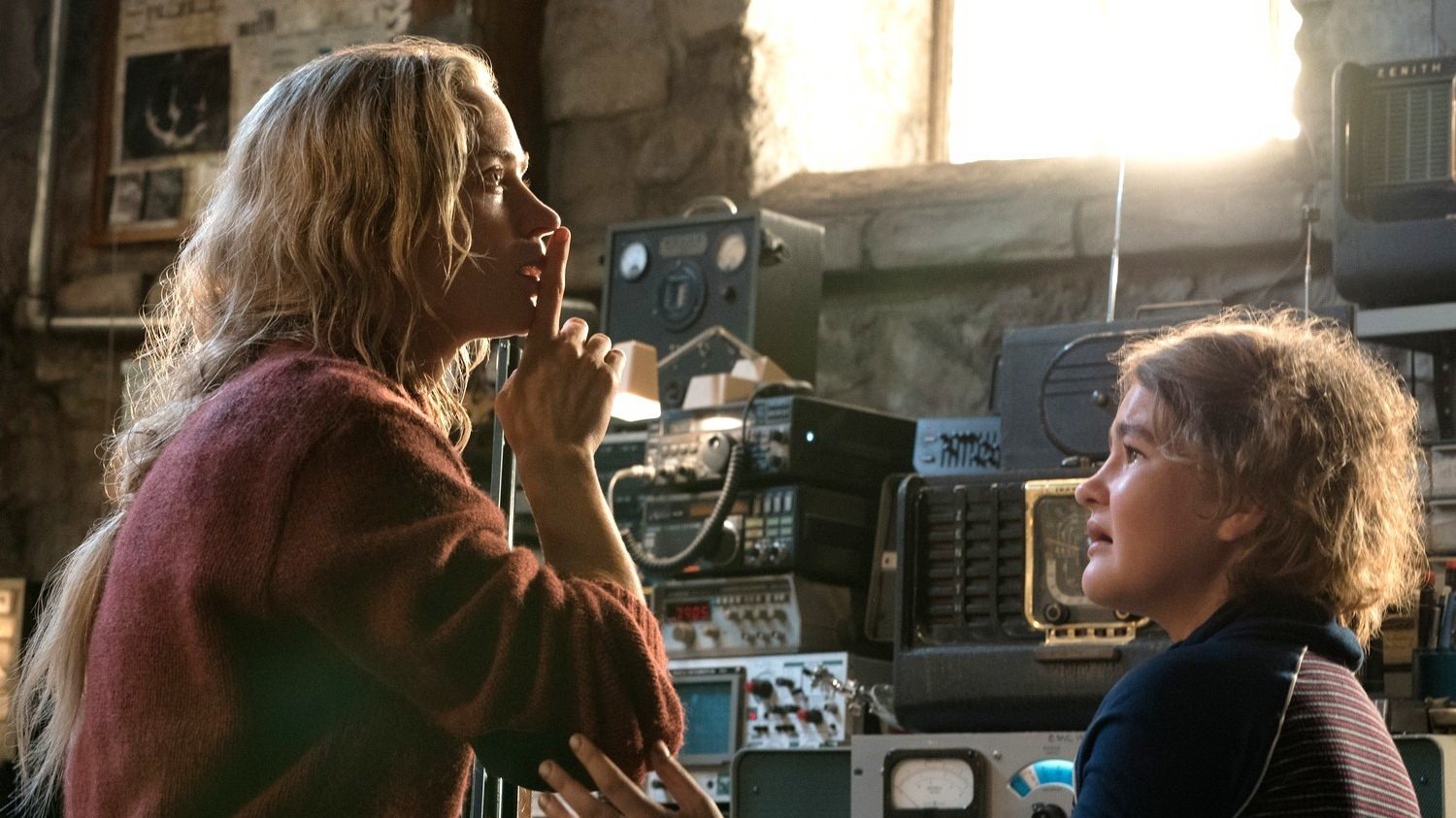
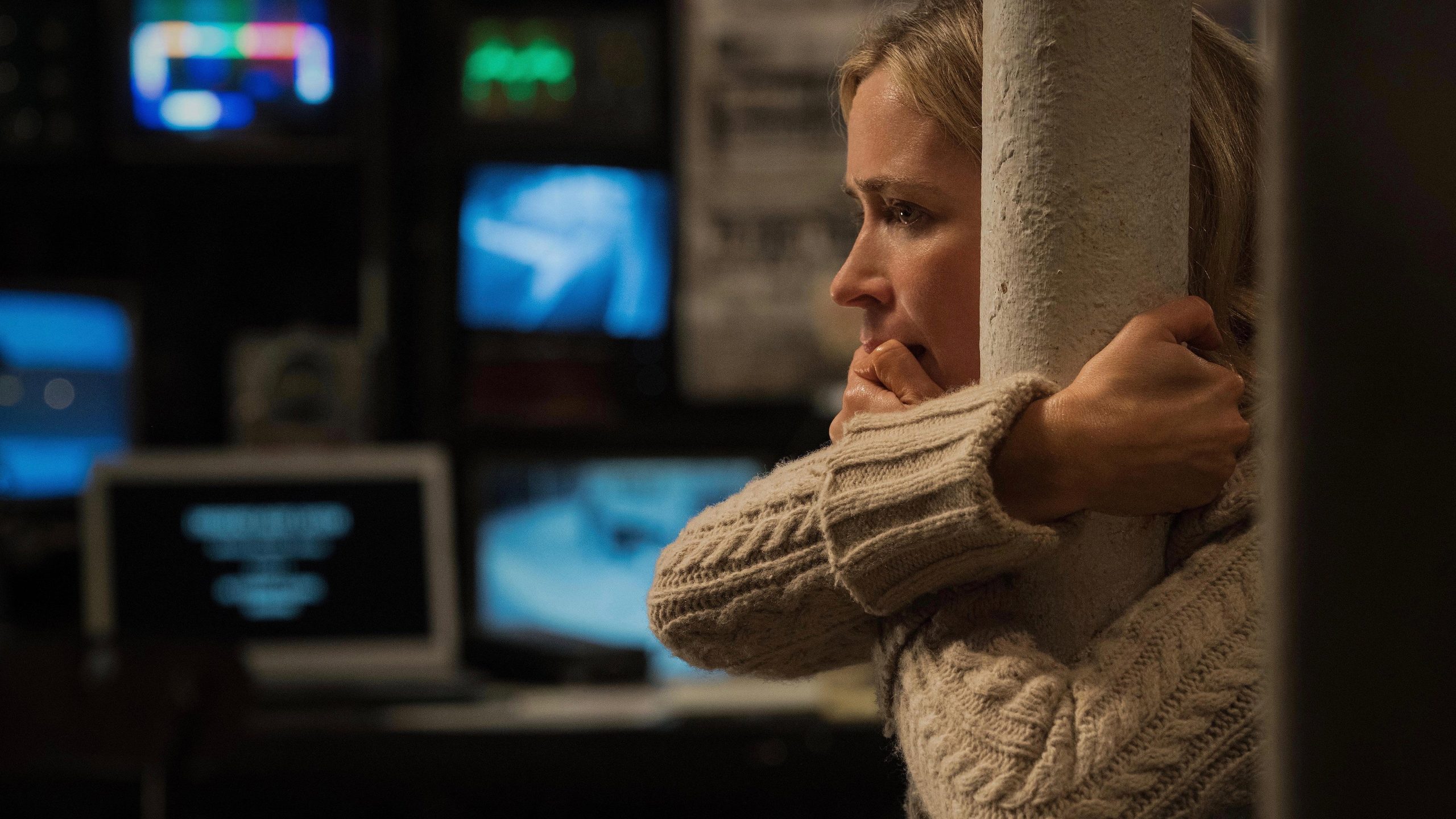
Emily Blunt plays Evelyn Abbott with a concentration that makes the effort of staying quiet feel exhausting. John Krasinski, as Lee Abbott, is convincing as a father whose responsibility has become almost impossible to bear. Millicent Simmonds gives Regan Abbott a force of personality that prevents her from becoming simply another child to protect, while Noah Jupe’s Marcus Abbott makes the family’s vulnerability keenly felt. These performances establish people worth worrying about without needing much dialogue to do it.
The sound work makes the audience unusually attentive. With so little speech to guide us, a noise becomes something to judge for its danger, and the effort of listening is tiring in a useful way. We held our breath watching the family try to remain silent, because their difficulty made even an involuntary sound seem disastrous. Marco Beltrami’s score is the less persuasive part of that arrangement: its encouragement towards alarm can feel unnecessary when the quiet has already done the job.
Charlotte Bruus Christensen’s cinematography keeps our attention on faces through exchanges that another thriller might fill with dialogue. Small responses are worth watching, because the people cannot simply say everything they feel. Jeffrey Beecroft’s production design benefits from this heightened attention: the surroundings invite inspection for whatever could make a noise. There is enough to inspect without losing track of the people moving through it.
Christopher Tellefsen’s editing makes the threatened noise and the expected consequence feel close together, without turning every sequence into a hurry. Anticipation does much of the work, and the film is good at leaving enough room for it. There is a pleasure peculiar to horror in understanding the immediate problem while having no wish to see anybody try to solve it. The set pieces repeatedly find that pleasure, although the repeated pressure begins to make the construction noticeable.
That is where the screenplay by Scott Beck, Bryan Woods and John Krasinski is most vulnerable. Some decisions feel arranged to produce another dangerous situation, and the family relationships are drawn broadly enough for their emotional direction to be clear a little too soon. Protectiveness and guilt matter here, but the script does not always complicate them as much as the actors do. The film’s seriousness occasionally makes these shortcuts more conspicuous; a little more room for awkwardness or humour would have helped.
As a creature feature, it succeeds at the basic and difficult task of making us dread what might happen next. Its parenting fears are recognisable, though there is less to think about afterwards than its solemnity suggests. The performances keep that limitation from becoming a reason to disengage, and the tightly restricted premise remains productive for most of the running time. Watch it for the suspense, and forgive the occasional decision that only makes sense in a horror script.