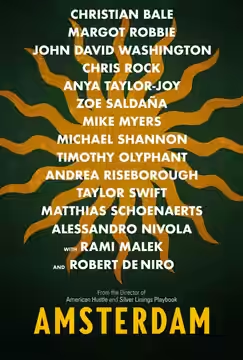
Amsterdam has appealing friends and a conspiracy that keeps getting in their way. Christian Bale, Margot Robbie and John David Washington supply warmth, but the crowded plotting and uncertain comedy make this a frustrating evening.
David O. Russell wants Amsterdam to be a murder mystery, a comedy about friendship and a warning about political power. It is fitfully amusing and handsomely made, but too muddled to recommend without a substantial tolerance for digression. The friends have enough warmth to make us want their company, and the conspiracy keeps requiring them to explain themselves. At 134 minutes, the film gives its complications more attention than its relationships. There is a better evening to be had simply watching the three leads spend time together.
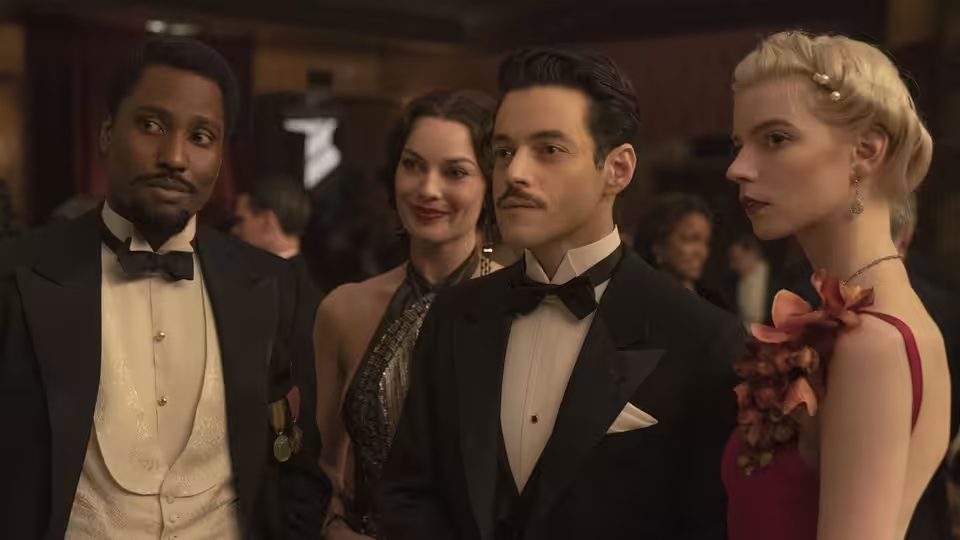
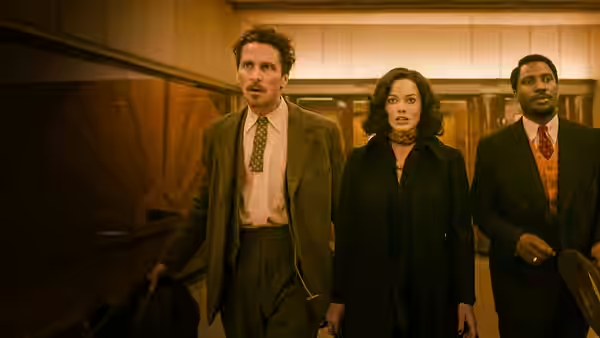
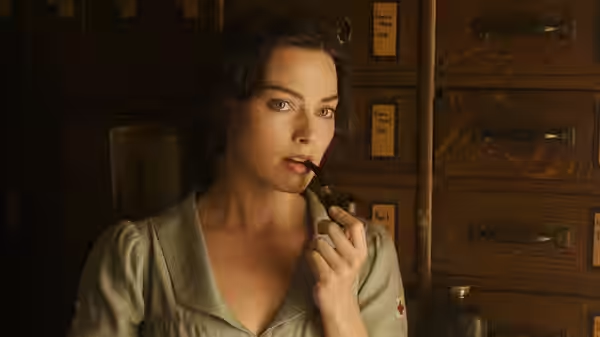
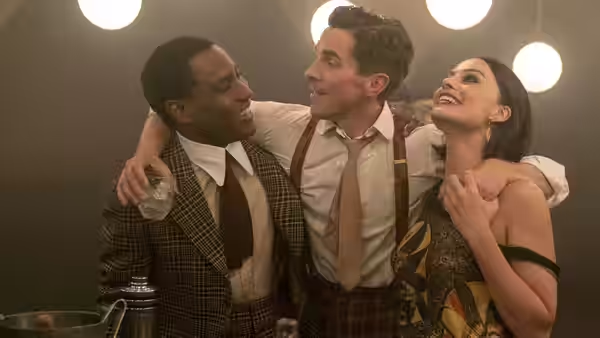
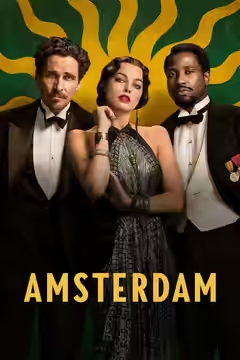
Christian Bale plays Burt Berendsen with a comic restlessness that can be engaging even when the surrounding scene has lost its way. John David Washington’s Harold Woodman is a useful counterweight, holding back where his co-star keeps pushing. Margot Robbie’s Valerie Voze has enough comic assurance to suggest that the film might yet settle into an enjoyable rhythm. We like them together, although that affection has to survive a script forever adding another demand on our attention.
The Amsterdam passages show what gets squeezed out elsewhere. We were briefly moved by the friends’ shared pleasure in art, dancing and song, because they finally seem to have a life beyond the murder mystery. The artwork made from spent bullets is particularly affecting, allowing the damage behind these lives to remain visible without another speech. These scenes give the friendship something concrete to rest on, and the film could have trusted them for longer.
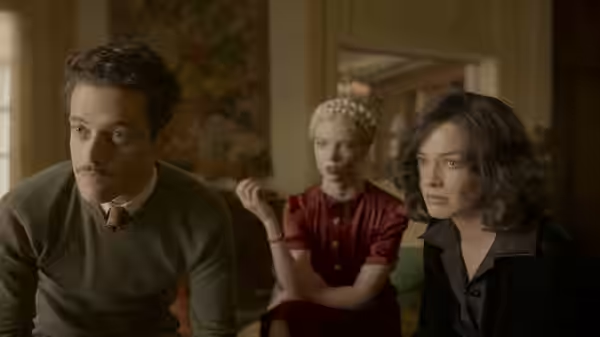
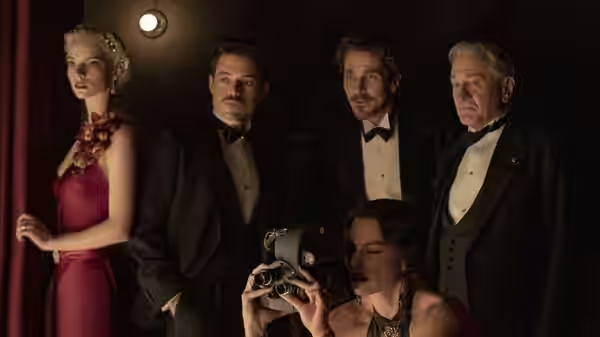
Judy Becker’s production design gives the period setting a convincing completeness. Emmanuel Lubezki’s cinematography makes the clothes and artwork worth inspecting, though the sheer attractiveness sometimes softens the sense of danger. The costumes by J.R. Hawbaker and Albert Wolsky also help distinguish the many personalities before anyone starts talking. We can enjoy looking at people even when we have lost track of why they are there. The trouble is how often the film leaves us doing precisely that.
Jay Cassidy’s editing does little to help us follow the investigation or to give the comedy room to settle. The dialogue keeps delivering information when we need a clean exchange between people, and the changes of tone become tiring rather than surprising. Daniel Pemberton’s score supplies welcome energy, but music cannot decide how seriously we should take a scene when the writing seems unsure. We grew impatient with the explanations, particularly when they interrupted the easier pleasure of the central trio.
A screwball mystery can be complicated without making the business of following it feel like unpaid work. Here, the political warning and the comic diversions repeatedly get in each other’s way, while the appeals for kindness arrive with too much insistence. David O. Russell’s screenplay means well, and its interest in friendship is plainly sincere. We would take that sincerity more seriously if the characters were allowed to demonstrate it without so much accompanying explanation.
The performances and the visual craft keep this from being a wholly dispiriting experience, but neither makes the investigation rewarding. Admirers of unruly ensemble comedy may find enough in the friendship and comic tangents to forgive the rest. For a murder mystery that makes us eager to follow the next clue, we would look elsewhere.