Todd Douglas Miller has assembled the moon landing from NASA’s own film and audio, with no narrator and no one looking back. The launch is as frightening a piece of cinema as we have seen in years; the quieter stretches in the capsule show where the archive runs thin.
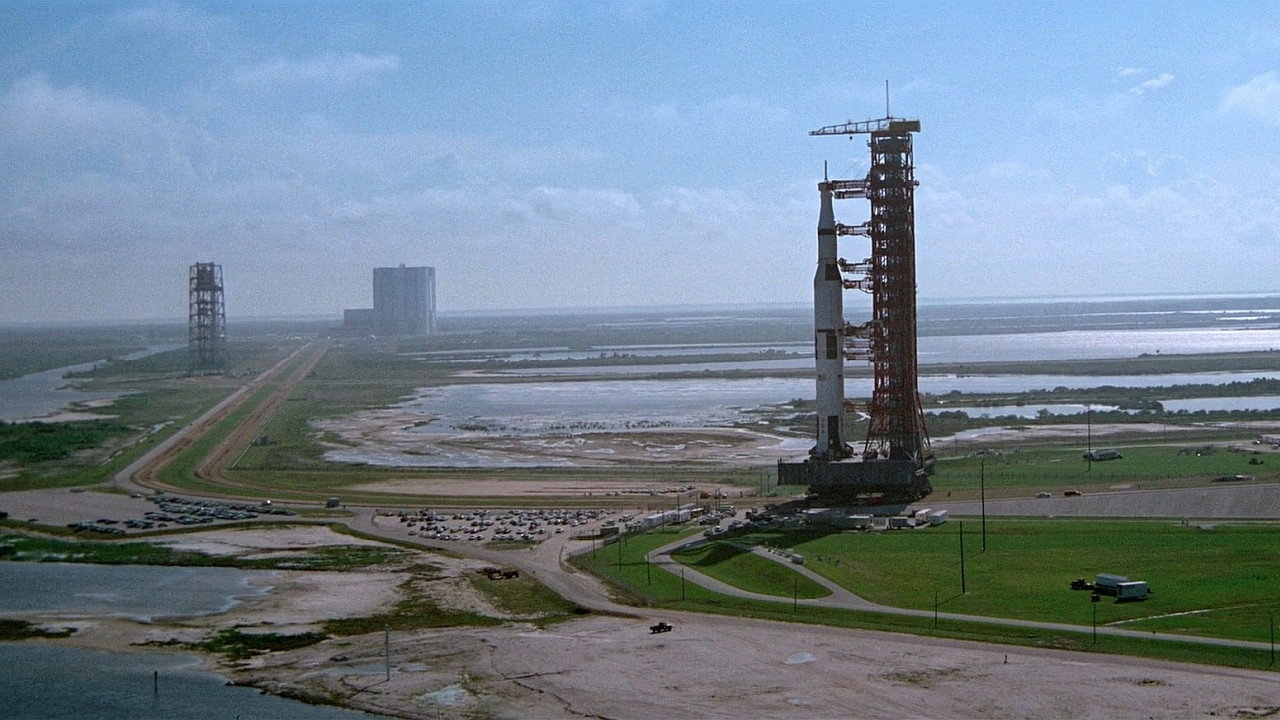
Todd Douglas Miller has made a film about the first moon landing out of nothing but what was filmed and recorded at the time. There is no narrator, no historian in an armchair, no astronaut in his eighties remembering. The footage runs in order, from the crawler carrying the Saturn V to the pad through to the splashdown, and the only voices are the ones that spoke in July 1969. It is a simple idea and it is hard to do well. Miller does it well, and for the first half hour he does it as well as we have seen it done.
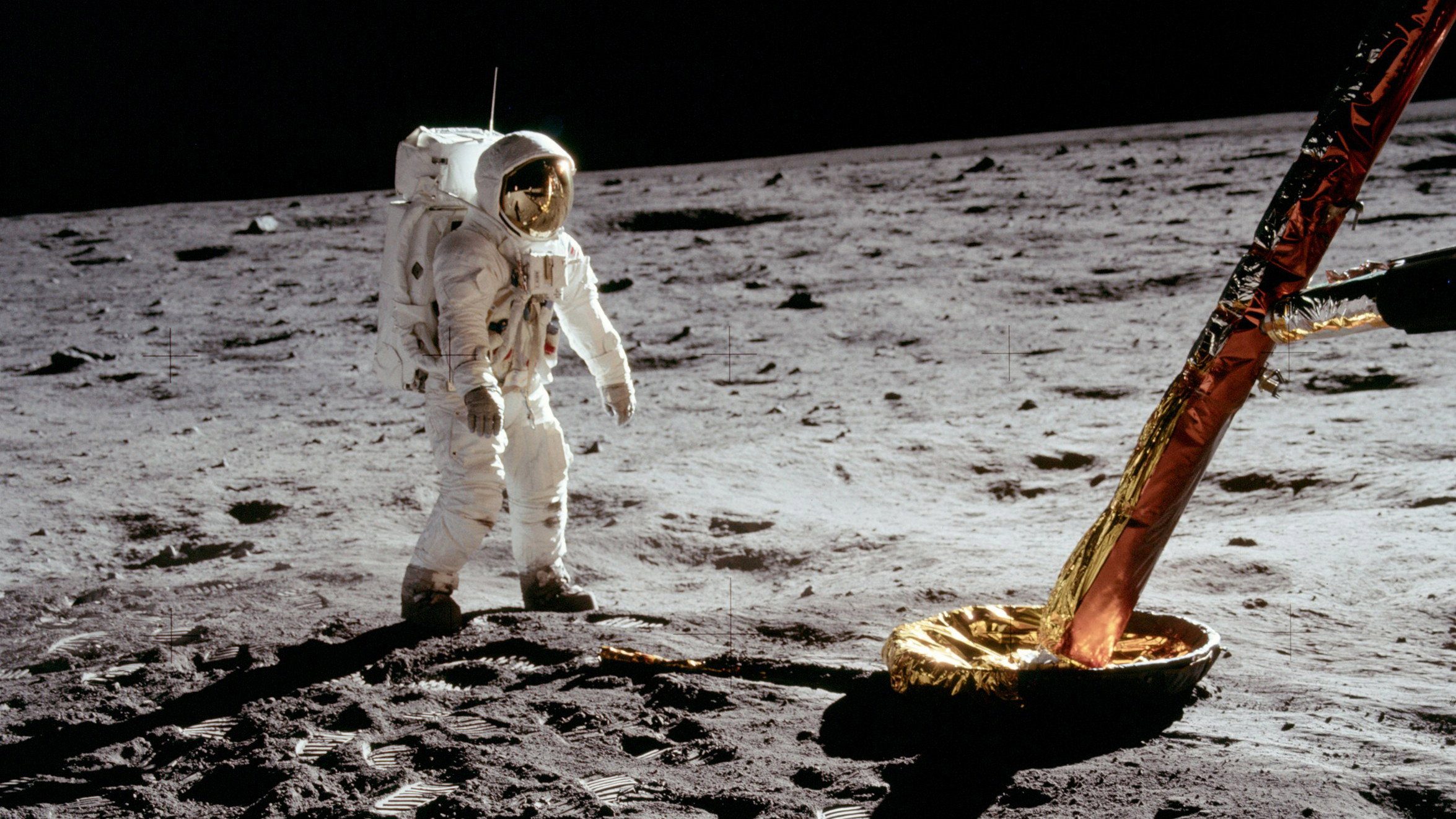
The reason is the film stock. A good deal of what we see was shot on 65mm by NASA’s own cameras and then left in storage for half a century, and it has come out looking as if it were shot last week. The crowds on the Florida beaches, with their station wagons and folding chairs and sunhats, are in colour so full that the 1960s stop looking like the past. A woman in a printed dress adjusts a pair of binoculars. A boy sleeps on the bonnet of a car. Miller, who is also his own editor, keeps cutting back to these people, and we came to see why: they are the only ones in the film as helpless as we are.
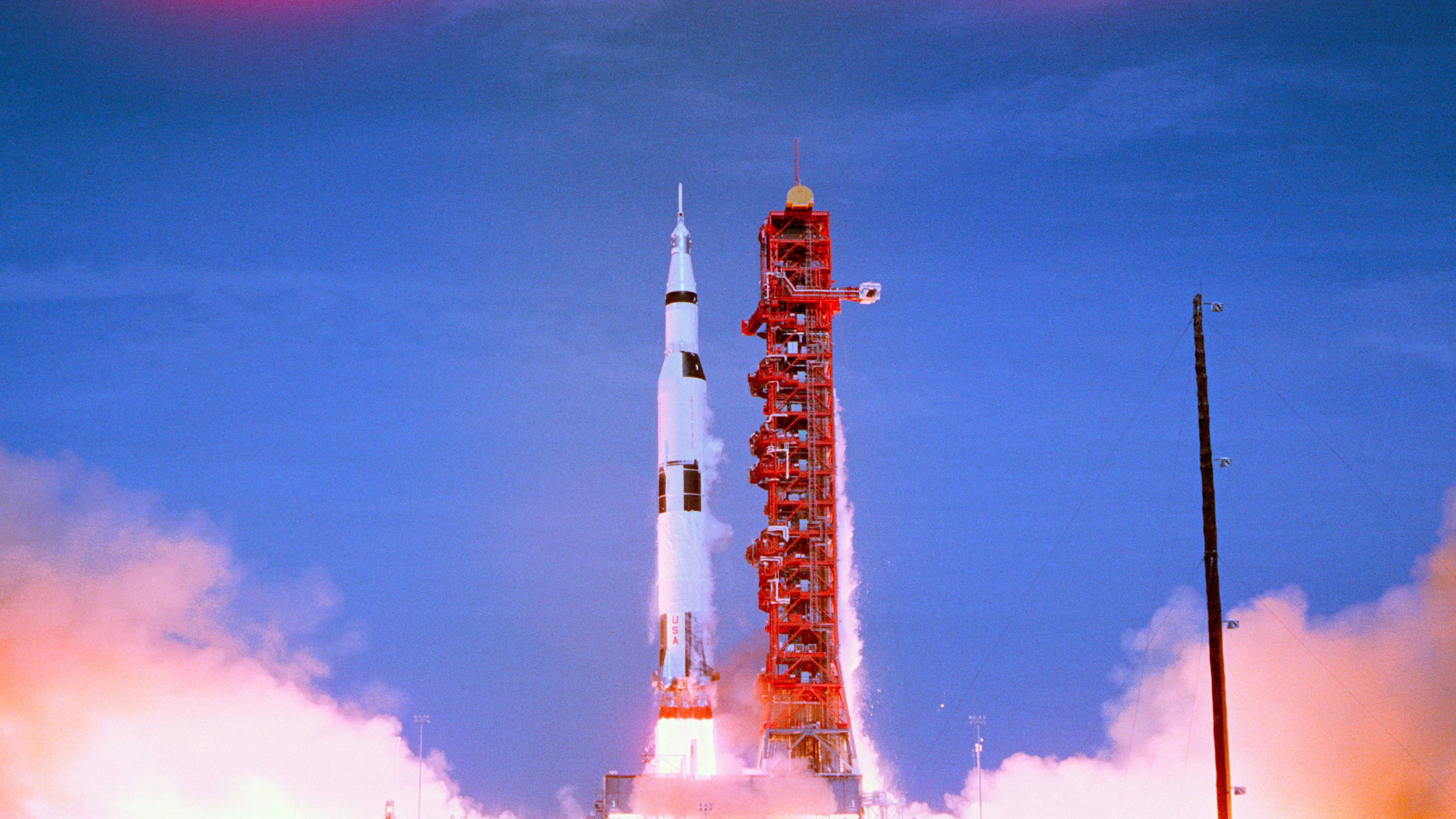
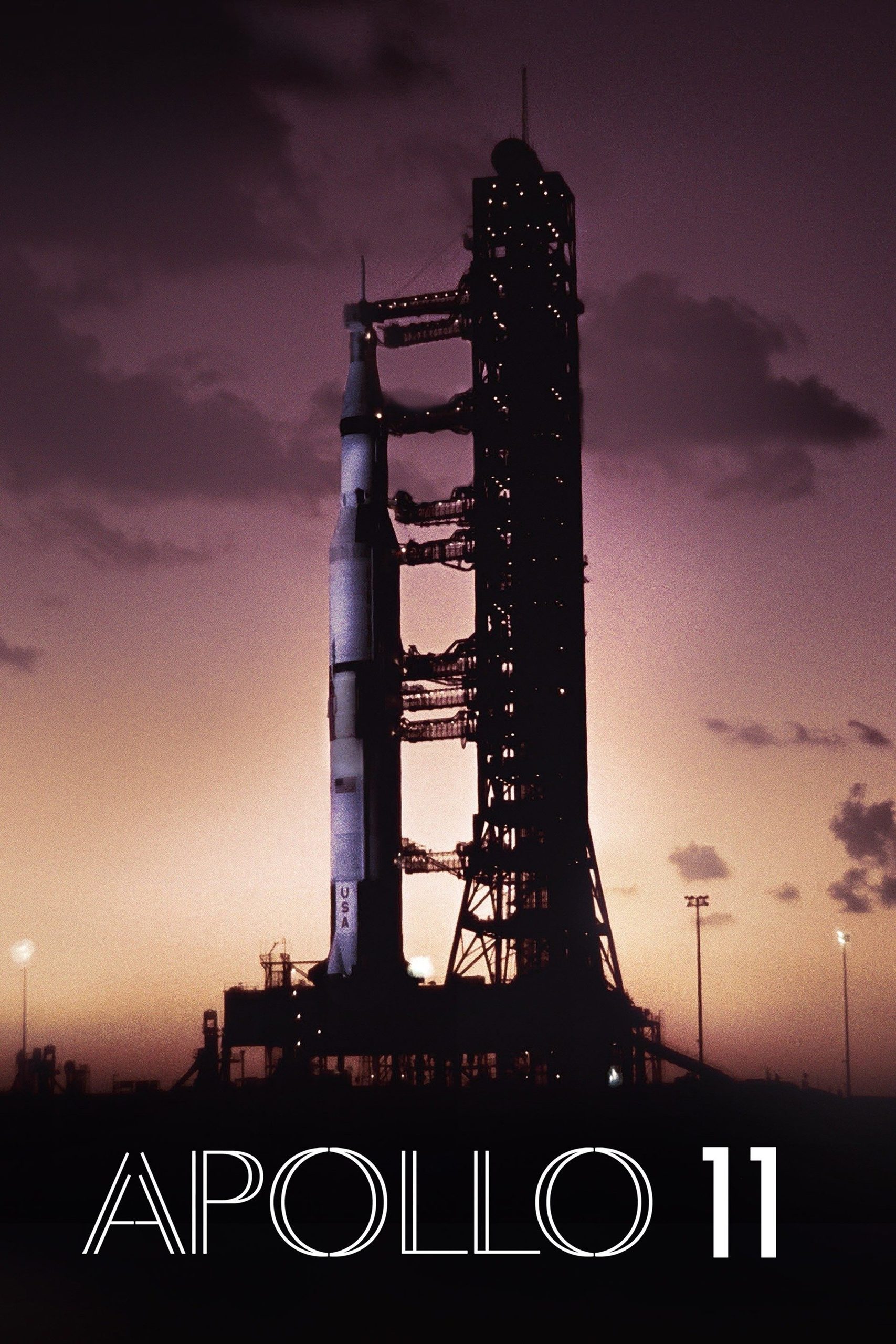
Then the rocket goes. Miller holds a countdown clock in the corner of the frame and lets the firing room, the pad and the beach share the screen, and Matt Morton’s score, played on synthesisers, climbs under it without once getting in the way of the voices. At ignition the camera is a few yards from the flame, ice falling from the tanks in slabs, and the picture shakes because the ground did. We held our breath, which is a stupid thing to do when you know how it ends, and we did not let it out until the first stage fell away. We have watched a great many launches on film. This one felt as if it might not work.
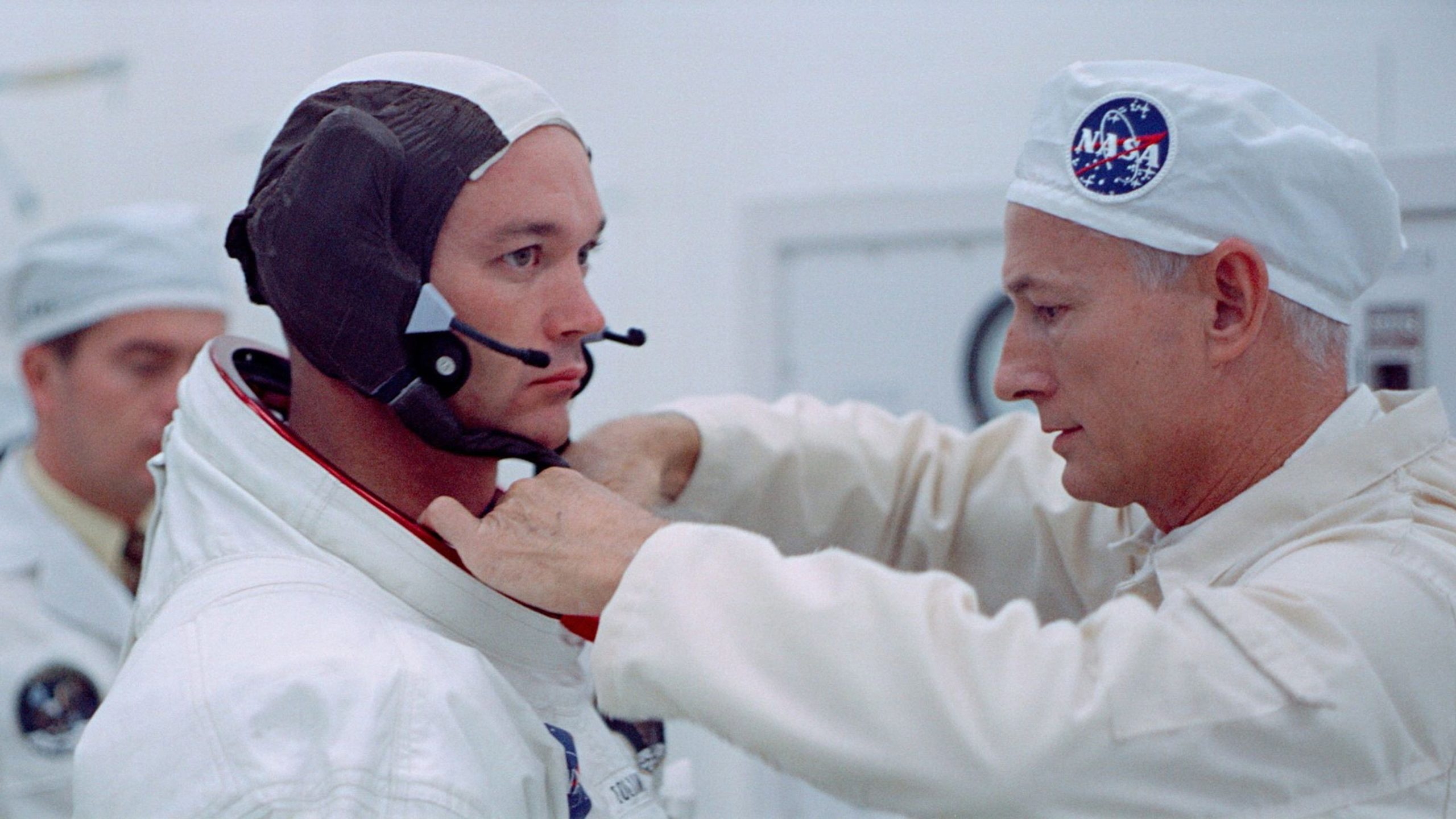
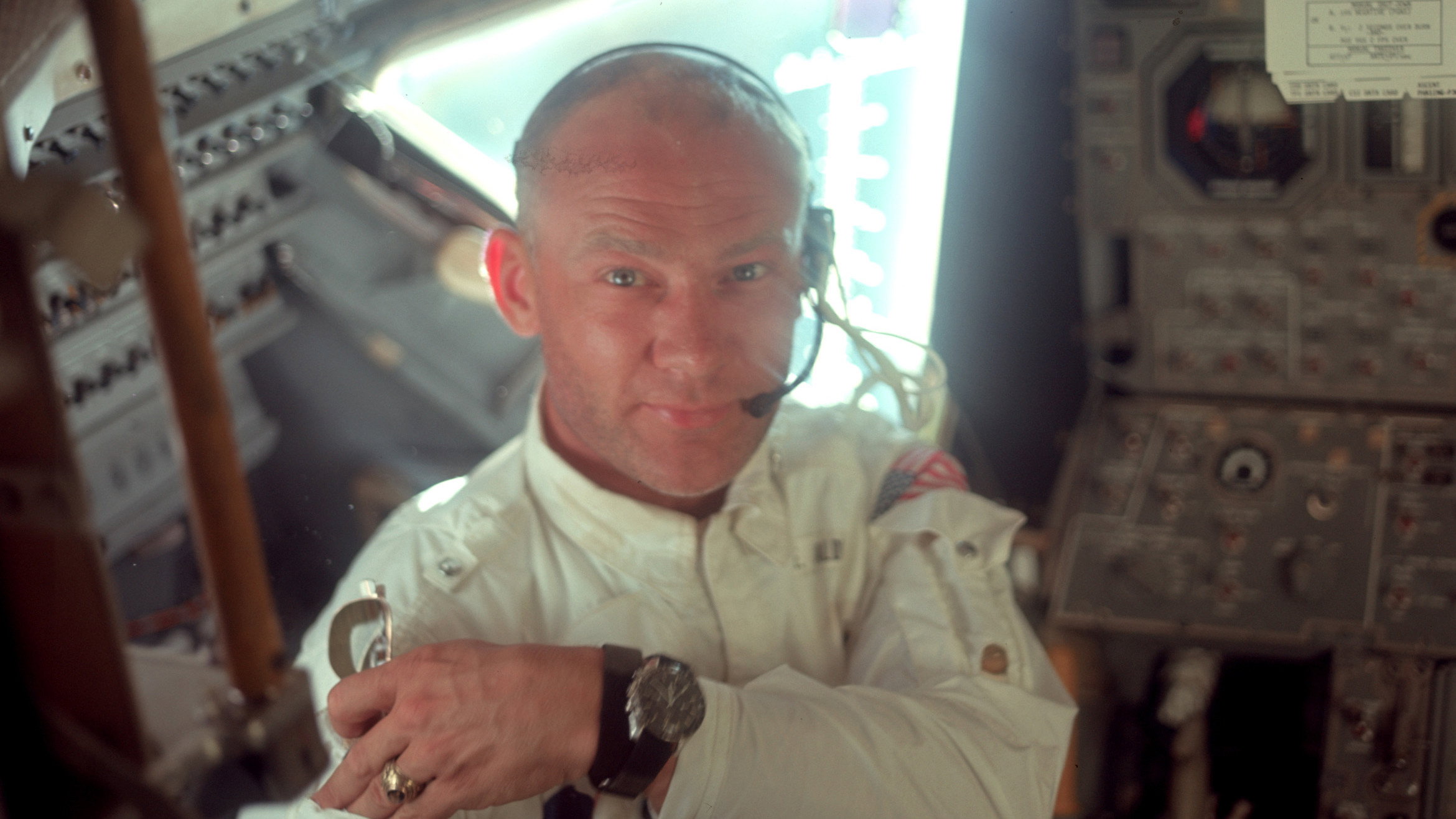
The middle of the film belongs to the crew, and here the archive is thinner. Once the men are in the capsule the footage is 16mm, shot by the astronauts themselves, and it is grainy, badly lit and often pointed at nothing much. Miller fills the gaps with plain line drawings of the spacecraft turning and separating, and with long stretches of mission audio over still or near-still images. This is honest, and some of it is lovely; Collins alone in the command module with the earth in the window is a picture we will keep. But it is also where we felt the running time, short as it is. For ten or fifteen minutes the film is a radio play with a slideshow.
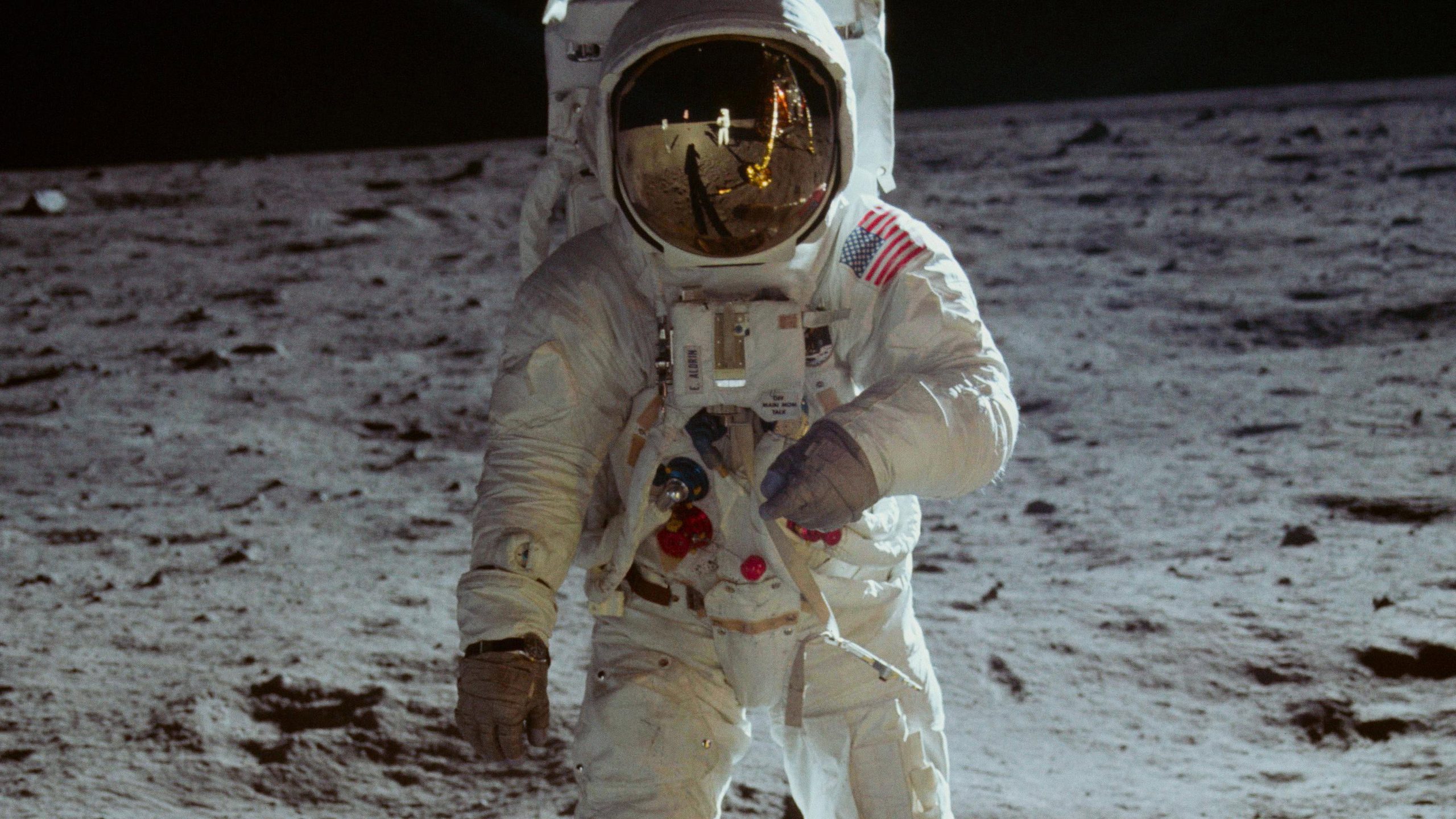
The descent brings it back. Charles Duke’s voice from Houston, a computer alarm nobody expected, a fuel count read aloud in seconds, and Gene Kranz’s team at their consoles, smoking, not moving. Miller uses split screens so that we watch the men who cannot see what we are seeing. The landing footage is the footage everyone has seen, and it has never been shown this clearly; you can watch the dust go out flat under the engine instead of billowing, because there is no air for it to billow in.
What the film will not do is explain. It does not tell you who these men were, what the mission cost or what it was for, beyond a few seconds of John F. Kennedy at a podium. It trusts you to know, or not to mind. Most critics have counted that as a virtue and so, mostly, do we; the one dissenting review complains that Miller brings nothing to the material but a tidy order, and there are moments in the capsule when that is a fair description. He has chosen to be a window rather than a guide, and a window is only as good as what is on the other side of it.
See it on the largest screen you can, with the sound turned up; the launch does not survive a laptop speaker. Certificate U, 93 minutes, and the people in the parked cars steal it.