Sara Dosa’s documentary is built from the Kraffts’ own footage of erupting volcanoes, and that footage is astonishing. The narration laid over it is less sure of itself, and the film is best when it stops talking and lets the lava do the work.
Katia and Maurice Krafft were French volcanologists who spent twenty-five years carrying cameras up to erupting mountains, and Sara Dosa’s documentary is made almost entirely of what they brought back. The film tells us in its opening minutes that they died together on Mount Unzen in Japan in 1991, so there is no suspense about where this ends. The question is how two trained scientists came to be standing where they stood, and why they kept going back. Dosa’s answer is that it was a love story, twice over: for each other and for the mountains. It is a good film with one persistent weakness, and the weakness has a voice.
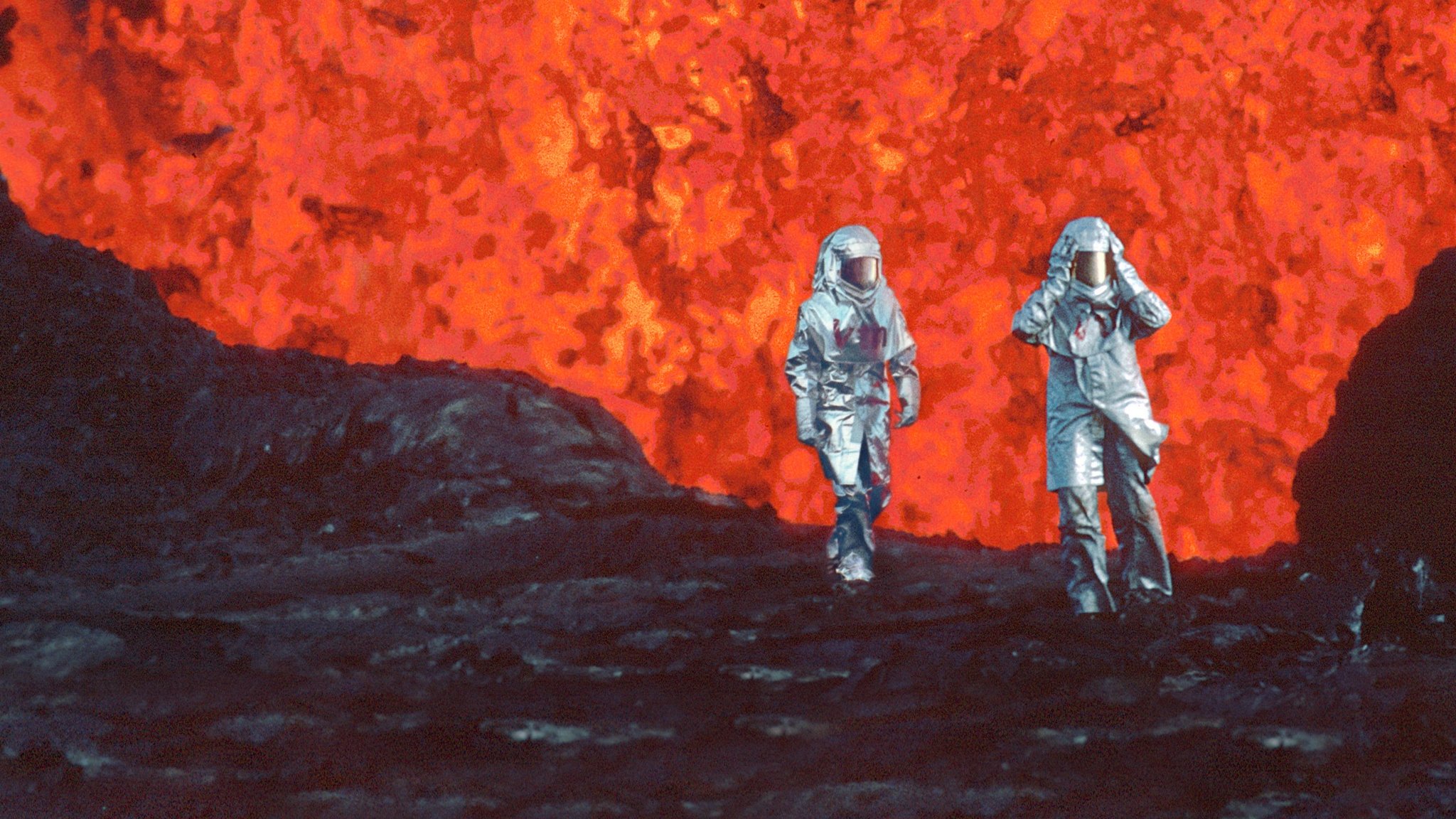
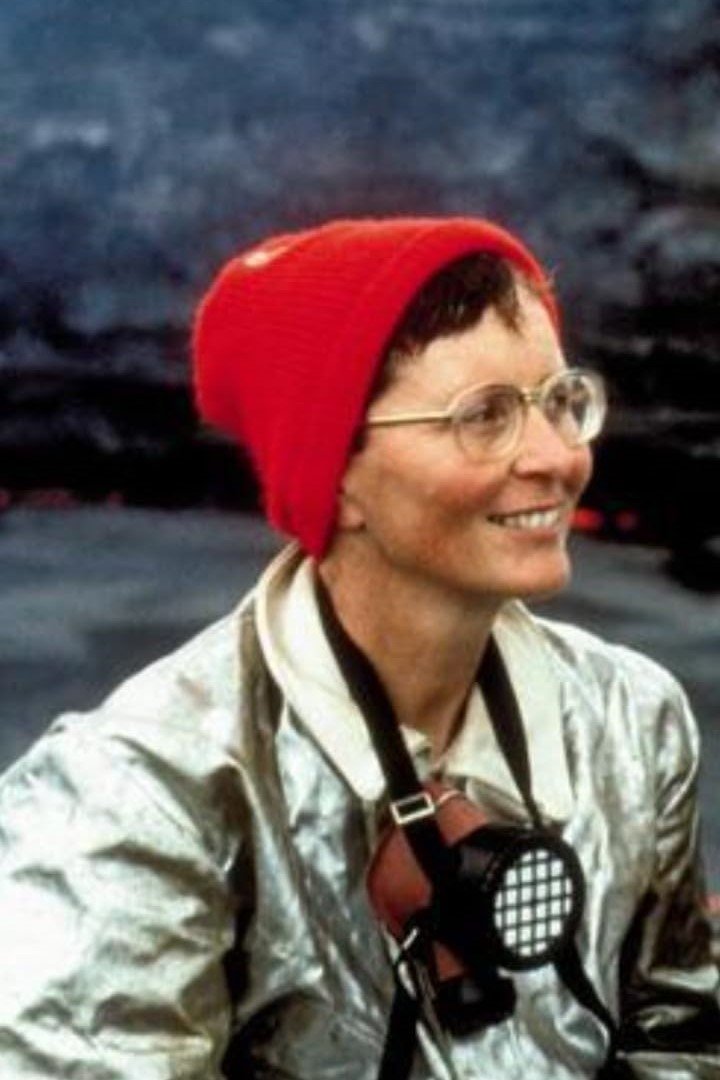
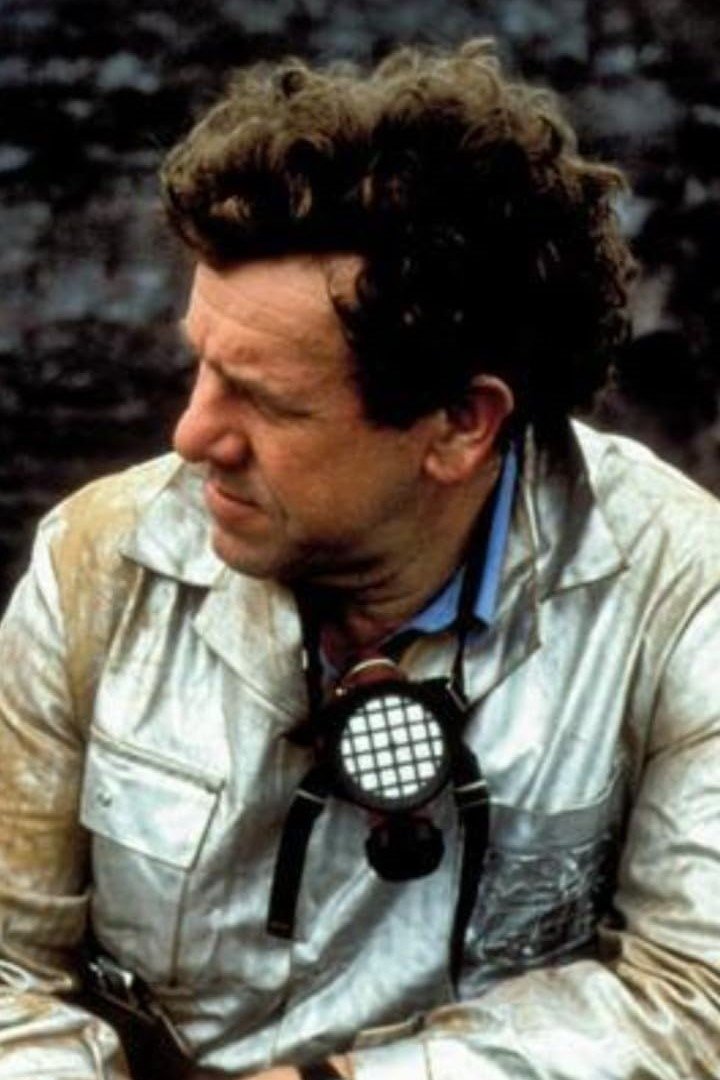
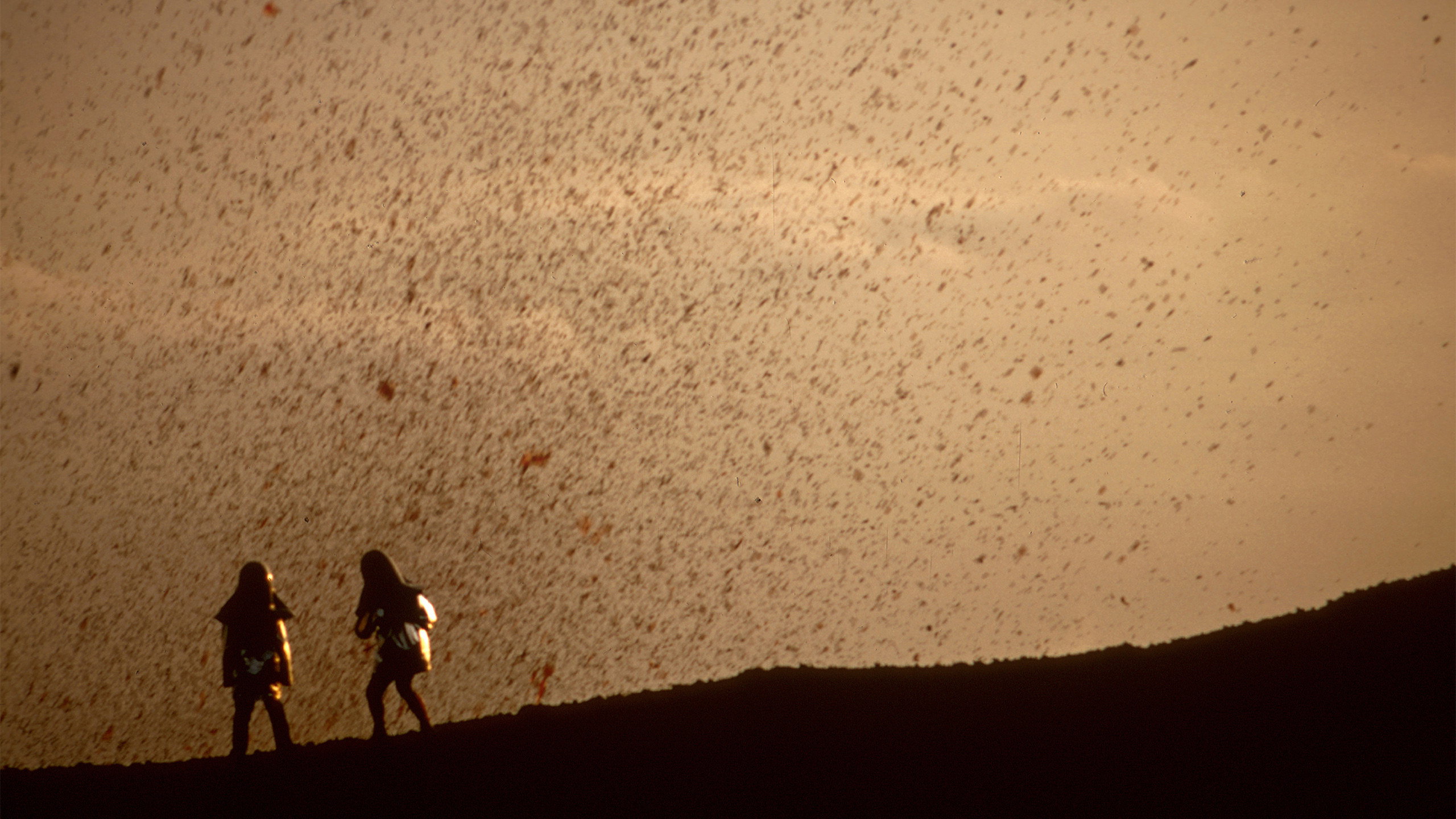
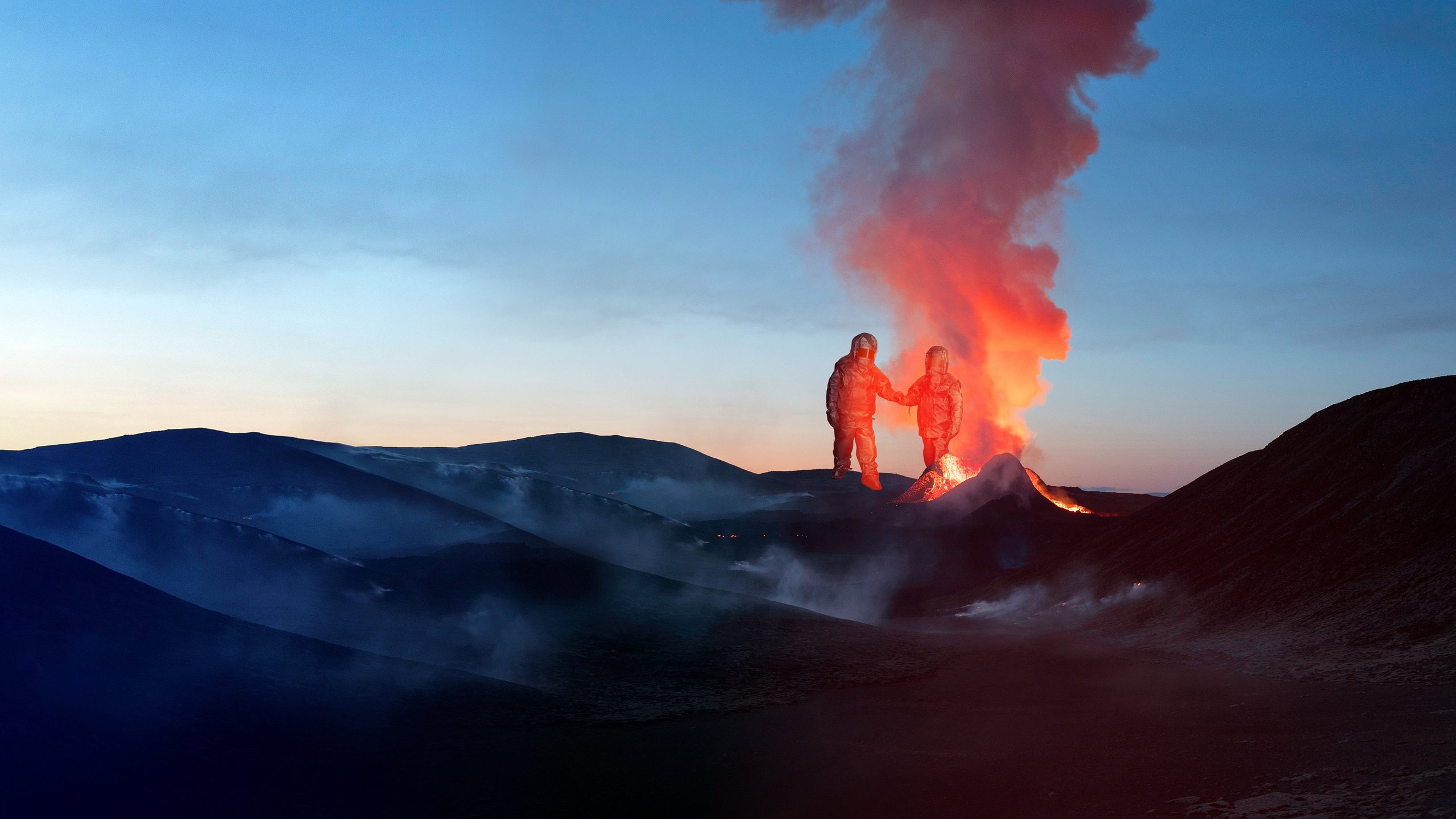
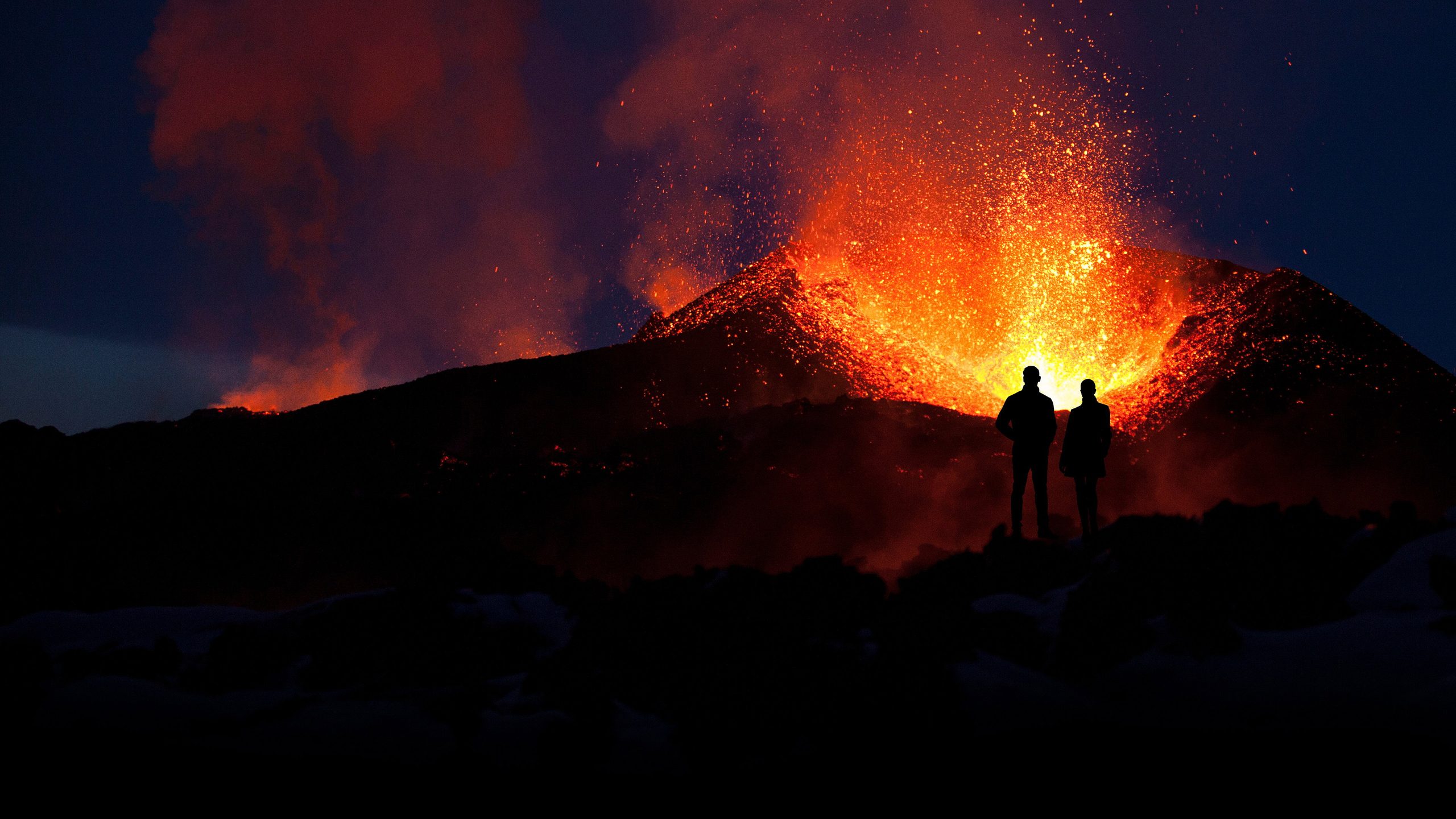
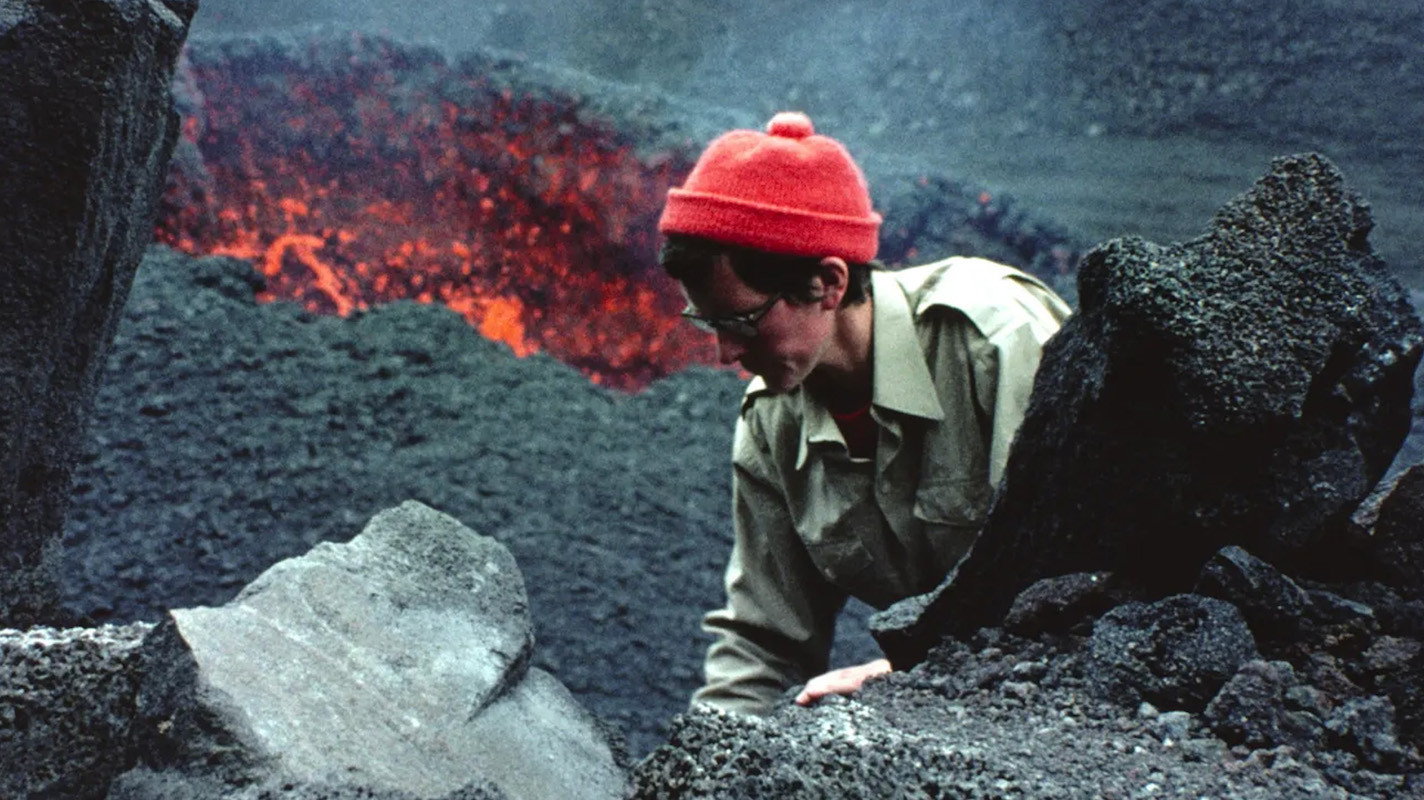
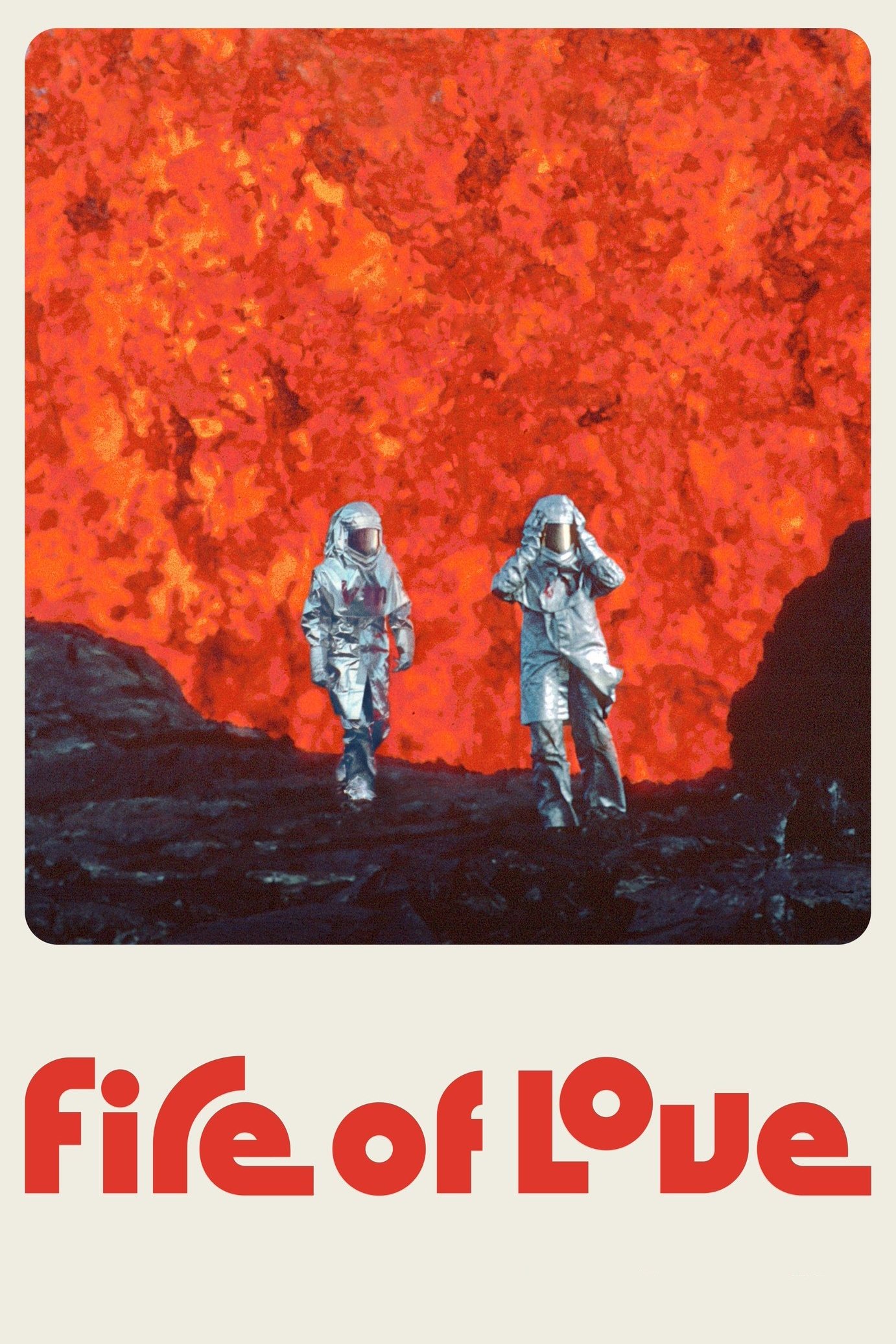
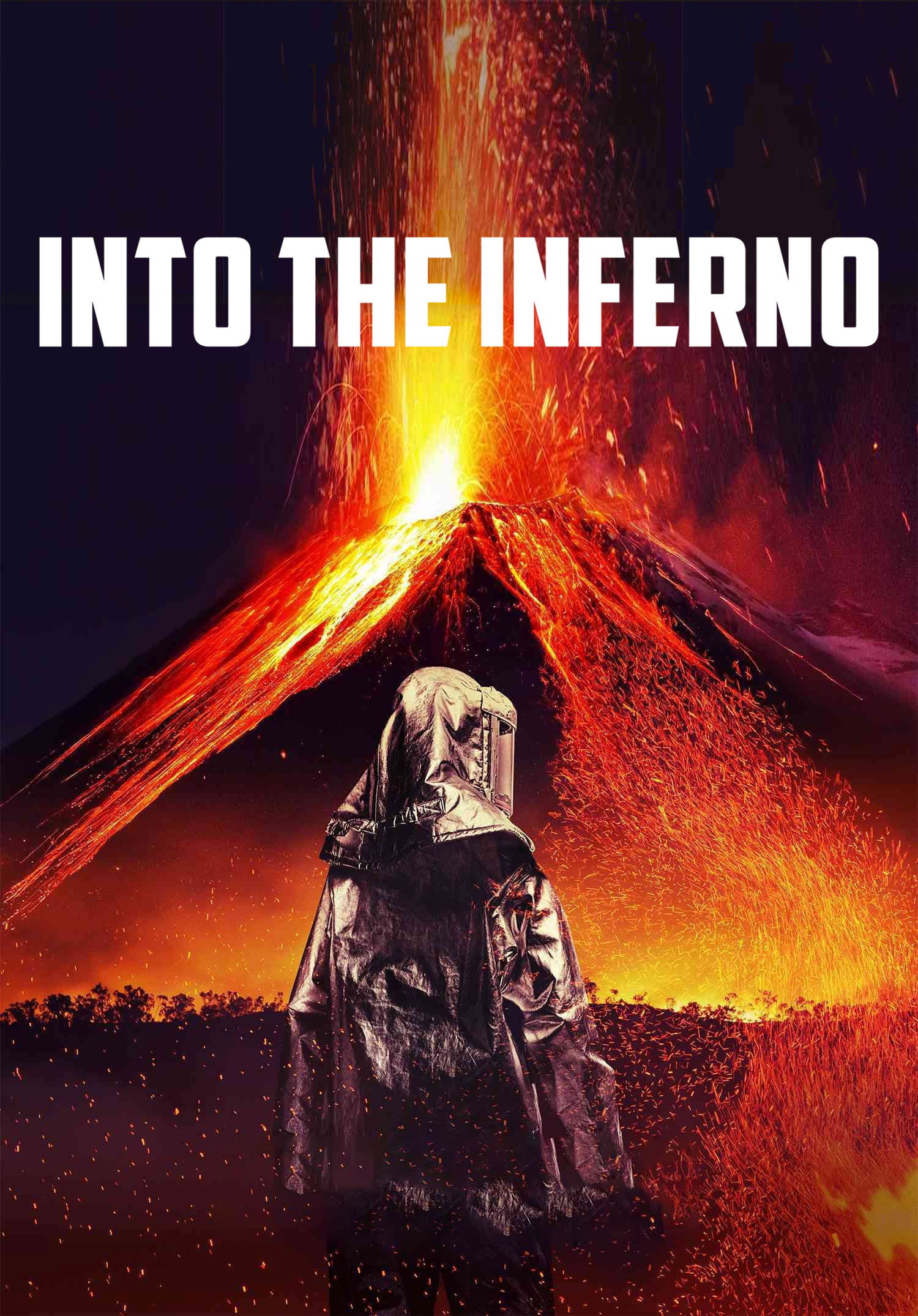
The footage is the reason to see it. Katia, in a silver suit with a hood, stands with her back to a fountain of lava that fills the frame behind her, close enough that the flying rock lands in shot. Maurice, in a red woollen hat, grins at the camera on the edge of a crater and later paddles a rubber dinghy across a lake of acid because he wants to know what will happen. A crust of cooling lava splits and the orange underneath moves like something breathing. We were frightened for her, plainly and repeatedly, and the fright came from the scale: she is a small figure with nothing between her and the heat, and the only other person present is her husband, holding the camera and not telling her to come back.
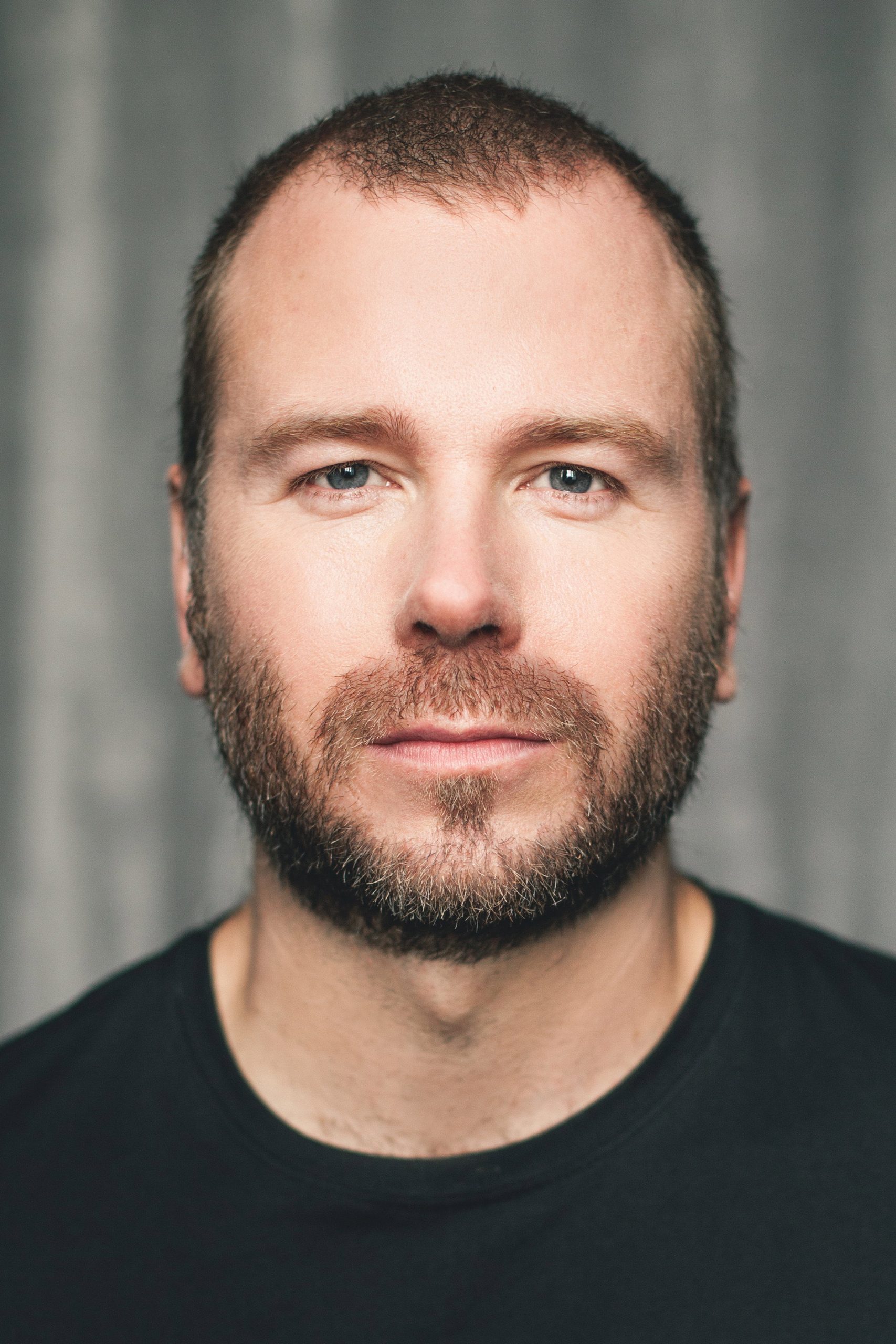
The Kraffts shot most of it themselves, Maurice on film and Katia on stills, and the five credited cinematographers, Roland Haas among them, are there to fill the gaps. Dosa divides the material as the Kraffts did, into red volcanoes, which pour and are comparatively safe, and grey ones, which explode and kill. The red footage is the beautiful half. The grey footage, of Mount St Helens after 1980 and of a Colombian town buried in mud in 1985, is where the film finds its seriousness, and where the Kraffts’ purpose changed from looking to warning.
Erin Casper and Jocelyne Chaput, who edited the film and share the writing credit with Dosa and Shane Boris, cut it like a French picture from the decade the couple met. There are irises, split screens, jump cuts and stretches of hand-drawn animation to cover the years nobody filmed. Nicolas Godin’s score, warm analogue synthesizers under the lava, suits the archive well, and the film’s playfulness in its first half is a real pleasure. Two people in tinfoil clothing cooking eggs on a rock are funny, and the editors know it.
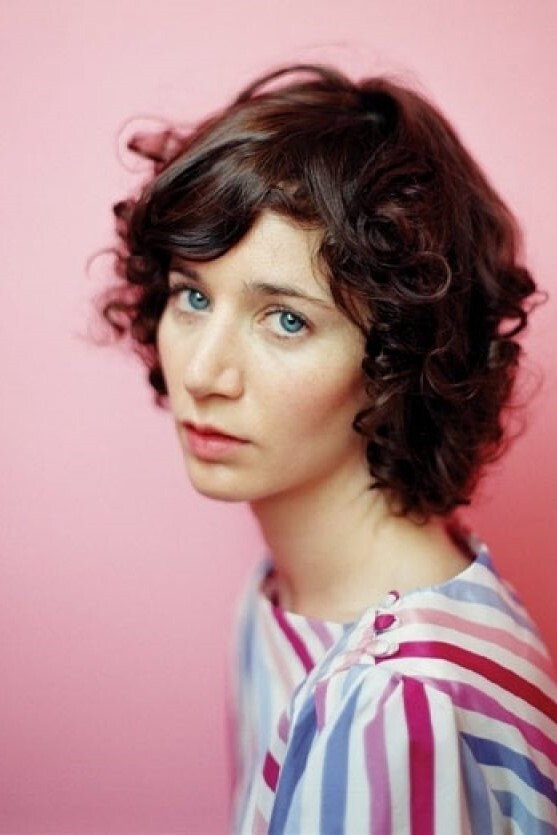
Then there is Miranda July. Her narration is read in a hush, and it asks a great many questions: what is time, what is love, what did they see when they looked. The footage has usually answered already. When July wonders aloud whether the Kraffts felt small before the mountain, we are watching Katia standing before the mountain and can see for ourselves. Alka Balbir and Guillaume Tremblay, reading the couple’s own writing, are far better company, because the Kraffts wrote like scientists who happened to be in love and not like poets who had read about volcanoes. Every time the film cuts from their words to July’s, it gets a little more precious, and we noticed it every time.
The other thing the film will not do is press. Maurice says he would rather a short intense life than a long dull one, and the film takes him at his word. It does not ask what their families made of it, whether the two of them argued about the risks, or whether the constant filming was itself a kind of appetite. Dosa has chosen to honour the couple’s account of themselves, and the account is a lovely one, but 94 minutes is long enough to have asked one hard question and there is not one here.
Most critics have been warmer than we are, and we understand why; the pictures are extraordinary and the couple are easy to love. We think the reviews have given the narration credit that belongs to the archive. Set against the run of recent documentaries assembled from home footage, though, this is one of the more disciplined, and the last reel, which we will not describe, is handled with a tact that the rest of the film sometimes lacks.
See it on the largest screen you have. The lava needs the size, and the whispering, at that scale, is easier to ignore.