Sharon Stone supplies occasional amusement, but Michael Caton-Jones’s erotic thriller is poor: talk-heavy, short of tension and unable to make its central attraction convincing. The London polish cannot disguise how little there is to enjoy.
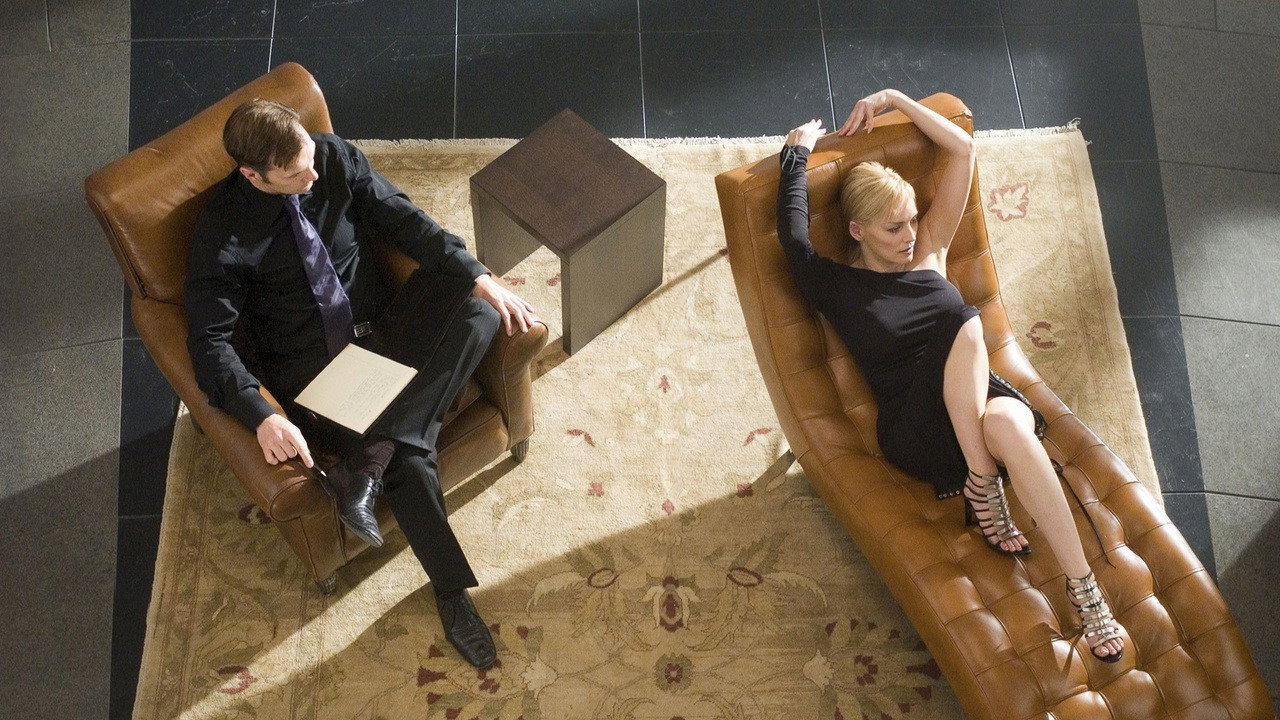
Basic Instinct 2 is a poor erotic thriller, sporadically amusing and much too pleased with its talk. Michael Caton-Jones directs as though sufficient polish will make the exchanges between Catherine Tramell and Michael Glass dangerous, but the attraction never becomes convincing. We are invited to enjoy Catherine’s manipulation and wonder how far she might go. The film gives those encounters plenty of attention, yet seldom makes us curious about the next thing either person will say.
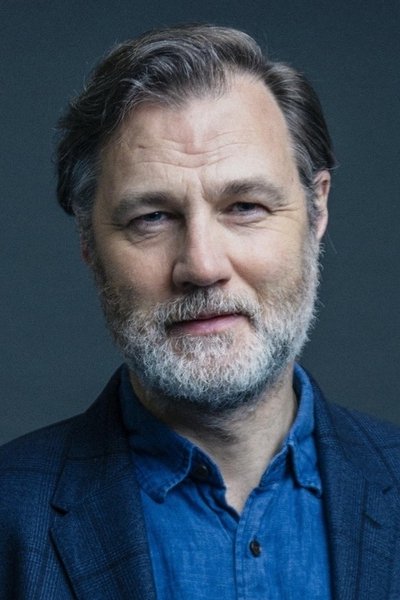
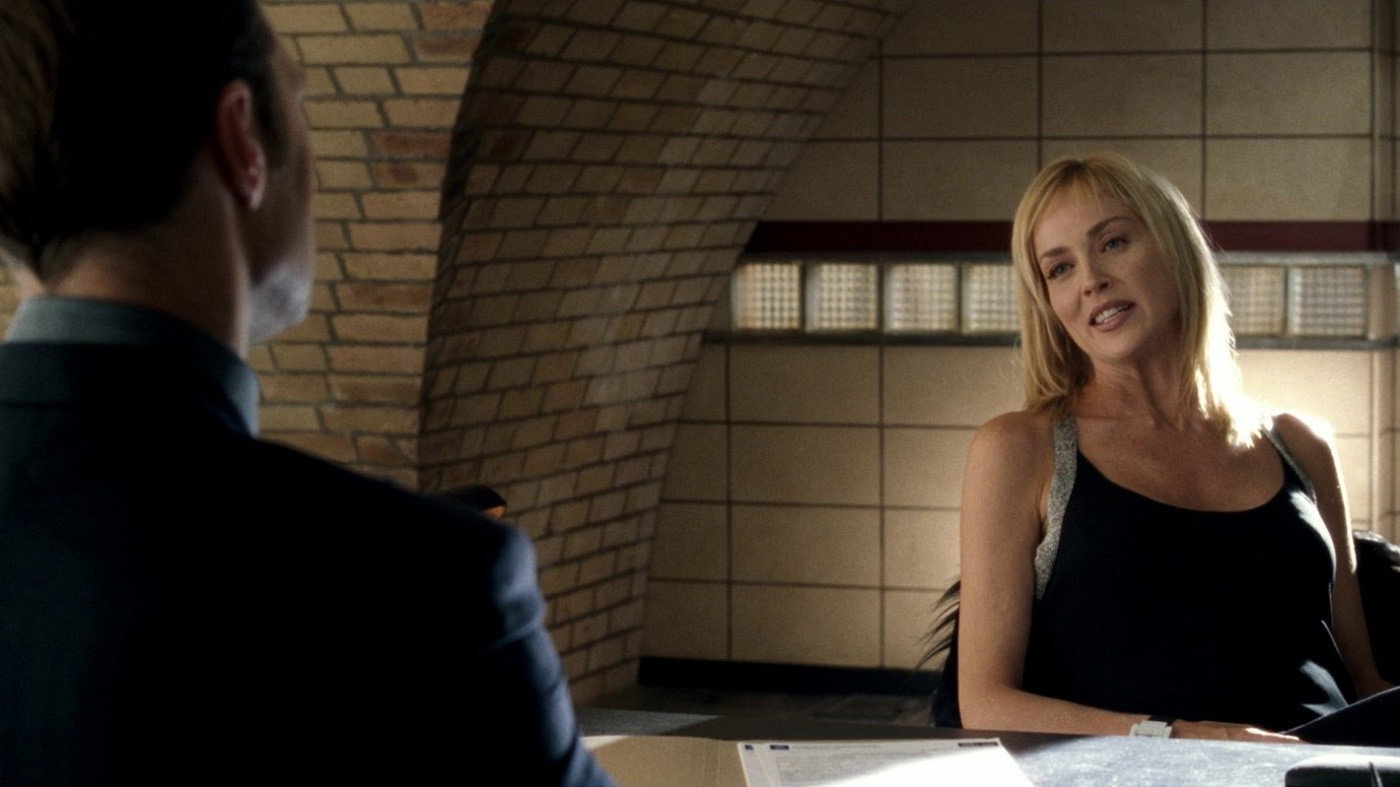
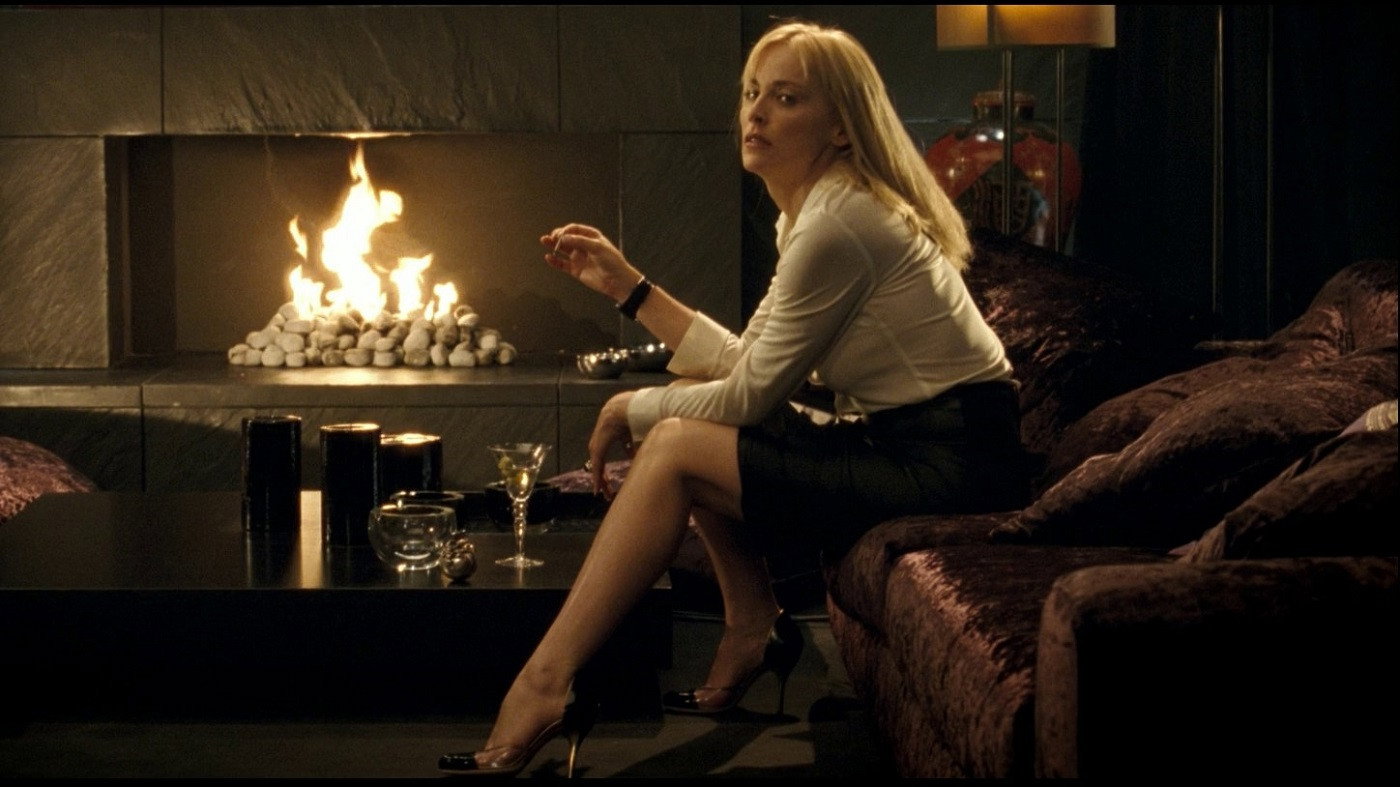
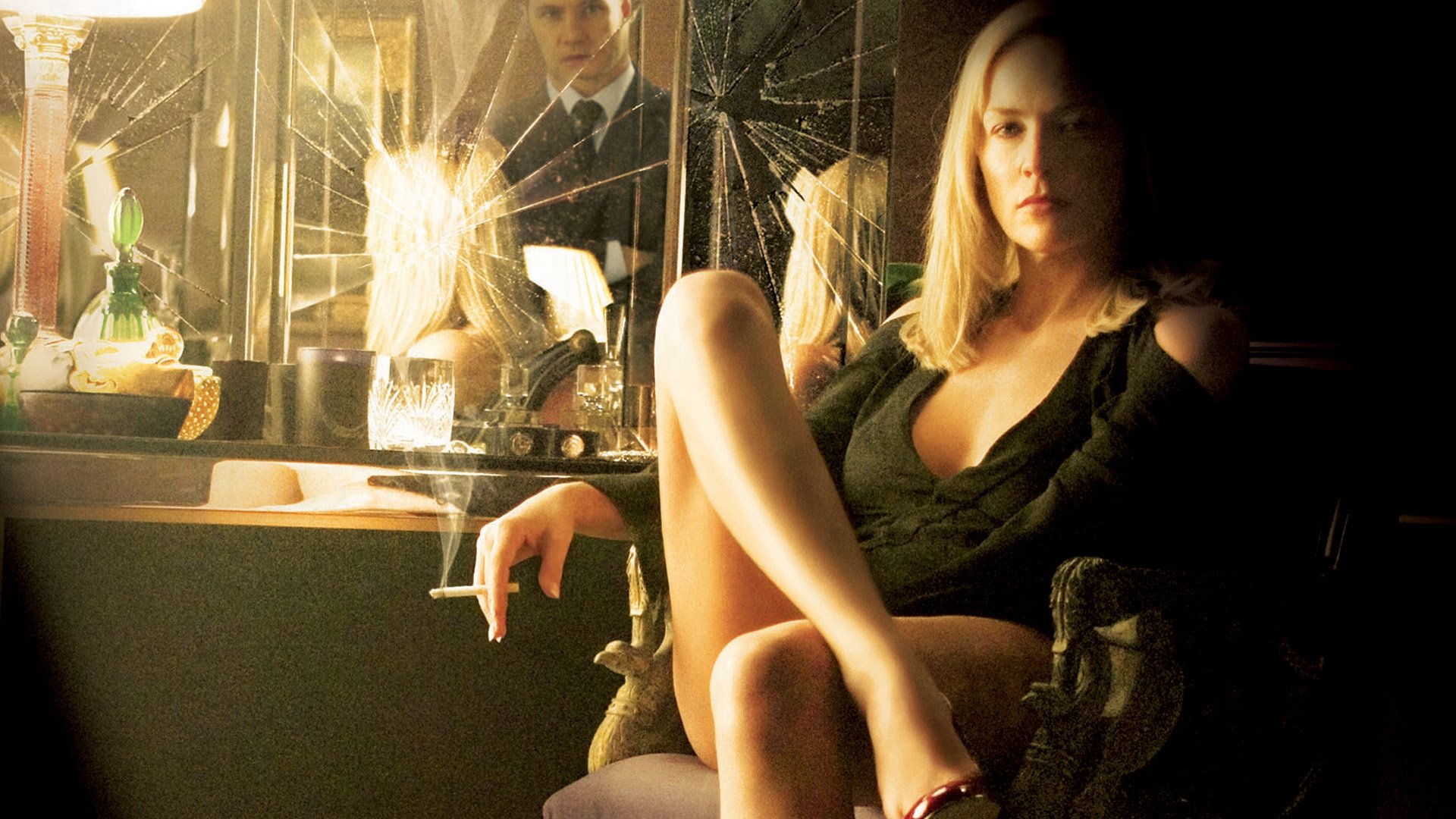
Sharon Stone is the main reason to keep watching. There is some pleasure in her deliberate delivery, the way she lets a provocative line sit there while everyone else has to deal with it. Her performance can tip into mannerism, and the effort to keep every exchange suggestive becomes tiring, but at least she seems interested in causing trouble. David Morrissey, as Michael, is more restrained, and that might have supplied a useful contrast. Instead, their scenes lack the mutual curiosity that would make the seduction worth watching.
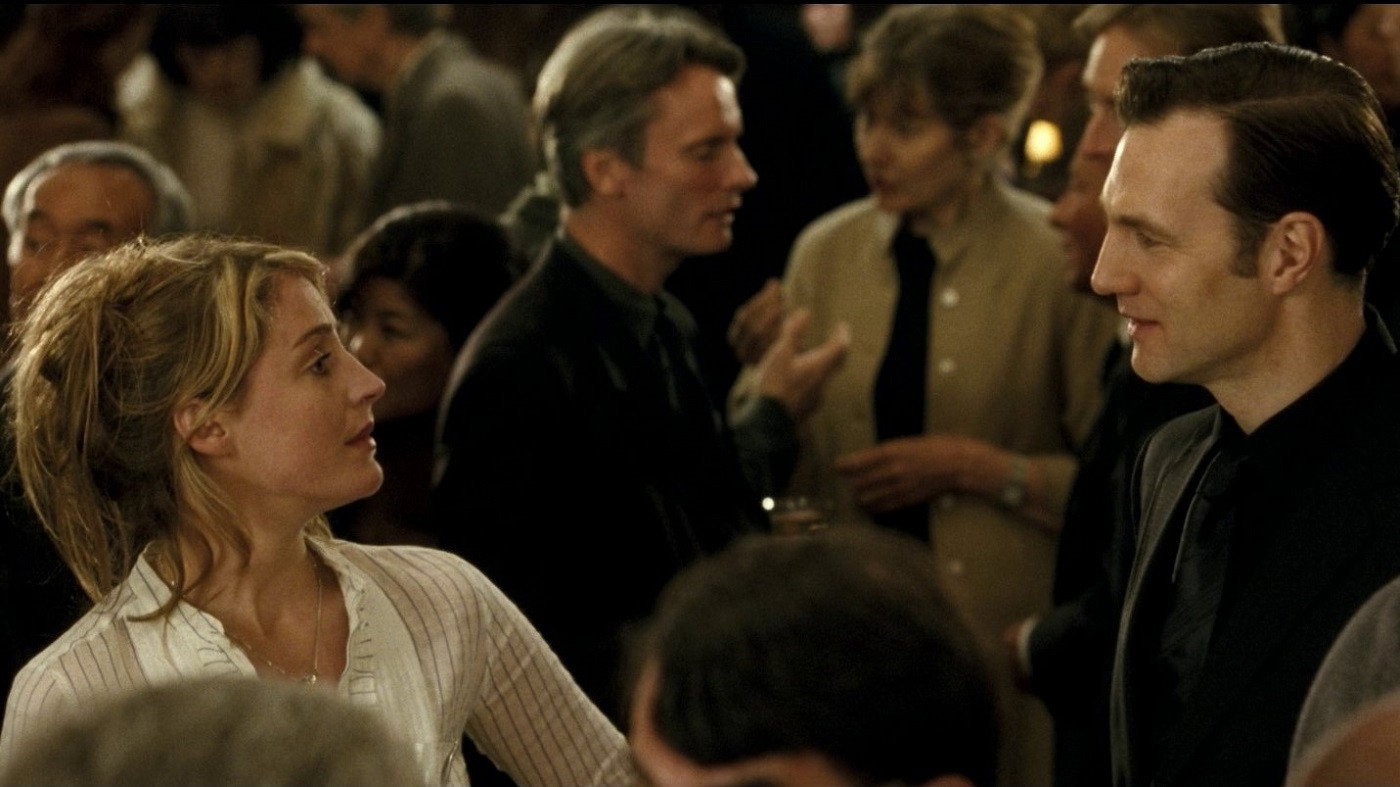
Henry Bean and Leora Barish give them plenty to say and too little reason for us to listen closely. The dialogue keeps making suggestions about sex and control, while the muddled mystery grows steadily less plausible. Its implausibilities might be enjoyable if the film took itself less seriously, but the conversations ask for patient scrutiny. We were bored by the exchanges between Stone and Morrissey, because neither the insinuations nor the supposed attraction gave us much to anticipate.
Gyula Pados’s cinematography gives London a glossy finish, and Norman Garwood’s production design keeps the surroundings imposing. The city looks smart, cold and largely indifferent to the people in it. That coolness suits Catherine’s composure, though Caton-Jones lets it spread so thoroughly that the supposedly heated exchanges feel formal. There is care in the way this London has been presented, but we spend too much time admiring the setting when we ought to be watching the people.
Editors John Scott and István Király leave the talk enough room to establish a mood, then rather more room than it needs. Once an exchange has made its point, the film often seems reluctant to move on, and the sparse bursts of sex and violence cannot sustain the intervening stretches. John Murphy’s music is a welcome source of tension, suggesting that something unsettling might yet happen. It gives the film some momentum, although the scenes themselves keep slowing it down.
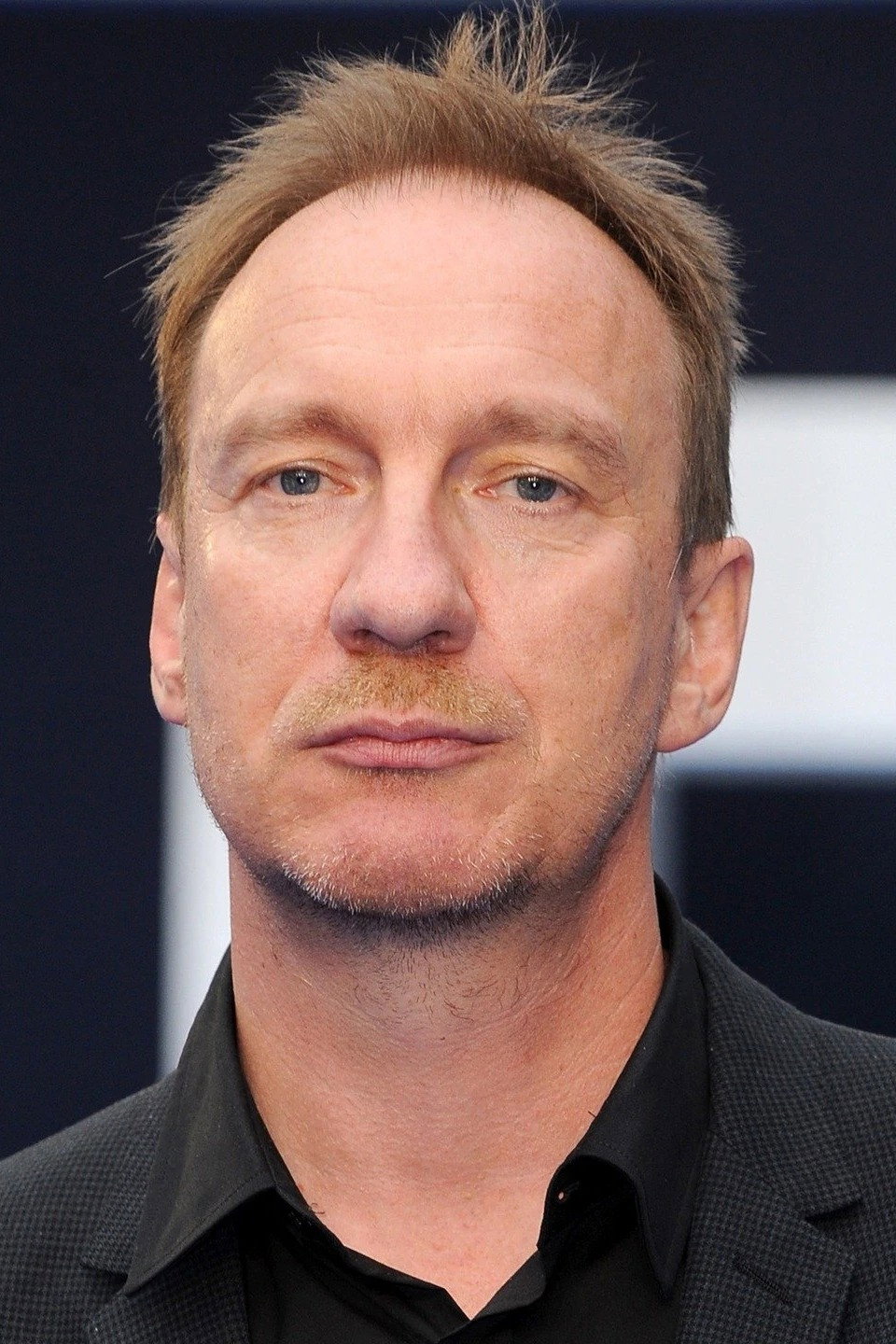
Charlotte Rampling and David Thewlis bring welcome assurance as Milena Gardosh and Roy Washburn, and Thewlis gives the silliness a firmness it needs. There are also moments when Stone’s insistence on making every line suggestive begins to resemble a deliberate joke. That could have sustained a broader, less solemn film. Here, the surrounding performances and direction keep asking us to take the intrigue seriously, so the laughter offers only occasional relief.
An erotic thriller can get away with preposterous plotting when the attraction makes us willing to follow it. Caton-Jones supplies neither enough sexual tension nor enough mischief to make these 116 minutes a satisfying example. Stone works hard to hold our attention, and sometimes succeeds, but she has to do too much alone. Her admirers may be curious; we would look elsewhere for suspense.