Paul Verhoeven’s adult thriller is gripping enough to survive its improbable plotting, with Sharon Stone giving the strongest reason to stay. The sex is overdone and the sexual politics crude, but the suspense often works.
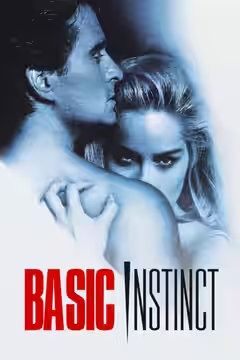
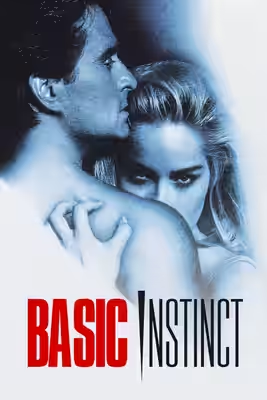
Paul Verhoeven’s Basic Instinct is an effective adult thriller that gets away with considerable nonsense, largely because Sharon Stone makes it so watchable. Its premise puts a detective on a murder case and makes his attraction to danger part of the problem. We recommend it to anyone with an appetite for sexual intrigue and a tolerance for unlikely plotting. The chief reservation concerns Joe Eszterhas’s screenplay, which demands more belief than its story deserves.
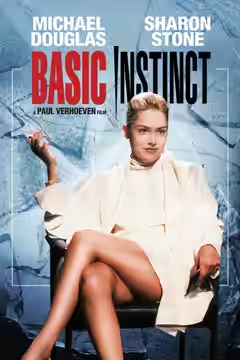
Michael Douglas gives Detective Nick Curran enough force to keep the investigation compelling, even when the writing makes sound judgement seem an unreasonable request. Stone’s Catherine Tramell is the stronger reason to stay: she sustains interest without making the character easy to read. We laughed at Douglas’s tank tops. The clothes puncture the sexual seriousness for a moment, and his performance is sturdy enough to survive the joke without losing our attention.
Jan de Bont’s cinematography gives the film a sleek finish that makes its voyeurism harder to dismiss: looking is part of the pleasure being offered. Terence Marsh’s production design supports that polish without becoming a distraction from the actors. Their work helps Verhoeven establish a heightened tone in which outrageous behaviour seems temporarily plausible. It is carefully made, and the care matters when so much of the story could otherwise seem merely foolish.
Frank J. Urioste’s editing helps maintain the pressure, allowing the immediate excitement of a scene to take precedence over questions about its likelihood. Jerry Goldsmith’s music lends conviction to suspense that the screenplay cannot always earn on its own. Both make useful contributions to keeping us absorbed in what is happening. The difficulty comes when we have time to consider the connections, and the inconsistencies become harder to overlook.
Eszterhas writes dialogue with enough bite to give the actors something worth delivering, but the plotting leaves them awkward work to do. They have to make implausibility compelling, and even this cast cannot manage it every time. The sexual excess can become tiresome, too; Verhoeven keeps insisting on provocation after the point has registered. At 128 minutes, the film has room to indulge habits that would have been more effective in smaller doses.
Its treatment of bisexuality is crude, too. Verhoeven is eager to make sex unsettling, and not sufficiently interested in the people his provocations are built around. That narrows the characters when a mystery ought to be making them harder to judge. Stone does useful work against this, giving Catherine enough presence to remain interesting even when the writing is busy being sensational.
Within the erotic thriller, this is a persuasive example of how far acting and technique can carry a doubtful story. Verhoeven uses Hitchcockian suspense with a hard sexual edge, and his willingness to be disreputable suits the material. The film is enjoyable when it lets its actors sustain the tension, and less so when it insists on shocking us. Choose it for Stone and the atmosphere; insist on a watertight mystery and the evening will be harder work.