Film review

Blade Runner 2049

2017 · Directed by Denis Villeneuve · 2h 44m · MPA R

In a sentenceRyan Gosling makes a long silence worth sitting through, though there are rather a lot of them

Science FictionDrama

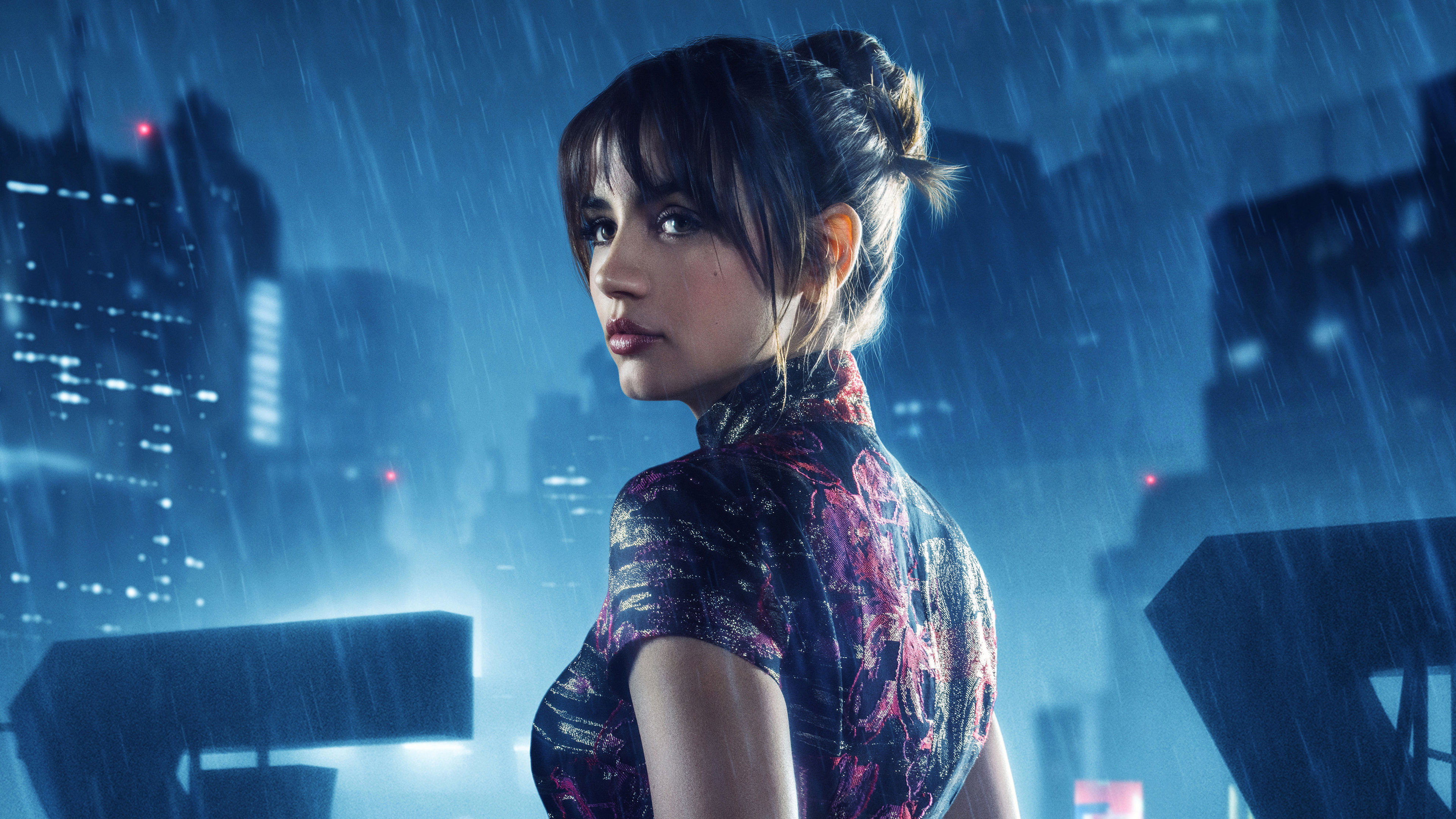
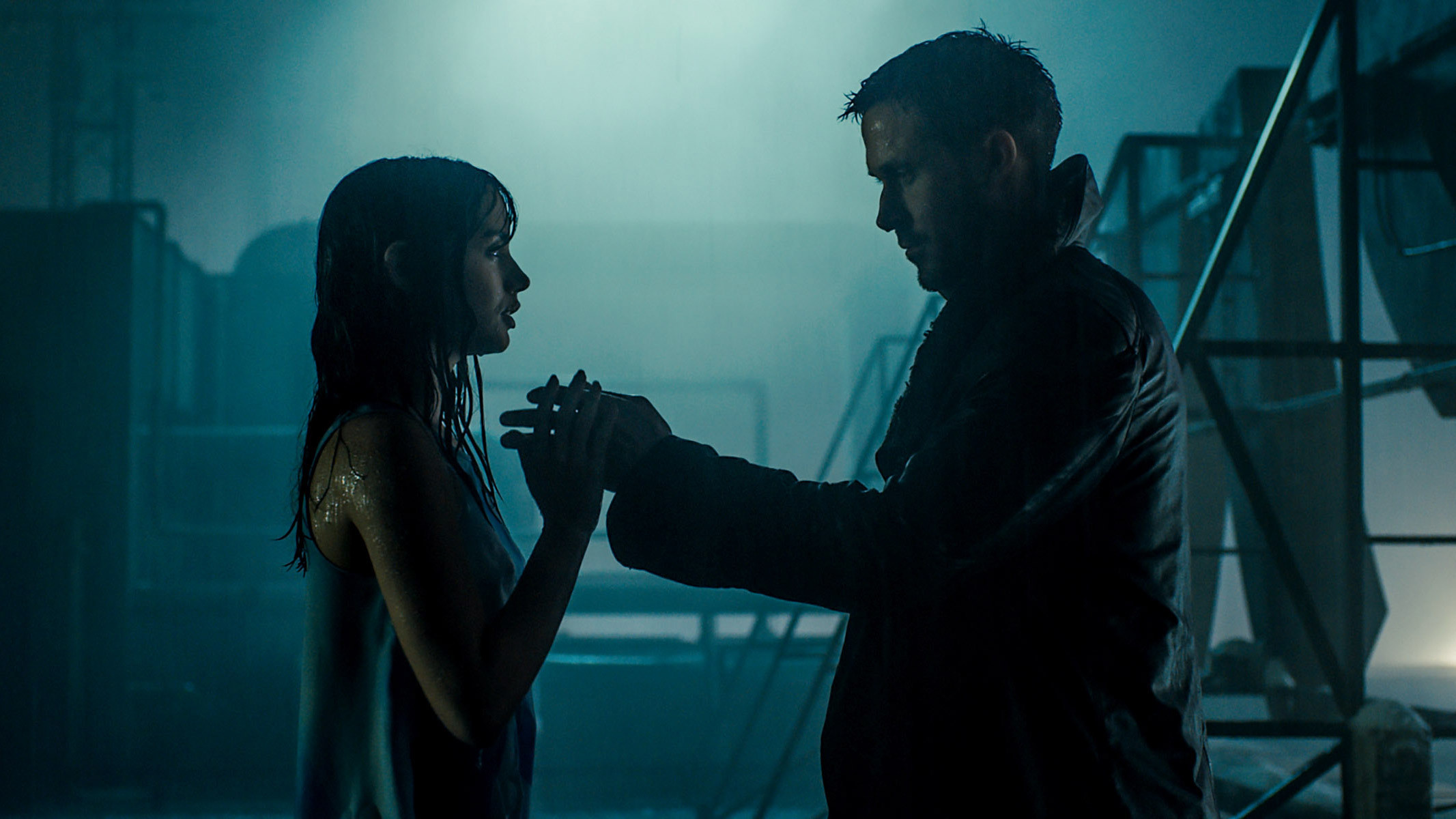
In a damaged future of neon-lit streets, ‘K’ (Ryan Gosling) becomes involved in a mystery about memory, identity and the distinction between human and artificial life. His relationship with Joi (Ana de Armas), a hologram, brings those questions into his private life. Rick Deckard (Harrison Ford) also inhabits this society, where slavery and manufactured companionship complicate the meaning of being human. The search for answers runs through ruined cities, as questions about what is real extend to the people and relationships within them.

Plays from YouTube when you press play; nothing loads from them until then.

Fi1m review

Denis Villeneuve makes a patient, moving science-fiction sequel, with Ryan Gosling giving its vast images a human focus. It earns much of its 164 minutes, though several long stretches need a firmer cut.

Denis Villeneuve’s Blade Runner 2049 is a fine sequel that could stand a firmer edit. It takes loneliness seriously enough to spend long stretches with someone who cannot easily express it, and Ryan Gosling gives that patience a purpose. The investigation matters, but we become more interested in what its questions do to the man asking them. At 164 minutes, it sometimes makes us wait after the point has registered.

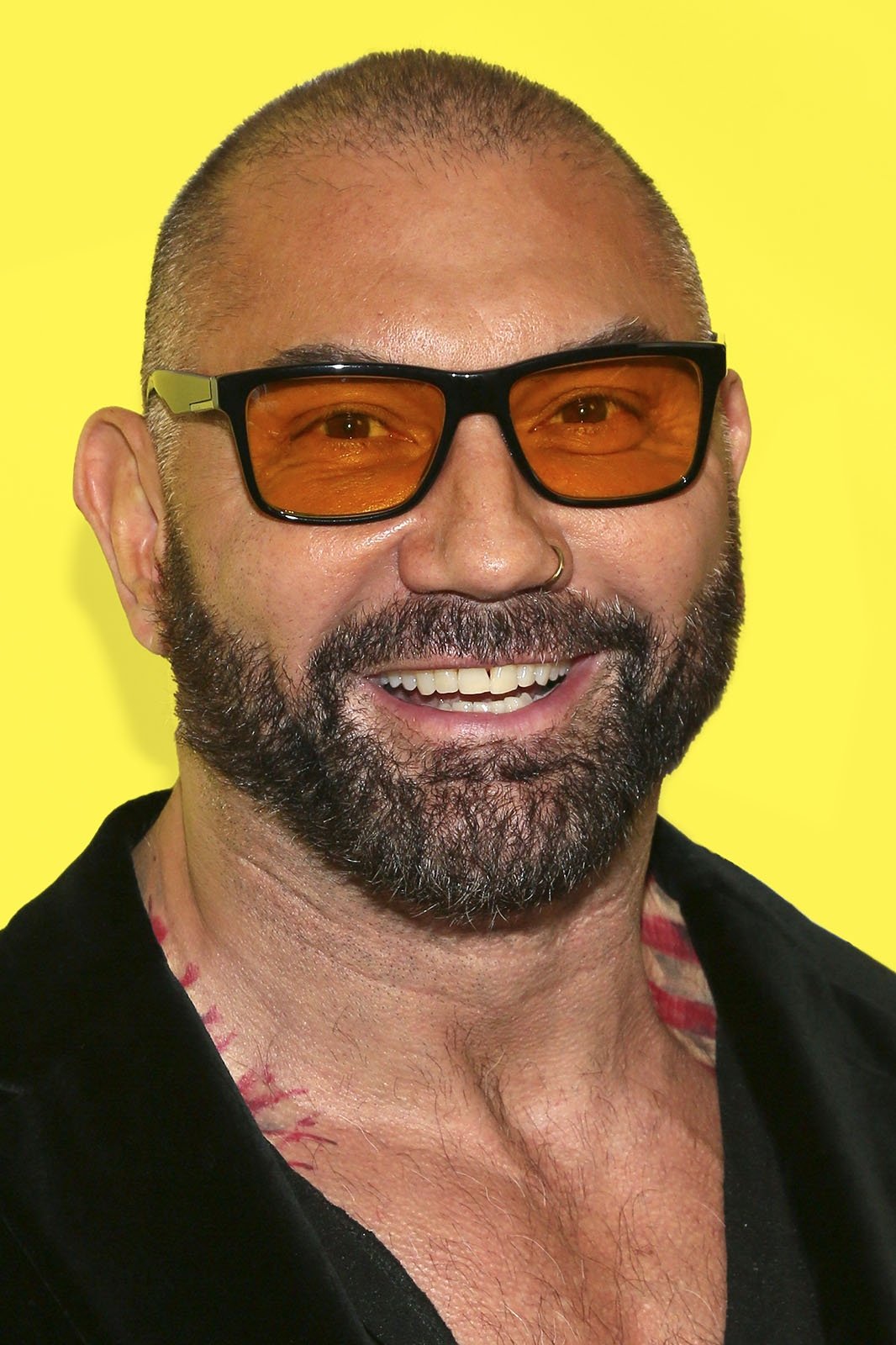
Dave Bautista gives Sapper Morton an exhausted dignity, establishing the film’s seriousness without requiring a lecture. His restraint helps the questions about whose life counts feel worth asking. Hampton Fancher and Michael Green’s screenplay has the right instinct when it leaves those questions with the actors rather than spelling everything out. Its difficulty comes when the investigation requires more explanation than the images and performances do.

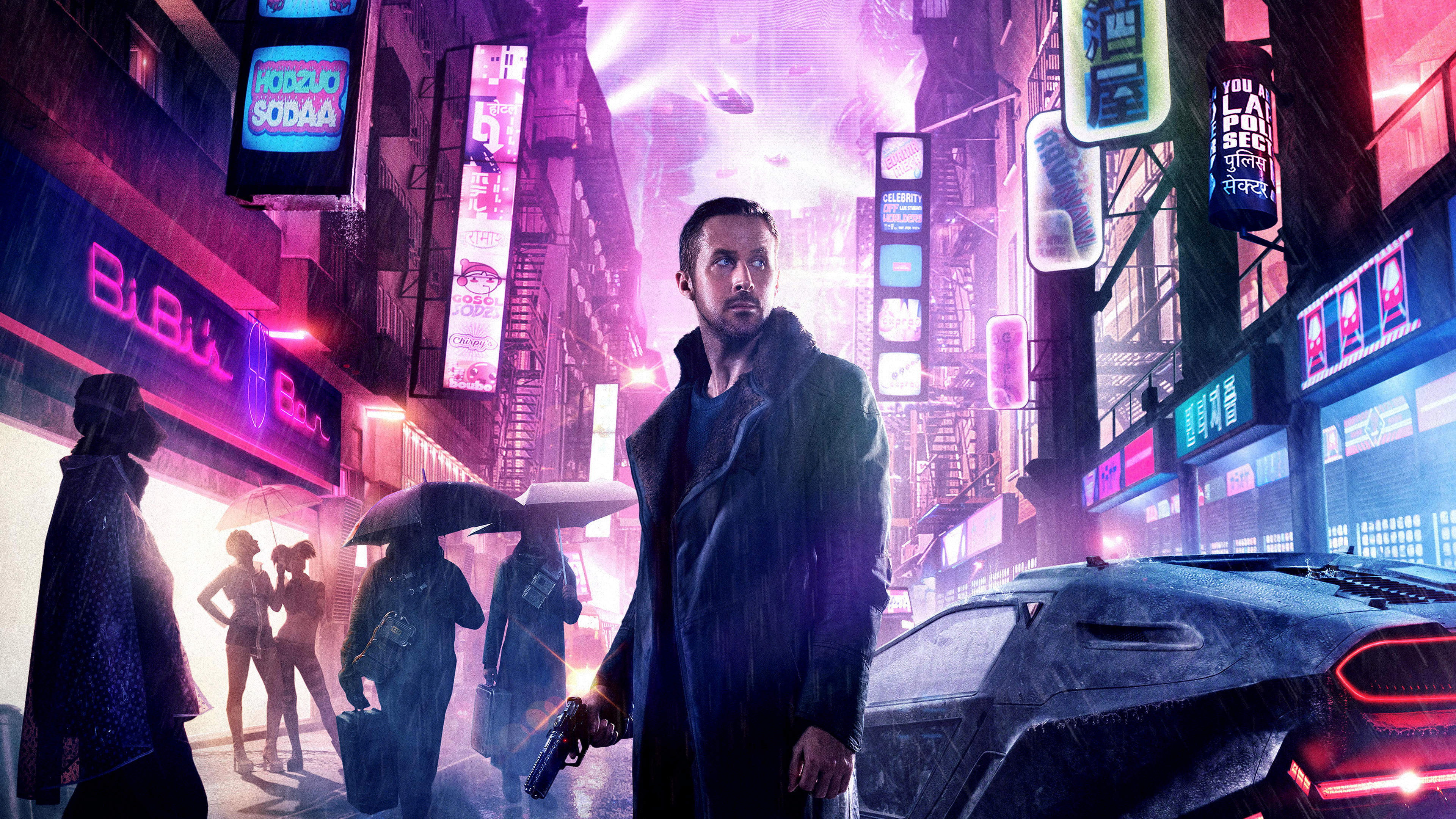
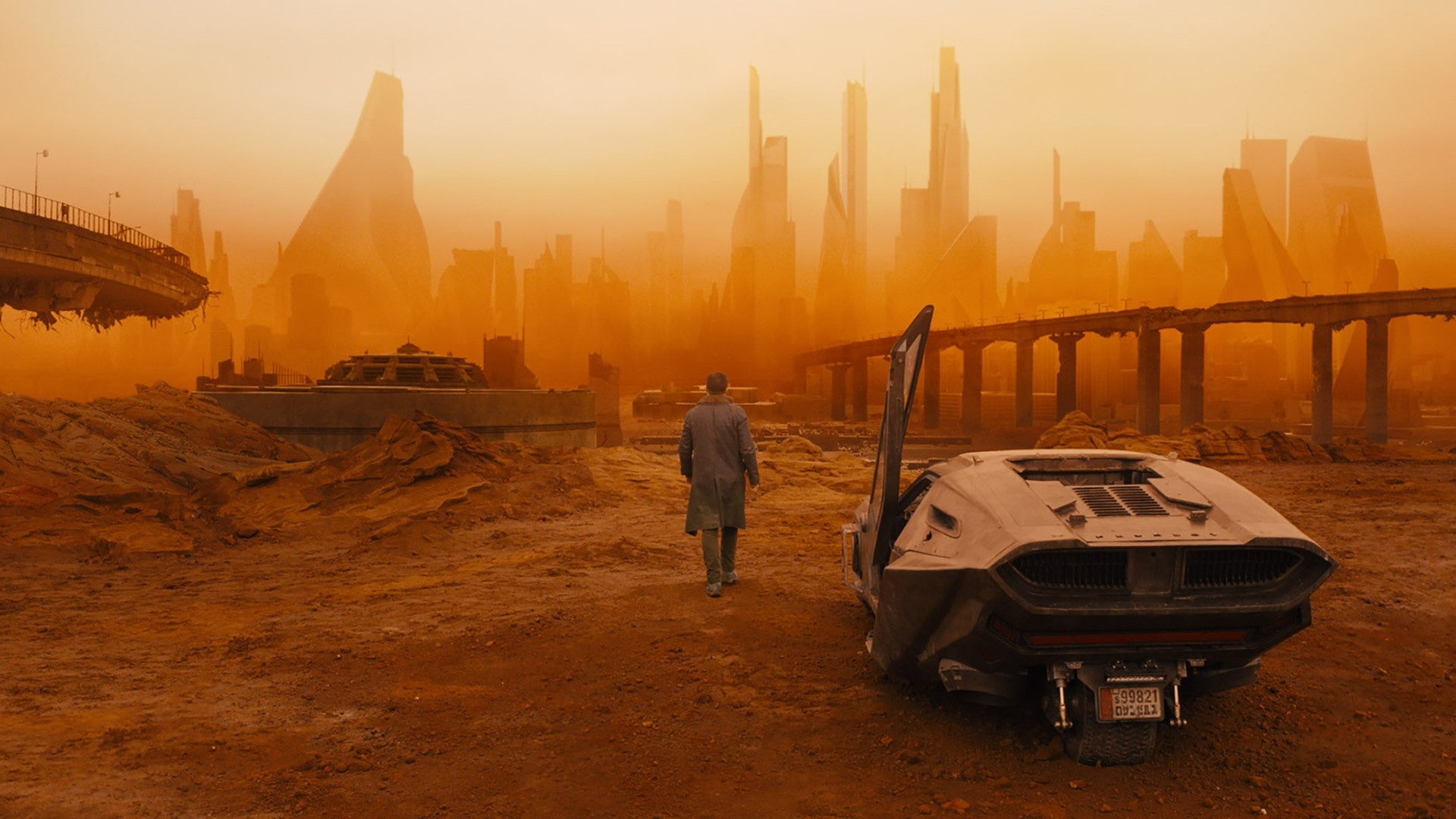
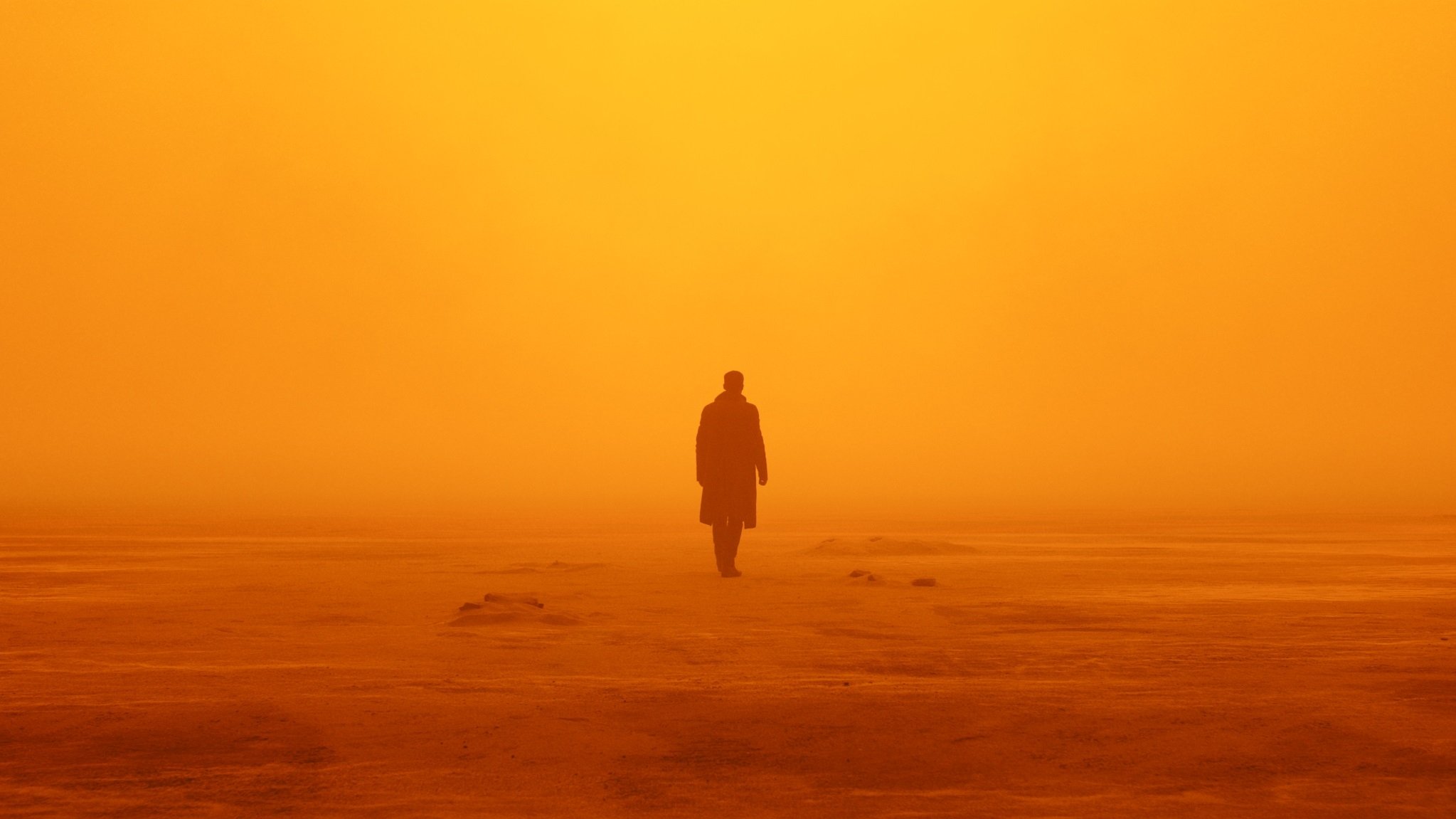
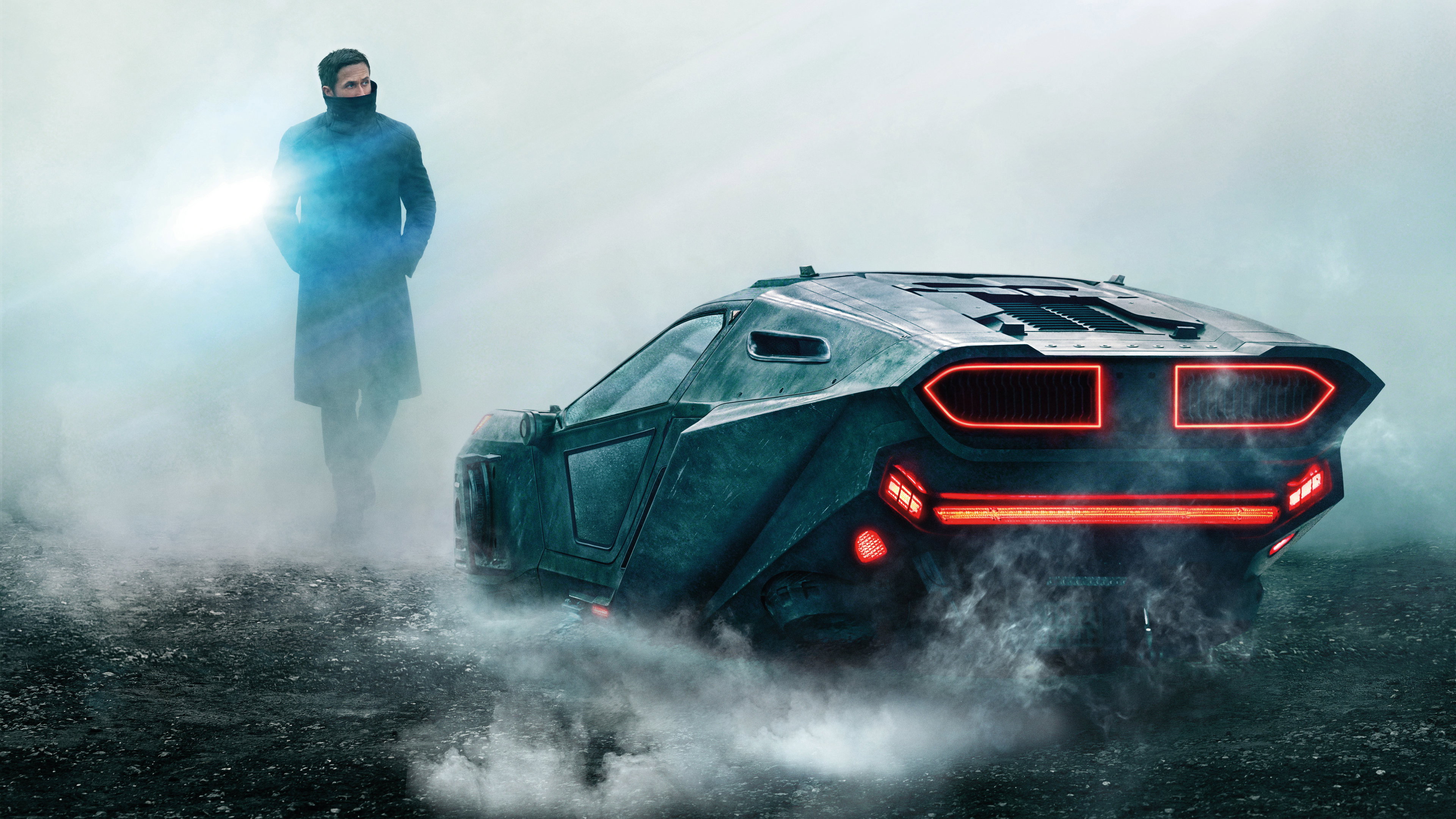
The scale of Roger Deakins’s cinematography works because people never become mere decoration. Production designer Dennis Gassner supplies neon-lit streets and ruined Las Vegas, and the spaces feel forbidding enough to make the characters’ isolation understandable. We are given time to look, and the detail rewards it; this is one place where the slowness earns its keep. The ruined spaces, in particular, make their occupants look painfully exposed.

We felt unexpectedly protective of ‘K’ in his scenes with Joi. Ryan Gosling’s reserve makes the companionship seem precious to someone reluctant to admit how much he needs it. Ana de Armas supplies a warmth that matters all the more against the film’s generally chilly manner. Her character’s status as a hologram keeps an awkward question present: how much reassurance can something made to please us provide? The film lets the relationship remain troubling without making its tenderness seem foolish.

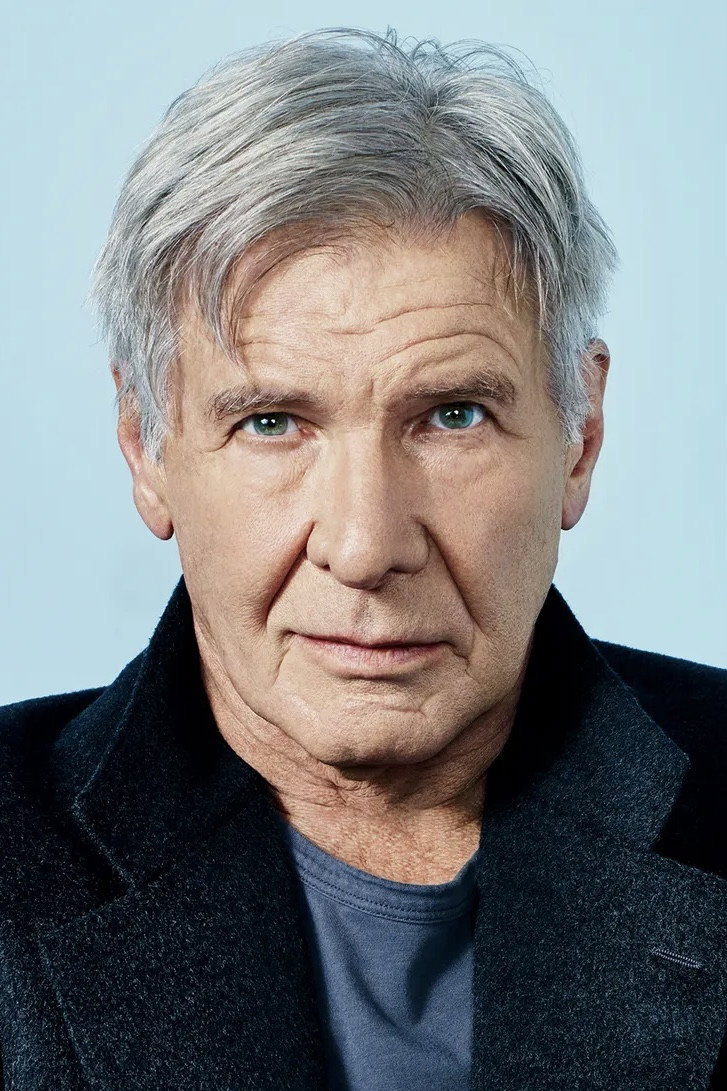
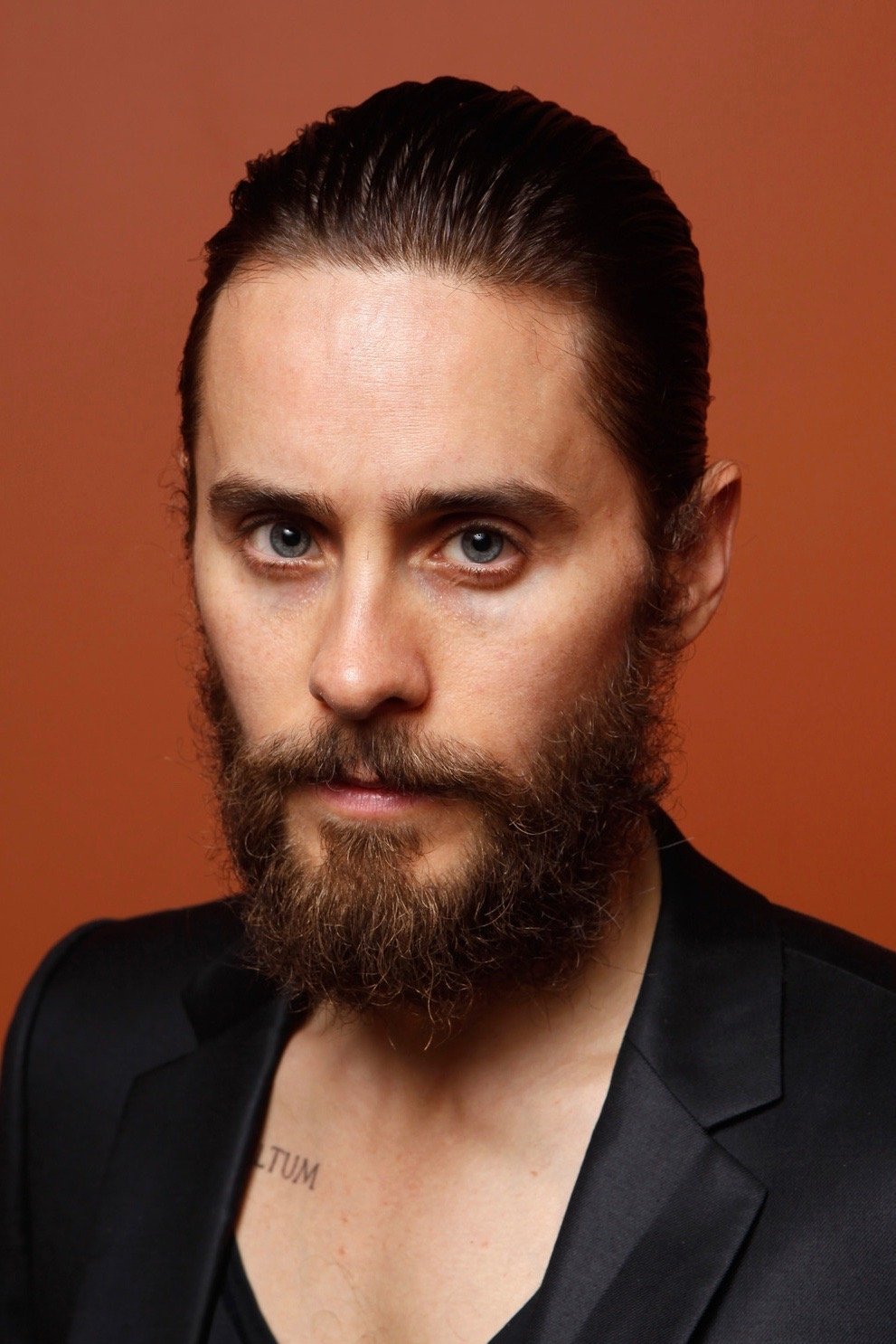
Harrison Ford gives Rick Deckard a weariness that needs little explanation, and his directness is welcome in a film so fond of pausing. Jared Leto’s Niander Wallace is less persuasive: his solemn delivery makes the philosophical material sound more self-important than it needs to. The performance is controlled, but the control draws attention to the actor. The director gets more from his quieter performers, whose expressions leave us some work to do.

Joe Walker’s editing allows us to absorb the surroundings and study the performances, which is essential to the film’s appeal. There are also stretches where another pause adds little, and the investigation begins to feel unnecessarily protracted. Hans Zimmer and Benjamin Wallfisch’s score is forceful enough to become tiring when the images have already done the persuading. The music can make the solemnity feel imposed, especially when a scene needs room for a smaller response. A firmer cut would preserve the patience while reducing the occasions on which we notice it.

For an evening of brisk science-fiction detection, choose something else. The pleasure here lies in staying with faces and places after a more anxious sequel would have moved on, and that requires some willingness to be still. We recommend it with the length firmly understood, rather than apologised away. Give it a quiet evening and a screen large enough to make those empty spaces count.
Critical consensus AI synthesised

83
Positive
10
Mixed
1
Negative
0

Most critics welcome Blade Runner 2049 as a sequel that respects the original while finding enough of its own to justify the return. Praise centres on Denis Villeneuve’s patient direction, Roger Deakins’s cinematography and the production design, which give its damaged future a persuasive scale and atmosphere. The reviews also value its questions about memory, identity and humanity, explored through images as much as dialogue. Ryan Gosling’s restraint and Harrison Ford’s performance draw particular approval.

The main reservation is length: several critics find stretches indulgent, even when they admire what is on screen. There are smaller doubts about the screenplay and emotional engagement, but little disagreement over the visual craft. The spread runs from enthusiastic endorsement to qualified approval, with pacing accounting for much of the difference. Deadline is notably cooler, praising Ford and the technical work but finding the film too slow and occasionally confusing.

The Guardian
29 September 2017 · ★★★★★ · Peter Bradshaw
100

The critic calls the film a triumph and a stunning enlargement of the original, praising its visually staggering scale and hallucinatory quality that leaves viewers hyperventilating.

Read the full review →
Total Film
29 September 2017 · ★★★★★ · Jordan Farley
100

An exquisitely crafted sequel that stands shoulder to shoulder with the original masterpiece. Villeneuve proves a worthy successor to Ridley Scott through masterful direction, stunning visuals, and a thematically deep neo-noir story focused on identity and humanity.

Read the full review →
Screen Daily
29 September 2017
85*

A ravishing visual colossus that more than lives up to its predecessor’s legacy as a groundbreaking mixture of sound, images and mood. Villeneuve has crafted an enrapturing sci-fi dystopia with themes vividly realised through arresting images and a superbly muted Gosling performance, though the screenplay sometimes struggles to keep pace.

Read the full review →
Radio Times
3 October 2017 · ★★★★ · Andrew Collins
80

A jaw-dropping, respectful and artistic as well as philosophical triumph with stunning production design, precise direction and glorious visuals across ravaged California and Nevada. It is a thoughtful, slow and quiet epic of scale and intellect that is better than anybody could have expected.

Read the full review →
Sight and Sound
16 October 2017 · Tim Hayes
80*

The film is far above average with striking visual ambitions recreating and expanding the original's world, including ruined Las Vegas and a swollen Pacific. It explores perennial questions of memory, identity and slavery through ambiguous, image-driven storytelling that interrogates rather than prescribes.

Read the full review →
Time Out
28 September 2017 · ★★★★ · Joshua Rothkopf
80

Villeneuve pulls off the dare of the decade with a colossal retro-futuristic triumph that is the thinking-person’s sci-fi event of the year. It impresses with neon street life, existential depth, a complex hologram relationship and soulful direction that cherishes the hybrid nature of the new Blade Runner.

Read the full review →

Cast

Stills

Awards

Academy Awards, 2018

Nominated
Best Production Design
Nominated
Best Sound
Nominated
Best Sound Editing
Won
Best Cinematography
Won
Best Visual Effects

Saturn Awards, 2018

Won
Best Science Fiction Film

If you liked this, try…