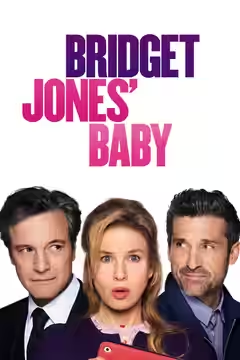
Bridget Jones’s Baby is a funny, affectionate romantic comedy stretched beyond its story’s needs. Renée Zellweger and Emma Thompson make it worth the extra patience, though the two-man dilemma grows repetitive.
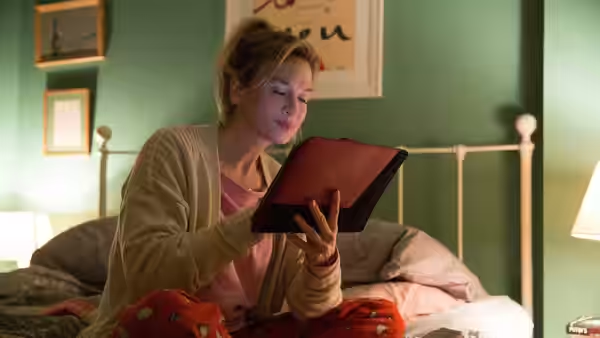
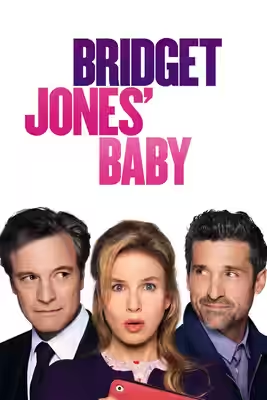
Sharon Maguire’s Bridget Jones’s Baby gets the important thing right: Bridget remains someone whose company we enjoy. The pregnancy and uncertain paternity supply enough complications for a romantic comedy, though not quite enough for 123 minutes. We recommend it to anyone who likes the genre and can forgive a familiar story taking its time. Its chief pleasure is watching Renée Zellweger play a woman who has become more at ease with herself without becoming immune to embarrassment.
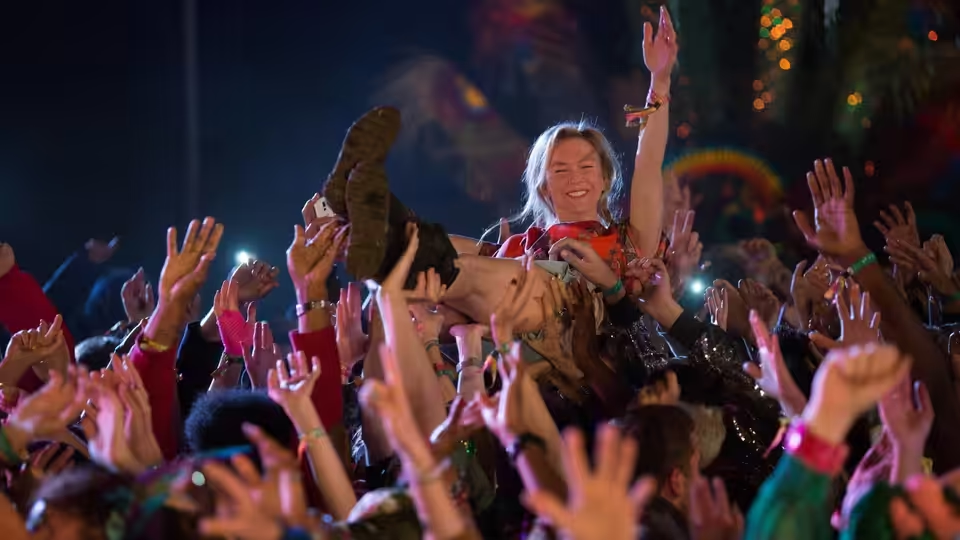
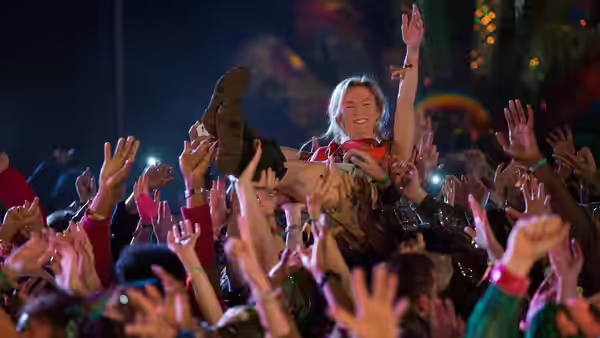
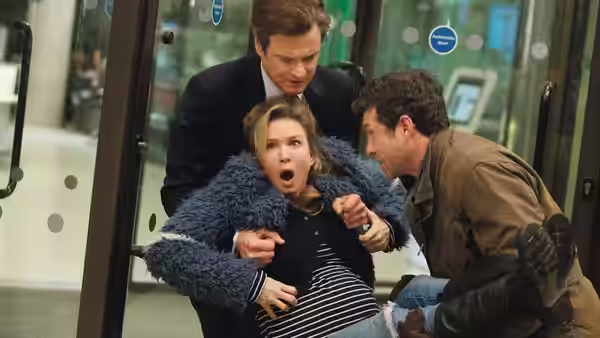
That change matters. Renée Zellweger allows Bridget some confidence, which makes the vulnerable moments easier to believe; she no longer seems to need our reassurance before every laugh. The live-news mishaps still put her professional dignity at risk, and the timing makes them funny even when the writing appears too eager to humiliate her. We laughed, then wished the film would give her working life a little more respect. The comedy is good enough to survive without quite so much embarrassment being piled on the same woman.
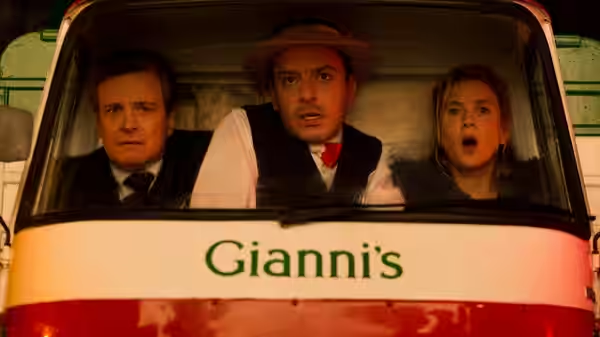
Colin Firth gives Mark enough feeling to make his comic timing count for something beyond the next joke. We can believe that these people matter to each other, even while the screenplay arranges another complication between them. Patrick Dempsey is less fortunate as Jack: the part supplies a romantic alternative without offering him equally interesting things to play. He does what he can, but the imbalance makes the uncertainty about the father less rewarding as an extended source of romantic suspense.
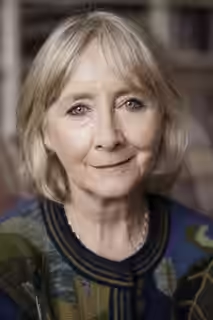
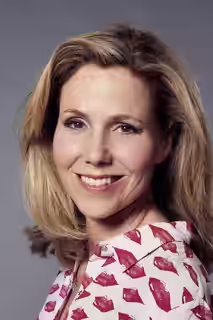
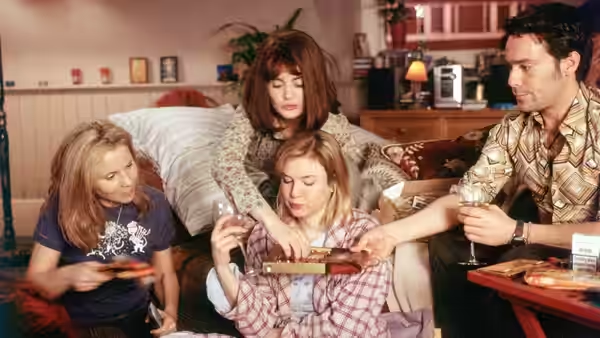
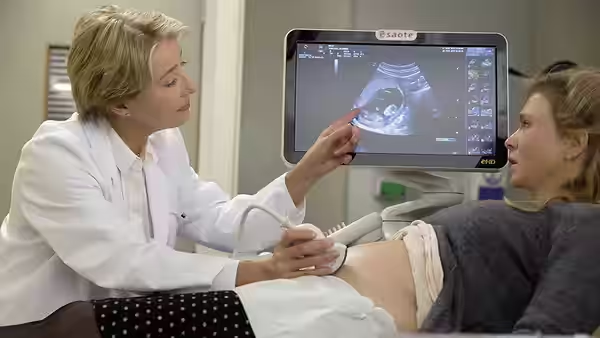
Emma Thompson gets more out of less as Dr Rawlings. Her restrained delivery lets a joke register without the film having to stop and admire it, and we were grateful for that calm whenever the surrounding business became busy. She also shares the screenplay credit with Helen Fielding and Dan Mazer; there is no need to guess which writer supplied which laugh. Sarah Solemani brings welcome comic assurance to Miranda, helping an ensemble that can make familiar material seem freshly amusing.
Andrew Dunn’s cinematography and John Paul Kelly’s production design give Bridget a comfortable-looking world, perhaps a little too comfortable for the film’s attempts to keep her recognisably ordinary. The polish makes some of the mishaps feel safely arranged. Craig Armstrong’s music has to share attention with a persistent procession of pop songs, whose eagerness to establish a mood grows tiring. The performers generally tell us enough about how a scene feels without another song helping.
Melanie Oliver’s editing serves the individual comic exchanges better than the longer romantic business. Once the central dilemma is established, there is too much time spent sustaining it, and the script seldom makes repetition feel like a new development. Even by the forgiving standards of a romantic comedy, the uncertainty becomes hard to sustain when one prospective partner has so much less to do. A shorter running time would have helped the jokes as well as the romance.
Still, Sharon Maguire gives her cast room to be likeable without asking us to applaud every imperfection. The affection for Bridget is persuasive, and Renée Zellweger makes her increasing self-acceptance worth returning to. For an evening of romantic comedy, the cast is worth a little patience.