Film review

Bugsy

1991 · Directed by Barry Levinson · 2h 16m · MPA R

In a sentenceWarren Beatty has the smile of a man who expects us to overlook the gangster business

CrimeDramaMystery

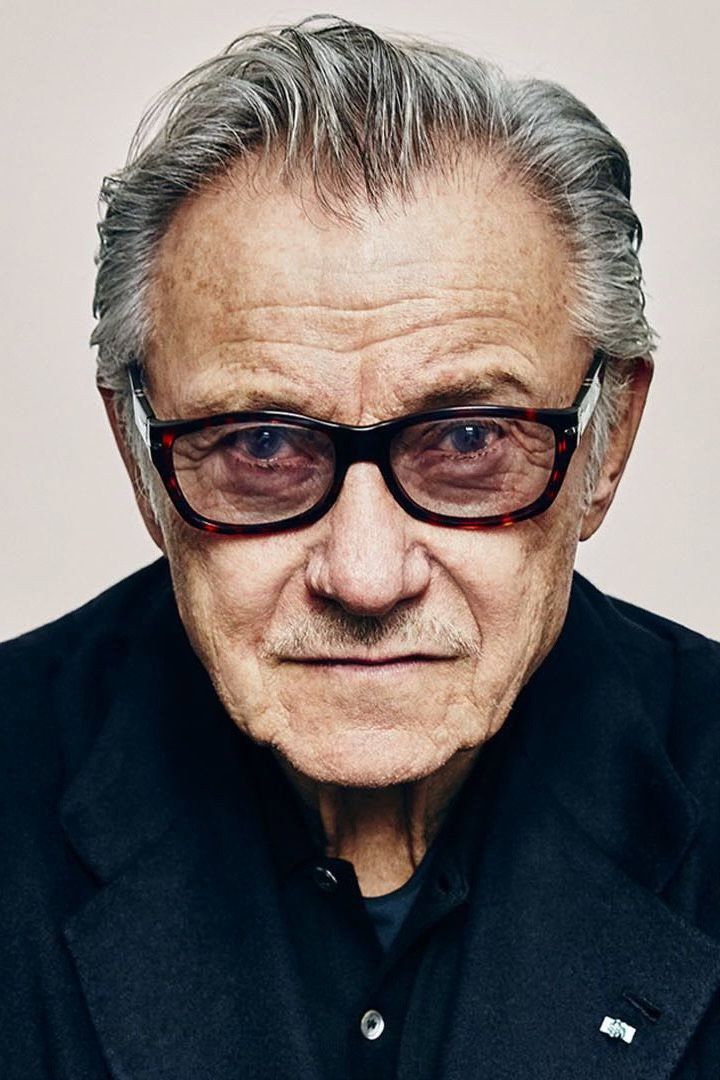
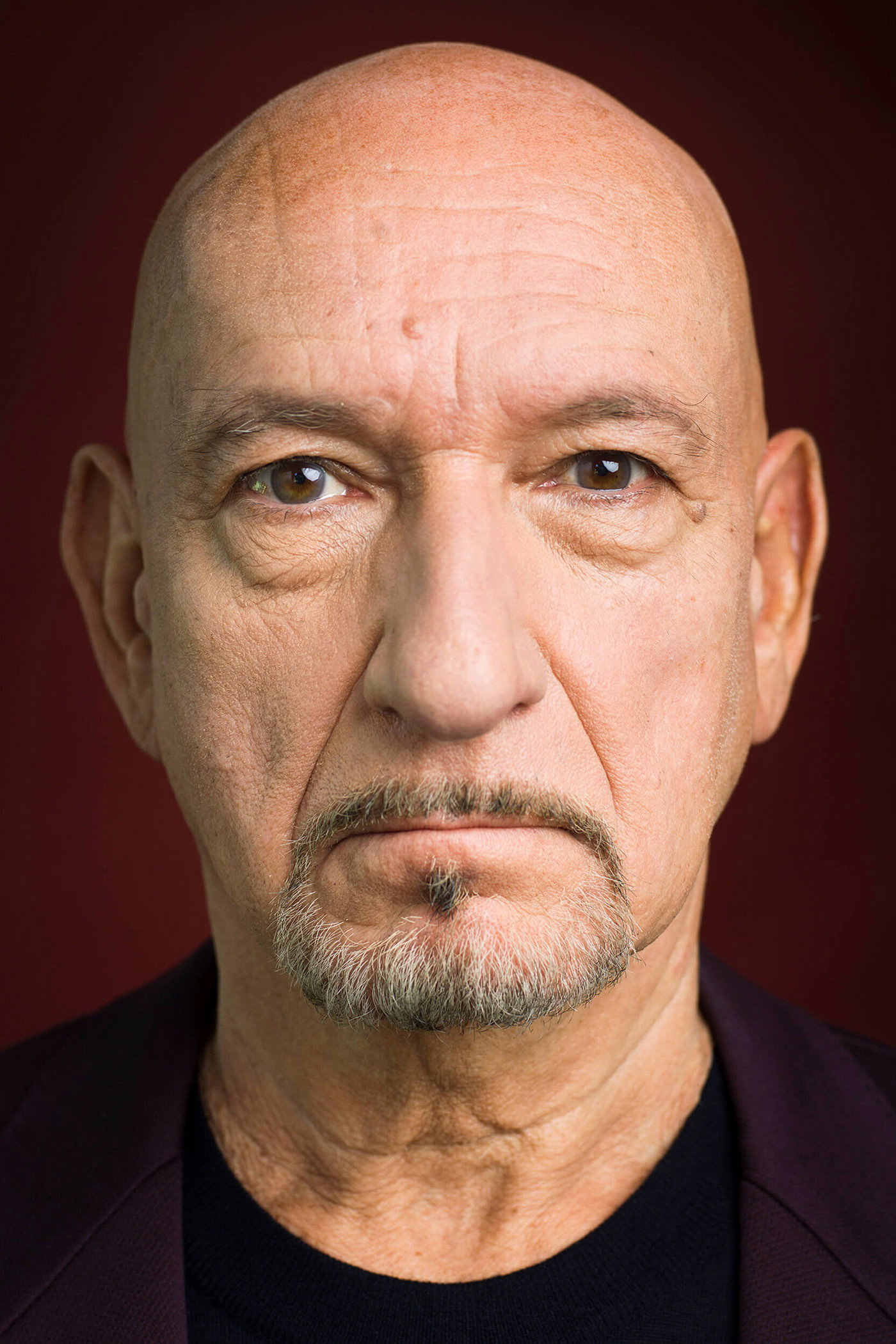
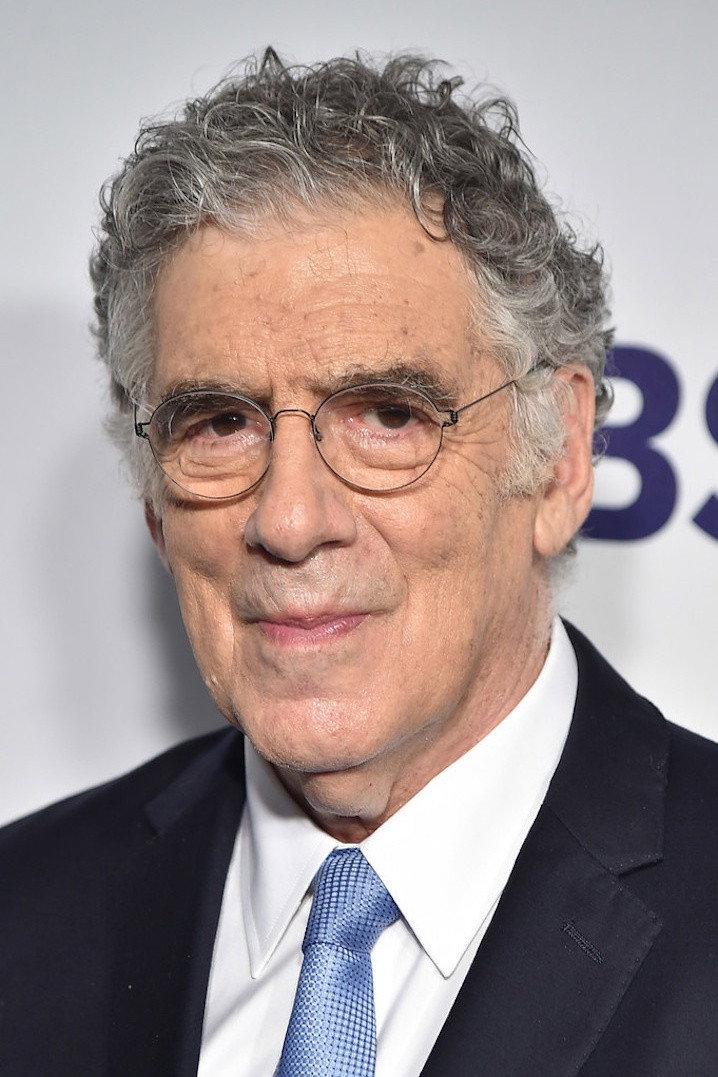
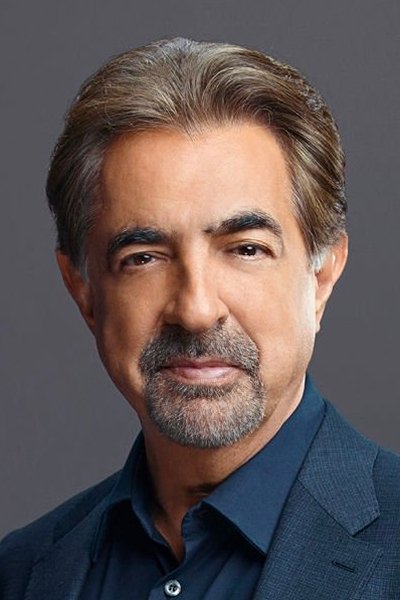
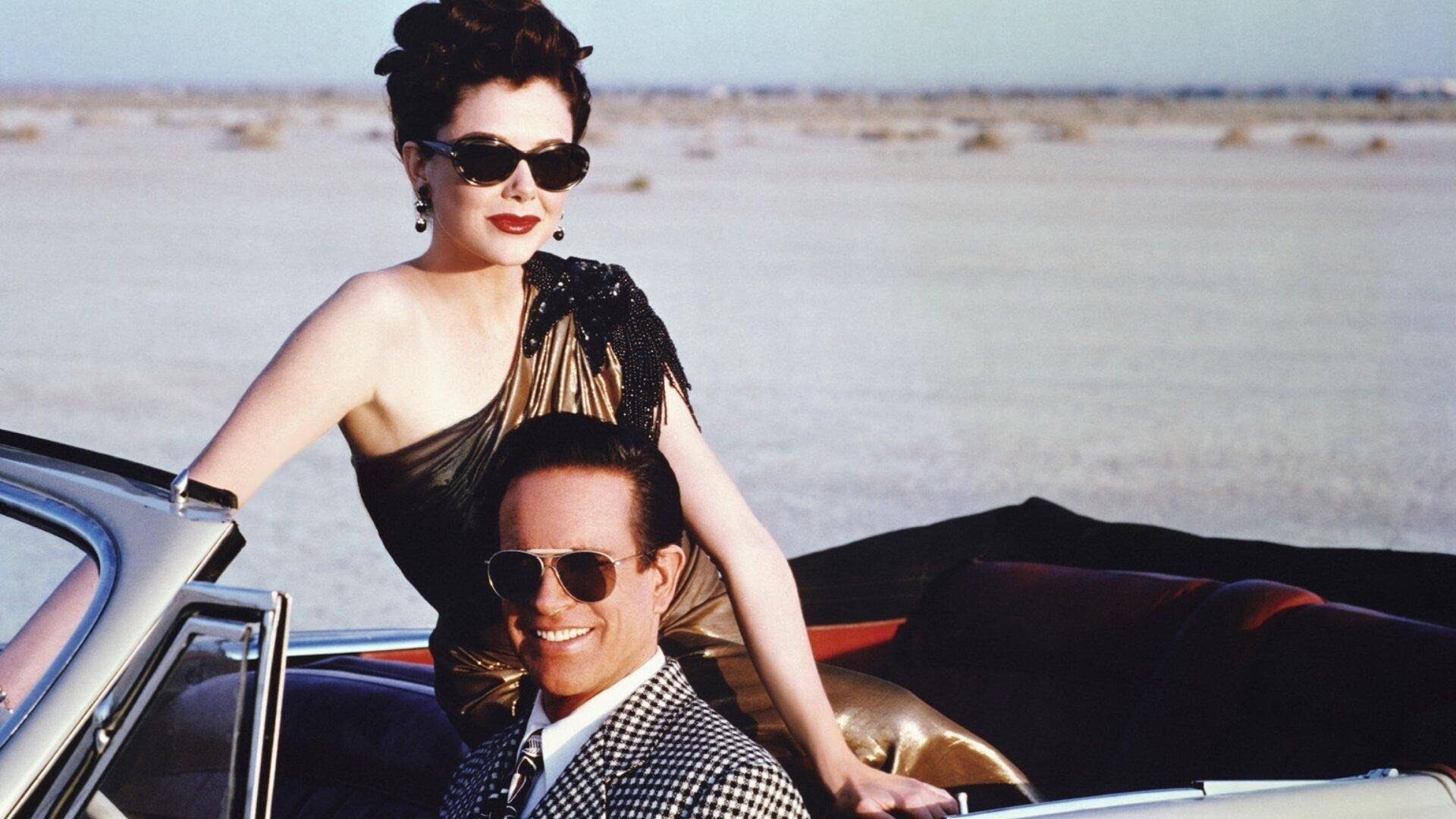
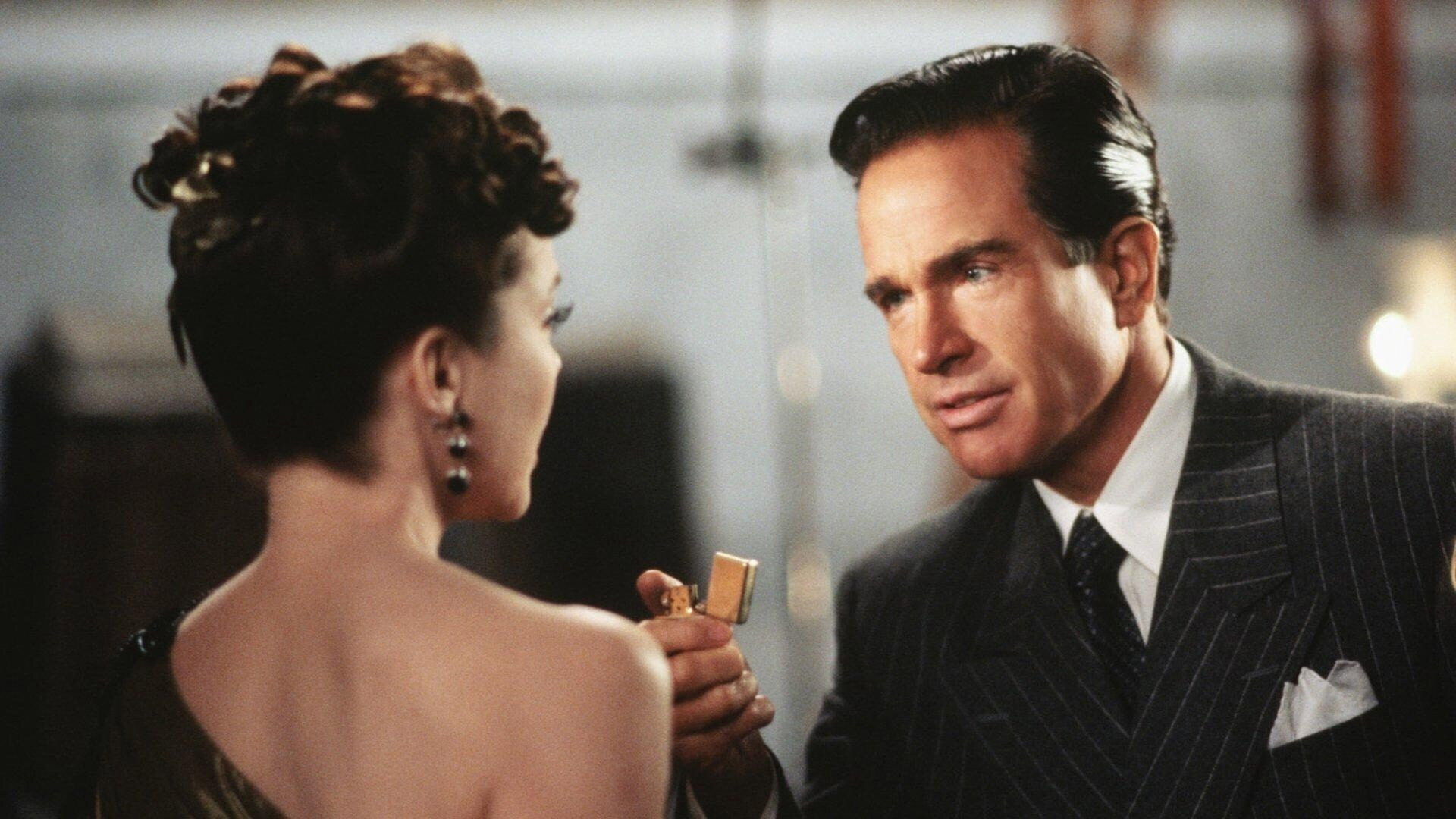
Ben ‘Bugsy’ Siegel (Warren Beatty) is a gangster whose ambitions reach beyond the business that gives him his power. In the 1940s, his fascination with glamour and his plans for Las Vegas compete with the demands of organised crime. Virginia Hill (Annette Bening) is at the centre of the film’s love story, while Meyer Lansky (Ben Kingsley) and Mickey Cohen (Harvey Keitel) belong to its criminal circle. Barry Levinson directs a drama about romance, violence and Siegel’s determination to realise his ambitions, with Elliott Gould as Harry Greenberg and Joe Mantegna as George Raft.

Plays from YouTube when you press play; nothing loads from them until then.

Fi1m review

Barry Levinson’s Bugsy is an absorbing gangster drama, with Warren Beatty making its violent dreamer difficult to dismiss. The period craft is a pleasure; the film’s fondness for Siegel needs more questioning.

Barry Levinson’s Bugsy makes a good evening out of a man we would prefer not to spend one with. It is an absorbing gangster drama, funny and disquieting, though too ready to admire Ben Siegel’s ambitions for Las Vegas. James Toback’s screenplay treats the grand plans, the vanity and the criminal business as parts of the same personality. That gives Warren Beatty more to play than a succession of threats. The danger comes from how readily Siegel can make those threats seem compatible with being excellent company.

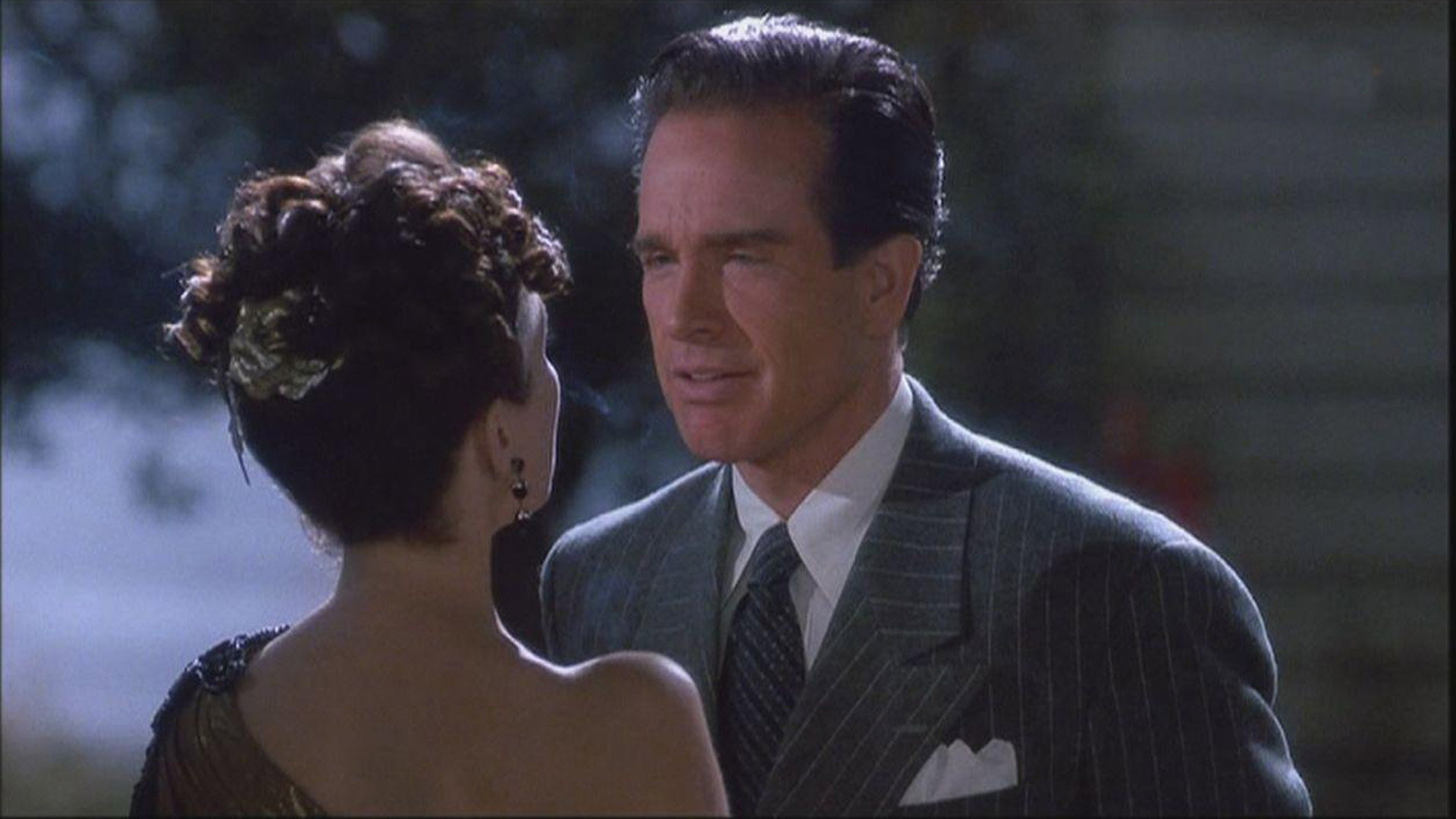
Beatty plays him as a man who expects attention and has trouble understanding why it might be withheld. The confidence is attractive until his temper changes the terms of the encounter. We were unsettled by those swings from charm to violence: Beatty makes the aggression feel like something the charm has allowed him to get away with before. Levinson keeps both sides recognisable as the same person. The performance remains persuasive even when Siegel is behaving appallingly.

Annette Bening’s Virginia Hill gives the central romance some resistance to Siegel’s self-regard, though the relationship is less convincing than the individual performances. Bening gives Beatty someone who can hold our attention alongside him, and that is no small part of the film’s appeal. Yet the lovers do not always persuade us to care about their attachment as much as the film plainly does. The supporting cast helps: Harvey Keitel’s Mickey Cohen and Ben Kingsley’s Meyer Lansky give the criminal company a weight of its own. Toback’s dialogue supplies much of the pleasure of their exchanges.

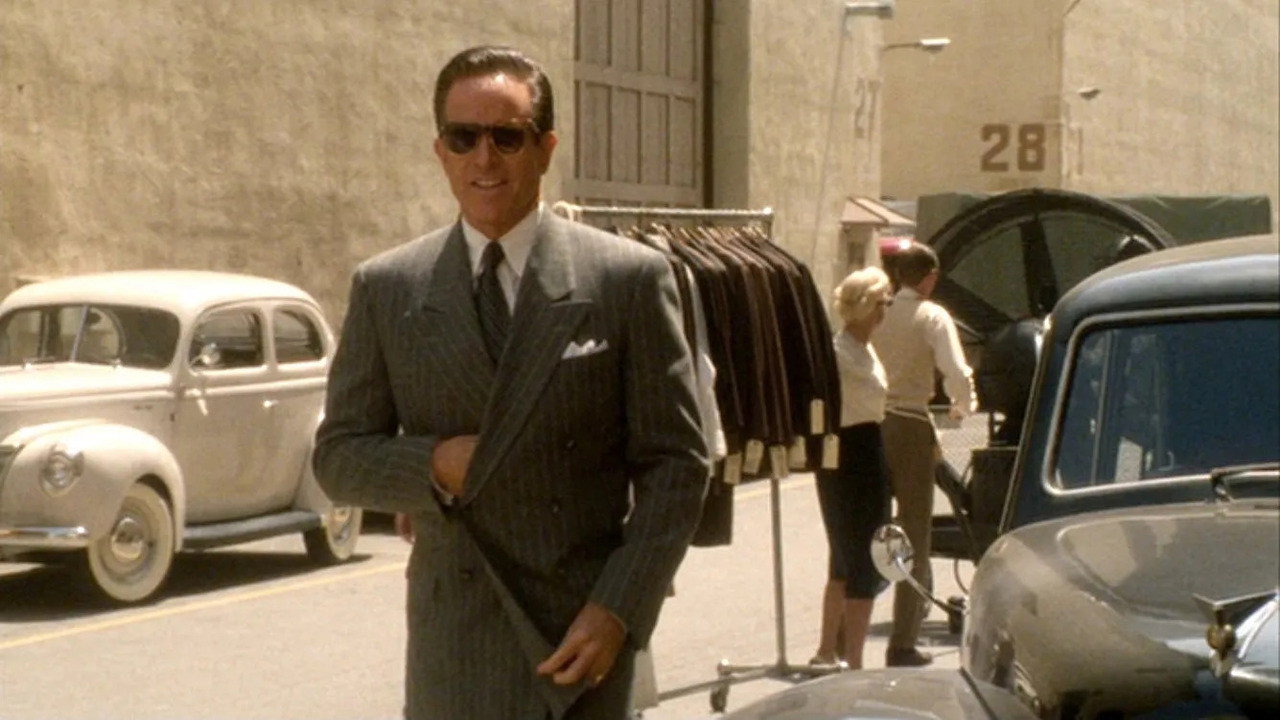
Allen Daviau’s cinematography and Dennis Gassner’s production design make the 1940s settings feel like places Siegel would want to possess. The finish is plush without making every scene look like an inspection of the furnishings. We can understand the attraction of this life before anyone starts explaining the dream behind it. Albert Wolsky’s costumes belong to that same carefully controlled presentation, giving the people the polish of their surroundings.

Ennio Morricone’s music is another pleasure, although it contributes to our sense that Siegel is being treated generously. It suits the romantic sweep, but we sometimes wanted the film to leave more doubt about the man we were being asked to follow. Stu Linder’s editing gives the actors room to make Toback’s exchanges work, especially when wit and menace occupy the same conversation. The pace is less assured when the love story has to carry the interest without the criminal business beside it.

The larger reservation is with what Levinson and Toback ask us to admire. A gangster’s dream of Las Vegas can explain his appetite without excusing it, but the film seems reluctant to let the dream look foolish or ugly. Its affection for Siegel limits how far it will question him. We want a gangster film to look harder at the people its hero frightens or hurts. The shifts between comedy, love story and tragedy do not always make his behaviour easier to understand.

That reservation does not cancel the considerable pleasure of watching this cast handle a script with some bite. Beatty gives the film enough unpredictability to keep its admiration from becoming completely reassuring, and Bening refuses to be merely decorative. At 136 minutes, it asks for a little more patience than the romance earns. Watch it for Beatty, but keep a little more distance from Siegel than Levinson does.
Critical consensus AI synthesised

3 of 6
Positive
2
Mixed
1
Negative
0
Time Out
10 September 2012 · GA
75*

The critic offers a largely positive assessment of the gangster biopic, praising its witty script, classy direction and strong ensemble cast while noting some scepticism toward its romanticised view of the lead character. One element singled out for particular praise is the sparklingly witty script by James Toback.

Read the full review →
Empire
1 January 2000 · Angie Errigo
70*

The critic sees it as a grand, old-fashioned Hollywood picture that may bore younger viewers tired of gangster nostalgia but appeals to those who remember Beatty's earlier days. It singles out the lavish 1940s recreation, Beatty's charismatic yet volatile performance, strong supporting cast including Ben Kingsley, and first-rate visuals and score while noting historical liberties.

Read the full review →
The Independent
17 September 1992 · John Lyttle
50*

The review describes the film as an unsatisfactory though gripping pick'n'mix of dark gangster comedy, tragedy and love story that asks audiences to admire Siegel for his Las Vegas dream. It praises the spot-on casting of Beatty, Bening, Keitel and Kingsley along with Toback's unsettling script and Levinson's direction of the character's swings between charm and violence.

Read the full review →
Los Angeles Times
20 December 1991 · Kenneth Turan

The critic finds the glossy film a satisfying collaboration that delivers stylish entertainment, with Beatty dominating as the brassy, self-confident Bugsy who understands the role from the inside. Levinson's human touch and the understated 1940s elegance are singled out for praise, though the central romance has some weaknesses.

Read the full review →
RogerEbert.com
20 December 1991 · Roger Ebert

The critic praises Warren Beatty's perfect fit for the role of the charming, visionary gangster who dreams up Las Vegas, portraying him as a smooth, lovable figure despite his crimes. Levinson's direction and the 1940s production values are highlighted for their plush, optimistic tone and focus on the romance and business aspects of organized crime.

Read the full review →
The New York Times
13 December 1991 · Janet Maslin

The critic calls the film a smart, seductive portrait of Bugsy Siegel as a star-struck pragmatist and visionary who saw Las Vegas as an extension of himself. Warren Beatty delivers a sly, dangerous performance as the manipulative schemer, making it the role of his career.

Read the full review →

Cast

Stills

Awards

Academy Awards, 1992

Nominated
Best Actor
Nominated
Best Cinematography
Nominated
Best Director
Nominated
Best Original Score
Nominated
Best Picture
Nominated
Best Supporting Actor
Nominated
Best Writing, Original Screenplay
Won
Best Costume Design
Won
Best Production Design

If you liked this, try…

The Long Good Friday poster88

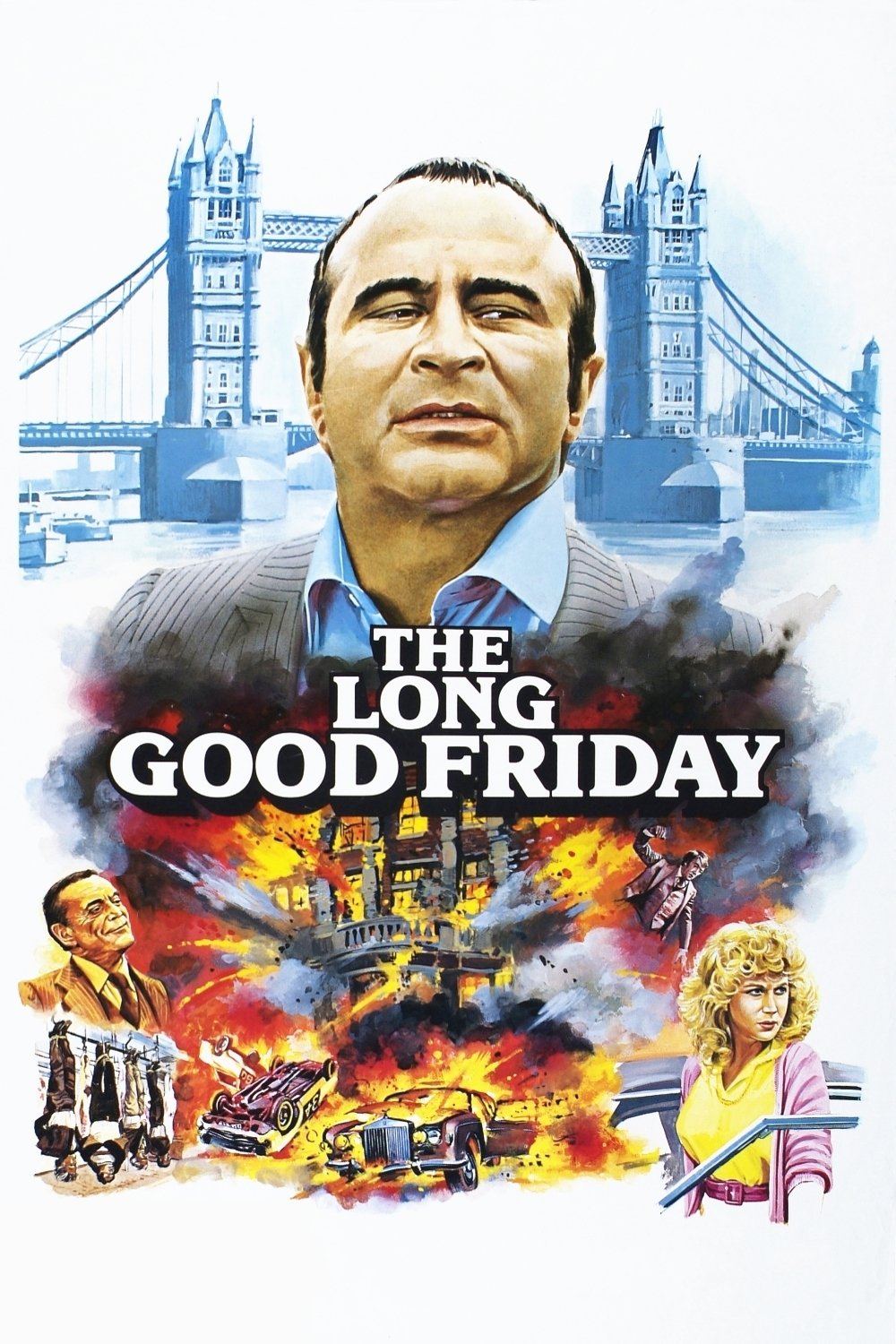
The Long Good Friday

1980 · Another criminal businessman discovers how much trouble ambition can invite.

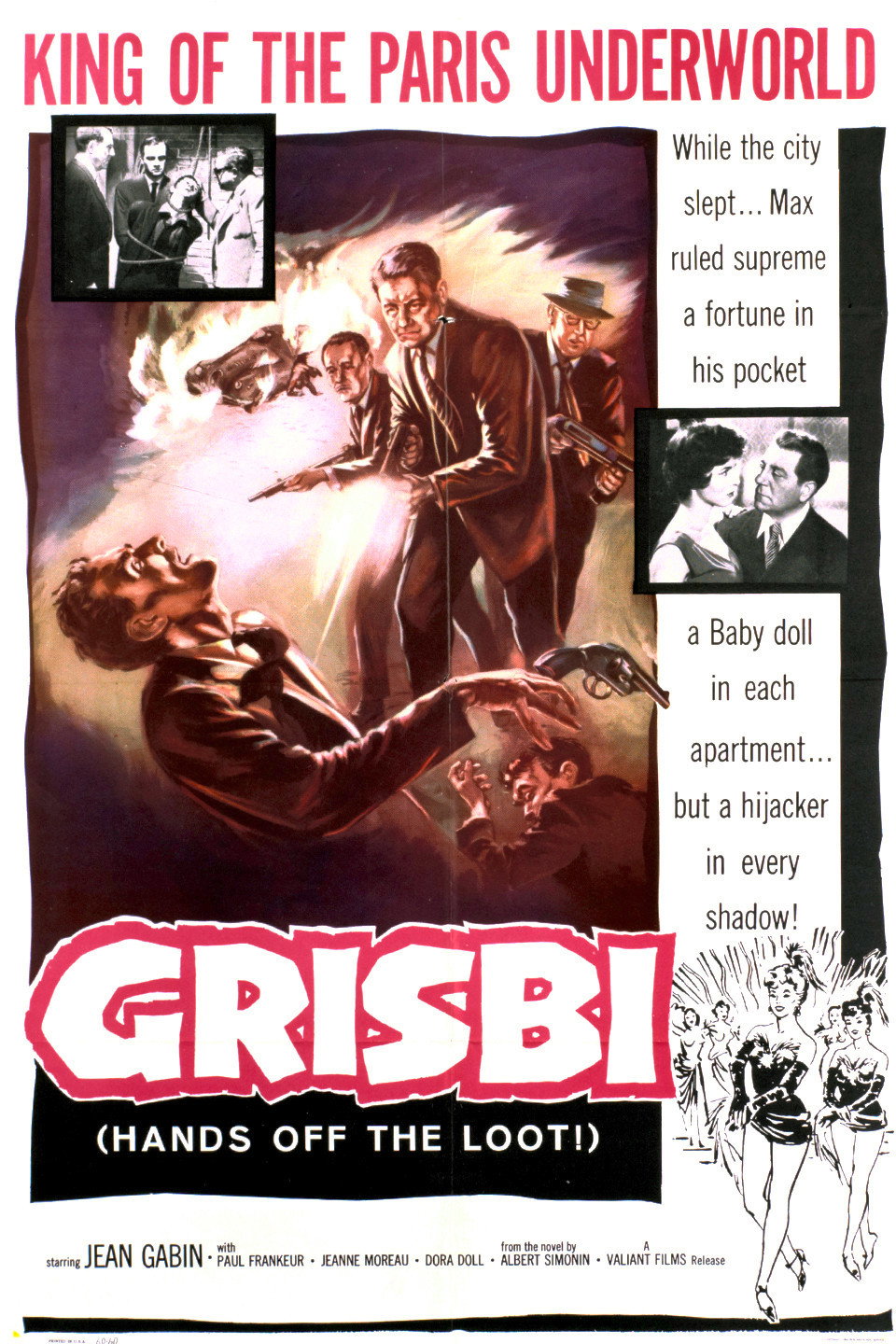
Touchez pas au grisbi poster

Touchez pas au grisbi

1954 · Older gangsters, carefully observed friendships and danger beneath the good manners.

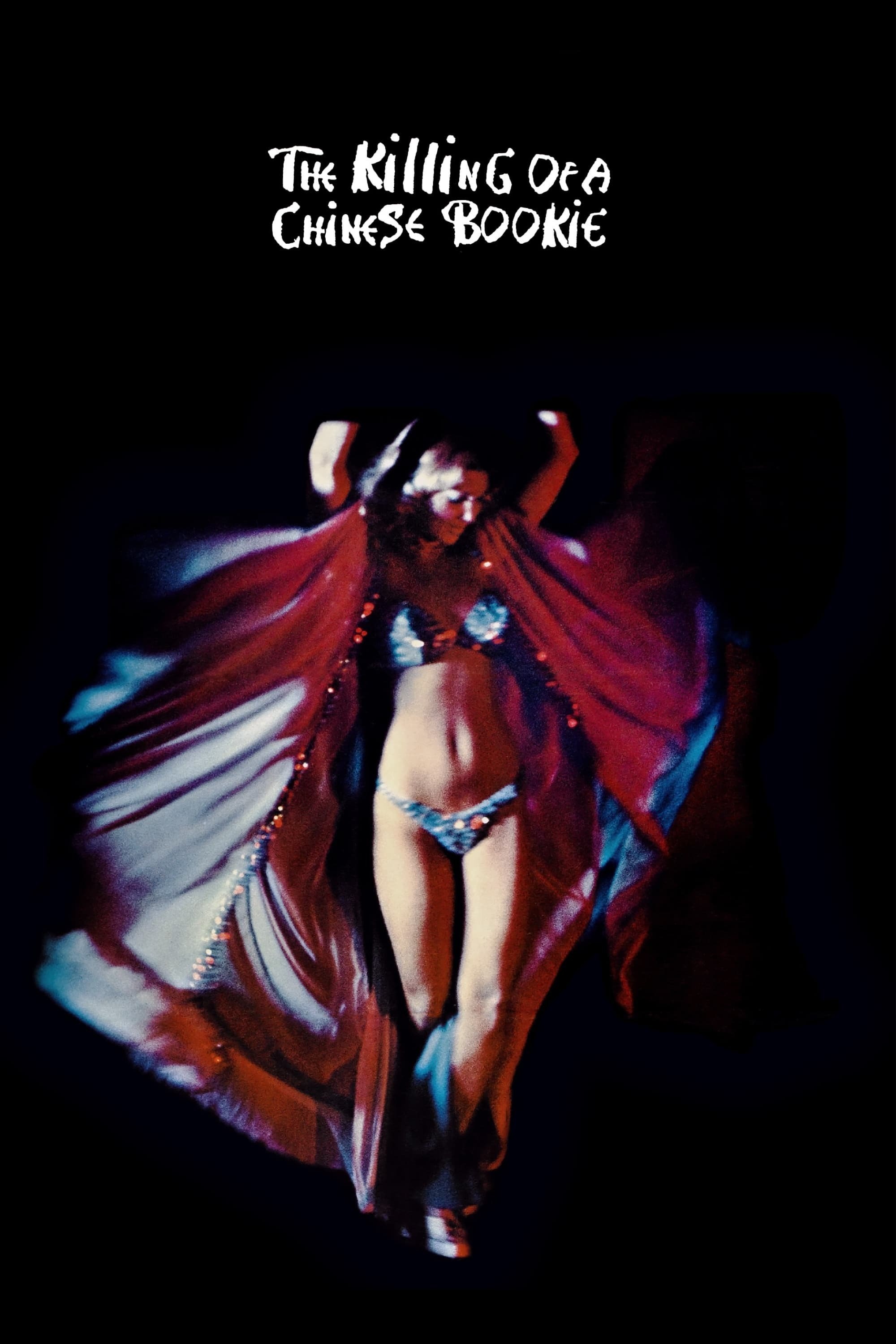
The Killing of a Chinese Bookie poster

The Killing of a Chinese Bookie

1976 · For a less reassuring view of showbusiness tangled with criminal power.

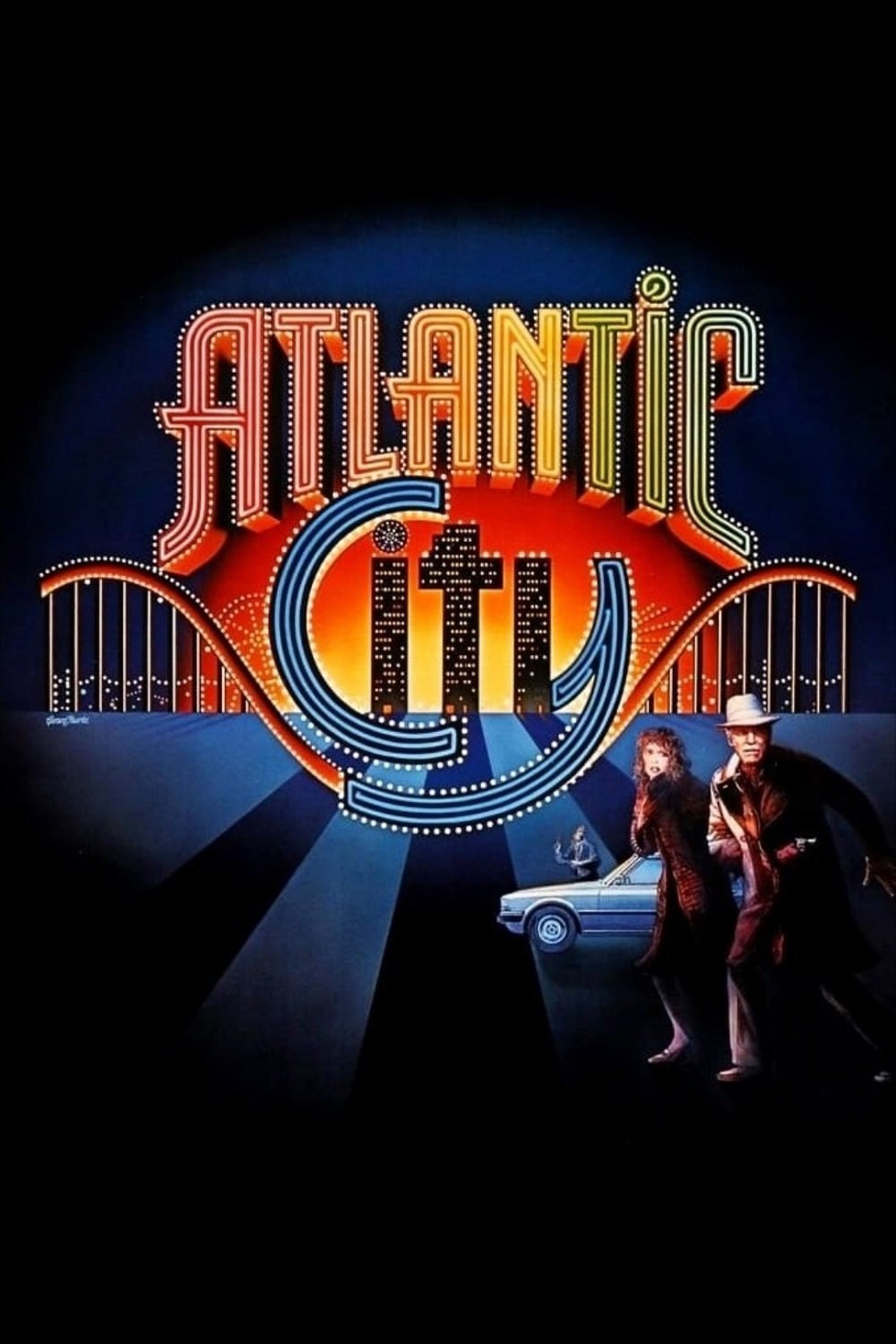
Atlantic City poster

Atlantic City

1980 · Burt Lancaster gives another ageing dreamer a dangerous amount of charm.

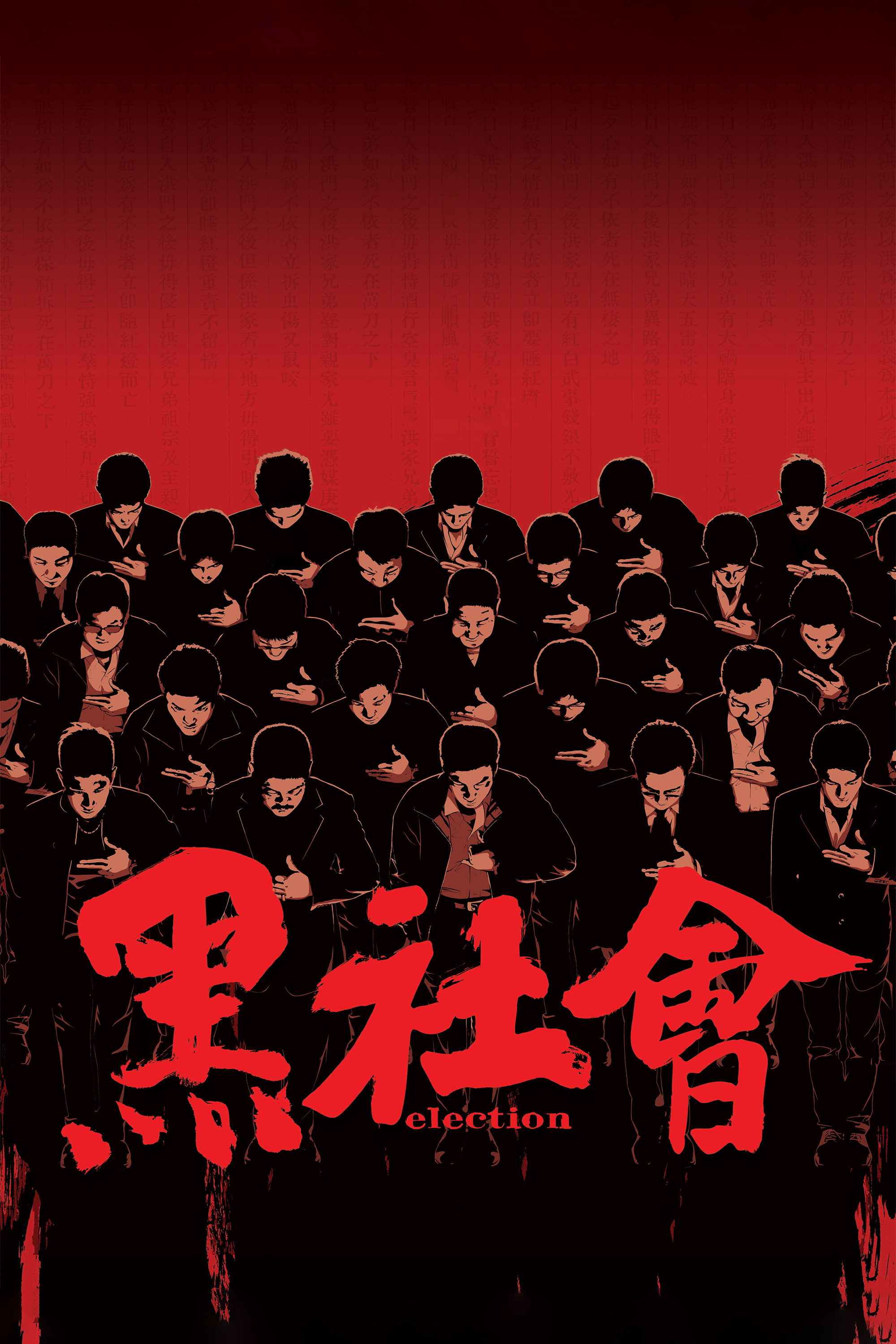
Election poster

Election

2005 · A colder account of organised crime, with business etiquette barely concealing brutality.