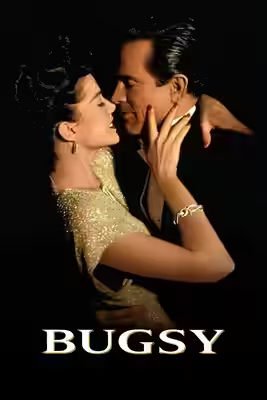
Barry Levinson’s gangster romance is entertaining, finely acted and too forgiving of its hero. Warren Beatty and Annette Bening make it worth seeing, even when the film mistakes ambition for decency.
Barry Levinson’s Bugsy is good company for a film about a violent gangster, and that is both its pleasure and its problem. Warren Beatty makes Ben Siegel’s self-belief entertaining enough to carry long stretches, while James Toback’s screenplay finds room for wit within the threat. We recommend it for the performances and the period workmanship. The reservation is substantial: it sometimes seems to think that dreaming of Las Vegas makes Siegel a better man.
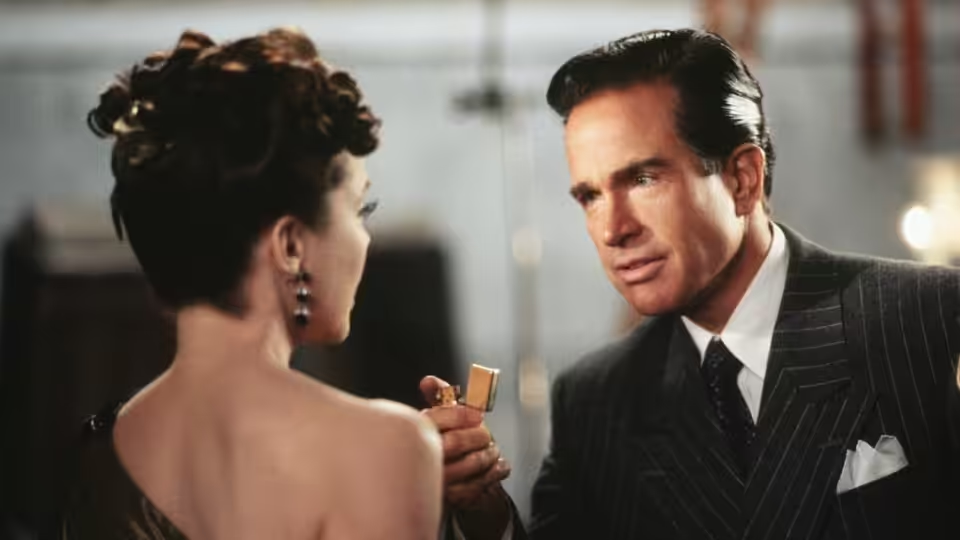
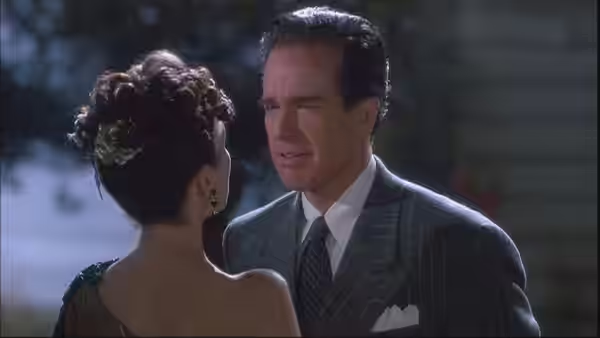
Beatty is the right actor for someone who expects charm to settle matters before force becomes necessary. His confidence gives Siegel the air of a man who assumes that everyone else will eventually catch up with him. We found ourselves liking him, and were uncomfortable with how easily it happened. The attraction comes from Beatty’s assurance and humour; the unease comes from the violence attached to the same man. Levinson lets those qualities coexist without always pressing hard enough on the consequences.
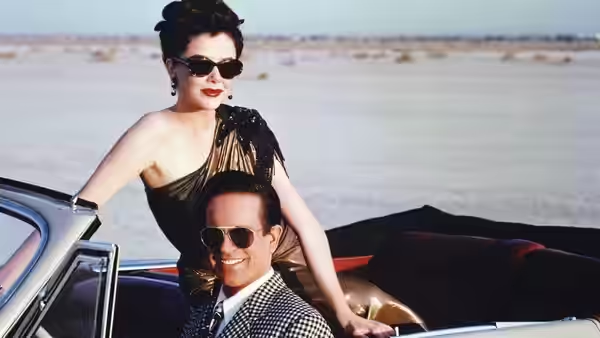
Annette Bening’s Virginia Hill gives Beatty a partner with enough presence to keep the affair from becoming another occasion for Siegel to admire himself. Their attraction makes the love story worth following even when his grand ambitions start to wear thin. Ben Kingsley, as Meyer Lansky, is especially welcome for the steadiness he brings to a film so taken with its leading man’s enthusiasms. Harvey Keitel’s Mickey Cohen has the force to register alongside Beatty without turning every exchange into a contest.
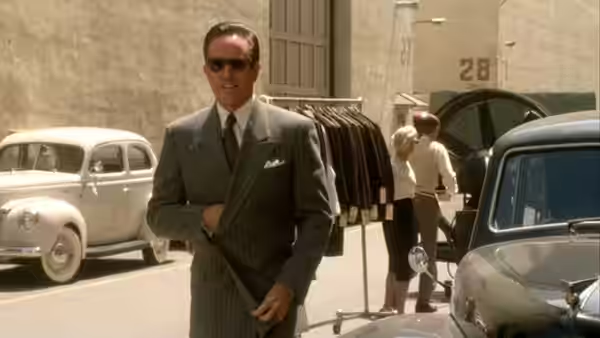
Allen Daviau photographs the 1940s settings with a gloss that suits Siegel’s self-regard. Dennis Gassner’s production design and Albert Wolsky’s costumes make wealth and status immediately legible, without requiring Toback to explain them in dialogue. The clothes and surroundings are a considerable part of the pleasure, and they give Beatty’s confidence somewhere convincing to belong. The period detail supports the actors, while the polish helps establish why Siegel finds this life so attractive.
Stu Linder’s editing gives the shifts between romance, crime and comedy a useful lightness, although the changes of mood sometimes leave the nastiness behind too quickly. At 136 minutes, the film also gives Siegel more time to fascinate us than he quite needs. Ennio Morricone’s music encourages us to take the romance seriously, lending conviction to feelings that the film otherwise risks treating as another of Siegel’s enthusiasms. It helps hold the love story together when the competing demands of the gangster drama threaten to crowd it out.
Gangster films can let us enjoy bad company without pretending that the company is good, and Bugsy does not always keep that distinction clear. Toback and Levinson are persuasive when they show how charm and violence can belong to the same person. They are less convincing when Siegel’s dream for Las Vegas is allowed to make him seem admirable. Building something is not much of an answer to hurting people. See it for Beatty and Bening, but expect to supply some of the disapproval yourself.