Elegance Bratton’s crime drama gives Yahya Abdul-Mateen II a compromised partnership worth exploring, then lets Mark Wahlberg’s excesses dominate it. The occasional jolt cannot compensate for thin characters and a reluctance to question the violence.
The FBI cannot solve a murder, so it calls in the mob: By Any Means has a premise that ought to make a crime drama uncomfortable. Elegance Bratton finds some tension in that arrangement, but the film is too pleased with the opportunities it offers for forceful men to get things done. There are effective bursts of thriller business and a performance from Yahya Abdul-Mateen II worth watching. We would not recommend the whole film on their account.
Sascha Penn’s script sets up a question with practical consequences: what happens to an investigation when the authorities employ the methods they are supposed to oppose? It need not stop for a lecture, and nobody needs a scene in which a character explains that violence is complicated. But the people making this bargain need motives that develop beyond the requirements of the next confrontation. Penn gives us too little reason to think about them once the immediate danger has passed.
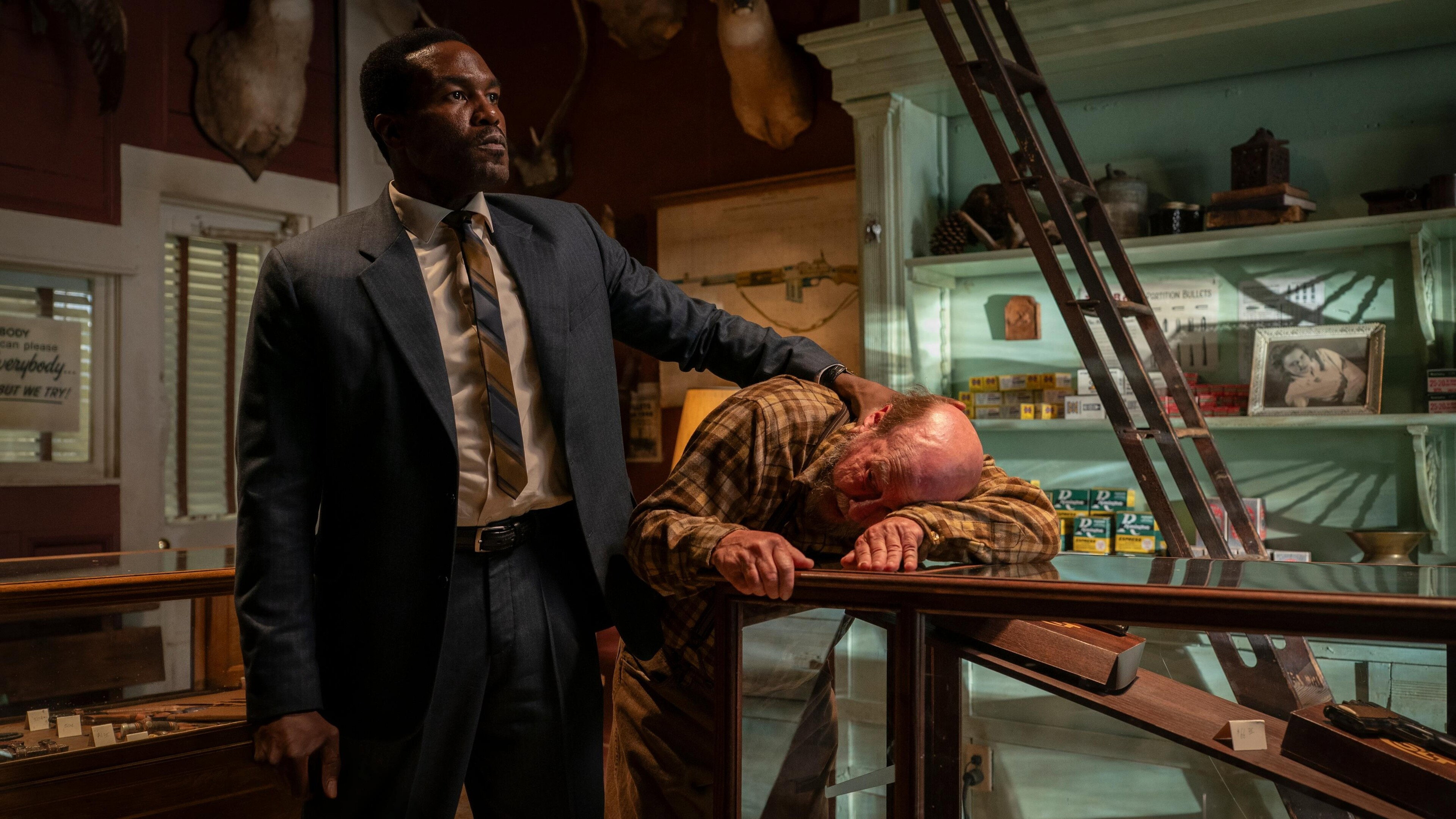
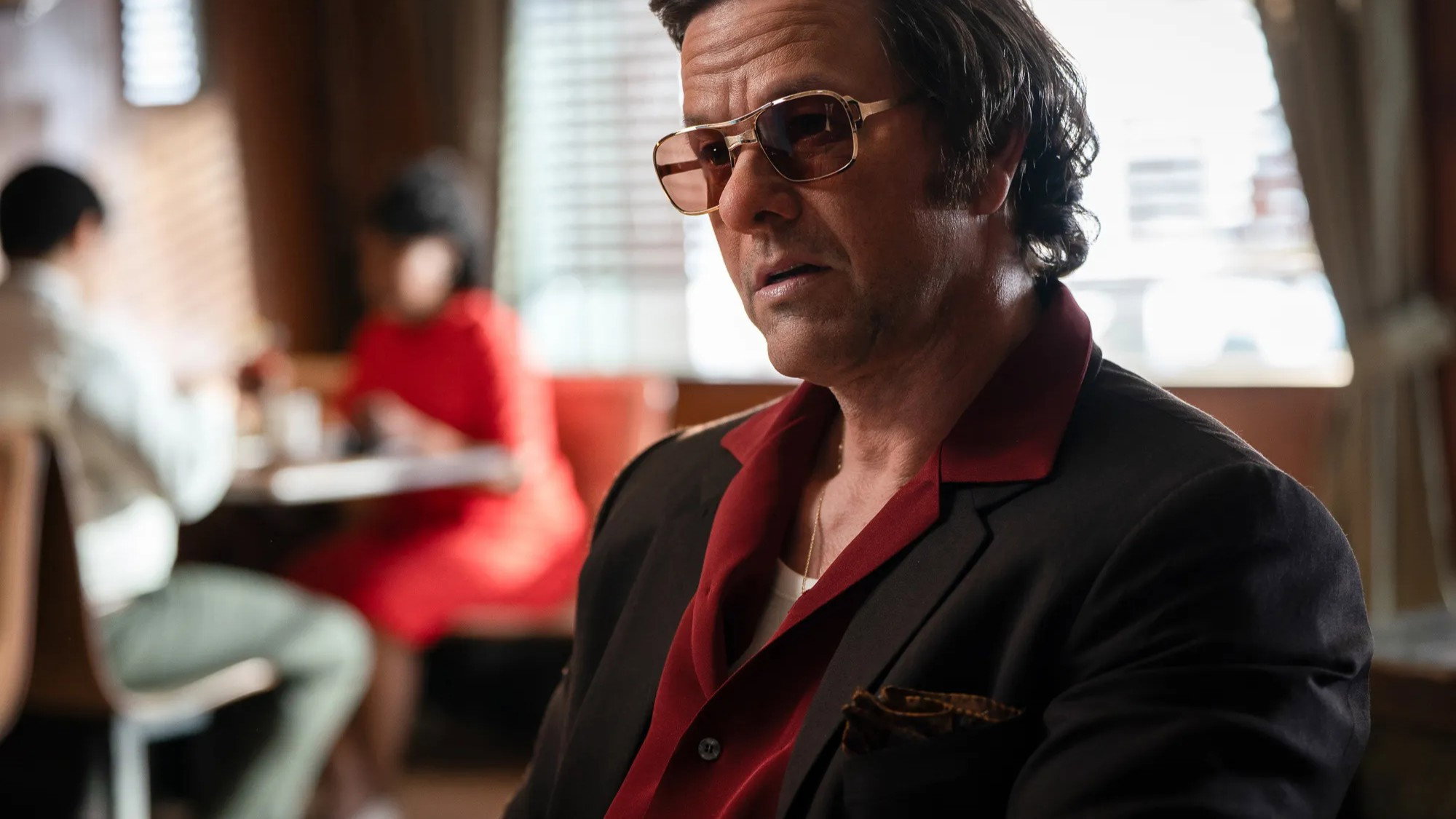
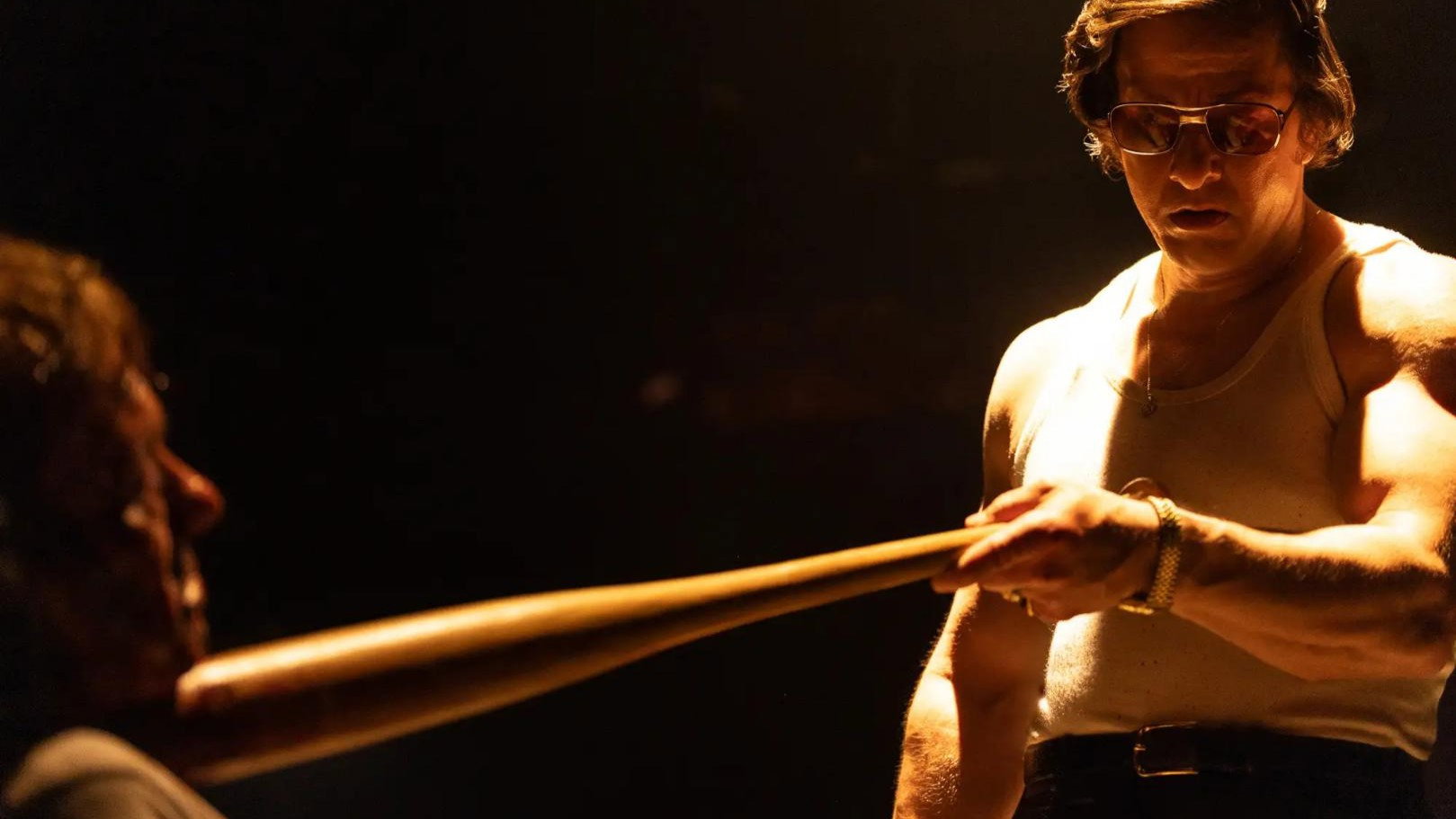
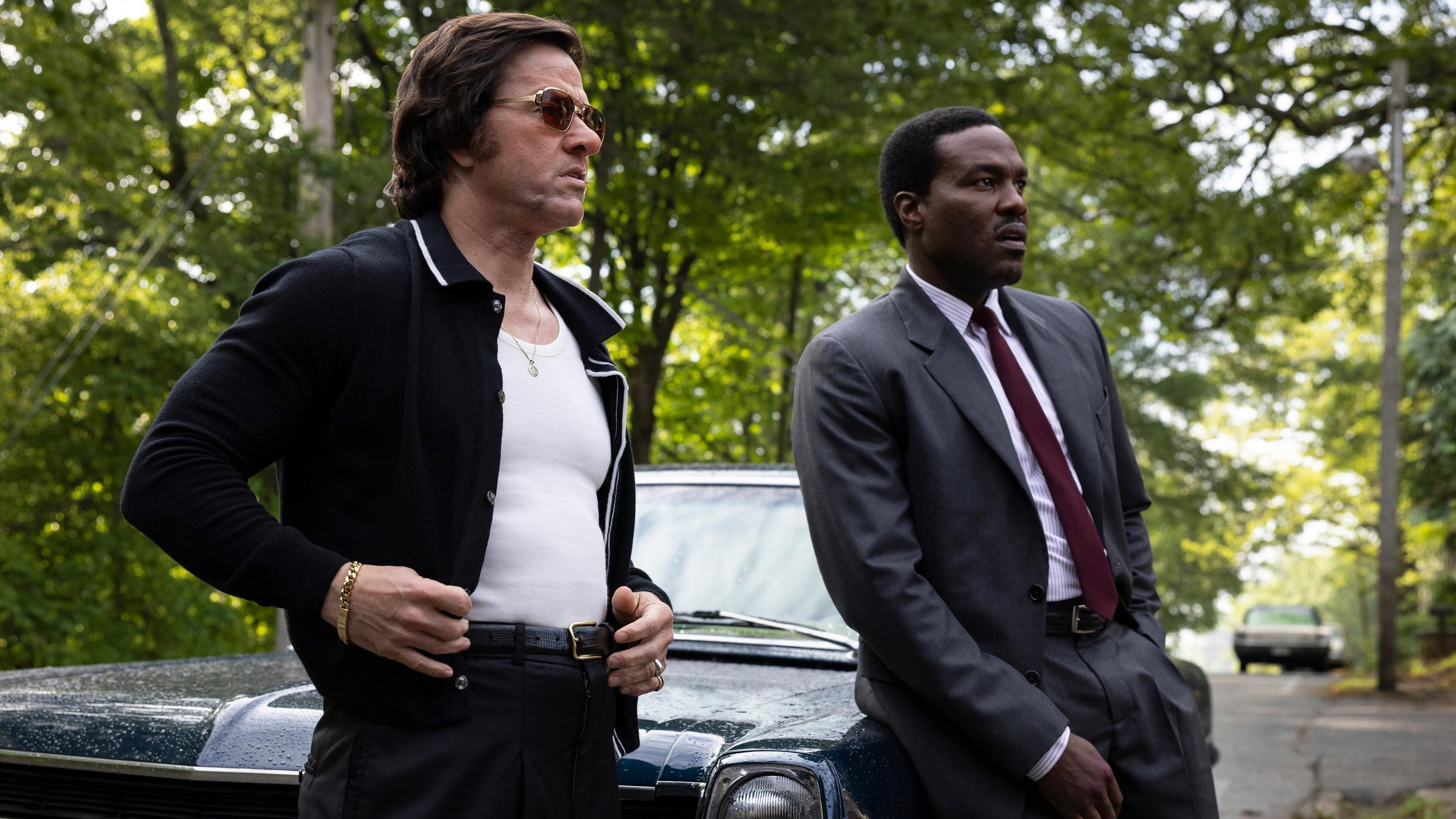
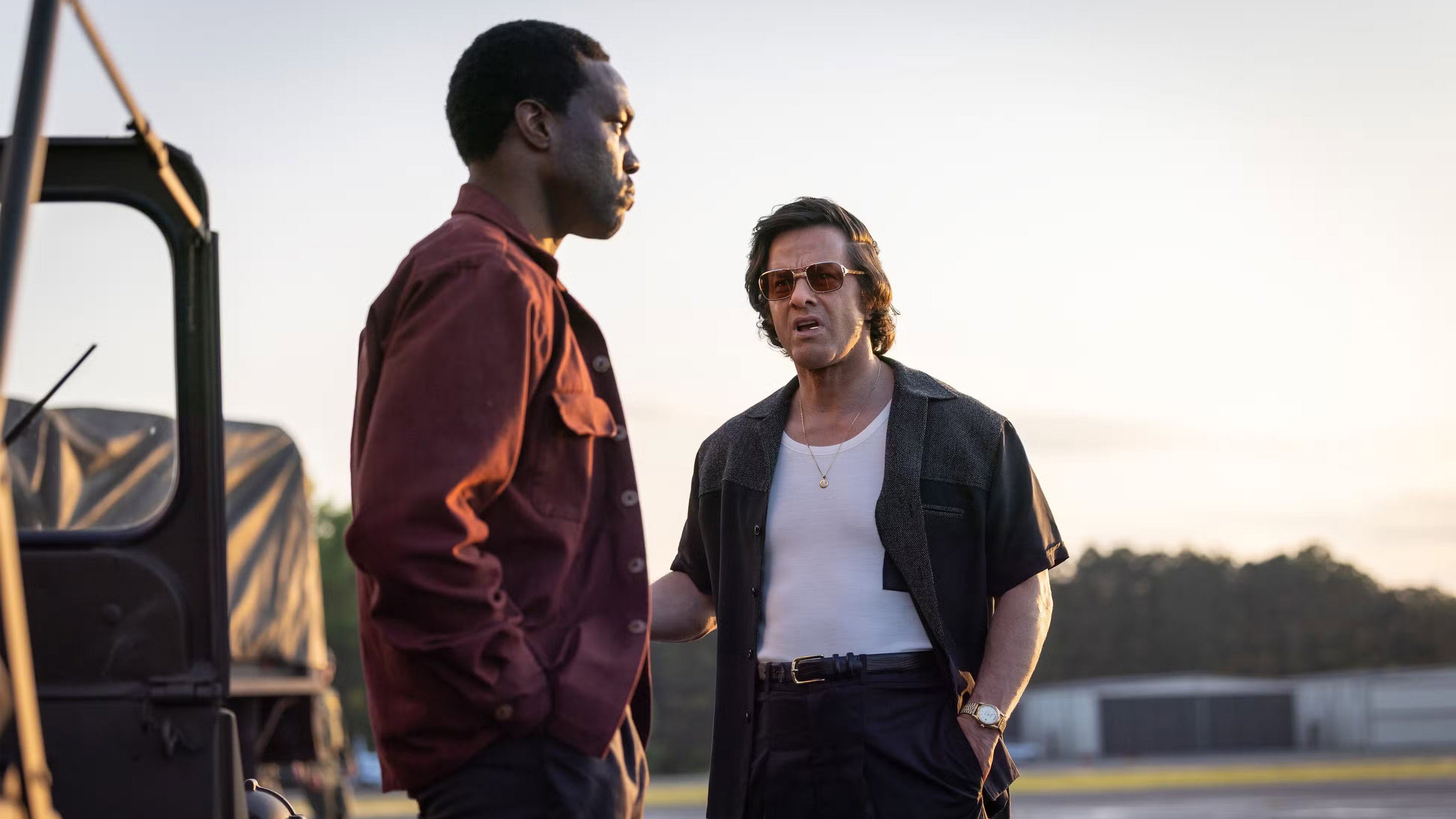
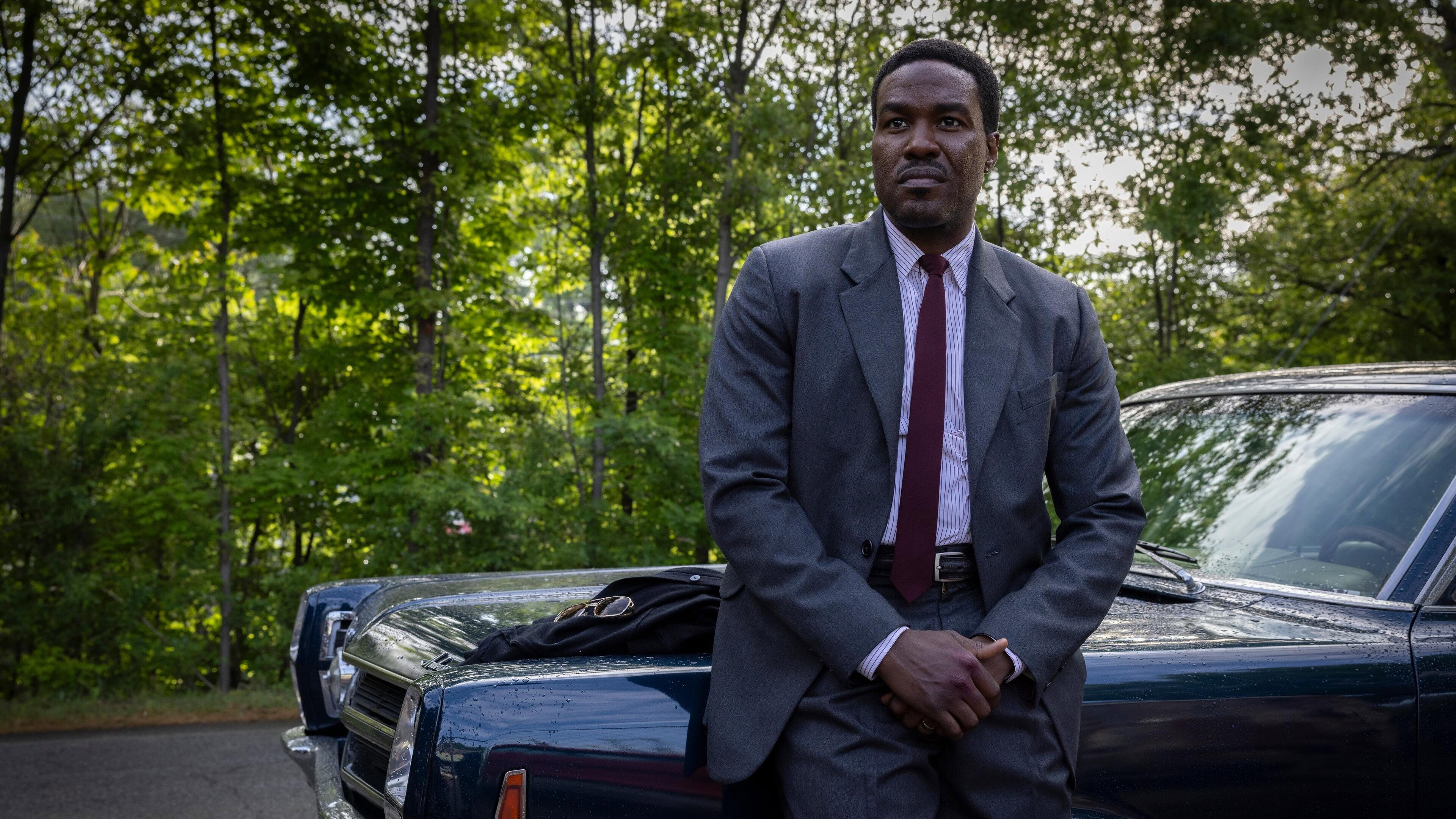
Abdul-Mateen II, as Wayne Strider, does the most to make the arrangement feel difficult. His restraint allows us to sense thought behind the lines, and he makes a character worth following even when the writing gives him little room to grow. We were frustrated by how often Mark Wahlberg’s Gregory Scarpa pulled our attention away from him. Wahlberg’s emphatic playing makes the pairing lopsided, repeatedly crowding out the quieter work that gives us a reason to care about this investigation.
Wahlberg does bring a blunt comic energy, and there are stretches where the mismatch between the two leads supplies the entertainment the script is after. A historical crime drama is allowed to be funny, just as it is allowed to provide the satisfaction of watching someone dangerous meet resistance. The problem is how little Bratton asks us to reconsider after that satisfaction arrives. The familiar rhythm of a mismatched-partner thriller makes it too easy to anticipate what sort of scene the film will want next.
Ante Cheng’s cinematography and Kristan Sprague’s editing are most effective when the film needs an immediate threat rather than a complicated conversation. The violent passages have enough force to make the film briefly gripping, and the cutting keeps those encounters from becoming a slog. Yet that efficiency also makes the shortcut attractive: another confrontation can replace a scene that might have explored the partnership. At 107 minutes, the film is not overlong, but its priorities remain frustratingly narrow.
Terence Blanchard’s music encourages us to take the men’s choices seriously, more seriously than Penn’s writing sometimes permits. Tommy Love’s production design helps the setting feel inhabited, although the people in it are too often defined by what the next scene needs them to do. Neither contribution can compensate for characters whose decisions become so predictable. We keep waiting for Bratton to stay with a doubt or a consequence instead of arranging another opportunity for someone to take charge.
The buddy-crime formula can accommodate difficult questions without sacrificing pace or entertainment. Here, too much depends on Abdul-Mateen II supplying the interest that the partnership itself ought to generate, and his performance is the strongest reason to persist. Anyone drawn by the FBI-and-mob premise should be prepared for a film considerably less curious about that bargain than we were.