Film review

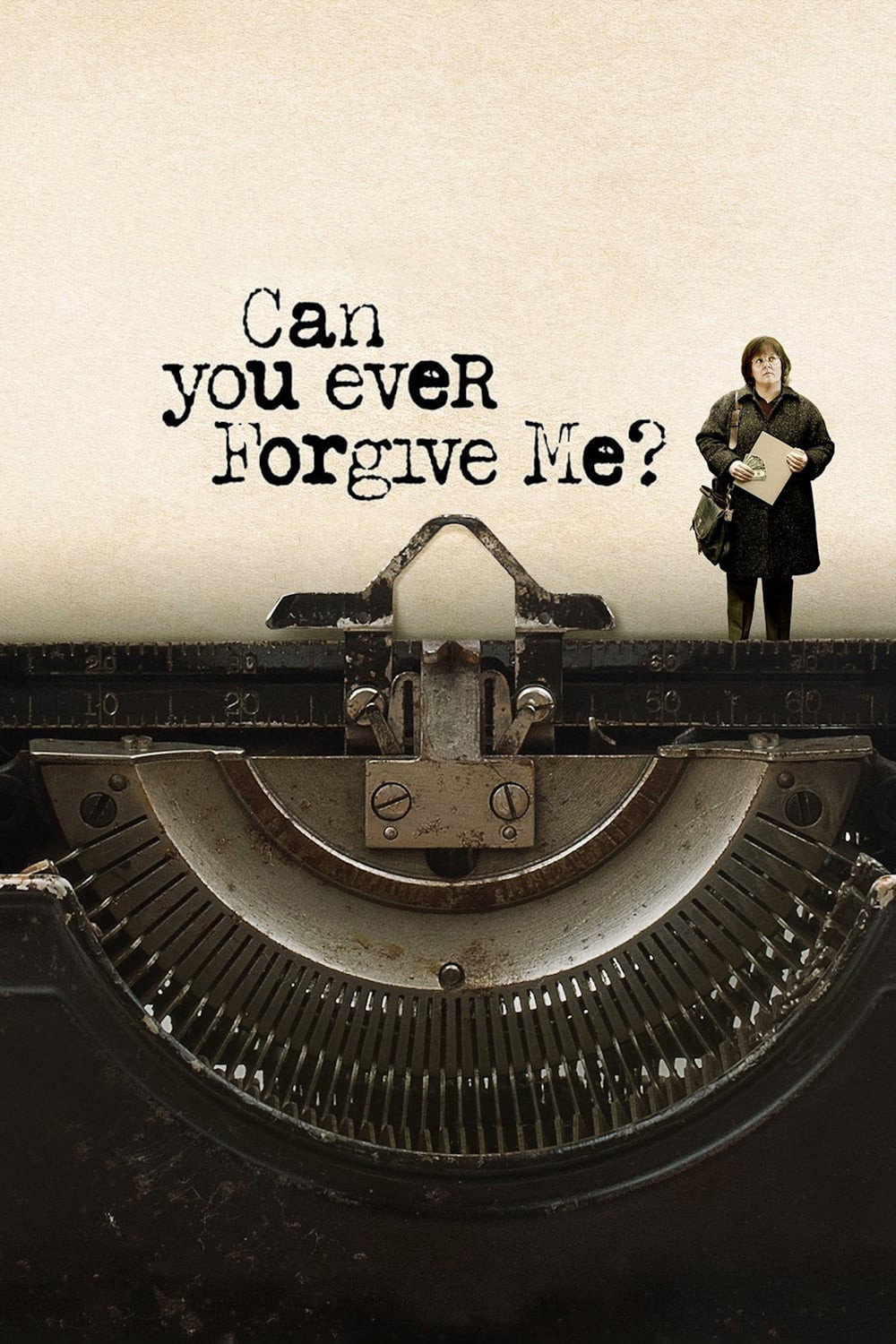
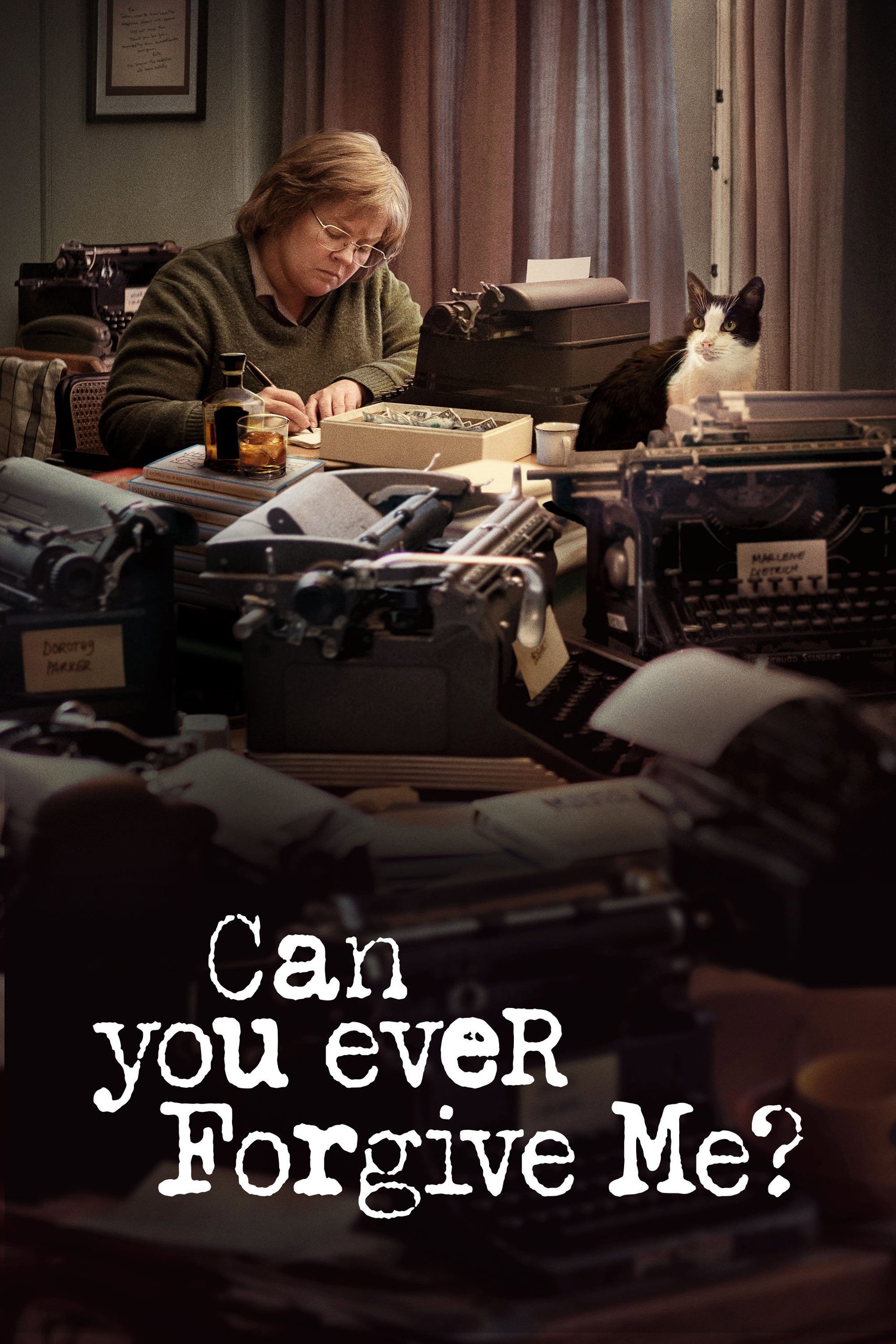
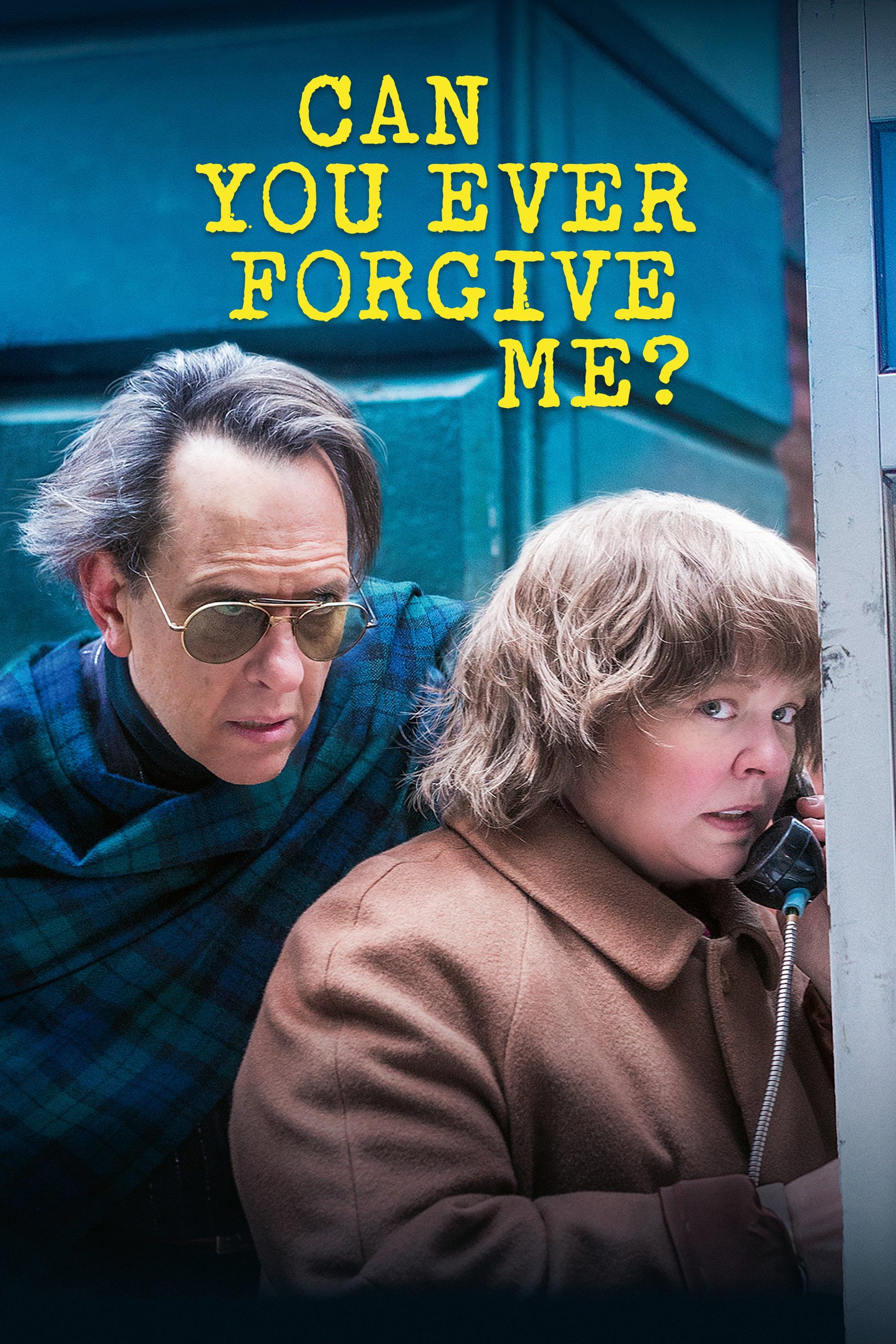
Can You Ever Forgive Me?

2018 · Directed by Marielle Heller · 1h 46m · MPA R

In a sentenceWe would happily buy these literary frauds a drink, but nothing more expensive

DramaCrimeComedy

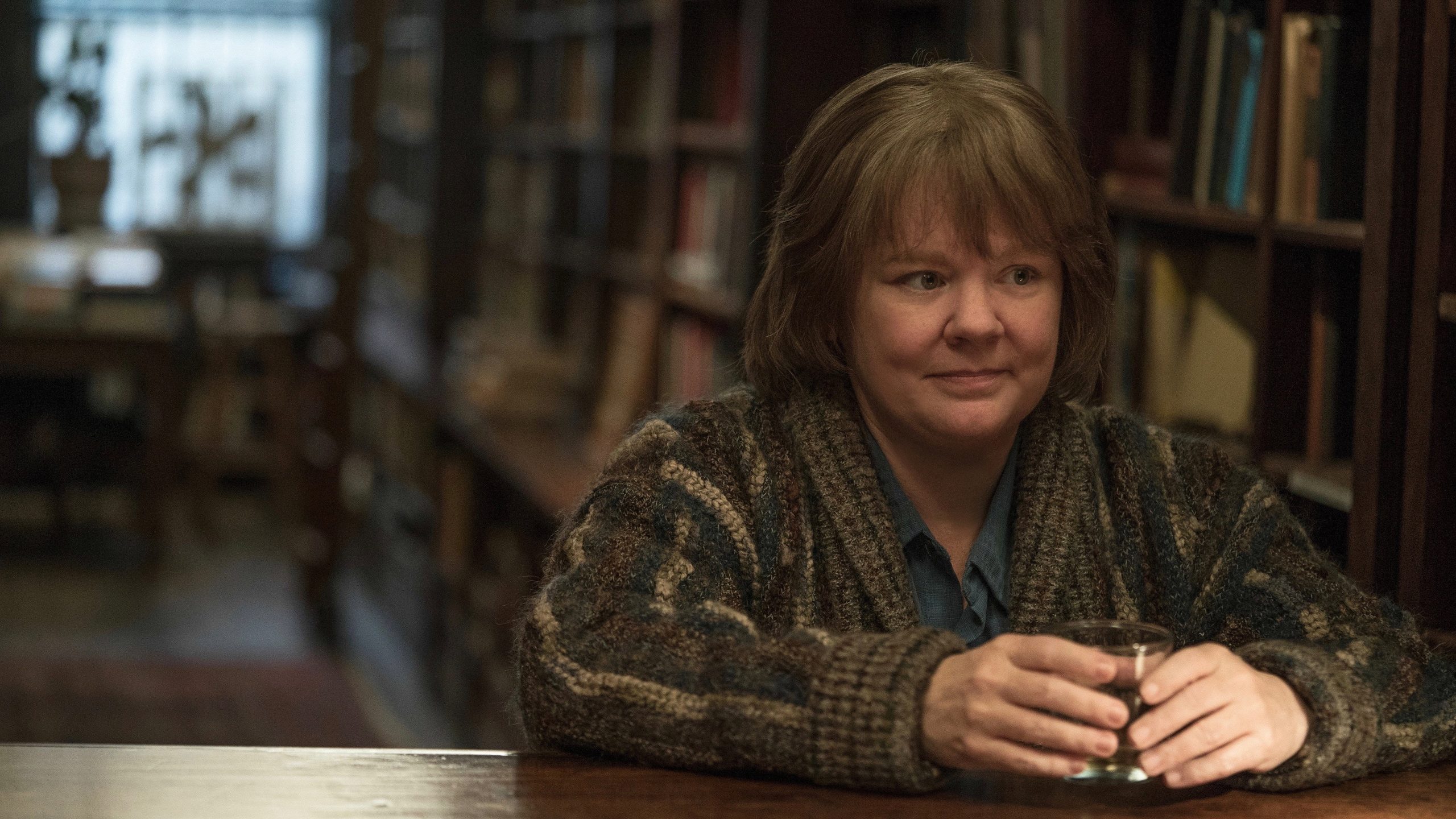
In 1991 New York, biographer Lee Israel (Melissa McCarthy) wants to earn a living from her writing, but her career is faltering and her dealings with other people offer little help. She begins using her literary knowledge to produce forgeries, finding a market for work she cannot sell under her own name. Her acquaintances include drinking companion Jack Hock (Richard E. Grant) and Anna (Dolly Wells). The bookselling trade offers an opportunity to turn her talent into money, provided she can persuade its customers that somebody else deserves the credit.

Plays from YouTube when you press play; nothing loads from them until then.

Fi1m review

Melissa McCarthy and Richard E. Grant make this melancholy account of literary forgery funny and unexpectedly moving. Marielle Heller gives their difficult friendship time to develop, though the screenplay sometimes explains what the actors have already made clear.

Can You Ever Forgive Me? makes good company out of a woman who has worked hard to discourage it. Marielle Heller’s film about literary forger Lee Israel is funny, sad and worth an evening, with Melissa McCarthy giving the character’s bitterness a convincing weight. The temptation with such a subject is to make clever crime seem like a reasonable answer to professional neglect. This film takes Lee’s loneliness seriously without suggesting that everyone else should have found her easier to bear.

Melissa McCarthy makes Lee’s intelligence inseparable from her capacity to annoy people. The hostility feels practised, with the defensive reflex coming through even when she has the sharper mind in the exchange. It is a performance that makes a complaint sound both justified and exhausting, so we can understand why somebody would want to leave her alone. Jeff Whitty and Nicole Holofcener’s screenplay gives her wit without pretending that a quick answer will make her any easier to live with.

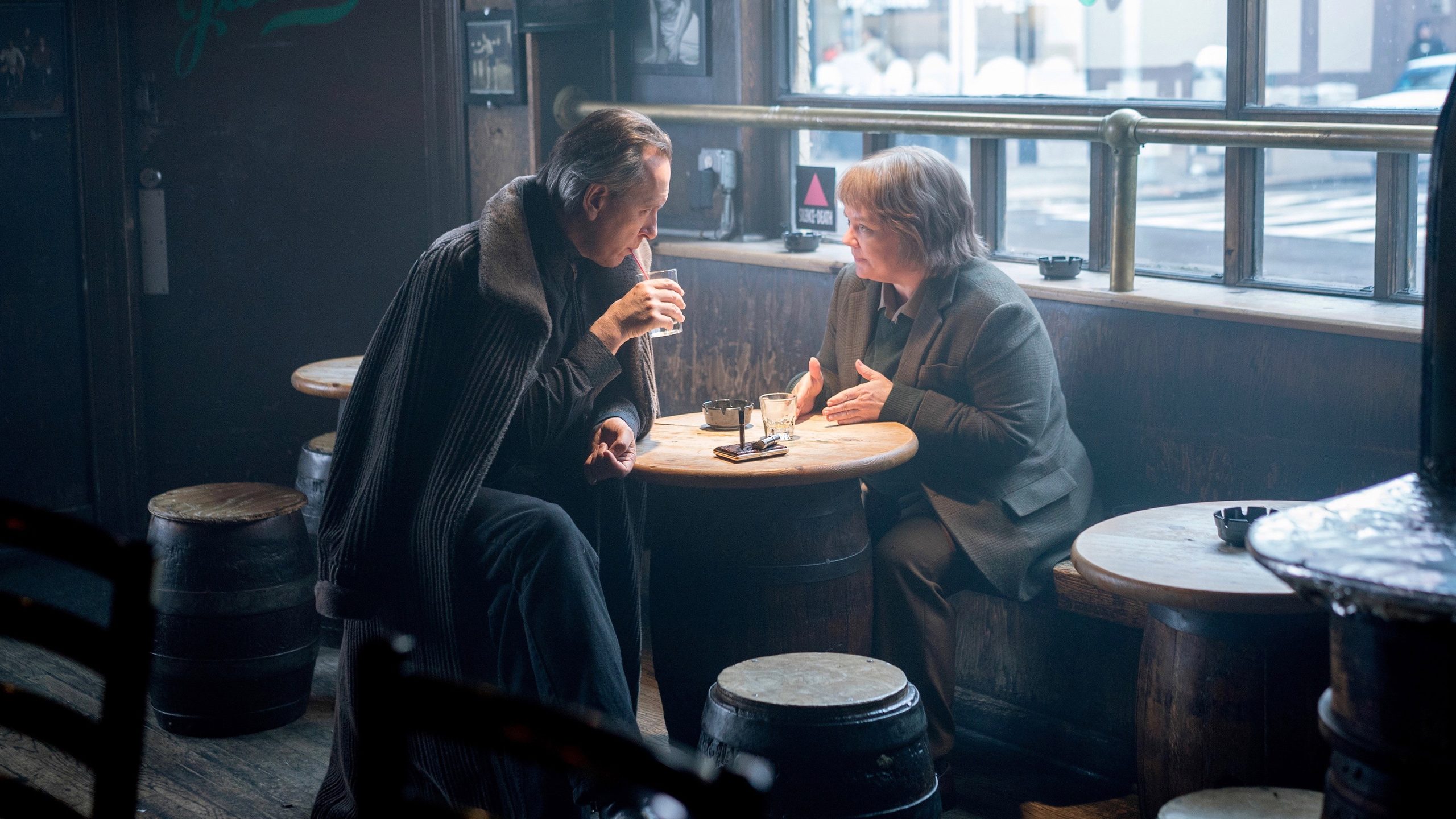
Richard E. Grant, as Jack Hock, supplies the companion such a woman might tolerate: someone with enough faults to make judgement awkward. His charm has an untrustworthy edge, and the friendship benefits from our uncertainty about how much either person can offer. We were moved by their need for one another. The insults are funny, but Melissa McCarthy and Richard E. Grant make the relief of having someone to talk to painfully clear beneath them.

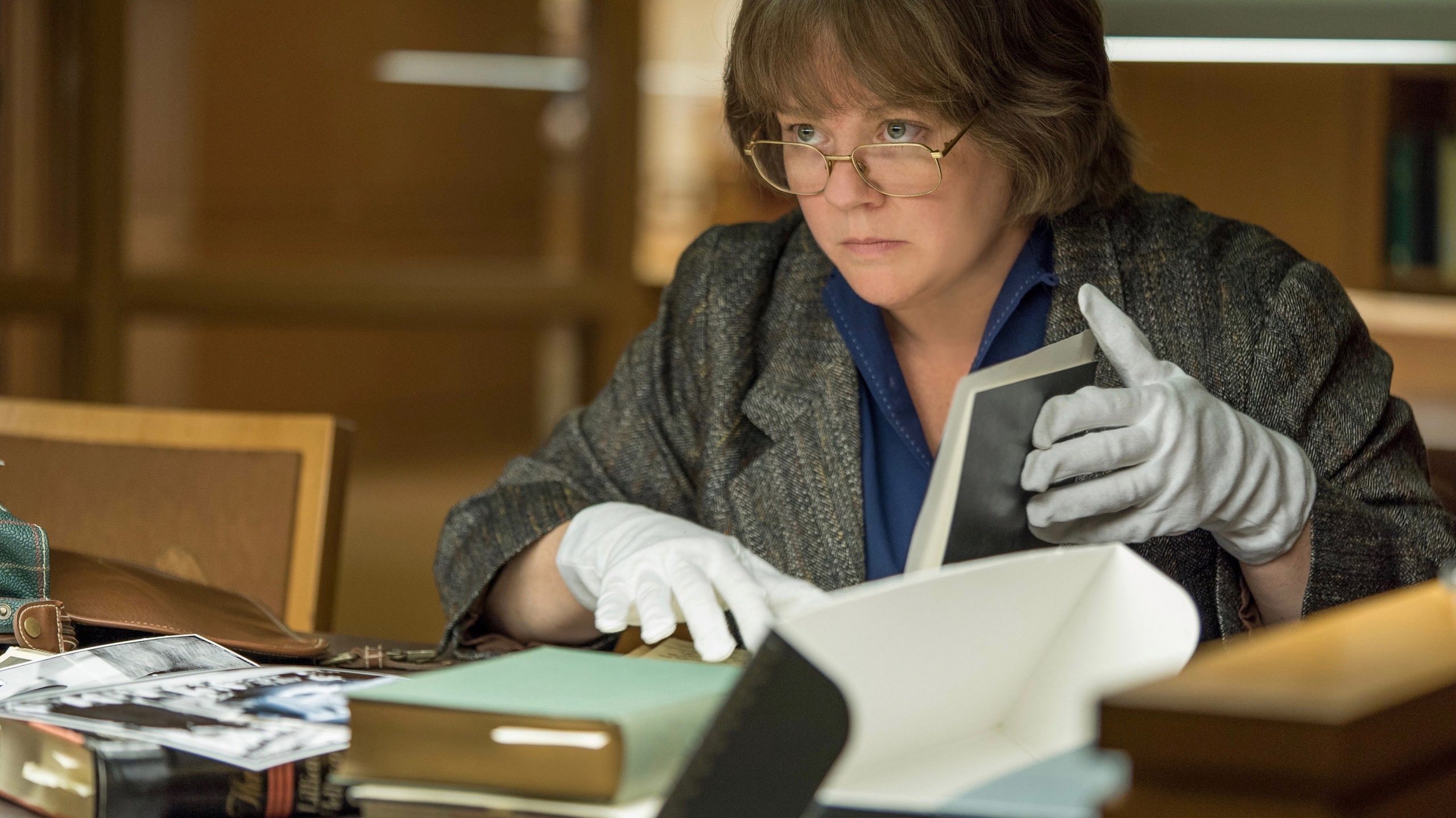
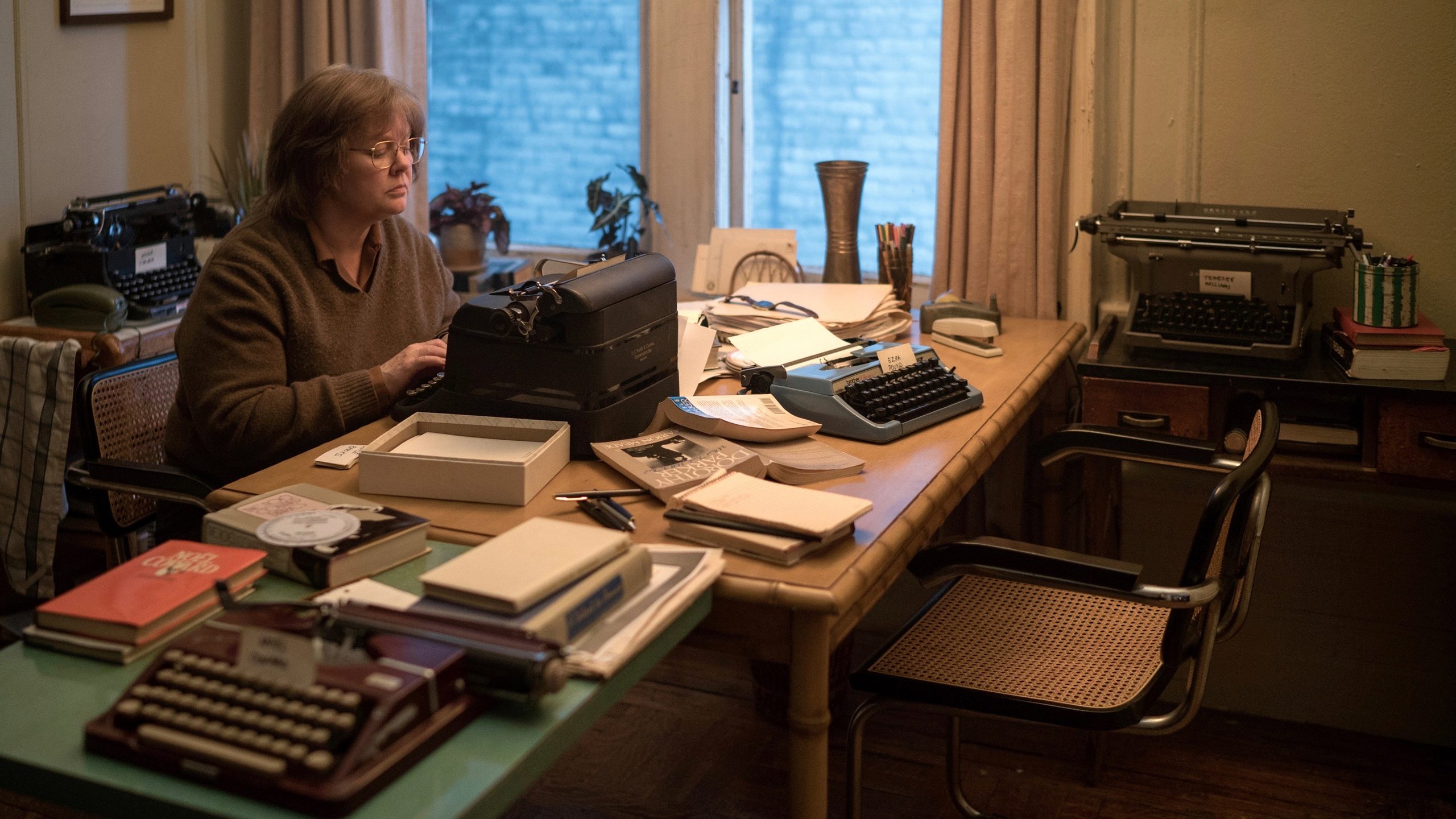
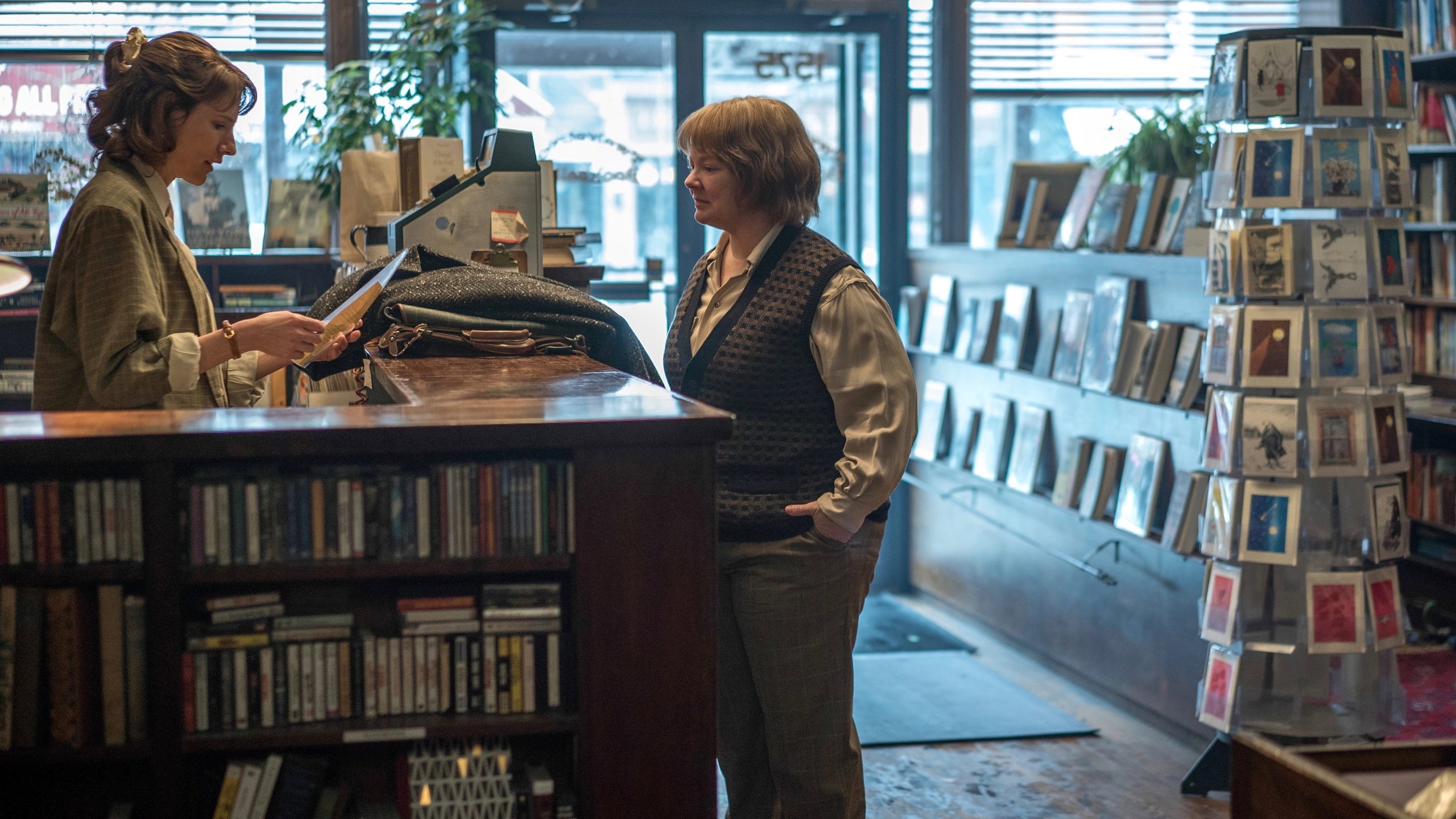
Brandon Trost’s subdued photography suits the shabby New York setting, allowing the period atmosphere to accumulate without making it the attraction. Stephen H. Carter’s production design gives the bookselling world a persuasive sense of use, somewhere people work rather than a collection of desirable old objects. The attention to the physical work of forgery is particularly satisfying. Making something convincing requires care, and the film lets us see why Lee might feel pride in a piece of dishonest work.

Anne McCabe’s editing is most effective when it gives the two leads room to irritate and amuse each other. Some scenes could finish sooner, although the unhurried pace usually suits characters whose friendship depends on spending time together without achieving much. Nate Heller’s music feels suitably modest beside these performances. For a crime film, this is an agreeable way to spend our time: listening to difficult people talk, with the business of getting away with something supplying an additional reason to pay attention.

The weakness comes when the screenplay explains feelings that the performances have already made legible. Jeff Whitty and Nicole Holofcener are good at the sour joke, less convincing when dialogue supplies a clear account of someone’s damage. We would have welcomed more uncertainty, particularly around the loneliness that makes Lee so difficult and so vulnerable. Marielle Heller occasionally makes these people a little easier to understand than they need to be, which takes some of the discomfort out of sitting with them.

At 106 minutes, this is a good choice for an evening when sharp conversation is enough. It asks for patience with bitterness, evasions and people who make friendship unnecessarily hard work. Anyone hoping for a brisk account of a clever swindle should adjust expectations; a fondness for bad company will be more useful.

Critical consensus AI synthesised

79
Positive
28
Mixed
1
Negative
0

Most critics respond warmly to this melancholy account of literary forgery, with praise concentrated on Melissa McCarthy and Richard E. Grant. The reviews credit McCarthy with making Lee Israel’s bitterness and vulnerability equally believable, while Grant supplies charm and a persuasive companion in loneliness. Their rapport is a recurring pleasure, alongside the wit of the script and the lived-in New York setting. Heller’s direction is widely admired for finding sympathy for difficult people without excusing their behaviour.

The spread is largely between approval and enthusiasm, with reservations about pacing, sentiment and how far the character study goes. The Hollywood Reporter finds some scenes could be tighter, while Sight and Sound objects to familiar depictions of self-sabotage and stale banter. Film Comment sees hints of a more mysterious queer film beneath the explicit dialogue about motives and backstories. These reservations rarely displace the shared appreciation of the central performances.

The AV Club
17 October 2018 · A- · Katie Rife
90

The film finally gives Melissa McCarthy the dramatic vehicle she deserves in this intimate biopic of literary forger Lee Israel. It is modest but compassionate, highlighting dignity, friendship, and a career-best nuanced performance from McCarthy alongside strong chemistry with Richard E. Grant.

Read the full review →
The New Yorker
17 October 2018 · Richard Brody
90*

Melissa McCarthy delivers a substantial dramatic role with verbal inventiveness and pathos that reveal the character's core identity. The film is a fiercely composed, historically informed work that insightfully explores artistic life, money, and the era's cultural shifts.

Read the full review →
Empire
28 January 2019 · Ian Freer
85*

Heller delivers a small-scale delight with a deft handling of tone and huge empathy for its marginalised characters. The terrific performances from McCarthy and Grant anchor a funny, poignant portrait of human frailties and outsider lives.

Read the full review →
Los Angeles Times
16 October 2018 · Kenneth Turan
85*

Melissa McCarthy gives a finely nuanced dramatic performance as the caustic Lee Israel, turning a malcontent into fascinating company. The wry, melancholy narrative is faultlessly directed, with pleasures in its details of forgery and re-creation of a fading Manhattan bookstore world.

Read the full review →
RogerEbert.com
10 September 2018 · festival review · Monica Castillo
85*

The film turns Melissa McCarthy's grouchy curmudgeon into a surprisingly sympathetic figure through a strong dramatic turn. It balances low-stakes crime drama, buddy comedy, and period detail while humanizing a difficult character with affection and insight.

Read the full review →
Total Film
23 January 2019
85*

McCarthy gives a dowdy and determined revelation as the caustic biographer-turned-forger, supported by a barnstorming Grant. Heller’s rich, melancholy character study of gay mid-life loneliness and last chances is powered by the vanity-free performances and a tack-sharp script.

Read the full review →

Cast

Awards

Dorian Award for LGBTQ Film of the Year, 2018

Won
Dorian Award for LGBTQ Film of the Year

If you liked this, try…

The American Friend poster

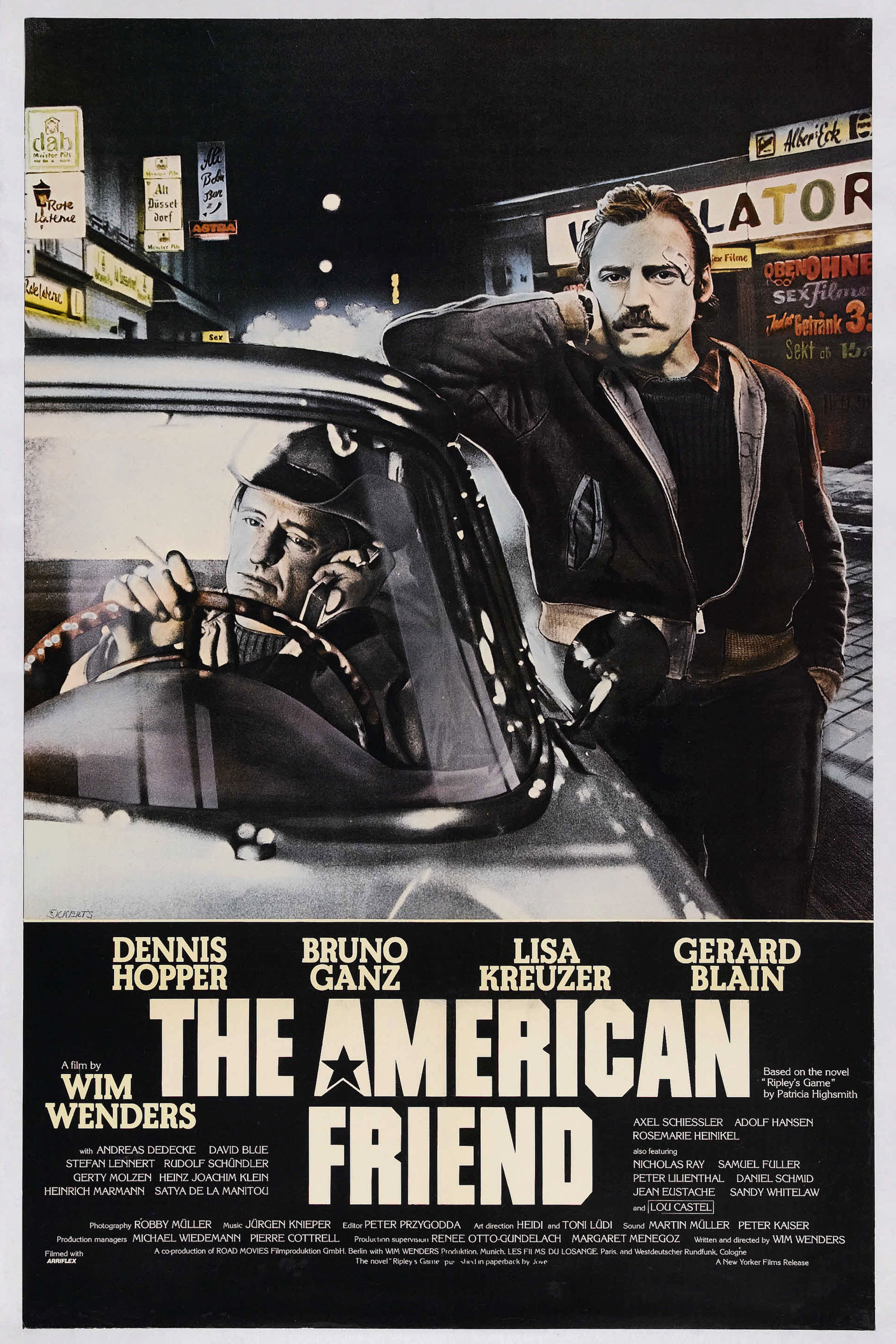
The American Friend

1977 · A compromised friendship gives this mournful crime story its creeping sense of danger.

Withnail and I poster88

Withnail and I

1987 · More drinking, mutual dependence and comic hostility from people with diminishing prospects.

The Station Agent poster82

The Station Agent

2003 · An unhurried comedy that lets prickly people approach friendship at their own pace.

The Man Without a Past poster

The Man Without a Past

2002 · Dry humour and quiet generosity towards people getting by outside respectable society.

The Lunchbox poster

The Lunchbox

2013 · Letters offer lonely people a less frightening way of speaking to each other.