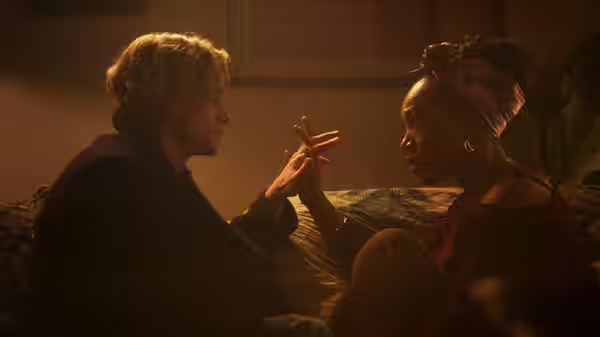
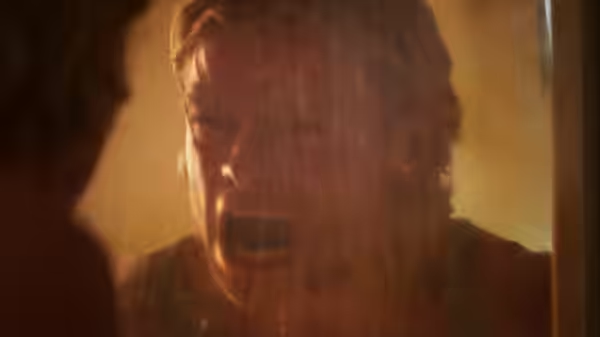
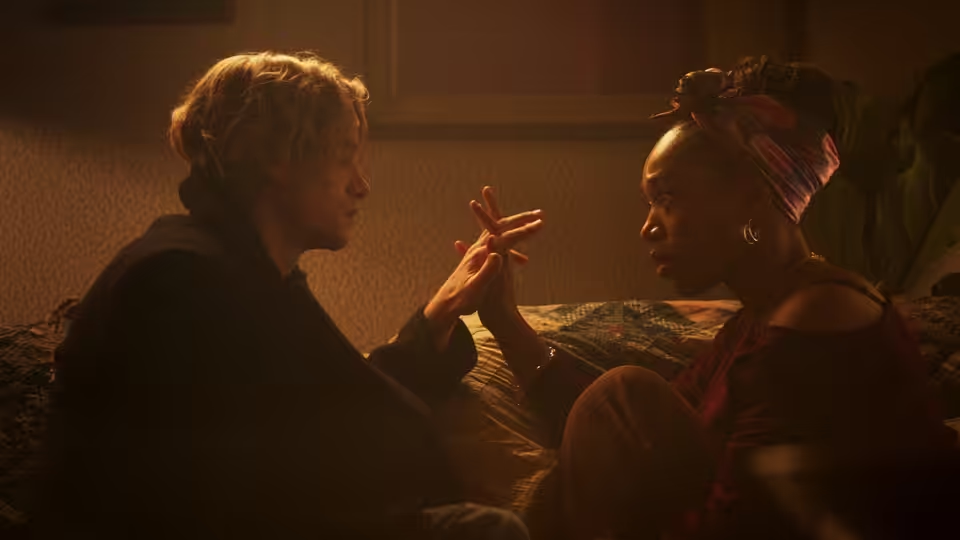
Matt Hagen (Tom Rhys Harries) holds hands with Caitlyn Corr (Naomi Ackie) on a couch
Film review

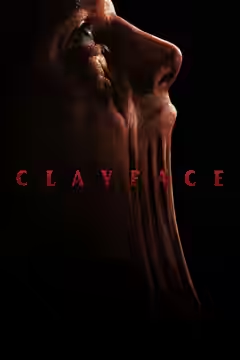
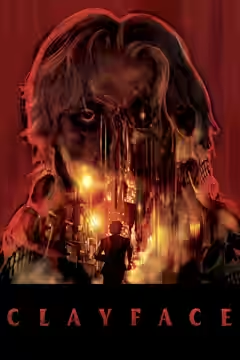
Clayface

2026 · Directed by James Watkins · 1h 49m · MC 15

In a sentenceThe flesh is horribly convincing; the conversations could use another draft

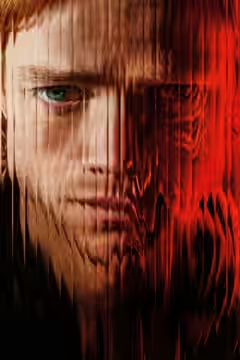
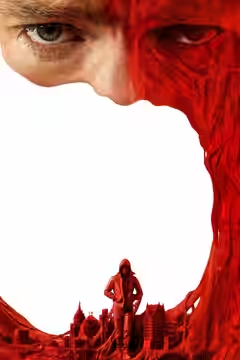
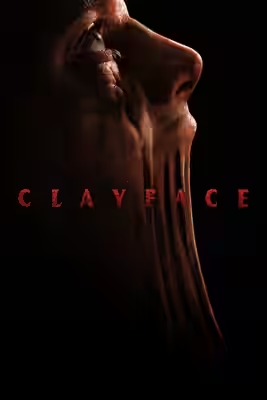
In Gotham, Matt Hagen / Clayface (Tom Rhys Harries) undergoes transformations that make his own flesh a source of danger. Caitlyn Corr (Naomi Ackie), Frank (Eddie Marsan) and John Borrelli (Max Minghella) feature alongside him. The story follows Matt’s emergence as Clayface through bodily mutation and shapeshifting, with physical horror at the centre of its account of a man becoming a monster. Gotham is presented as an artificial, hostile city, and Matt’s changing body brings the threat closer than the streets around him.

Plays from YouTube when you press play; nothing loads from them until then.

Fi1m review

James Watkins delivers grisly transformations and a committed lead performance from Tom Rhys Harries. The thin characters and predictable writing keep Clayface at the level of a serviceable monster film.

James Watkins makes Clayface a serviceable monster film with some unpleasantly effective transformations. We would steer body-horror enthusiasts towards it, with a warning about the thin writing. It understands the basic fear of a body becoming unfamiliar and pursues that fear with enough commitment to sustain interest. The difficulty comes when the screenplay asks its characters to matter beyond the physical ordeals they endure; too often, there is little else to know about them.

Tom Rhys Harries is the principal reason Matt Hagen remains worth following. He gives the suffering enough conviction to prevent the character from becoming merely an excuse for another effect, although the script leaves him with too much of that work. Naomi Ackie, playing Caitlyn Corr, helps give the film a human presence beyond its lead. Both performances suggest a fuller drama than the writing consistently provides, which is frustrating in a story so dependent on sympathy.

The practical effects are the strongest attraction, particularly when the horror stays close to the body. The thought of Matt’s flesh becoming something he cannot control makes us wince; the recognisable person undergoing the transformation gives the ugliness its force. At other points, muddy effects make the action harder to read than it needs to be. There is still enough physical conviction here to make the premise uncomfortable, without requiring every transformation to become a demonstration of how much the effects can do.

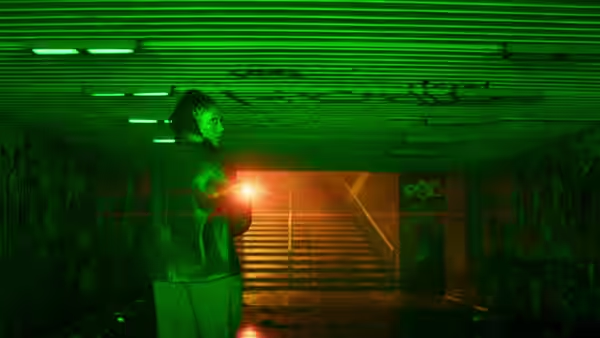
Rob Hardy’s cinematography uses shadow effectively in the transformations, allowing concealment to contribute to the horror. Jon Harris’s editing helps those changes along through judicious cuts, avoiding the need to show everything continuously. James Price gives Gotham a visibly artificial, hostile appearance that suits a film in which familiar shapes become unreliable. That artificiality is a useful choice, although the city does not consistently become a compelling setting in its own right.

The screenplay by Hossein Amini and Mike Flanagan is less resourceful. Too much of the dialogue has the flatness of people getting through necessary information, leaving the actors to supply the feeling themselves. The predictable plotting compounds the problem, because the conversations offer little distraction from knowing roughly where the story is heading. A straightforward monster film can survive familiar developments, but it needs people whose responses to those developments are worth following, and the supporting characters remain thin.

Hauschka’s music has to support a tragedy the screenplay has only partly developed. The grotesque effects also create a tonal difficulty: some moments intended to convey suffering invite amusement instead, weakening the sympathy the performances work to establish. Humour belongs in this sort of horror, and solemnity would hardly improve every scene. The problem is that the film does not always seem in control of the response its ugliness produces.

Within body horror, physical disgust can carry a modest story quite a long way. Clayface has enough invention in its transformations, and enough commitment from its lead, to justify interest from people who enjoy the genre. Its limited character writing prevents a firmer recommendation, however convincingly it makes flesh misbehave. Go for the practical effects and Tom Rhys Harries; keep expectations of the conversations modest.

Critical consensus AI synthesised

64
Positive
10
Mixed
6
Negative
4

The reviews lean favourable on Clayface, with praise clustering around its practical effects, grotesque transformations and commitment to body horror. Several critics find it entertaining as a self-contained horror film, without needing wider franchise connections. Tom Rhys Harries’s lead performance also draws repeated approval, including from reviewers who find the film underwhelming. The airplane and nightclub sequences attract particular attention as examples of the horror working well.

There is much less agreement about the story’s emotional force. Supporters find empathy beneath the gore; others describe thin characters, shallow themes and predictable plotting. The spread is wide, from enthusiastic endorsements to outright disappointment. The Playlist argues that tonal confusion turns intended tragedy into unintended comedy, despite convincing effects. Polygon offers the sharpest rejection, finding neither a compelling character nor much fear. Even the bodily horror divides opinion: The AV Club admires the staging of transformations but finds them short on visceral impact.

The Hollywood Reporter
21 October 2026 · Frank Scheck
90*

The critic calls the film a big bet that pays off, praising its body-horror thrills and emotional depth. He especially singles out the practical effects and a tense sequence aboard an airplane.

Read the full review →
Time Out
19 October 2026 · ★★★★ · Helen O’Hara
80

The review presents the film as a gory, ghoulish superhero movie with unusually effective body horror. It singles out the icky body horror as the film’s standout quality.

Read the full review →
Variety
22 October 2026 · Guy Lodge
80*

Lodge finds the film an enjoyable, self-contained horror romp that succeeds without relying on franchise connections. He especially praises its inspired practical effects and stomach-churning body-horror setpieces.

Read the full review →
Slant Magazine
21 October 2026 · ★★★/4 · Jake Cole
75

Cole finds the film a surprisingly sturdy, compelling horror-thriller and a brilliant setup for a Batman update. He praises its shifting, visibly artificial Gotham, which gives the city an atmosphere of active malevolence.

Read the full review →
The AV Club
21 October 2026 · B- · Jesse Hassenger
70

Hassenger finds the film a decent, workmanlike monster B-movie rather than a major horror success. He praises its clever use of shadows and cuts to portray Clayface’s transformations, while faulting the body horror for lacking visceral impact.

Read the full review →
Empire
21 October 2026 · Sophie Butcher
65*

The review finds the film shallow but entertaining, with its brutal body horror delivering despite limited thematic depth. It praises Tom Rhys Harries’s lead performance and James Watkins’s visceral practical effects and transformations.

Read the full review →

Straight answers AI written, from our review

Is Clayface worth watching?
Clayface is worth considering for body-horror enthusiasts, and we score it 65 out of 100. We recommend it chiefly for the unpleasantly convincing practical transformations and Tom Rhys Harries’s committed performance; thin characters, flat dialogue and predictable plotting keep it at the level of a serviceable monster film.
How long is Clayface, and what is it rated?
Clayface runs 1h 49m and is rated 15 by the MC in Thailand. It is a horror and thriller film.
Where can I watch Clayface in Thailand?
Clayface is not on any streaming or rental service in Thailand at the moment. It is available in 12 other countries; change your country at the top of the page to see where. Availability is checked daily.
How violent or frightening is Clayface, and is it suitable for children?
Clayface has a UK 18 certificate and is unsuitable for children, with grisly bodily transformations making it a poor choice for squeamish adults too. Its horror centres on flesh becoming unfamiliar and uncontrollable; we find the practical effects uncomfortable because Harries keeps the suffering recognisably human.
How does Clayface compare to Eyes Without a Face?
Clayface offers grisly transformations, but we recommend Eyes Without a Face more firmly for horror that is both frightening and sad. The earlier film’s surgical horror makes a damaged face a source of grief, though its deliberate pace can drag; Clayface suits viewers chiefly interested in practical body-horror effects, with less satisfying character writing.
What should I watch after Clayface?
After Clayface, try Eyes Without a Face (1960, Fi1m 86): Surgical horror that makes a damaged face a source of grief. Then Seconds (1966, Fi1m 84): A new face offers little protection from an unhappy life; and The Fly (1986, Fi1m 88): Bodily transformation made frightening through close attention to the person suffering.

Cast

If you liked this, try…

  1. Eyes Without a Face (1960, Fi1m 86)Surgical horror that makes a damaged face a source of grief.

  2. Seconds (1966, Fi1m 84)A new face offers little protection from an unhappy life.

  3. The Fly (1986, Fi1m 88)Bodily transformation made frightening through close attention to the person suffering.

  4. Tetsuo: The Iron Man (1989, Fi1m 82)For bodily transformation rendered through abrasive sound and frantic cutting.

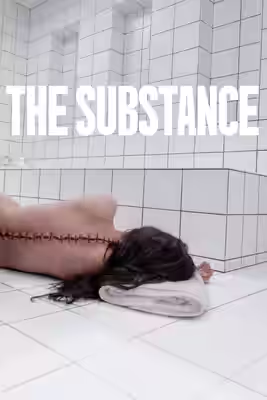
  5. The Substance (2024, Fi1m 74)Beauty and professional survival become a messy business of bodily reconstruction.

Free account

Know what to watch tonight

Two lists that know where things are streaming, collections you can share, your own score beside ours, and Discover that remembers what you have seen.

  • Want to see, sorted by what is streaming now
  • Seen, with your score out of ten
  • No adverts, ever