Film review

Dances with Wolves

1990 · Directed by Kevin Costner · 3h 01m · MPA PG-13

In a sentenceWe would happily stay on these plains if the narrator agreed to take the afternoon off

AdventureDramaWestern

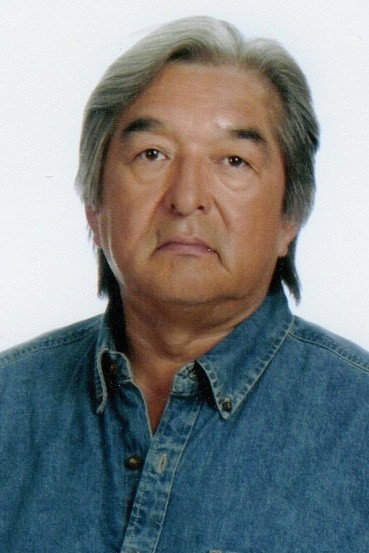
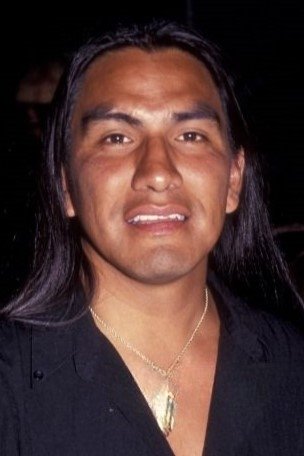
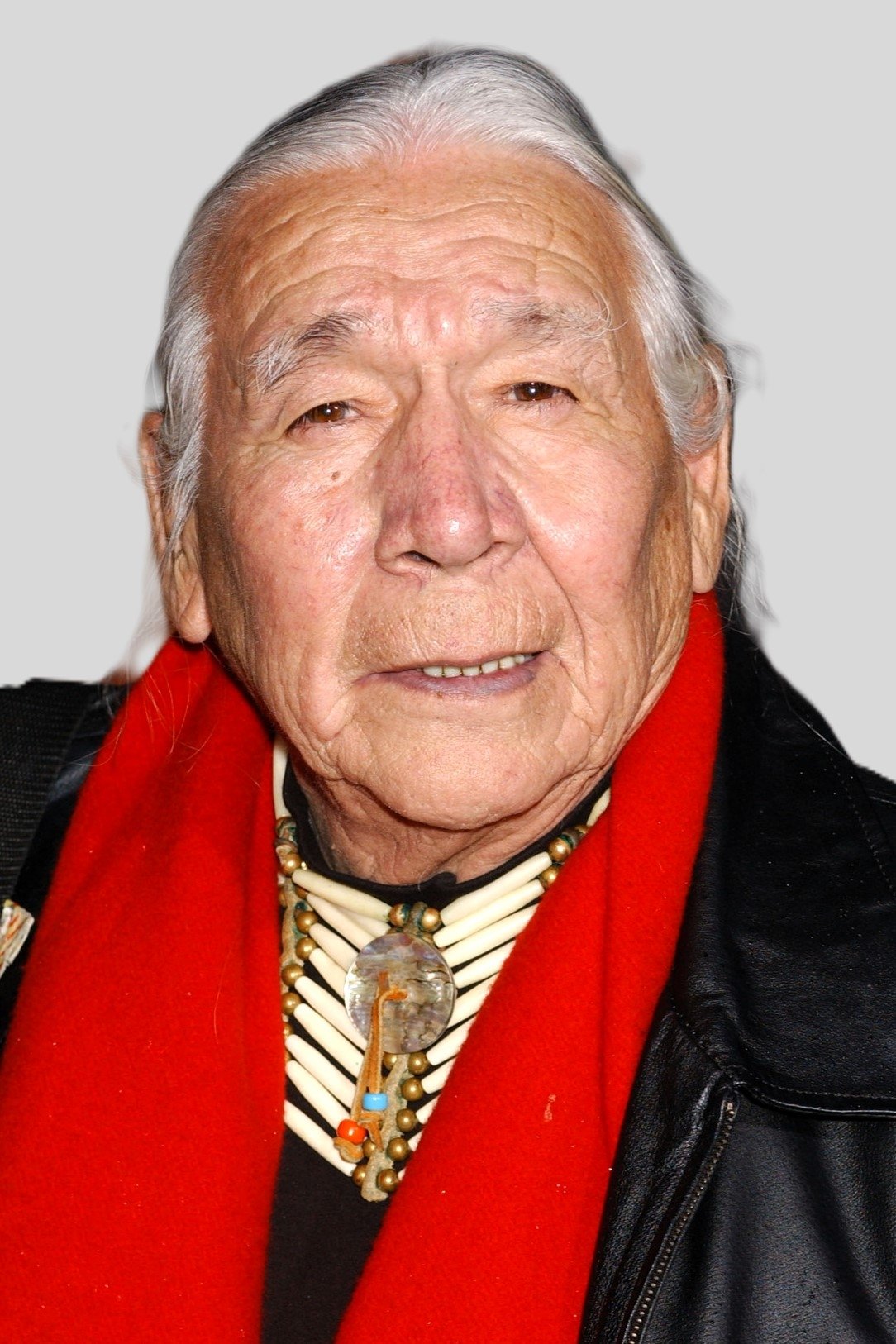
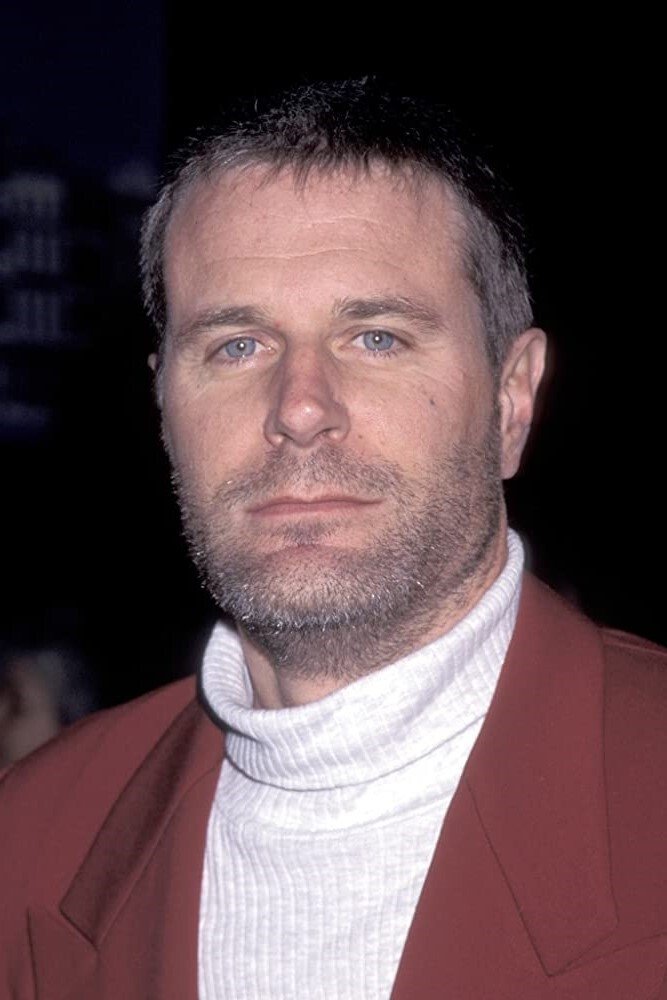
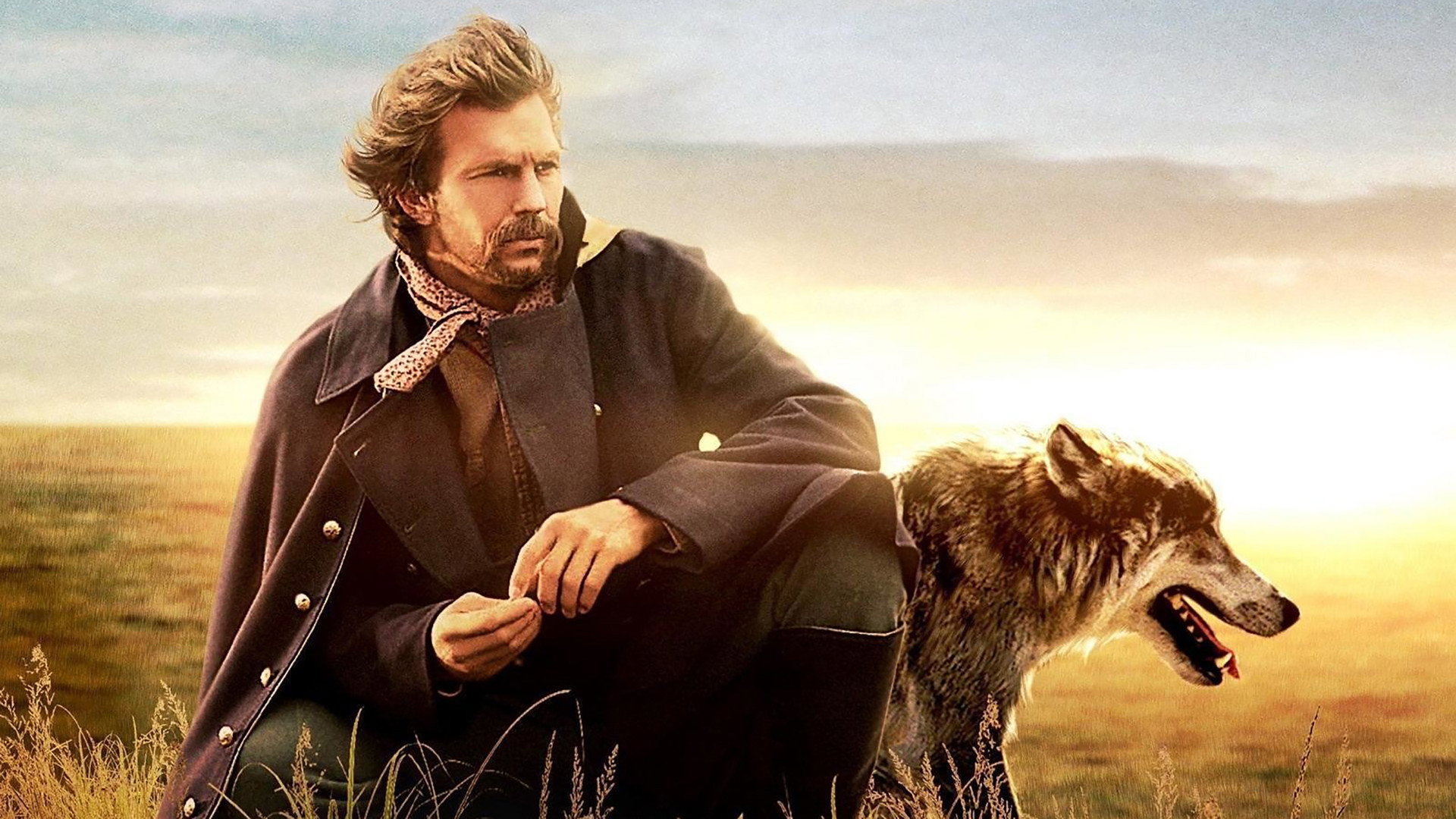
Lieutenant Dunbar (Kevin Costner) is a soldier on the frontier whose encounters with the Sioux draw him towards a different way of life. Among the people he comes to know are Kicking Bird (Graham Greene), Wind In His Hair (Rodney A. Grant) and Ten Bears (Floyd ‘Red Crow’ Westerman). Mary McDonnell plays Stands With A Fist, with Tantoo Cardinal as Black Shawl. The Western follows Dunbar as he begins to learn about the community, raising questions about his place in the army and the life he wants beyond it.

Fi1m review

A patient, rewarding Western whose landscapes and supporting cast justify the long evening. Kevin Costner gives people time to become good company, though the narration keeps explaining what the actors have already made clear.

Kevin Costner’s Dances with Wolves is a good Western, worth its considerable length if you can forgive how often it explains itself. Costner directs and plays Lieutenant Dunbar, the soldier whose growing familiarity with the Sioux supplies the story. The film wants that process to take time, and usually earns the patience it asks for. He gives the supporting actors room to hold our attention even when Dunbar remains the focus. Its trouble is a recurring urge to tell us what to think of them.

Costner’s modest performance helps: Dunbar can seem interested without making every encounter a display of his own goodness. Graham Greene’s Kicking Bird and Rodney A. Grant’s Wind In His Hair have enough personality to resist being treated as interchangeable guides to Sioux life. Their humour loosens the film’s solemnity. We were moved by the ease that gradually enters their encounters with Dunbar, because the actors make familiarity feel like something slowly earned. Greene is particularly good at making friendliness seem considered rather than inevitable.

Dean Semler’s cinematography makes the plains large enough to diminish the leading man, which is useful in a story so firmly built around him. The open country is a pleasure to look at, but the distance also makes Dunbar seem exposed. Jeffrey Beecroft’s production design makes the places people inhabit feel used, rather than arranged for our inspection. The film remains most persuasive when it lets us look at where people live without adding an explanation of what their lives mean.

Editors William Hoy, Steve Potter, Neil Travis and Chip Masamitsu allow conversations and landscapes more room than the plot strictly needs. Much of the pleasure comes from that extra time, though the 181-minute running time becomes harder to defend when the narration repeats an impression already clear from the performances. John Barry’s score is generous with feeling, and its breadth suits Semler’s images. At times it presses too hard, making an already tender passage seem determined to improve our character. The pictures and actors could manage with less assistance.

Michael Blake’s screenplay is the larger limitation. Its sympathy for the Sioux matters, but the contrast with its coarser white characters can become too easy. Dunbar is afforded the space to change, while the people he encounters are too often required to demonstrate why he should. The actors give these people more individuality than Blake consistently allows them. Mary McDonnell’s Stands With A Fist helps through a naturalness that keeps the human connections credible even when the writing makes them too simple.

As a Western, the film is unusually willing to make getting acquainted part of the adventure. The open country invites curiosity, and the company is often worth slowing down for. We would still like Costner to make more room for Sioux lives that do not depend upon Dunbar’s arrival. The supporting actors suggest enough interests and differences to carry such a film, but the story keeps bringing us back to his education.

The final stretch is less sure of itself, and Costner leans on sentiment when a little restraint would help. The warmth of the supporting cast makes it possible to forgive more of this than the script deserves. Give it an unhurried evening, provided a narrator telling you what the actors have already made clear is not a deal-breaker.
Critical consensus AI synthesised

62
Positive
4
Mixed
1
Negative
2

Most critics respond warmly to Dances with Wolves, praising the sweep of Kevin Costner’s direction and the attention given to Sioux characters and daily life. The landscape photography attracts approval even from detractors, while favourable reviews also single out the natural performances, humour and John Barry’s score. For its supporters, the film’s length allows its encounters and relationships to develop at an engaging pace.

The disagreement is substantial, particularly over whether that sympathetic approach offers insight or sentimental simplification. Time Out admires the film’s cultural detail but finds the final half-hour faltering. The New Yorker takes a much harsher view, arguing that its portrayal of both Sioux and white characters is simplistic and its storytelling lacks force. Slant Magazine likewise admires the landscapes but finds little thematic weight or emotional resonance. Sentimentality troubles some admirers too; the sharpest divide concerns how much substance lies beneath the handsome presentation.

Empire
· Angie Errigo
85*

Costner's directorial debut is a personal and artistic triumph and a box-office winner. It is an evocative, hugely enjoyable epic with unprecedented affection for Native Americans, though overly sentimental in places.

Read the full review →
Time Out
10 September 2012 · GA
75*

The critic finds Costner's directorial debut a genuinely impressive epic Western with sincere sentiments and huge dramatic sweep. They single out the historical and cultural authenticity as an end in itself, while noting it looks great despite some sentimentalisation and a faltering final half-hour.

Read the full review →
The New Yorker
10 December 1990 · Pauline Kael
30*

The critic views the film as a naive, middle-of-the-road New Age social-studies lesson that simplifies the Sioux as genial versions of whites and depicts white men as foul louts. It lacks narrative power or bite, coming across as childishly innocent and lightweight despite its vastness.

Read the full review →
Slant Magazine
7 June 2003 · ★/4 · Nick Schager
25

The critic calls the film a proficient but overrated epic that remains a well-polished but generic example of Hollywood filmmaking 13 years later. They single out its majestic landscape cinematography for praise while faulting its lack of thematic weight or emotional resonance.

Read the full review →
Los Angeles Times
9 November 1990 · Sheila Benson

The critic praises Costner's directorial debut as a stirringly fine frontier epic rich in character, action, and spectacle, with a clear-eyed vision that feels authentic and lyrical. She singles out the extraordinary buffalo hunt and the film's engaging focus on Sioux characters and humor.

Read the full review →
The New York Times
9 November 1990 · Vincent Canby

The critic finds Costner's directorial debut a competent and ambitious frontier epic with the makings of a great work, recalling literary antecedents like Robinson Crusoe. It stands out for its natural performances, vast scope, and portrayal of a soldier's integration with the Sioux.

Read the full review →

Cast

Stills

Awards

Academy Awards, 1991

Nominated
Best Actor
Nominated
Best Costume Design
Nominated
Best Production Design
Nominated
Best Supporting Actor
Nominated
Best Supporting Actress
Won
Best Cinematography
Won
Best Director
Won
Best Film Editing
Won
Best Original Score
Won
Best Picture
Won
Best Sound
Won
Best Writing, Adapted Screenplay

Silver nugget for the best foreign film, 1991

Won
Silver nugget for the best foreign film

Dallas-Fort Worth Film Critics Association Award for Best Film, 1990

Won
Dallas-Fort Worth Film Critics Association Award for Best Film

If you liked this, try…

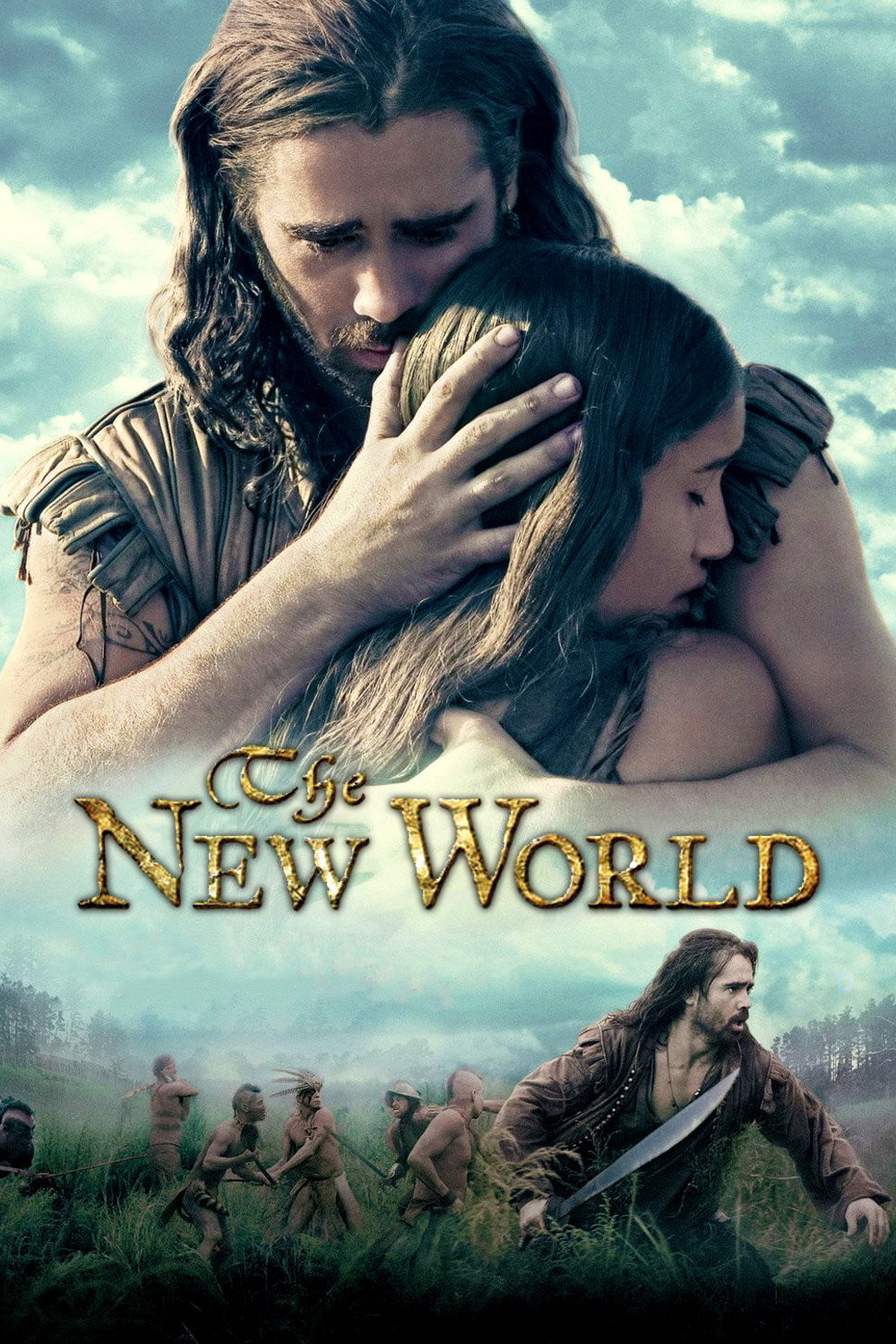
The New World poster

The New World

2005 · Another frontier encounter, with more uncertainty and less faith in its central romance

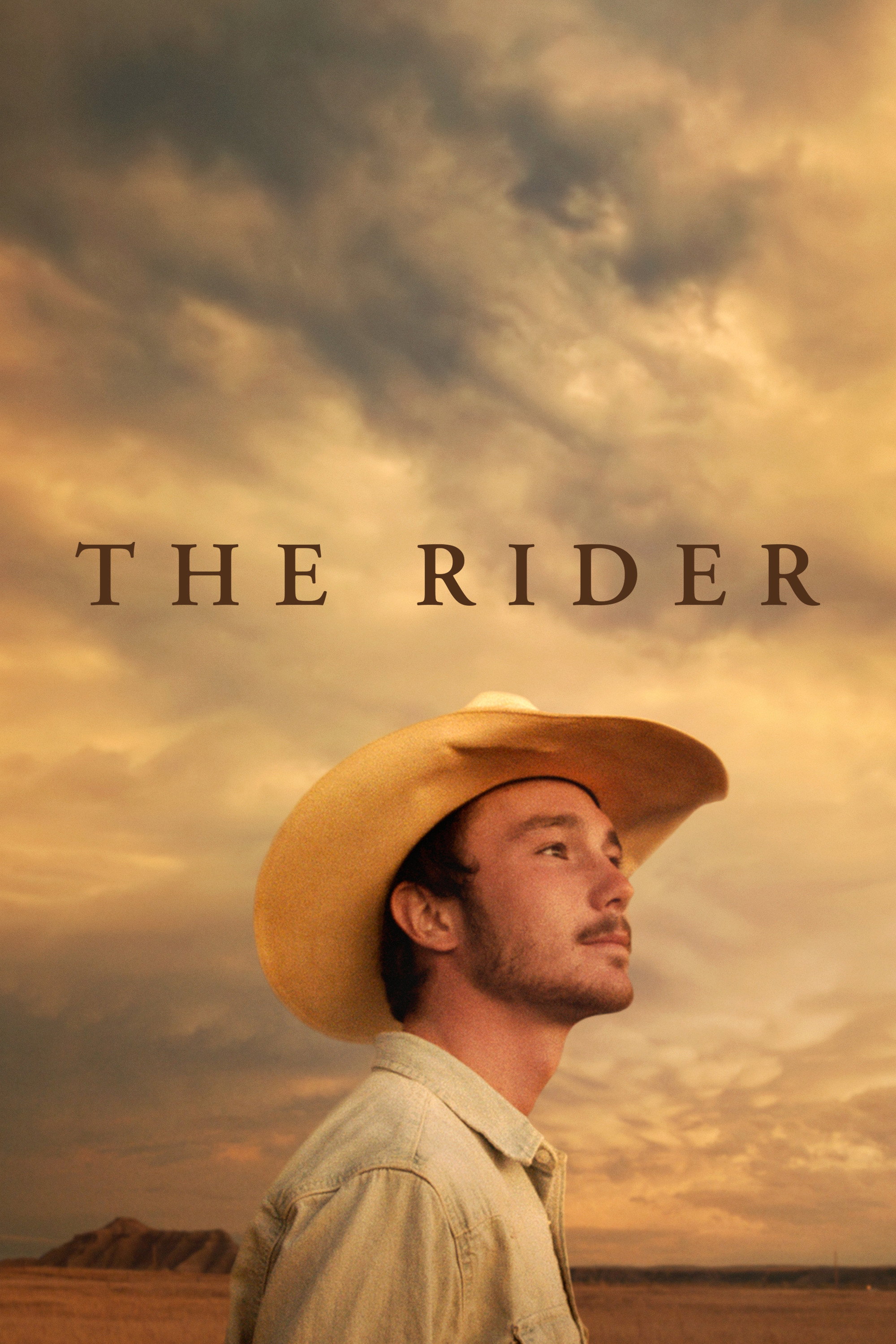
The Rider poster

The Rider

2017 · A quieter Western, equally patient with people and far less inclined to explain them

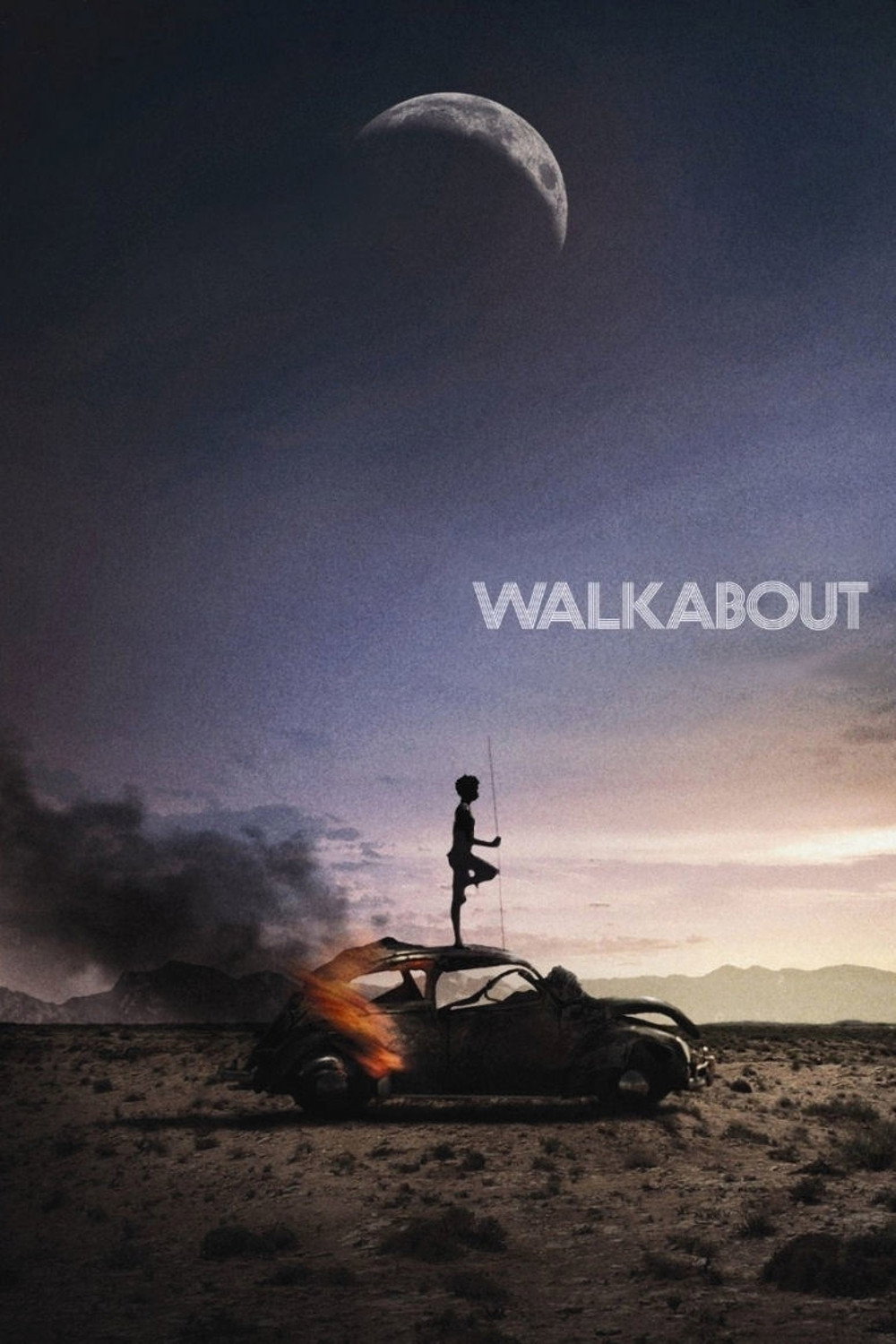
Walkabout poster

Walkabout

1971 · For the landscape and cultural estrangement, with considerably less comfort offered along the way

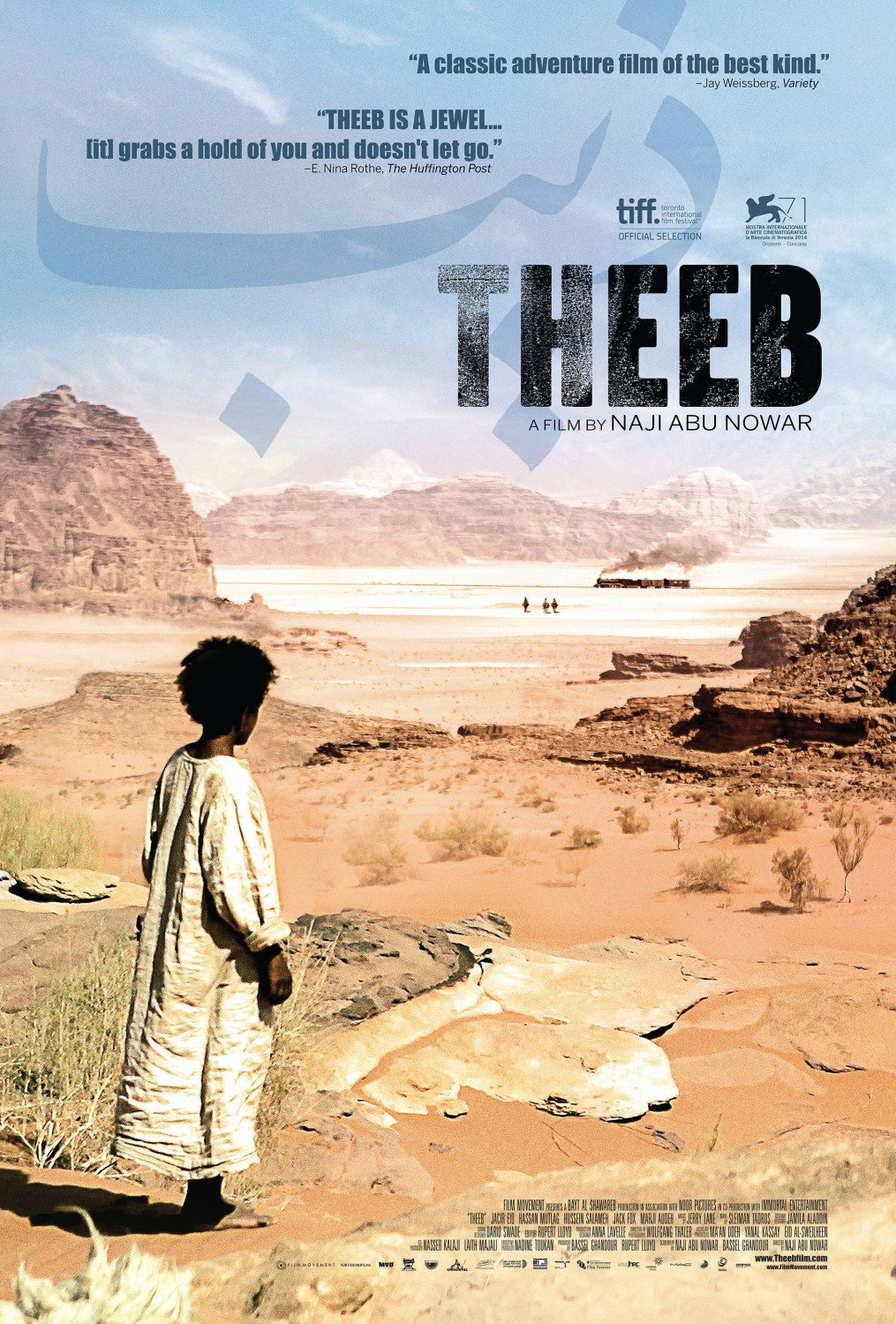
Theeb poster

Theeb

2014 · A desert journey whose beauty never makes the danger feel safely picturesque

The Searchers poster

The Searchers

1956 · For a much harsher reckoning with the Western hero’s claims to moral authority