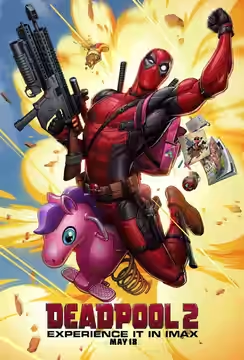
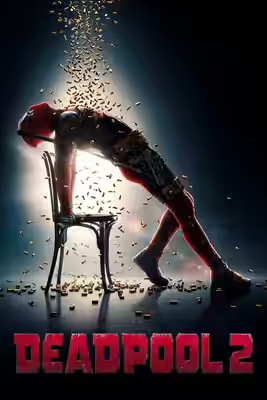
Ryan Reynolds keeps Deadpool 2 funny, and David Leitch makes the fighting worth following. The familiar plotting and relentless references wear it down, but this is good company for those already fond of the chatter.
Deadpool 2 is a good, noisy superhero comedy that would be better if it stopped checking that we had noticed the jokes. David Leitch gives the fighting enough shape and force to make the action worth watching between the insults. Ryan Reynolds supplies the essential pleasure: a performer who can make relentless chatter sound as though it has only just occurred to him. The film wants to mock superhero habits while keeping their violence, companionship and emotional reassurance. It succeeds often enough to earn the evening, provided the chatter is part of the attraction.
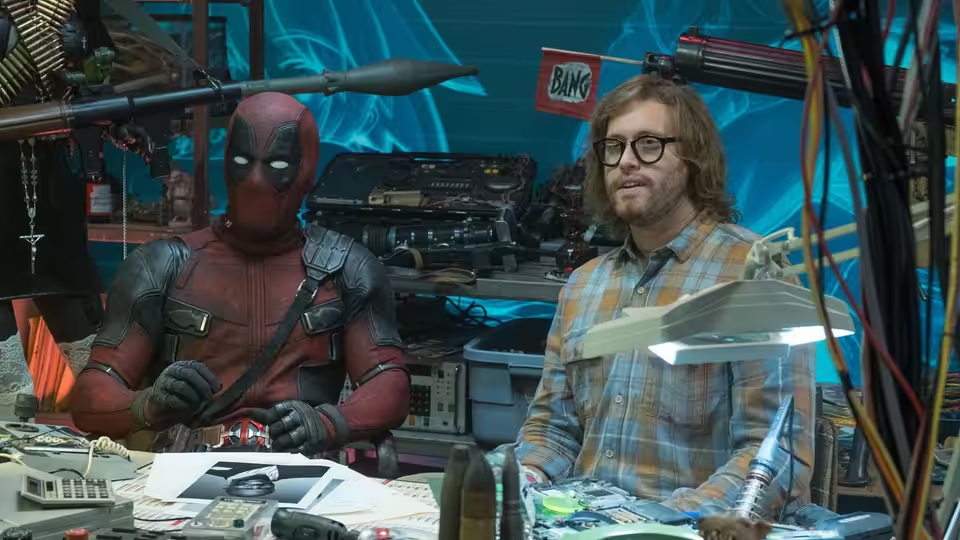
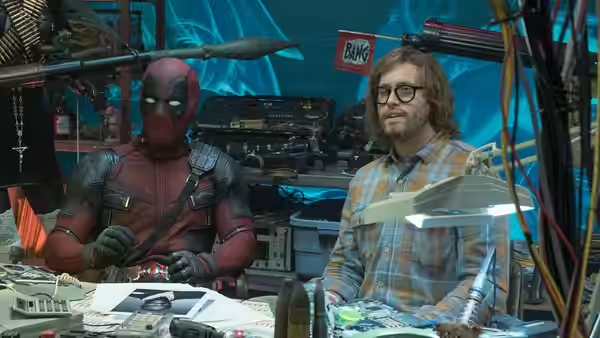
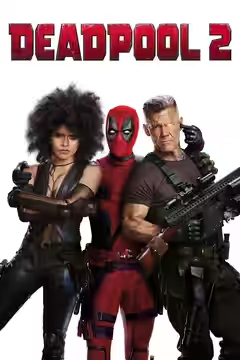
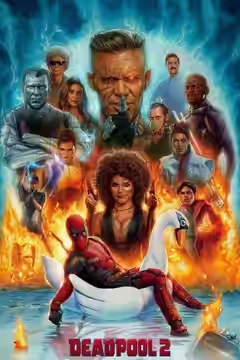
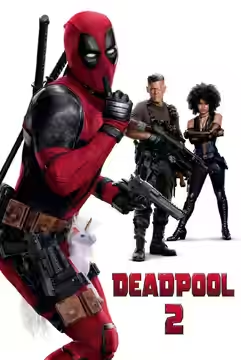
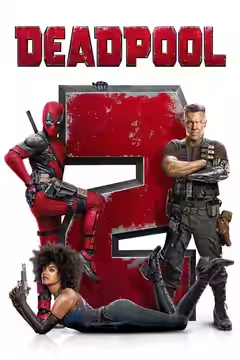
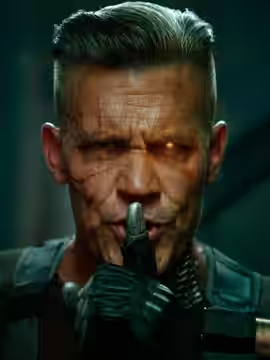
As Wade Wilson, Ryan Reynolds knows how long to let a crude line hang before moving on. He has the speed to pass over a weak gag without pausing for permission, and there are enough good ones to justify the tactic. Josh Brolin gives Cable the seriousness needed to make their scenes work; he does not compete for the joke. We laughed at their exchanges because Cable’s seriousness makes Deadpool’s chatter sound even more unreasonable. Their scenes give the dialogue some welcome changes of pace.
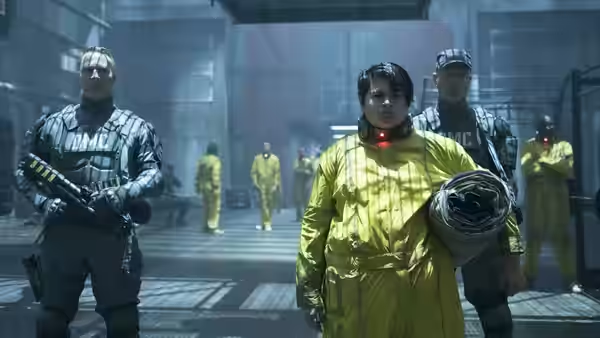
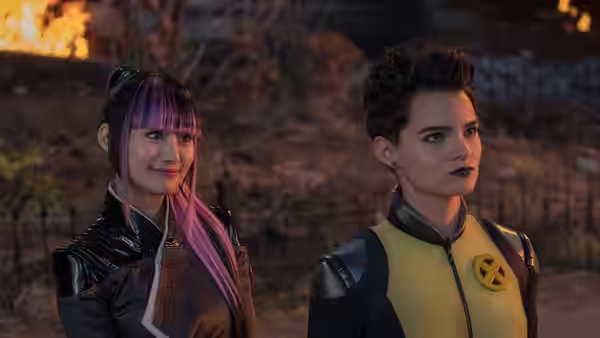
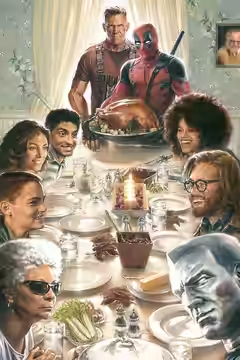
Julian Dennison brings a useful touch of vulnerability to Firefist without losing the comic timing. He makes the emotional passages feel less like a pause imposed on the comedy. Zazie Beetz is just as welcome as Domino, delivering jokes without the visible effort that sometimes creeps into the writing. Her action scenes have a playful inventiveness, and we would happily trade a handful of references for more of her. The supporting cast gives the film more variety than its central voice can supply alone.
David Leitch earns his place here through the action’s legibility: the convoy sequence has weight without becoming impossible to follow. Cinematographer Jonathan Sela keeps the physical business readable, so the fighting remains worth watching even when the jokes miss. Editors Craig Alpert, Michael McCusker, Dirk Westervelt and Elísabet Ronaldsdóttir give those passages a briskness that the surrounding dialogue does not always match. We can enjoy a piece of staging without needing another remark to tell us how absurd it is.
David Scheunemann’s production design gives the action space without offering much that stays with us afterwards. That seems a fair trade in a film with this many performers competing for attention. Tyler Bates’s score supplies the expected drive, though it is unlikely to be what we remember. The fighting and the comic delivery remain the chief attractions.
The script by Paul Wernick, Rhett Reese and Ryan Reynolds is less reliable about when to stop. Pop-culture references accumulate until recognising something is supposed to be enough to make us laugh, and some crude jokes arrive with little beyond their crudeness to recommend them. The emotional material is also too often interrupted before it has had time to register. This is frustrating because the cast can handle it, as the quieter strength in Josh Brolin’s performance makes clear. Familiar plotting would matter less if the film did not keep congratulating itself for knowing the formula.
As superhero parody, this is better at finding comic uses for familiar situations than at questioning them. We do not need it to overthrow a genre to enjoy its fights or its performers. But 120 minutes is a generous allowance for a comic voice with so few settings, and some trimming would have helped. Take it as an action comedy, with a high tolerance for chatter, and there is enough here to make the evening worthwhile.