The climbing in Fall 2: Deadpoint can still make us flinch, but recycled conflict and thin dialogue keep getting in the way. There is enough here for height-thriller devotees, provided they forgive the interruptions.
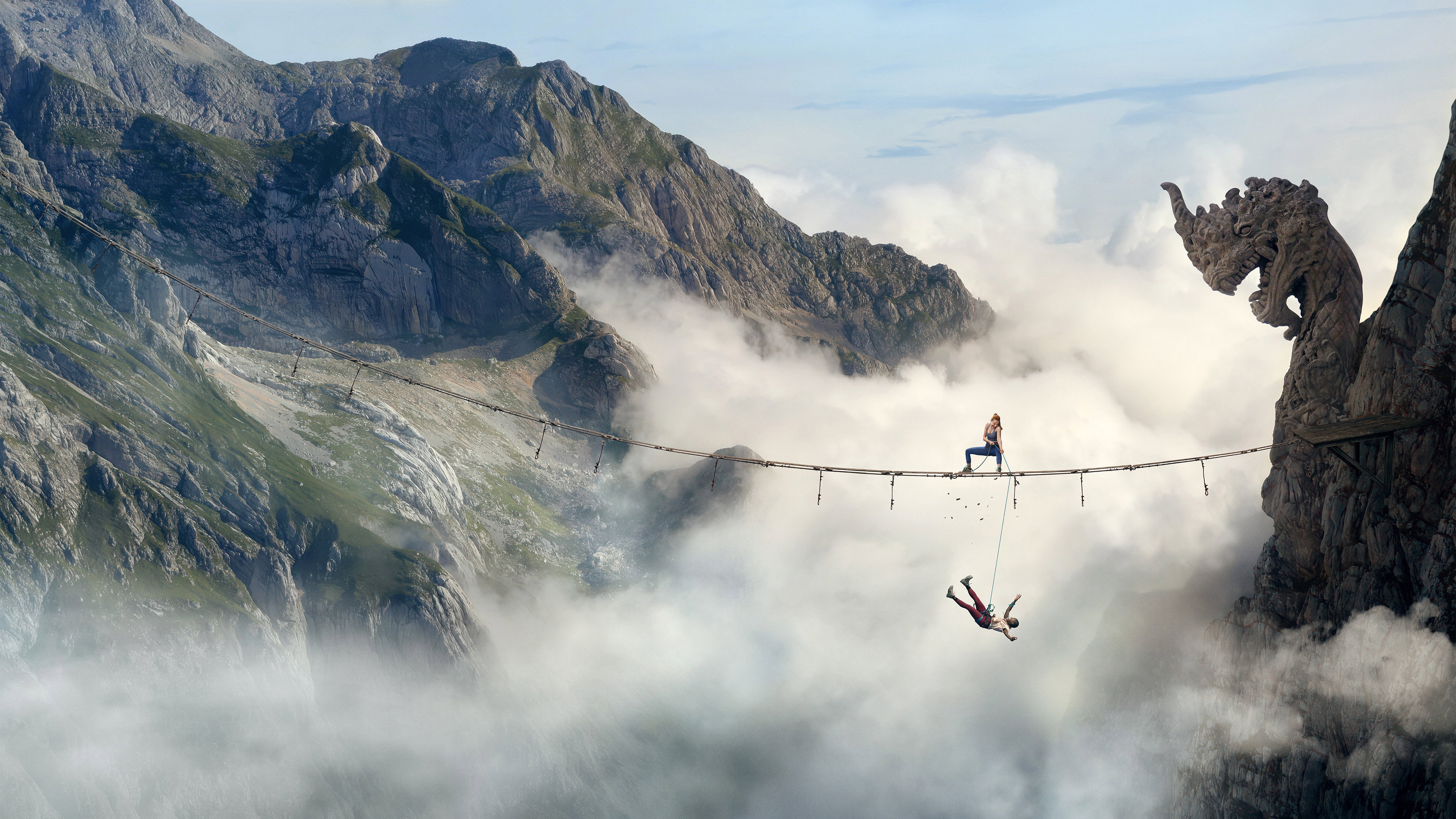
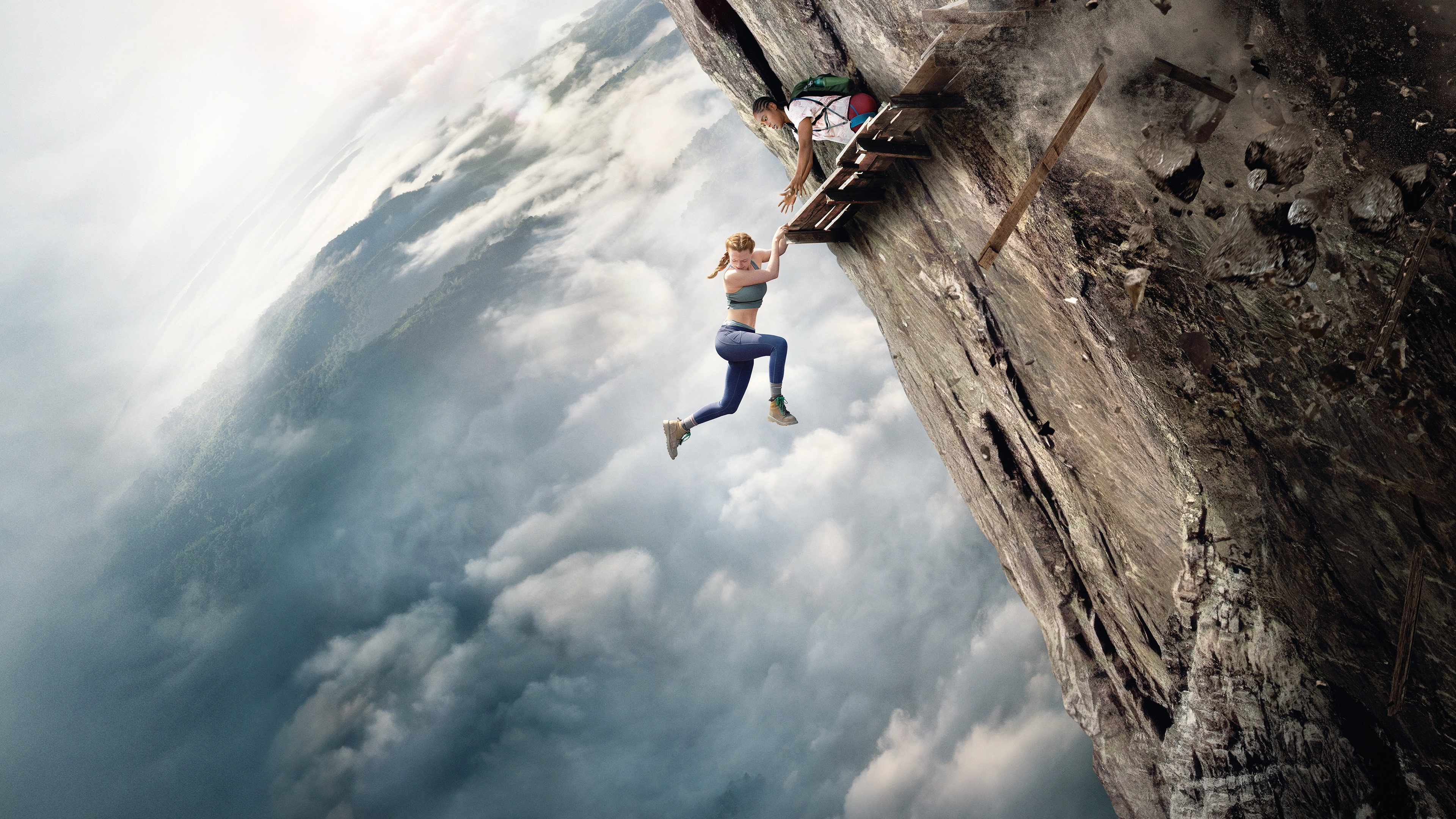
A plank walk on a Thai mountain is quite enough to support a thriller, and Fall 2: Deadpoint gets a respectable amount of discomfort from it. Peter Spierig and Michael Spierig pile on problems, sometimes moving along before a danger has had time to become unbearable. We would give it a qualified recommendation to anyone with a taste for climbing peril. The trouble is the amount of familiar personal drama attached to the climb.
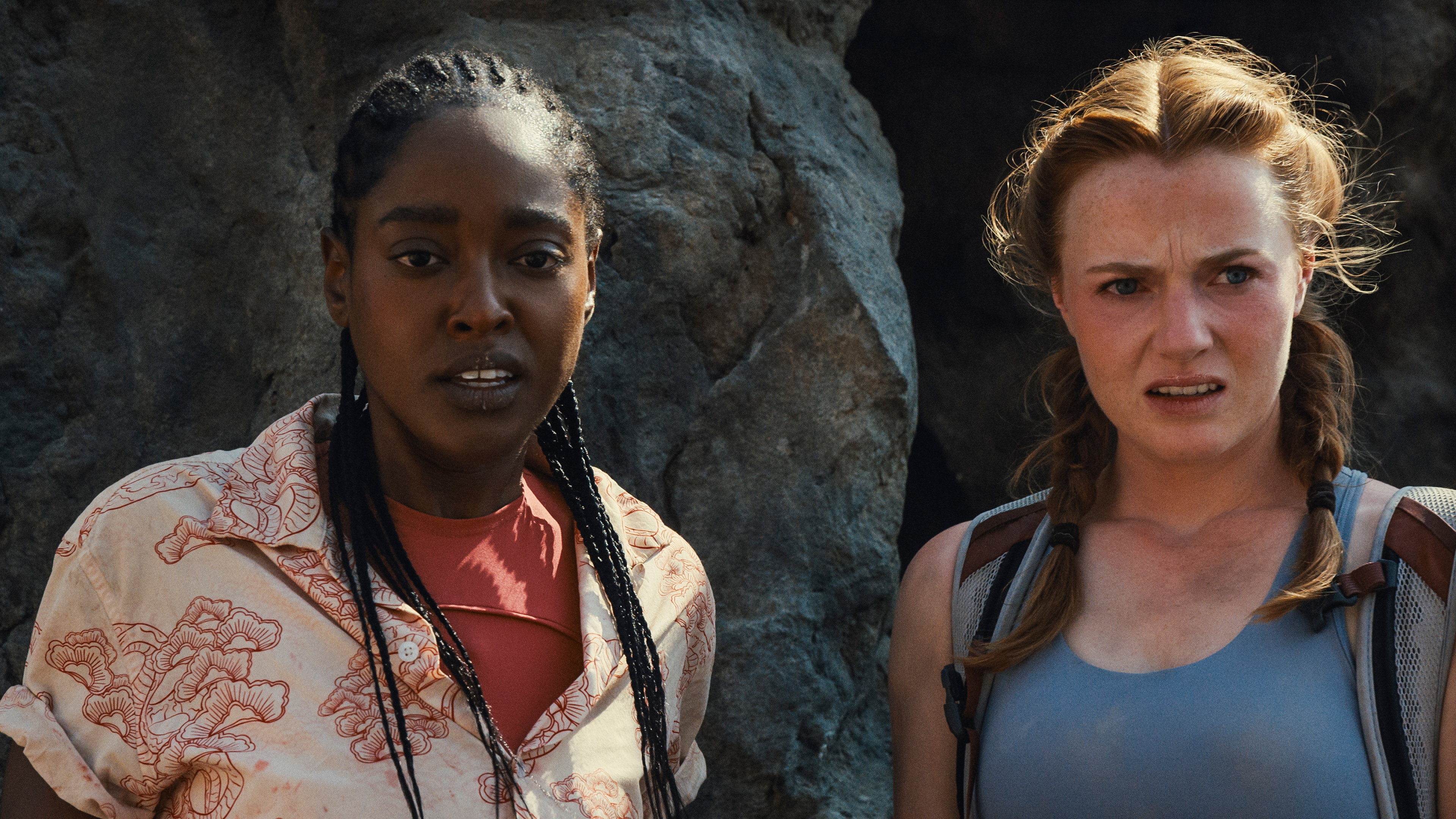
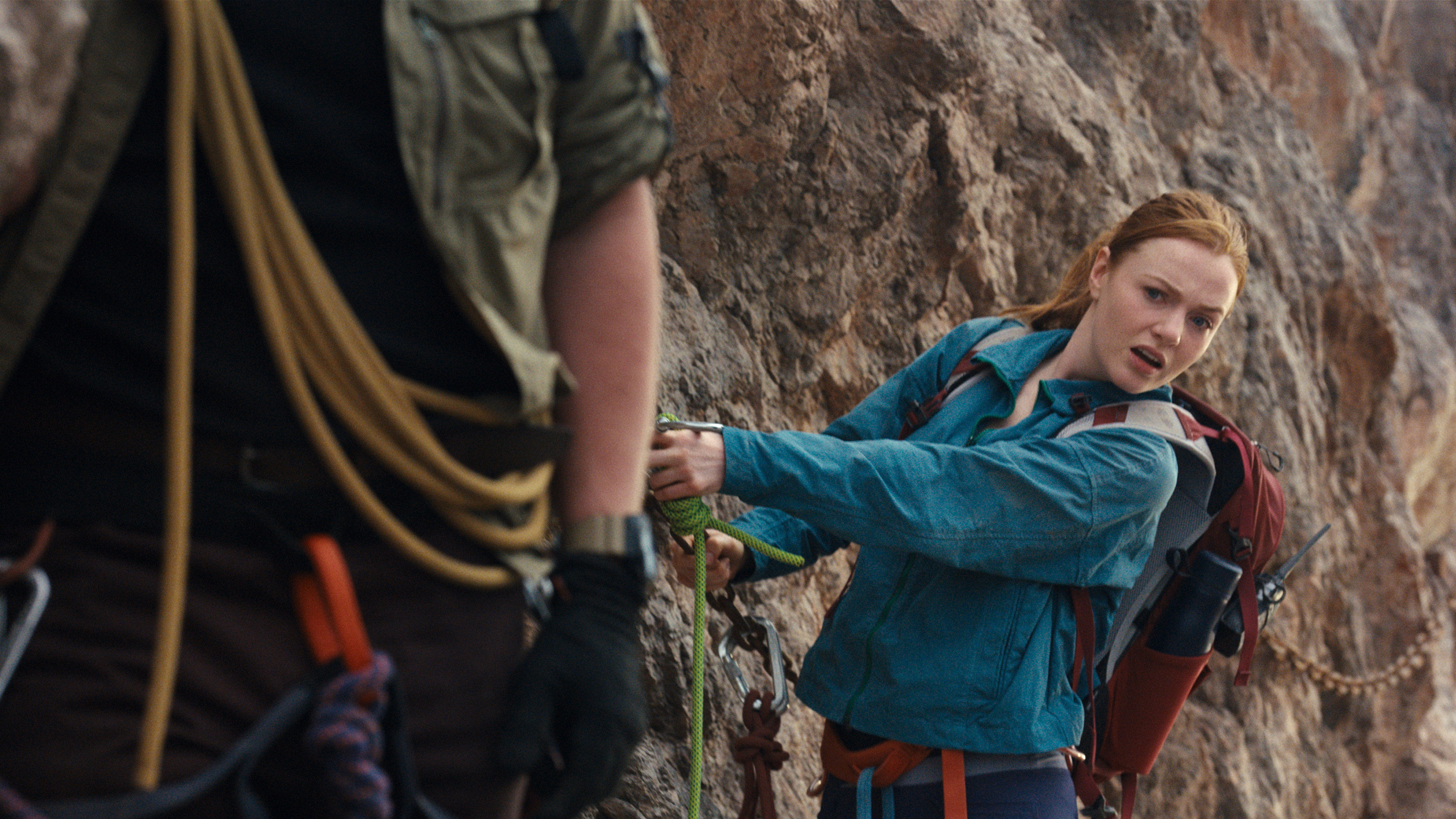
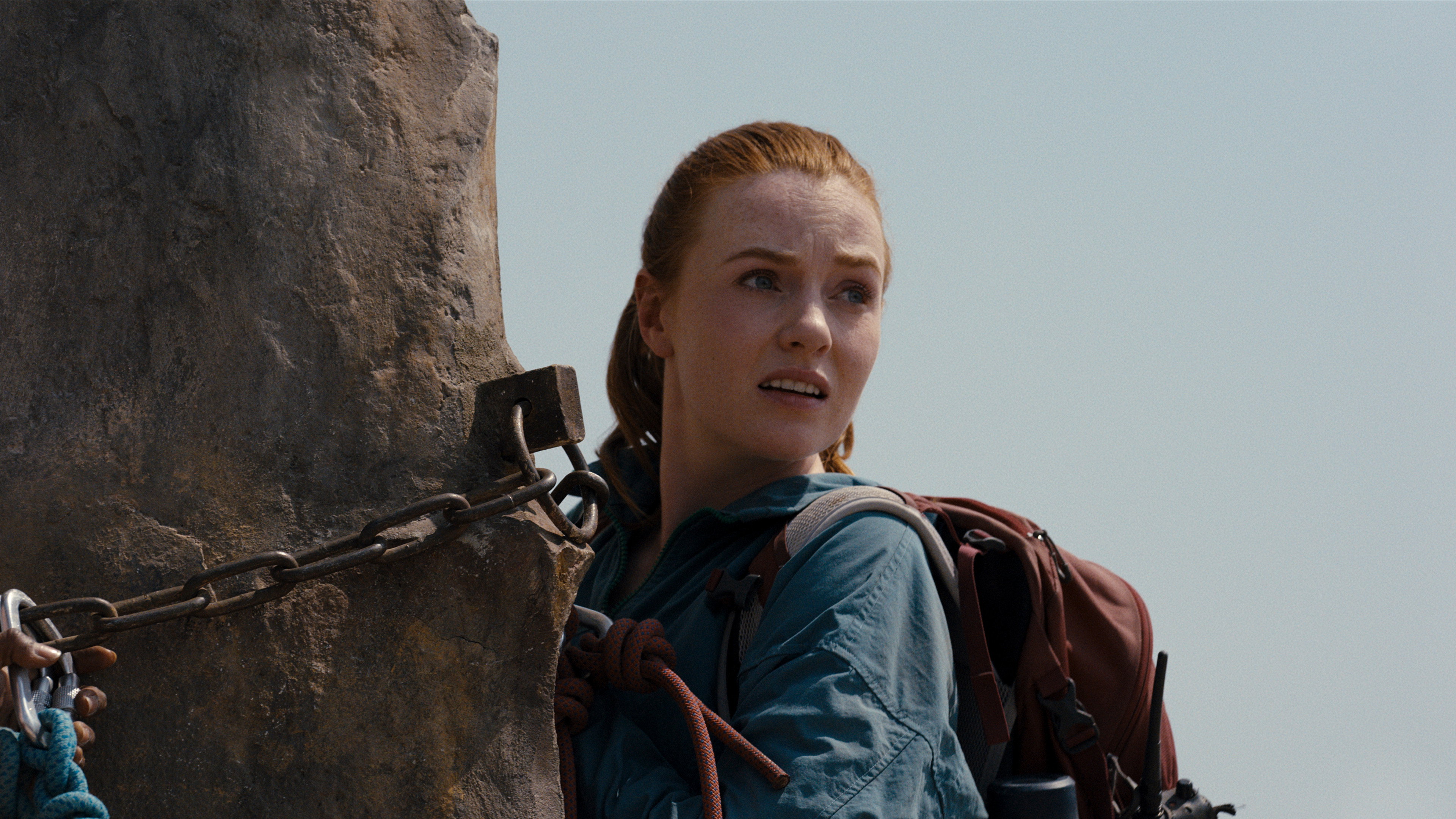
Harriet Slater’s Jax Hunter and Arsema Thomas’s Luce supply the human reason to keep watching. Thomas is particularly good at making the physical jeopardy matter, while Slater helps keep the partnership involving despite the thin writing. Jonathan Frank and Scott Mann give the women ingenuity, but too little character beyond the conflicts needed to complicate their predicament. Their dialogue is basic enough that the performances have to do much of the work.
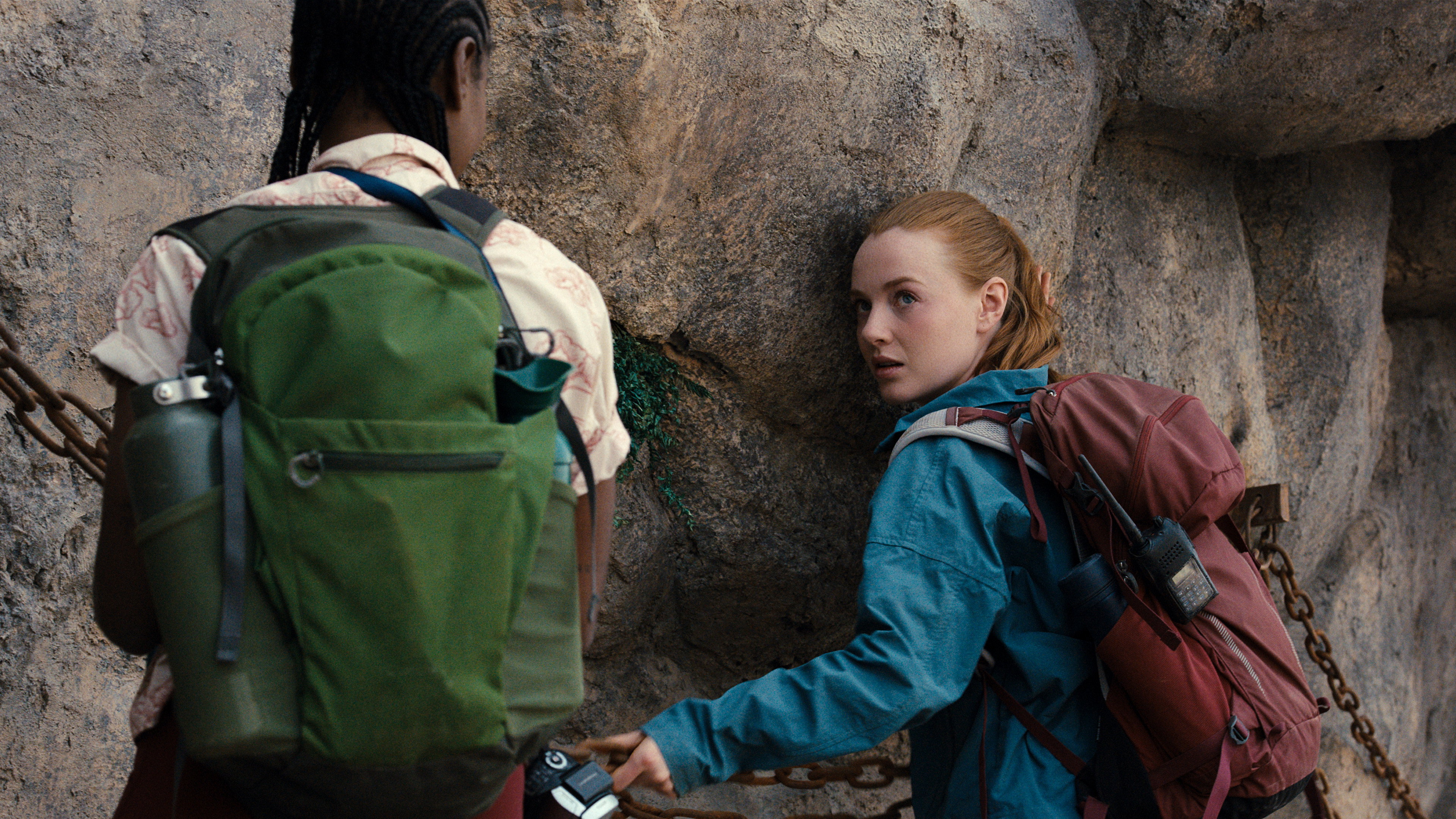
We winced at the plank walk. The thought of trusting the next piece of wood with a person’s weight did it; the film needs little explanation when the danger is that easy to understand. Andrew Strahorn’s cinematography makes the climbing uncomfortable, although the rock face does not consistently look frightening. The strongest passages give us a physical task we can follow, but the less convincing effects sometimes make the height easier to dismiss.
Jacinta Leong’s production design gives the film a useful centre in the plank route, where an ordinary movement can become an ordeal. That is a sound basis for suspense, and the women’s attempts to negotiate the terrain hold our attention. Tim Despic’s music cannot make the surrounding personal drama feel equally pressing. There is already enough to worry about in the effort of getting across.
Co-editor Tommy Aagaard favours speed, which helps the succession of obstacles but leaves some climbs feeling hurried. A climbing thriller needs time for us to consider an unpleasant possibility before the next one arrives. Here, the repeated use of flashbacks also takes attention away from the immediate business of survival. We could have done with less background explanation and more patience with the danger in front of us. The film runs 98 minutes.
Frank and Mann’s personal conflicts too often feel borrowed from the first film. There is room for silliness in a thriller like this, but each new complication ought to make the women’s situation harder to escape or harder to bear. Too much of this material merely adds something else to explain. The Spierigs satisfy the basic survival-thriller requirement of putting a frightening obstacle in the way, then too often interrupt the effort to get past it.
We would keep expectations modest and come for the practical problem of getting two people across something nobody should be walking on. Slater and Thomas make that a sufficiently involving prospect, even when the script gives them little help. Give it an evening if heights already make you uneasy; expect the conversations to offer a breather.