Kathy Bates and Mary Stuart Masterson help make Fried Green Tomatoes an affecting drama of female friendship. Its warmth earns an evening, though the script is too cautious about the lives it celebrates.
Jon Avnet’s Fried Green Tomatoes is worth an evening for its women, though it is more timid about their lives than it ought to be. Adapted from Fannie Flagg’s novel, it moves between friendships in two different periods of the American South, including the 1930s. Avnet treats the pleasure and strength these women find in each other’s company seriously. The difficulty comes when his determination to be reassuring starts making their world look easier than the story suggests.
Kathy Bates and Jessica Tandy play Evelyn Couch and Ninny Threadgoode, and their scenes establish the value of simply spending time with these women. Bates is engaging without demanding affection, while Tandy makes the quieter exchanges count. The screenplay, by Fannie Flagg and Carol Sobieski, understands that companionship can sustain a story without a romance taking charge. Both actors make the attention paid to this friendship feel worthwhile.
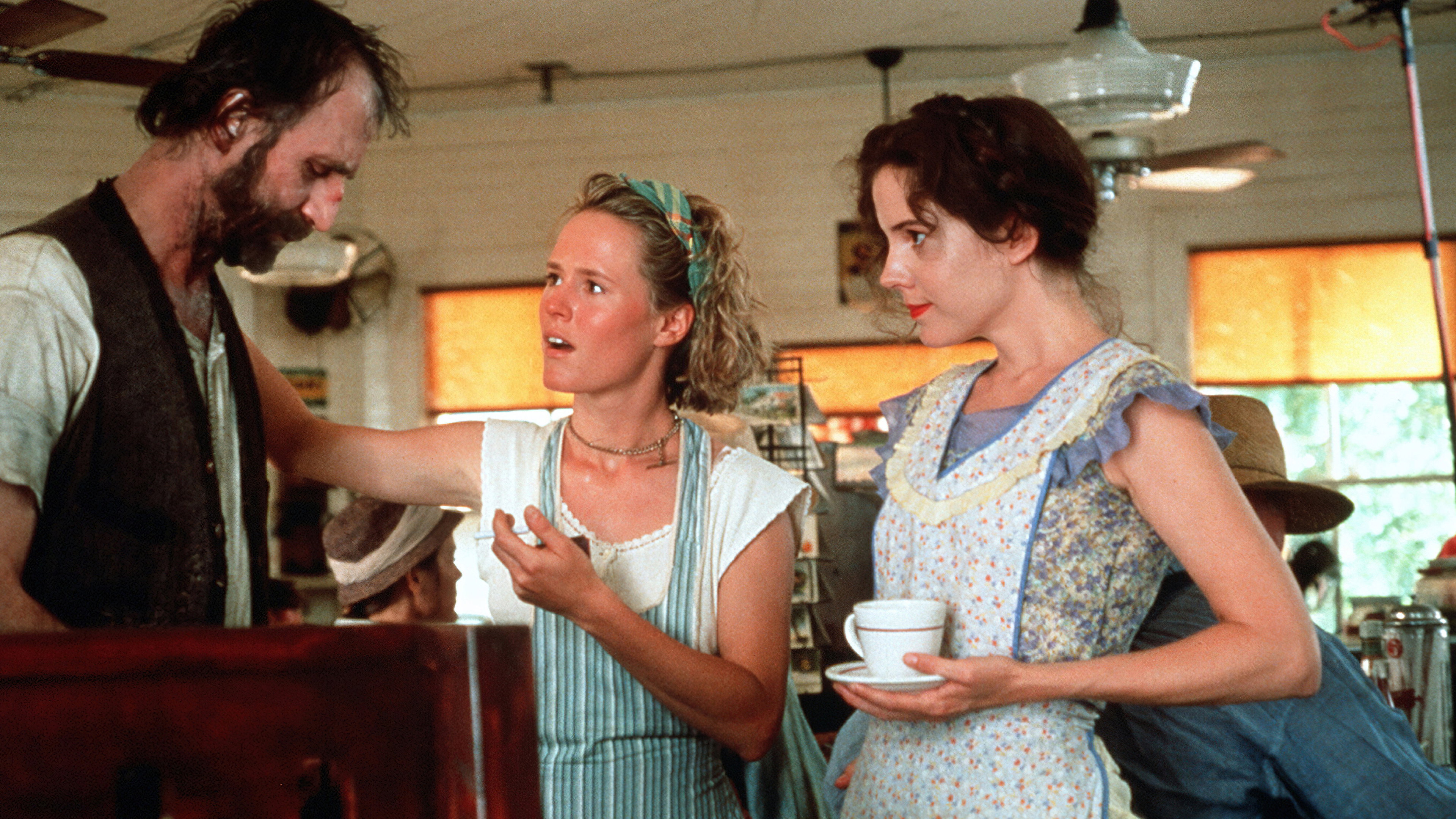
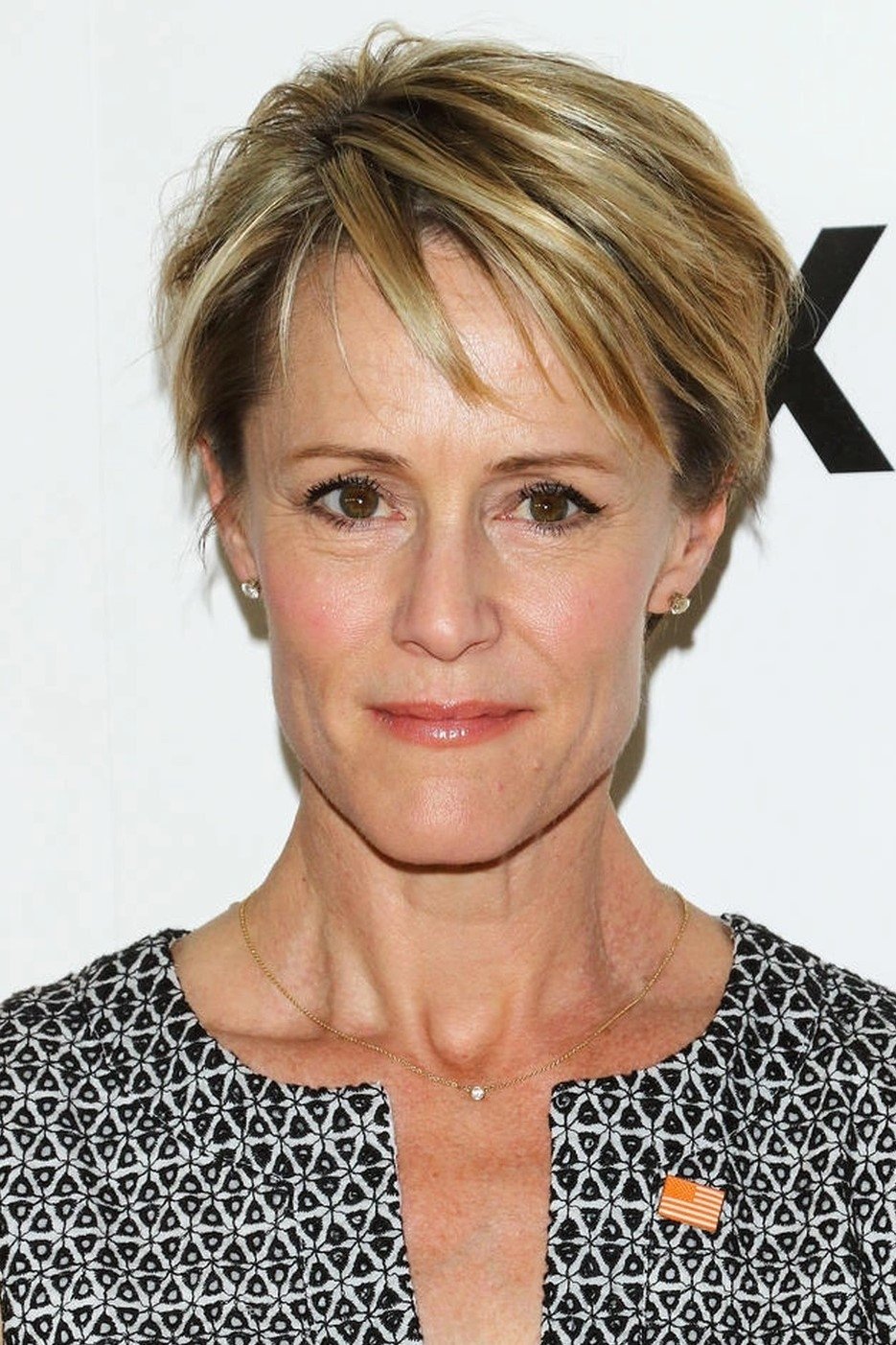
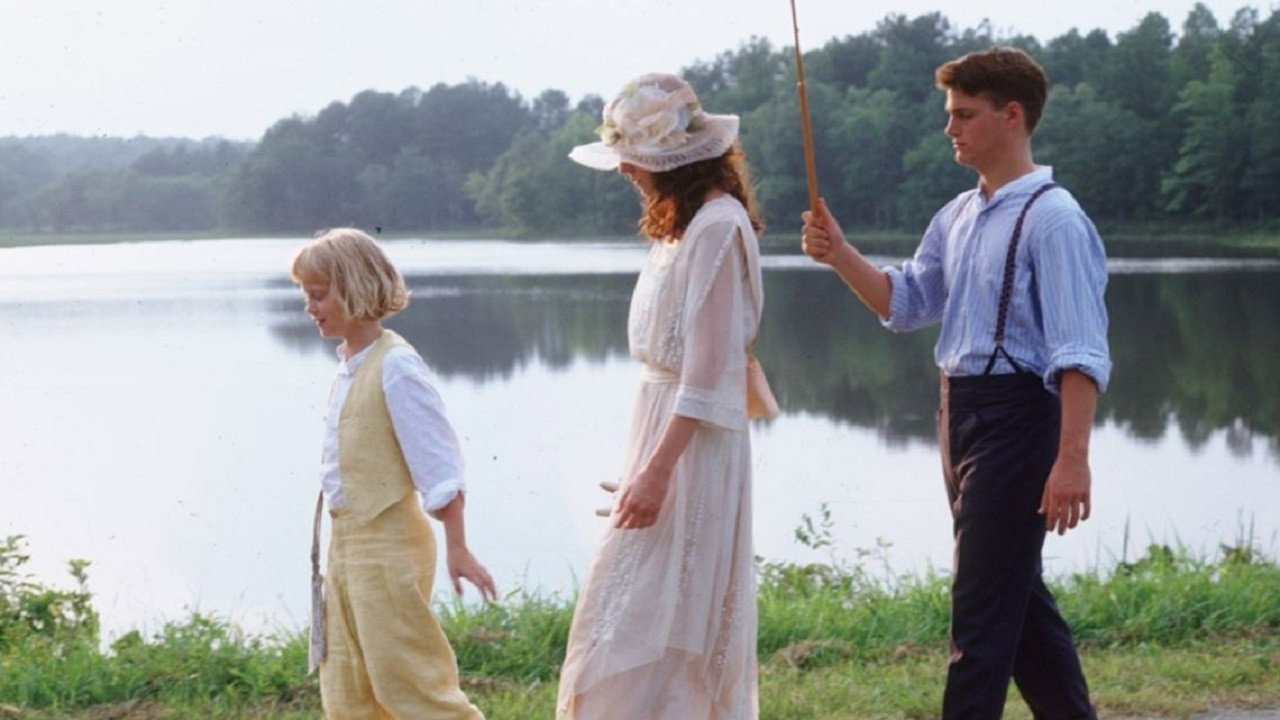
Mary Stuart Masterson, as Idgie Threadgoode, gives the earlier story its liveliness, with Mary-Louise Parker’s Ruth Jamison providing a steadier presence alongside her. Masterson makes Idgie’s resistance to behaving as expected enjoyable without reducing her to a collection of amusing habits. We were moved by Idgie’s loyalty to Ruth, which Masterson plays with a fierce, practical energy. Parker keeps Ruth from being overwhelmed by that performance, and their scenes make the 1930s story the one we are most eager to return to.
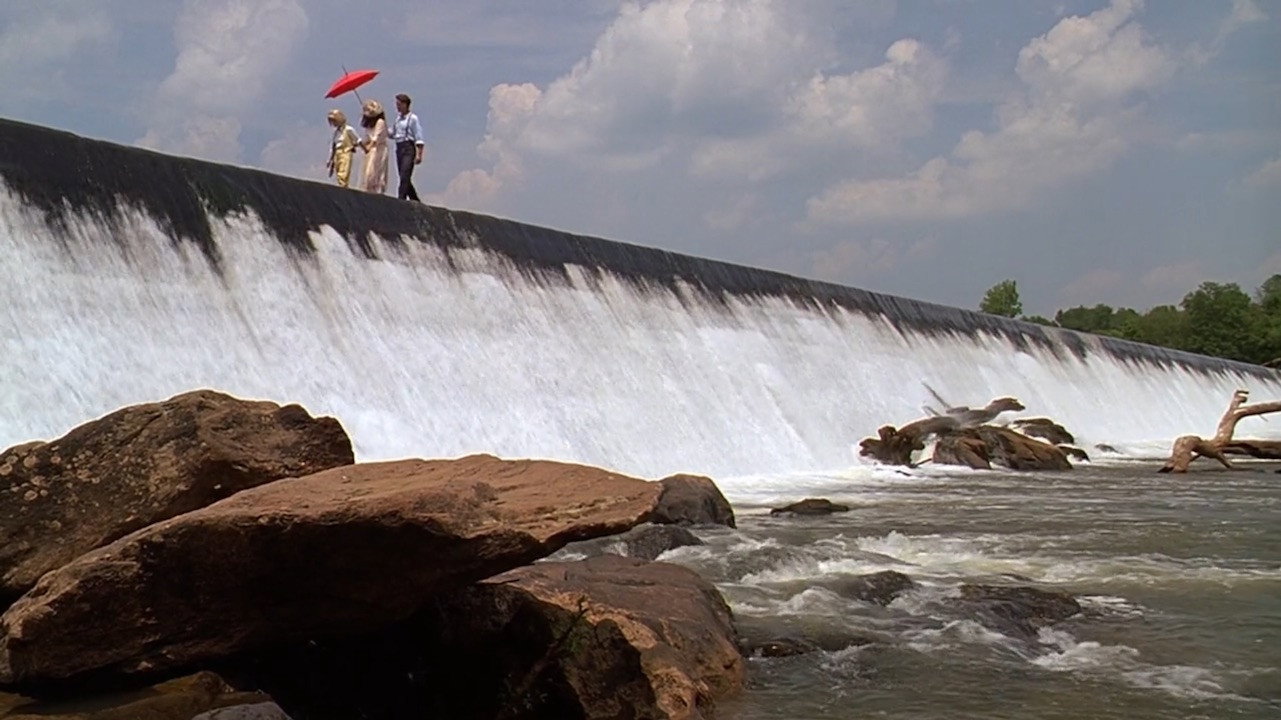
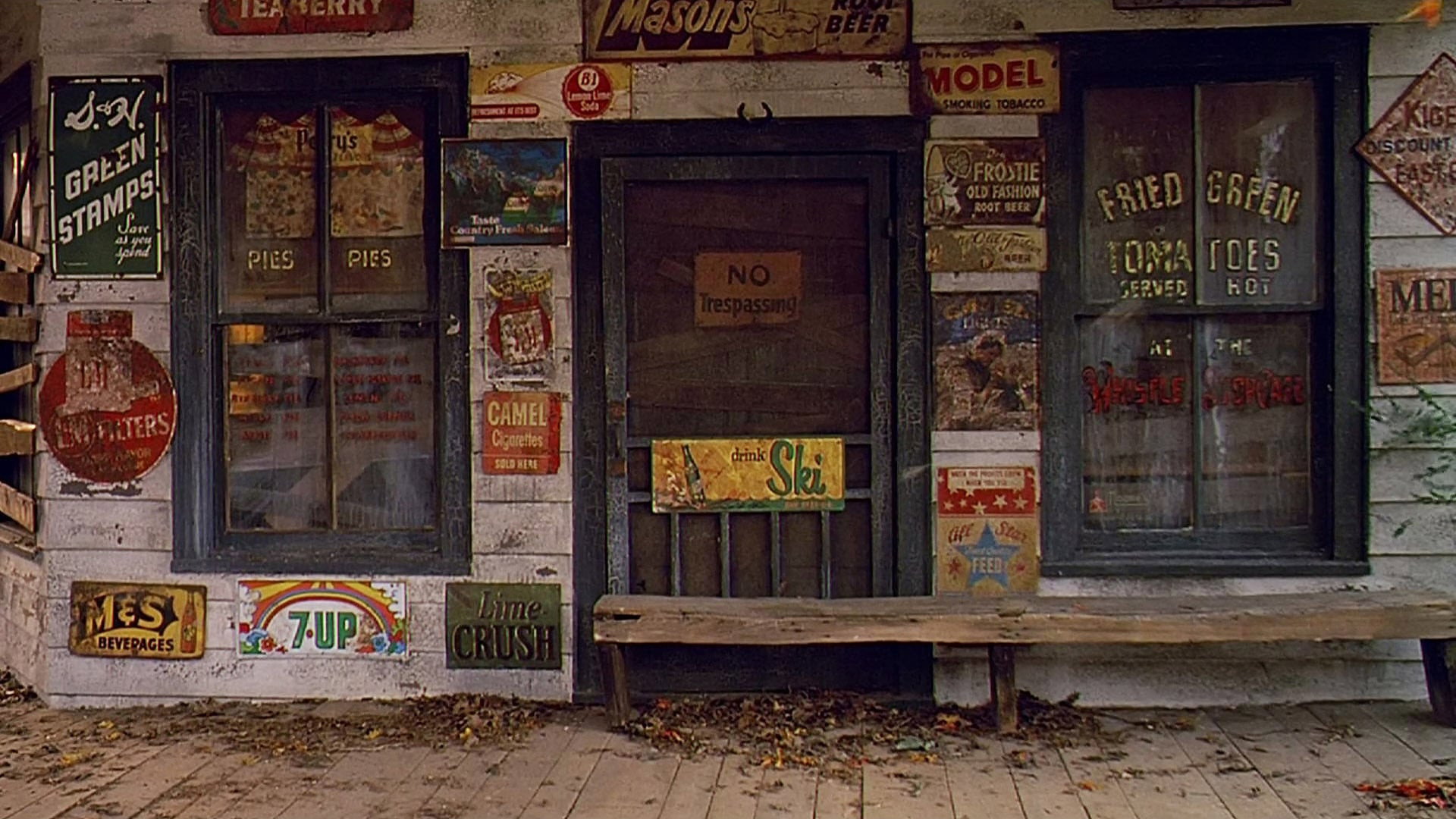
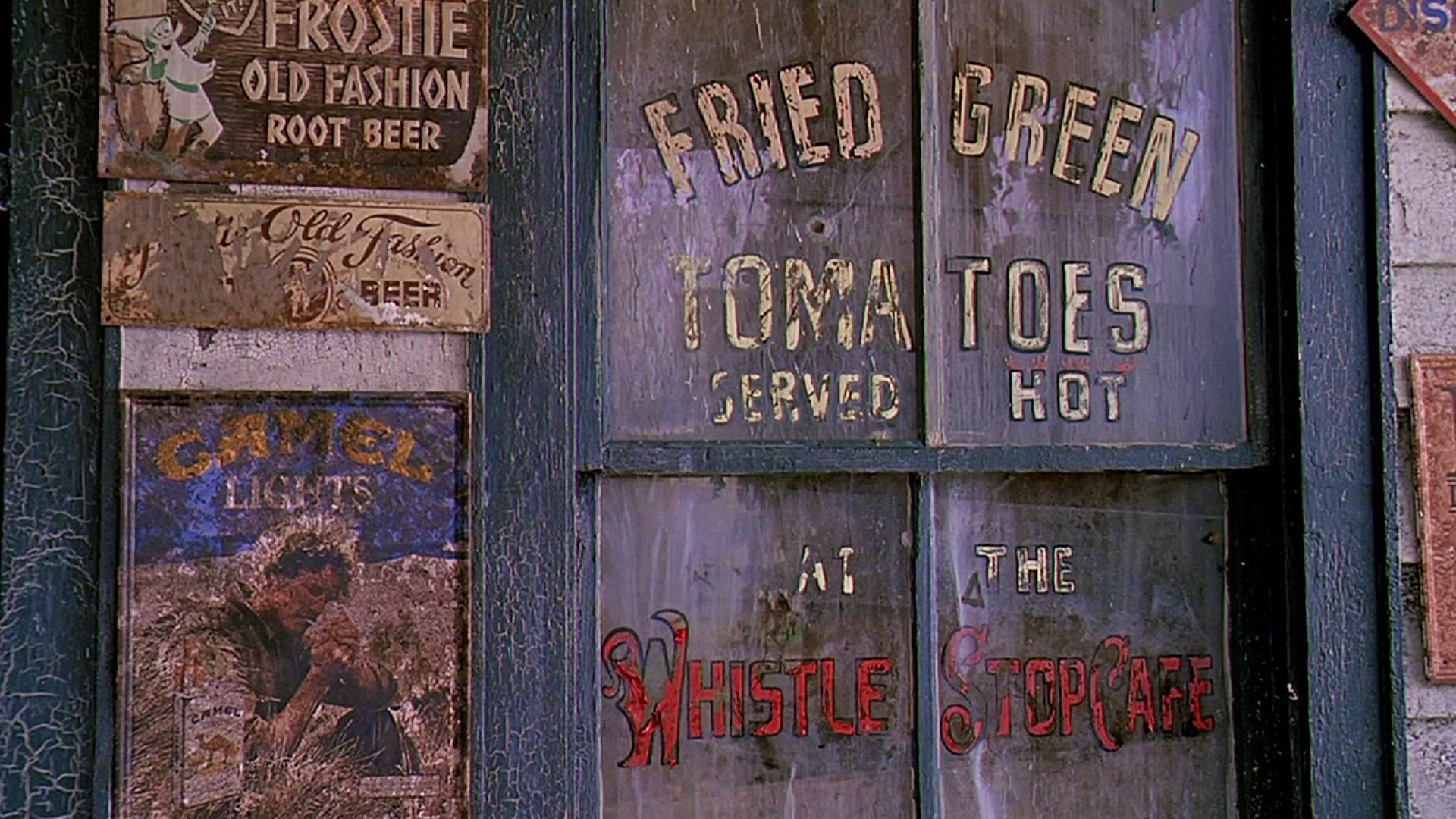
Geoffrey Simpson’s cinematography makes the historical South inviting, sometimes to the point of distraction. Barbara Ling’s production design supports that feeling of a place where the women belong and where we would be happy to linger. This helps the friendships feel rooted in a shared life, but gives too little weight to the difficulties of the setting. The film settles too readily for a visitor’s view of the South, leaving the actors to supply much of the resistance and discomfort.
Debra Neil-Fisher’s editing handles the movement between decades without making the structure feel like homework. The difficulty is that the 1930s strand repeatedly makes the other story seem less urgent; a clean transition cannot make the two equally compelling. At 130 minutes, the film gives its warmth plenty of room, and there are stretches where it could usefully get on with things. Thomas Newman’s score supports the affection between the women, though its encouragement occasionally feels unnecessary when the actors have already persuaded us.
Flagg and Sobieski are less assured when the film needs to examine the choices it celebrates. Idgie’s sexuality is handled so cautiously that the film gives itself less to say about the courage it otherwise admires. There is no need to make every relationship into a declaration, but the film seems anxious about unsettling anyone who might otherwise enjoy its warmth. The plotting also has a few conveniently arranged turns that make encouragement arrive rather too neatly.
A friendship drama needs to make its company worth the time, and these four performances do that. The humour helps, allowing the women to be enjoyable without every exchange having to improve somebody’s life. The film’s habit of underlining its sentiment is easier to forgive when Masterson is there to provide some unruliness. It is a sound choice for a quiet evening, provided a little insistence on the uplifting does not put everyone off.