Film review

Frost/Nixon

2008 · Directed by Ron Howard · 2h 02m · MPA R

In a sentenceA television interview for anyone who finds a car chase insufficiently stressful

DramaHistory

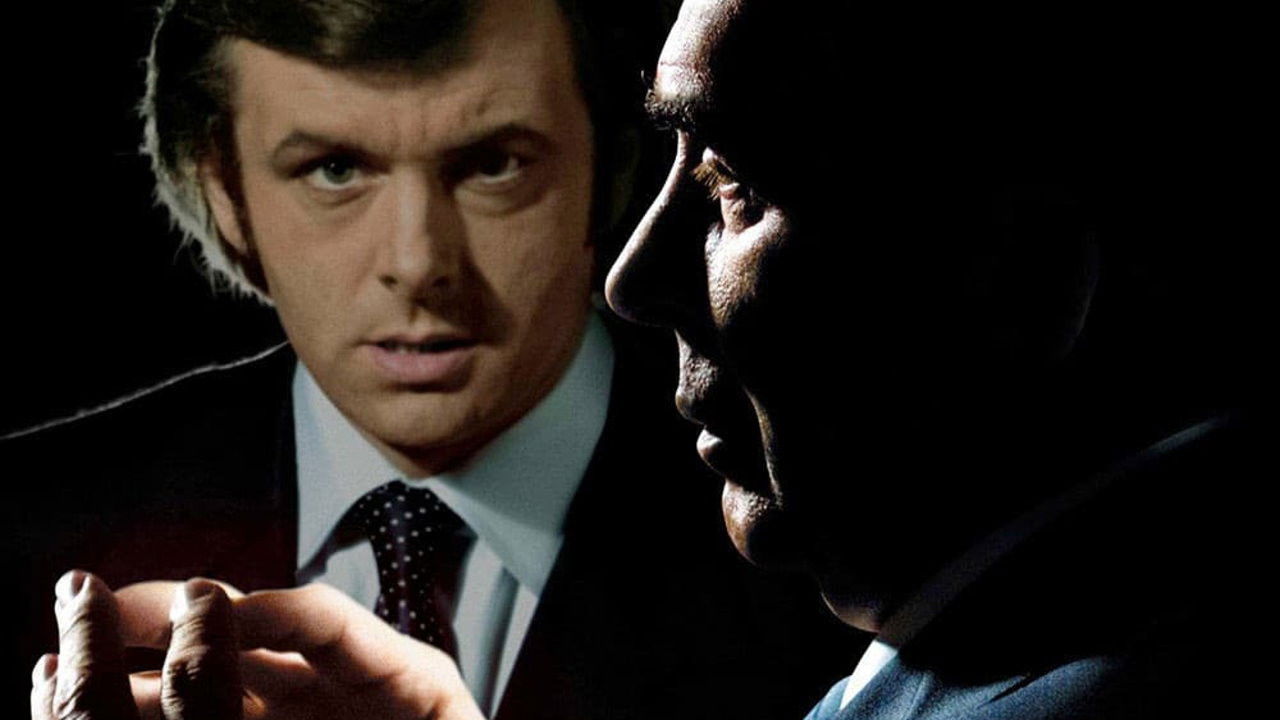
David Frost (Michael Sheen) prepares for a series of television interviews with Richard Nixon (Frank Langella). Both men see the encounter as a chance to change how they are regarded, but their ambitions do not make them natural allies. Before they can face each other, preparations and competing expectations turn the proposed conversation into a contest. Frost must work out how to question a man who has his own ideas about what the audience should hear. Ron Howard directs this drama about the lead-up to the interviews and the struggle between two public figures to control what television reveals.

Fi1m review

Ron Howard makes a tense, absorbing contest out of the Frost–Nixon interviews, with Frank Langella making Nixon uncomfortably sympathetic. The sporting structure makes the politics too tidy, but the two leads make it worth the compromise.

Ron Howard’s Frost/Nixon is an absorbing drama with a simplifying habit: it wants us to watch a television interview as we would watch a sporting contest. There is preparation, an apparent underdog and the expectation that somebody will prevail. Peter Morgan’s screenplay makes that an effective way into two men’s ambitions, even when it narrows our interest in what they are discussing. We recommend it for the actors and for the tension Howard gets from conversation. It sustains that tension through most of its 122 minutes.

Michael Sheen’s David Frost has the charm the part needs, and Sheen makes it feel like a professional skill that might fail him. His likeability matters because the underdog treatment could otherwise make Frost an irritatingly convenient person to support. We can enjoy his confidence while remaining interested in how well it will withstand another man’s scrutiny. The performance gives the contest some uncertainty, even though Howard works rather hard to tell us which man faces the greater challenge.

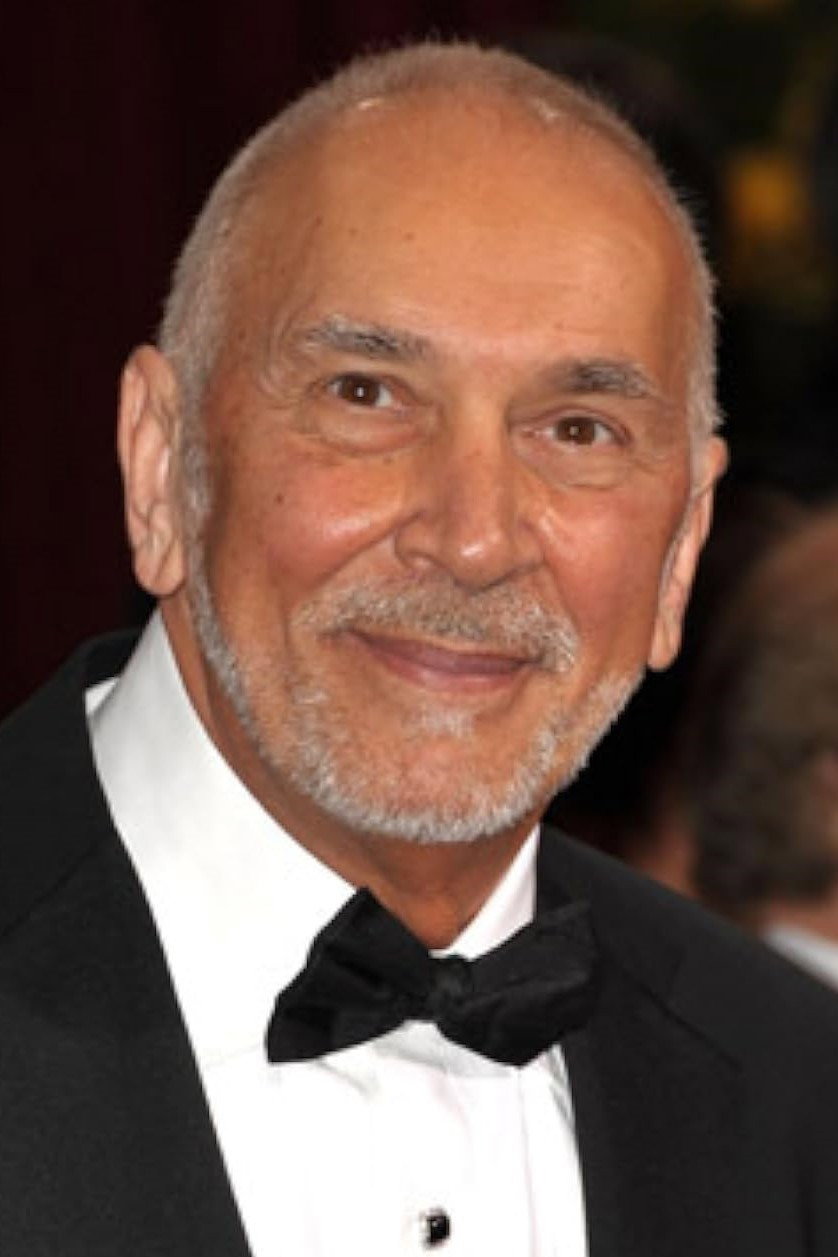
Frank Langella’s Richard Nixon is the stronger reason to watch, partly because the performance keeps obstructing an easy response. The intelligence and charm are there, along with a vulnerability that does not make him harmless. We felt an uncomfortable sympathy for him in the interviews, because Langella lets the need to be understood show through the effort to stay in control. He makes Nixon’s wish for a sympathetic hearing seem plausible without asking us to forget his capacity for manipulation. His Nixon can be likeable, and the performance leaves us wondering how much of that has been rehearsed.

Salvatore Totino’s cinematography is most effective when a close view of a face becomes sufficient action. Langella gives the camera enough to look at without requiring Howard to keep finding diversions from the conversation. Michael Corenblith’s production design keeps the television setting unobtrusive enough for the men to dominate it. That helps us notice how much of this contest concerns appearance. Both men want to control what the audience sees of them.

Editors Mike Hill and Daniel P. Hanley keep the preparations moving and make the approach to the interviews feel purposeful. The talking-head interludes are less helpful, interrupting a drama whose performances already tell us how much is at stake. We do not need quite so much assistance in deciding what matters. Hans Zimmer’s score adds to the pressure, though it can make the occasion feel grander than the exchanges justify. There is enough tension in the questions without further encouragement.

The limitation is Howard and Morgan’s enthusiasm for a contest with a clear result. Nixon’s political wrongdoing receives less attention than the question of how he will perform under pressure. That limits how much the film can tell us about him. We understand why an audience might root for Frost; we get less help in deciding what these interviews can actually establish. The film’s attention to vulnerability also softens Nixon enough to make us wish it had kept more of the danger that Langella occasionally suggests.

The familiar underdog shape makes this accessible without any specialist appetite for political history. We would have preferred a little less guidance about whom to back, especially with two actors capable of holding our attention unaided. Watch it for Sheen and Langella, with some caution about the history lesson.
Critical consensus AI synthesised

74
Positive
11
Mixed
2
Negative
1

Most critics find Frost/Nixon an absorbing drama, with praise centred on Frank Langella and Michael Sheen. Langella draws particular admiration for making Nixon charming, calculating and vulnerable, while Sheen gives Frost enough ambition and uncertainty to sustain the contest. The reviews repeatedly describe Ron Howard’s approach as a boxing match or underdog story, crediting that structure with turning extended interviews into tense entertainment. Several also welcome the emphasis on the men’s competing needs rather than a straightforward division into hero and villain.

Reservations concern historical depth, invented drama and the move from stage to screen. Some critics find the adaptation energetic; others think it remains a talk-heavy play despite Howard’s efforts. The New York Times finds the portrait insufficiently dangerous, even while admiring the leads. The spread is wide: Slant Magazine rejects the film’s self-importance and argues that its showbusiness focus sidelines Nixon’s crimes, a much harsher judgement than most critics offer.

RogerEbert.com
10 December 2008 · ★★★★/4 · Roger Ebert
100

The film succeeds as a spellbinding thriller centered on the tense interviews, with strong performances by Frank Langella and Michael Sheen that embody the characters' deep needs and vulnerabilities.

Read the full review →
The AV Club
4 December 2008 · A- · Nathan Rabin
90

The critic praises the film for finding a fresh angle on Nixon through the lens of two men seeking redemption, with the story structured like a sports underdog tale. He singles out Langella's masterful performance highlighting Nixon's charm, guile, and self-sabotage.

Read the full review →
Los Angeles Times
5 December 2008 · Kenneth Turan
85*

Howard takes a strong play and makes it even better, delivering involving, engrossing cinema thanks to professional skills and standout performances, especially Langella's Nixon.

Read the full review →
Time Out
20 January 2009 · ★★★★ · Dave Calhoun
80

The film successfully preserves the strong stage performances of Michael Sheen and Frank Langella while turning the material into an energetic sports-movie-style underdog story. It is not Sheen's best work but remains likeable thanks to his charm and Langella's vulnerable Nixon.

Read the full review →
Empire
10 May 2007 · festival review · Ian Nathan
75*

The critic praises Michael Sheen's pitch-perfect, layered portrayal of Frost and Ron Howard's dynamic, sports-movie-like adaptation that turns the interviews into gripping drama. They note it celebrates journalism effectively but find Frank Langella's Nixon lacking sufficient menace and the film light on historical depth.

Read the full review →
Evening Standard
10 April 2012
75*

The critic enjoys the film as a sharp battle of wits and character study devoid of heroes, highlighting Frank Langella's sublime, nuanced Nixon and Michael Sheen's magnetic, multifaceted Frost. They note the faithful adaptation may underwhelm fans of the play but succeeds as engaging drama about television and manipulation.

Read the full review →

Cast

Stills

Awards

Academy Awards, 2009

Nominated
Best Actor
Nominated
Best Director
Nominated
Best Film Editing
Nominated
Best Picture
Nominated
Best Writing, Adapted Screenplay

If you liked this, try…

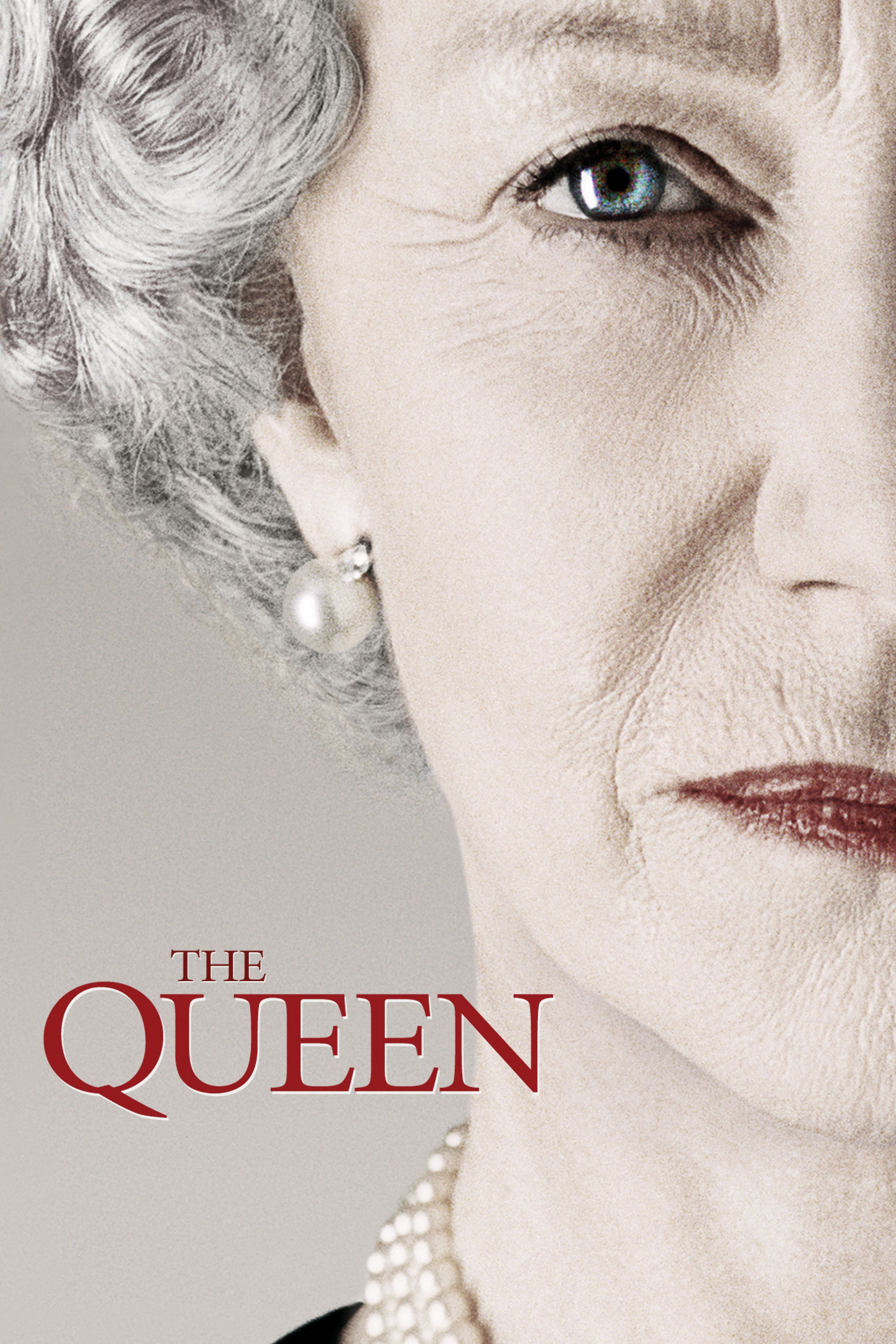
The Queen poster84

The Queen

2006 · More political damage control, with careful performances doing the work of speeches.

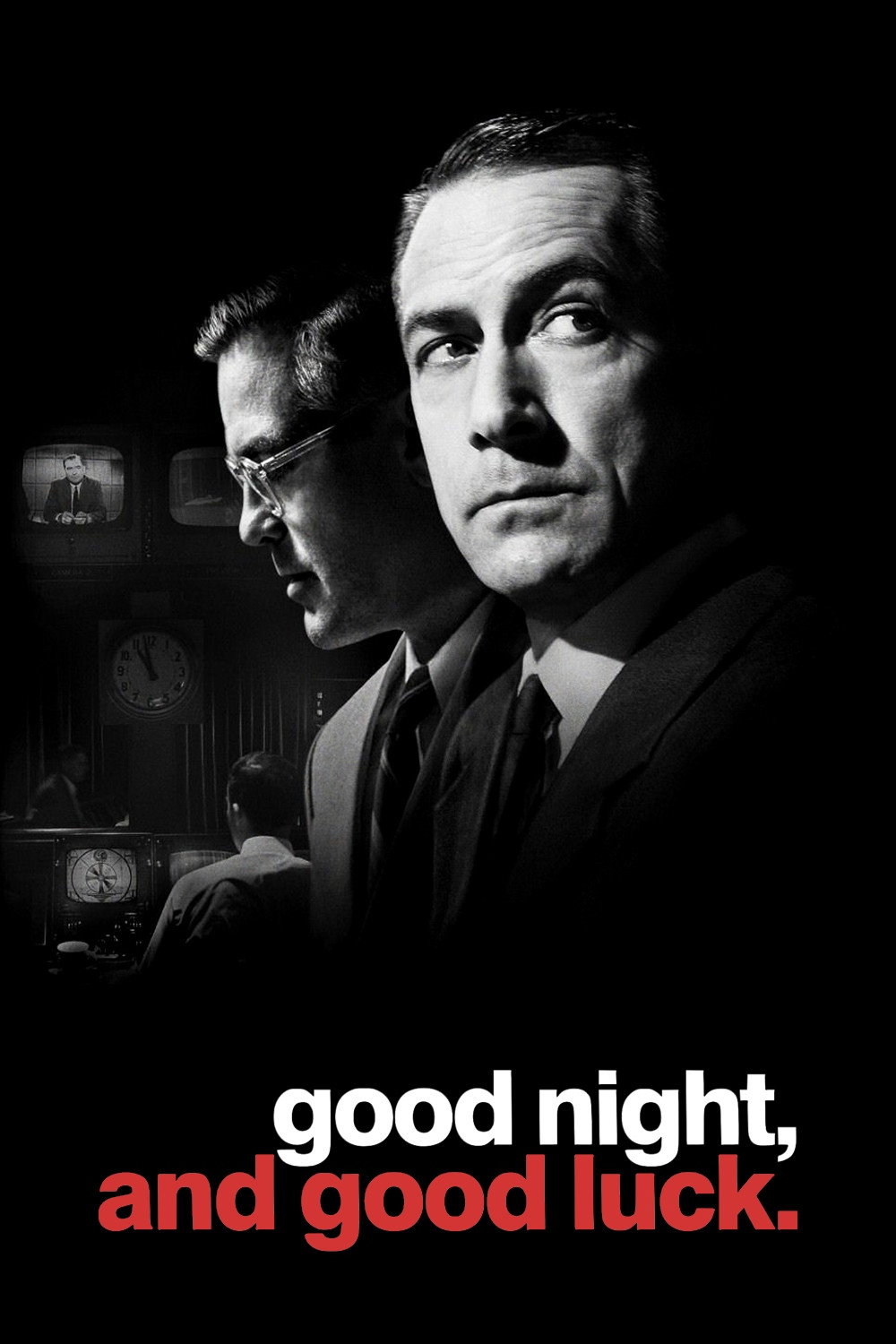
Good Night, and Good Luck. poster83

Good Night, and Good Luck.

2005 · Television journalism under pressure, with more attention to the work behind the questions.

The Interview poster79

The Interview

1998 · An Australian interrogation drama that finds ample suspense in who asks what.

A Face in the Crowd poster

A Face in the Crowd

1957 · For a harsher look at charm, television and the manufacture of public trust.

The Lost Honour of Katharina Blum poster

The Lost Honour of Katharina Blum

1975 · A German account of media cruelty, with less reassurance about who controls the story.