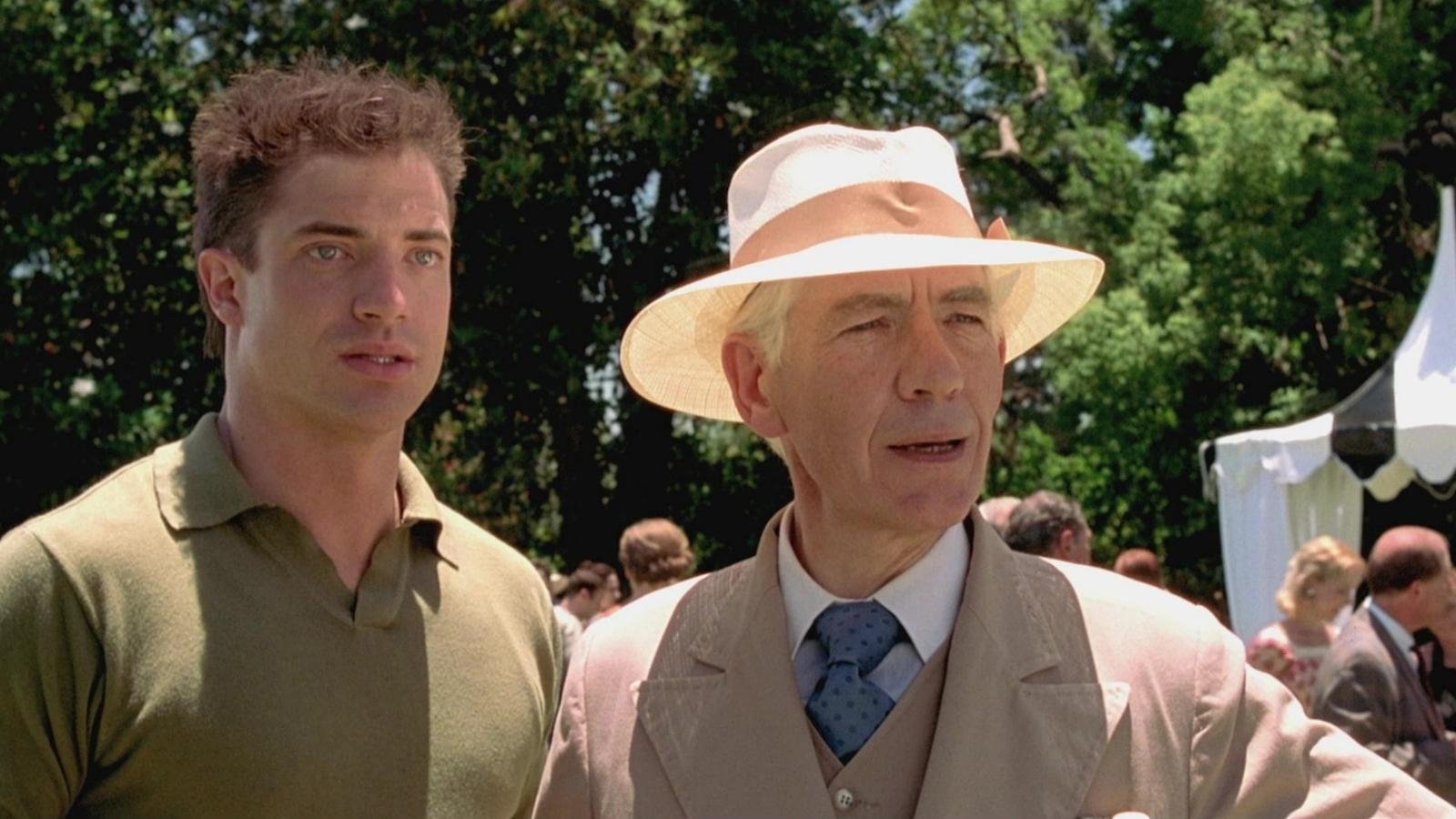
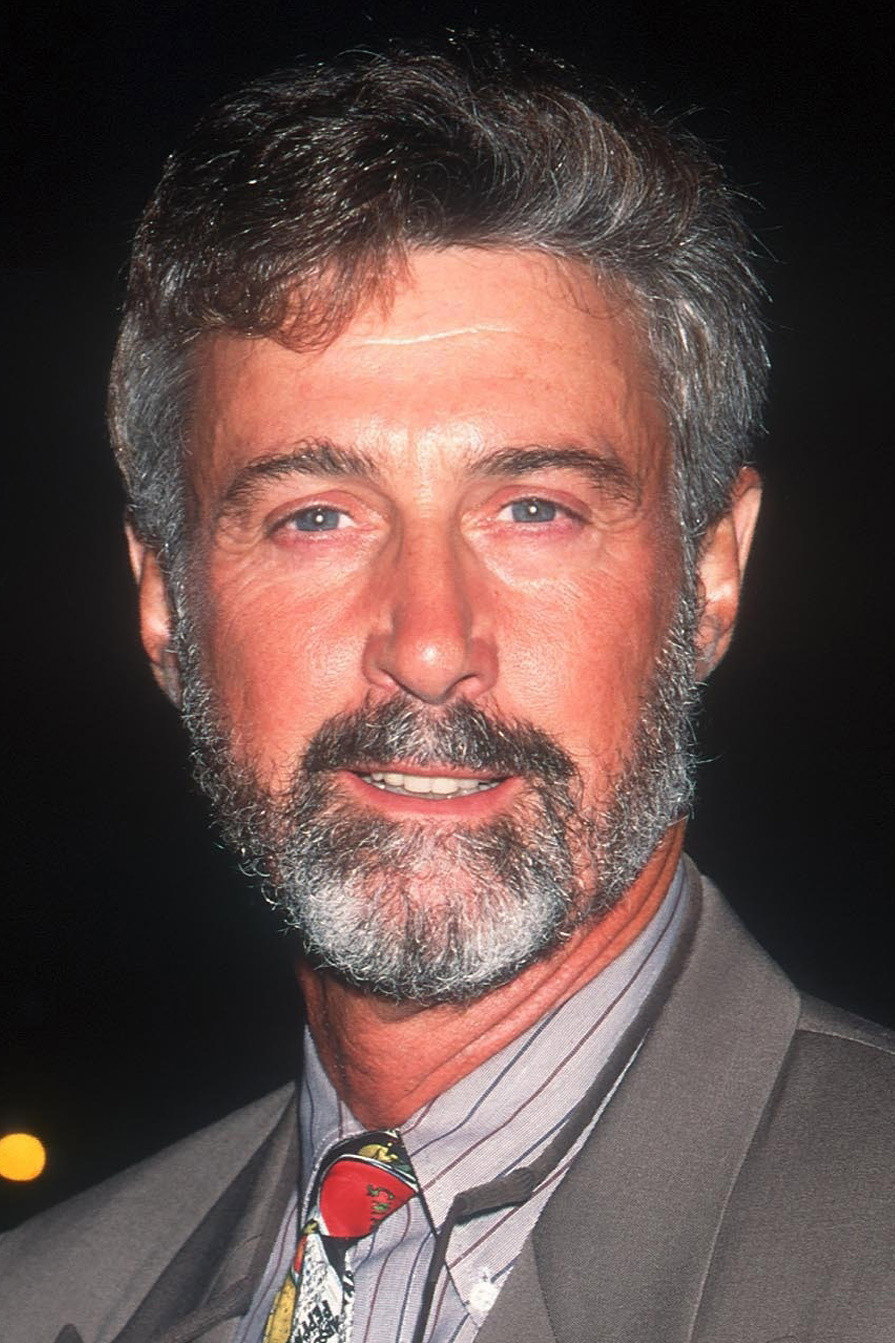
Ian McKellen and Brendan Fraser make Bill Condon’s speculative portrait of James Whale worth your evening. The script over-explains its connections with Whale’s films, but the friendship is warm, awkward and convincing.
Bill Condon’s Gods and Monsters is a warm, persuasive drama whose leading actors are more subtle than its script. It imagines a friendship between the ageing film director James Whale and a young gardener, Clayton Boone, and gives their uneven companionship most of its attention. This is a sensible scale for a speculative biography. Condon is interested in how a man used to directing others manages the awkward business of asking for company. The Hollywood memories matter because they keep intruding on that relationship.
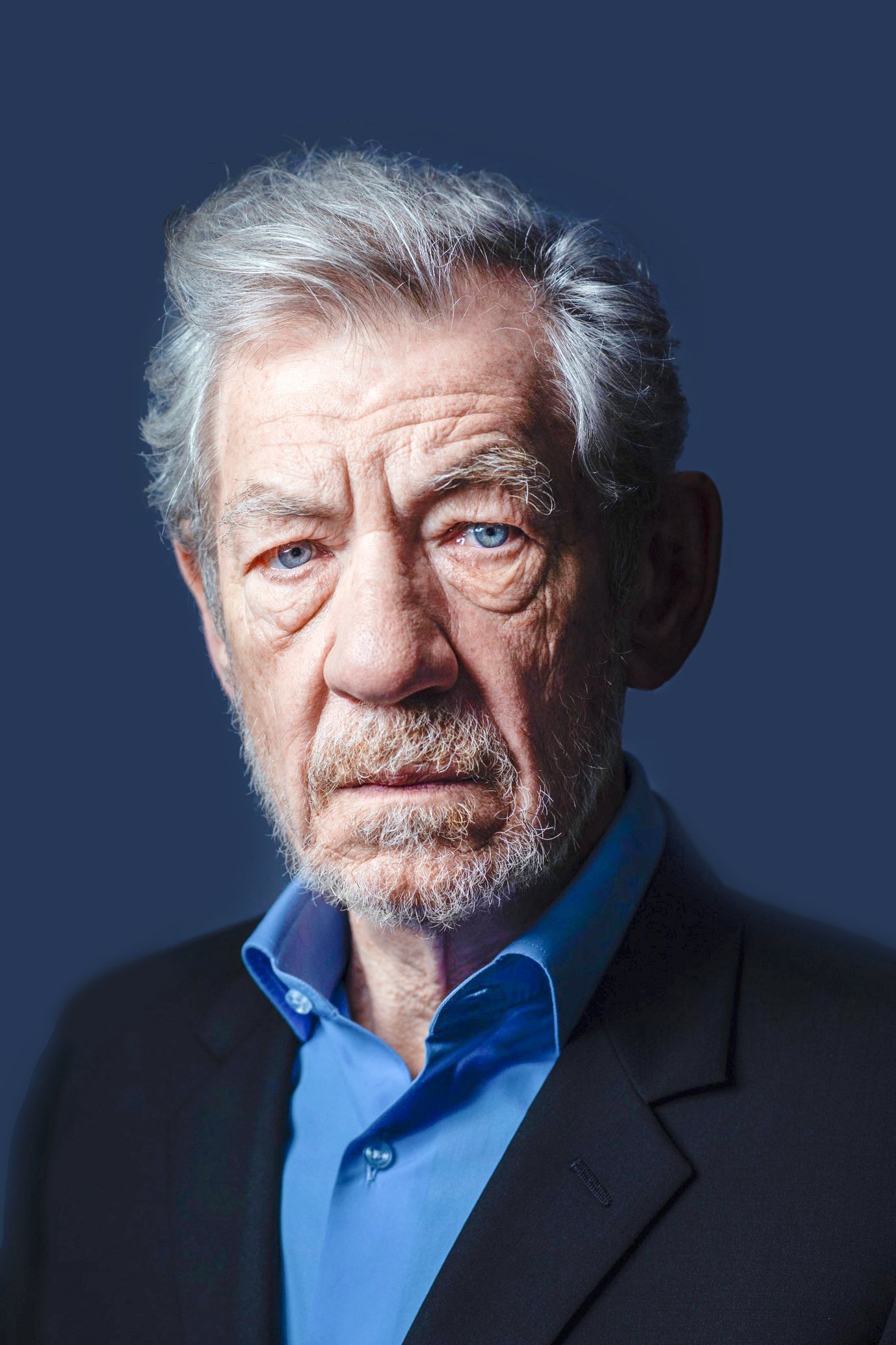
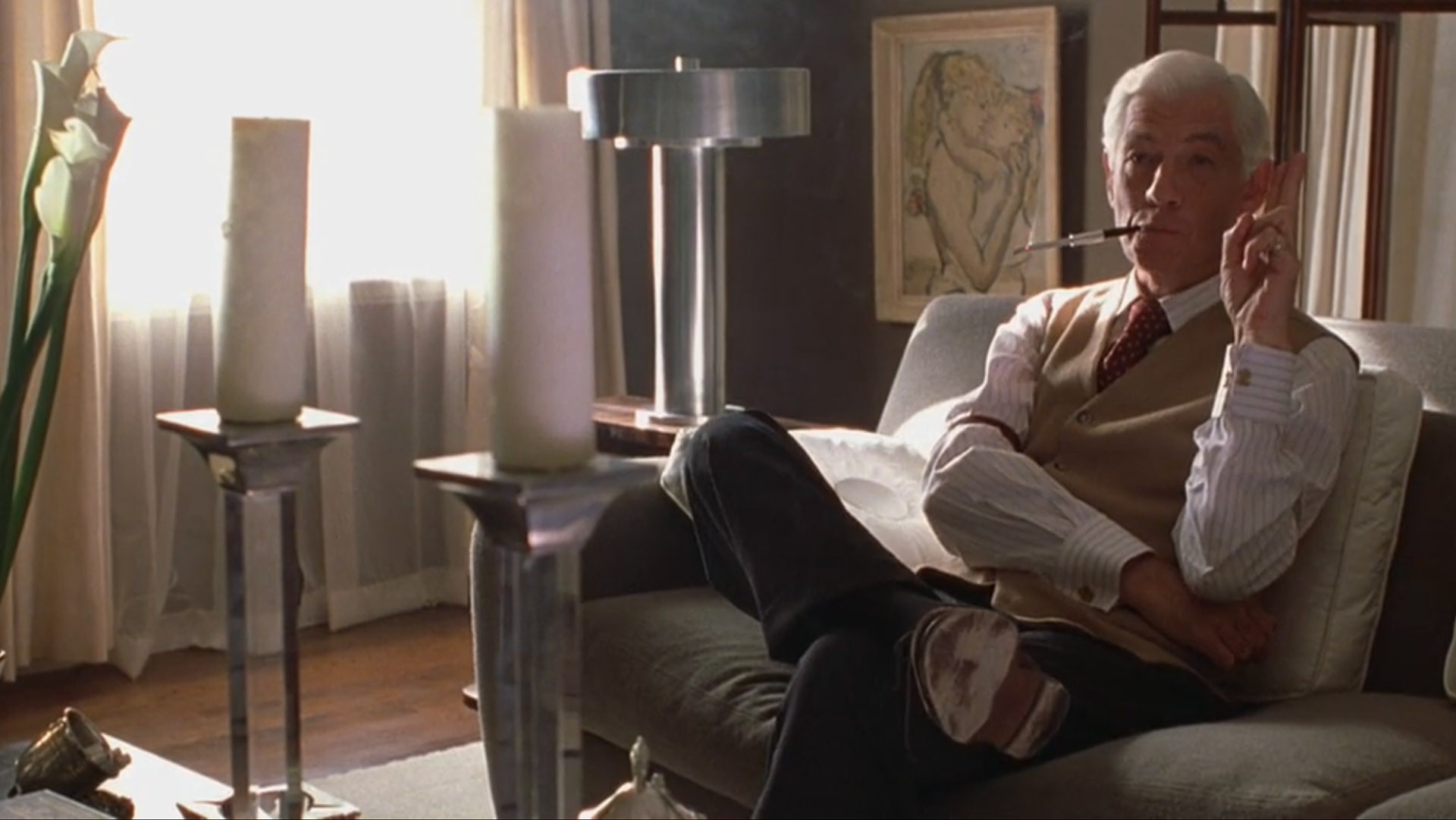
Ian McKellen plays Whale with enough pleasure in his own wit to make him occasionally tiresome, which is part of the performance’s strength. We can enjoy the cleverness without being obliged to approve of the man using it. His urbane manner never quite conceals how much he needs the encounter to go his way. McKellen allows vanity and distress to exist together without tidying either away. Condon wisely lets the humour survive even when Whale’s unhappiness becomes difficult to ignore.
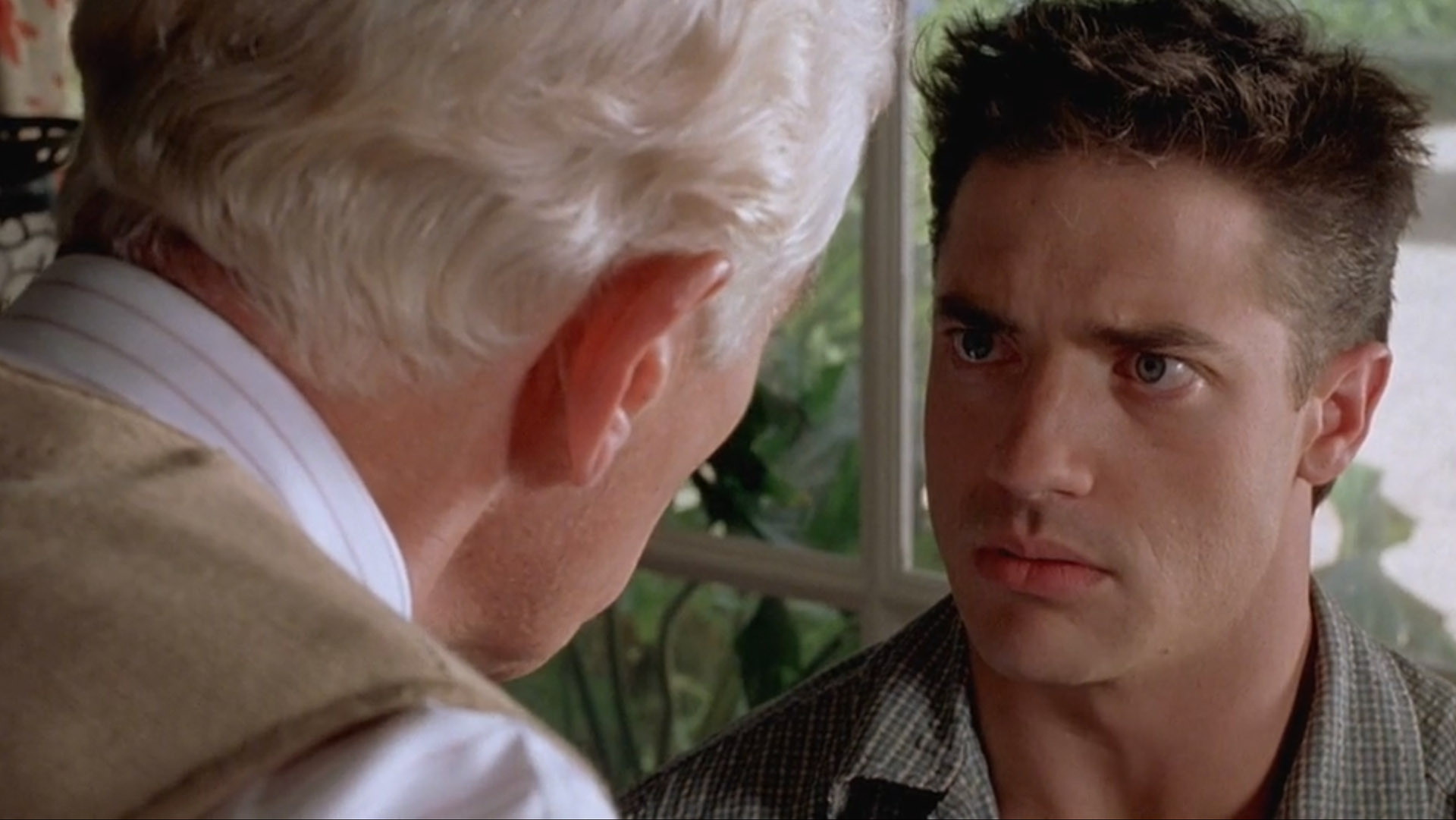
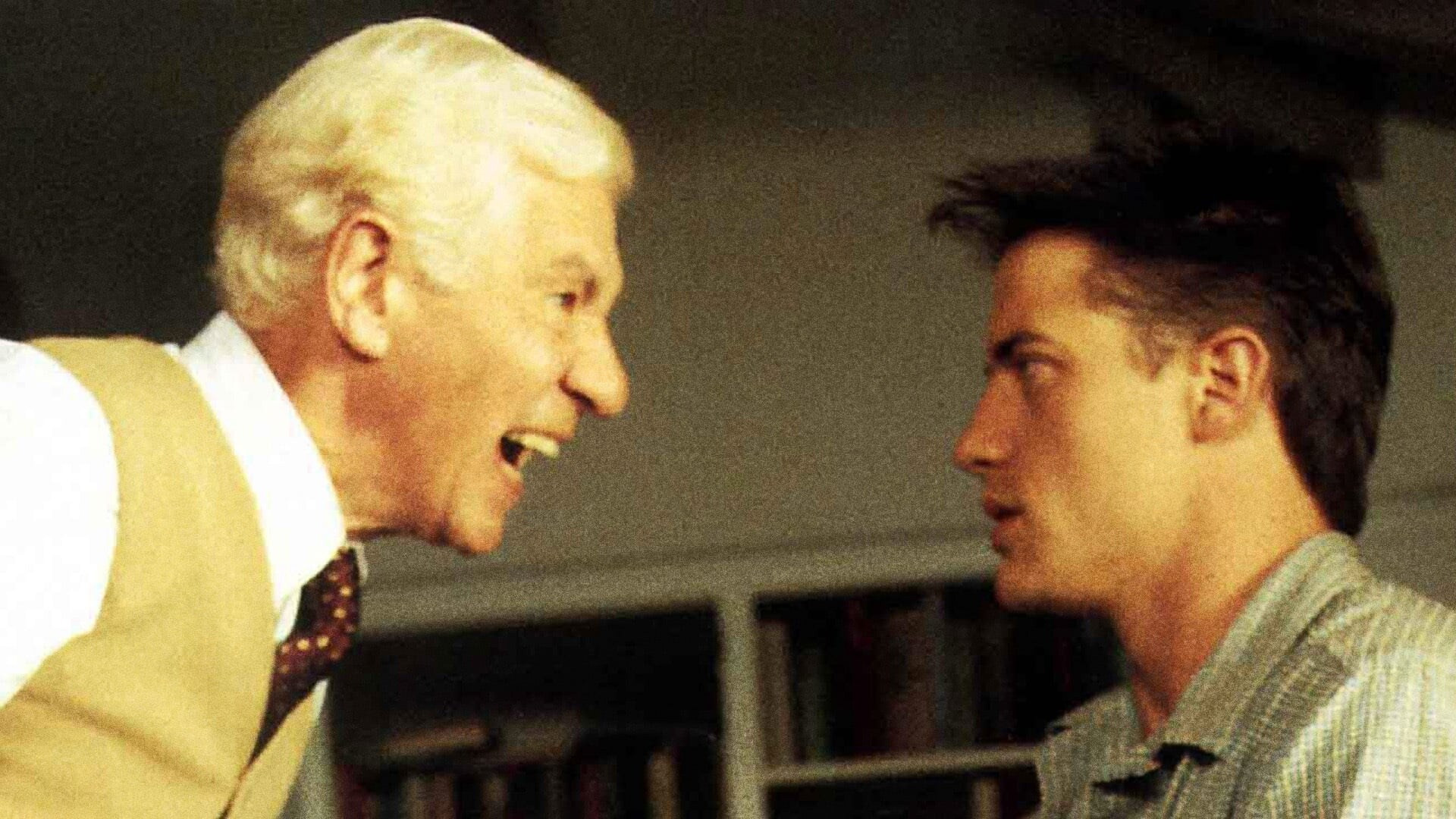
Brendan Fraser’s Boone is essential to that effect. Listening can be a thankless assignment beside a performance as commanding as McKellen’s, but Fraser makes it interesting to watch. We were moved by Fraser simply listening to McKellen; his attention makes Whale’s need for company painfully clear. The younger man’s sympathy never looks automatic, and Fraser lets the difficulty of understanding this companion show. Their exchanges give both actors something to do even when Whale appears to be doing most of the talking.
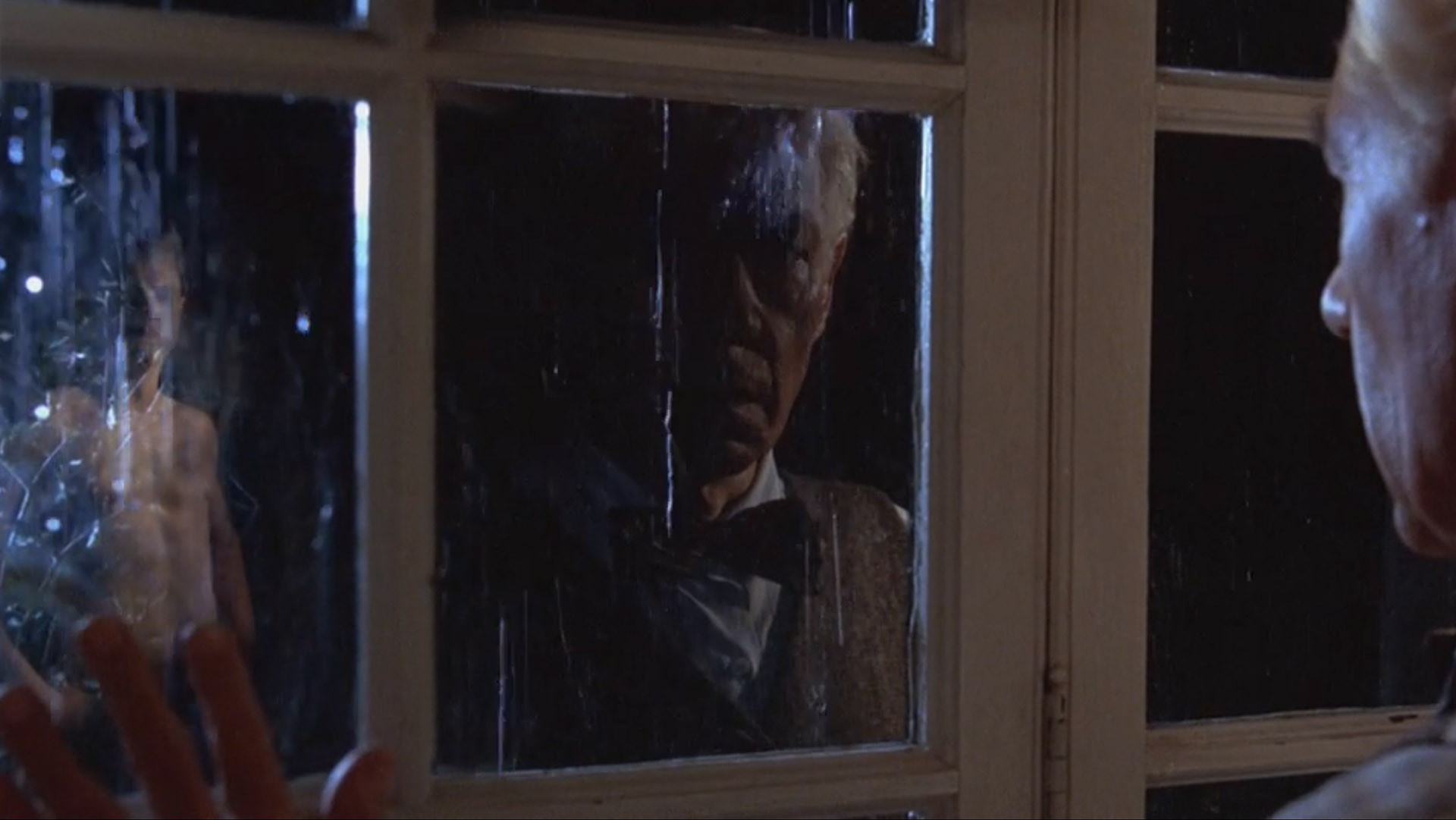
Stephen M. Katz’s cinematography gives the Hollywood recollections an allure that helps explain their hold on Whale. Richard Sherman’s production design supports those passages without making the recreation of the past seem more important than the man remembering it. That matters here, because too much admiration for old Hollywood would leave little room for Whale’s unhappiness. The images make that past attractive, while McKellen gives us plenty of reason to doubt that living through it was simple.
Virginia Katz’s editing makes the flashbacks easy to follow, a practical virtue in a story already busy with memories and their effect on a new friendship. Condon uses them to explain what Whale brings to his dealings with Boone, although some connections would be clear enough without the extra help. Carter Burwell’s score supports the tenderness of the performances without becoming the main source of it. The film is most affecting when the actors have time to respond to one another.
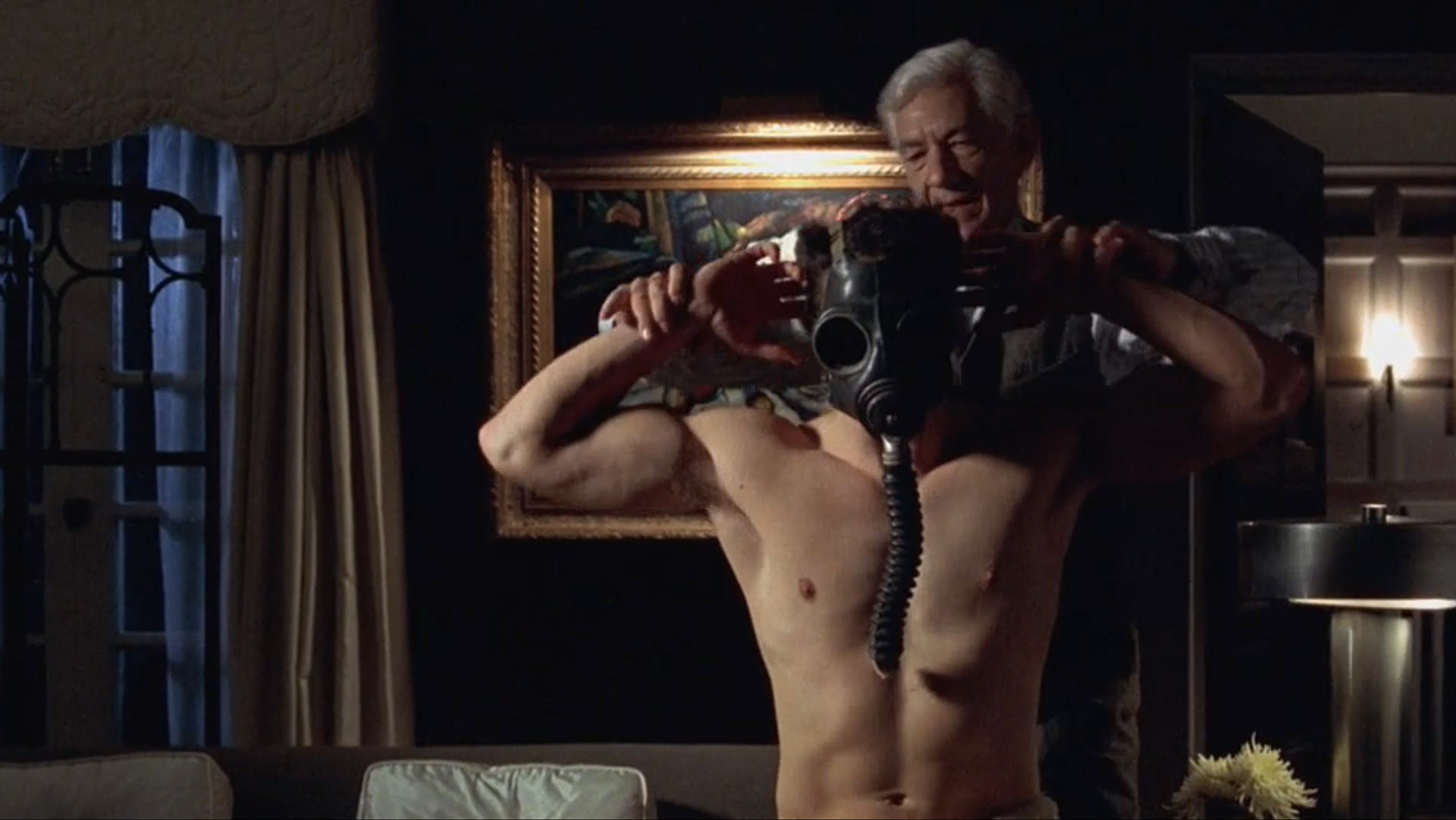
The writing becomes less sure when it leans on the echoes of Frankenstein. The comparisons are easy to grasp, and Condon returns to them more often than he needs to. Boone risks being reduced to a useful reminder of Whale’s work just when Fraser is making him interesting in his own right. That is a real limitation in a film so dependent on the credibility of its central friendship. The actors keep the exchanges alive through passages where the script has become too neat.
For a biographical drama, this is usefully willing to leave its subject difficult company. Its sympathy for an older gay man does not require him to become agreeable, and Condon resists treating his wit as merely a symptom of unhappiness. At 105 minutes, it has room to let the friendship develop without trying to account for every part of Whale’s career. Set aside an evening for McKellen and Fraser; their conversations deserve it.